6 Hamilton Place
6 Hamilton Place occupies a Mayfair address that sits within one of London's most architecturally significant private members' buildings, placing it in a comparable set defined by grandeur of setting rather than cuisine type alone. The venue operates in a neighbourhood where formal dining and institutional ceremony overlap, positioning it alongside London's most formally appointed rooms.
Pearl is the En Primeur Club membership app — saves, bookings, and concierge access live there. Same editors, same standards.
- Address
- 6 Hamilton Pl, London W1J 7EZ, United Kingdom
- Phone
- +44 20 7317 6164
- Website
- 6hamiltonplace.com
- Directions
- Get directions
 Saves & bookings on Pearl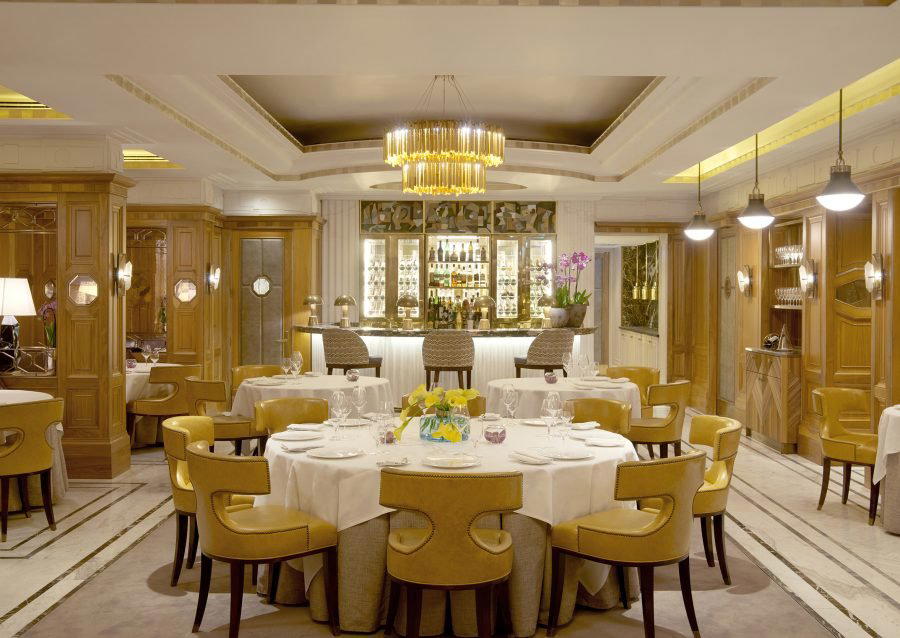
Mayfair's Architecture of Occasion
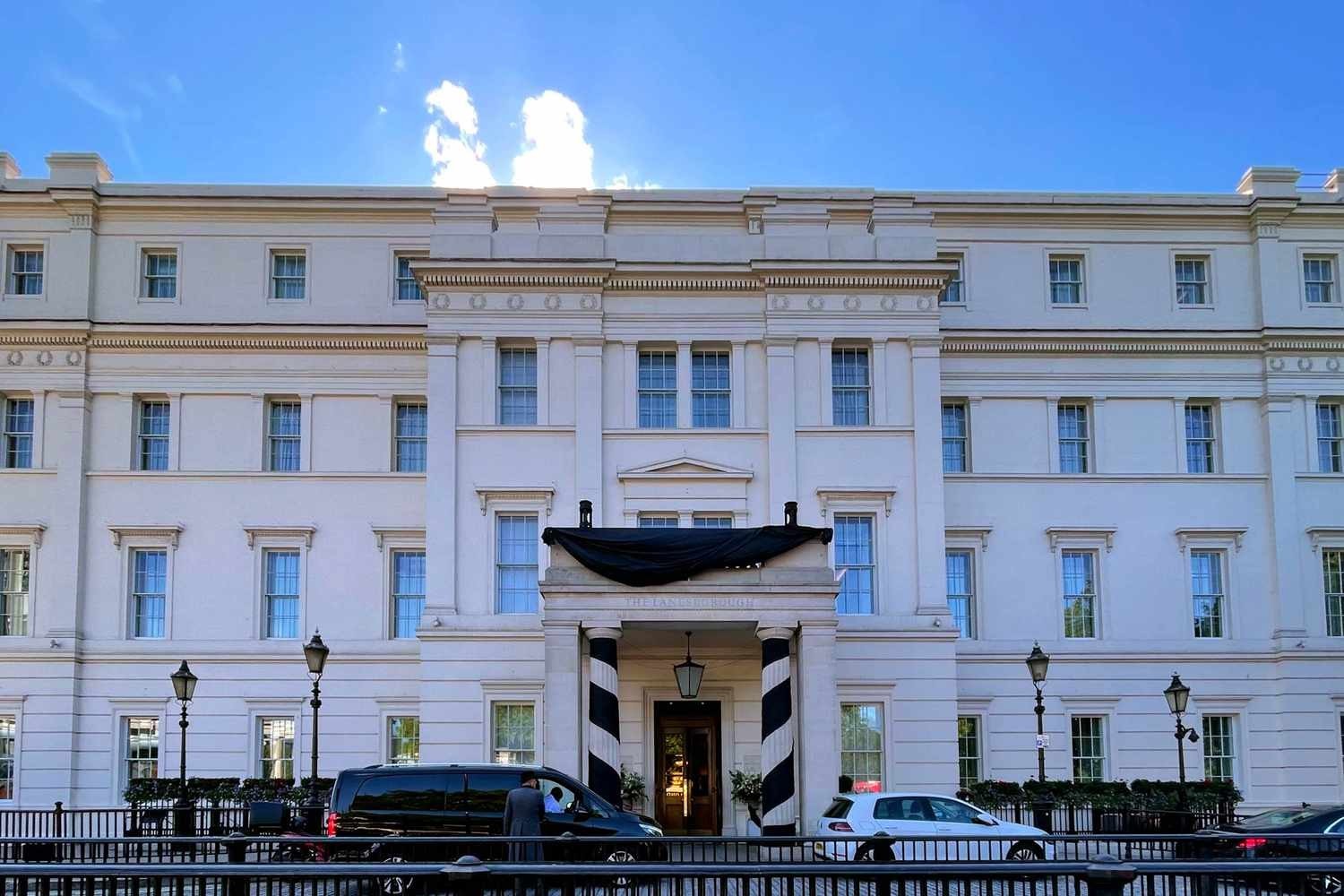
6 Hamilton Place is a restaurant in London's Mayfair serving Chinese-Lebanese Fusion cuisine, with a typical spend of about $120 per person. Hamilton Place, the short westward spur off Park Lane where it meets Piccadilly, is one of them. It belongs to the Royal Aeronautical Society, a Grade II listed town house whose Portland stone facade announces institutional permanence rather than commercial hospitality. That tension between private-members gravity and the expectations of a dining public defines what the address offers and, just as importantly, what it does not.
London's premium dining geography has long sorted itself into clusters: the Mayfair hotel dining rooms along Park Lane, the modernist Knightsbridge brigade anchored by Dinner by Heston Blumenthal, the Chelsea permanence of Restaurant Gordon Ramsay, and the Notting Hill contingent led by The Ledbury. Hamilton Place occupies none of these clusters precisely. It sits at the seam where Green Park meets Park Lane, which means it draws from the residual formality of both corridors without being wholly owned by either.
The Physical Container
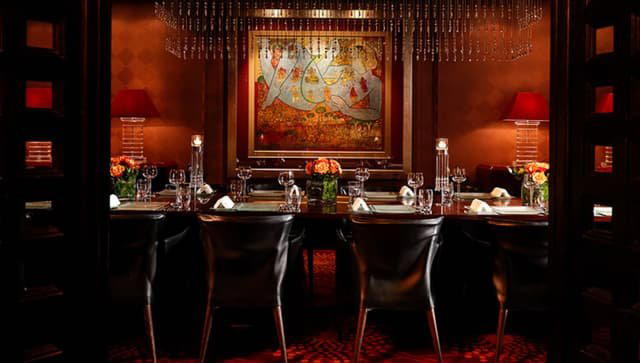
The building itself is the argument for a visit. The Royal Aeronautical Society has occupied this late-Victorian town house since 1919, and the interior reflects a century of institutional stewardship rather than periodic refurbishment cycles. Rooms of this kind, with their high ceilings, original cornicing, and proportions calibrated for assembly rather than restaurant turnover, have become scarce in central London as commercial pressure converts period interiors into neutralised dining environments.
In a city where Sketch's Lecture Room and Library deploys maximalist design and Core by Clare Smyth chooses deliberate material restraint, 6 Hamilton Place occupies a different register: inherited grandeur that predates any design brief. The staircase, the panelling, the meeting-room scale of its principal spaces all belong to a tradition of formal English institutional life that has almost no commercial equivalent remaining in Zone 1. That is its distinguishing condition, not a chef's philosophy or a menu concept.
Spaces like this impose a particular kind of behaviour on the people who enter them. The ceiling height alone changes the acoustic register of a meal. Conversations drop half a decibel. The architecture does the work that many modern restaurants spend considerable sums trying to manufacture through bespoke furniture and baffling materials. Whether the dining operation matches that spatial authority is the question every visitor is effectively arriving to answer.
Positioning Within London's Formal Dining Tier
London's three-Michelin-star contingent, which includes the rooms above as well as the Mayfair formality of other long-tenured addresses, competes on a combination of culinary precision and spatial theatre. The city's food-critical conversation in recent years has increasingly separated those two dimensions: a technically superb tasting menu in a deliberately neutral room reads differently from the same menu served inside a space with genuine architectural authority.
6 Hamilton Place enters that conversation from the spatial side. Its comparable set is less the city's Michelin-starred kitchens and more those venues where the occasion of being in a particular building is inseparable from the act of dining. Private dining in London's historic livery halls operates on the same logic. So does the dining room at certain long-established clubs. What distinguishes the restaurant is that it operates, at least in part, as an accessible proposition rather than an exclusively members-only one, which makes the architectural experience available to a broader visitor profile than most comparable settings in the city allow.
For context on what London's high-end restaurant tier looks like when the spatial and culinary ambitions are calibrated together,
The Wider British Dining Frame
Hamilton Place's architectural seriousness is best understood against the British tradition of destination dining that extends well beyond London. The country's most spatially significant restaurants tend to be housed in repurposed buildings that carry their own histories: L'Enclume in Cartmel operates from a medieval forge, Moor Hall in Aughton from a restored hall house, Gidleigh Park in Chagford from a mock-Tudor manor on the Dartmoor boundary. In each case, the building is a primary argument for the visit. The Fat Duck in Bray and Hand and Flowers in Marlow reverse that logic by using deliberately modest buildings to isolate the cooking as the primary event. Hide and Fox in Saltwood splits the difference with a converted village setting. Hamilton Place belongs firmly in the first camp: the building is a protagonist.
That places it in an interesting position relative to international comparisons. High-end institutional dining rooms in New York, at addresses like Le Bernardin or the more architecturally considered counter experiences like Atomix, resolve the space-versus-cuisine tension differently. Le Bernardin's formal room uses neutrality to centre the seafood-focused cooking; Atomix uses intimate counter architecture to create proximity. London's institutional buildings like Hamilton Place offer neither neutrality nor intimacy, but instead a third variable: presence.
Planning a Visit
The W1J 7EZ postcode places the venue a short walk from Green Park Underground station, making it straightforwardly accessible from the Jubilee, Victoria, and Piccadilly lines. Park Lane and Piccadilly converge nearby, so the address is equally convenient for those arriving by car from the west or south. The neighbourhood context is significant: Half Moon Street, Curzon Street, and Shepherd Market are within a few minutes on foot, giving a pre- or post-dinner range of options in a part of Mayfair that retains a quieter, more residential scale than the commercial stretch along Oxford Street.
Reservations are recommended.
The Essentials
Comparable venues nearby, for context on price, style, and recognition.
| Venue | Cuisine | Price | Notes |
|---|---|---|---|
| 6 Hamilton PlaceThis venue — the venue you are viewing | Mayfair, Chinese-Lebanese Fusion | $$$$ | Not listed |
| Hutong London | Not listed | $$$$ | Borough, Modern Northern Chinese Fine Dining |
| Studio Frantzén | Not listed | $$$$ | Knightsbridge, Nordic-French-Asian Fusion |
| Whiteley’s Kitchen | Bayswater, Vegetable-led Modern British | $$$$ | Not listed |
| Trèsind | Mayfair, Modernist Indian Fine Dining | $$$$ | Not listed |
| Duck and Rice | Soho, Chinese Gastropub | $$$ | Not listed |
Continue exploring
More in London
Restaurants in London
Browse all →
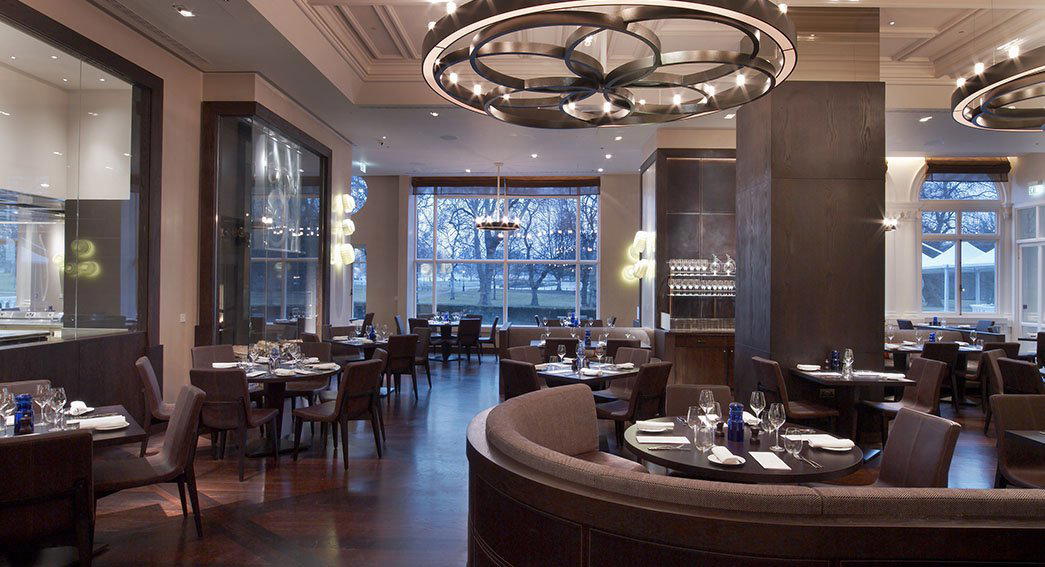
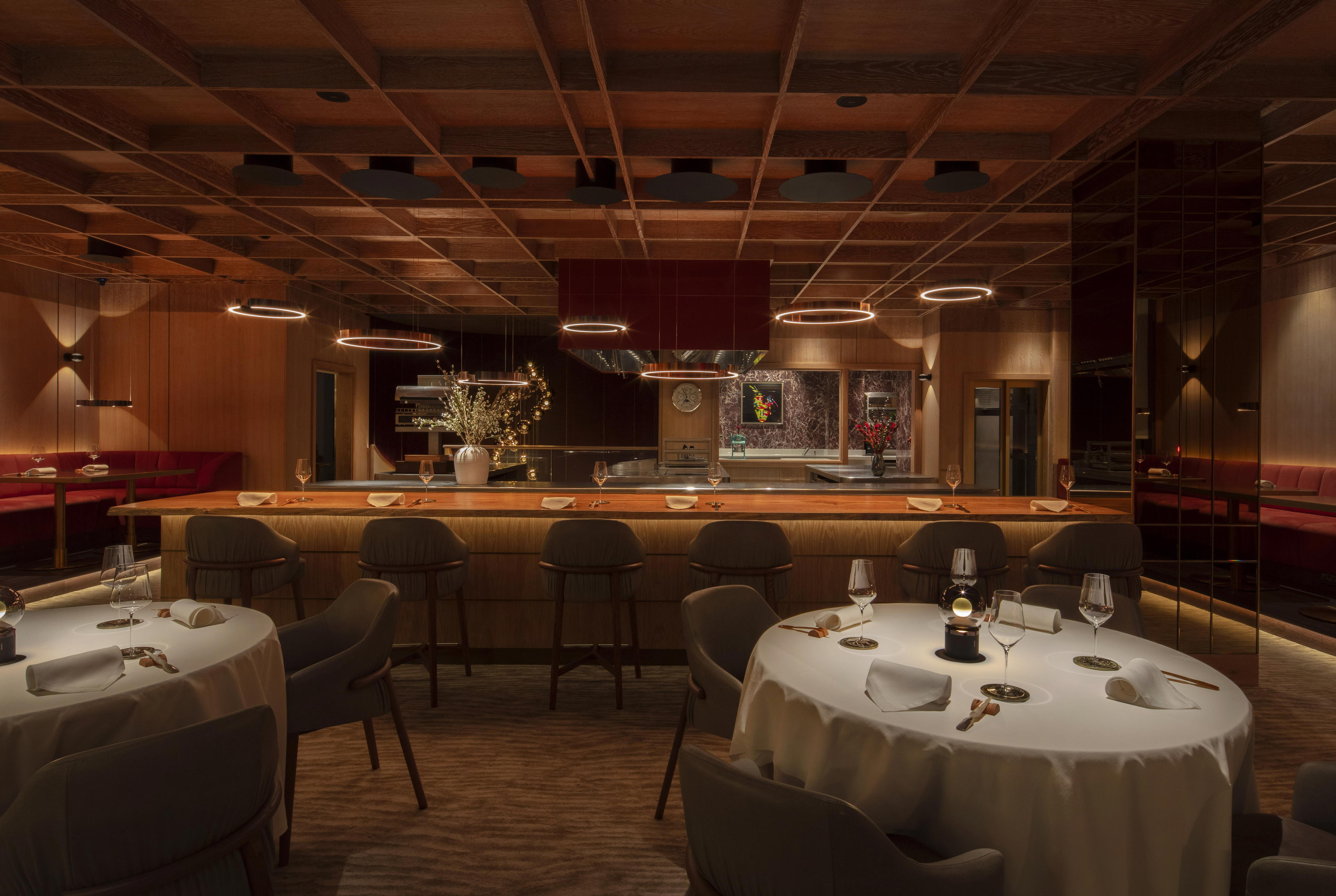
Bars in London
Browse all →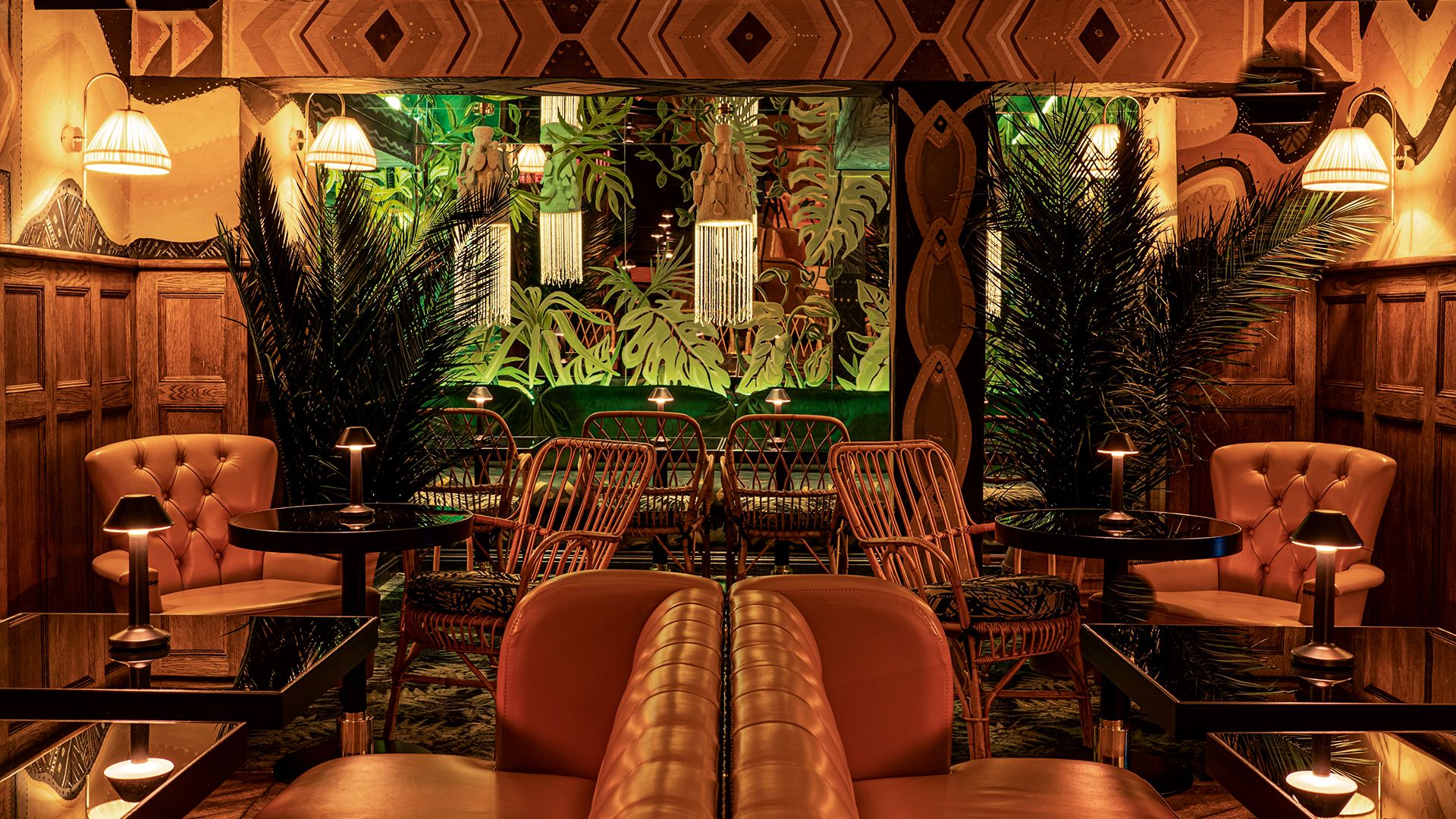
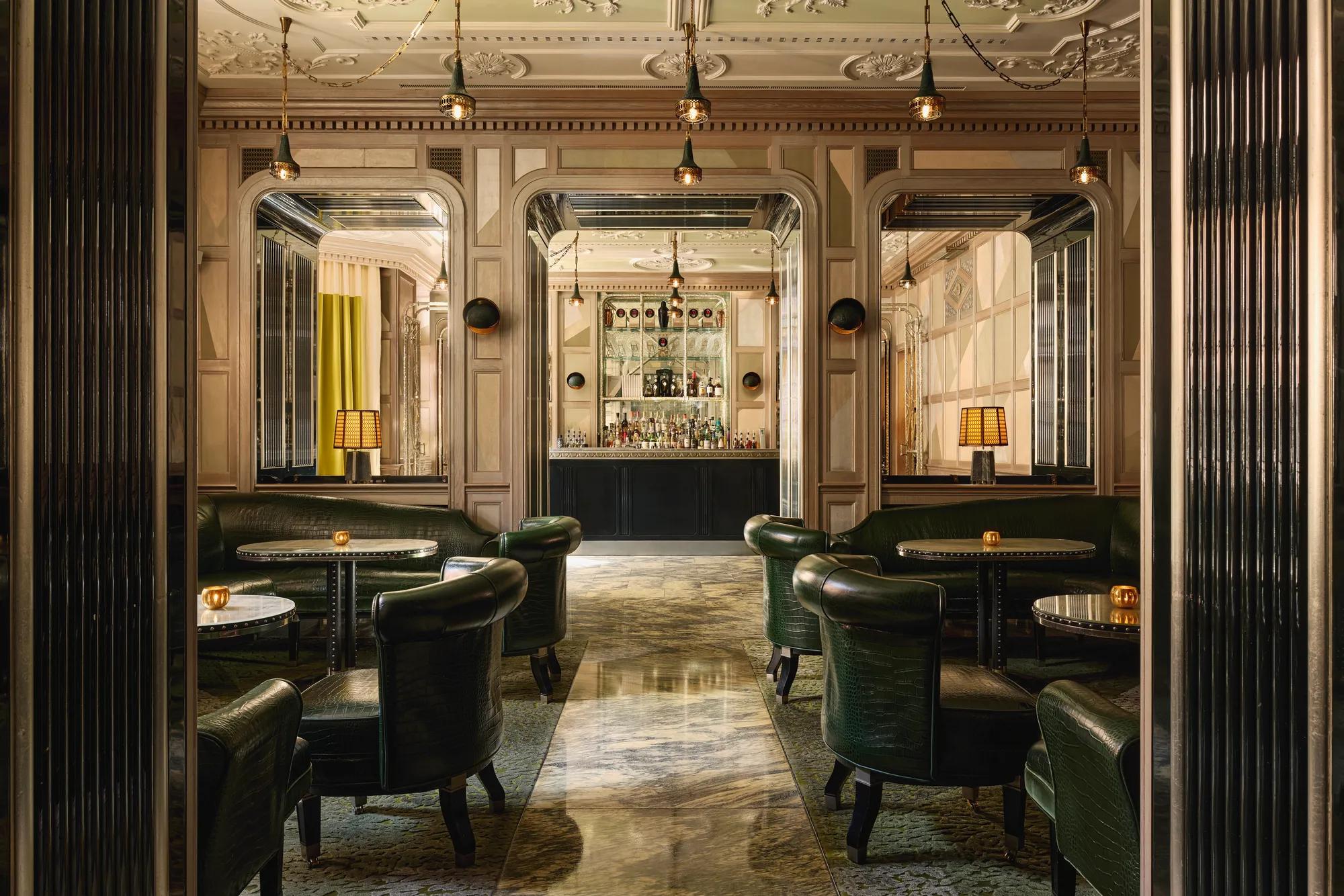
Hotels in London
Browse all →
Wineries in London
Browse all →
At a Glance
- Elegant
- Sophisticated
- Intimate
- Classic
- Business Dinner
- Special Occasion
- Date Night
- Private Event
- Private Dining
- Historic Building
- Hotel Restaurant
- Extensive Wine List
Current opening hours
- Monday
- Closed
- Tuesday
- Closed
- Wednesday
- 5 PM–12 AM
- Thursday
- 5 PM–12 AM
- Friday
- 5 PM–12 AM
- Saturday
- 5 PM–12 AM
- Sunday
- 5 PM–12 AM
Hours can change for holidays and private events. Last verified .
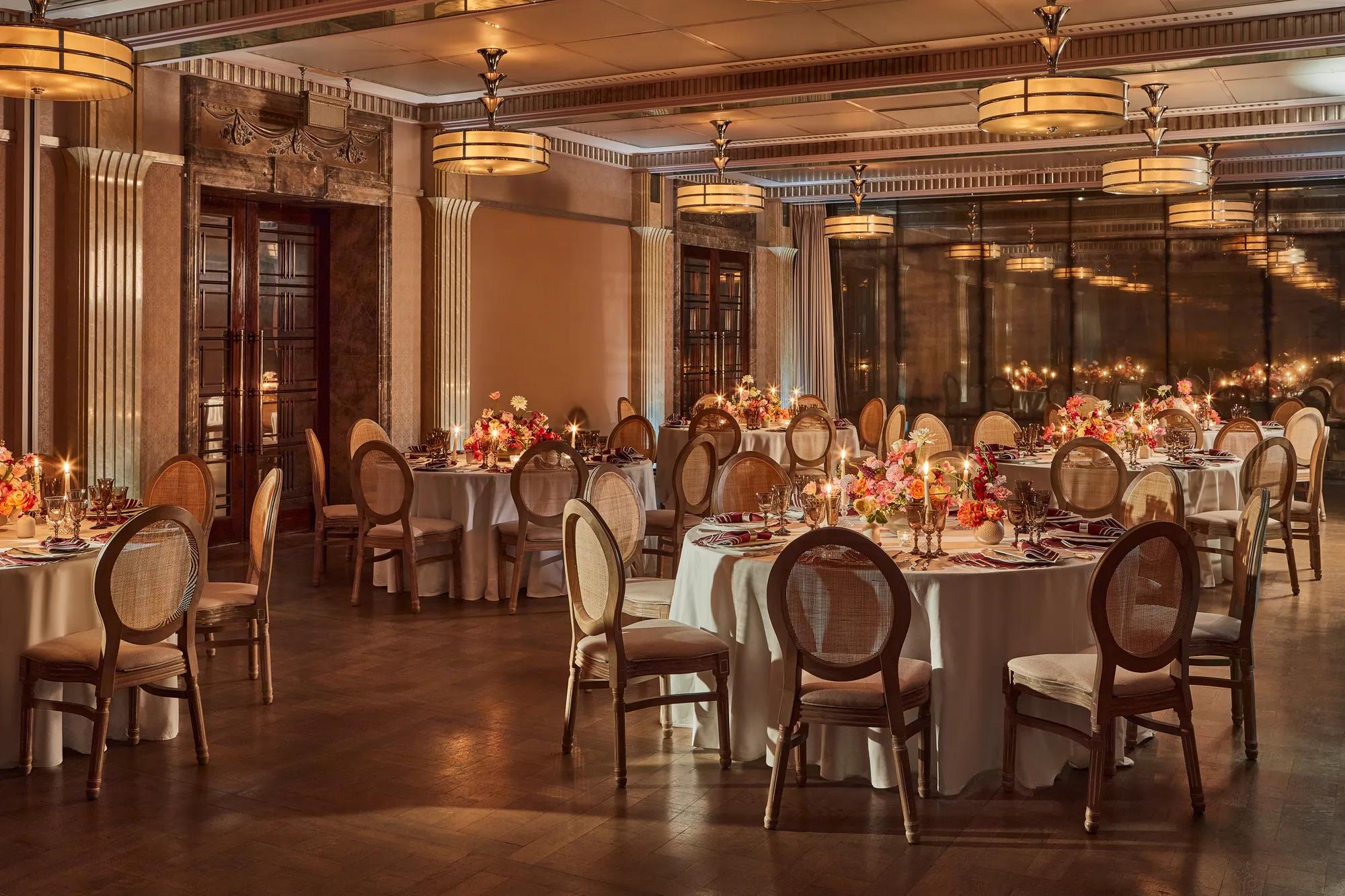
Art Deco-inspired interiors with sleek white dolomite marble, black accents, quiet and exclusive atmosphere.