
Yong Fu(Ning Bo) brings Ningbo’s coastal Zhejiang cooking into Hong Kong’s high-end Chinese dining conversation, with ingredient sourcing as the central question rather than ornament. Its Black Pearl Restaurant Guide 2026 one-diamond recognition places it in a credentialed tier, but the interest is broader: how a port-city cuisine built on seafood, preservation, and salinity reads in another port city.
 Request Booking on Pearl
Pearl is the En Primeur Club membership app — saves, bookings, and concierge access live there. Same editors, same standards.
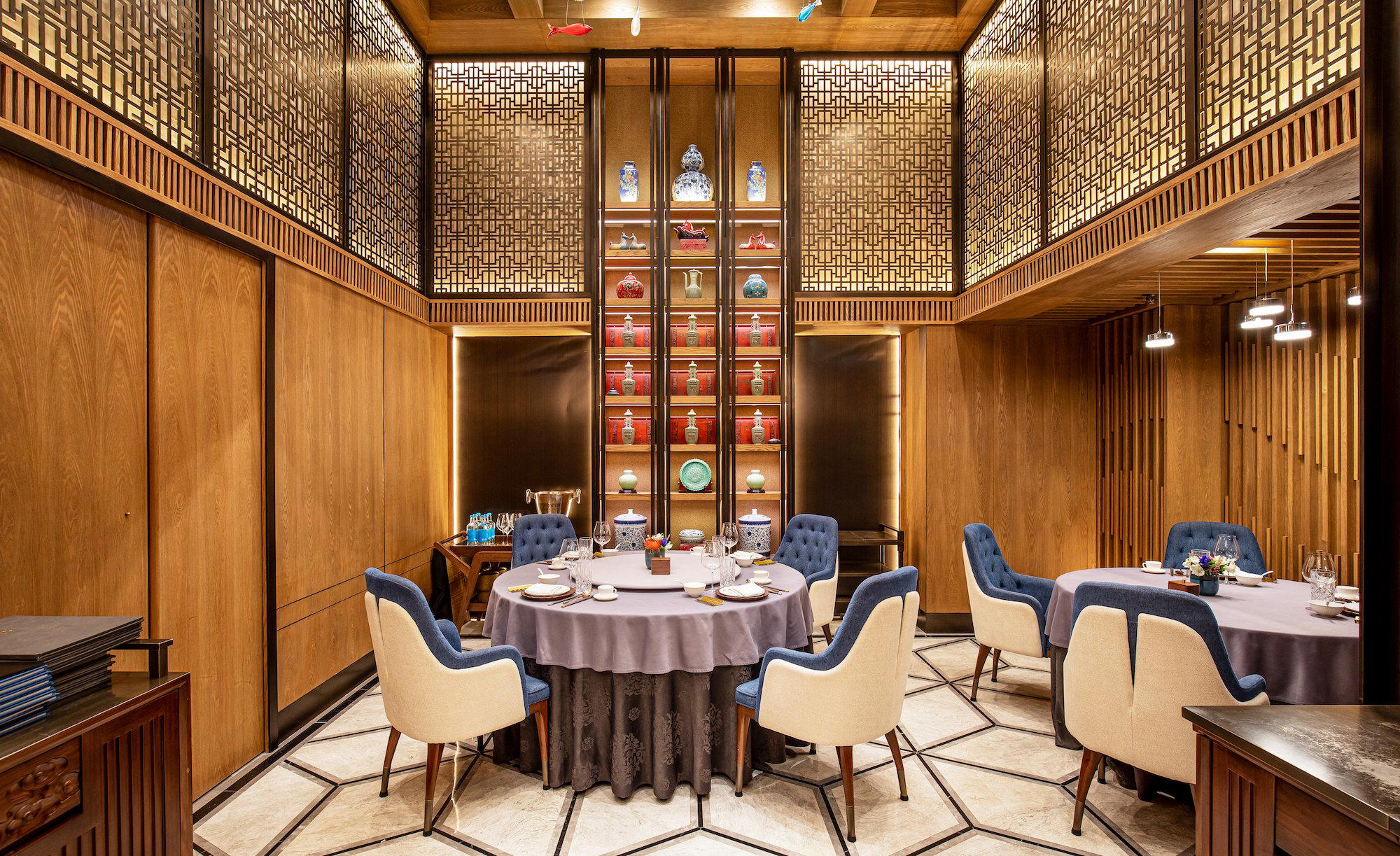
The first cue is not spectacle but restraint: a Chinese dining room in Hong Kong where the relevant drama sits in the sourcing chain before it reaches the table. Ningbo cooking comes from a port culture, and its grammar is shaped by seafood, brining, pickling, drying, and the clean salinity of the East China Sea. At Yong Fu(Ning Bo), that tradition matters because the cuisine is less about decorative luxury than about whether marine ingredients, preserved notes, and Zhejiang seasoning are handled with enough precision to justify a premium seat in Hong Kong.
Hong Kong already understands seafood as status, ritual, and family currency. Cantonese kitchens have long treated live tanks, steaming, and market freshness as markers of seriousness. Ningbo’s register is different. It is coastal but not Cantonese; it allows more fermented depth, more preserved character, and a sharper relationship between freshness and salt. That distinction is the reason the restaurant’s Black Restaurant Guide 2026 one-diamond recognition is useful context: the award places the address inside a Chinese dining guide that pays attention to regional culinary identity, not only international fine-dining codes.
Ningbo sourcing, read through a Hong Kong dining room
The ingredient story here begins with geography. Ningbo sits on China’s eastern seaboard, where fish, shellfish, river produce, rice wine, and preserved seafood have long shaped the table. In restaurant form, the cooking asks a different question from the Cantonese pursuit of pristine immediacy: how much character can be drawn from an ingredient without burying its origin? Salted, dried, and fermented elements are not garnish in this tradition; they are part of the architecture.
That makes Yong Fu(Ning Bo) an instructive Hong Kong address for diners who already know the city’s Cantonese hierarchy and want another coastal Chinese lens. The point is not novelty. The point is calibration: Ningbo food can be assertive, but the premium version depends on sourcing discipline and kitchen restraint. When the raw material is weak, preserved notes dominate. When the kitchen has access to serious seafood and handles seasoning with control, the cuisine gains depth without heaviness.
Hong Kong is a natural stage for that conversation because the city’s dining public is fluent in regional Chinese distinctions. Shanghainese, Chiu Chow, Cantonese, Sichuan, and Jiangnan cooking all occupy separate expectations here, and knowledgeable diners notice when a restaurant reduces a regional cuisine to a few familiar clichés. Ningbo cooking resists that simplification. Its identity comes from a working coast, not a banquet template, and the sourcing question remains central from the first cold dish to the seafood courses that usually define the meal.
Why the Black signal matters in this category
A one-diamond rating from the Black Restaurant Guide in 2026 gives the restaurant a concrete trust signal in a field where many Chinese fine-dining rooms rely on reputation without clear external markers. Black ’s frame is particularly relevant because it evaluates Chinese dining with a regional lens. For a Ningbo restaurant in Hong Kong, that matters more than a generic luxury label.
The recognition also helps position the meal for visitors. Hong Kong has a large premium restaurant market, but not every high-spend Chinese table tells a distinct regional story. Here, the editorial value lies in the specificity of the cuisine: Zhejiang coastal ingredients, preservation techniques, and a savory profile that does not simply imitate Cantonese seafood service. That makes the restaurant more compelling for diners who care about Chinese regionality than for those seeking a broad luxury Chinese restaurant with familiar markers.
Because public practical details are thin, the sensible approach is to treat the restaurant as a planned meal rather than a spontaneous stop. Awarded Chinese restaurants in Hong Kong often run on reservation culture, especially for groups and for meals built around seafood or regional set pieces. The better decision is to arrange the table ahead, state dietary restrictions early, and avoid assuming that a kitchen grounded in seafood, preserved ingredients, and sauces can improvise around every allergy without advance notice.
Where it sits in a broader Hong Kong itinerary
Yong Fu(Ning Bo) works well as part of a regional-Chinese itinerary rather than as a generic fine-dining box to tick. A reader mapping the city through food can use Our full Hong Kong restaurants guide for the wider field, then branch into other categories through Our full Hong Kong bars guide, Our full Hong Kong hotels guide, Our full Hong Kong wineries guide, and Our full Hong Kong experiences guide. The city rewards that kind of planning because meals, bars, hotels, and cultural pacing sit close together but operate at different rhythms.
For additional Hong Kong restaurant browsing, the directory also includes 15-27 Cannon St, 208 Hollywood Rd, 22 Ships (Spanish-Tapas), 7 Paintings, 8 1/2 Otto e Mezzo Bombana (Hong Kong) (Italian), 8½ Otto e Mezzo BOMBANA in Central And Western, Block 18 Doggie's Noodle in Yau Tsim Mong, Chin Sik in Tsuen Wan, Enchanted Garden Restaurant in Islands, Former Jumbo Floating Restaurant in Aberdeen, and Habib's Indian & Middle Eastern Food in Kwun Tong. Beyond Hong Kong, EP Club also covers addresses such as Jōdo Saké Bar in Los Angeles and Onigiri Time in Pasadena.
How It Compares
Comparable venues nearby, for context on price, style, and recognition.
| Venue | Cuisine | Price | Notes |
|---|---|---|---|
| Yong Fu(Ning Bo)This venue — the venue you are viewing | Michelin‑starred Ningbo fine dining | $$$$ | Not listed |
| Flower Drum | Modern Cantonese Fine Dining | $$$$ | Wan Chai |
| Xin Rong Ji | Modern Taizhou & regional Chinese fine dining | $$$$ | Wan Chai |
| Dynasty | Award-Winning Cantonese | $$$$ | Wan Chai |
| Ming Court | Authentic Cantonese Fine Dining | $$$$ | Wan Chai |
| Crystal Bus Sightseeing Dining Tour 水晶巴士 觀光餐廳 | Cantonese Dim Sum on Sightseeing Bus | $$$ | Yau Tsim Mong North |
Recognition history
Dated appearances from independent guides and award organizations, with the underlying list record or original source where available.
Black Pearl 1 Diamond
Black Pearl
Continue exploring
More in Hong Kong
Restaurants in Hong Kong
Browse all →
Bars in Hong Kong
Browse all →
At a Glance
- Elegant
- Sophisticated
- Modern
- Ornate
- Romantic
- Intimate
- Business Dinner
- Special Occasion
- Date Night
- Celebration
- Group Dining
- Standalone
- Private Dining
- Extensive Wine List
- Sommelier Led
- Sustainable Seafood
- Local Sourcing
An elegant, softly lit dining room spread over two floors with wave‑like crystal chandeliers, glass fish installations, and a calm, refined atmosphere suited to business dinners and special occasions.