Asador Libanés
Our verdict
Asador Libanés occupies a specific niche within Mexico City's dining fabric: a Lebanese-inflected grill format on Calle Kansas in the Nápoles district of Benito Juárez. In a city where Middle Eastern culinary traditions have quietly shaped the taco al pastor lineage for decades, this address puts that heritage into sharper focus. It sits outside the tasting-menu circuit and rewards the kind of eating that is direct, smoke-forward, and grounded in shared plates.

Pearl is the En Primeur Club membership app — saves, bookings, and concierge access live there. Same editors, same standards.
- Address
- C. Kansas 19, Nápoles, Benito Juárez, 03810 Ciudad de México, CDMX, Mexico
- Phone
- +525567210127
- Hours
- Mon–Wed 1–11 PMThu–Sat 1 PM–12 AMSun 1–10 PM
- Website
- asadorlibanes.com
- Directions
- Get directions
- Booking
- Book on OpenTable
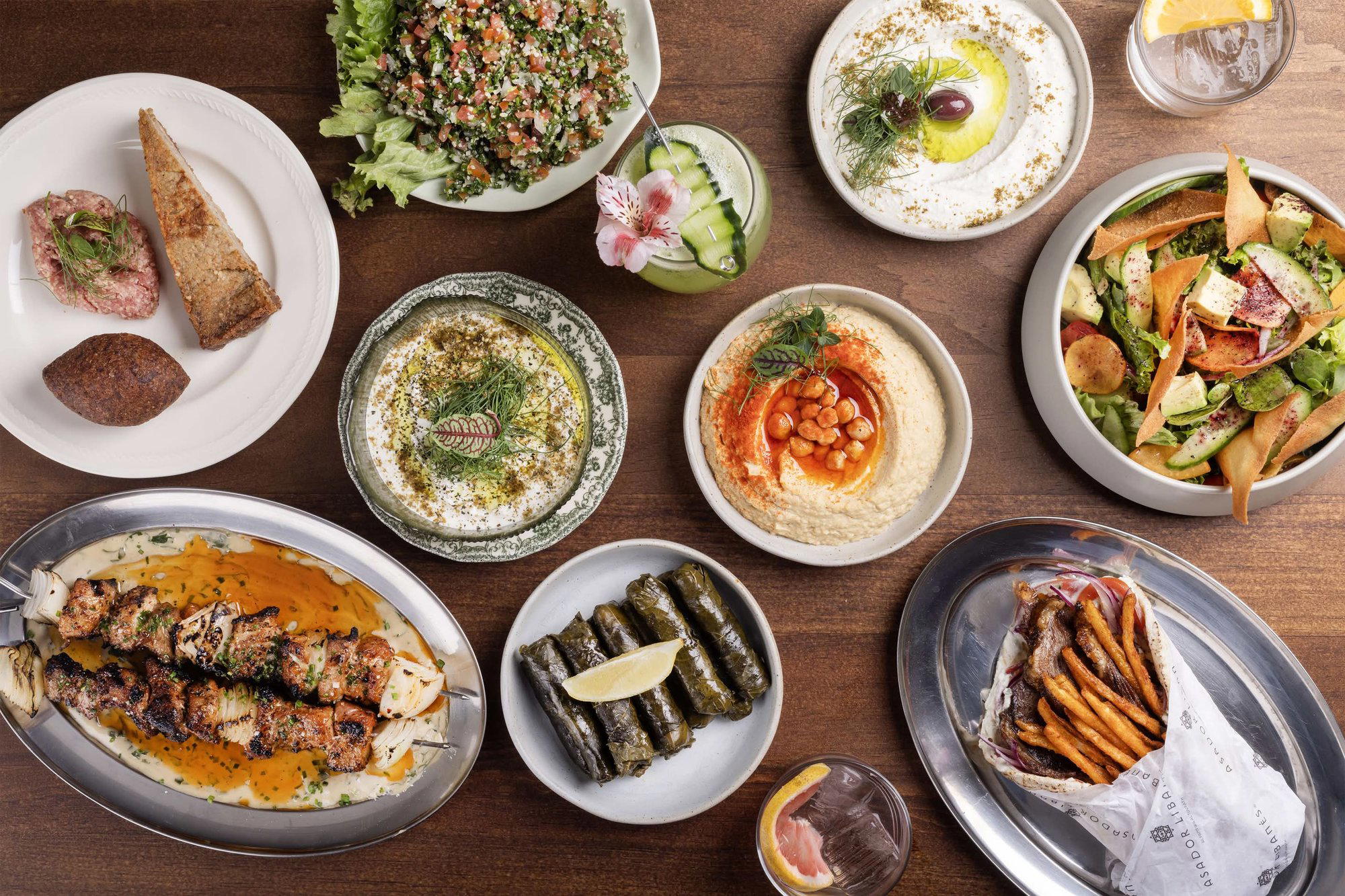
Nápoles and the Middle Eastern Thread Running Through Mexican Food
Walk along Calle Kansas in the Nápoles colonia and the streetscape is residential and unhurried, a contrast to the high-traffic corridors of Roma Norte or Polanco where most of Mexico City's internationally recognised dining happens. Nápoles sits within Benito Juárez borough, a dense, working-middle-class quadrant that has historically held its own food culture at some remove from the trend cycles that define the city's more photographed dining districts. Asador Libanés at number 19 on that street occupies a position in a neighbourhood where a restaurant's reputation travels through regulars rather than through press rounds.
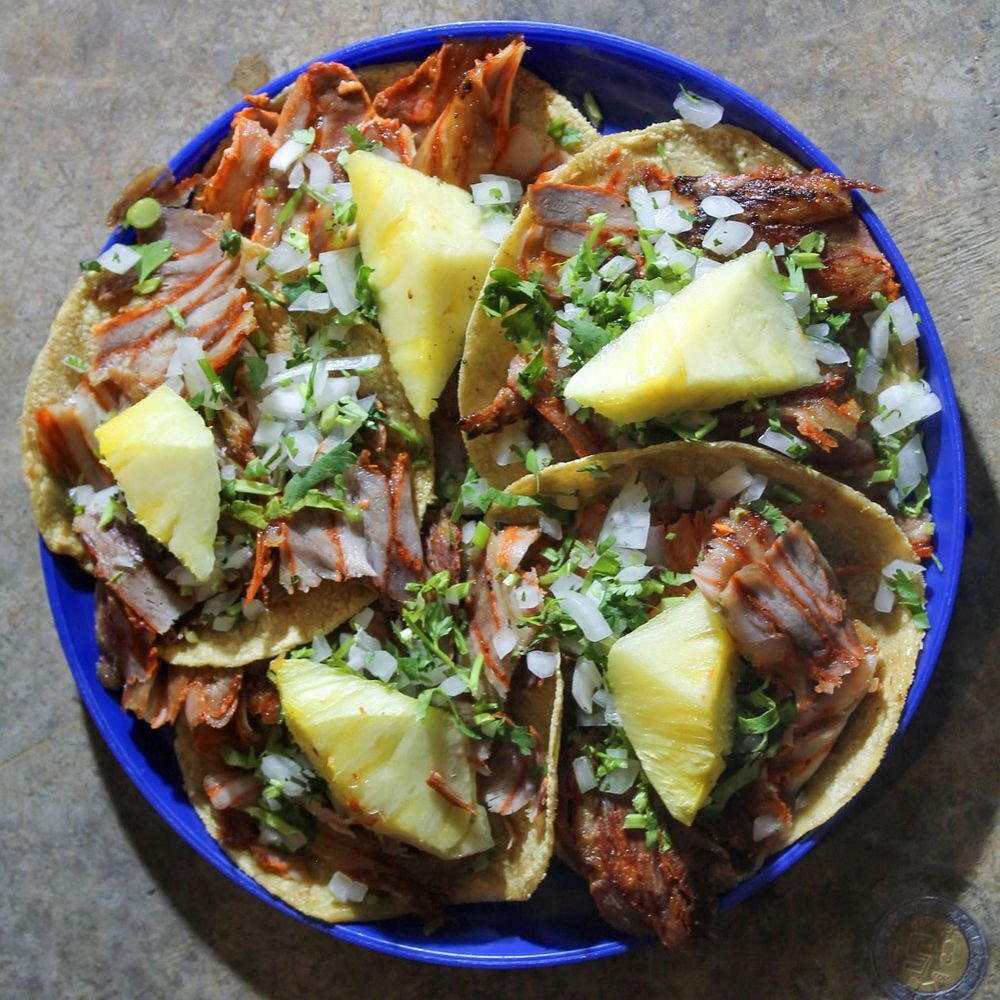
That positioning matters because of what the name signals. Lebanese grilling in Mexico City is not a curiosity imported from outside — it is, in a very real sense, part of the city's own culinary DNA. The large-scale Lebanese and broader Arab immigration into Mexico during the late nineteenth and early twentieth centuries left a mark that went well beyond community cooking. The trompo, the vertical spit that defines tacos al pastor across the country, arrived through shawarma and tacos árabes, the latter still strongly associated with Puebla. The culinary exchange was so thorough that most Mexicans today would not think of al pastor as a hybrid form at all. A restaurant that makes Lebanese grilling its explicit subject is, in that context, completing a circuit rather than introducing something foreign.
The Physical Container: Grill Formats and What the Space Asks of You
The design logic of an asador — a grill-centred space, tends to shape social behaviour as much as any maître d'. Grill restaurants the world over share a set of spatial properties: they are louder than tasting-menu rooms, they carry smoke and char in the air, and the eating tends to be horizontal and shared rather than sequential and individual. The leading versions of this format are built around a cooking station that functions as the room's centre of gravity, where the heat source and the cooks working it are visible and audible from the tables.
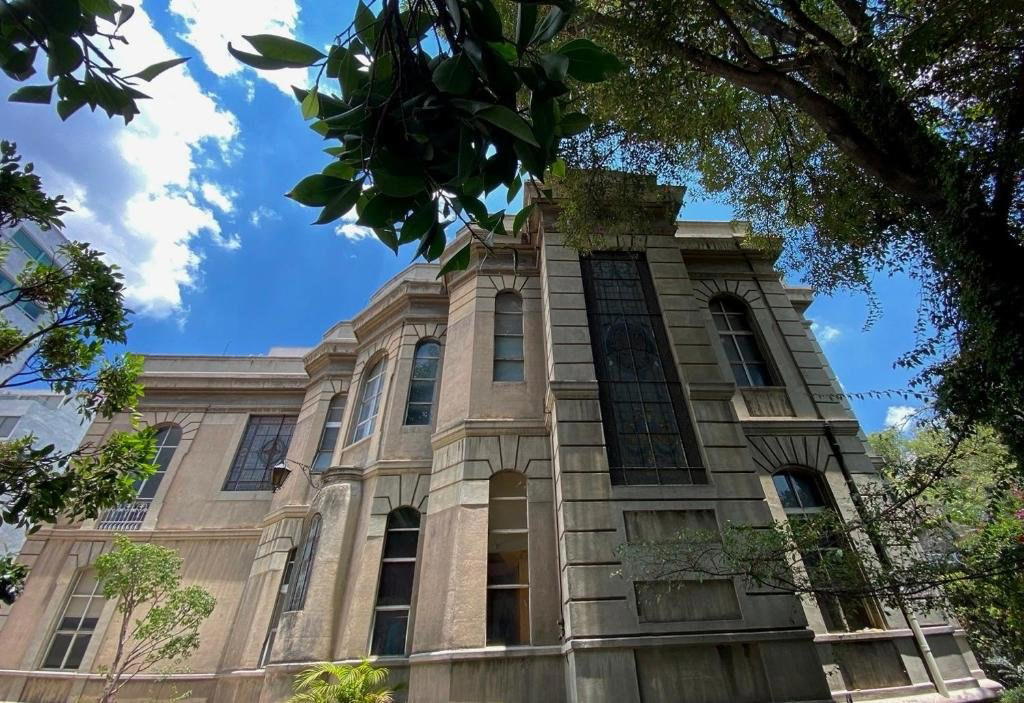
At Asador Libanés, the address on Calle Kansas places it in a low-rise neighbourhood setting rather than a converted industrial space or a high-ceilinged gastrobar. That context tends to produce a more compressed, human-scaled dining room, where the distance between the kitchen and the guest is short and the atmosphere is determined by the density of people and smoke rather than by architectural gesture. Lebanese grill formats in this style sit closer to the neighbourhood restaurants of Beirut's Hamra district or the family-style grills of Mexico City's own Lebanese community than to the polished interpretations found in hotel dining rooms. The absence of performance staging is itself a spatial choice.
This matters for how a visit should be planned. Spaces built around fire and shared plates work leading with groups of three or more. The format is not sequential in the way that a chef's tasting menu at Pujol or Quintonil is sequential. Plates arrive as they come off the grill, and the meal is shaped by the pace of cooking rather than by a choreographed service arc. That distinction places Asador Libanés in a different tier entirely from the tasting-menu restaurants that dominate Mexico City's international coverage, it is in the same practical-eating register as a well-run neighbourhood joint, priced and paced accordingly.
Where It Sits in Mexico City's Broader Restaurant Picture
Mexico City's restaurant scene has expanded in ambition and international recognition over the past decade to a degree that few cities in the Americas can match. The tasting-menu tier has become genuinely competitive, and addresses in Roma, Condesa, and Polanco now draw visiting critics alongside the local audience. Venues like Rosetta, Sud 777, and Em represent different points on the creative-Mexican and contemporary-European spectrums, and they carry the critical infrastructure of press attention, awards cycles, and reservation queues that come with that visibility.
Asador Libanés operates at a remove from that infrastructure. Nápoles is not a dining destination in the way that Roma Norte is, and a Lebanese grill format is not a category that international food media tends to track in the same column as modern-Mexican tasting menus. That gap between critical attention and actual eating quality is precisely where neighbourhood restaurants in a city like Mexico City tend to offer disproportionate value. For a wider sense of where this fits in the city's dining map, see our full Mexico City restaurants guide.
Across Mexico more broadly, the grill-forward, regionally grounded format appears in different registers: Animalón in Valle de Guadalupe builds around open-fire cooking in a wine-country setting, while Alcalde in Guadalajara anchors local product to a more structured format. The principle connecting them, that a strong cooking technique applied to quality product in a specific regional context produces food worth travelling for, applies equally at the neighbourhood scale that Asador Libanés occupies.
For readers whose Mexico travel extends beyond the capital, the country's dining geography has deepened considerably. Le Chique in Puerto Morelos, KOLI Cocina de Origen in Monterrey, Levadura de Olla Restaurante in Oaxaca, Lunario in El Porvenir, HA' in Playa del Carmen, Pangea in San Pedro Garza Garcia, Olivea Farm to Table in Ensenada, and Arca in Tulum each represent a distinct regional expression worth the detour. For international reference points on what fire-forward cooking can achieve at the highest level, Lazy Bear in San Francisco and Le Bernardin in New York City illustrate how different technical traditions approach the question of product and heat.
Know Before You Go
Address: C. Kansas 19, Nápoles, Benito Juárez, 03810 Ciudad de México, CDMX, Mexico
Neighbourhood: Nápoles, Benito Juárez, residential district, distinct from the Roma/Condesa/Polanco dining corridors
Format: Grill-centred, shared-plate service; format is not sequential, dishes arrive as they come off the fire
Group size: Works well with three or more; not calibrated for solo counter dining
Frequently asked questions
Where exactly is Asador Libanés?
Asador Libanés is located at C. Kansas 19, Nápoles, Benito Juárez, 03810 Ciudad de México, CDMX, Mexico, Mexico City.
How does Asador Libanés reflect Mexico City's Lebanese culinary tradition?
Lebanese and broader Arab immigration to Mexico began in significant numbers in the late nineteenth century, and Mexico City became the primary settlement hub, producing a culinary thread that now runs through everything from tacos árabes to dedicated asador venues. Asador Libanés, operating in Nápoles within Benito Juárez, sits inside that longer history rather than apart from it. The colonia's residential character means the restaurant draws a local rather than tourist-facing crowd, which tends to keep the cooking closer to its source.
What do people recommend at Asador Libanés?
Given the restaurant's format centres on Lebanese grilling, the items most consistent with that tradition are the ones to prioritise: char-marked meats and the skewered preparations that define asador-style cooking. In Mexico City's Lebanese dining circuit, these are the dishes that distinguish grill-focused venues from the broader Middle Eastern spread across the city. Order around the fire rather than the periphery of the menu.
What's the best way to book Asador Libanés?
Kansas 19 in the Nápoles colonia, Benito Juárez. Neighbourhood restaurants in this part of Mexico City often take reservations in person or through informal channels. Arriving early in the evening is a practical hedge when contact details are in flux.
In Context: Similar Options
Comparable venues nearby, for context on price, style, and recognition.
| Venue | Cuisine | Price | Notes |
|---|---|---|---|
| Asador LibanésThis venue — the venue you are viewing | Authentic Lebanese | $20–30 | Not listed |
| Ferdaous | Lebanese | $20–30 | Bosque de Chapultepec |
| Adonis | Classic Lebanese | $30–50 | Granada |
| Bellini Restaurante Giratorio | International Cuisine with Mexican Influences | $30–50 | Napoles |
| Matti Osteria | Authentic Italian Osteria | Not listed | Juarez |
| Belfiore | Authentic Italian Pizza & Pasta | Not listed | Los Morales Secc Palmas |
Continue exploring
More in Mexico City
Restaurants in Mexico City
Browse all →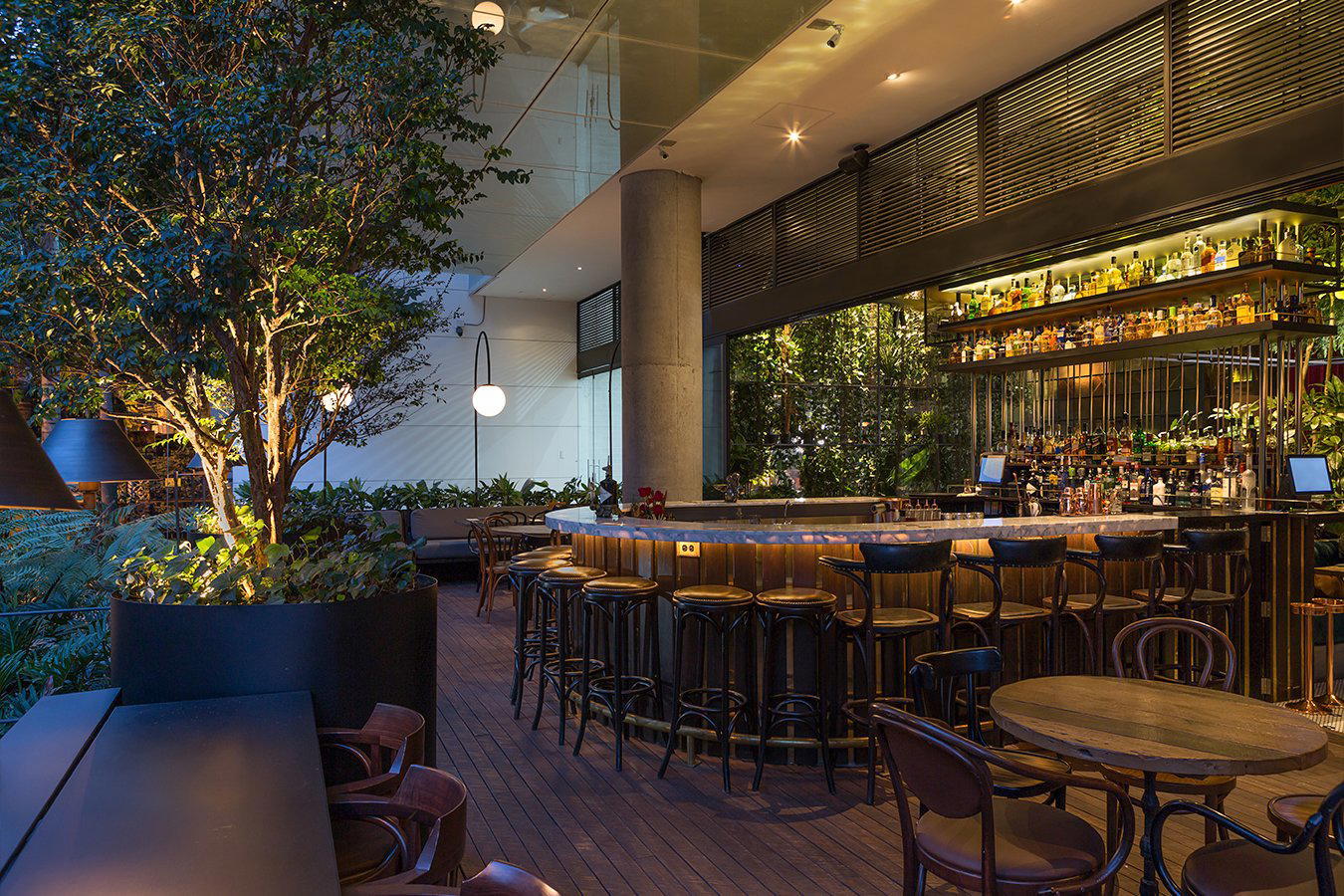
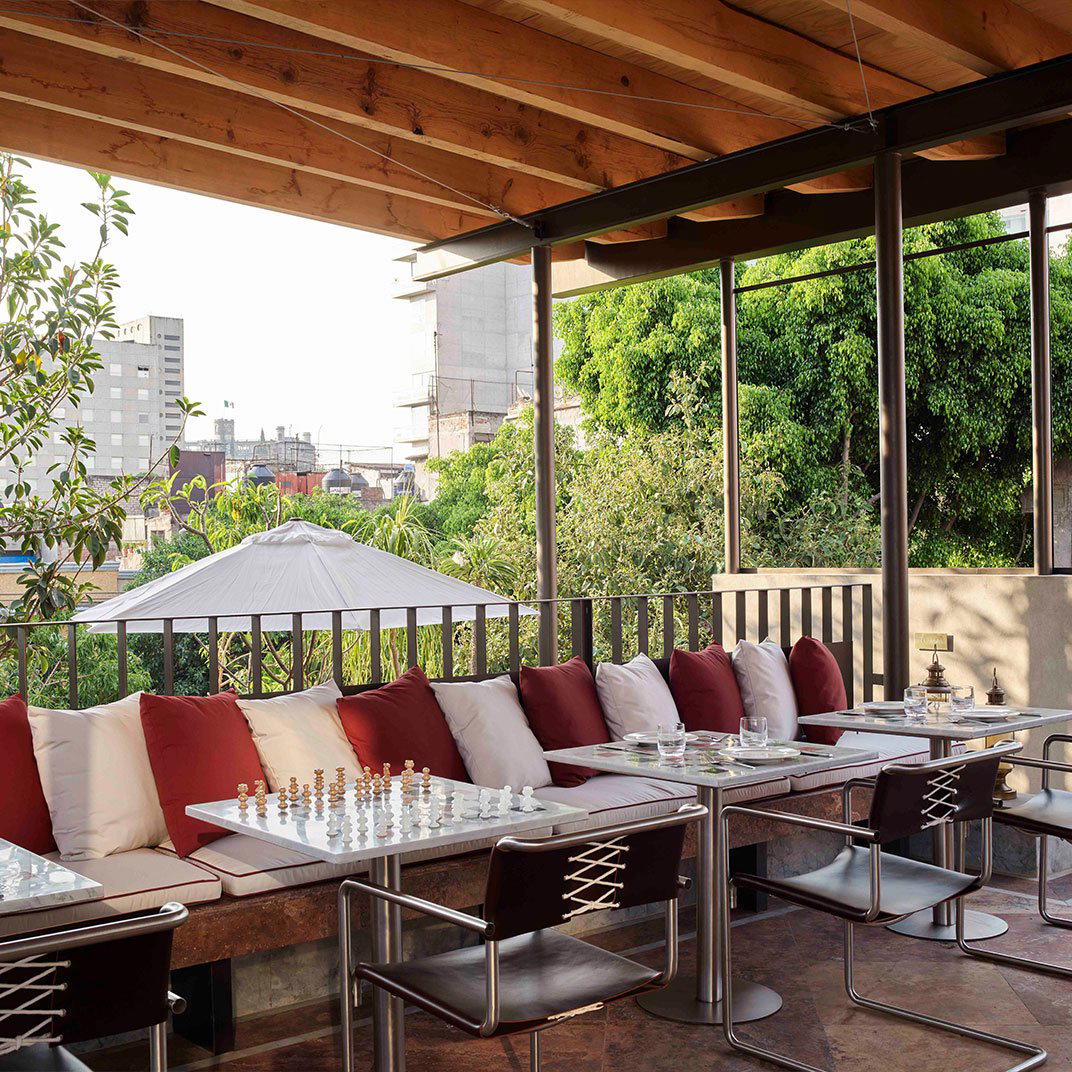
Bars in Mexico City
Browse all →

Details
- Cozy
- Warm
- Intimate
- Date Night
- Family
- Casual Hangout
- Open Kitchen
- A La Carte
- Family Style
- Vegetarian Friendly
- Vegan Options
- Gluten Free Options
Current opening hours
- Monday
- 1–11 PM
- Tuesday
- 1–11 PM
- Wednesday
- 1–11 PM
- Thursday
- 1 PM–12 AM
- Friday
- 1 PM–12 AM
- Saturday
- 1 PM–12 AM
- Sunday
- 1–10 PM
Hours can change for holidays and private events. Last verified .
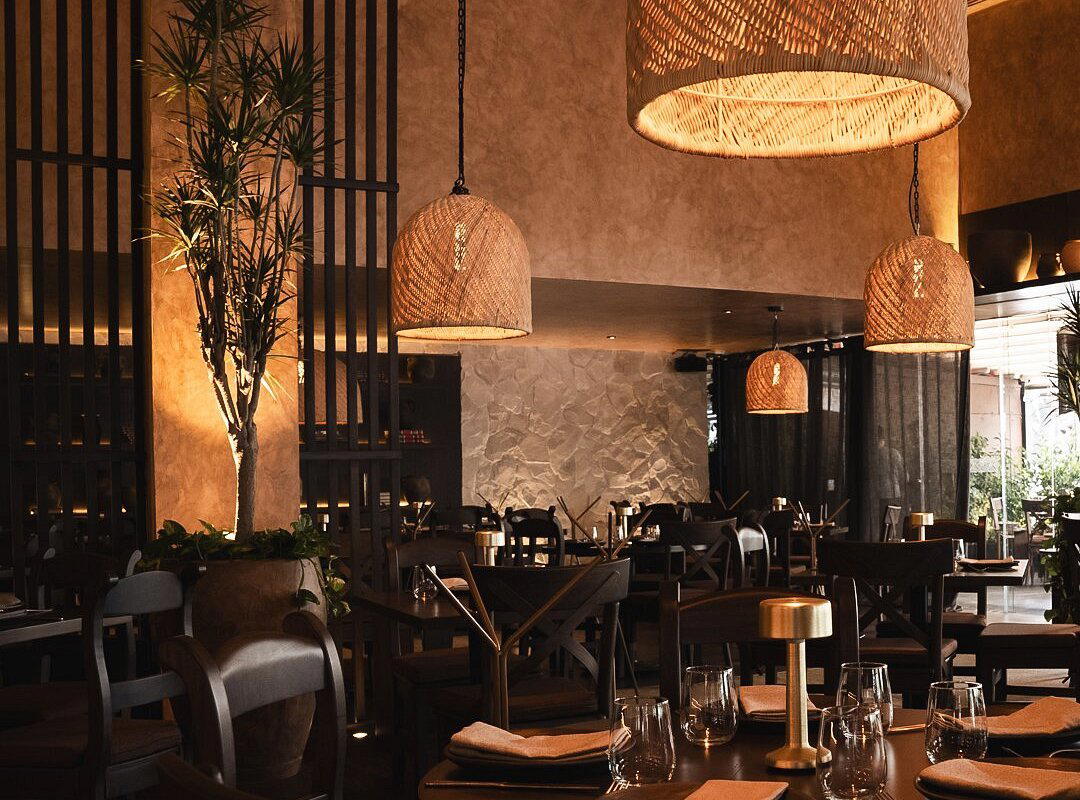
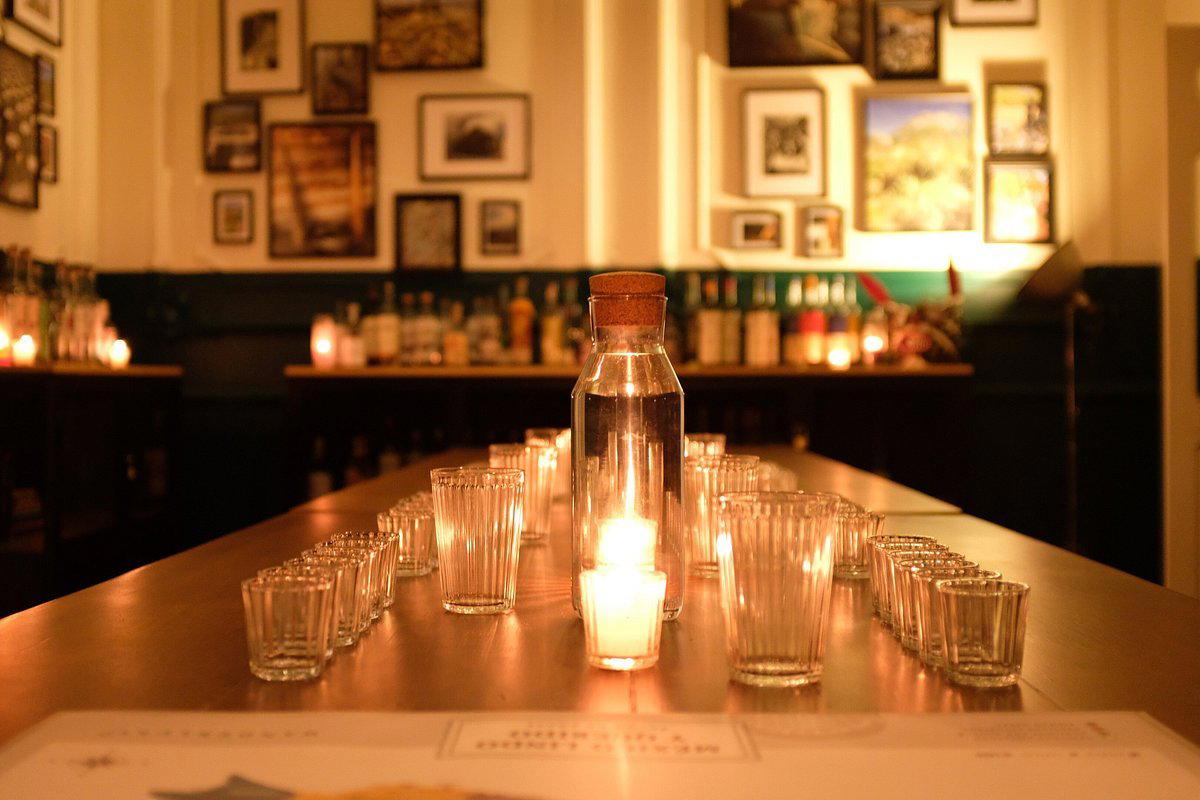
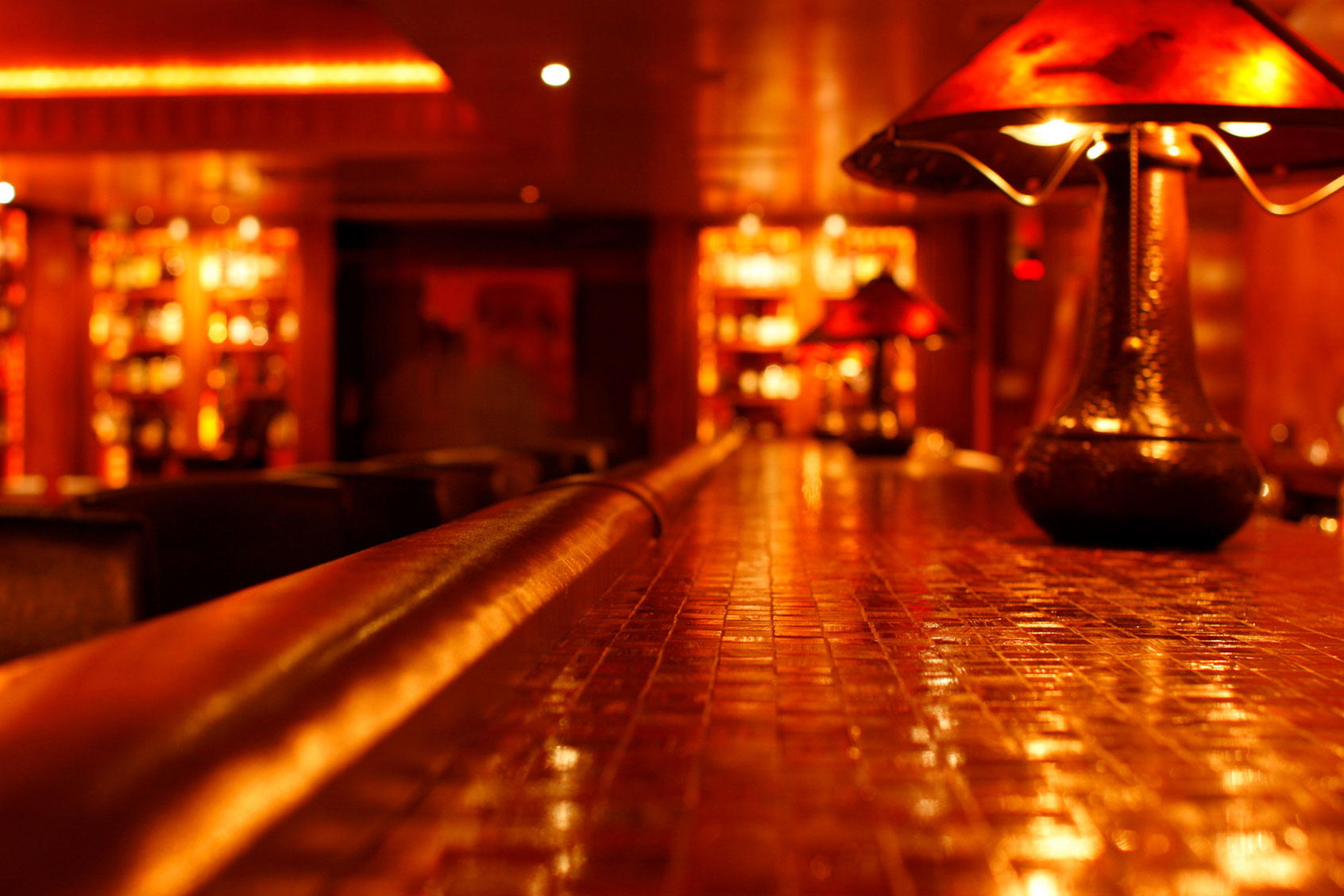
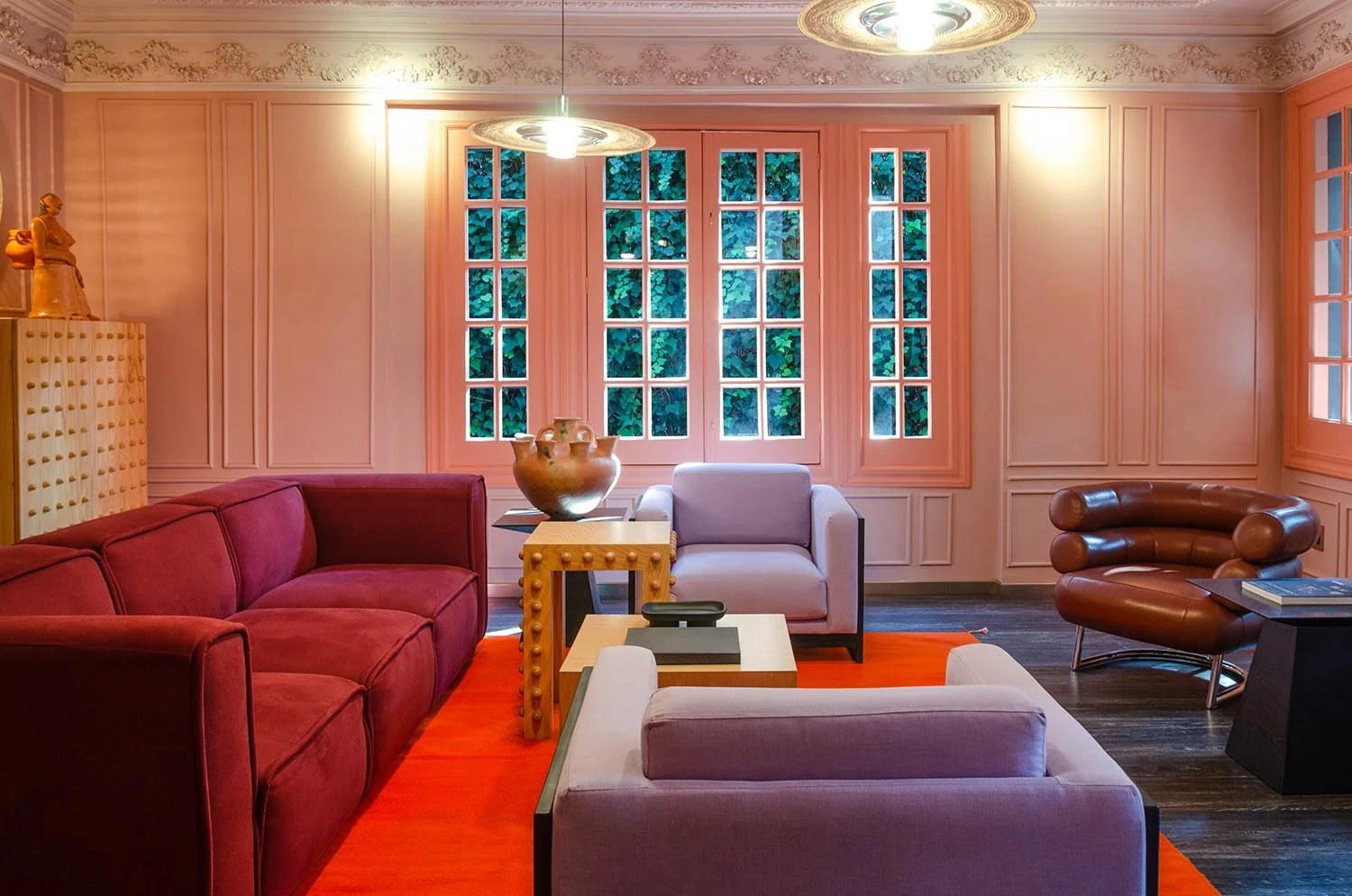
Warm, contemporary atmosphere with cozy and relaxing lighting that evokes Lebanese hospitality.