Positioned on Stempfergasse in central Graz, Humuhumu sits within a city that has made ethical sourcing and regional provenance central to its dining conversation. Against a comparable set that includes destination-level creative kitchens and farm-to-table addresses, this address holds its own place in the Graz dining order, one worth understanding before you book.
Pearl is the En Primeur Club membership app — saves, bookings, and concierge access live there. Same editors, same standards.
- Address
- Stempfergasse 3, 8010 Graz, Austria
- Phone
- +4366499051711
- Website
- humuhumu.at
- Directions
- Get directions
 Saves & bookings on Pearl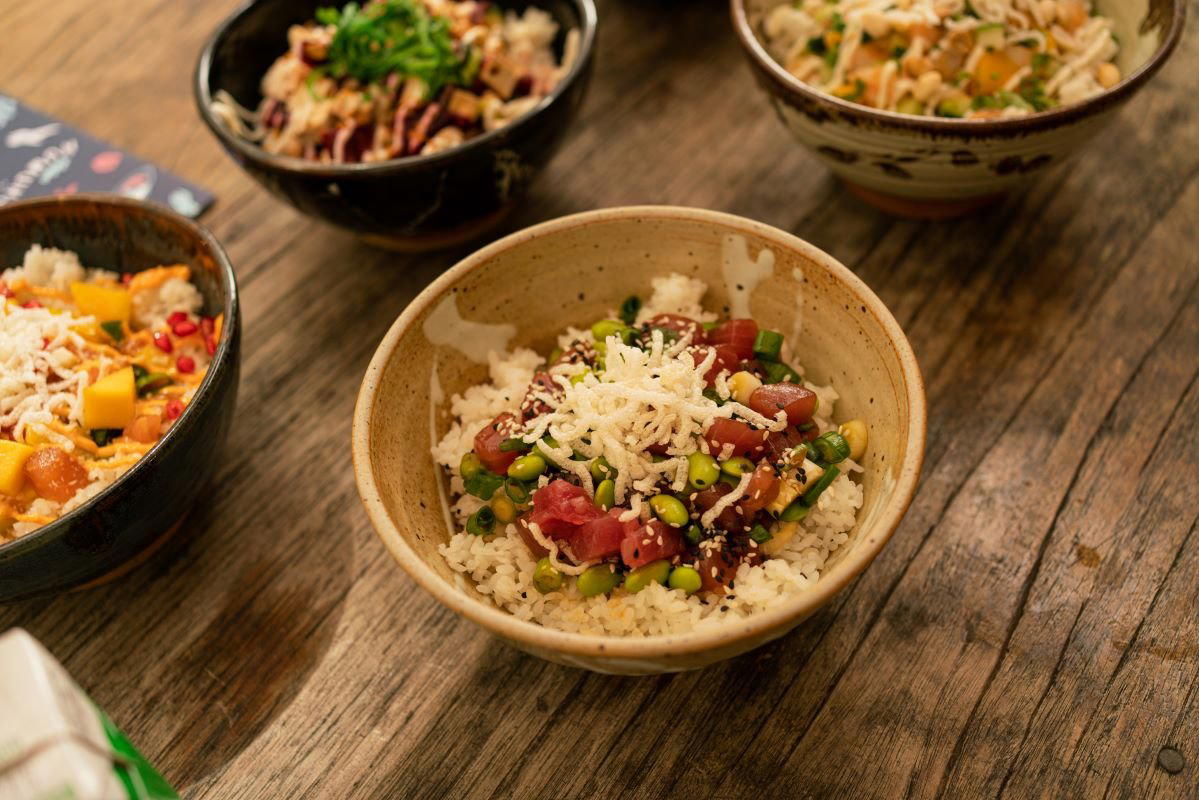
Stempfergasse and the Ethics of a Graz Table
Stempfergasse 3 sits a short walk from the Hauptplatz, inside the old-city grid that makes central Graz one of the more walkable restaurant neighbourhoods in Austria. The street itself is quiet by the standards of the surrounding pedestrian zone, and the physical approach to Humuhumu carries that same quality, a compression of scale that Graz does consistently well, where the city's Baroque facades create a frame for dining rooms that feel considered rather than cavernous. That compression matters when you're thinking about the kind of restaurant that anchors itself to place rather than spectacle.
Graz has developed a distinct identity within Austrian dining over the past decade, one that sits at a remove from Vienna's grand-café formalism and the alpine resort dining of Salzburg or Tyrol. Styria, the region Graz anchors, produces pumpkin seed oil, Vulcano charcuterie, and some of the country's most characterful white wines, the raw material for a kitchen philosophy that privileges provenance. That context shapes how you read any serious Graz address. The question is not merely what a kitchen cooks, but how deeply it is threaded into the regional supply chain.
Where Humuhumu Sits in the Graz Dining Order
The Graz restaurant scene in 2024 spans a recognisable spectrum. At the upper end, Artis (Creative) operates at the €€€€ tier with a creative format that positions it against destination-level Austrian kitchens. Mid-range addresses like Arravané and Aiola im Schloss handle the international and occasion-dining segment. Farm-to-table addresses and regionally focused kitchens, among them Restaurant Scheucher at the €€ tier, anchor the end of the market where sourcing story and seasonal discipline carry greater weight. Humuhumu occupies its own coordinate within this map, on a street that has seen consistent foot traffic from the city's architecture tourists and local professionals alike.
Understanding that placement helps calibrate expectations. Graz rewards the traveller who engages with its food scene at more than one price point. The city's culinary self-confidence comes not from a concentration of Michelin stars, though Austria has many those elsewhere, from Steirereck im Stadtpark in Vienna to Ikarus in Salzburg, but from a deeper integration between producers, chefs, and an eating public that knows what pumpkin seed oil from the Weststeiermark is supposed to taste like.
The Sustainability Frame: How Graz Kitchens Handle Provenance
Austria's farm-to-table movement has taken on a particular character in Styria that differs from the version you encounter in, say, the alpine west. In Tyrol and Salzburg, the narrative often centres on altitude and seasonality, the cheese that comes down from summer pasture, the game that signals the shift in autumn. Restaurants like Gourmetrestaurant Tannenhof in Sankt Anton am Arlberg and Griggeler Stuba in Lech have built their identity around exactly that compressed vertical geography. In Styria, the story is different: the region's gentle hills and volcanic soils produce a wider pantry, and the sustainability conversation here is as much about reducing supply-chain distance as about theatrical seasonal purity.
That means particularly coherent Graz kitchens tend to work with suppliers across a relatively contained radius, Styrian pumpkin growers, butchers in the Grazer Bergland, dairies close enough to the city that the morning delivery is a realistic proposition. The implications for waste are practical: when your supply lines are short, you buy closer to what you need, and the economics of whole-animal and whole-vegetable cookery become less abstract. Addresses like Adelphia and aiola upstairs represent different points on this continuum. The question worth asking of any Graz kitchen, including this one, is where it sits on the spectrum between sourcing-as-marketing and sourcing-as-operating-philosophy.
Comparable seriousness about provenance appears at the highest tier of Austrian dining too. Döllerer in Golling an der Salzach and Landhaus Bacher in Mautern an der Donau both demonstrate how regional discipline at the summit end of the market translates into menus that read as specific rather than generic. Obauer in Werfen has made a decades-long case for the same thing. The model scales down: the logic of short supply chains and seasonal specificity does not require a destination-level price point to be coherent.
Atmosphere and Practical Logistics
The physical character of the central Graz old city sets a baseline for any restaurant within it. The neighbourhood operates at a pedestrian pace, with the Schlossberg visible from several of the surrounding streets and the market culture of the Kaiser-Josef-Platz close enough to shape what the kitchens can access on any given morning. Arriving on foot from the Hauptplatz takes roughly five minutes. The address on Stempfergasse places Humuhumu within easy reach of the bulk of the city's hotels and the main public-transport interchange, which makes it a practical choice for visitors without requiring any particular navigation effort.
If you are building a multi-city Austrian itinerary that includes a stop at Graz, comparable ethical-sourcing and regional-provenance angles appear at Kräuterreich by Vitus Winkler in Sankt Veit im Pongau and Ois in Neufelden, both of which apply similar short-supply-chain thinking in their respective regional contexts. For those extending the trip beyond Austria, Restaurant 141 by Joachim Jaud in Mieming applies analogous discipline in Tyrol.
The international reference point for how seriously a kitchen can take provenance without losing culinary ambition sits at addresses like Le Bernardin in New York City, where sourcing rigour and technique operate at the same level, or Atomix in New York City, where the tasting-menu format is built around a clear editorial point of view about ingredients and their origins. The comparison is not one of scale or price point, it is one of intent: the degree to which a kitchen's sourcing choices are the argument, not the footnote.
Planning Your Visit
Humuhumu is located at Stempfergasse 3, 8010 Graz. The address sits in the protected old-city zone, accessible on foot from central Graz transport connections. Humuhumu is open Monday through Saturday from 11 AM to 8 PM and is closed on Sunday. It is walk-in friendly, with casual dress appropriate, and the price is about $18 per person.
Compact Comparison
Comparable venues nearby, for context on price, style, and recognition.
| Venue | Cuisine | Price |
|---|---|---|
| HumuhumuThis venue — the venue you are viewing | Innere Stadt, Hawaiian Poke Bowls | $$ |
| Restaurant Kornati | Geidorf, Croatian Seafood | $$$ |
| Café Moses | Gries, Authentic Lebanese Mezze & Café | $$ |
| Pad Thai | Geidorf, Authentic Thai | $$ |
| Adelphia | Innere Stadt, Greek Gyros | $$ |
| Noonbar | Geidorf, Modern Japanese Tapas & Ramen | $$ |
Continue exploring
More in Graz
Restaurants in Graz
Browse all →
Bars in Graz
Browse all →
Hotels in Graz
Browse all →




At a Glance
- Lively
- Trendy
- Casual
- Casual Hangout
- Solo
- Garden
- Open Kitchen
- Standalone
- Garden
Current opening hours
- Monday
- 11 AM–8 PM
- Tuesday
- 11 AM–8 PM
- Wednesday
- 11 AM–8 PM
- Thursday
- 11 AM–8 PM
- Friday
- 11 AM–8 PM
- Saturday
- 11 AM–8 PM
- Sunday
- Closed
Hours can change for holidays and private events. Last verified .
Casual and lively with an Aloha flair; bright, fresh aesthetic focused on ingredient presentation and quality.