Hula's Island Grill
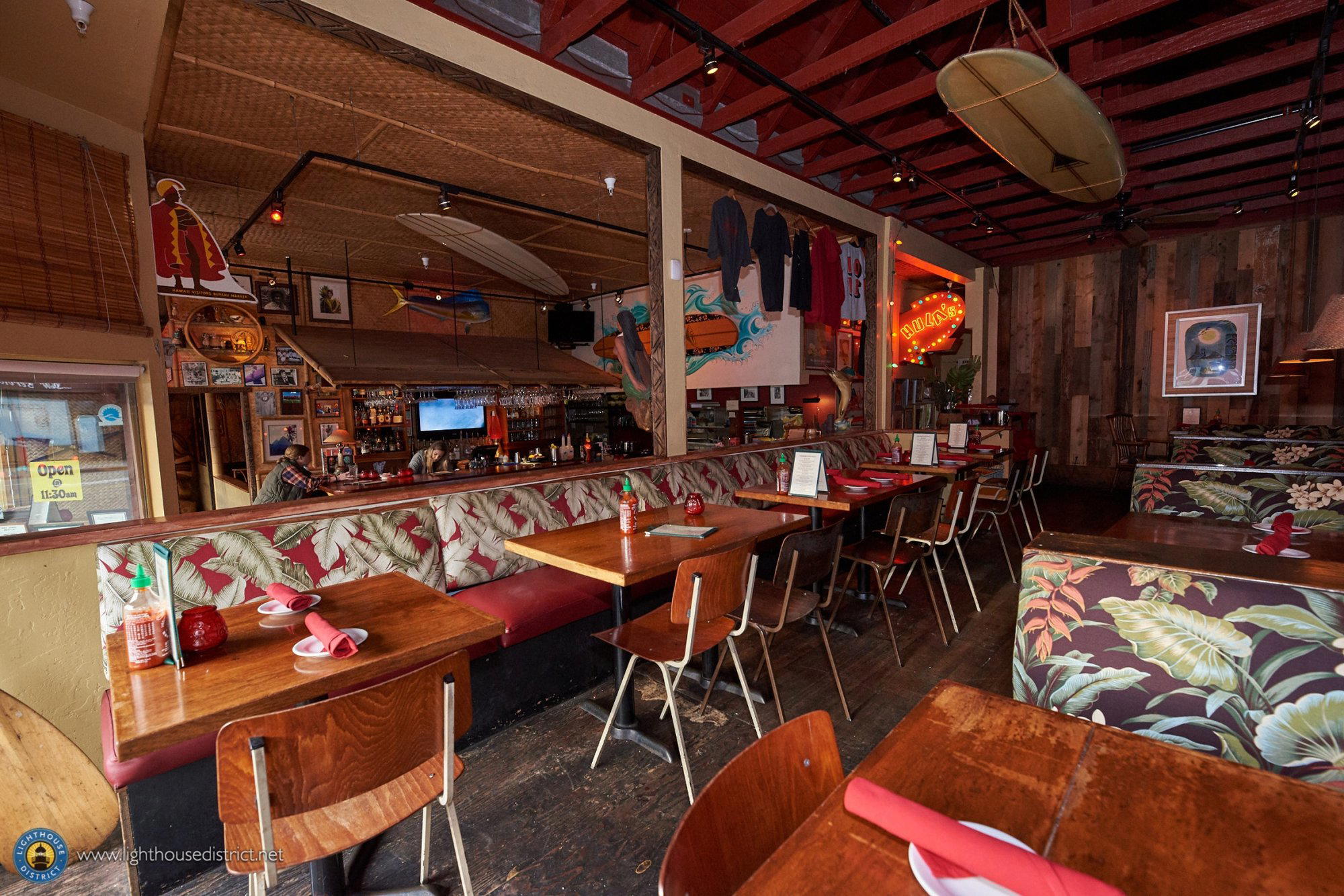
On Lighthouse Avenue in Monterey's New Monterey district, Hula's Island Grill brings a Hawaiian-inflected approach to a coastal California dining scene better known for clam chowder and Dungeness crab. The mood is relaxed and the format casual, placing it comfortably outside the fine-dining tier occupied by Fisherman's Wharf institutions, and all the more useful for that contrast.
 Discover on Pearl
Pearl is the En Primeur Club membership app — saves, bookings, and concierge access live there. Same editors, same standards.
- Address
- 622 Lighthouse Ave, Monterey, CA 93940
- Phone
- +18316554852
- Website
- hulastiki.com
Lighthouse Avenue and the Casual End of Monterey Dining
Monterey's dining scene organizes itself along a fairly predictable axis. At one end sit the white-tablecloth rooms and prix-fixe formats that appeal to anniversary dinners and expense-account visitors; at the other, the tourist-facing chowder bowls of Fisherman's Wharf. What sits between those poles, the neighborhood restaurant with a distinct culinary point of view and a genuinely local following, is rarer, and more interesting. Hula's Island Grill is a Hawaiian-California Fusion restaurant at 622 Lighthouse Ave in Monterey.
Lighthouse Avenue has its own rhythm. The street runs through a neighborhood where Monterey residents actually live and shop, which gives it a different social texture than Cannery Row or the wharf. Restaurants here compete for regulars rather than one-time visitors, and that competition tends to produce places with more consistent kitchen standards and less reliance on atmosphere-as-product. Hula's fits that pattern.
The Hawaiian Idiom in a California Coastal Context
Hawaiian-influenced cooking sits in an interesting position within American casual dining. It draws from a genuinely complex set of culinary traditions, Japanese, Filipino, Portuguese, Korean, and Indigenous Hawaiian all folded into a local food culture shaped by plantation-era agriculture and Pacific trade routes, and yet it is often reduced, on the mainland, to tiki aesthetics and teriyaki shorthand. The more considered versions retain those multicultural roots and let them express something real about Pacific food history rather than simply conjuring vacation associations.
Monterey's position on the California coast gives Hawaiian-influenced cooking a plausible geographic footing. The city has deep connections to the Pacific, through its fishing industry, its Japanese-American history in the cannery era, and its ongoing relationship with Pacific maritime culture. A restaurant drawing on Hawaiian and broader Pacific Rim traditions is not culturally arbitrary here in the way it might be in, say, a landlocked Midwestern city. That contextual fit gives the format a degree of local coherence that direct theme restaurants rarely achieve.
For visitors who have spent time at higher-commitment formats elsewhere, the tasting-menu architecture of Single Thread Farm in Healdsburg, the technical precision of Lazy Bear in San Francisco, or the produce-driven rigour of Blue Hill at Stone Barns in Tarrytown, Hula's represents the opposite end of the formal register, and that contrast is part of its function. Not every meal needs to be a structured event. Some of the most satisfying eating happens in casual formats where the kitchen's priorities are flavor and consistency rather than ceremony.
The Ritual of the Casual Meal
There is a particular discipline to eating well in a casual room. Without the scaffolding of a tasting menu, a sommelier, or a prescribed sequence, the meal's pacing falls to the diner. You order, you wait, you eat in whatever order the kitchen sends things. The lack of structure is the structure. It asks for a different kind of attention, less anticipatory, more immediate, and it rewards the diner who comes without a checklist.
At the casual end of dining, the ritual centers on the table itself: who you're with, what you're drinking, how quickly the food arrives and in what mood. The Hawaiian approach to this is generally generous. Portions tend toward abundance. The flavor register leans sweet-savory, with umami undertones from soy and fermented elements that give dishes more complexity than the casual format might suggest. The social contract is comfortable rather than ceremonial, you are a guest, not an audience.
This contrasts sharply with the pacing of a meal at Alinea in Chicago or Atomix in New York City, where each course arrives with context, each pause is intentional, and the full experience runs two or three hours by design. Neither format is superior; they answer different questions about what a meal is for.
Where Hula's Sits in the Monterey Competitive Set
Monterey's mid-range dining tier is genuinely competitive. Bistro Moulin covers the French bistro register. Café Fina anchors Italian-influenced seafood at the wharf. Cibo provides Italian-American comfort in a downtown setting. Ambrosia India Bistro handles South Asian cooking. Cella Restaurant & Bar sits in the contemporary American bracket. What this spread reveals is a city that eats across a reasonable range of traditions without necessarily excelling at any single one, which makes format differentiation more valuable than culinary depth at any given address.
Hula's differentiates through cuisine type rather than price tier or service ambition. It is not competing with The Sardine Factory's seafood institution positioning or Coastal Kitchen's contemporary four-dollar-sign register. It is, instead, the city's reliable answer to a specific craving: Pacific Rim casual, relaxed enough for a Tuesday, interesting enough to hold attention. That is a defensible position in a city that sees a lot of repeat visitors, Monterey is a weekend destination from the Bay Area, and repeat visitors quickly exhaust the obvious options.
For context on what the higher tiers of California coastal dining look like, Providence in Los Angeles and Addison in San Diego represent the Michelin-decorated end of the spectrum. The French Laundry in Napa sits at the apex of the Northern California fine-dining tier. Hula's does not compete in any of those categories, nor does it try to. Seen through that lens, its position on Lighthouse Avenue makes sense: it is serving a different need, for a different occasion.
Planning Your Visit
Hula's Island Grill sits on Lighthouse Avenue in Monterey. The neighborhood is walkable from several mid-range hotels in that corridor. As a casual format, the venue is generally more accessible than the reservation-required fine-dining tier, though weekend evenings on a busy tourist weekend can compress availability at most popular Lighthouse Avenue addresses. Coming earlier in the evening or on a weeknight reduces any friction. The casual format also means dress is genuinely relaxed, this is a street where flip-flops are unremarkable. Reservations are recommended, and the dress code is casual.
Cuisine and Recognition
Comparable venues nearby, for context on price, style, and recognition.
| Venue | Cuisine | Price | Awards | Notes |
|---|---|---|---|---|
| Hula's Island GrillThis venue — the venue you are viewing | Hawaiian-California Fusion | $$ | , | |
| Shake's Old Fisherman's Grotto | Seafood and Italian | $$ | , | Fisherman's Wharf |
| Yamasushi | Americanized Sushi Fusion | $$ | , | Del Monte Shopping Center |
| Café Fina | Italian Seafood | $$$ | , | Old Fisherman's Wharf |
| Whaling Station Steakhouse | Classic Steakhouse | $$$ | , | Cannery Row |
| Schooners Monterey | Seafood & Steakhouse | $$ | , | Cannery Row |
At a Glance
- Lively
- Energetic
- Casual
- Casual Hangout
- Group Dining
- Late Night
- Open Kitchen
- Craft Cocktails
- Sustainable Seafood
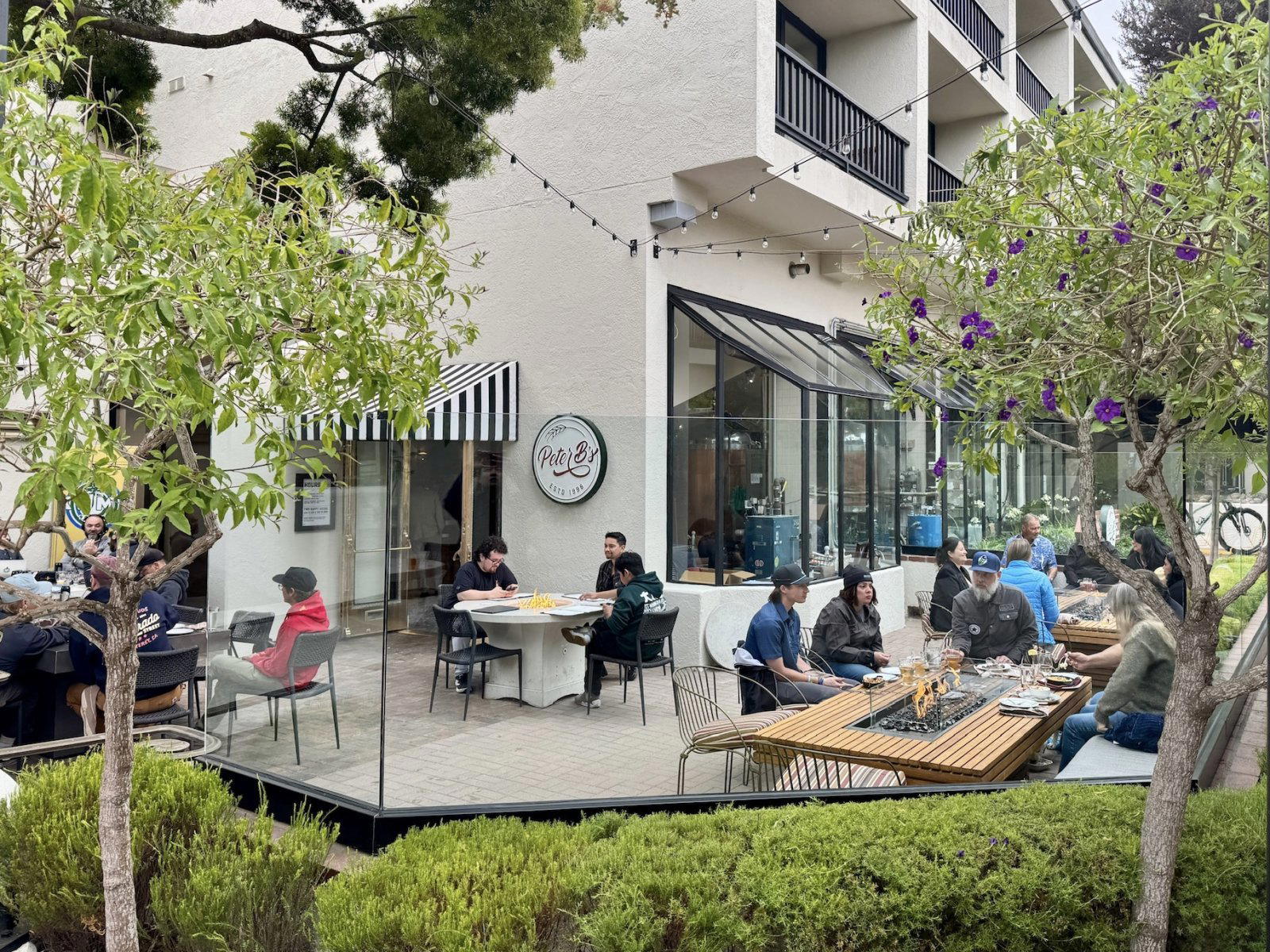
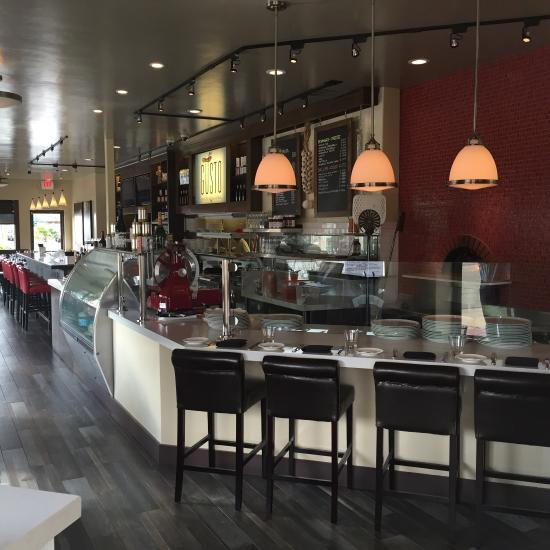
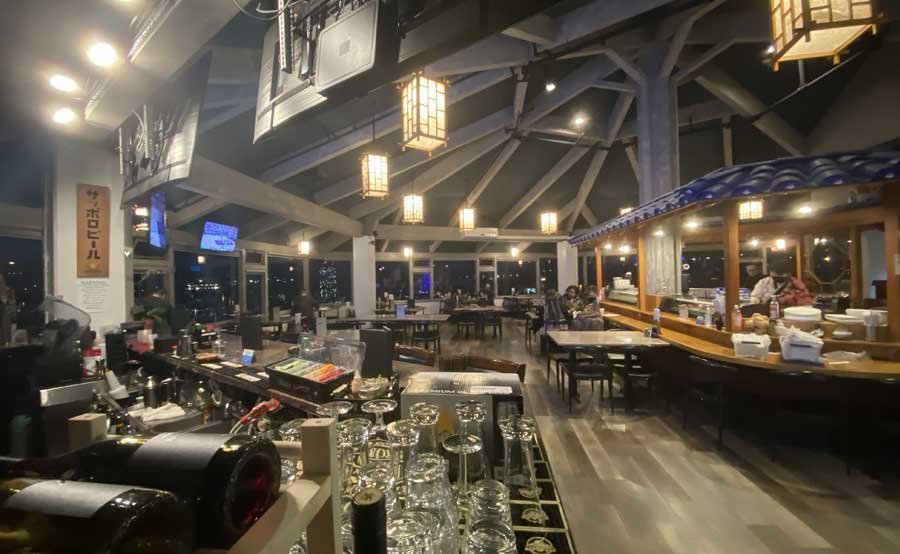
Happy, California casual atmosphere with island décor, eclectic music, tropical cocktails, and a lively crowd of all ages.