Schooners Monterey
Schooners Monterey sits on Cannery Row at 400 Cannery Row, positioning it squarely within the Central Coast's most seafood-focused dining corridor. The restaurant operates in a city where ocean proximity shapes every credible menu, and where the gap between waterfront spectacle and serious cooking is a real and recurring distinction. What Schooners does with that address says more about the Monterey dining scene than any single dish on the menu.
Pearl is the En Primeur Club membership app — saves, bookings, and concierge access live there. Same editors, same standards.
- Address
- 400 Cannery Row, Monterey, CA 93940
- Phone
- +18313722628
- Website
- schoonersmonterey.com
- Directions
- Get directions
 Saves & bookings on Pearl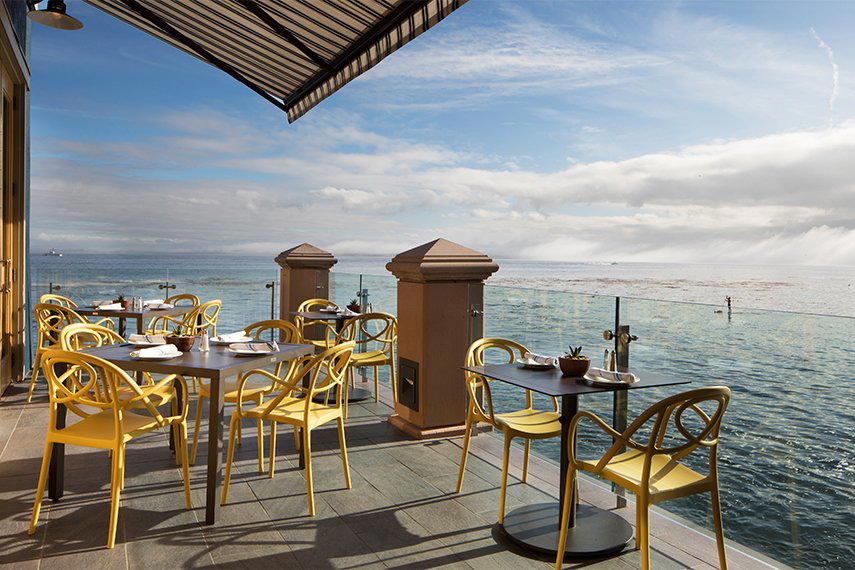
Where Cannery Row Puts the Kitchen to Work
Arriving at 400 Cannery Row, the physical context does most of the talking before you reach a menu. The strip that John Steinbeck catalogued as a place of sardine canneries and working-class grit has long since converted itself into a tourist corridor, and most restaurants here are priced and formatted to capture foot traffic rather than serious repeat diners. That commercial pressure is the defining tension of dining on Cannery Row, and how a restaurant handles it determines whether it earns a second visit from anyone who lives in Monterey County rather than just passing through.
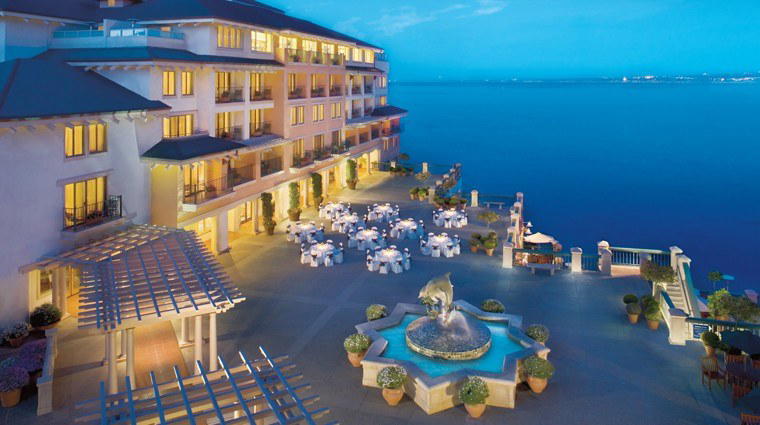
Schooners Monterey sits inside that tension. The address at 400 Cannery Row positions it physically above the water, a setting that in other cities might signal pure scenery-over-substance. Along this stretch of California coastline, however, the Pacific supplies some of the country's most serious raw ingredients: Dungeness crab, local rockfish, halibut from the bay, and the kelp-forest ecosystem that makes Monterey Bay an unusually productive fishery. The question any kitchen on this row must answer is whether it uses that proximity as a genuine supply-chain advantage or as decoration for a menu that could exist anywhere.
What the Menu Architecture Reveals
The structure of a coastal California menu communicates intent before a single dish arrives. At the more rigorous end of the Pacific seafood conversation, restaurants like Providence in Los Angeles or Le Bernardin in New York City build their menus around a single thesis: the fish is primary, technique is in service of the ingredient, and the menu changes when the water changes. That discipline produces a different kind of document than a broad seafood-and-steakhouse hybrid, which is the format that Cannery Row has historically rewarded commercially.
Cannery Row's competitive set includes The Sardine Factory, which occupies the same price tier and draws on decades of local reputation, and newer entrants like Cella Restaurant and Bar, which approaches the contemporary end of Monterey dining with a different format logic. The menu at a hotel-anchored restaurant like Schooners also carries a structural obligation that freestanding restaurants do not: it needs to function across breakfast, lunch, and dinner, serve guests who may not be dining out by choice, and still offer something worth seeking out for a Monterey resident. That range of obligations almost always produces a broader, less focused menu than a chef-driven independent, and that breadth is a signal in itself.
Across American coastal dining, the hotels that have resolved this tension most convincingly tend to do so by identifying one part of the menu to treat seriously and letting the rest function as competent support. At Single Thread Farm in Healdsburg or Blue Hill at Stone Barns in Tarrytown, the editorial logic is explicit: sourcing is the organizing principle and everything else follows. A waterfront hotel restaurant in a working fishing port has the raw materials to make a version of that argument, even if the format is less tasting-menu-driven.
Monterey's Dining Range and Where Coastal Restaurants Fit
Monterey's restaurant scene operates across a wider range than the tourism footprint might suggest. Away from Cannery Row, the city supports cooking with more regional specificity: Bistro Moulin brings a French bistro sensibility to the local ingredient base, while Ambrosia India Bistro and Café Fina address different parts of the local appetite. Cibo occupies the Italian end of the mid-market with a jazz-program format that gives it a distinct identity at night.
Within that range, waterfront restaurants on Cannery Row have historically competed on two dimensions: view and seafood volume. The restaurants that have moved beyond that formula tend to do so by connecting directly with local suppliers, naming specific boats or farms, or building a wine program around Central Coast producers whose bottles reinforce the regional story. California's Central Coast wine country sits close enough to Monterey that a focused by-the-glass list drawing on Monterey County AVAs, Paso Robles, or Santa Lucia Highlands carries genuine locational logic rather than just generic Californian range.
The format discipline at Lazy Bear in San Francisco, the sourcing depth at The French Laundry in Napa, or the precision at Addison in San Diego all represent a different category of commitment. Schooners operates in the hotel-dining tier, where the category includes venues that prioritize accessibility and range. Within that tier, the relevant question is whether it does what it does with enough attention to its location's actual supply-chain advantages to justify choosing it over the alternatives along the Row.
Planning a Visit
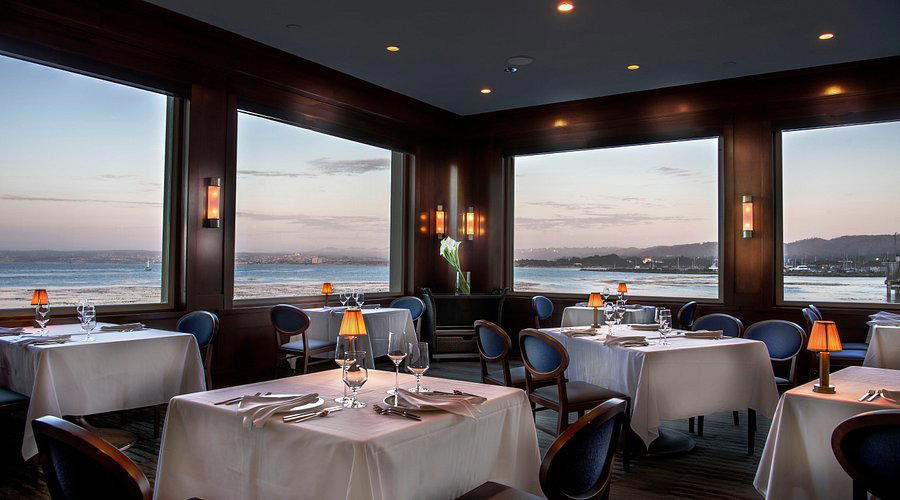
The physical address at 400 Cannery Row puts Schooners within walking distance of the Monterey Bay Aquarium, which concentrates weekend foot traffic significantly and affects service pacing at lunch and early dinner. For visitors staying at the Monterey Plaza Hotel, the restaurant functions as an in-house option with water views that change character across the day, the morning light and late-afternoon shift create distinctly different experiences from the same table. Visitors arriving independently should account for parking constraints along Cannery Row, which are considerable on weekends from late spring through early fall, the corridor's primary high season. Reaching the restaurant by the Monterey waterfront path from downtown is a practical alternative that avoids the parking dynamic entirely.
Diners oriented toward the more architecturally rigorous end of American seafood cooking should calibrate expectations accordingly. Schooners occupies a different tier and answers a different brief. Some hotel restaurants represent a higher ceiling of ambition globally. What a waterfront hotel restaurant in a working California fishing port can realistically offer is something more grounded: proximity to a serious fishery, a view that earns the real estate, and the question of whether the kitchen is paying attention to both.
A Credentials Check
Comparable venues nearby, for context on price, style, and recognition.
| Venue | Cuisine | Price | Notes |
|---|---|---|---|
| Schooners MontereyThis venue — the venue you are viewing | Seafood & Steakhouse | $$ | Not listed |
| Shake's Old Fisherman's Grotto | Seafood and Italian | $$ | Fisherman's Wharf |
| Yamasushi | Americanized Sushi Fusion | $$ | Del Monte Shopping Center |
| Hula's Island Grill | Hawaiian-California Fusion | $$ | Lighthouse Ave |
| Café Fina | Italian Seafood | $$$ | Old Fisherman's Wharf |
| Cella Restaurant & Bar | French-American Gastropub with Central Coast Influences | $$$ | Downtown Monterey |
At a Glance
- Scenic
- Lively
- Special Occasion
- Brunch
- Waterfront
- Terrace
- Craft Cocktails
- Sustainable Seafood
- Local Sourcing
- Waterfront
Current opening hours
- Monday
- 7 AM–9 PM
- Tuesday
- 7 AM–9 PM
- Wednesday
- 7 AM–9 PM
- Thursday
- 7 AM–9 PM
- Friday
- 7 AM–9 PM
- Saturday
- 7 AM–9 PM
- Sunday
- 7 AM–9 PM
Hours can change for holidays and private events. Last verified .
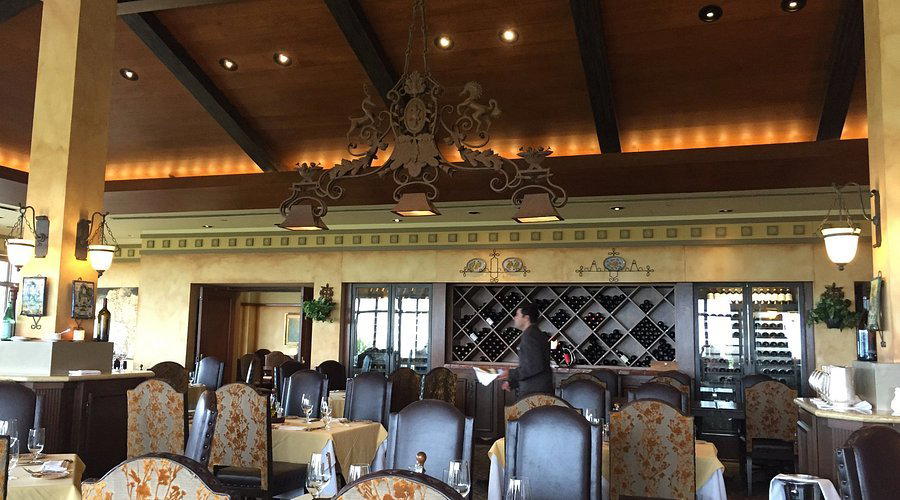
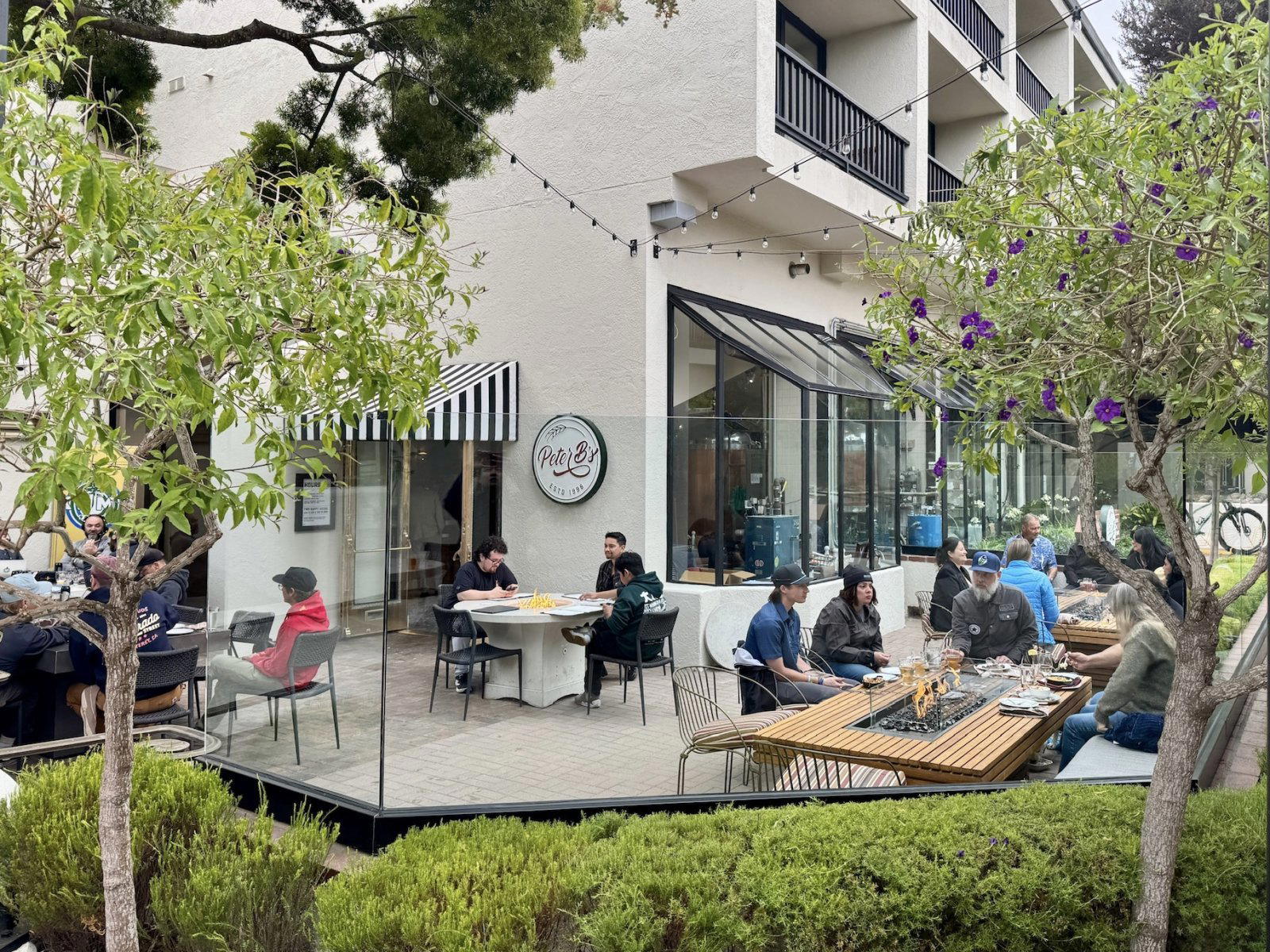
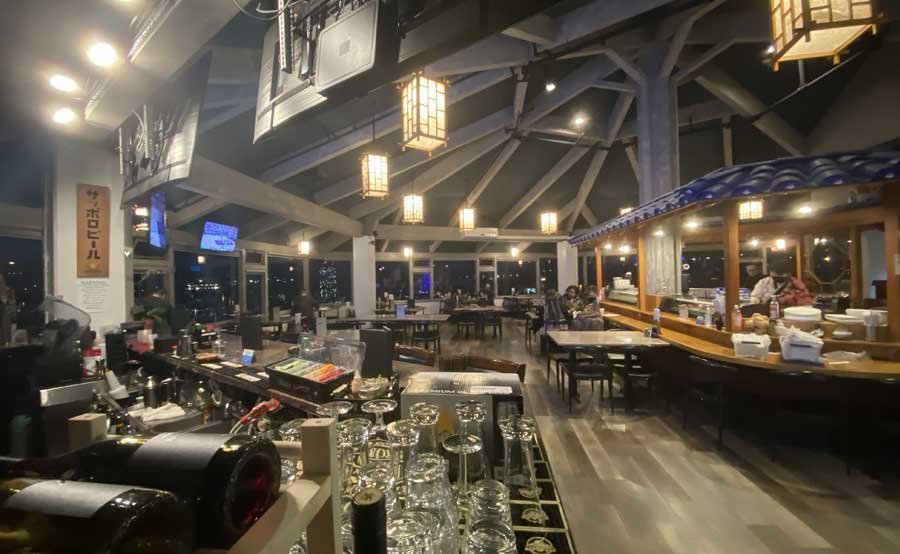
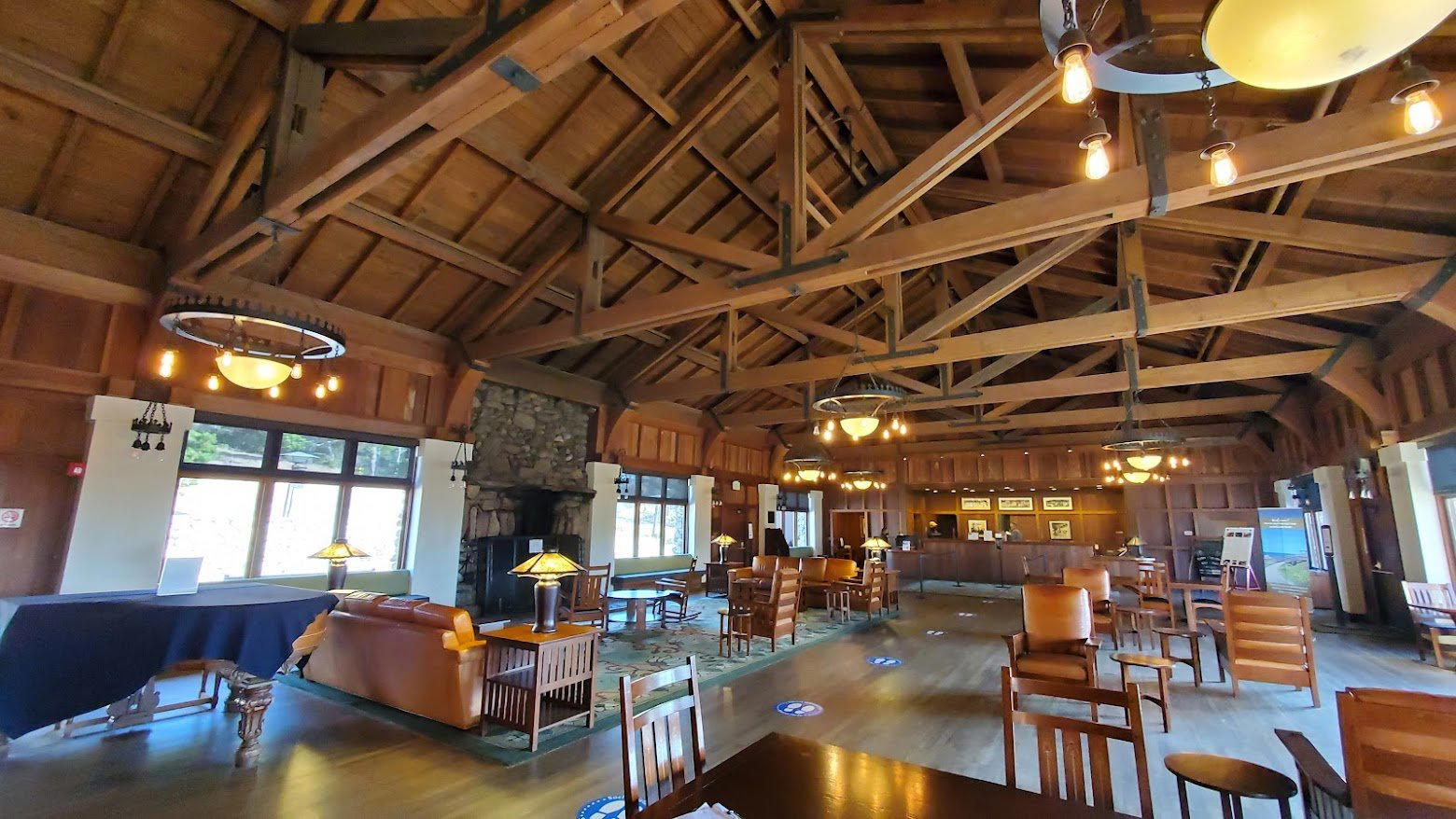
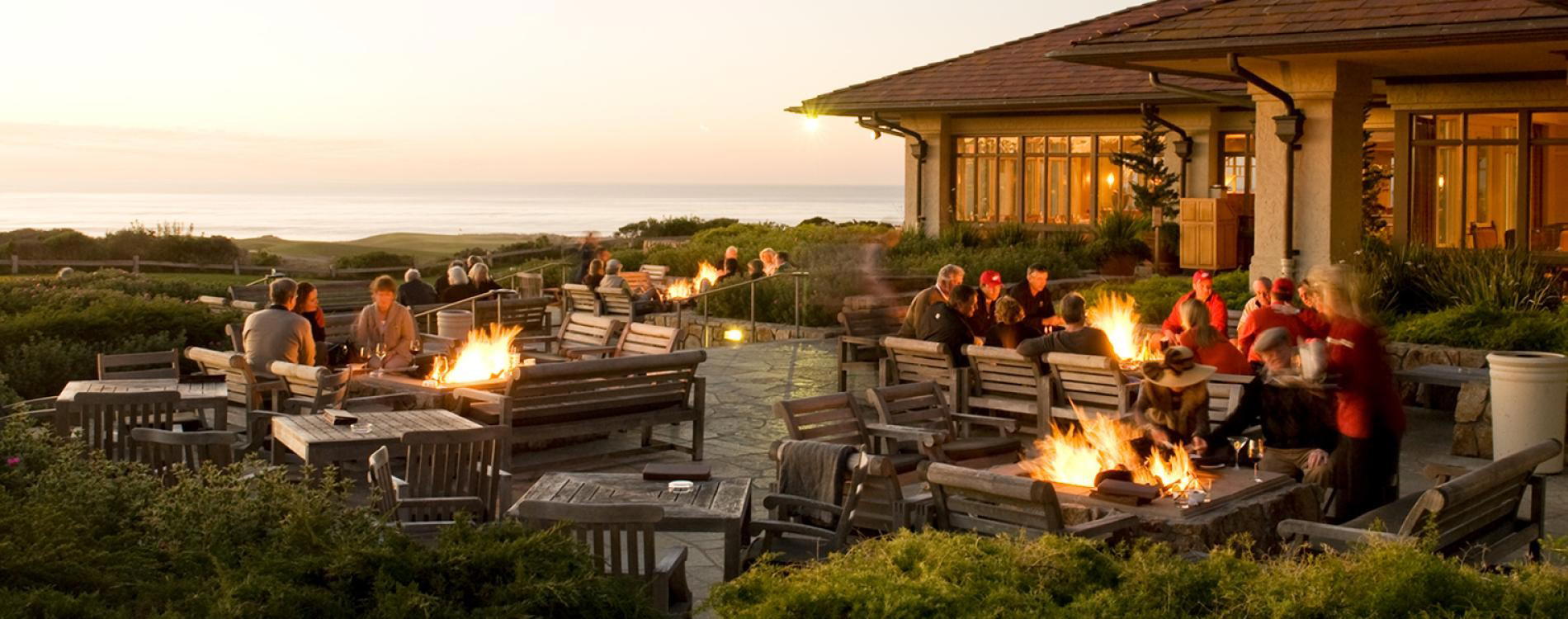
Mediterranean ambiance with lively atmosphere, gentle surf sounds, and sea air on heated terrace.