Hue
Hue occupies a Back Bay address on Exeter Street where global culinary technique meets the seasonal produce and coastal ingredients that define New England's larder. The kitchen draws on imported methods to reframe local materials, placing it in a tier of Boston restaurants where craft and sourcing do the talking. For visitors and locals navigating Boston's mid-to-upper dining tier, it sits within reach of the city's more established neighborhood anchors.
Pearl is the En Primeur Club membership app — saves, bookings, and concierge access live there. Same editors, same standards.
- Address
- 90 Exeter St, Boston, MA 02116
- Phone
- +18579911710
- Website
- hueboston.com
- Directions
- Get directions
 Saves & bookings on Pearl
Exeter Street and the Back Bay Dining Tier
Boston's Back Bay has long operated as the city's most consistent address for mid-to-upper dining, a corridor where brownstone frontages and proximity to Copley Square give restaurants a built-in audience of hotel guests, post-theater diners, and residents with above-average frequency of eating out. The stretch of Exeter Street where Hue sits at number 90 is part of that broader pattern. Back Bay is where Boston's more established culinary confidence tends to settle.
Within that context, Hue represents a format that has become more common across American cities over the past decade: a kitchen that draws on technique developed elsewhere, in European fine-dining traditions, in the precision culture of Japanese cooking, in the acid-forward sensibility of Southeast Asian food, and applies it to ingredients sourced from the region immediately around it. Boston is unusually well-positioned for this approach. The Massachusetts coastline produces some of the Atlantic's most recognized shellfish. The farms of the Pioneer Valley and the Connecticut River corridor supply grains, roots, and alliums with a flavor profile shaped by short seasons and cold winters. When a kitchen in Back Bay chooses to work with those materials through a globally informed technical lens, it is joining a conversation that restaurants like Blue Hill at Stone Barns in Tarrytown and Single Thread Farm in Healdsburg have been shaping at the national level.
The Local-Ingredient, Global-Technique Frame
The intersection of imported method and indigenous product is one of the more demanding editorial positions a restaurant can occupy. It requires the kitchen to have genuine fluency in more than one tradition, not a surface-level borrowing of flavors, but a structural understanding of how different culinary systems approach heat, texture, fermentation, and acidity. Restaurants that do this well tend to produce dishes where the technique is invisible: you taste the ingredient first, and the method only reveals itself as you work through the plate. This is the standard set by kitchens like Le Bernardin in New York, where French classical structure has been systematically rebuilt around seafood as the primary subject, or Providence in Los Angeles, where the Pacific coastline's marine abundance is filtered through a European fine-dining grammar.
Boston's own seafood-forward restaurants operate across a wide range of this spectrum. Neptune Oyster in the North End represents the raw-bar end: little intervention, the product as the argument. Ostra works a seafood grill register, where fire and fat do the translating. O Ya has for years occupied the Japanese-technique end of the city's seafood conversation, approaching Boston-sourced fish through the discipline of Japanese knife work and temperature control. Hue's address in Back Bay places it in a different neighborhood register from those establishments, and the name itself, referencing color, light, and by extension the Vietnamese imperial city, signals a kitchen comfortable drawing from multiple cultural vocabularies.
New England Ingredients as Raw Material
What makes the local-ingredient frame in Boston more than a marketing posture is the genuine quality of the regional larder. Massachusetts oysters from the Cape and the Islands are benchmarked against peers on both American coasts. Jonah crab, sea urchin from Maine waters, and striped bass pulled from the Cape Cod Bay estuary give kitchens here access to coastal protein that can hold its own against the premium seafood reaching restaurants at Addison in San Diego or Alinea in Chicago from out-of-state suppliers. Inland, Massachusetts farms supply heritage squash, dry beans, and winter alliums that reward slow and considered cooking more than speed.
A kitchen that works these ingredients through global technique, whether that means the emulsification discipline of French saucing, the koji-fermentation tools developed in Japanese preserving culture, or the herb-and-acid balance found in Vietnamese cooking, is making a structural argument about what New England food can be. It is a different project from the raw-bar simplicity of Neptune Oyster, and a different project from the Italian-American tradition that anchors parts of Boston's North End. It sits closer to the ambitions expressed by Agosto, Boston's Portuguese-inspired tasting-menu counter, where European culinary inheritance is being consciously reimagined through local materials.
Where Hue Sits in the Boston comparable set
Boston's dining tier has reorganized in recent years. The city now supports a small cluster of high-commitment formats, 311 Omakase at the precision counter end, 1928 Rowes Wharf at the waterfront hotel-dining end, and the steak-house tier anchored by establishments like Abe & Louie's, alongside a broader mid-tier that covers most of Back Bay and the South End. Hue's Exeter Street location places it within the mid-to-upper bracket of that geography, accessible enough to function as a reliable neighborhood dinner but positioned with enough culinary seriousness to compete for the informed-traveler booking. For comparison, 75 on Liberty Wharf occupies a different experiential register entirely, anchored by waterfront spectacle rather than kitchen precision.
The broader national frame for what Hue is attempting connects to kitchens like Emeril's in New Orleans, where a city's indigenous ingredient culture was met with imported technical ambition, or The French Laundry in Napa, where California's agricultural abundance became the raw material for European classical method pushed to its limit. The scale is different, and the register is different, but the underlying editorial logic, local product, imported technique, combined into something that could only exist in that specific place, is the same. Atomix in New York demonstrates what that intersection looks like when Korean culinary structure meets the institutional rigors of American fine dining; 8½ Otto e Mezzo Bombana in Hong Kong shows how Italian technique reads when filtered through a non-European ingredient context. Boston, with its short-season larder and its historically conservative dining culture, is a city where this kind of kitchen can still make a genuine argument rather than simply confirm an expectation.
Planning a Visit
Hue is located at 90 Exeter Street in Boston's Back Bay, a walkable distance from the Copley Square Green Line stops and within a short cab or rideshare ride from most downtown and South End hotels. Back Bay dining tends to be busier Thursday through Saturday, with Friday evenings in particular filling quickly across the neighborhood. For a restaurant in this tier and location, booking ahead is advisable during the spring and fall months, when convention traffic and leisure travel overlap.
Awards and Standing
Comparable venues nearby, for context on price, style, and recognition.
| Venue | Cuisine | Price | Notes |
|---|---|---|---|
| HueThis venue — the venue you are viewing | Global Fusion with African, Caribbean & American Influences | $$$ | Not listed |
| The Elephant Walk | French-Cambodian Fusion | $$$ | South End |
| Tigerbaby | East and Southeast Asian Fusion | $$ | Downtown |
| Moro Mou | Greek-Japanese Omakase | $$$$ | Seaport District |
| Standard Italian | Modern Italian Pasta | $$$ | Kenmore |
| Sportello | Italian Counter Service | $$$ | Fort Point |
Continue exploring
More in Boston
Restaurants in Boston
Browse all →
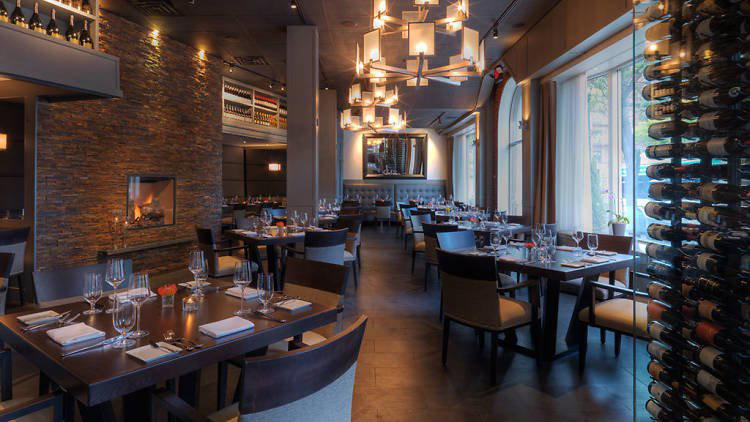
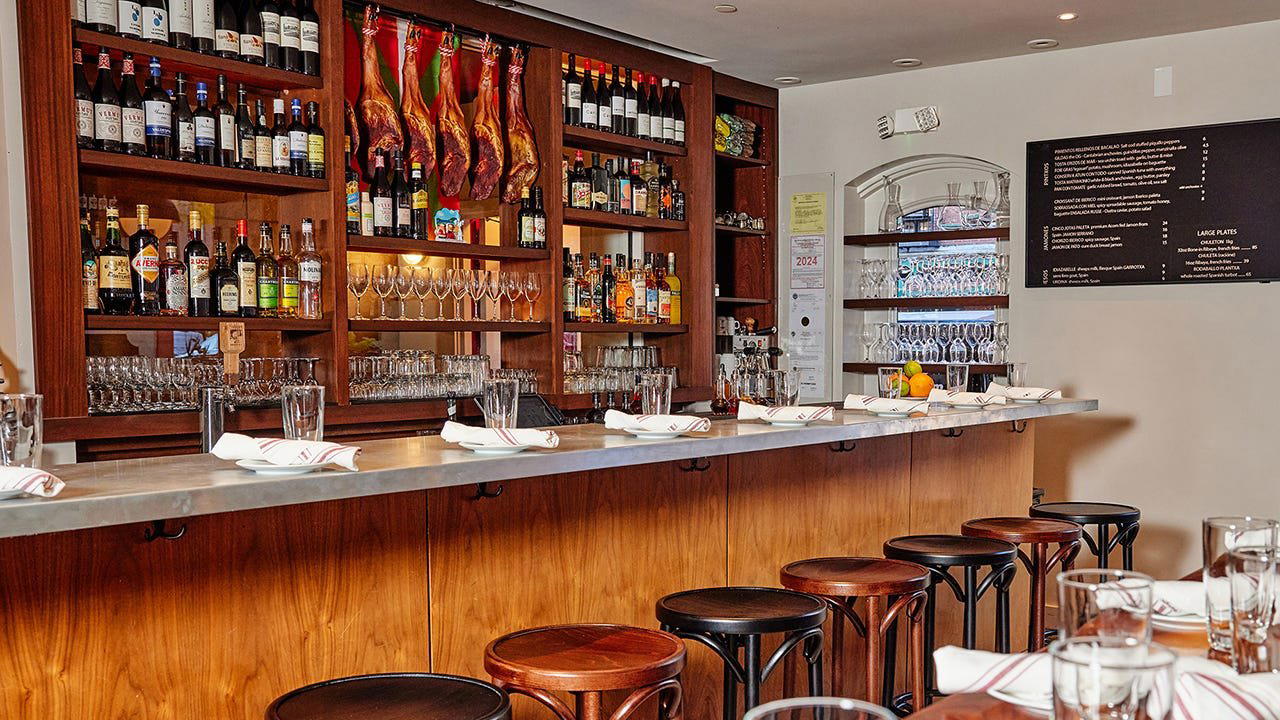
Bars in Boston
Browse all →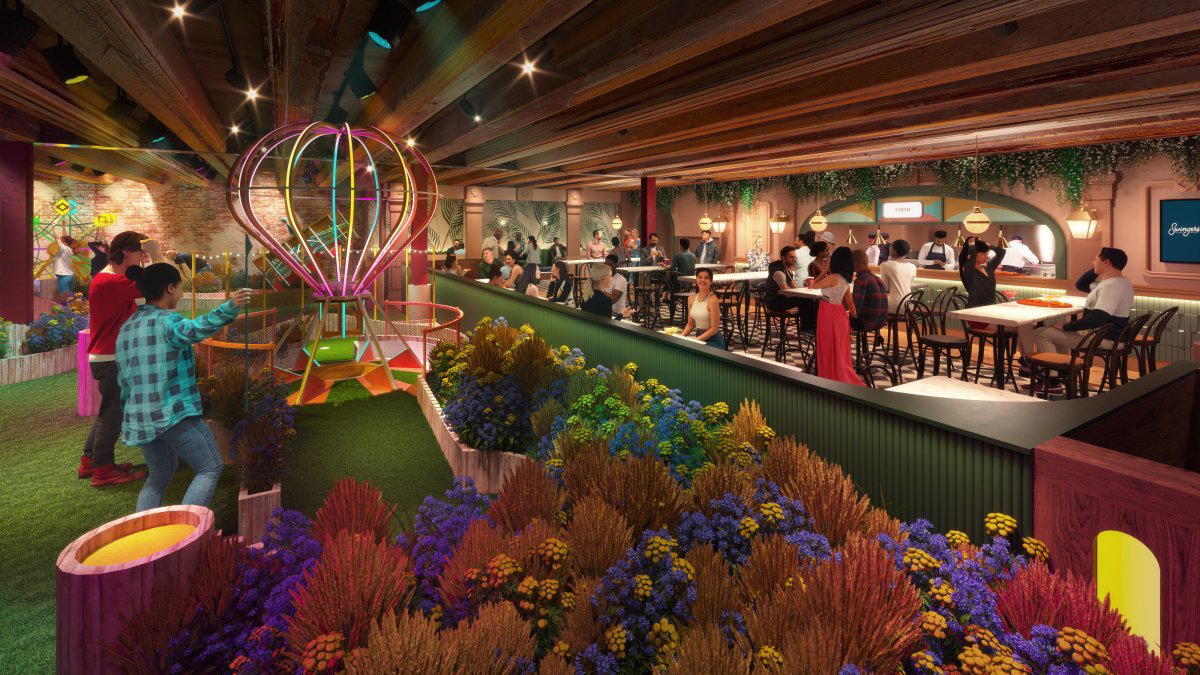
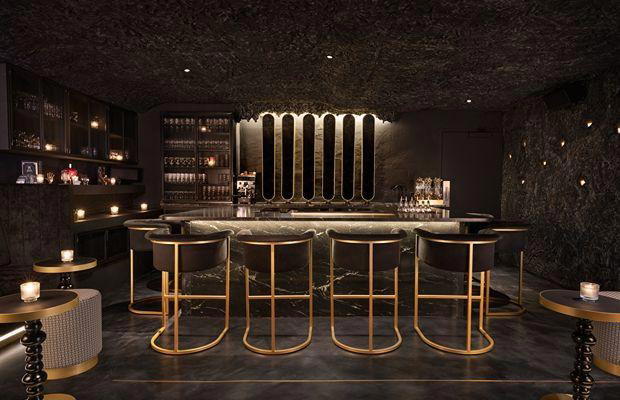
Hotels in Boston
Browse all →
Wineries in Boston
Browse all →
At a Glance
- Energetic
- Lively
- Elegant
- Modern
- Sophisticated
- Date Night
- Group Dining
- Celebration
- After Work
- Late Night
- Special Occasion
- Live Music
- Private Dining
- Historic Building
- Hotel Restaurant
- Design Destination
- Craft Cocktails
- Beer Program
Current opening hours
- Monday
- 8 AM–10 PM
- Tuesday
- 8 AM–10 PM
- Wednesday
- 8 AM–10 PM
- Thursday
- 8 AM–12 AM
- Friday
- 8 AM–2 AM
- Saturday
- 11 AM–2 AM
- Sunday
- 11 AM–3 PM
Hours can change for holidays and private events. Last verified .
High-energy, stylish, and music-forward with chic lounge aesthetics meeting supper club glamour; lively and modern with artistic elements reflecting inclusivity.