Tigerbaby

Star Wine List
Our verdict
Tigerbaby brings Southeast Asian–inspired fast-casual cooking to Boston, occupying a tier that trades ceremony for directness without sacrificing ambition. The format suits the city's growing appetite for serious flavors outside formal dining rooms. It sits in a different register from Boston's omakase counters and tasting menus, but operates with a comparable degree of intention.

The menu
What to order
- Tangerine Chicken
- Thai Basil Chicken
- Black Pepper Beef & Broccoli
- Popcorn Dumplings
Where the Room Starts Before You Sit Down
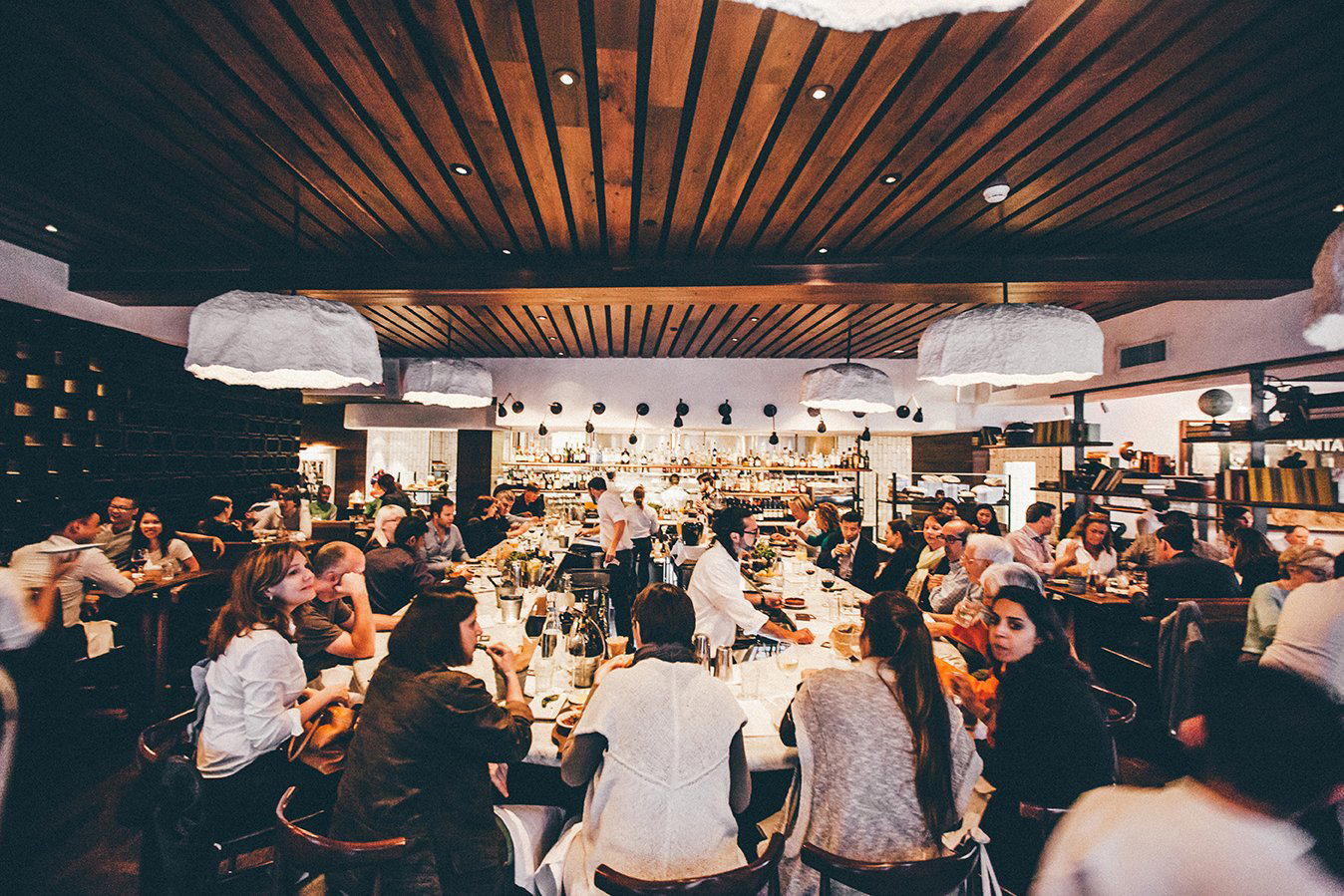
Boston's fast-casual segment has, over the past several years, moved well past the assumption that speed and quality occupy opposite ends of a spectrum. Tigerbaby arrives in that context as a Southeast Asian–inspired operation, where the sensory register tends to arrive before the food does. The aromatics of Southeast Asian cooking, galangal, lemongrass, fish sauce rendered into something fermented and rounded, have a way of conditioning a room differently than, say, the butter-and-char grammar of a steakhouse like Abe & Louie's or the precise restraint you encounter at a counter like 311 Omakase. The smell of the food is part of its argument.
Fast-casual formats that draw on Southeast Asian traditions tend to work with bolder seasoning scaffolding than European-derived fine dining, which means that even before a dish is described, the room carries information about what's coming. At Tigerbaby, that sensory front-loading is part of what positions it in Boston's broader dining conversation, not as a lesser version of table-service Southeast Asian dining, but as something operating with its own internal logic.
The Cuisine and Its Context in Boston
Southeast Asian cooking in American cities has historically been sorted into two broad commercial tiers: the white-tablecloth pan-Asian format, and the neighborhood storefront operating with minimal ceremony. The more interesting development of the last decade has been a third position: fast-casual operations where culinary seriousness and format accessibility coexist. That's the register Tigerbaby occupies in Boston.
The city already has strong representation in Japanese cooking, Ama at the Atlas works globally inspired comfort food into its program, while Boston's sushi tier includes dedicated operations like Oishii Boston and the Japanese-focused counter at O Ya. But the specifically Southeast Asian fast-casual register is less crowded, which gives Tigerbaby a relatively clear lane. Thai, Vietnamese, Filipino, and Malaysian influences tend to share a pantry in this kind of cooking, citrus and chili heat as structural elements, protein that's marinated rather than simply seasoned, condiments that arrive as integral components rather than afterthoughts.
For a city whose fine dining end of the spectrum includes Portuguese-inflected tasting menus at Agosto and seafood-forward rooms, the fast-casual Southeast Asian format offers a different kind of intensity, one that arrives without white linen and without a three-hour commitment.
Format and the Case for Fast-Casual Ambition
The fast-casual format carries assumptions worth examining. In many dining conversations, it reads as a signal about price ceiling or culinary ambition ceiling. The more accurate read, particularly for Southeast Asian cooking in American cities, is that the format is simply appropriate to the food. Pho, bánh mì, larb, and their cousins were never designed for tasting-menu pacing. The food is direct. The format matches.
Tigerbaby's proposition is different: the food carries the weight, and the format steps aside to let it. That's not a compromise, it's a different set of priorities.
For context on how Boston's restaurant scene covers its various tiers, the EP Club Boston restaurants guide maps the full range from counter dining to formal rooms. Boston also has increasingly interesting hotel dining and bar programming covered in our Boston hotels guide and Boston bars guide.
Planning a Visit
Fast-casual formats typically operate without reservations, which means timing matters more than booking logistics. Lunch peaks and early dinner windows at high-traffic fast-casual spots in Boston can see meaningful wait times, particularly at well-regarded operations in denser neighborhoods. Visiting mid-afternoon or during early lunch service generally means shorter queues. Our Boston experiences guide and Boston wineries guide can help round out a broader itinerary if Tigerbaby is part of a larger day in the city.
Where Tigerbaby Sits in the Wider Dining Picture
Boston's restaurant scene has historically punched harder in European-derived fine dining and seafood than in Asian casual formats, which makes the Southeast Asian fast-casual tier more interesting as a gap than as a crowded category. The comparison set for Tigerbaby isn't Le Bernardin in New York City or The French Laundry in Napa, those operate in a structurally different tier entirely. The relevant comparison is the cohort of American fast-casual operations that have taken specific regional Asian cuisines seriously as their organizing principle, investing in sourcing and technique without translating that investment into tasting-menu format or pricing.
Within that cohort, Southeast Asian–inspired fast-casual operations in major American cities have demonstrated that the format can sustain genuine culinary interest. Alcove in Boston covers a different part of the spectrum, as does La Brasa on the Mexican side. Tigerbaby's specific positioning within the Southeast Asian lane gives it a distinct identity in the Boston market, even if the broader category context across American cities is increasingly competitive.
For readers whose travel takes them further afield, the bar for Southeast Asian–inflected cooking at the high end is set by operations in cities like Hong Kong, where European fine dining and Asian culinary traditions intersect at places like 8½ Otto e Mezzo Bombana. Tigerbaby isn't playing in that register, but the culinary logic, the primacy of aromatics, the structural use of acid and heat, shares roots with that broader tradition, applied here in a format designed for accessibility rather than occasion dining.
Frequently asked questions
What's the cuisine at Tigerbaby?
How does Tigerbaby fit into Boston's broader Southeast Asian dining scene?
Boston's Asian restaurant market has historically skewed toward Chinese-American, Vietnamese, and pan-Asian fine dining, leaving the fast-casual Southeast Asian tier relatively thin compared to cities like New York or Los Angeles. Tigerbaby's Southeast Asian–inspired format occupies that gap in the Boston market, operating at a price and format level that the city's existing Asian casual dining options have largely not addressed. For diners tracking where Boston's fast-casual segment is heading, it represents one of the more direct attempts to bring that regional cuisine into the counter-service model.
What should I order at Tigerbaby?
Tigerbaby's menu draws from the Southeast Asian–inspired fast-casual format, meaning the focus lands on bold, regional flavors served at counter speed. Fast-casual kitchens in this category typically rotate components based on supply, so ordering off a core protein or noodle base tends to give the most consistent result.
Do I need a reservation for Tigerbaby?
Fast-casual formats like Tigerbaby operate on a walk-in basis by default, with no reservations required. That shifts the planning burden to timing: lunch peaks and the first hour of dinner service are the windows most likely to produce a queue. Arriving slightly off-peak, around 11:30am or after 1:30pm, is the standard workaround in Boston's busier fast-casual spots.
What has Tigerbaby built its reputation on?
Tigerbaby has positioned itself within Boston's fast-casual segment around Southeast Asian–inspired cooking, a category that has historically been underrepresented in the city's dining scene relative to its European-derived and seafood formats. The draw is the combination of regional flavor profiles and counter-service speed, which occupies a gap between full-service pan-Asian restaurants and the older takeout tier.
Awards and Standing
| Venue | Cuisine | Price | Awards |
|---|---|---|---|
| TigerbabyThis venue (the venue you are viewing) | East and Southeast Asian Fusion | Not listed | Star Wine List |
| Neptune Oyster | Modern New England Seafood Oyster Bar | $50–100 | Michelin Plate |
| La Brasa | Global Grill with Mexican & Mediterranean Influences | $50–100 | Not listed |
| O Ya | Modern Japanese Omakase | $200–300 | James Beard Award Semi Finalist |
| Oishii Boston | Modern Creative Japanese Sushi | $100–150 | Wine Spectator Award of Excellence |
| Ostra | Mediterranean Seafood | $100–150 | James Beard Award Semi Finalist · Wine Spectator Award of Excellence |
Recognition history
Dated appearances from independent guides and award organizations, with the underlying list record or original source where available.
Star Wine List
Star Wine List