Moro Mou

Moro Mou brings an unusual convergence to Boston's tasting-menu scene: Greek pantry sensibility fused with Japanese omakase discipline, in a counter format that places it at the more focused end of the city's serious dining spectrum. The concept sits alongside O Ya and Oishii Boston in terms of technical ambition, while drawing from a different culinary tradition entirely. Advance booking is advised.

Pearl is the En Primeur Club membership app — saves, bookings, and concierge access live there. Same editors, same standards.
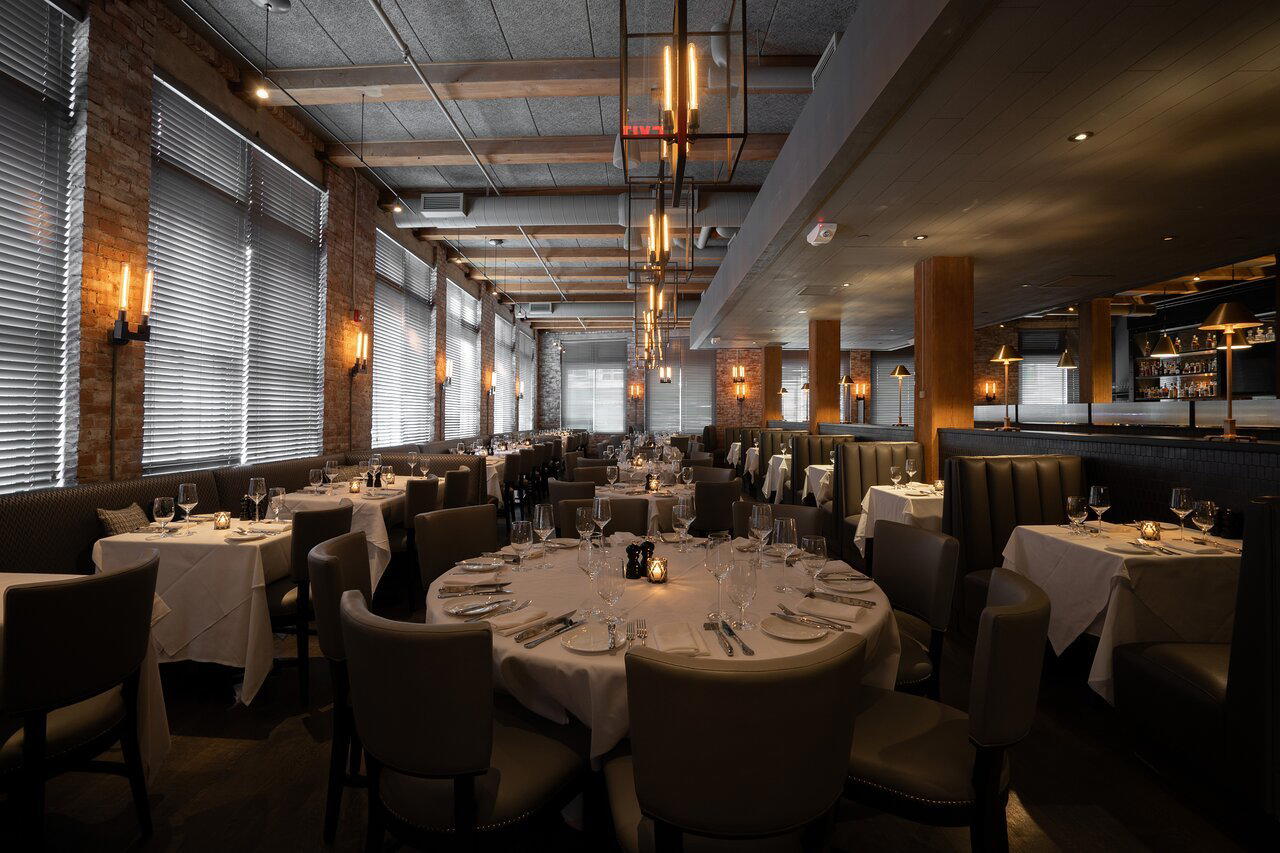
Where Two Culinary Traditions Meet the Counter
Boston's premium counter-dining scene has matured considerably over the past decade. What began as a handful of Japanese omakase rooms has diversified into a broader category of chef-driven, fixed-format experiences where the counter itself functions as the stage and the sequence replaces the menu card. Moro Mou enters that space with a proposition that is relatively rare in any American city: a Greek-Japanese omakase, where the structural discipline of Japanese counter service meets the flavour register of the Aegean. The combination is not entirely without precedent globally, but within Boston it occupies a distinct position.
The omakase format matters here not as novelty but as method. In traditional Japanese practice, omakase places the chef in control of pace, sequence, and portion, with diners committing to the full progression rather than selecting individually. That framework, when applied to a cuisine outside its origin, demands that the borrowed structure serve the borrowed ingredients honestly rather than as costume. The degree to which Moro Mou resolves that tension is what places it in conversation with the more technically ambitious end of Boston dining, alongside venues like 311 Omakase and Agosto, where fixed-sequence formats are used to make a coherent argument about a cuisine rather than simply to fill a counter.
The Sensory Register of Greek-Japanese Counter Dining
Greek cooking is built on a relatively spare pantry: olive oil, lemon, dried herbs, seafood from cold, rocky coastal waters, and aged dairy. Japanese counter cuisine operates on related principles of restraint, precision, and the dignity of singular ingredients. When the two traditions intersect, the result should feel less like collision and more like harmonic reinforcement. At Moro Mou, the premise is that the textural and flavour logic of Greek coastal cooking, particularly its affinity for raw or lightly treated seafood, translates productively into an omakase sequence.
Atmospherically, counter formats of this type share certain sensory qualities regardless of cuisine. The physical proximity to preparation means that smell arrives before taste: fat meeting heat, citrus applied at the last moment, the faint salinity of fresh fish. Sound operates at a compressed register, with conversation at the counter staying quieter than in a dining room, and the focused activity of preparation replacing ambient noise. These are structural features of the omakase model that Moro Mou inherits and redirects through a Greek lens. For those accustomed to the relative looseness of a Greek taverna, the formality of the counter format will read as a deliberate reframing of familiar flavours in a more concentrated setting.
Among Boston's fusion-leaning tasting formats, this positions the restaurant differently from the Mediterranean-comfort approach at Ama at the Atlas and from the focused Iberian discipline at Agosto. The Greek-Japanese pairing is its own category.
Boston's Counter Scene in Context
Counter-format fine dining in Boston has historically clustered around Japanese and Japanese-influenced concepts. O Ya, operating in Boston for well over a decade, established a template for ingredient-focused Japanese-inflected tasting menus that influenced what the city's diners came to expect from high-end counter service. Oishii Boston occupies an adjacent tier with its sushi-forward approach. Into this established comparable set, a Greek-Japanese hybrid introduces questions about whether the omakase frame is being used for its structural virtues or its prestige signalling, and whether the Greek culinary tradition is being treated as a flavour system in its own right or simply as a source of garnish and seasoning.
The category of fusion omakase has a reasonable track record in American cities when it is built around genuine technical fluency in both traditions. Nationally, the conversation around creative fixed-format dining has been shaped by venues like Lazy Bear in San Francisco and Alinea in Chicago, both of which use unconventional frameworks to make arguments about ingredients and memory rather than simply to demonstrate technique. At the highest level of the format, places like The French Laundry in Napa and Single Thread Farm in Healdsburg demonstrate how fixed-sequence dining builds cumulative meaning through a meal. For seafood-focused counter dining specifically, the benchmark internationally is set by venues such as Le Bernardin in New York City and 8 1/2 Otto e Mezzo Bombana in Hong Kong, where technique and provenance work in tight alignment.
The restaurant's placement within that broader conversation will depend on execution. The concept is coherent on paper; the degree to which the kitchen delivers the textural and flavour specificity that both Greek and Japanese cooking demand at their leading is what will determine whether it earns a durable place in Boston's serious dining tier.
Neighbourhood and Planning
Before planning a visit, check directly through the venue's own channels for current availability and format details. Counter-format omakase restaurants in Boston at this level typically operate on advance-booking systems, with reservations opening weeks ahead; arriving without a booking is rarely viable at this tier. For broader context on where the restaurant sits within the city's dining options, our full Boston restaurants guide maps the scene across price points and formats.
For reference points at similar price tiers in other cities, Emeril's in New Orleans and Alain Ducasse at Louis XV in Monte Carlo illustrate how serious kitchens build identity through a specific regional culinary tradition at the formal end of the spectrum. Also consider Alcove for a different point on Boston's dining register.
What the Format Signals
The choice to frame a Greek-influenced restaurant within omakase structure is an editorial statement about how the kitchen wants its food read. Omakase imposes sequence and removes second-guessing; it asks the diner to receive the meal as a composed argument rather than a set of individual preferences. For Greek cooking, which tends toward abundance, informality, and repetition of beloved staples, the omakase frame is a significant recontextualisation. Whether that recontextualisation produces insight or merely novelty is the central question for any serious diner approaching the restaurant for the first time.
Within Boston's tasting-menu tier, the concept has a distinct enough premise to attract curiosity from diners who follow this category closely. The city's food press and regular omakase clientele have developed genuine literacy around counter formats over the past several years, which means the restaurant will be assessed against those expectations. The Greek half of the equation adds a variable that few other counters in the city carry, and that variable is either the concept's principal asset or its principal risk, depending on how it is executed.
The Minimal Set
Comparable venues nearby, for context on price, style, and recognition.
| Venue | Cuisine | Price | Notes |
|---|---|---|---|
| Moro MouThis venue — the venue you are viewing | Seaport District, Greek-Japanese Omakase | $$$$ | Not listed |
| La Brasa | Not listed | $$$ | Somerville, Global Grill with Mexican & Mediterranean Influences |
| No.9 Park | Not listed | $$$$ | Downtown, Regionally-inspired French-Italian Fine Dining |
| nine | Beacon Hill, Modern French Fine Dining | $$$$ | Not listed |
| Abe & Louie’s | Back Bay, Classic Steakhouse | $$$$ | Not listed |
| Ama | Allston, Global Nepalese-Inspired Fusion | $$ | Not listed |
Recognition history
Dated appearances from independent guides and award organizations, with the underlying list record or original source where available.
Star Wine List
Star Wine List
Continue exploring
More in Boston
Restaurants in Boston
Browse all →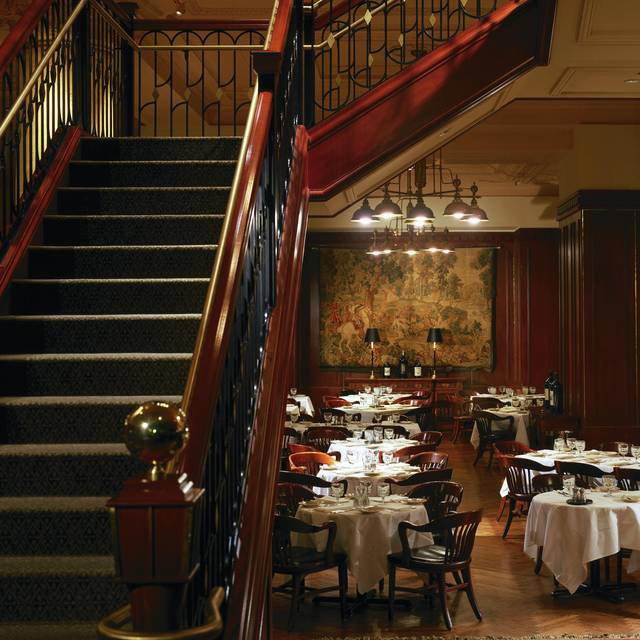
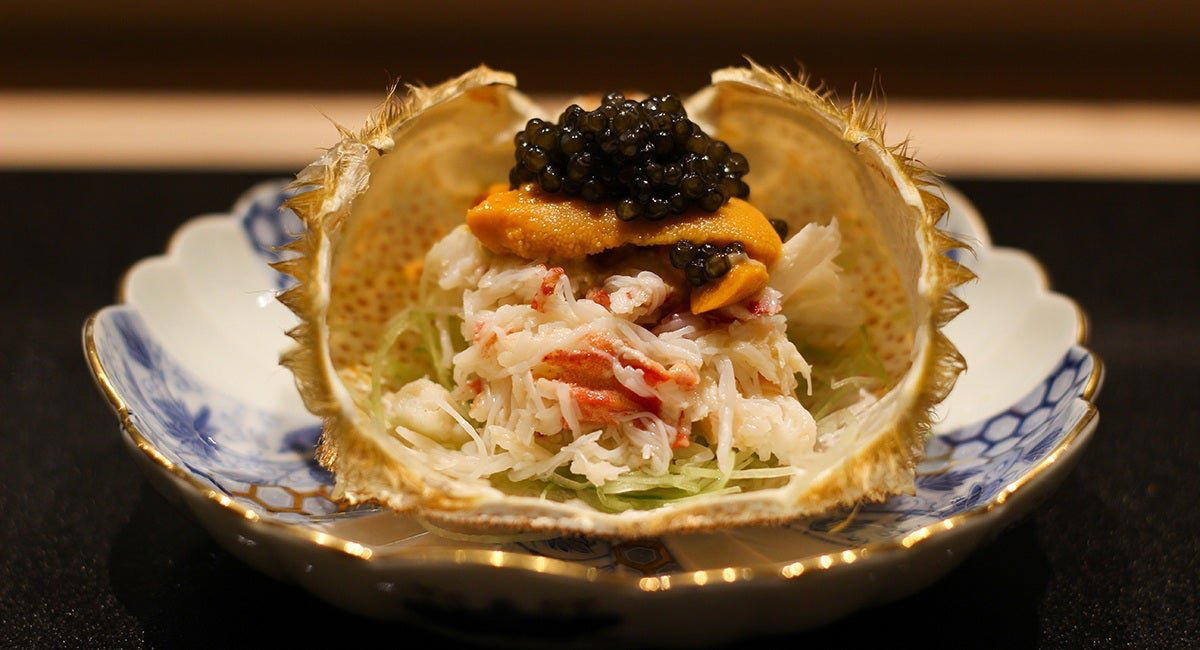
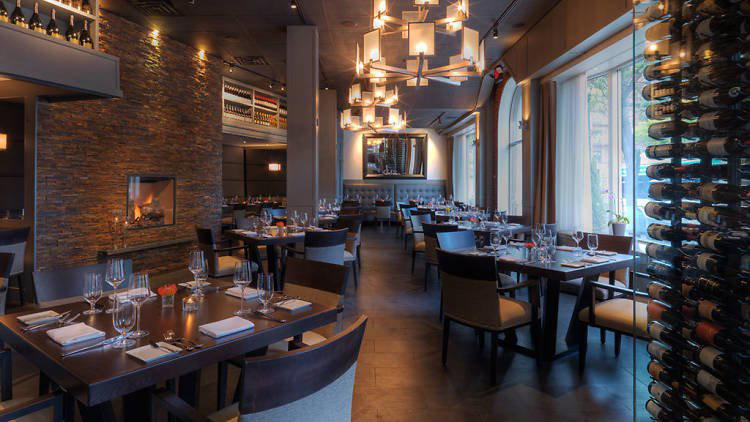
Bars in Boston
Browse all →
Hotels in Boston
Browse all →

Wineries in Boston
Browse all →
At a Glance
- Intimate
- Elegant
- Romantic
- Sophisticated
- Date Night
- Special Occasion
- Celebration
- Chefs Counter
- Open Kitchen
- Sustainable Seafood
Intimate and poetic atmosphere designed to feel personal and emotionally resonant, combining Japan's meticulous hospitality with Greece's warm, convivial hosting style.