Hub Thai
East Village Thai at Street Level Avenue A in the East Village has long operated as one of New York City's more honest dining corridors: low overhead, high turnover, and a neighborhood crowd that has little patience for performance without...
Pearl is the En Primeur Club membership app — saves, bookings, and concierge access live there. Same editors, same standards.
- Address
- 50 Avenue A, New York, NY 10009
- Phone
- +12122288221
- Website
- hubthai.nyc
- Directions
- Get directions
 Saves & bookings on Pearl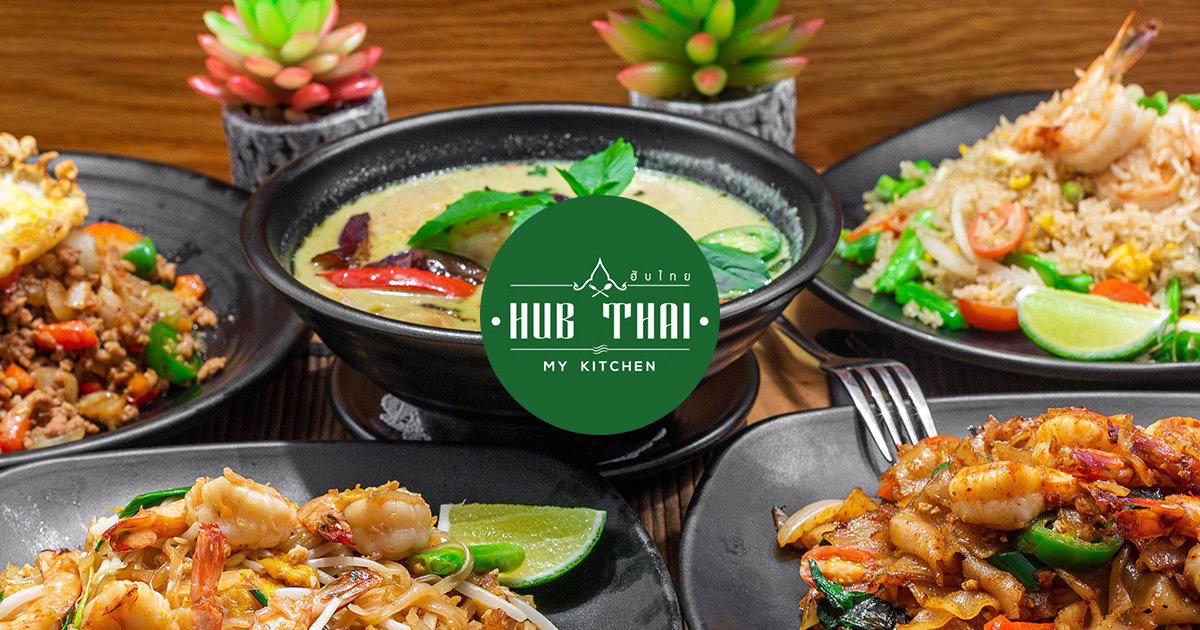
East Village Thai at Street Level
Avenue A in the East Village has long operated as one of New York City's more direct dining corridors: low overhead, high turnover, and a neighborhood crowd that has little patience for performance without substance. Thai restaurants occupy a particular niche along this stretch, where the question is rarely whether a kitchen can reproduce the canon of central Thai cooking but whether it understands why the canon works in the first place. Hub Thai, at 50 Avenue A, sits inside that local conversation rather than above it.
The physical address places it squarely in Alphabet City, a part of lower Manhattan where the dining room is almost always secondary to what arrives on the table. Expect the kind of room where the light is functional, the tables are close, and the noise level tracks with how full the space is. This is the East Village idiom: the energy comes from the street and the food, not from interior design budgets.
How Thai Sourcing Shapes the Plate
The editorial case for Thai food in New York has always rested on a sourcing question that the city's upper-tier dining addresses only partially. Restaurants like Le Bernardin, Masa, and Per Se invest heavily in provenance for Western and Japanese frameworks, but Thai cooking's ingredient logic operates differently. The aromatics that define Thai cuisine, galangal, makrut lime leaf, lemongrass, fresh turmeric, are not interchangeable with dried or frozen substitutes. When a kitchen uses fresh versus processed versions of these ingredients, the difference registers immediately in the finish of a dish: a properly made tom kha carries a citrus-herbal note from fresh galangal that no powder replicates.
New York's Thai restaurant tier has historically split along this line. A larger cohort of mid-market Thai restaurants across Queens and Midtown sources efficiently, which means refrigerated or dried aromatics when fresh supply is inconvenient. A smaller group, often operating at the neighborhood level in Brooklyn and the East Village, maintains relationships with Asian specialty markets in Flushing or Sunset Park that stock fresh product. Hub Thai's positioning on Avenue A places it in a neighborhood where that second approach tends to be more common among kitchens that have been operating long enough to build supplier relationships.
Thai cooking also places unusual demands on protein sourcing. Dishes built around pork, chicken, or seafood require cuts and preparations that differ from French or American traditions: thinner slices for stir-fries, specific offal for certain regional preparations, fresh whole fish for steamed presentations. The quality gap between a dish prepared with appropriate sourcing and one improvised with whatever is available is wide and immediately apparent to anyone who has eaten the regional original.
Where Hub Thai Sits in New York's Thai Scene
New York's Thai dining scene has expanded and differentiated substantially over the past decade. The city now supports everything from royal Thai tasting menus in Midtown to regional Isan-focused spots in Jackson Heights. The East Village occupies a middle position in this geography: it is not the primary Thai residential corridor that Queens represents, but it has a dining-literate customer base that is more willing than most to engage with regional specificity rather than defaulting to pad thai and green curry.
For context on how New York's serious dining tier operates across cuisines, the city's Korean vanguard at Atomix, Jungsik New York, and similar addresses has demonstrated that immigrant culinary traditions can operate at the highest critical tier when sourcing and technique are applied rigorously. Thai cooking has been slower to reach that tier in New York, largely because the category's economics make it difficult to charge prices that support premium sourcing. The restaurant operates well below that fine-dining bracket, the East Village neighborhood and the casual format both signal a more accessible price register.
For readers interested in ingredient-first approaches across other American cities, Single Thread Farm in Healdsburg and Blue Hill at Stone Barns in Tarrytown represent rigorous farm-to-table sourcing frameworks. The French Laundry in Napa and Providence in Los Angeles apply similar discipline within French and seafood frameworks. The comparison is instructive: the sourcing logic that drives those tasting menus also applies to Thai aromatics, but the price points and formats are different.
Other American dining rooms investing in provenance and regional integrity include Lazy Bear in San Francisco, Alinea in Chicago, Emeril's in New Orleans, Addison in San Diego, The Inn at Little Washington, and Bacchanalia in Atlanta. Internationally, 8 1/2 Otto e Mezzo Bombana in Hong Kong and Alain Ducasse at Louis XV in Monte Carlo represent how ingredient sourcing shapes identity at stronger examples from the luxury tier. The restaurant operates in an entirely different register, but the underlying logic, that what a kitchen sources determines what it can actually cook, holds across all of them.
What to Order
Specific menu recommendations would require a visit confirmation. What the Thai cooking tradition suggests, however, is where to focus attention: dishes that foreground fresh aromatics (soups, larbs, herb-heavy salads) reveal sourcing quality more directly than stir-fries, which can mask lesser ingredients under high heat and sauce volume. If the kitchen is working with fresh galangal and lemongrass, the tom kha or tom yum will show it. If the green papaya salad arrives with the correct sour-funky balance from good fish sauce and fresh lime, the kitchen is sourcing at a level worth returning for.
Planning Your Visit
The restaurant is located at 50 Avenue A in the East Village, accessible from the L train at First Avenue or the F and M trains at Second Avenue. The East Village dining strip along Avenue A and its surrounds is dense enough that a meal here fits naturally into a broader evening in the neighborhood. Reservations are recommended. Dress is casual. Budget: About $25 per person before drinks.
The Short List
Comparable venues nearby, for context on price, style, and recognition.
| Venue | Cuisine | Price | Notes |
|---|---|---|---|
| Hub ThaiThis venue — the venue you are viewing | East Village, Thai Street Food | $$ | Not listed |
| Little Basil | Gramercy, Authentic Thai | $$ | Not listed |
| Lil Chef Mama | Not listed | $$ | Financial District-Battery Park City, Authentic Thai Street Food |
| Kaew Jao Jorm | East Williamsburg, Royal Thai Cuisine | $$ | Not listed |
| V{IV} | Hell's Kitchen, Modern Thai Street Food | $$ | Not listed |
| Chop-Shop | Not listed | $$ | Chelsea-Hudson Yards, Thai & Southeast Asian Fusion |
Continue exploring
More in New York City
Restaurants in New York City
Browse all →
Bars in New York City
Browse all →
Hotels in New York City
Browse all →





At a Glance
- Trendy
- Modern
- Energetic
- Group Dining
- Casual Hangout
Current opening hours
- Monday
- 11:45 AM–10:15 PM
- Tuesday
- 11:45 AM–10:15 PM
- Wednesday
- 11:45 AM–10:15 PM
- Thursday
- 11:45 AM–10:15 PM
- Friday
- 11:45 AM–10:15 PM
- Saturday
- 11:45 AM–10:15 PM
- Sunday
- 11:45 AM–10:15 PM
Hours can change for holidays and private events. Last verified .
Energetic atmosphere with lively noise levels.