Our verdict
Located on 9th Avenue in Hell's Kitchen, V{IV} occupies a stretch of Manhattan where neighbourhood restaurants operate outside the usual fine-dining circuits.

Pearl is the En Primeur Club membership app, where members save venues, book tables and use the concierge.

Hell's Kitchen and the Question of Collaboration
New York's most decorated restaurant tables tend to cluster in a familiar geography: Midtown's power corridors, the West Village's brownstone blocks, the chef-driven pockets of the Lower East Side. Hell's Kitchen sits adjacent to all of this without quite belonging to any of it. The stretch of 9th Avenue running through the 40s and 50s has historically supported a working neighbourhood dining culture, one that feeds theatre crowds, long-term residents, and the kind of regulars who book by habit rather than by algorithm. It is not the address you associate with the collaborative fine-dining model that has shaped New York's upper tier over the past decade, which is precisely what makes V{IV}, at 717 9th Ave, worth attention.
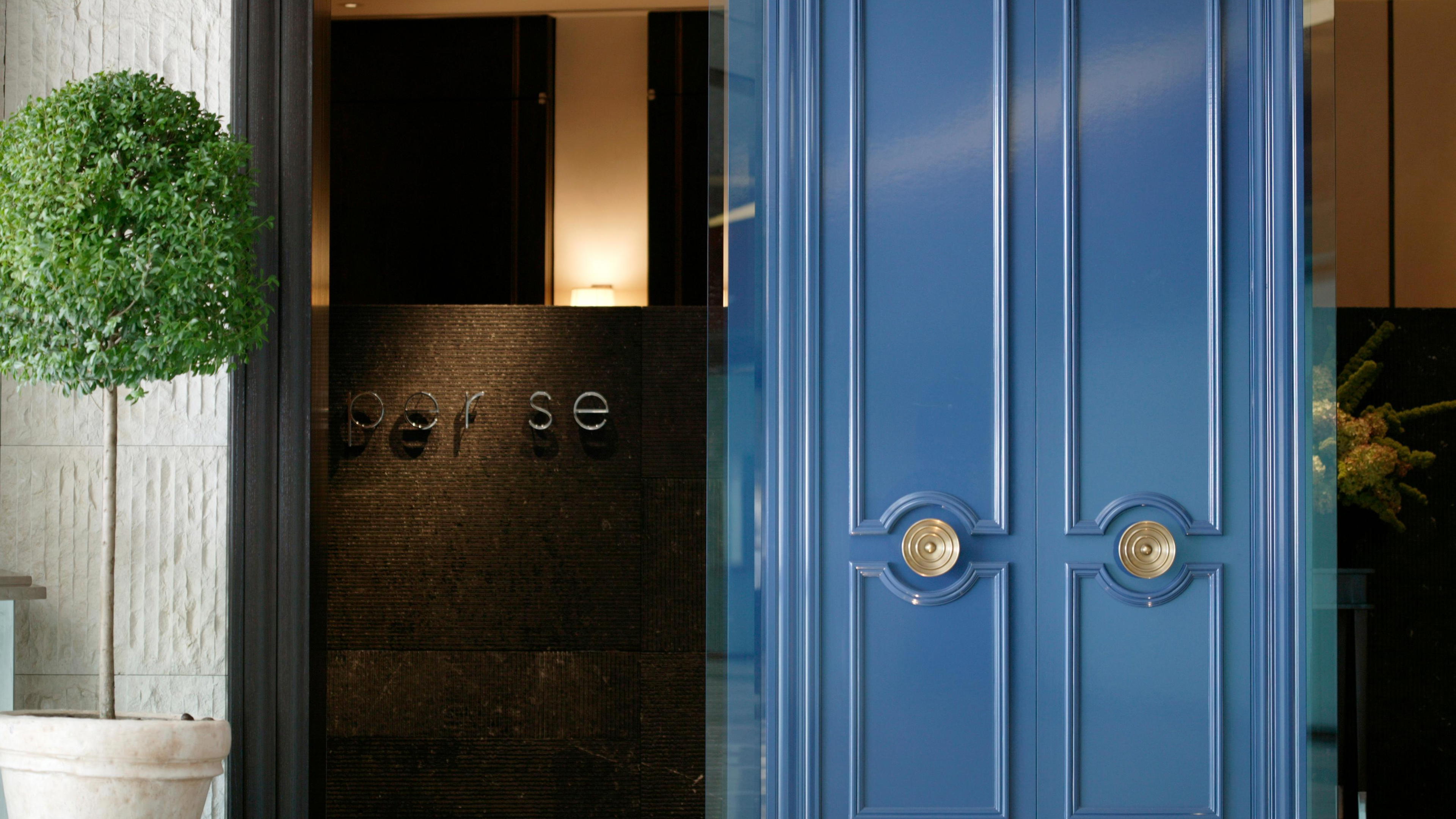
The question of how front-of-house, kitchen, and wine program integrate is the defining editorial concern of contemporary American fine dining. At Le Bernardin, the three-way alignment between Eric Ripert's kitchen discipline, the wine team's Burgundy-forward selections, and a floor operation built around anticipatory service has produced a model studied across the industry. At Atomix, the collaboration between kitchen and sommelier produces a tasting format where the wine progression is treated as equal in authorship to the food. At Per Se, the Thomas Keller model positions the dining room as a single integrated performance.
What Collaboration Looks Like at This Address
The editorial angle worth tracking at any Hell's Kitchen address is whether the team dynamic reinforces or resists the neighbourhood's functional character. In cities like San Francisco, where Lazy Bear built a reputation on tight front-of-house and kitchen integration within a non-traditional format, or in Healdsburg, where Single Thread Farm aligns kitchen, wine, and hospitality under a single agricultural philosophy, the most durable collaborative models share a common trait: each department's contribution is legible to the guest without requiring explanation. The food tells you something, the floor confirms it, and the glass either deepens or complicates the picture.
At V{IV}, the venue's name itself suggests a structural idea. Roman numerals appearing inside standard numerals imply layers, or a counting system that runs simultaneously on multiple tracks. Whether that translates into a menu architecture, a service philosophy, or simply a branding decision is a question that verified visit data would need to answer. What can be said is that a restaurant operating in Hell's Kitchen under a name with that kind of internal logic is signalling something about how it wants to be read.
The Hell's Kitchen Context
The neighbourhood has produced a more varied dining register over the past fifteen years than its reputation suggests. Theatre pre-fixe culture gave way to a broader set of operators as the area's residential density increased and the population profile shifted. Independent restaurants here now operate in a competitive environment that rewards specificity: a clear point of view on cuisine, a legible price-to-value relationship, and a room that reads as intentional rather than accidental. The most successful Hell's Kitchen openings of the past decade have not tried to replicate the Midtown fine-dining template but have instead found formats that suit the neighbourhood's pace and its guests' expectations.
This contrasts with the approach taken at, for example, Alinea in Chicago, where the fine-dining contract is explicit from the first booking confirmation, or at The French Laundry in Napa, where the address itself functions as part of the dining proposition. A restaurant on 9th Avenue operates under different conditions and, ideally, builds a collaborative team structure suited to those conditions rather than imported wholesale from a different context.
Where V{IV} Sits Relative to the New York Scene
New York's restaurant scene at the high end has bifurcated in a way that makes address less determinative than it once was. Masa commands the highest per-head spend in the city from a Columbus Circle counter. Jungsik New York established progressive Korean tasting in TriBeCa. Blue Hill at Stone Barns, technically outside the city in Tarrytown, draws Manhattan diners for a farm-driven model that positions sourcing as the primary editorial statement. These are all different answers to the same underlying question: what does a New York dining experience justify at this price point and format?
V{IV}'s answer to that question is not yet fully documented in EP Club's record. The absence of verified cuisine type, pricing, awards, and staffing data places this listing in the category of venues worth monitoring rather than venues ready for full critical assessment. That is not a negative finding; it reflects the reality that some of the most interesting addresses in any city operate quietly before broader documentation catches up with them. For reference points on what the American fine-dining collaboration model looks like elsewhere, Providence in Los Angeles, Addison in San Diego, The Inn at Little Washington, Emeril's in New Orleans, Bacchanalia in Atlanta, and internationally at 8½ Otto e Mezzo Bombana in Hong Kong and Alain Ducasse at Louis XV in Monte Carlo, each offer a different institutional model of how kitchen, floor, and wine teams are structured at the level where all three departments matter equally.
For the broader New York picture and how this address maps into the city's dining geography, see our full New York City restaurants guide.
Planning Your Visit
V{IV} is located at 717 9th Avenue in Hell's Kitchen, Manhattan. The venue sits in a walkable corridor with good subway access via the A, C, and E lines at 42nd Street-Port Authority, placing it within reasonable reach of both Midtown and the broader west side.
Quick reference: 717 9th Ave, New York, NY 10019. Booking method, hours, and pricing unconfirmed at time of publication.
Frequently asked questions
Where do I go for V{IV}?
V{IV} is located at 717 9th Ave, New York, NY 10019, New York City.
Is V{IV} in Hell's Kitchen worth the trip from Downtown Manhattan?
V{IV} sits at 717 9th Avenue, accessible via the A, C, and E subway lines at 42nd Street-Port Authority, making the journey from Downtown a straightforward 20-minute ride. Hell's Kitchen has accumulated a dining register that rewards the detour for those willing to look beyond the West Village and Tribeca circuits. Whether the specific format at V{IV} justifies the cross-borough trip depends on confirmed details the venue can provide directly.
What should I order at V{IV}?
EP Club does not currently hold verified menu data for V{IV}, so naming specific dishes would risk inaccuracy. The most reliable approach is to check the venue's official channels at 717 9th Avenue or check their current listings before visiting. Hell's Kitchen restaurants at this address tier often shift menus seasonally, making direct confirmation the only dependable method.
Can I walk in to V{IV}?
In Hell's Kitchen, mid-block 9th Avenue venues tend to accommodate walk-ins more readily than Midtown or West Village destinations at equivalent price tiers, but day of week and time of evening affect availability considerably. Contacting the venue ahead of arrival remains the practical option.
What's the standout thing about V{IV}?
The address itself is the editorial signal worth noting: 717 9th Avenue places V{IV} in Hell's Kitchen, outside the geography where New York's most decorated tables typically cluster. That positioning, whether by design or circumstance, aligns V{IV} with a neighbourhood that has built a more varied dining register over the past fifteen years than its theatrical pre-fixe reputation once suggested. Independent operators on this corridor tend to run on tighter formats and more direct guest relationships than their Midtown counterparts.
How does V{IV} handle allergies?
New York City restaurants are subject to state food-safety disclosure requirements, and venues operating at 717 9th Avenue in a post-pandemic dining environment generally field allergy enquiries as standard. Raising dietary needs when booking or on arrival at the 9th Avenue address is the practical approach.
Where the Accolades Land
Comparable venues nearby, for context on price, style, and recognition.
| Venue | Cuisine | Price | Notes |
|---|---|---|---|
| V{IV}This venue (the venue you are viewing) | Modern Thai Street Food | $30–50 | Not listed |
| BKK New York | Modern Thai Street Food | $30–50 | Midtown-Times Square |
| Pye Boat Noodle | Thai Boat Noodles & Hawker Food | $20–30 | Astoria (Central) |
| Sage | Thai | $30–50 | East Williamsburg |
| Joya | Authentic Thai | $20–30 | Carroll Gardens-Cobble Hill-Gowanus-Red Hook |
| OBAO | Thai-Vietnamese Fusion | $30–50 | Hell's Kitchen |
Continue exploring
More in New York City
Restaurants in New York City
All restaurants in New York City →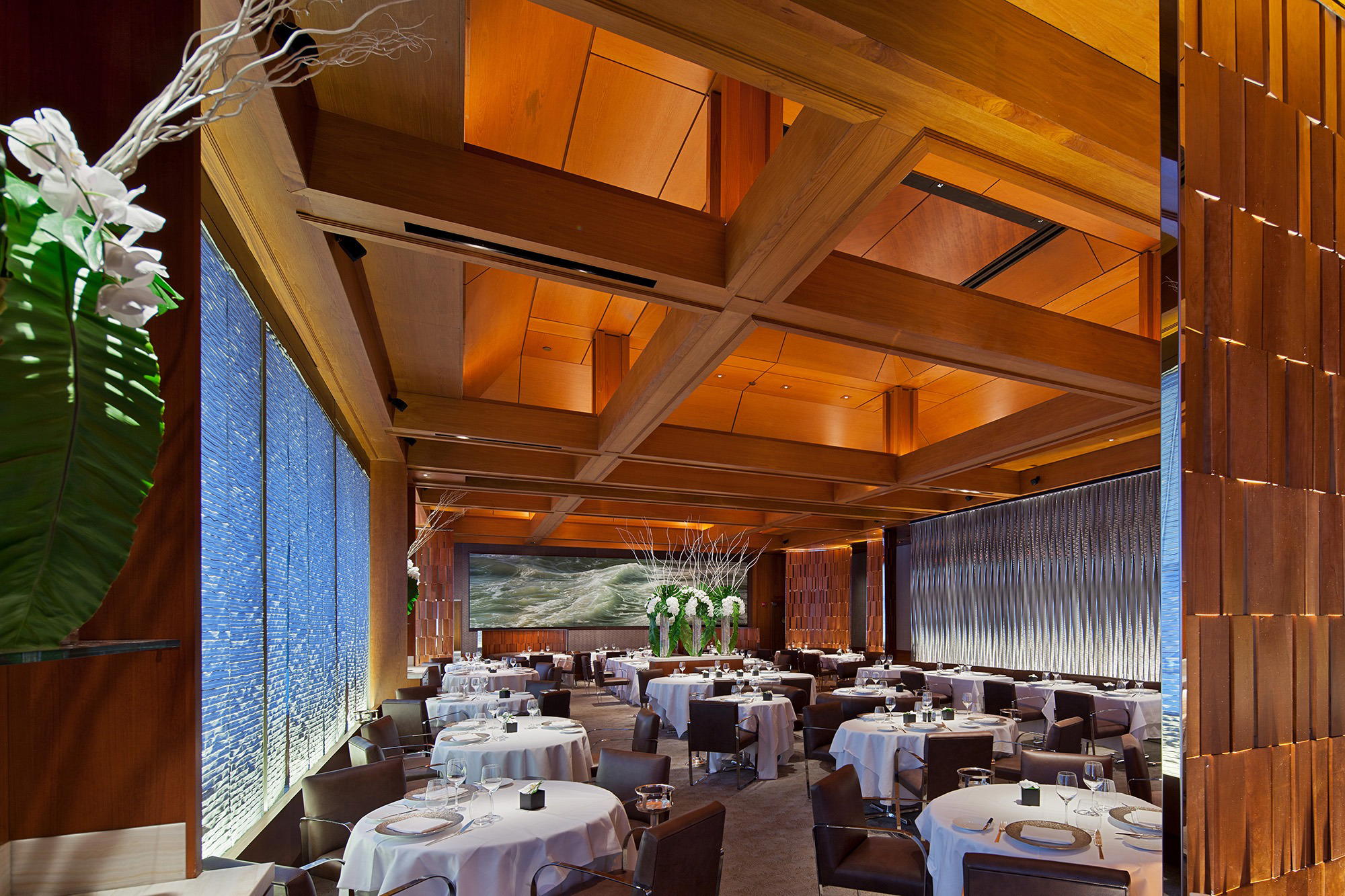
Bars in New York City
All bars in New York City →
Details
- Lively
- Trendy
- Energetic
- Casual Hangout
- After Work
- Group Dining
- Open Kitchen
- Craft Cocktails
- A La Carte
- Small Plates
- Signature Cocktails
- Vegetarian Friendly
- Vegan Options
- Gluten Free Options
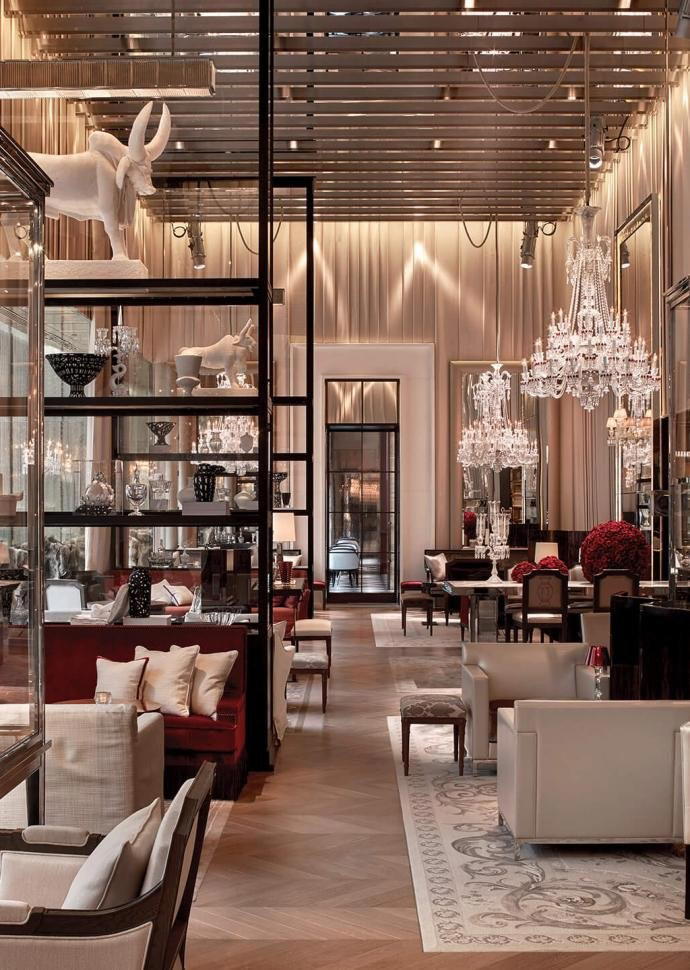
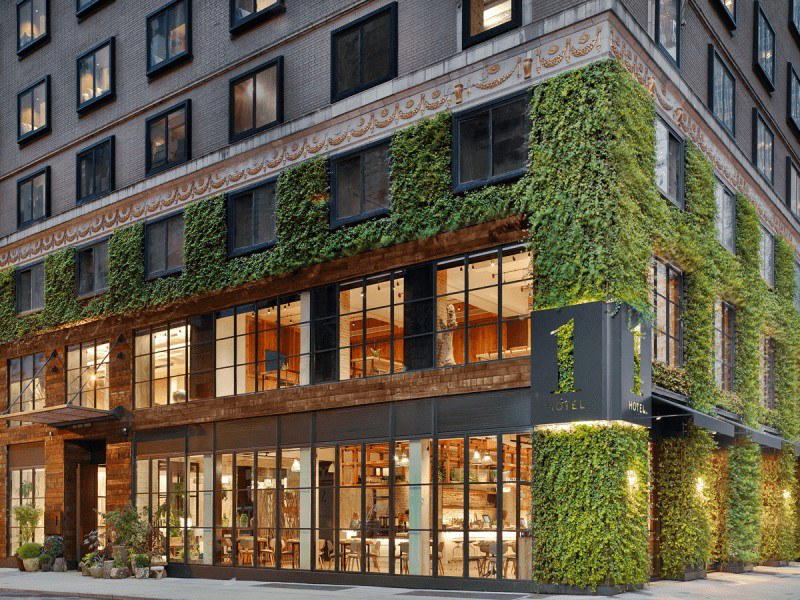
Bright and upbeat atmosphere with high energy suitable for festive nightlife.