HOWOO

Our verdict
HOWOO occupies a notable position in Midtown Manhattan's Korean dining corridor, sitting near the intersection of Murray Hill and Koreatown where the city's Korean food culture runs deepest. In a neighbourhood where progressive Korean formats now compete directly with the prix-fixe tasting rooms of Midtown's broader fine-dining tier, HOWOO draws attention as a destination worth placing in that conversation.

Pearl is the En Primeur Club membership app, where members save venues, book tables and use the concierge.

The menu
What to order
- Miyazaki A5 Wagyu Filet Mignon
- 35-day Dry Aged Prime Ribeye
- Duo Prime Package
- Snow Marble Boneless Short Rib
- Steak Tartare
Where Koreatown's Ambition Meets Midtown's Fine-Dining Gravity
East 31st Street sits at the northern edge of what New York has long called Koreatown, a compressed stretch of 32nd Street where Korean restaurants, karaoke bars, and late-night spots run cheek by jowl in a format unchanged for decades. One block south of that strip, the character shifts. The foot traffic thins, the signage quiets, and the buildings begin to assert the quieter confidence of Midtown's office-and-hotel corridor. It is in this in-between zone that HOWOO operates, and the geography is not incidental. Restaurants that position themselves just outside the gravitational pull of a well-known dining district tend to be making a statement: they are choosing context rather than being assigned it.
That spatial decision places HOWOO in an interesting competitive frame. New York's Korean fine-dining scene has matured considerably over the past decade. Atomix, in NoMad, holds two Michelin stars and operates a card-based tasting format that has become a reference point for progressive Korean dining in the United States. Jungsik New York, also two-starred, applies French technique to Korean foundations in a format that addresses the same top tier of New York's dining public that frequents Le Bernardin or Per Se. HOWOO's address on East 31st places it physically between the Koreatown casual register and that more rarified tier, and the question the venue implicitly poses is which side of that divide it is addressing.
The Korean Fine-Dining Moment in New York
The broader context matters here. Korean cuisine's presence in New York has always been numerically large but reputationally stratified. For most of the city's dining history, Korean food registered as affordable and communal, the tabletop grill, the banchan spread, the late-night soup. The category's ascent into the fine-dining conversation is relatively recent, and it has happened with speed. Atomix and Jungsik are now credentialed enough that they draw the same reservations-forward, internationally mobile dining public that books Masa for sushi omakase or travels specifically to eat at The French Laundry in Napa or Alinea in Chicago.
Within that shift, the wine question has become more interesting. Traditional Korean dining culture is built around soju, makgeolli, and beer, fermented grain drinks that suit shared plates and communal pacing. As Korean restaurants have moved into fine-dining formats, sommeliers and beverage directors at the leading end have had to solve a real pairing problem: how do you build a list that honours Korean flavour architecture, fermented, umami-forward, often simultaneously sour and rich, while also speaking to a guest who may arrive expecting a European-weighted cellar? The venues that have handled this well tend to lean on old-world whites with high acidity and texture, natural wines with some oxidative character, and aged Korean spirits presented with the same intentionality as a sake program at a high-end Japanese counter.
Reading the Cellar as a Critical Signal
A wine list at this price point and in this category does more than accompany food. It is an argument about what kind of restaurant the venue believes itself to be. At the top end of New York's fine-dining circuit, where Le Bernardin holds a cellar designed around seafood's delicate spectrum and Per Se leans on classical French depth, the beverage program is treated as an editorial choice, not a support act. Restaurants in Midtown and NoMad that have earned credibility in the tasting-menu tier have almost without exception invested in that beverage identity as a distinct component of the overall offer.
East 31st in the Wider New York Dining Map
Murray Hill and the blocks immediately surrounding it have historically been underrepresented in New York's serious dining conversation. The neighbourhood's density of residential buildings and mid-price hotels has kept its restaurant culture functional rather than destination-driven. That is changing, partly because the geography suits Korean dining's expansion beyond the 32nd Street corridor, and partly because the kind of restaurants being built in this zip code are increasingly drawing guests from across the city rather than just from the surrounding blocks.
For readers planning a broader New York itinerary, HOWOO sits within reasonable distance of several other reference points worth considering. Atomix and Jungsik New York both operate in the NoMad and Tribeca zones respectively, and either makes a useful point of comparison for understanding where Korean fine dining has arrived in New York. For those extending their travels, the format of progressive American tasting rooms, from Blue Hill at Stone Barns in Tarrytown to Single Thread Farm in Healdsburg, provides a wider lens on how American restaurants are approaching the intersection of beverage depth and kitchen ambition. Further afield, Providence in Los Angeles, Emeril's in New Orleans, and Addison in San Diego each represent their city's version of the same fine-dining ambition that the East 31st Street address appears to be reaching toward. Internationally, the standard set by cellars at Alain Ducasse at Louis XV in Monte Carlo or 8½ Otto e Mezzo Bombana in Hong Kong shows what a serious beverage identity can do for a restaurant's positioning across different markets. Our full New York City restaurants guide maps these reference points in more detail.
Frequently asked questions
How do I find HOWOO?
HOWOO is located at 7 E 31st St, New York, NY 10016, New York City.
Is HOWOO part of New York's Koreatown, or is it a different kind of Korean restaurant?
HOWOO sits at 7 E 31st Street, adjacent to but not within the 32nd Street Koreatown block that defines New York's Korean dining volume. That single block of distance matters: the 32nd Street strip runs on throughput and familiarity, while HOWOO's positioning in Murray Hill points toward the fine-dining ambition that venues like Atomix and Jungsik have brought to Korean cuisine in New York City. The two reference points share a cuisine but not a format.
What's the best thing to order at HOWOO?
HOWOO's full menu format has not been independently confirmed in available data, so specific dish recommendations cannot be made responsibly. What the East 31st Street address signals is a positioning distinct from the high-volume 32nd Street corridor, suggesting a more considered, structured approach to the meal rather than an à la carte spread.
Should I book HOWOO in advance?
At New York's Korean fine-dining tier, advance reservations are standard practice. Two-Michelin-starred Atomix books weeks out, and Jungsik rarely has same-week availability. HOWOO's positioning in the same serious-dining conversation around Murray Hill and Koreatown suggests walk-in availability should not be assumed, particularly on weekends.
What's the standout thing about HOWOO?
HOWOO occupies a specific gap in New York's Korean dining map: a fine-dining proposition on East 31st Street, one block south of the 32nd Street Koreatown corridor, in a neighbourhood that has historically been overlooked by serious restaurant coverage. That address is itself a statement, the venue is drawing from Koreatown's culinary identity while stepping outside its commercial density to operate on different terms.
A Tight Comparison
Comparable venues nearby, for context on price, style, and recognition.
| Venue | Cuisine | Price | Awards | Notes |
|---|---|---|---|---|
| HOWOOThis venue (the venue you are viewing) | Premium Korean Barbecue | $50–100 | Not listed | Not listed |
| Momofuku Ssam Bar | Modern Korean Fusion | Not listed | Not listed | Financial District-Battery Park City, Modern Korean Fusion |
| Kjun | Korean-Cajun Fusion | $50–100 | Michelin Plate · Grub Street Best Food of 2026 (So Far) | Murray Hill-Kips Bay, Korean-Cajun Fusion |
| Danji | Modern Korean Tapas | $50–100 | Not listed | Hell's Kitchen, Modern Korean Tapas |
| Han Bat | Authentic Korean | $20–30 | Not listed | Midtown-Times Square, Authentic Korean |
| Soba Ulala | Japanese Soba House | Not listed | Not listed | Soho, House-Made Soba Noodles |
Recognition history
Dated appearances from independent guides and award organizations, with the underlying list record or original source where available.
Opinionated About Dining Top Restaurants in North America Recommended
Opinionated About Dining
Continue exploring
More in New York City
Restaurants in New York City
All restaurants in New York City →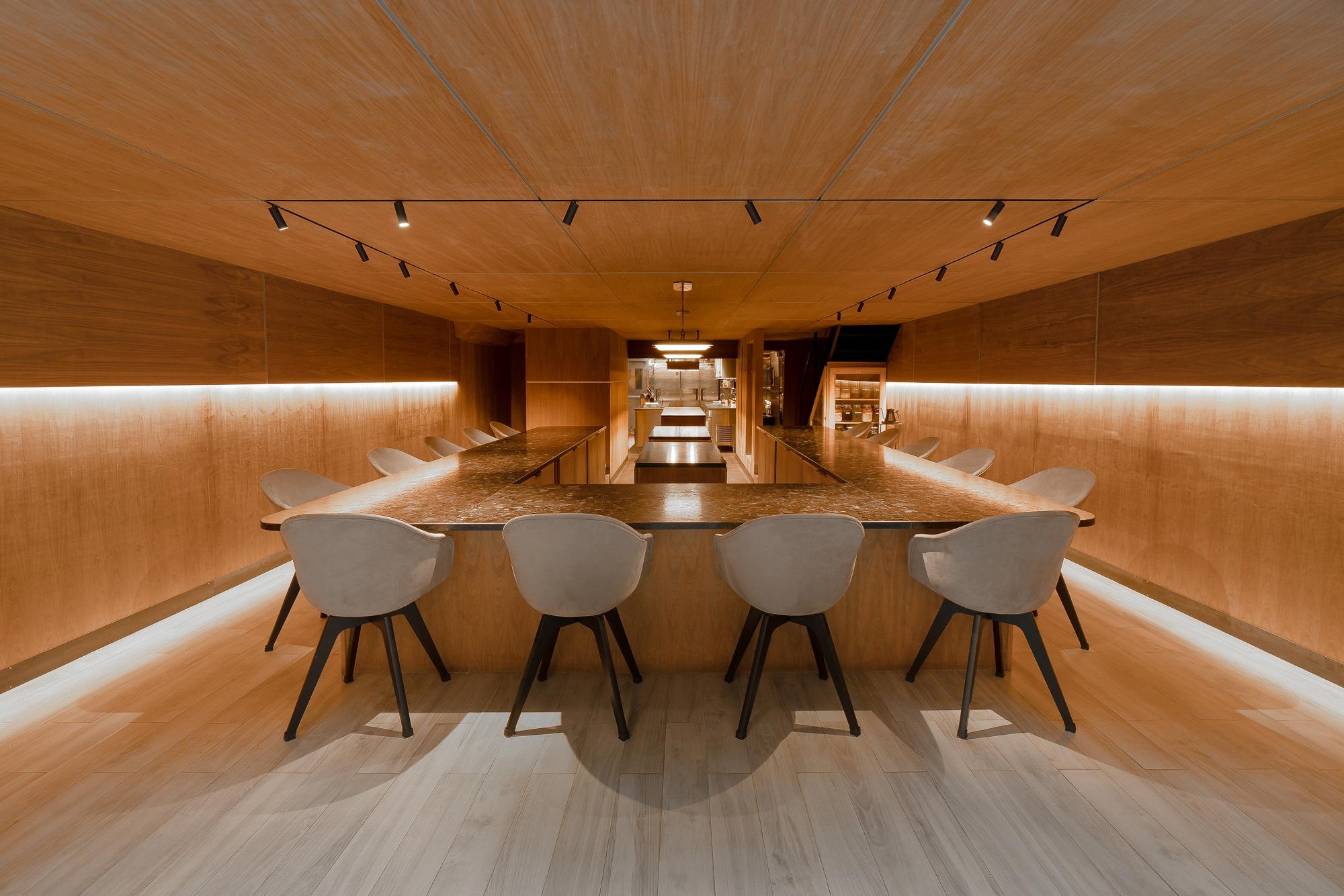
Bars in New York City
All bars in New York City →





Details
- Elegant
- Sophisticated
- Modern
- Intimate
- Date Night
- Business Dinner
- Celebration
- Special Occasion
- Group Dining
- Private Dining
- Open Kitchen
- Craft Cocktails
- Local Sourcing
- A La Carte
- Family Style
- Wine
- Cocktails
- Vegetarian Friendly
- Allergy Accommodating
Current opening hours
- Monday
- 5–11 PM
- Tuesday
- 5–11 PM
- Wednesday
- 5–11 PM
- Thursday
- 5 PM–12 AM
- Friday
- 5 PM–1 AM
- Saturday
- 12 PM–1 AM
- Sunday
- 12–11 PM
Hours can change for holidays and private events. Hours as of .
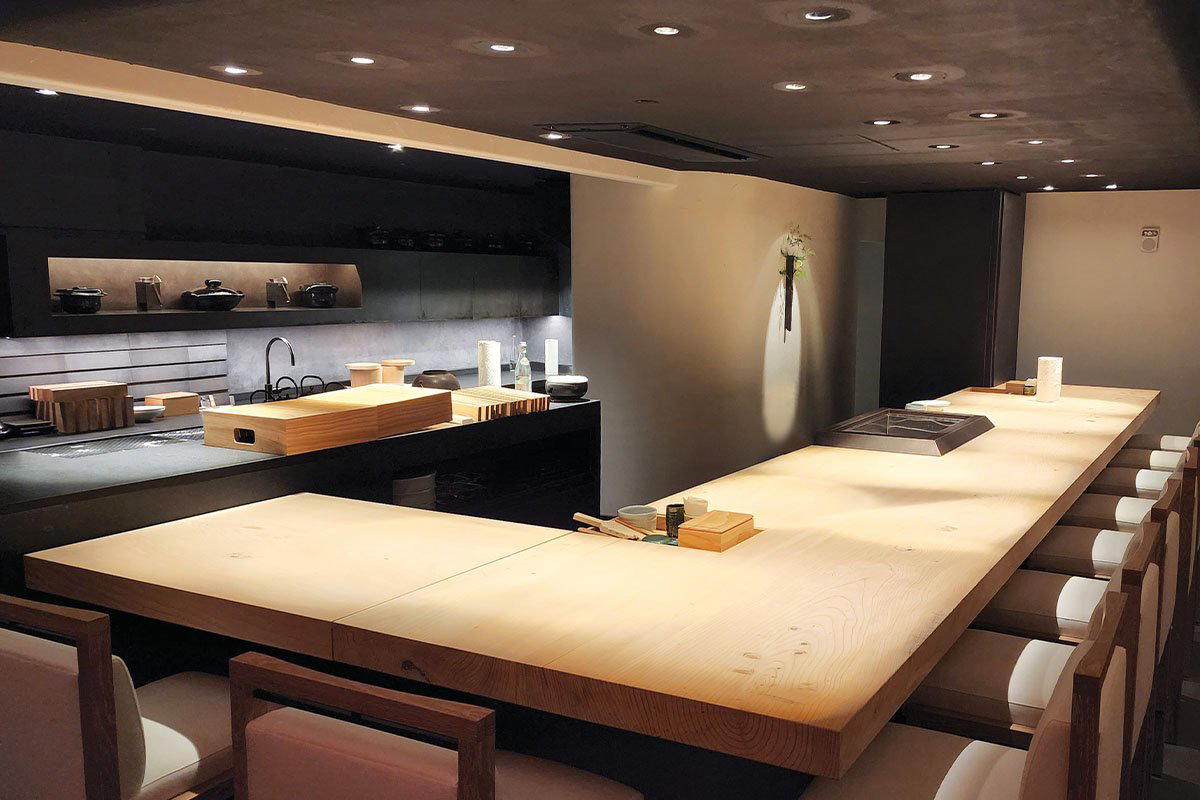
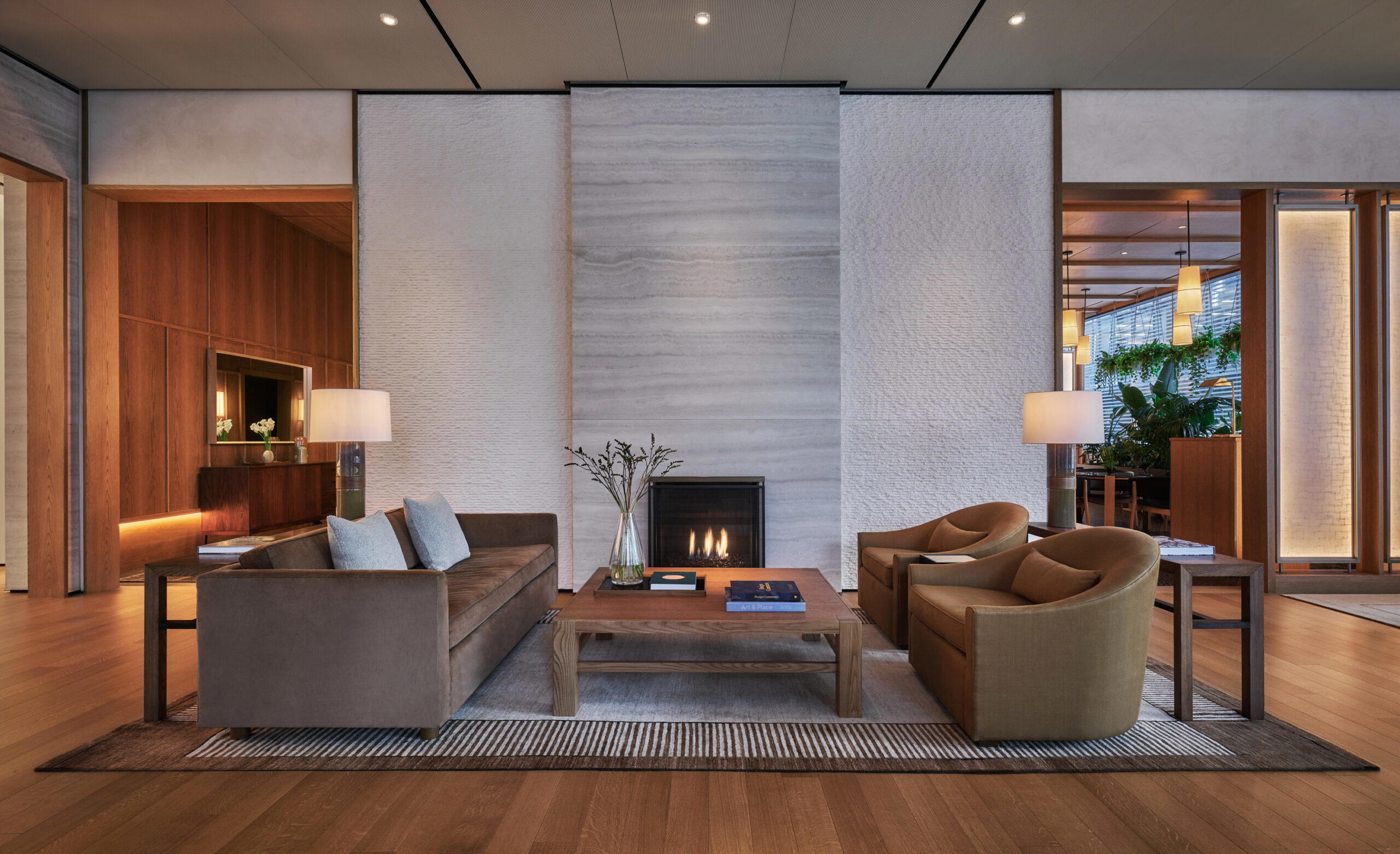
Dim, luxe atmosphere with sophisticated interiors and warm hospitality, creating an upscale yet approachable dining experience.