Hostaria Via Caprera
In a provincial city that rarely draws dining tourism, Hostaria Via Caprera on Via Caprera occupies the kind of neighbourhood-rooted position that Veneto's smaller towns quietly sustain. The cooking draws on the agricultural belt surrounding Vittorio Veneto, where foothills produce from inland Treviso province set the seasonal rhythm. For visitors passing between the Dolomites and Venice, it represents the local trattoria tradition at a considered address.
Pearl is the En Primeur Club membership app — saves, bookings, and concierge access live there. Same editors, same standards.
- Address
- Via Caprera, 23, 31029 Vittorio Veneto TV, Italy
- Phone
- +393943857520
- Website
- hostariaviacaprera.com
- Directions
- Get directions
 Saves & bookings on Pearl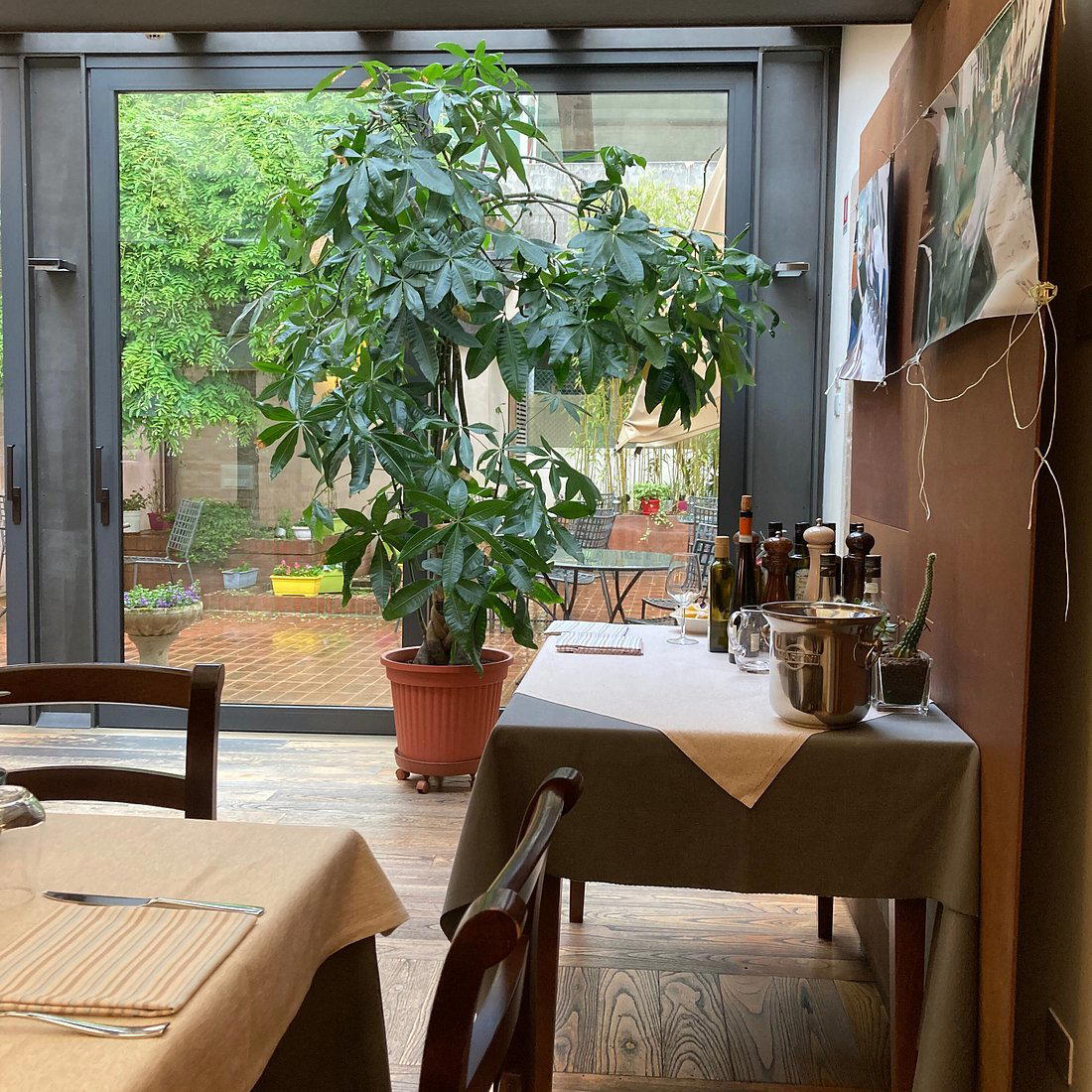
The Quiet Dining Register of Vittorio Veneto
Vittorio Veneto sits in the Treviso foothills, roughly equidistant between the Venetian lagoon and the southern Dolomite approaches, and its restaurant culture reflects that position. This is not a city that performs for food tourists. Its dining room economy runs on residents, on families who return to the same address across decades, and on the kind of agricultural continuity that the Treviso province has maintained longer than most of the Veneto. Hostaria Via Caprera, on the street that gives it its name, belongs to that local register. Its address, Via Caprera 23, places it within walking reach of the old town without occupying the heavily trafficked centro storico, which is precisely where Vittorio Veneto's more serious everyday cooking tends to happen.
The hostaria model, as a category, leans toward the former. It carries implied informality and a degree of rootedness, and in a province like Treviso, that informality is frequently backed by access to some of Italy's more quietly impressive agricultural output. Radicchio di Treviso, mountain cheeses from the Alpago valley, river fish from the Piave system, and cured meats from smaller Friuli-adjacent producers are the raw materials that define this zone's cooking when it is done attentively.
What the Ingredient Base Says About the Region
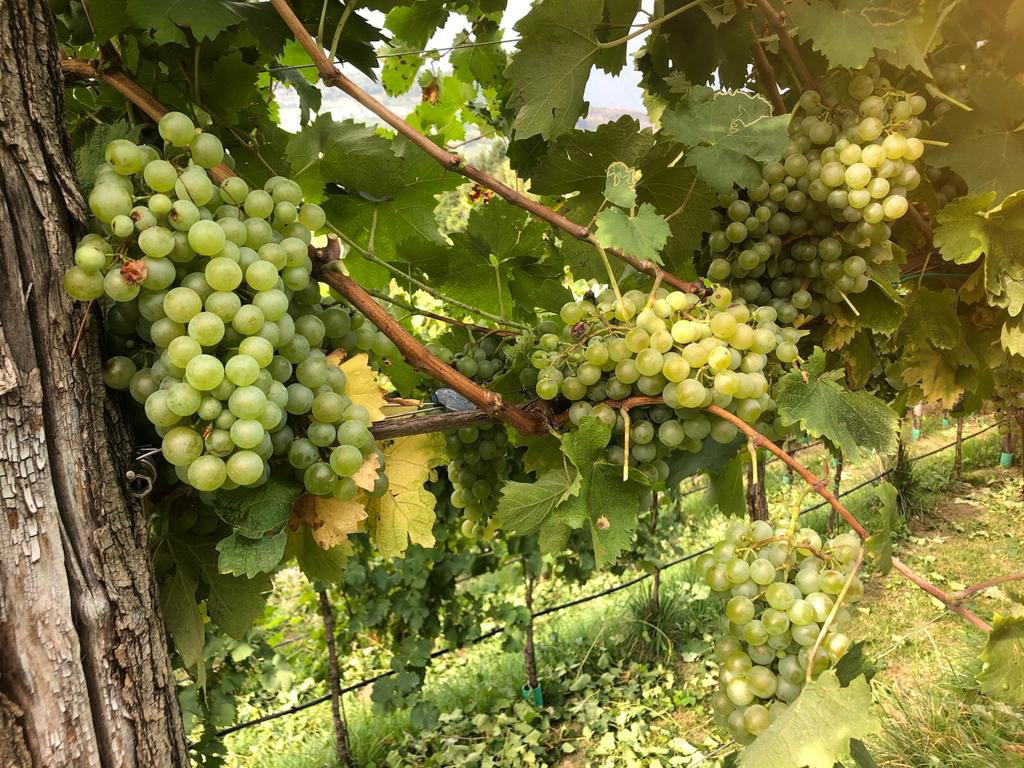
This part of the Veneto is not famous in the way that, say, Alba is for its white truffle circuit or the Langhe for Barolo-paired menus. What it has instead is density: a relatively compact agricultural zone where the gap between producer and plate is measured in kilometres rather than supply chain links. The Prosecco Superiore di Conegliano Valdobbiadene DOCG zone begins practically at the edge of the city, meaning that local wine pours at neighbourhood addresses here carry a geographic legitimacy that is harder to manufacture in larger urban centres.
For context, the highest-profile Italian restaurants operating within this regional tradition, addresses like Dal Pescatore in Runate or Le Calandre in Rubano, have built internationally recognised programs partly by articulating exactly this kind of regional sourcing at a different price tier and scale. At the other end of the spectrum, neighbourhood hostarie like Hostaria Via Caprera operate on the same ingredient logic without the tasting-menu architecture. The sourcing is the point, not the vehicle for a longer narrative.
Further afield, restaurants such as Atelier Moessmer Norbert Niederkofler in Brunico and Reale in Castel di Sangro have made regional sourcing a defining editorial position at their respective price points. The principle scales down rather than disappearing at the hostaria level. What changes is the mode of expression: simpler preparations, shorter menus, and cooking that asks the ingredient to carry more of the weight.
The Hostaria Format in Practice
In the Veneto, the hostaria format typically means a shorter menu than a ristorante, a stronger emphasis on daily specials tied to what is available, and a wine list weighted toward local producers. Prosecco from the Conegliano Valdobbiadene hills, alongside Raboso and Merlot from the Piave DOC, are the usual anchors. The format also implies a pace that resists the tasting-menu rhythm: courses arrive at a tempo set by the kitchen's size and the room's fill, not by a predetermined sequence.
The city is not a dining destination in the way those towns are. That is not a limitation; it is the condition that makes the local format legible. You eat here because you are in the city, or because you have driven up from Treviso or across from Conegliano to spend time in the Vittorio Veneto hills, not because the address is the reason for the journey.
Nearby, Le Macine and Trattoria Alla Cerva represent the comparable tier in Vittorio Veneto, each with its own emphasis within the same broadly traditional Veneto register. Reading Hostaria Via Caprera alongside those addresses gives a clearer picture of what the city's mid-range dining circuit looks like in practice.
Planning a Visit
Vittorio Veneto is accessible by train from Treviso and Venice, with the station sitting at the southern end of the city; Via Caprera is a short walk or taxi ride into the upper residential districts. As with most hostarie in smaller Veneto towns, the practical advice is to plan around the posted service times: Tuesday through Saturday from 10:30 AM to 2:30 PM and 6 PM to 11:30 PM, with Sunday lunch service from 10:30 AM to 3:30 PM. Reservations are recommended.
For those building a wider Veneto dining itinerary, the region's restaurant spectrum runs from addresses like Casa Perbellini 12 Apostoli in Verona and Da Vittorio in Brusaporto at the formal end, down through the neighbourhood hostaria tier that Vittorio Veneto exemplifies. Internationally, the contrast between this format and high-concept addresses such as Le Bernardin in New York City, Atomix in New York City, or Piazza Duomo in Alba clarifies what the hostaria format offers: no theatre, no lengthy tasting sequence, and no obligation beyond eating well in a room that has a reason to exist in its neighbourhood. That is a specific value, and in a region as agriculturally serious as the Treviso foothills, it is not a small one. Other Italian destinations worth comparing on the broader culinary map include Uliassi in Senigallia, Quattro Passi in Marina del Cantone, Enrico Bartolini in Milan, and La Pergola in Rome, each representing a different register of Italian dining ambition.
How It Stacks Up
Comparable venues nearby, for context on price, style, and recognition.
| Venue | Cuisine | Price | Awards | Notes |
|---|---|---|---|---|
| Hostaria Via CapreraThis venue — the venue you are viewing | Traditional Venetian Trattoria | $$ | Not listed | Not listed |
| Trattoria Alla Cerva | Traditional Italian Trattoria | $$ | Not listed | Vittorio Veneto |
| Le Macine | Regional Italian Cuisine | $$ | Michelin Plate | Vittorio Veneto |
| Toni del Spin | Traditional Veneto Trattoria | $$ | Not listed | historic center |
| Turlonia | Traditional Friulian Trattoria | $$ | Not listed | Fiume Veneto |
| Osteria San Marco | Traditional Veneto Trattoria | $$ | Not listed | Crespano del Grappa |
Continue exploring
More in Vittorio Veneto
Restaurants in Vittorio Veneto
Browse all →
Bars in Vittorio Veneto
Browse all →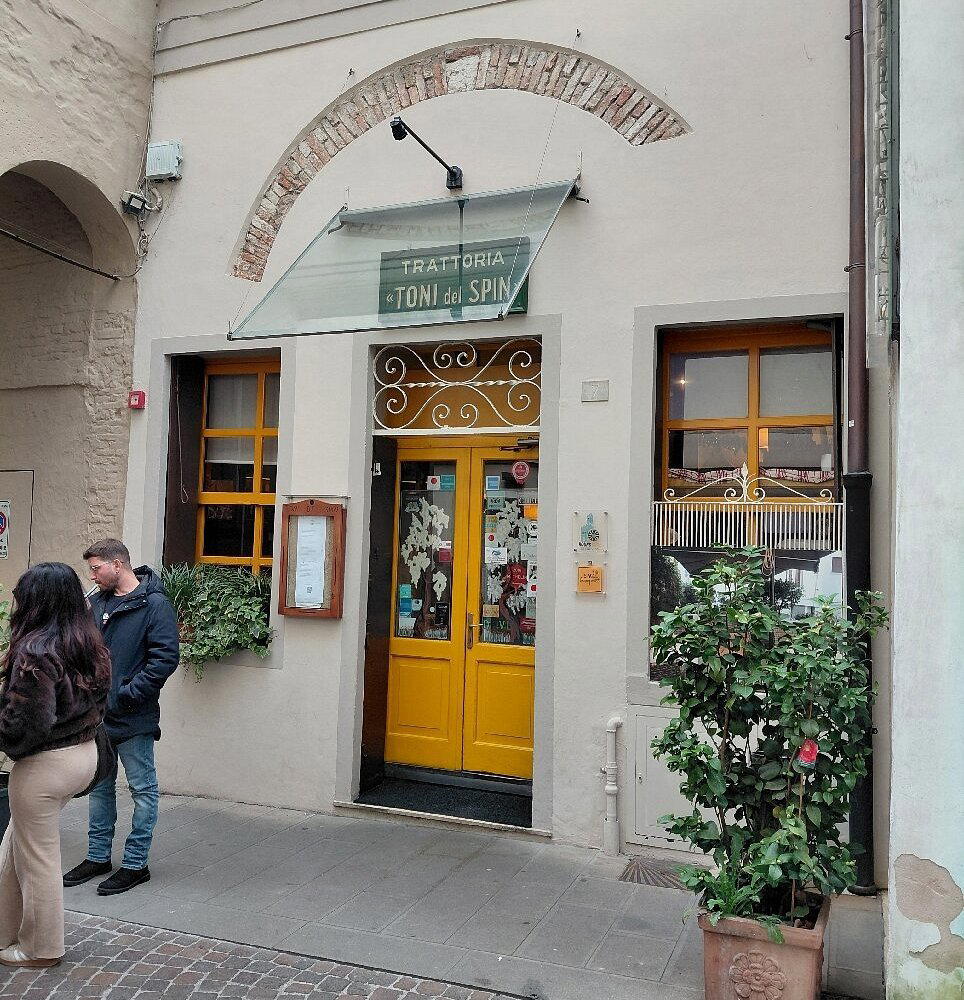
Hotels in Vittorio Veneto
Browse all →
At a Glance
- Rustic
- Cozy
- Classic
- Family
- Group Dining
- Casual Hangout
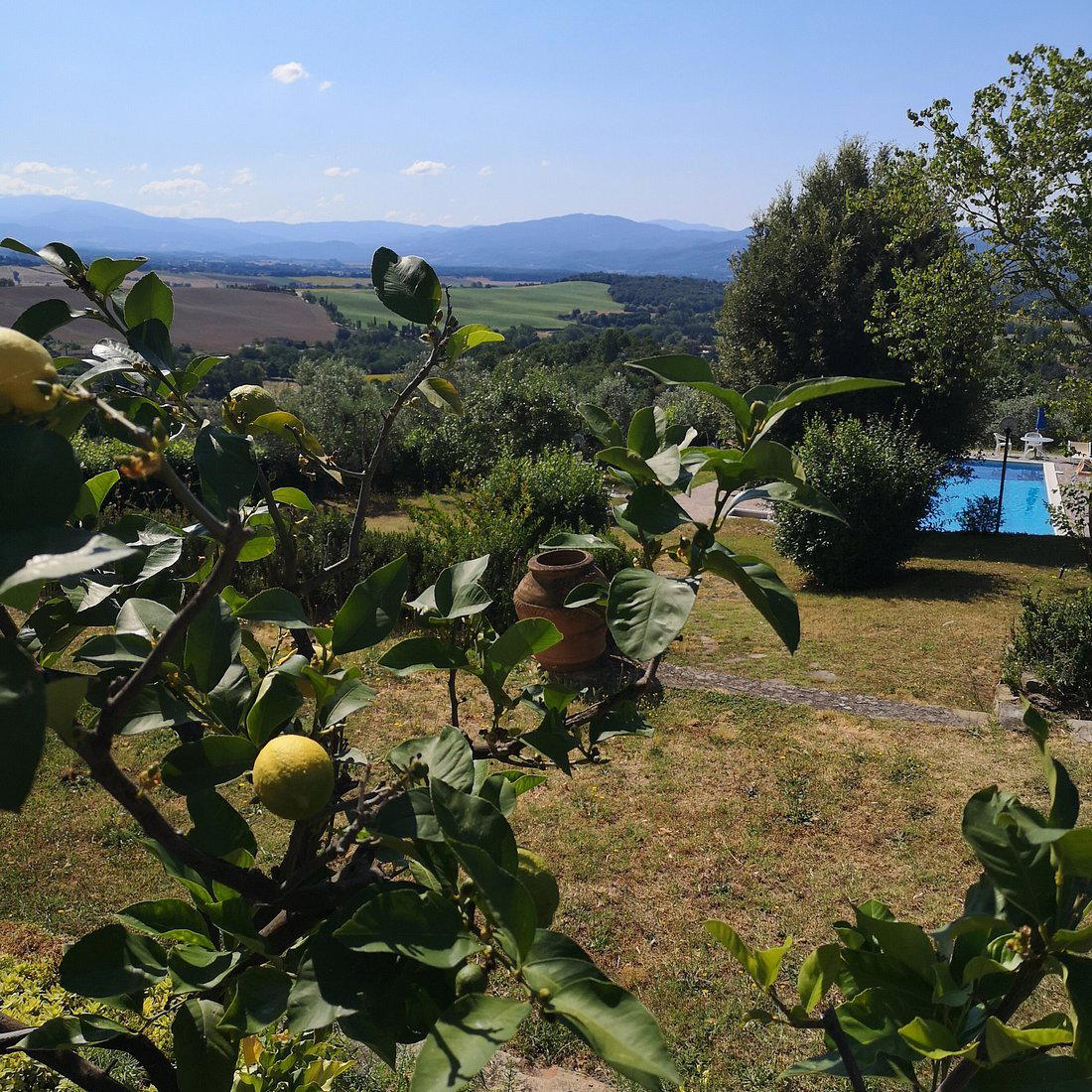
- Garden
- Historic Building
- Extensive Wine List
- Local Sourcing
- Garden
Current opening hours
- Monday
- Closed
- Tuesday
- 10:30 AM–2:30 PM, 6–11:30 PM
- Wednesday
- 10:30 AM–2:30 PM, 6–11:30 PM
- Thursday
- 10:30 AM–2:30 PM, 6–11:30 PM
- Friday
- 10:30 AM–2:30 PM, 6–11:30 PM
- Saturday
- 10:30 AM–2:30 PM, 6–11:30 PM
- Sunday
- 10:30 AM–3:30 PM
Hours can change for holidays and private events. Last verified .
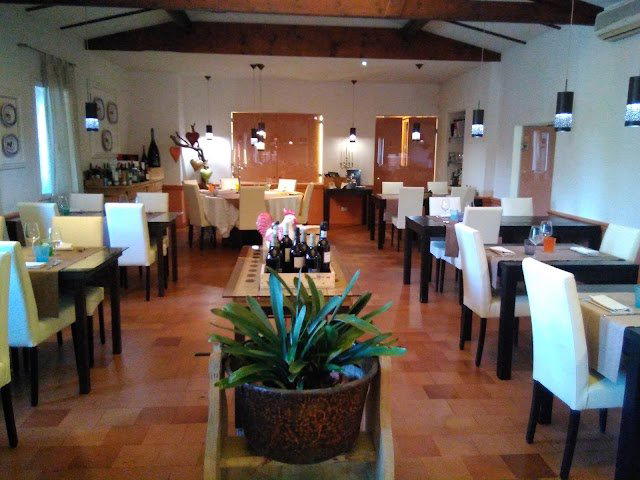
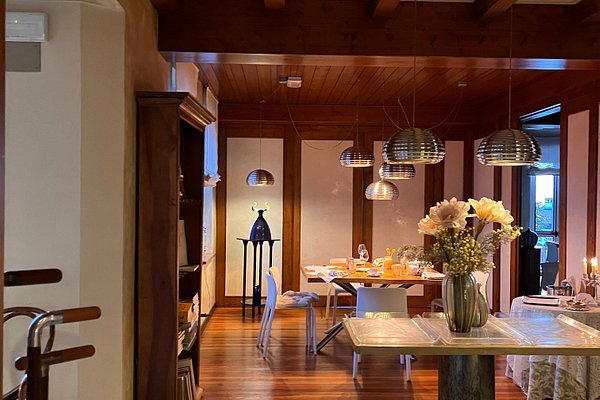
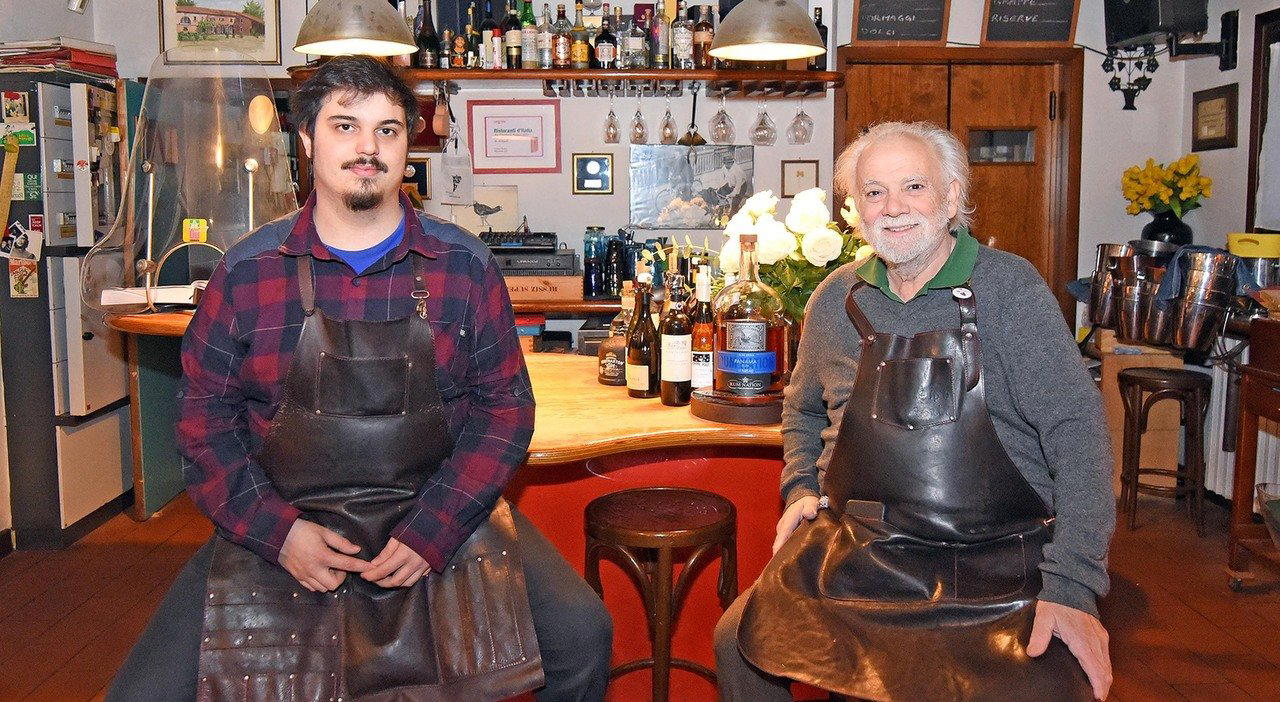
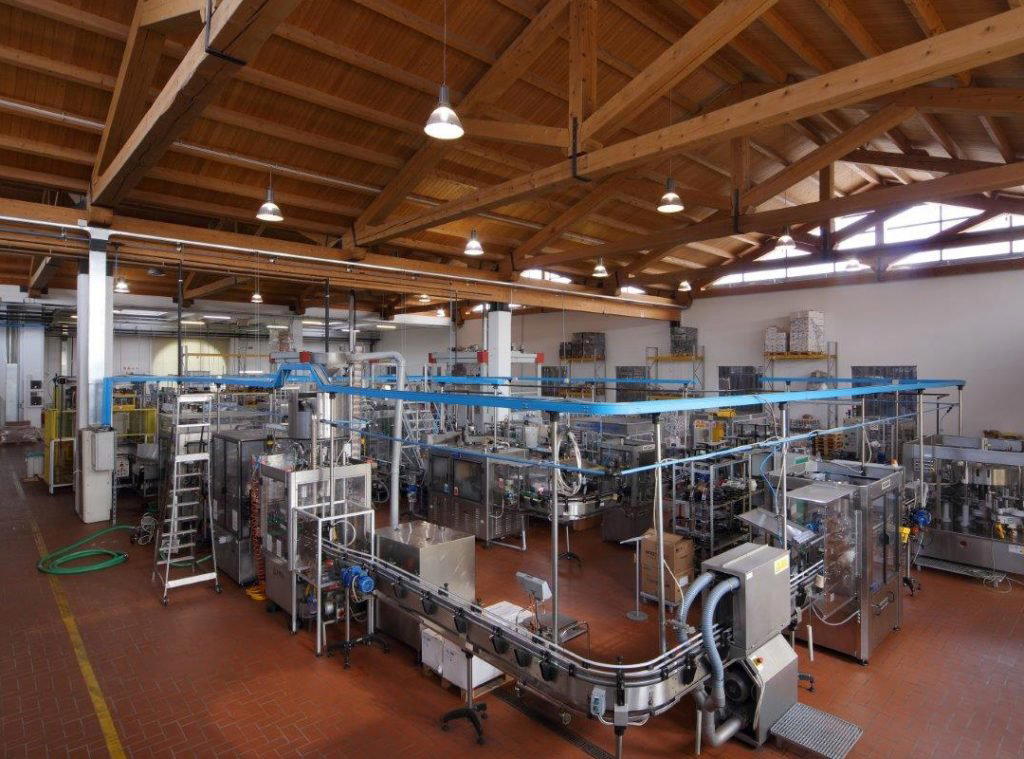
Rustic and welcoming with warm wood beams, fireplace, and cozy atmosphere described as home-like.