In Valdagno's hill country west of Vicenza, Hostaria a Le Bele occupies a contrada address that signals locality before a single dish arrives. The kitchen draws from the Veneto's agricultural interior rather than the Adriatic coast, placing it in a tier of trattorie where sourcing decisions define the menu more than imported technique. For the Veneto interior, this is the dining register that repays attention.
Pearl is the En Primeur Club membership app — saves, bookings, and concierge access live there. Same editors, same standards.
- Address
- Contrada Maso, 11, 36078 Valdagno VI, Italy
- Phone
- +39445970270
- Website
- hostarialebele.com
- Directions
- Get directions
 Saves & bookings on Pearl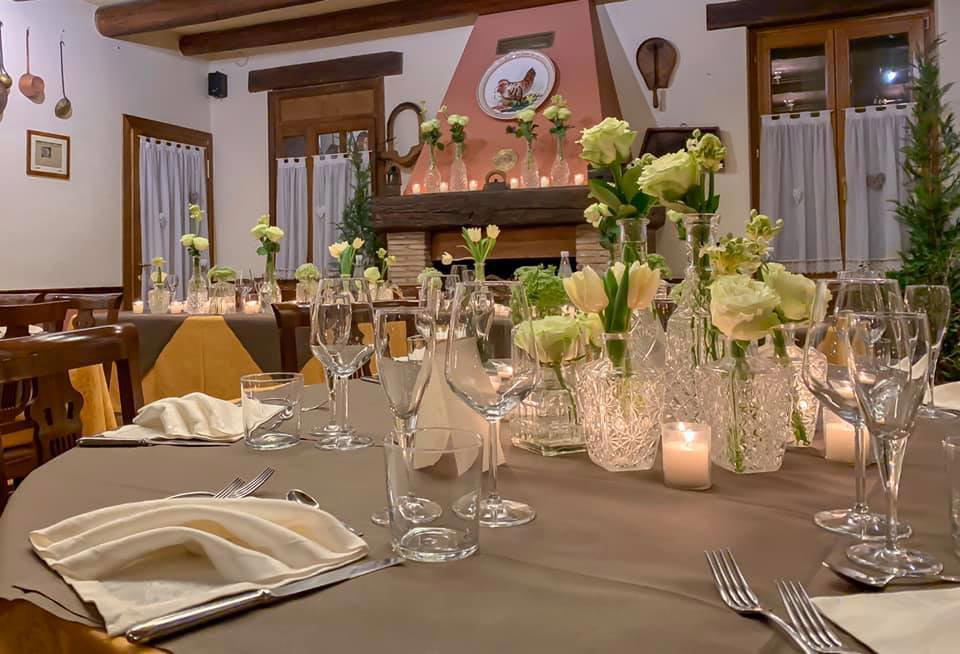
Where Valdagno's Contrada Tradition Meets the Table
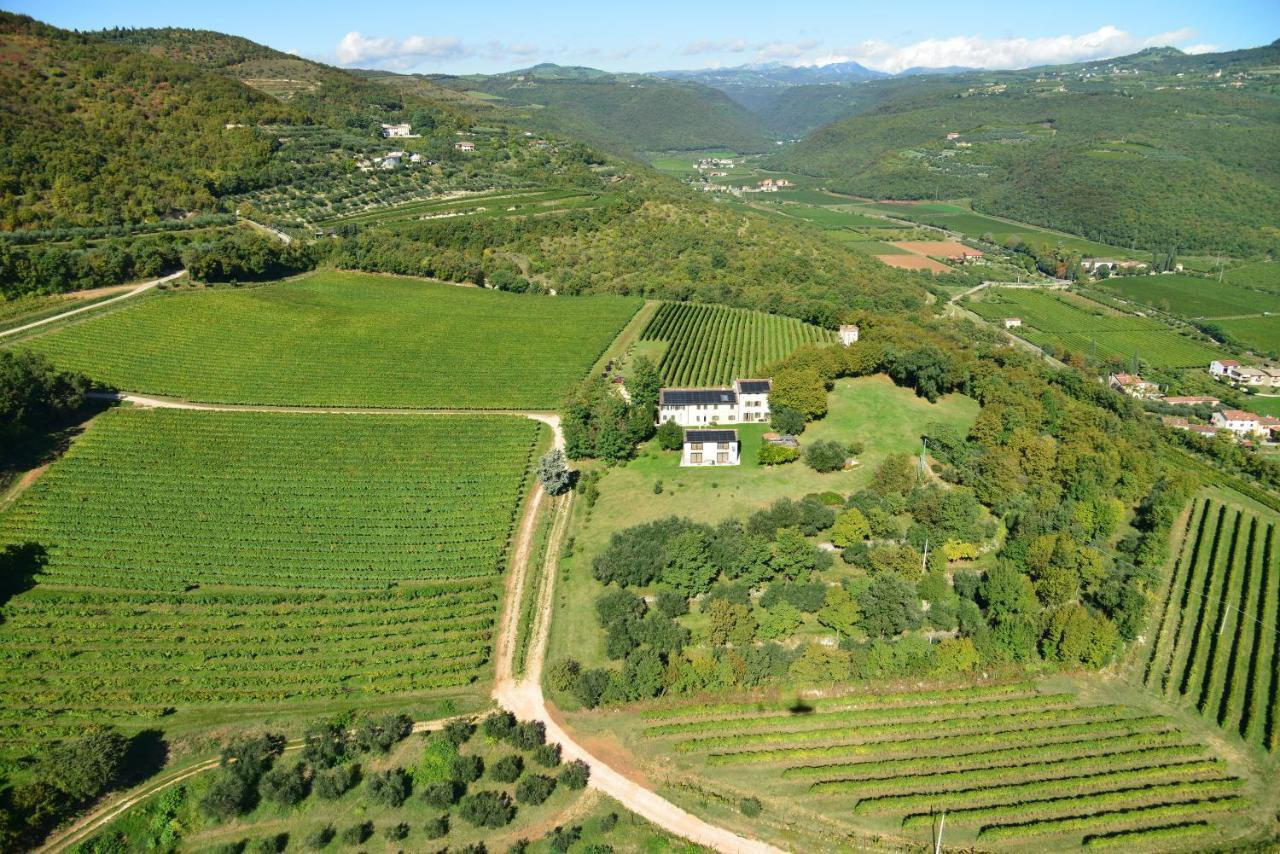
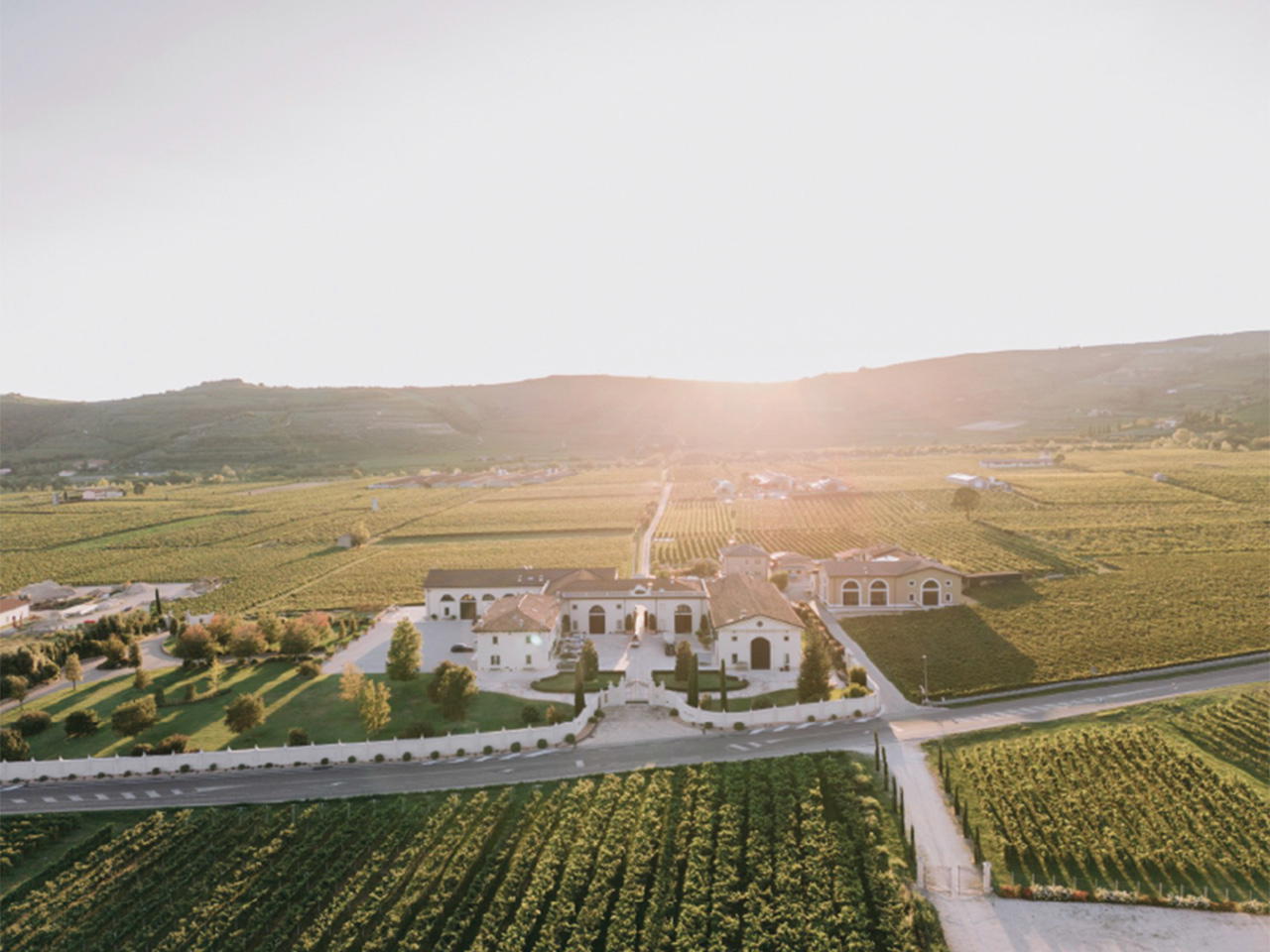
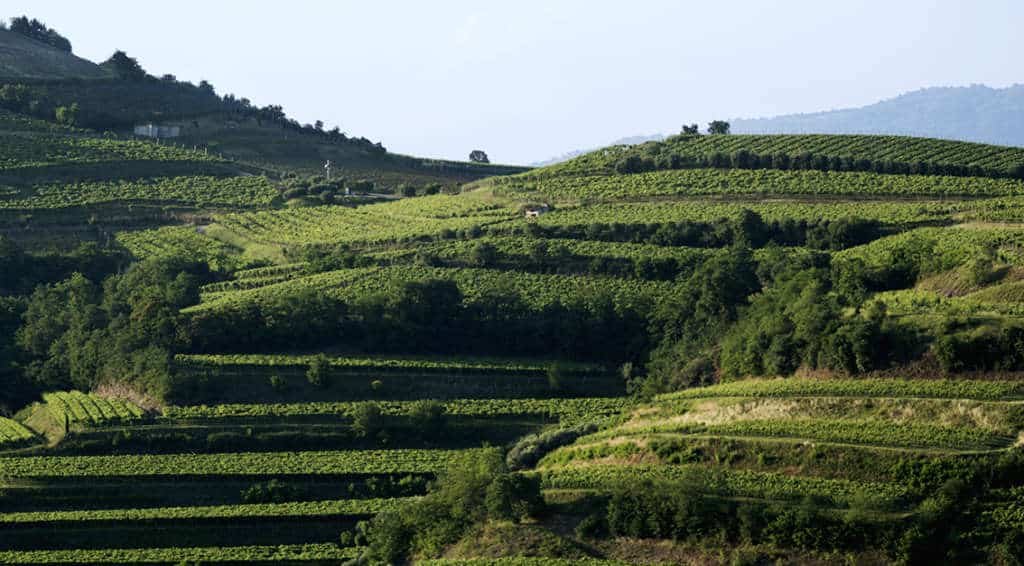
The road into Contrada Maso climbs through terraced fields and stone-walled farmsteads before the address for Hostaria a Le Bele appears. In this part of the Veneto interior, the word contrada carries specific weight: it refers not just to a hamlet but to a distinct agricultural unit with its own produce, its own animals, and, in many cases, its own kitchen logic. Arriving at this address, rather than a city-centre restaurant, is itself an editorial statement about what kind of meal you are about to have. The surroundings are agricultural, the pace is deliberate, and the physical environment communicates that the supply chain here runs shorter than in any urban trattoria.
Valdagno sits in the Agno Valley, roughly 30 kilometres west of Vicenza, in a zone that receives far less attention from itinerant food travellers than Verona or the Euganean Hills. That relative anonymity is partly structural: the town's identity was built around textile manufacturing rather than tourism, and it lacks the marketed food trail of, say, the Strada del Vino Soave to its east. What it retains, precisely because of that, is a local dining culture oriented toward residents rather than visitors, where a place like Hostaria a Le Bele finds its audience through regulars rather than reservations platforms.
The Sourcing Frame: Veneto Interior vs. Adriatic Coast
Italian dining in the Veneto is often discussed through its coastal expression: the Adriatic seafood counters of Chioggia, the lagoon restaurants of Venice, the fritto misto culture that runs from Jesolo to Rosolina. The interior tells a different story. Vicenza province is pig country, freshwater river territory, and mountain pasture land. Seasonal mushrooms from the Lessini plateau arrive in autumn; spring brings asparagus from the Bassano basin; winter kitchens reach for salted meats, aged cheeses from the Asiago plateau, and the dried cod preparations, baccalà alla vicentina foremost, that have defined this zone for centuries.
A contrada address in Valdagno positions a kitchen squarely inside that interior sourcing logic. The supply chain is not the Rialto fish market but the hillside farms and valley producers of the Agno and Leogra corridors. This places Hostaria a Le Bele in a different competitive frame from the Adriatic-focused restaurants that dominate Veneto coverage internationally. Where a restaurant like Uliassi in Senigallia represents the apex of Italian coastal sourcing, or Quattro Passi in Marina del Cantone works the Campanian Riviera's larder, the Veneto interior operates with an entirely different pantry: preserved, cured, fermented, and foraged rather than caught.
That distinction matters for understanding what a meal here represents. The more apt comparison set runs to places like Dal Pescatore in Runate, which similarly situates itself in an agricultural plain and builds its identity around regional specificity rather than national prestige. Or, at a different register of formality, to the mountain-rooted sourcing philosophy that defines Atelier Moessmer Norbert Niederkofler in Brunico, where the supply chain terminates at the Alpine watershed. The Veneto interior version is less cerebral in its presentation, more embedded in everyday hospitality tradition, but the underlying logic, that geography determines the plate, is consistent across all three.
What the Contrada Format Signals
In northern Italian dining, the distinction between a hostaria and a ristorante is not merely semantic. A hostaria signals a particular mode: lower formality, closer relationship to local producers, menus that shift with what arrives rather than what the kitchen has decided to promote. The format descends from the inn-kitchen tradition, where the cook works with whatever the season and the surrounding farms provide. This is the opposite of the tasting-menu architecture that defines Italy's most decorated restaurants, from Osteria Francescana in Modena to Le Calandre in Rubano, where the chef's creative trajectory is the primary subject. At a hostaria, the subject is the ingredient and its provenance.
That format suits the Contrada Maso address exactly. The physical setting, a rural hamlet address rather than a street-front location in Valdagno's town centre, implies a kitchen that works with what surrounds it. It also implies a clientele that makes a deliberate trip rather than a spontaneous one: you do not wander into a contrada. The guest who arrives here has chosen this specifically, which shapes the room's character. Regulars in these settings tend to know the kitchen's rhythms, understand which days certain preparations appear, and order accordingly.
Placing Le Bele in the Wider Italian Dining Conversation
Italy's high-recognition dining tier, the constellation of starred addresses from Enoteca Pinchiorri in Florence to La Pergola in Rome to Villa Crespi in Orta San Giulio, operates on a different axis from the contrada trattoria. The former prioritises technique, wine list depth, service architecture, and the kind of consistency that earns and holds Michelin notation. The latter operates on a different kind of reliability: seasonal predictability, producer relationships maintained across years, and a menu that responds to harvest conditions rather than a set creative programme.
Neither is superior as a category; they answer different questions. When the question is about what the Veneto interior produces in a given autumn, the contrada hostaria answers it more directly than any starred address. When the question is about creative Italian cooking at the highest technical register, the reader is better served by Piazza Duomo in Alba, Enrico Bartolini in Milan, or Reale in Castel di Sangro. Hostaria a Le Bele sits at the opposite pole of the same Italian dining culture, and that position is its defining characteristic rather than a limitation.
For travellers who have already covered the major Veneto addresses, Casa Perbellini 12 Apostoli in Verona and Da Vittorio in Brusaporto among them, a meal in a Valdagno contrada offers a corrective to the impression that northern Italian dining is primarily a showcase of classical technique. The contrada kitchen is where the techniques originated.
Planning a Visit
Valdagno is accessible from Vicenza by regional road in under 40 minutes; from Verona, allow closer to an hour. The contrada address at Maso 11 sits outside the town centre, so arriving by car is the practical choice. The restaurant is recommended for reservations, and its regular hours are Tuesday to Friday 7:30 to 10 PM, Saturday and Sunday 12 to 2 PM and 7:30 to 10 PM, with Monday closed. International reference points like Le Bernardin in New York City or Atomix in New York City exist at the opposite end of the advance-booking spectrum; the restaurant is recommended for reservations.
Side-by-Side Snapshot
Comparable venues nearby, for context on price, style, and recognition.
| Venue | Cuisine | Price | Notes |
|---|---|---|---|
| Hostaria a Le BeleThis venue — the venue you are viewing | Modern Italian Trattoria | $$ | Not listed |
| Trattoria Al Parigin | Traditional Veronese Trattoria | $$ | Mizzole |
| Al Diciassette | Authentic Roman & Trentino Alpine Cuisine | $$ | Centro storico-Piedicastello |
| Il Chiostro | Italian Pizza | $$ | Sanguinetto |
| Trattoria Ai Colli Storici | Traditional Italian Trattoria | $$ | Custoza |
| Gelateria La Romana | Artisanal Italian Gelato | $$ | Sallustiano |
Continue exploring
More in Valdagno
Restaurants in Valdagno
Browse all →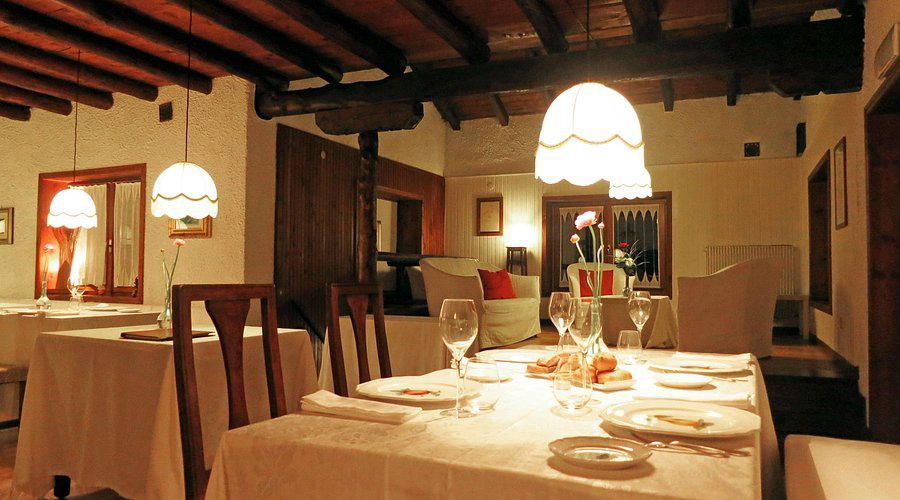
Bars in Valdagno
Browse all →
Hotels in Valdagno
Browse all →
At a Glance
- Rustic
- Cozy
- Family
- Special Occasion
- Historic Building
- Local Sourcing
Current opening hours
- Monday
- Closed
- Tuesday
- 7:30–10 PM
- Wednesday
- 7:30–10 PM
- Thursday
- 7:30–10 PM
- Friday
- 7:30–10 PM
- Saturday
- 12–2 PM, 7:30–10 PM
- Sunday
- 12–2 PM, 7:30–10 PM
Hours can change for holidays and private events. Last verified .
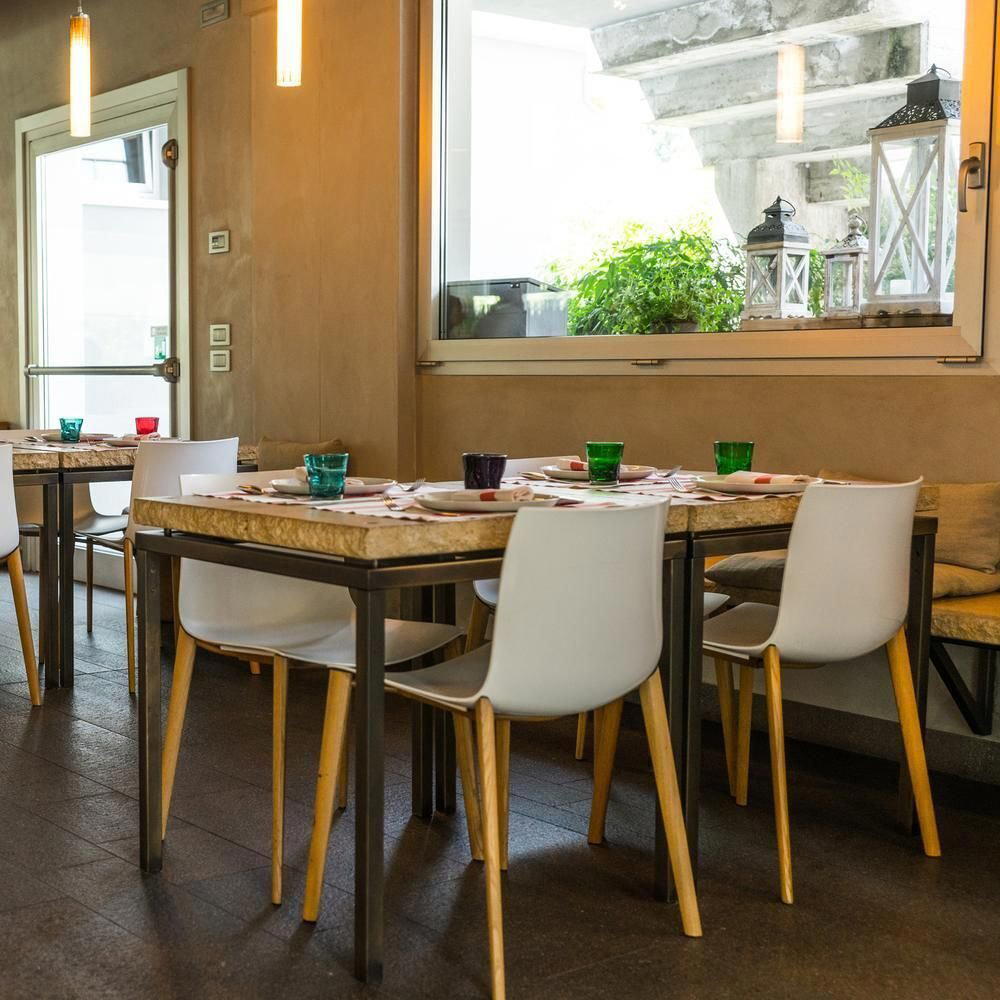
Cozy and rustic decor with welcoming ambiance.