On a quiet address in central Trento, Al Diciassette sits within the northern Italian tradition of ingredient-led cooking that defines this corner of Trentino-Alto Adige. The address on Via degli Orbi places it close to the city's historic core, where proximity to Alpine markets and regional producers shapes what reaches the plate. For visitors approaching Trento's restaurant scene from the outside, it represents a practical entry point into the city's mid-tier dining conversation.
Pearl is the En Primeur Club membership app — saves, bookings, and concierge access live there. Same editors, same standards.
- Address
- Via degli Orbi, 17 A, 38122 Trento TN, Italy
- Phone
- +393518178197
- Website
- aldiciassette.it
- Directions
- Get directions
 Saves & bookings on Pearl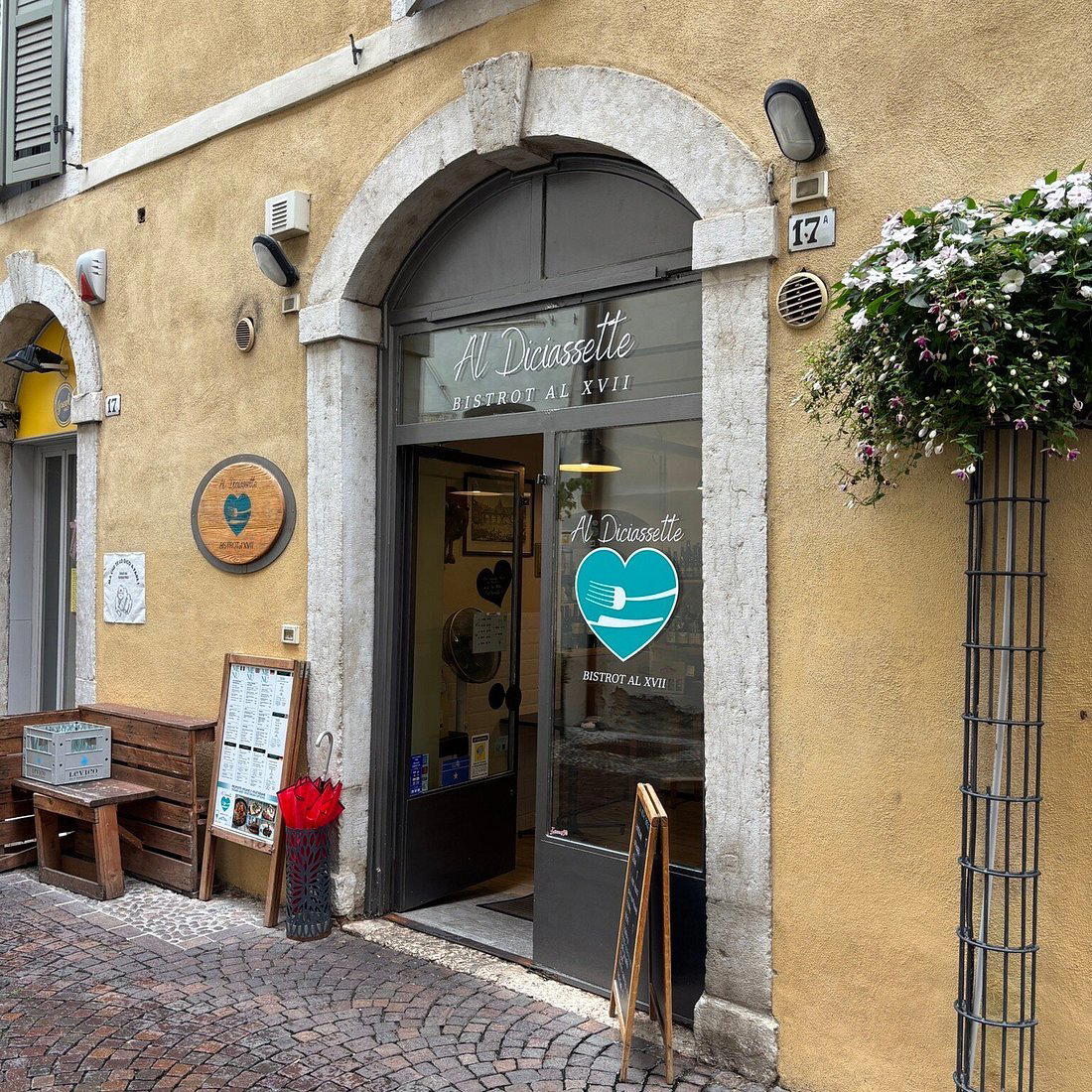
Where the Alpine Supply Chain Meets the Plate
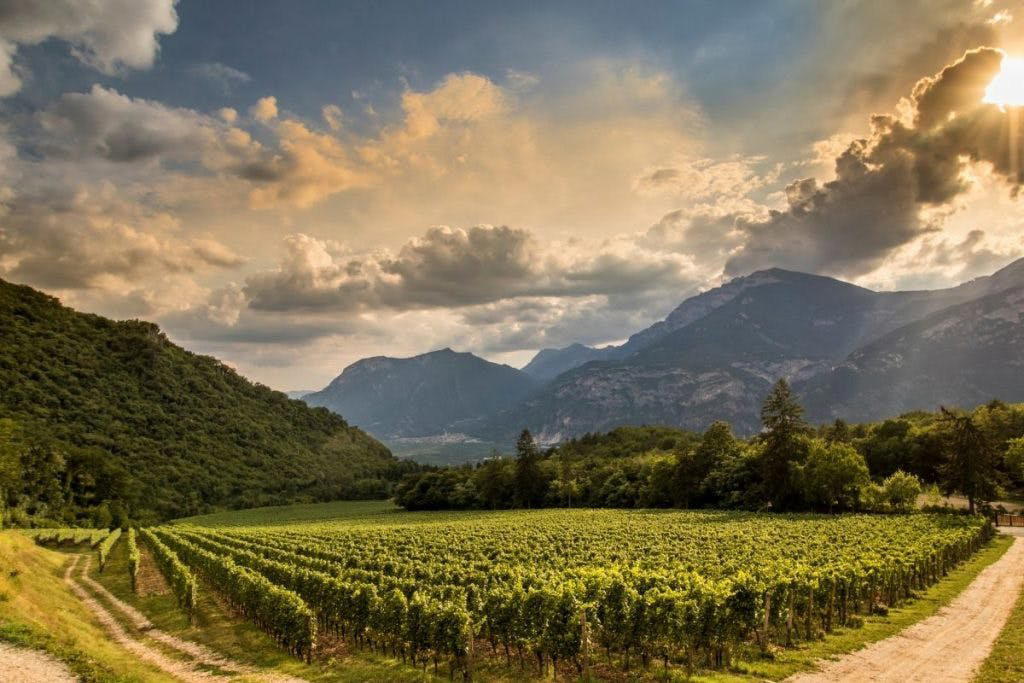
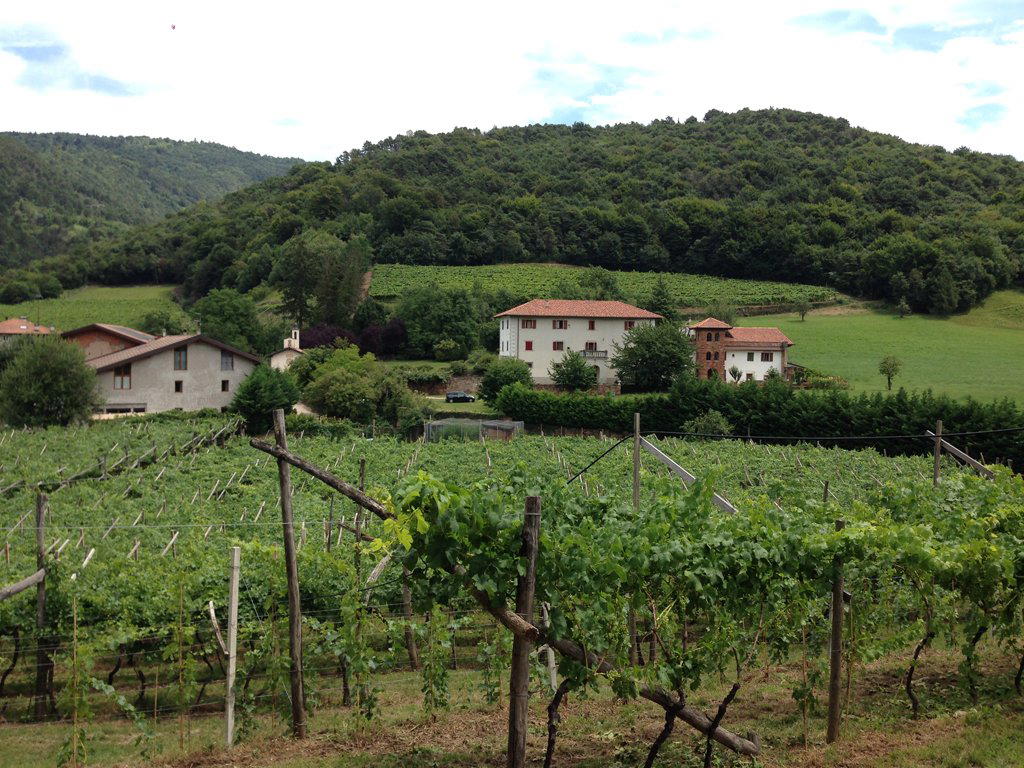
Trento occupies a position in Italian dining that is easy to underestimate from the outside. Sitting at the intersection of Italian and Tyrolean culinary traditions, the city benefits from among the more specific and short-supply-chain food cultures in the country. Alpine pastures, mountain rivers, and high-altitude vineyards press up against the urban edge, and the leading kitchens here tend to reflect that geography rather than paper over it with imported technique or outside product. Al Diciassette is a casual Trento restaurant serving authentic Roman and Trentino Alpine cuisine at Via degli Orbi, 17 A, 38122 Trento TN, Italy.
That address matters more than it might seem. Via degli Orbi is a short walk from the Piazza Duomo and the covered market at Piazza Lodron, where local producers bring down seasonal goods from the Val di Non, the Val di Fiemme, and the Adamello range. Kitchens on this side of the centro storico have access to that supply without the logistics overhead that larger or more isolated venues carry. It is a structural advantage that shapes what ends up on a menu, even when the menu itself is not broadcasting its sourcing credentials.
The Trentino Ingredient Framework
To understand what Al Diciassette represents, it helps to understand what Trentino-Alto Adige produces. The region is Italy's northernmost wine appellation and one of its most altitude-varied agricultural zones. Canederli, speck, wild mushrooms, river trout, and mountain cheeses from cooperatives in Cavalese and Cembra are the baseline of local cooking here, a pantry that is available to any kitchen willing to work with seasonality and provenance rather than around it. Restaurants that commit to this framework tend to eat differently from those borrowing a pan-Italian or broadly Mediterranean template.
In Trento specifically, the dining tier that Al Diciassette occupies sits between the more casual osteria format and the structured contemporary dining represented by places like Il Sommelier and La Maison de Filip, both of which operate in the €€€ bracket with explicit contemporary menus. Comparable mid-tier addresses around the city, including the locally rooted Augurio with its country cooking identity, suggest a Trento dining scene that runs from value-led neighbourhood spots through to curated contemporary formats, with ingredient-led cooking as a recurring thread across all price levels.
The City as Context
Trento is a university city and a regional capital, which produces a specific dining culture. It is not primarily a tourist city in the way that Verona or Bolzano can be during high season, and the dining scene reflects local patterns of use rather than visitor ones. Restaurants here tend to be smaller in scale, more attuned to a returning clientele, and less interested in the theatrics of format-driven dining that sometimes replaces substance in higher-traffic destinations. An address on a street like Via degli Orbi, a few minutes from the cathedral, pulls from both the lunchtime professional crowd and evening residents rather than relying on tourist footfall from the Piazza Duomo.
For the visitor arriving from outside Italy, or from Italian cities with denser fine-dining infrastructure, the scale of Trento's scene can feel compressed. But that compression works in the diner's favour in a specific way: kitchens serving a smaller, more consistent audience often develop tighter relationships with their suppliers, and the cooking tends to be more honest as a result. Contrast this with the high-turnover dining model common to tourist-heavy spots further south, and the difference in product quality becomes tangible at the table.
If you are building a broader itinerary around northern Italian culinary destinations, Trento functions as a useful counterpoint to more celebrated addresses. Places like Atelier Moessmer Norbert Niederkofler in Brunico operate at a different altitude of recognition and price, but they share the same Alpine-sourcing philosophy that defines the leading cooking across this stretch of the Dolomites corridor. Closer to Trento's own tier, Acquaefarina and Forno Urbano represent the bread and grain end of the local food culture, a different expression of the same regional commitment to process and provenance.
Placing Al Diciassette in the Broader Italian Conversation
Italy's restaurant scene in 2024 is increasingly a tale of two registers. At one end, a tier of celebrated destinations, among them Osteria Francescana in Modena, Dal Pescatore in Runate, and Piazza Duomo in Alba, operates with international recognition, tasting menus, and booking windows measured in months. At the other end, a much larger number of neighbourhood and regional restaurants do the quieter work of keeping Italian cooking honest, seasonal, and rooted in place. The restaurant belongs to the second register, and that is not a diminishment. Italy's culinary credibility rests on the density of good cooking at every level, not only on its most decorated addresses.
Further across the country, the sourcing conversation has been taken to different extremes. Reale in Castel di Sangro and Uliassi in Senigallia have each built recognised reputations around deep regional specificity, while Quattro Passi in Marina del Cantone demonstrates how coastal sourcing can anchor a Michelin-starred kitchen. Trento's position as an inland Alpine city means the sourcing conversation here runs on different terms: freshwater rather than saltwater, cured rather than ceviche, rooted in elevation and climate rather than coastline.
Planning a Visit
The restaurant sits on Via degli Orbi 17A, a short walk from Trento's cathedral and the main market square. Trento's historic centre is compact and navigable on foot; the address is accessible from both the train station and central car parking within ten to fifteen minutes walking. The city's market activity peaks on Saturday mornings, which can inform the timing of a visit if you want to observe the supply chain that feeds restaurants like this one in its most visible form.
Side-by-Side Snapshot
Comparable venues nearby, for context on price, style, and recognition.
| Venue | Cuisine | Price | Awards | Notes |
|---|---|---|---|---|
| Al DiciassetteThis venue — the venue you are viewing | Authentic Roman & Trentino Alpine Cuisine | $$ | Not listed | Not listed |
| Ristorante Bottega Moderna Bistrot | Modern Italian Bistrot | $$ | Not listed | centro storico |
| Forno Urbano | Artisanal Italian Pizza and Focaccia | $$ | Not listed | city center |
| Acquaefarina | Neapolitan Pizza | $$ | Not listed | Centro Storico |
| No Format | Vegan Pizza | $$ | Not listed | Centro Storico |
| Il Sommelier | Contemporary Italian Seafood | $$$ | Michelin Plate | Historic Centre |
Continue exploring
More in Trento
Restaurants in Trento
Browse all →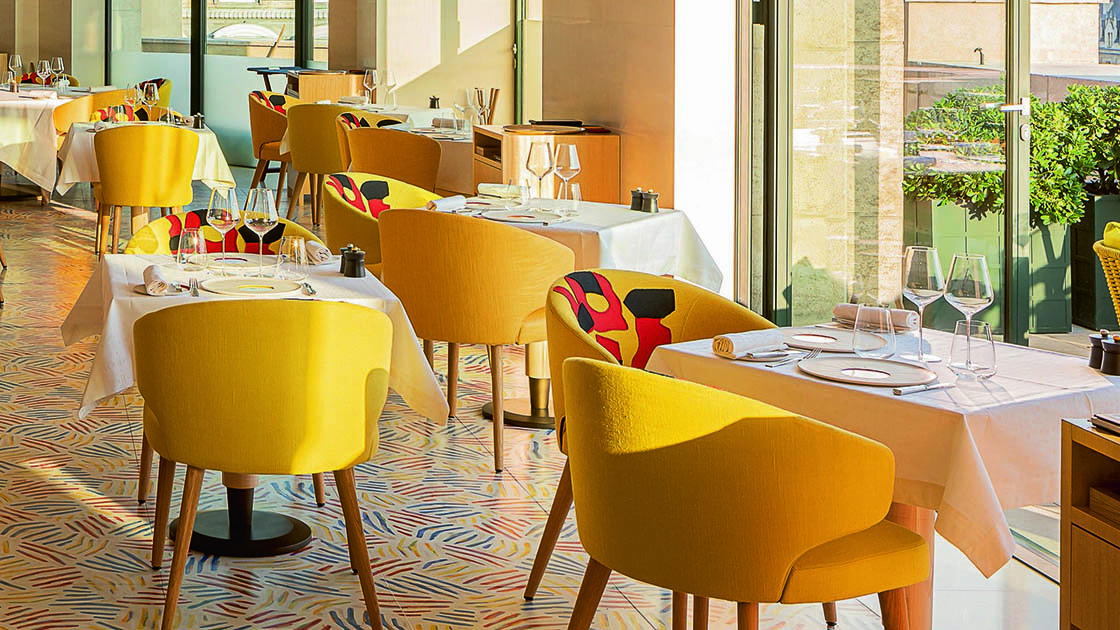
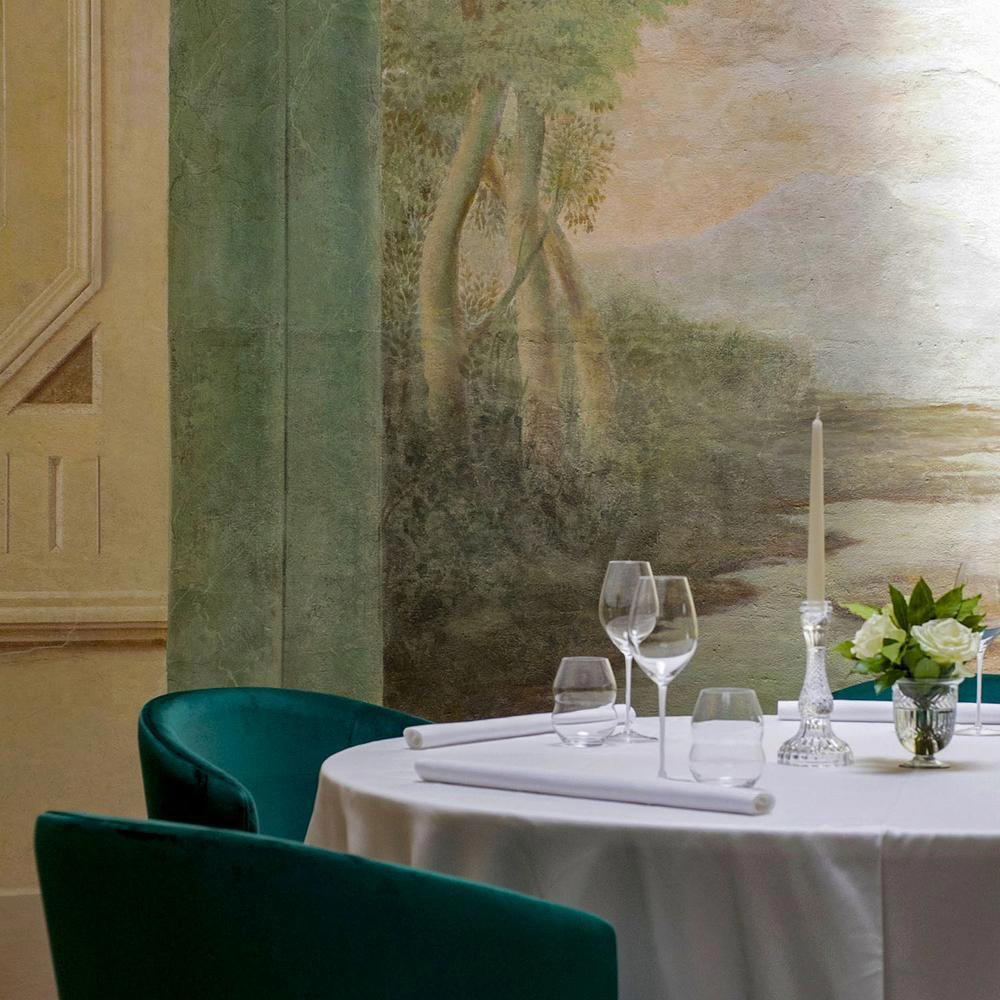
Bars in Trento
Browse all →
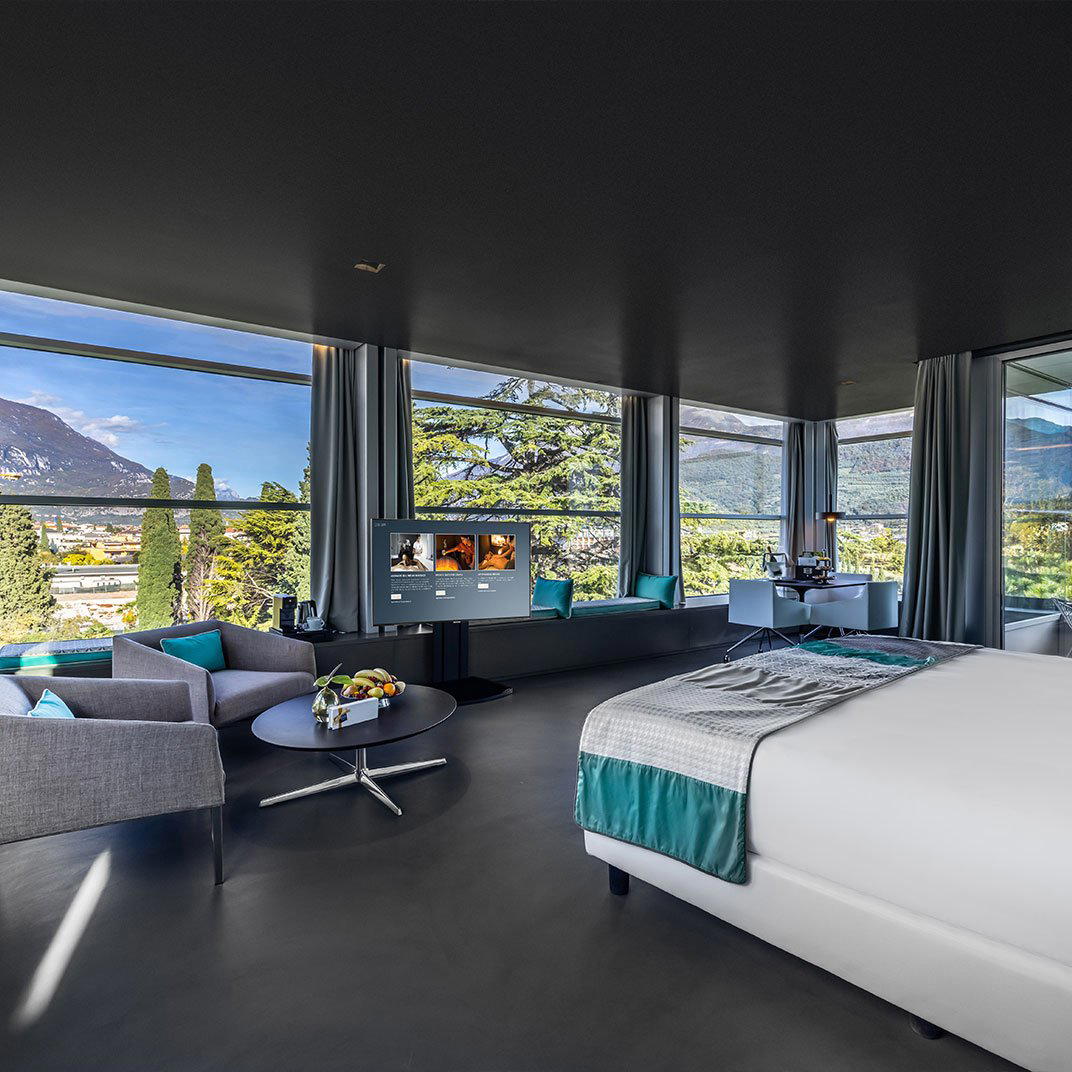
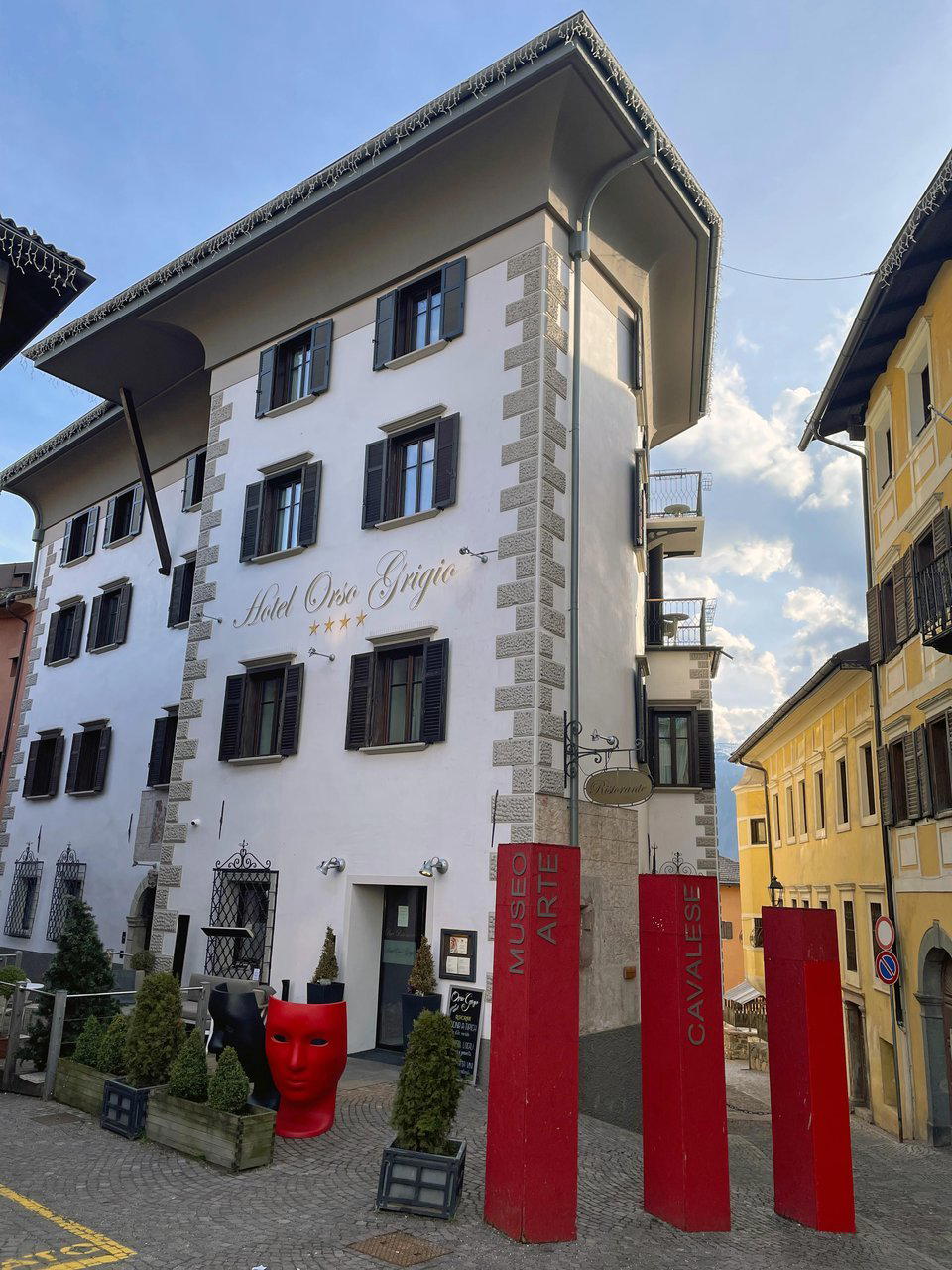
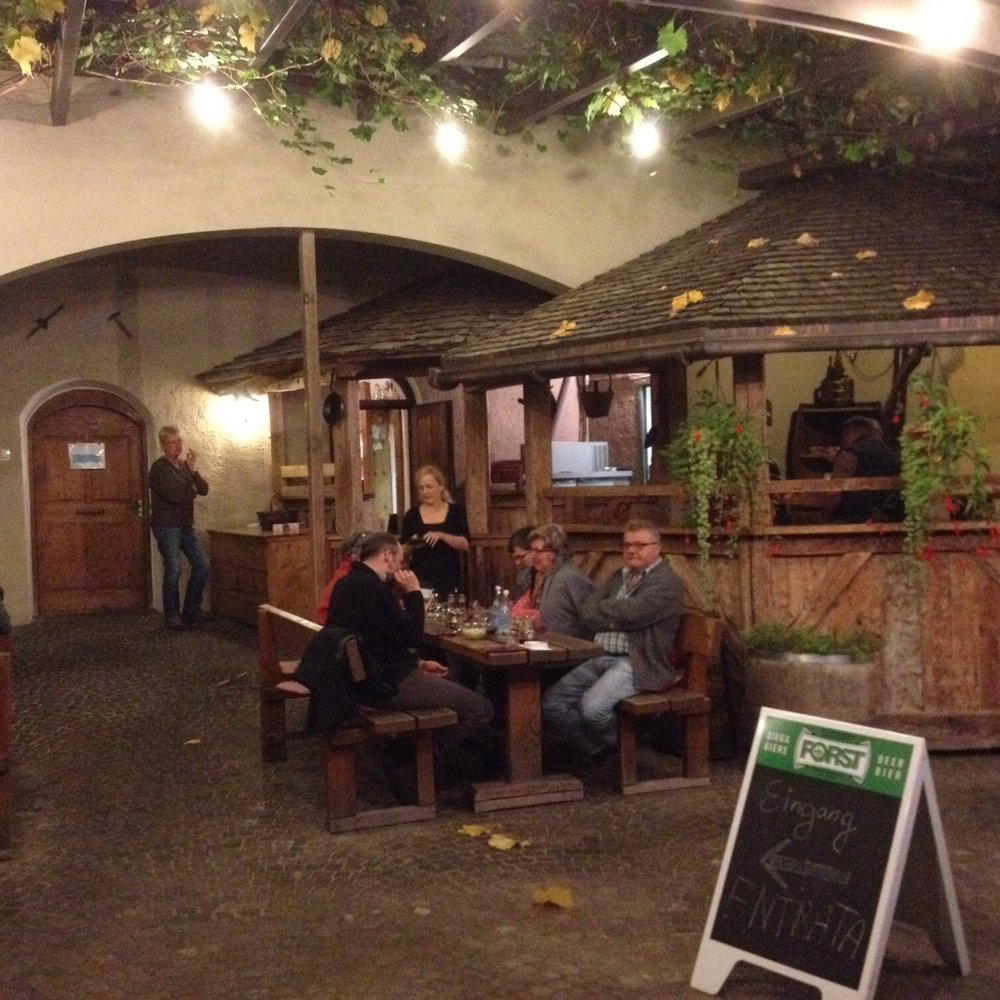
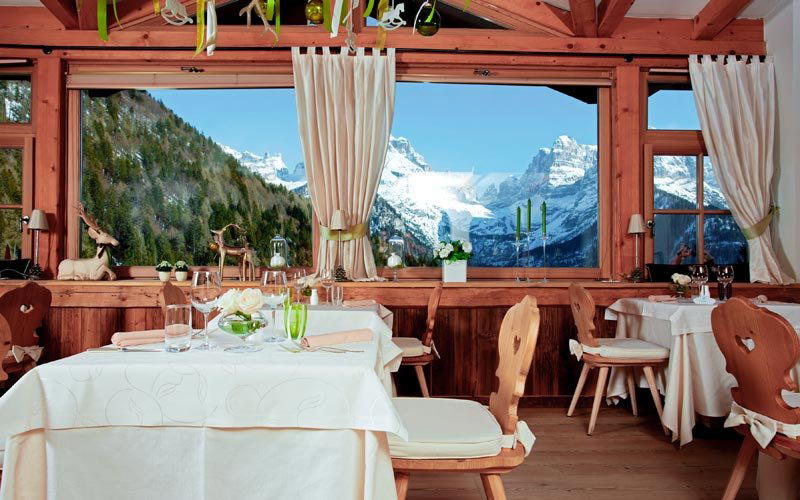
Hotels in Trento
Browse all →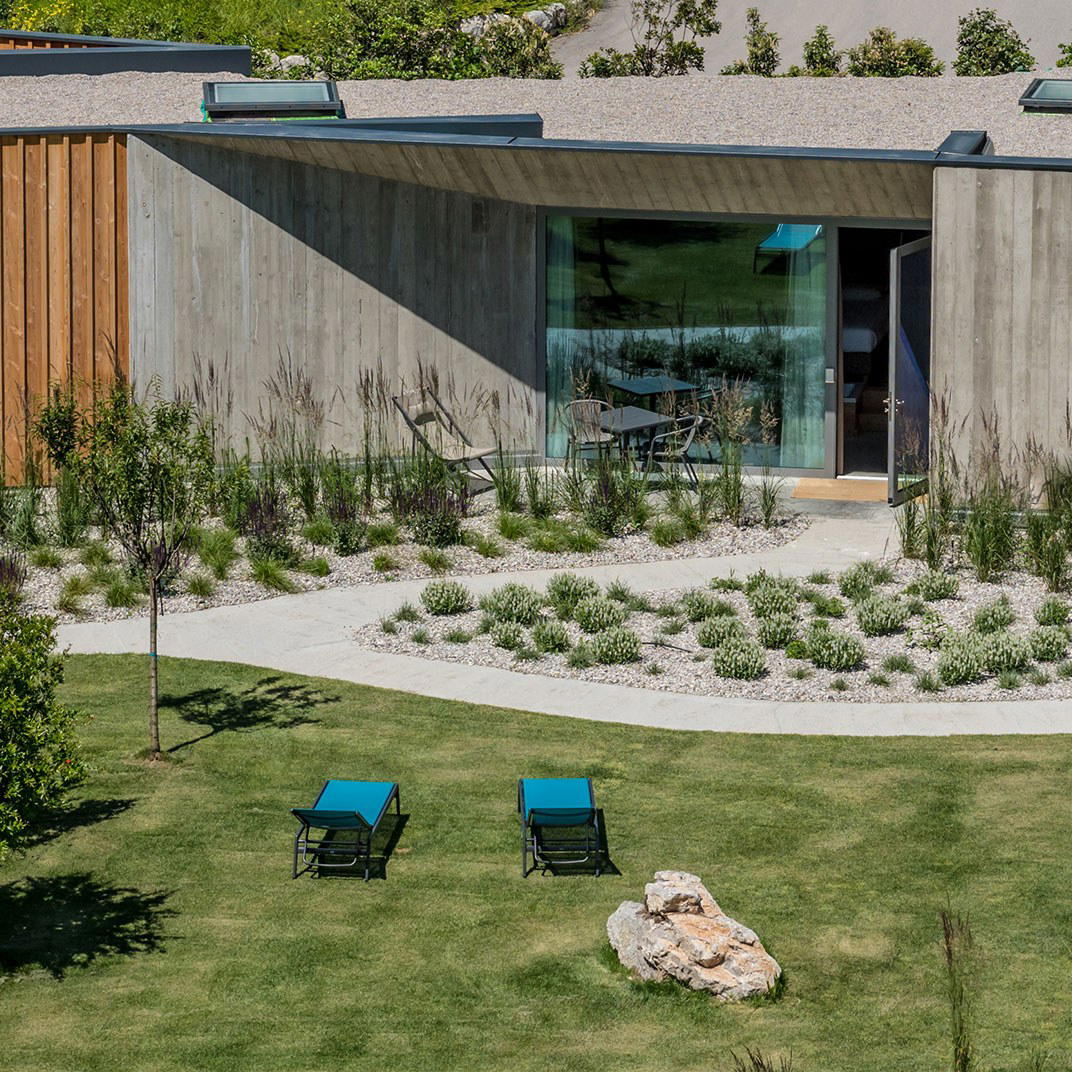
At a Glance
- Cozy
- Classic
- Intimate
- Rustic
- Casual Hangout
- Date Night
- Solo
- Standalone
- Historic Building
- Beer Program
- Local Sourcing
Current opening hours
- Monday
- Closed
- Tuesday
- 12–9:30 PM
- Wednesday
- 12–9:30 PM
- Thursday
- 12–9:30 PM
- Friday
- 12–9:30 PM
- Saturday
- 12–9:30 PM
- Sunday
- Closed
Hours can change for holidays and private events. Last verified .
Small, welcoming, and cozy atmosphere with warm hospitality from the owners; intimate setting ideal for authentic Italian dining.