Our verdict
On the Cours de Verdun, Hortus occupies a particular position in Bordeaux's dining conversation: a restaurant that frames its cooking through what the region's soil and producers actually yield. The address places it within easy reach of the city's wine-trade heritage, and the kitchen's orientation toward sourced ingredients makes it a reference point for visitors seeking Aquitaine produce on the plate rather than on a label.

Pearl is the En Primeur Club membership app — saves, bookings, and concierge access live there. Same editors, same standards.
- Address
- 114 Cr de Verdun, 33000 Bordeaux, France
- Phone
- +33557599063
- Hours
- Mon–Fri 12–2 PM, 7:30–9:30 PMSat 7:30–9:30 PMSun Closed
- Website
- hortus-restaurant.fr
- Directions
- Get directions
The menu
What to order
- Salmon tartare with wild garlic, asparagus and scamorza
- Half-cooked tuna loin with chickpeas and foie gras
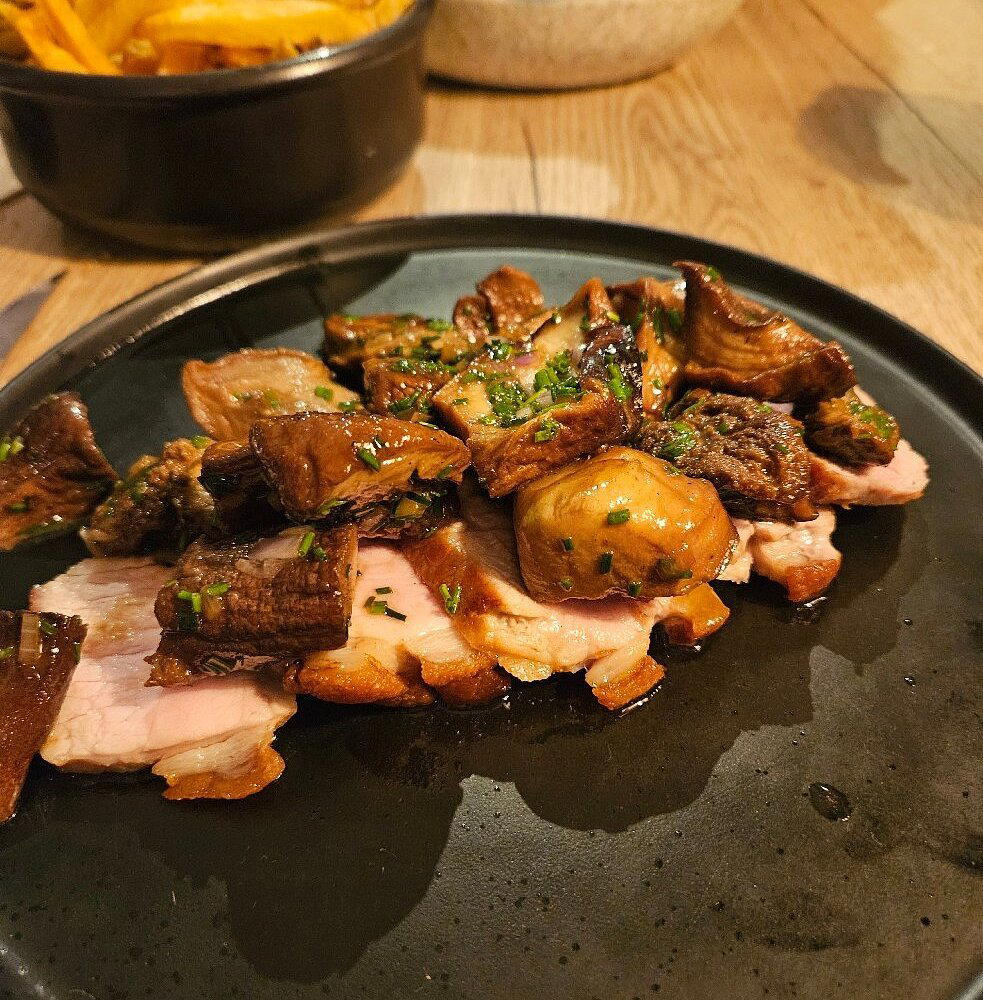
- Rack of pork with mushrooms and parmesan cream
Where the Gironde Puts Food First
Bordeaux has spent decades defined by what is poured rather than what is plated. The city's global reputation runs through negociants, chateaux, and vintages, and its restaurant culture has long operated in the shadow of that identity. That dynamic has been shifting. A generation of kitchens along the quays and in the city's inner neighborhoods has started treating the region's agricultural wealth with the same seriousness its winemakers apply to terroir. Hortus, at 114 Cours de Verdun, sits within that shift. The address is a practical anchor point: the Cours de Verdun runs along the southern edge of the old city, close to the Garonne and within walking distance of the ornate Place de la Bourse. The restaurant's orientation, though, is less toward the river's spectacle and more toward what the surrounding countryside provides.
Produce as the Editorial Line
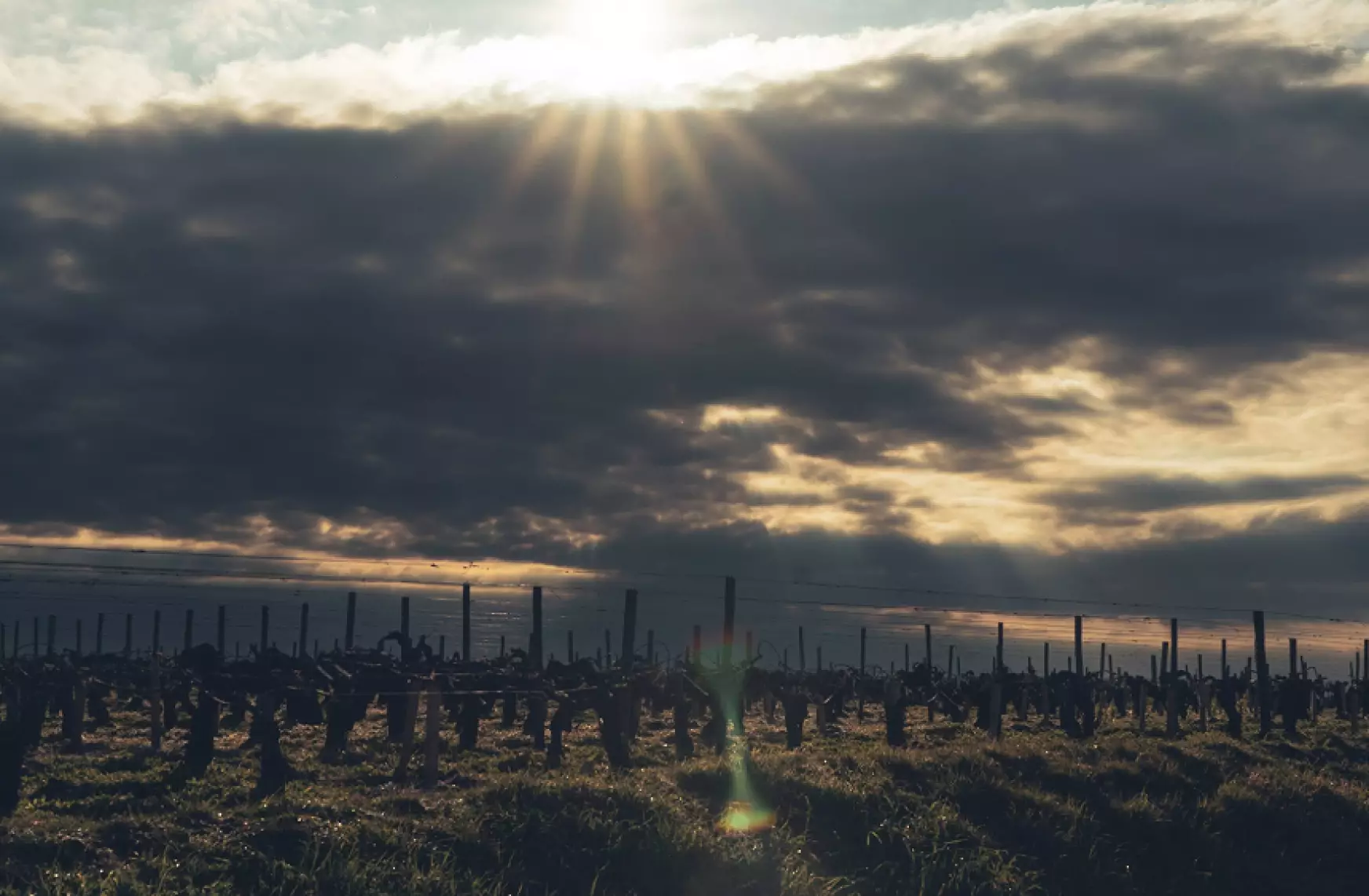
In French regional cooking, ingredient sourcing has long been treated as a virtue claimed by nearly everyone and practiced rigorously by far fewer. The kitchens that genuinely organize themselves around what local producers yield tend to show it in the structure of their menus: dishes that move with the season rather than against it, preparations that require less technical intervention because the raw material is doing more of the work. Aquitaine supports this approach unusually well. The region runs from the Atlantic coast inland through river valleys and into forested terrain that yields everything from oysters and langoustines to Pauillac lamb, Bazas beef, duck from the Landes, and stone fruit from the Lot-et-Garonne. A kitchen in Bordeaux that commits to this geography has access to a supply network that most French cities would envy.
Hortus's positioning within this context places it in the same broad category as other Bordeaux addresses that have leaned into regional produce: the question for any visitor is whether the kitchen's handling of those ingredients matches their provenance. Bordeaux's more ambitious modern tables, such as L'Observatoire du Gabriel and Maison Nouvelle, operate in the same territory, using contemporary French technique as a frame for Gironde and Aquitaine produce.
The Cours de Verdun Setting
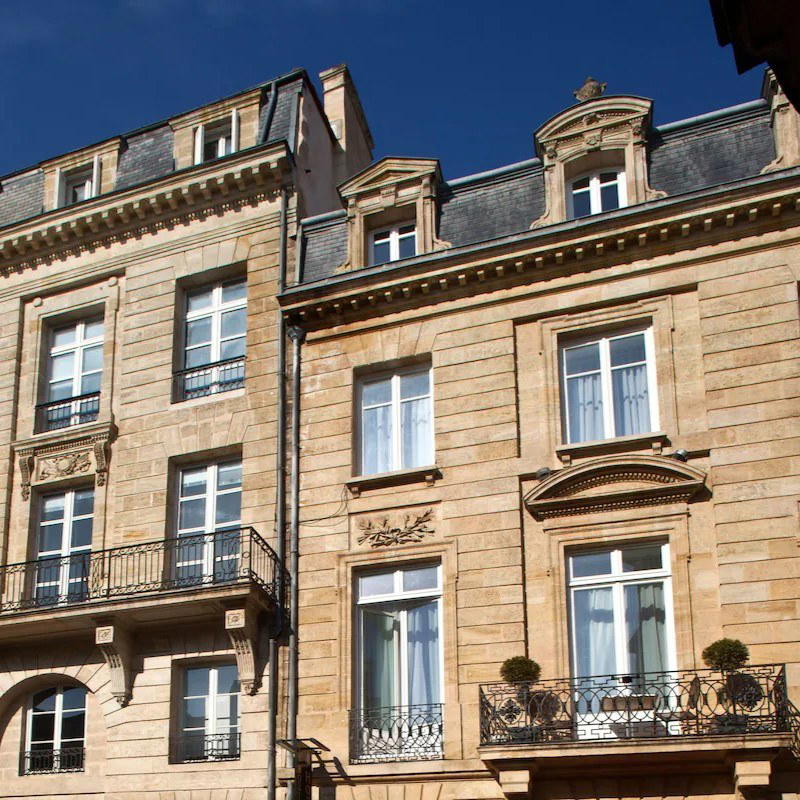
The physical approach to Hortus anchors expectations before a dish arrives. The Cours de Verdun is a broad, tree-lined street that has more in common with a Haussmann-influenced boulevard than with the narrow lanes of the Saint-Pierre quarter. The scale is unhurried. Restaurants along this stretch tend to attract a local clientele as much as visiting ones, partly because the address lacks the tourist-circuit visibility of the Quai de la Douane and partly because the crowd tends to be drawn by the food rather than the setting's photogenic value. That self-selection matters: a room filled with people who have sought out a specific kitchen eats differently than one filled with people who wandered past.
This dynamic is not unique to Bordeaux. Across France's mid-tier cities, the tables that sustain serious cooking over time often occupy addresses that require deliberate navigation rather than proximity to a landmark. Comparable patterns hold at Flocons de Sel in Megève and Bras in Laguiole, where destination-specific effort filters the clientele toward those genuinely engaged with the kitchen's direction.
Bordeaux's Wider Restaurant Conversation
Understanding where Hortus sits requires a read of Bordeaux's restaurant tier structure. At the high end, addresses like Le Pressoir d'Argent - Gordon Ramsay operate at hotel-dining price points with wine lists calibrated to a grand cru clientele. A tier below, the creative independent tables, including Amicis and L'Oiseau Bleu, work with smaller rooms and menus that change more frequently in response to what producers are delivering. Hortus occupies space in this second tier: the kind of table where the decision-making is ingredient-led and the menu reflects what the season actually looks like rather than what it looked like when the menu was designed six months ago.
France's most sustained examples of ingredient-first cooking, places like Mirazur in Menton and Troisgros - Le Bois sans Feuilles in Ouches, show what this commitment looks like when operated over decades. For Bordeaux visitors building a broader itinerary, the full Bordeaux restaurants guide maps the city's current tables across price points and kitchen orientations.
Planning Your Visit
Hortus is located at 114 Cours de Verdun in the 33000 postal district of Bordeaux, close to the southern edge of the UNESCO-listed city center. Booking ahead is advisable, particularly on Thursday through Saturday evenings when Bordeaux's dining tables fill with both local residents and the wine-trade visitors who cycle through the city year-round. The en primeur calendar, which runs from late March into April, concentrates visitor volume sharply and tightens availability across the city's better tables during that window. For timing outside those peaks, the autumn months bring the harvest-season produce that Aquitaine kitchens build their strongest menus around. Exact hours, pricing, and booking options are best confirmed directly with the restaurant, as these details are subject to change.
Visitors extending their France itinerary will find useful reference points at Auberge de l'Ill in Illhaeusern, AM par Alexandre Mazzia in Marseille, Assiette Champenoise in Reims, Au Crocodile in Strasbourg, and Alléno Paris au Pavillon Ledoyen for the capital's most technically precise kitchens. For transatlantic context on what contemporary fine dining looks like when French-influenced technique meets a different supply chain, Le Bernardin in New York City and Atomix in New York City offer instructive comparison. The historical French canon is well represented by Paul Bocuse - L'Auberge du Pont de Collonges, which anchors the lineage that contemporary produce-led kitchens like Hortus are both inheriting and revising.
Frequently asked questions
Where exactly is Hortus?
Hortus is located at 114 Cr de Verdun, 33000 Bordeaux, France, Bordeaux.
How does Hortus differ from other Bordeaux restaurants focused on wine pairing?
Hortus shifts the frame away from the standard Bordeaux model, where the wine list typically anchors the dining proposition and food is positioned around it. The kitchen foregrounds Gironde produce and seasonal sourcing as the primary logic of the menu, which puts it closer in spirit to ingredient-led restaurants in Lyon or Paris than to the chateau-adjacent dining rooms Bordeaux is historically associated with. That distinction is meaningful in a city at 114 Cours de Verdun where wine context is inescapable.
What do people recommend at Hortus?
The kitchen's reputation centres on produce sourced from the Gironde region, so what arrives at the table shifts with the season. Regulars tend to steer first-timers toward whichever vegetables are driving the current menu rather than treating any single dish as a fixed fixture. Given that the address sits in a city where wine customarily overshadows the plate, dishes that hold their own in that context draw the most consistent praise.
Should I book Hortus in advance?
Hortus is at 114 Cours de Verdun in central Bordeaux, close to the southern boundary of the UNESCO-listed historic core, which means foot traffic from visitors is a constant. Booking ahead is advisable rather than optional, particularly for weekend services. There is no reservations number or website listed publicly at this time, so checking current booking channels directly is the practical first step.
What has Hortus built its reputation on?
In a city whose global standing is rooted in wine production and negociant trade, Hortus has carved out a position by making produce the editorial centre of the menu. That approach places it within a small group of Bordeaux addresses treating ingredient sourcing as a structural commitment rather than a marketing line. The Cours de Verdun location, a broad tree-lined street with civic rather than tourist character, reinforces that positioning.
Can Hortus accommodate dietary restrictions?
The reliable approach is to communicate restrictions at the time of booking. Contacting the restaurant directly will give the clearest current picture.
Is Hortus worth the price?
Pricing detail for Hortus is not publicly listed, so a direct comparison is not possible here. What can be said is that Bordeaux's mid-tier restaurant market is competitive: addresses at this level sit below destination venues like Le Pressoir d'Argent but above casual bistro pricing, and value tends to track how tightly the kitchen executes its stated concept. At Hortus, that concept is produce integrity, and the Cours de Verdun location keeps the setting grounded rather than inflated by tourist-area premiums.
Comparable Spots, Quickly
Comparable venues nearby, for context on price, style, and recognition.
| Venue | Cuisine | Price | Notes |
|---|---|---|---|
| HortusThis venue — the venue you are viewing | Seasonal French Brasserie | $50–100 | Not listed |
| Café Français | Traditional French Brasserie | $20–30 | Centre ville |
| 585 | Modern French Bistronomic | $30–50 | Centre ville |
| port of the Moon | Contemporary French with Global Wine Pairings | Not listed | Bordeaux Sud |
| Bouchon Bordelais | French Bistro | $30–50 | Centre ville |
Continue exploring
More in Bordeaux
Restaurants in Bordeaux
Browse all →
Bars in Bordeaux
Browse all →
Hotels in Bordeaux
Browse all →
Details
- Modern
- Cozy
- Sophisticated
- Date Night
- Business Dinner
- After Work
- Casual Hangout
- Standalone
- Extensive Wine List
- Local Sourcing
- Farm To Table
- A La Carte
- Set Menu
- Wine
- Vegetarian Friendly
Current opening hours
- Monday
- 12–2 PM, 7:30–9:30 PM
- Tuesday
- 12–2 PM, 7:30–9:30 PM
- Wednesday
- 12–2 PM, 7:30–9:30 PM
- Thursday
- 12–2 PM, 7:30–9:30 PM
- Friday
- 12–2 PM, 7:30–9:30 PM
- Saturday
- 7:30–9:30 PM
- Sunday
- Closed
Hours can change for holidays and private events. Last verified .
A modern neighborhood brasserie with a casual, welcoming atmosphere and a polished but unpretentious dining room.