Bouchon Bordelais sits on Rue Courbin in central Bordeaux, operating within the city's tradition of convivial, wine-forward dining rooms that position themselves between casual bistrot and formal table. The format leans into the bouchon model: tightly edited menus, produce-led dishes, and a room where the wine list does as much editorial work as the kitchen. A practical address for understanding how Bordeaux eats when it is not performing for visitors.
Pearl is the En Primeur Club membership app — saves, bookings, and concierge access live there. Same editors, same standards.
- Address
- 2 Rue Courbin, 33000 Bordeaux, France
- Phone
- +33556443300
- Website
- bouchon-bordelais.com
- Directions
- Get directions
 Saves & bookings on Pearl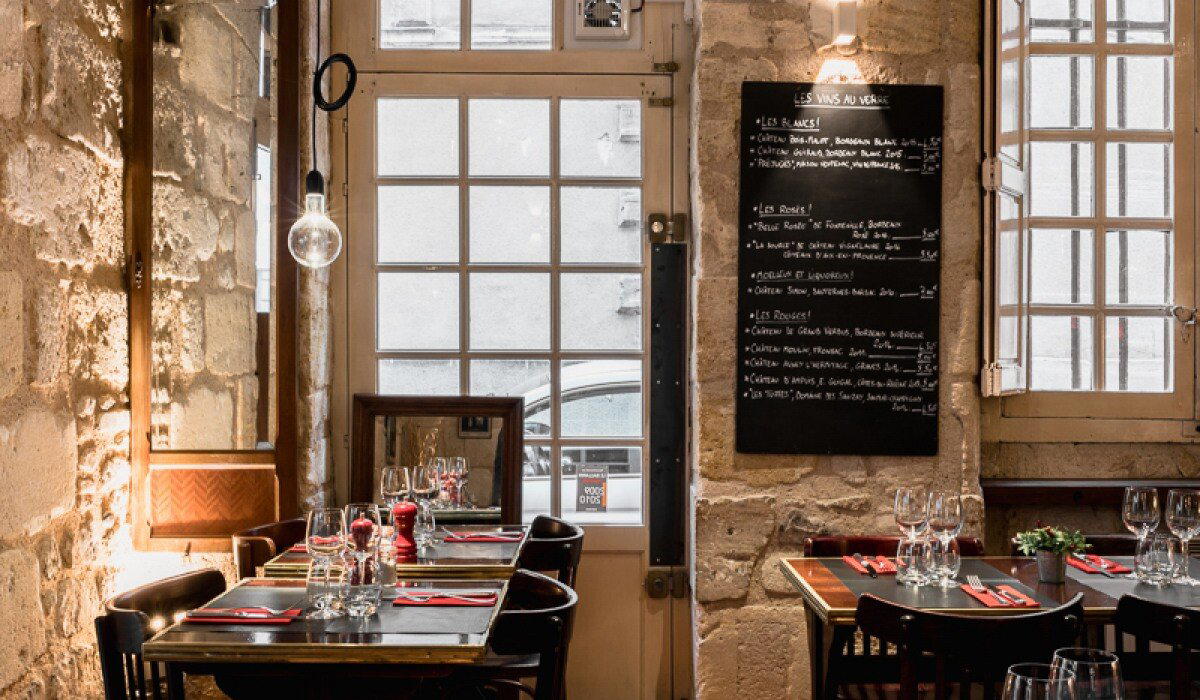
The Bouchon Tradition in a Wine Capital
The word bouchon carries specific weight in French dining culture. Rooted originally in Lyon, where it describes a category of small, unselfconscious restaurants serving workers' food with local wine, the term has migrated across French cities as shorthand for a particular contract between kitchen and guest: tightly curated menus, regional ingredients, and an implicit understanding that the bottle on the table matters as much as what arrives on the plate. In Bordeaux, that contract takes on additional pressure. This is a city whose global identity is built on wine, which means any restaurant operating in the bouchon register is also making a statement about how it positions wine relative to food, and about which version of Bordeaux it is trying to represent.
Bouchon Bordelais, at 2 Rue Courbin in the city centre, occupies that space. The address places it within walking distance of the old merchant quarter and the Garonne waterfront, in a part of the city where the restaurant density reflects both local demand and significant visitor traffic. For context on how the broader Bordeaux dining scene distributes across price points and formats, our full Bordeaux restaurants guide maps the territory.
Menu Architecture: What the Format Reveals
The bouchon format imposes a useful discipline on menu construction. Unlike the extended tasting menus that define Bordeaux's higher-end tables, including Le Pressoir d'Argent - Gordon Ramsay and L'Observatoire du Gabriel, a bouchon typically works with a shorter rotation of dishes built around what is available rather than what makes a narrative arc. The kitchen's argument is made through selection, not elaboration: three or four starters, a similar count of mains, cheeses, and desserts, with daily specials that function as the real editorial statement.
That compression is intentional. A tight menu forces the kitchen to commit. Every dish that appears on it has survived a culling process, which means that what reaches the table represents the kitchen's actual priorities rather than a calculated variety designed to appease. At a bouchon in Bordeaux specifically, those priorities are almost always organised around local producers, seasonal availability, and the practical question of what will function well alongside the regional wine selection. The menu, in other words, is a secondary document. The wine list is the primary one.
This is the structural difference between a bouchon and a bistro operating in the same price tier. The bistro may treat wine as an accompaniment. The bouchon treats it as the context within which food decisions are made. At a city-centre address in Bordeaux, that orientation is not nostalgic. It is the correct response to where you are.
Where Bouchon Bordelais Sits in the Bordeaux Spectrum
Bordeaux's restaurant scene has developed along two parallel tracks in recent years. The first is a prestige layer of modern cuisine addresses, several of which have attracted significant critical attention: Maison Nouvelle, L'Oiseau Bleu, and Amicis each represent a more contemporary approach to what Bordeaux cooking can look like. The second track is a set of neighbourhood and mid-market addresses where the cooking is less ambitious in scope but more direct in execution, and where local residents actually eat on a regular basis rather than for occasions.
Bouchon Bordelais sits in this second category. That is not a diminishment. The bouchon format has its own standards, and within those standards the relevant benchmarks are consistency, honest sourcing, and the ability to pair food to wine in a way that flatters both. A room that delivers on those terms is more useful to more visitors than a technically ambitious kitchen that delivers an experience designed primarily for a special-occasion frame of mind.
For comparison, France's most formally recognised tables, including Mirazur in Menton, Alléno Paris au Pavillon Ledoyen, Troisgros - Le Bois sans Feuilles, and Paul Bocuse - L'Auberge du Pont de Collonges, operate in an entirely different register of investment and expectation. At the regional level, addresses like Bras in Laguiole, Auberge de l'Ill in Illhaeusern, Les Prés d'Eugénie - Michel Guérard, Flocons de Sel in Megève, La Table du Castellet, and Georges Blanc in Vonnas represent the haute French provincial tradition at its most sustained. Internationally, Le Bernardin in New York City and Lazy Bear in San Francisco show how French technique exports and reinterprets itself at distance. Bouchon Bordelais is not in conversation with any of those addresses, and it is not meant to be.
Practical Notes for Visitors
The address at 2 Rue Courbin puts Bouchon Bordelais within the central city grid, accessible on foot from the Garonne quays and from the main tram lines that cross Place de la Victoire and Cours Victor Hugo. For visitors staying in the city centre, no transport planning is required. The format suggests a lunch or early dinner slot works well, particularly for first-time visitors who want to understand the local midday eating culture before committing to a longer evening service at one of the more structured modern cuisine addresses nearby.
The same applies to allergy information: the bouchon format, with its short and frequently changing menu, typically requires direct communication with the kitchen to establish what accommodations are possible on any given service.
How Bouchon Bordelais Bordeaux compares with similar nearby venues.
| Venue | Cuisine | Price |
|---|---|---|
| La Table d'Hôtes - Le Quatrième Mur | Modern Cuisine | €€€€ |
| Epicentre | Modern Cuisine | €€ |
Continue exploring
More in Bordeaux
Restaurants in Bordeaux
Browse all →
Bars in Bordeaux
Browse all →
Hotels in Bordeaux
Browse all →
At a Glance
- Cozy
- Classic
- Rustic
- Intimate
- Casual Hangout
- Group Dining
- After Work
- Historic Building
- Standalone
- Terrace
- Extensive Wine List
- Local Sourcing
- Farm To Table
- Street Scene
Current opening hours
- Monday
- Closed
- Tuesday
- 12–1:30 PM, 8–9:30 PM
- Wednesday
- 12–1:30 PM, 8–9:30 PM
- Thursday
- 12–1:30 PM, 8–9:30 PM
- Friday
- 12–1:30 PM, 8–9:30 PM
- Saturday
- 8–9:30 PM
- Sunday
- Closed
Hours can change for holidays and private events. Last verified .
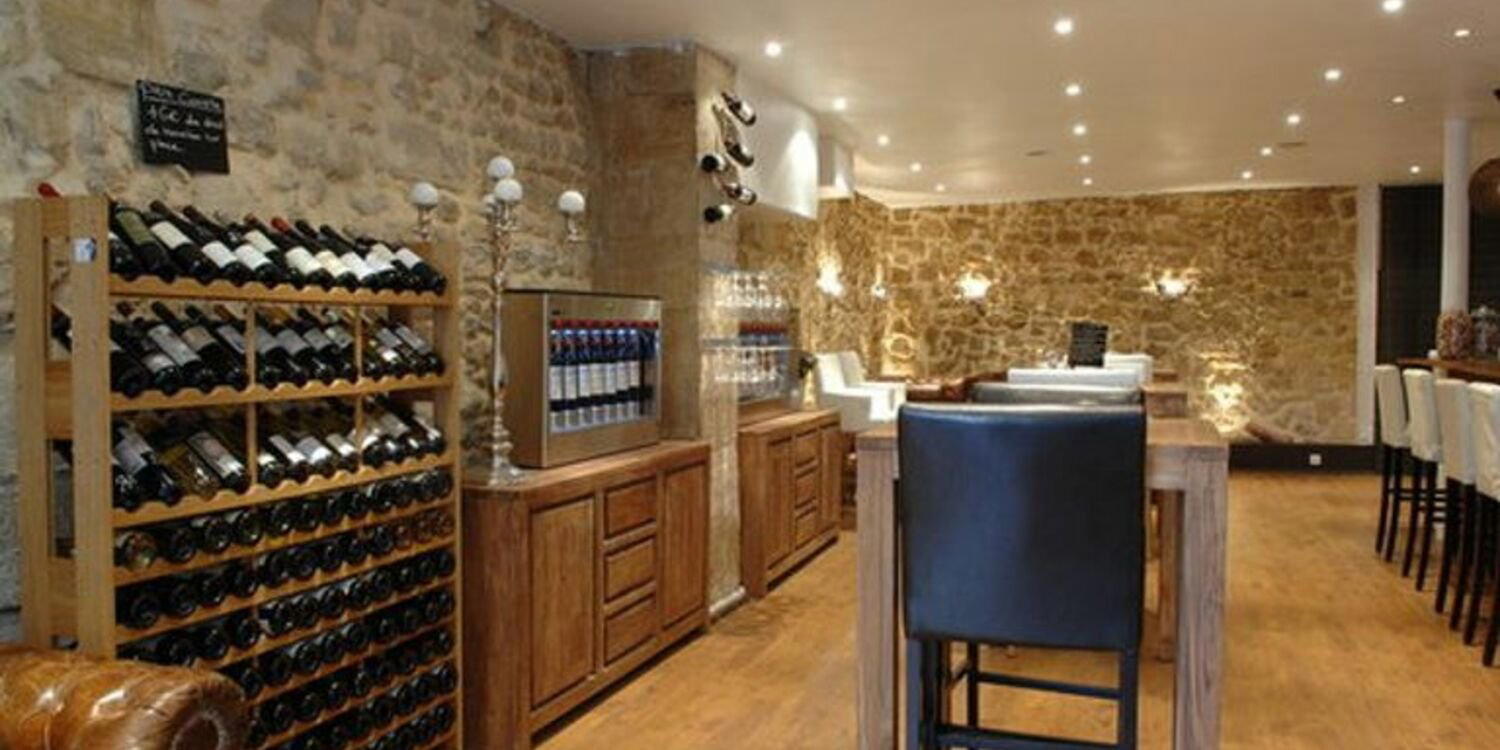
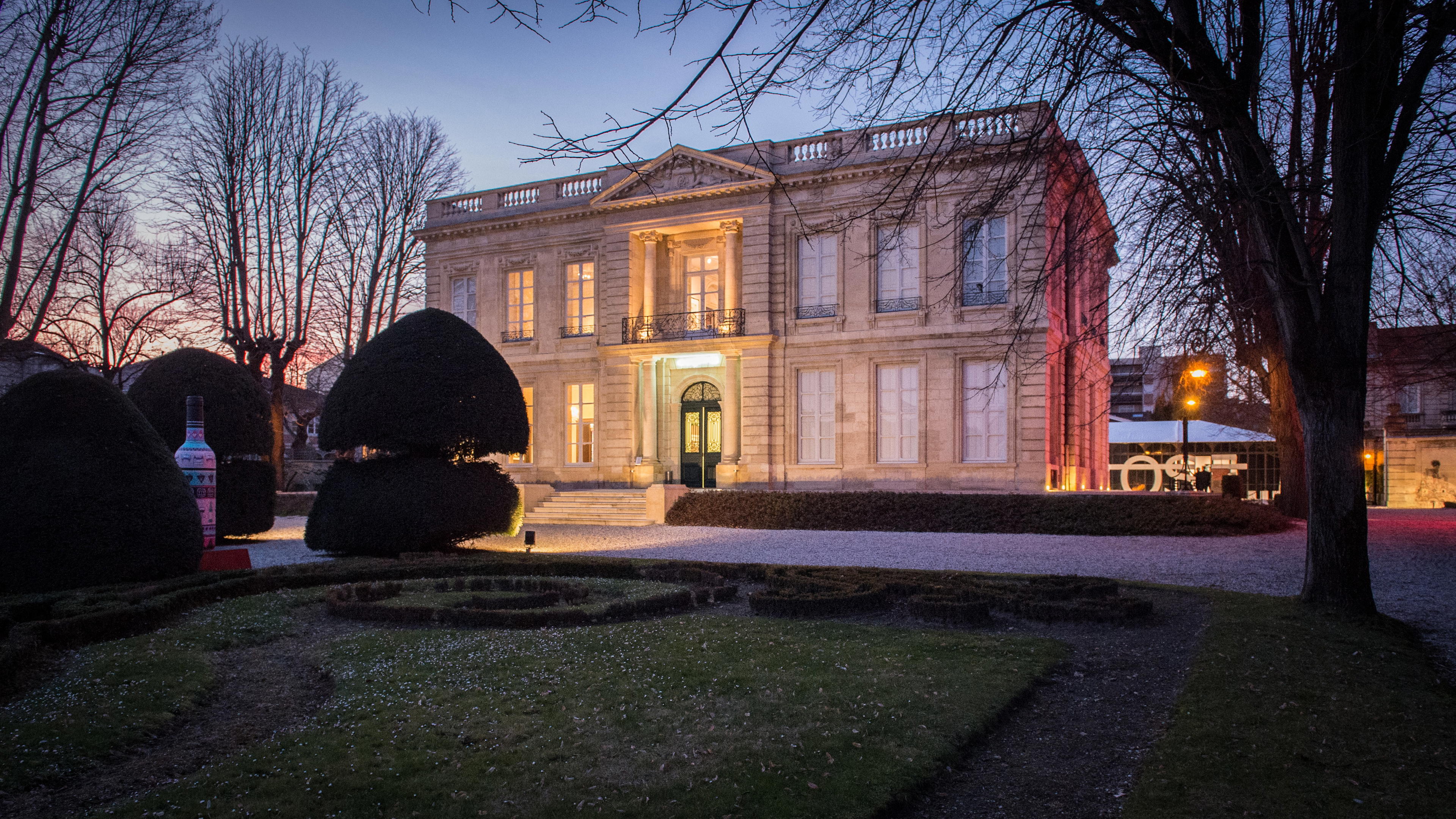
Warm, colorful bistro atmosphere with exposed stone walls and intimate seating, creating a welcoming neighborhood feel.
Know Before You Go
- Getting there
- 2 Rue Courbin, 33000 Bordeaux, France