


Sri Lankan rice and curry in Tokyo's Nihonbashikabutocho, served with the kind of spice literacy that most Japanese diners rarely encounter. HOPPERS brings Karam Sethi's London-rooted approach to a format built around Sri Lanka's national eating tradition, with Maldive fish curries and a basmati-Japanese rice blend that nods to its adopted city. Ranked #201 on the OAD Casual Europe list in 2024.
Pearl is the En Primeur Club membership app — saves, bookings, and concierge access live there. Same editors, same standards.
- Address
- Japan, 〒103-0026 Tokyo, Chuo City, Nihonbashikabutocho, 7−1 KABUTO ONE 1F
- Phone
- +81 3-6890-1547
- Website
- hoppers.jp
- Directions
- Get directions
 Saves & bookings on Pearl
Spice on the trading floor
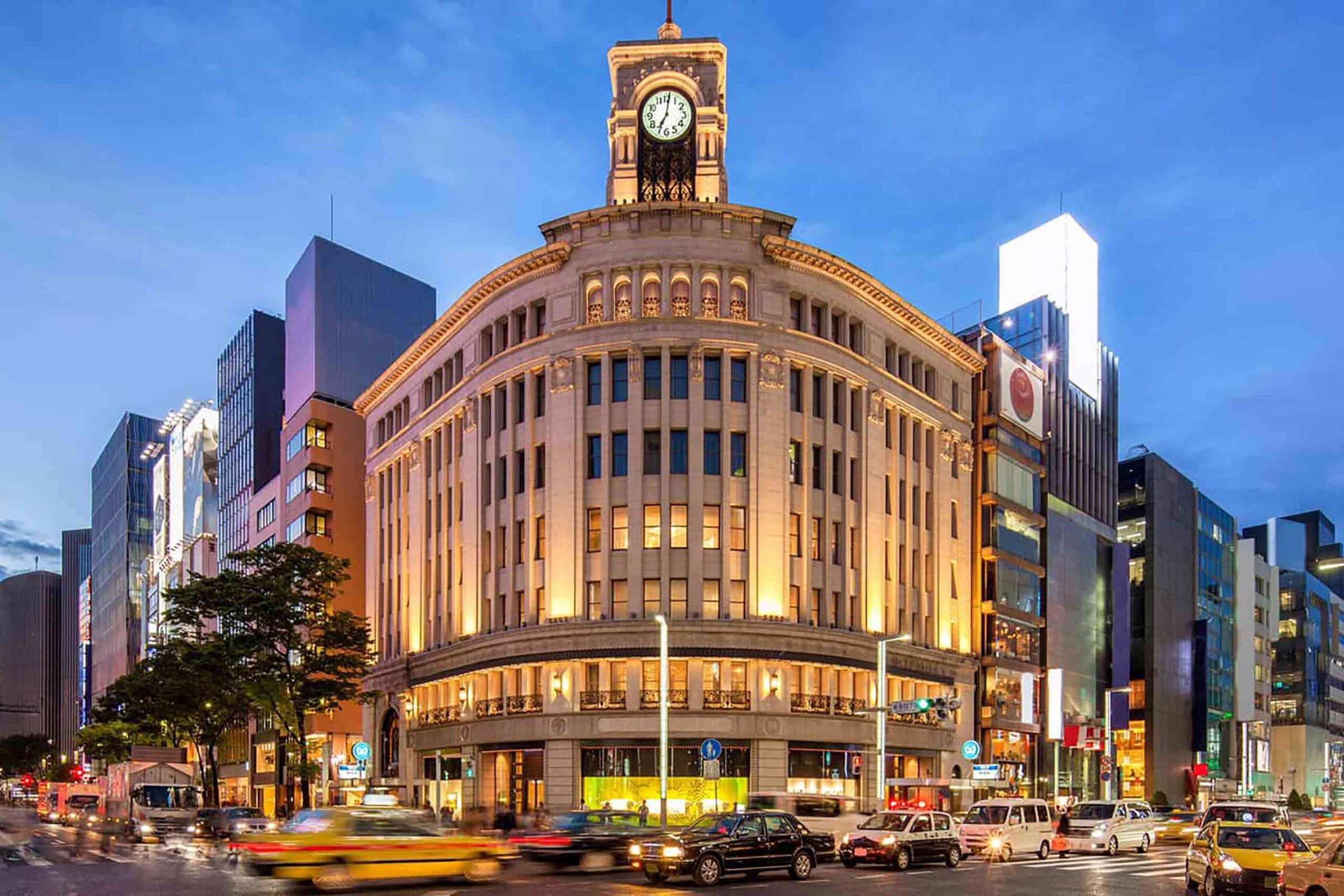
Nihonbashikabutocho is not where Tokyo comes to eat Sri Lankan food. The district, built around the old Tokyo Stock Exchange and now filling with financial-sector redevelopment, runs on kaiseki lunches and corporate sushi. HOPPERS occupies the ground floor of KABUTO ONE, a converted heritage building that sits at the edge of this money-district shift, and the contrast is part of the appeal. While venues like Harutaka and RyuGin define Tokyo's high-end dining register at the ¥¥¥¥ tier, HOPPERS operates at ¥¥ and answers a different question entirely: what does serious Sri Lankan cooking look like when it lands in a city where the cuisine is almost invisible?
What rice and curry actually means
Sri Lanka's food culture does not translate easily into the shorthand that travels. "Rice and curry" is a specific, codified eating format in Sri Lanka, not a bowl of steamed rice with a single sauce ladled over it, but a spread of multiple curries, each distinct in protein, vegetable, and spice profile, served alongside a cluster of side preparations: sambols, pickles, dried fish. The rice arrives at the centre, the dishes surround it, and the meal is assembled by the diner. It is, in the Sri Lankan context, both everyday and ceremonial.
HOPPERS holds that format seriously. The curries are made with Maldive fish, the shaved, sun-dried bonito that functions in Sri Lankan cooking much as dashi does in Japanese cuisine, as the invisible umami anchor beneath coconut-milk gravies and black pepper heat. That detail matters: it is the difference between Sri Lankan curry and a generic South Asian approximation. The rice served here combines basmati and Japanese short-grain, a practical and quietly smart decision that bridges Sri Lankan tradition and Tokyo's eating habits without abandoning either.
Chef Karam Sethi, whose London operation gave HOPPERS its name and its reputation, carries a documented commitment to spice as knowledge rather than spectacle. The OAD Casual Europe guide has ranked the London flagship at #201 for 2024 and listed it as Highly Recommended in 2023, signals that place this in a comparable set defined by cooking rigour at accessible price points, not by tasting-menu theatre. For reference, the Tokyo outpost sits at ¥¥, making it one of the more accessibly priced foreign-cuisine addresses in a city where L'Effervescence and Sézanne operate well above that register.
Sri Lankan cuisine in Tokyo's foreign-food context
Tokyo's relationship with South Asian food is complicated by volume and precision. Indian restaurants are plentiful; Sri Lankan ones are sparse. The distinction matters because Sri Lankan cooking is not a regional variant of Indian cuisine in the way that, say, Chettinad or Andhra cooking relates to a broader Indian framework. It draws on coastal spice trade routes, Portuguese and Dutch colonial influence, Buddhist dietary practice, and Tamil and Sinhalese food cultures that developed in parallel. Coconut milk is structural rather than finishing. Maldive fish is endemic. The heat tends toward black pepper and dried chilli rather than fresh aromatics.
In cities like Colombo, the form is so embedded that rice and curry plates are served from roadside kades before 8am. In Southeast Asian cities with Sri Lankan diaspora populations, Aliyaa in Kuala Lumpur is a reference point, the cuisine has a foothold. Ministry of Crab in Colombo has built international recognition from Sri Lankan ingredients without replicating the rice and curry format. HOPPERS in Tokyo sits in a different position: it is transmitting the core format, not an evolved export version of it, to a market that has largely never encountered it.
That editorial choice, to serve the traditional set-meal structure rather than reframe Sri Lankan food as fusion or bar snacks, is where HOPPERS makes its argument. Tokyo diners who arrive with a reference point built from Japanese curry or Indian restaurant curry will need to recalibrate. This is slower eating, with more moving parts on the table and more decisions to make mid-meal about how to combine what is in front of you.
Where it sits in Tokyo's dining field
Tokyo's most-discussed restaurants in 2024 skew heavily toward Japanese forms, Crony at the Franco-Japanese edge, or the kaiseki and sushi counters that dominate the Michelin and OAD rankings. The city does support foreign-cuisine addresses with genuine standing, but they tend to cluster in French or Italian categories. Sri Lankan at this level of intent is an outlier, and outlier status in Tokyo can cut both ways: it draws the curious and the diaspora-connected, but it also means the average diner arrives with less frame of reference than they might at a French bistro.
The ¥¥ price band keeps HOPPERS reachable for an exploratory meal without the commitment overhead of the high-format counters elsewhere in the city.
Planning your visit
How It Stacks Up
Comparable venues nearby, for context on price, style, and recognition.
| Venue | Cuisine | Price | Awards | Notes |
|---|---|---|---|---|
| HOPPERSThis venue — the venue you are viewing | Modern Sri Lankan | $$$ | Bib Gourmand | Not listed |
| bistro simba | Modern French Bistro | $$$ | Michelin Plate | Chūō |
| L'AS | Modern French Bistro | $$$ | Bib Gourmand | Minato |
| Kinoshita | Classic French Bistro | $$$ | Bib Gourmand | Shibuya |
| Tachigui Sushi Tonari | Modern Edo-Style Standing Sushi | $$$ | Bib Gourmand | Minato |
| Hashimoto Unagi | Traditional Edo-Style Grilled Eel (Unagi) | $$$ | Bib Gourmand | Bunkyō |
Recognition history
Dated appearances from independent guides and award organizations, with the underlying list record or original source where available.
Michelin Bib Gourmand
Michelin
Opinionated About Dining Casual in Europe Ranked #201
Opinionated About Dining
Tabelog 100 #74 · No. 74
Tabelog · Tabelog 100 - Asian cuisine / Ethnic cuisine - TOKYO - 2024
Opinionated About Dining Casual in Europe Highly Recommended
Opinionated About Dining







At a Glance
- Modern
- Trendy
- Minimalist
- Sophisticated
- Date Night
- Business Dinner
- Casual Hangout
- Open Kitchen
- Sake Program
- Local Sourcing
Current opening hours
- Monday
- 11:30 AM–2 PM, 6–10 PM
- Tuesday
- 11:30 AM–2 PM, 6–10 PM
- Wednesday
- Closed
- Thursday
- 11:30 AM–2 PM, 6–10 PM
- Friday
- 11:30 AM–2 PM, 6–10 PM
- Saturday
- 11:30 AM–2 PM, 6–10 PM
- Sunday
- 11:30 AM–2 PM, 6–10 PM
Hours can change for holidays and private events. Last verified .
Chic concrete interior with warm, colorful lighting and a sophisticated, cozy atmosphere.