Stockerwirt



Michelin Plate · Star Wine List · Falstaff Restaurant - 95 Falstaff Points
Our verdict
Stockerwirt is a wine-forward restaurant in Sulz im Wienerwald, Austria, recognised by Star Wine List with a White Star for the depth and curation of its cellar. Sitting in the forested hills southwest of Vienna, it operates in the tradition of the Austrian Heuriger and Gasthof, where kitchen and wine list are shaped by what the surrounding land produces and what regional producers deliver to the door.

Pearl is the En Primeur Club membership app, where members save venues, book tables and use the concierge.
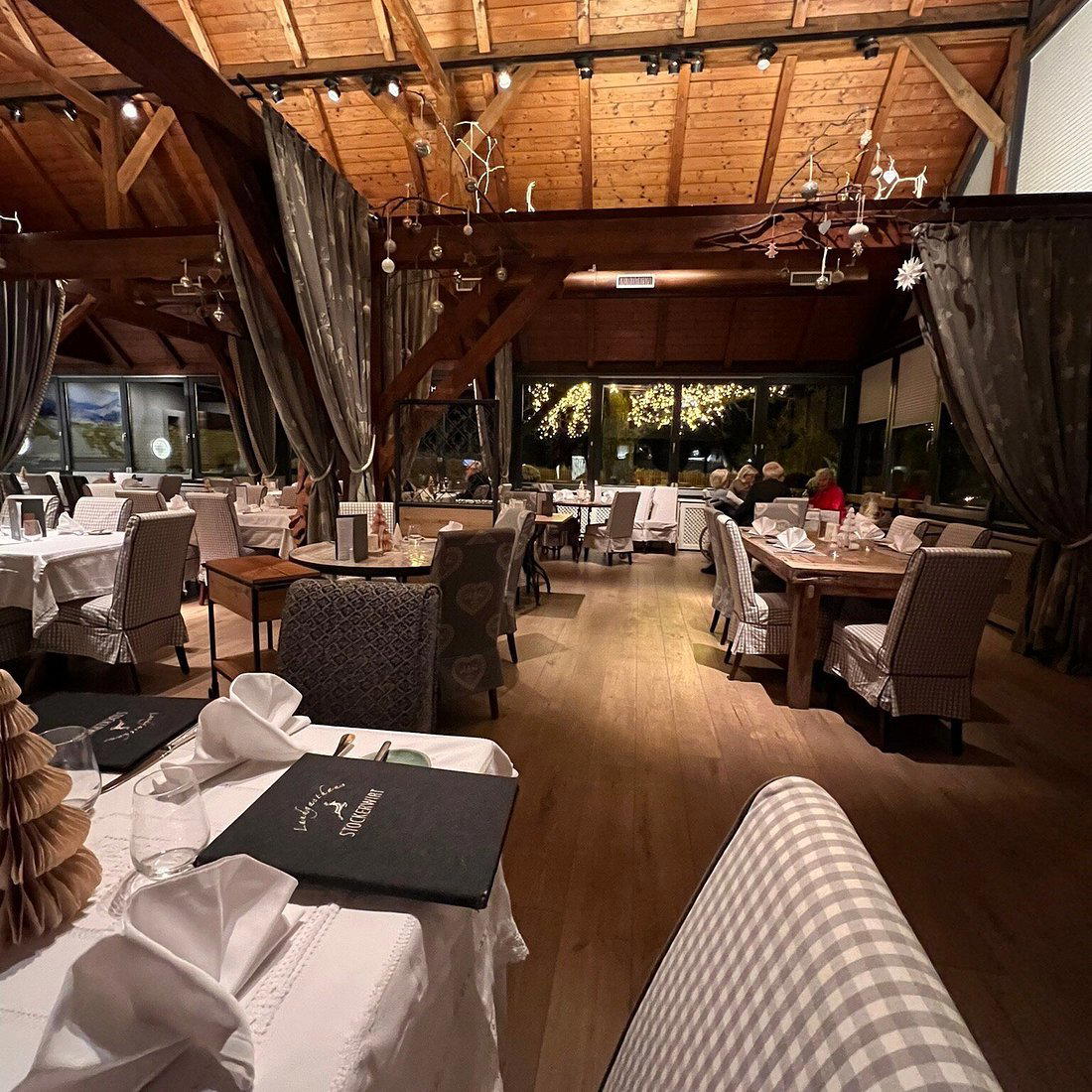
Where the Wienerwald Shapes the Plate
The villages southwest of Vienna that cluster inside the Wienerwald nature reserve occupy a particular position in Austrian dining. Close enough to the capital to draw serious wine collectors and food-literate weekend travellers, yet far enough that the kitchen culture remains rooted in the land rather than the city. The Gasthof tradition here is not nostalgia, it is an operating model in which the sourcing radius stays tight and the menu shifts with what the season and the surrounding farmland actually produce. Stockerwirt, at Rohrberg 36 in Sulz im Wienerwald, sits squarely inside that tradition.
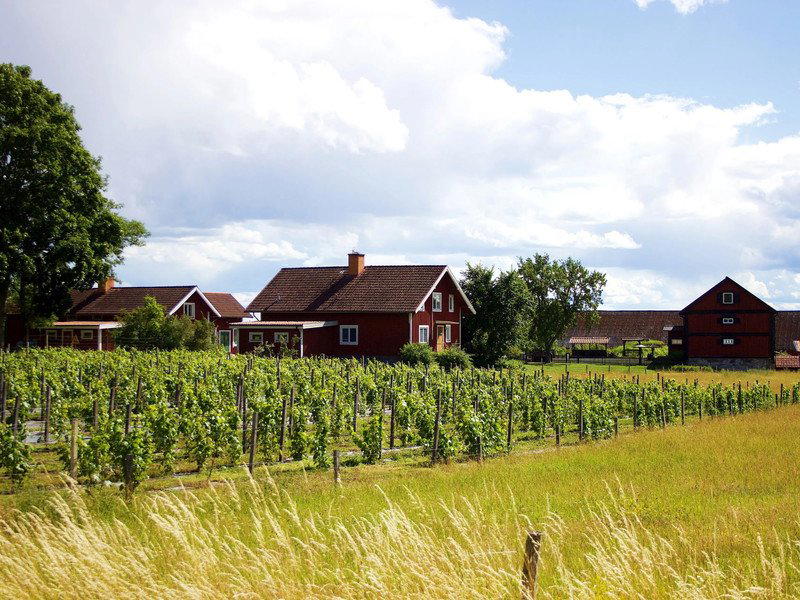
Approaching the area along the forested roads that wind through the Wienerwald, the landscape gives the first signal about what to expect at the table. This is mixed agricultural country: orchards, pasture, small vineyards on south-facing slopes, kitchen gardens tucked behind farmhouses. Restaurants that work with that geography rather than importing around it tend to produce food that feels grounded in a way that more cosmopolitan formats cannot replicate. Stockerwirt's recognition by Star Wine List, awarded a White Star when the platform published the venue in January 2023, places it in company that understands wine as an extension of that same sourcing logic, not a separate luxury layer.
The Star Wine List Standard and What It Signals
Star Wine List is a specialist platform that evaluates wine programs on depth, producer selection, and the coherence of the cellar relative to the kitchen it serves. A White Star designation is not awarded routinely; it indicates a wine list that has been assessed as meeting a specific editorial threshold.
Austria's wine regions relevant to this corridor include the Thermenregion immediately to the east, which produces Pinot Noir, Sankt Laurent, and Zierfandler on chalky and sandy soils quite different from Burgundy or Bordeaux but with their own rigorous identity, and the Wachau and Kamptal a little further north, where Grüner Veltliner and Riesling from steep terraced vineyards command serious international prices. A wine program curated with awareness of these regions, and the producers within them who work with low intervention and genuine terroir specificity, is a different proposition from the generic Austrian cellar found in most rural Gasthöfe. The White Star signals that Stockerwirt's list belongs to the former category.
For context on the broader Austrian dining scene, the country's most discussed restaurants, Steirereck im Stadtpark in Vienna, Landhaus Bacher in Mautern an der Donau, Ikarus in Salzburg, operate at the €€€€ tier with international recognition. Stockerwirt's positioning is different: it is a regional venue where the wine list, not the tasting menu format or the chef's biography, is the primary editorial credential. That is a distinct and defensible position.
Ingredient Sourcing in the Wienerwald Context
The Gasthof format that Stockerwirt inhabits developed over centuries as a model where the kitchen was inseparable from its agricultural context. Pork from local farms, freshwater fish from nearby rivers, game from the Wienerwald forests, root vegetables and brassicas from kitchen gardens, these were not marketing choices but operational necessities. The contemporary revival of that sourcing logic, visible in Austrian restaurants from the Wachau valley to the Pongau, is partly a response to decades of industrialised supply chains and partly a genuine re-evaluation of what regional cooking can achieve when ingredients are not standardised for transport and shelf life.
Venues in Austria that have made sourcing specificity central to their identity, Kräuterreich by Vitus Winkler in Sankt Veit im Pongau with its herb garden programme, Obauer in Werfen with its multi-decade regional focus, have demonstrated that the credential holds regardless of proximity to a major city. In the Wienerwald, the proximity to Vienna is actually a complicating factor: it creates demand from urban visitors who bring city expectations, and the restaurants that manage that tension well are the ones that hold their sourcing discipline rather than drifting toward the kind of cosmopolitan menu that would play equally well in the third district.
Other notable Austrian restaurants in the premium tier include Gourmetrestaurant Tannenhof in Sankt Anton am Arlberg, Griggeler Stuba in Lech, Ois in Neufelden, Restaurant 141 by Joachim Jaud in Mieming, Schwarzer Adler in Hall in Tirol, and Stüva in Ischgl, each operating in a specific regional context with its own sourcing character. Internationally, venues like Le Bernardin in New York City and Emeril's in New Orleans show how regional sourcing identity can anchor a restaurant's reputation over decades, a principle that applies equally in the Austrian countryside.
Planning a Visit
Sulz im Wienerwald sits southwest of Vienna in the lower Wienerwald hills, reachable by car in under an hour from the city centre. The address, Rohrberg 36, places the restaurant on a hillside road, and the setting is consistent with the broader character of the area: quiet, agricultural, without the infrastructure of a tourist destination. Visitors arriving from Vienna are advised to confirm hours and reservations directly before travelling, as rural restaurants in this category typically maintain limited service days and do not always publish current schedules online. The Star Wine List recognition suggests the cellar is a genuine reason to plan the visit around a meal rather than treating it as an incidental stop. For those building a wider itinerary around the region, our full Sulz im Wienerwald restaurants guide, hotels guide, bars guide, wineries guide, and experiences guide cover the broader area in depth.
Frequently asked questions
Is Stockerwirt okay with children?
The Gasthof format that Stockerwirt represents has historically served as a community dining room for the surrounding villages, which typically means a relaxed attitude toward families. Sulz im Wienerwald is a residential settlement rather than a tourist hub, so the clientele tends to be local and mixed-age. Confirming family-specific arrangements directly with the venue before visiting is sensible.
Is Stockerwirt better for a quiet night or a lively one?
Stockerwirt sits at Rohrberg 36 in a small Wienerwald village southwest of Vienna, not in a city dining corridor. That setting points toward a quieter register: a Gasthof in this context draws regulars and visitors seeking a slower pace rather than a high-energy room. Its recognition by Star Wine List as a White Star suggests the wine program rewards the kind of attention a quieter table allows.
Is Stockerwirt award-winning?
Stockerwirt has received recognition including: Stockerwirt is a restaurant in Sulz im Wienerwald, Austria. It was published on Star Wine List on January 4, 2023 and is a White Star.
In Context: Similar Options
Comparable venues nearby, for context on price, style, and recognition.
| Venue | Cuisine | Price | Awards | Notes |
|---|---|---|---|---|
| StockerwirtThis venue (the venue you are viewing) | Traditional Austrian | $30–50 | Michelin Plate · Star Wine List | Not listed |
| Demel Vienna cafe | Traditional Viennese Pastry Cafe | Not listed | Not listed | Stephansdom |
| der Thaller | Traditional Austrian Wirtshaus | Not listed | Star Wine List · Falstaff Restaurant - 92 Falstaff Points | Anger |
| Bitzinger The Passion | Modern Viennese | Not listed | Not listed | Innere Stadt |
| Wirtshaus Jagawirt | Traditional Styrian Wirtshaus | Not listed | Star Wine List | Sommereben |
| Thomas im Johanneshof | Seasonal Austrian Fine Dining | $50–100 | Star Wine List | Tattendorf |
Recognition history
Dated appearances from independent guides and award organizations, with the underlying list record or original source where available.
Michelin Plate
Michelin
Star Wine List
Star Wine List
Falstaff Restaurant - 95 Falstaff Points
Falstaff
Continue exploring
More in Sulz im Wienerwald
Restaurants in Sulz im Wienerwald
All restaurants in Sulz im Wienerwald →
![[aend] restaurant in Vienna](https://cdn.enprimeurclub.com/storage/v1/object/public/images/locations/recsVyRkMfzCxPmp0/hero2.jpg?width=3840&quality=75)
Bars in Sulz im Wienerwald
Browse all →
Hotels in Sulz im Wienerwald
Browse all →

Stockerwirt
The wine
- Wine program
- Deep wine list
- Extensive wine list
Details
- Rustic
- Cozy
- Romantic
- Scenic
- Family
- Celebration
- Date Night
- Garden
- Private Dining
- Historic Building
- Extensive Wine List
- Local Sourcing
- Garden
- Mountain
- A La Carte
- Vegetarian Friendly
- Vegan Options
- Gluten Free Options
Current opening hours
- Monday
- Closed
- Tuesday
- Closed
- Wednesday
- 11:30 AM–12 AM
- Thursday
- 11:30 AM–12 AM
- Friday
- 11:30 AM–12 AM
- Saturday
- 11:30 AM–12 AM
- Sunday
- 11:30 AM–7 PM
Hours can change for holidays and private events. Hours as of .
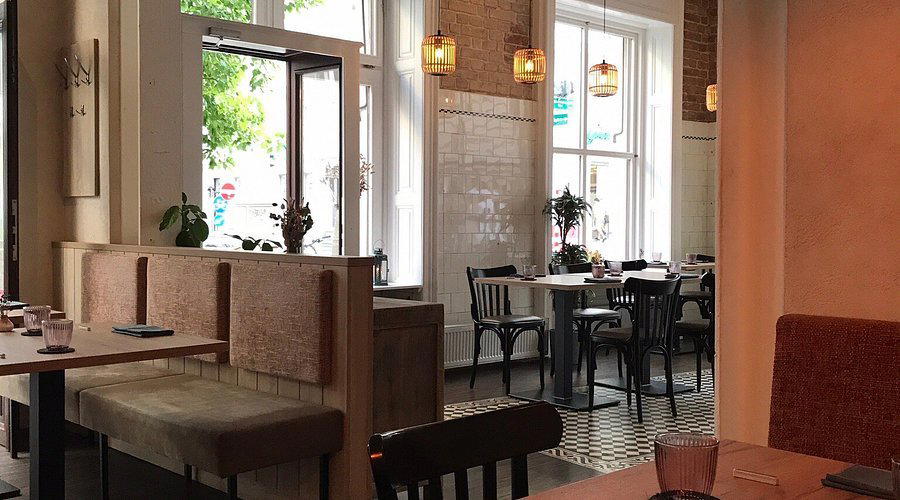
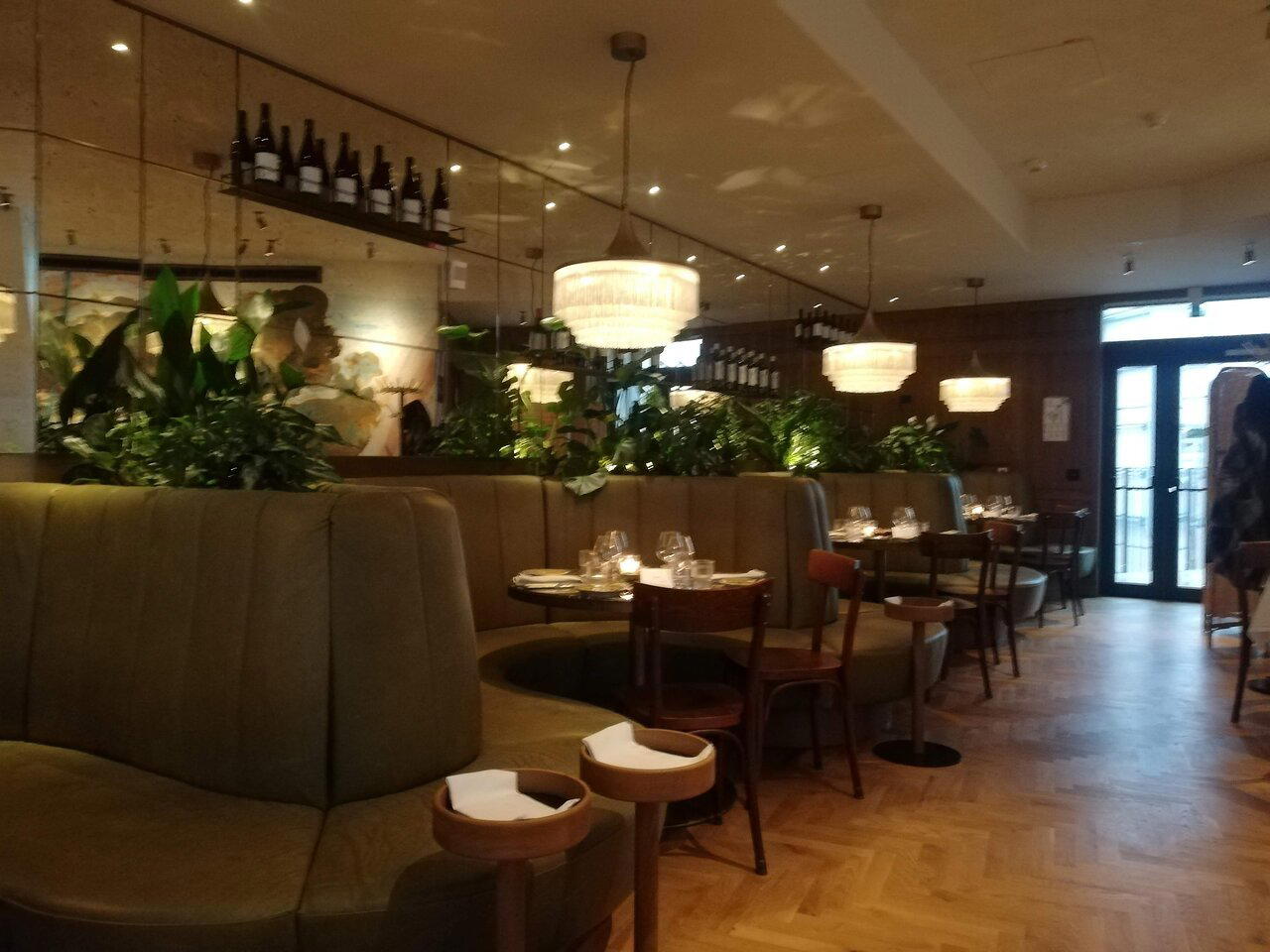
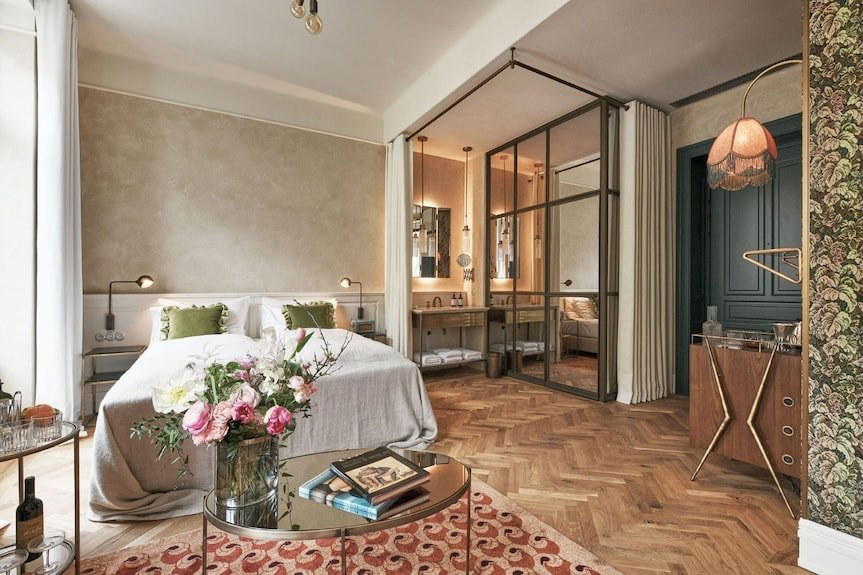
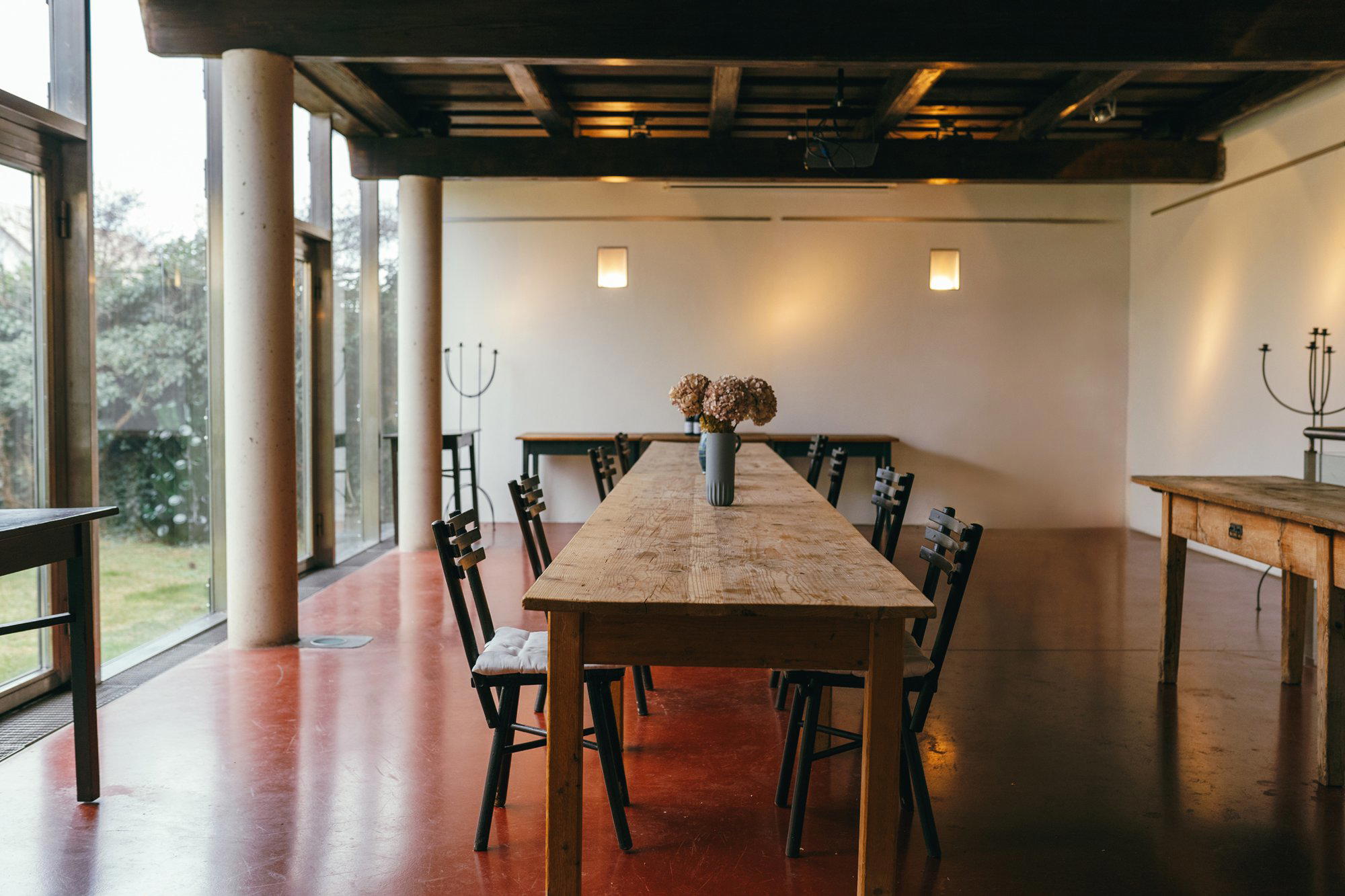
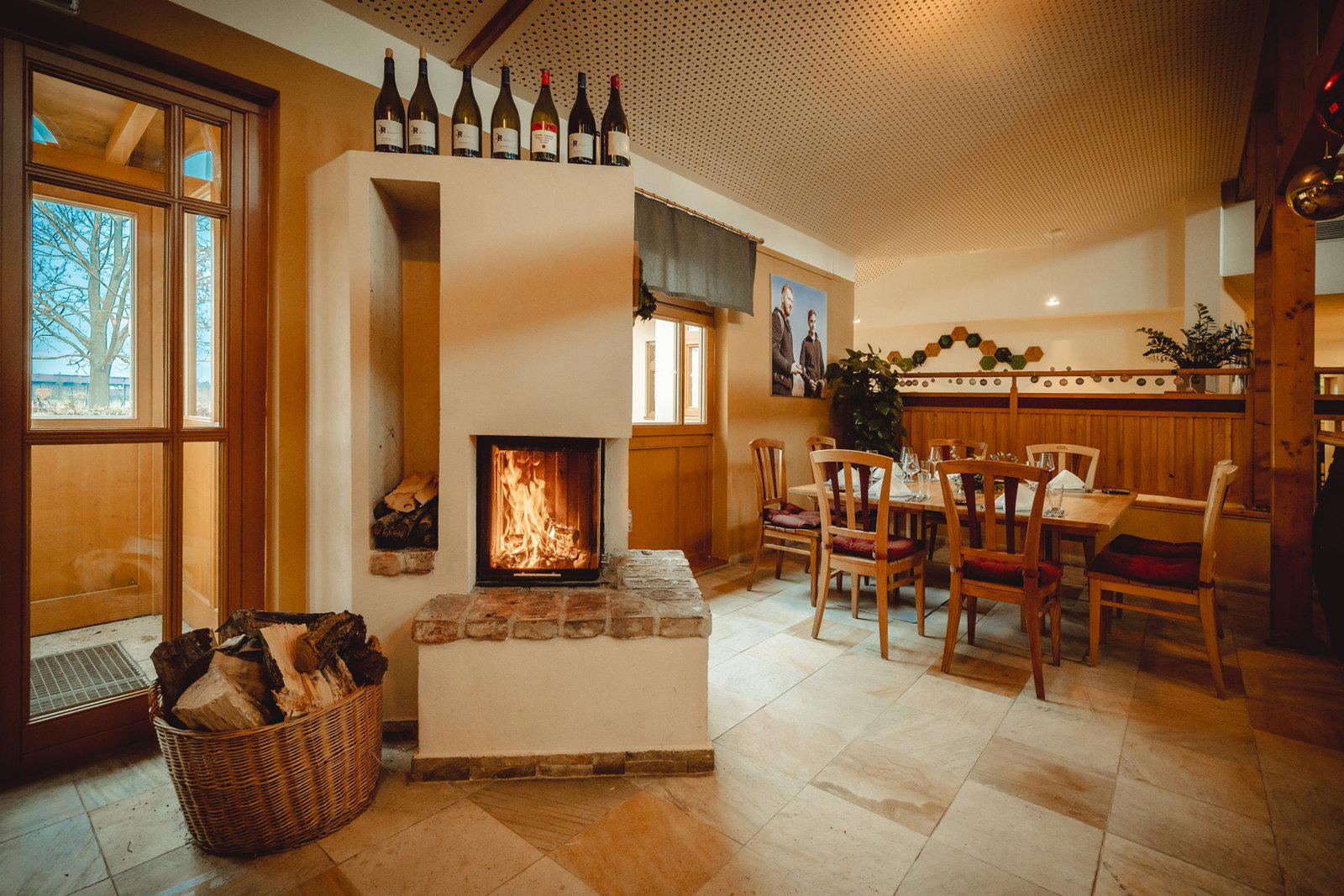
Romantic stube rooms, cozy winter garden with fireplace, and idyllic outdoor garden under ancient trees creating a warm, professional, and nature-immersed atmosphere.