Mirella's Tavern
On West Division Street in Wicker Park, Mirella's Tavern occupies a stretch of Chicago that has absorbed wave after wave of immigrant cooking traditions. The tavern format sits within a broader Chicago pattern of neighborhood dining rooms that carry cultural weight without formal-dining pretension. For context on the wider city dining scene, see our full Chicago restaurants guide.
Pearl is the En Primeur Club membership app — saves, bookings, and concierge access live there. Same editors, same standards.
- Address
- 2056 W Division St, Chicago, IL 60622
- Phone
- +17732706196
- Website
- mirellastavern.com
- Directions
- Get directions
 Saves & bookings on Pearl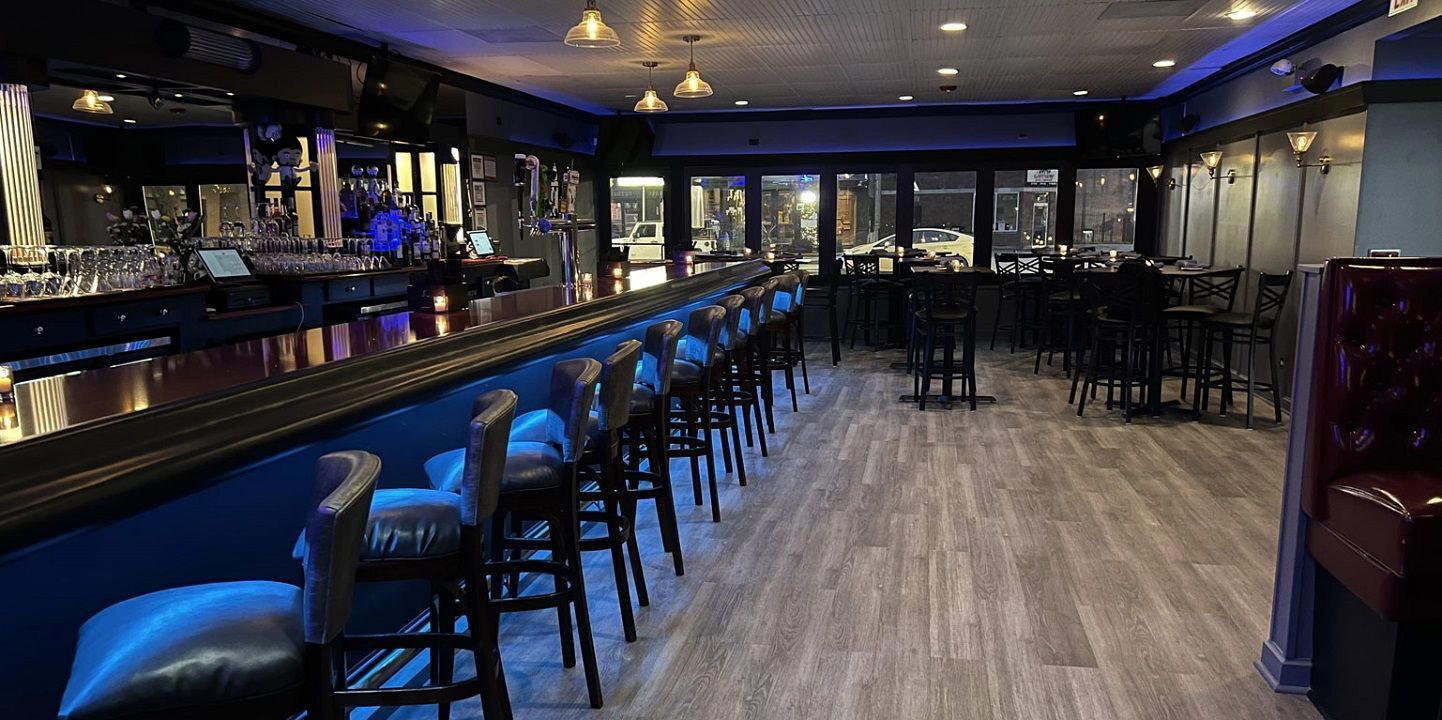
West Division Street and the Neighborhood Tavern Tradition
Chicago's relationship with the tavern format runs deeper than any single neighborhood. From the Polish delis of Avondale to the Italian beef counters of Taylor Street, the city has long organized its social life around accessible, culturally rooted dining rooms that do not ask much of the guest beyond showing up. Wicker Park and Ukrainian Village, the corridor that West Division Street bisects, inherited that tradition from successive waves of Eastern European settlement in the early twentieth century, then held it through gentrification pressure that cleared out comparable blocks in other cities. Mirella's Tavern, at 2056 W Division St, sits inside that lineage, a street address that carries more historical freight than most Chicago dining guides tend to acknowledge.
The Division Street corridor is worth understanding on its own terms before zooming to any single venue. In the mid-twentieth century, the stretch between Ashland and Western was dense with Polish community institutions, church halls, fraternal clubs, and the kind of tavern that served food as an afterthought to a longer evening. Novelist Nelson Algren, who lived nearby and wrote about these blocks with unsentimental precision, described the tavern as the neighborhood's primary civic infrastructure. That framing has outlasted the specific demographics. Today's Division Street dining rooms serve a mixed population, but the structural role of the tavern, as a place where a neighborhood's social identity becomes briefly legible, has not changed as much as the menu prices suggest.
Where the Tavern Format Sits in Chicago's Dining Hierarchy
Chicago's premium dining conversation tends to concentrate on a handful of tasting-menu addresses: Alinea, Smyth, and Oriole occupy the upper bracket of the city's progressive American scene, where multi-course formats and Michelin recognition define the comparable set. Next Restaurant and Kasama add further range to the city's ambitious end. These are useful comparison points because they clarify what the tavern format is not attempting. The tavern operates under a different logic entirely: lower barriers to entry, a format built around repetition rather than spectacle, and a value proposition that depends on the regulars as much as on destination diners.
That lower-barrier logic does not mean lower stakes. Across American cities, the neighborhood tavern has become one of the more contested dining formats precisely because it resists the documentation that drives contemporary restaurant culture. You cannot photograph a regular's usual order. You cannot Instagram the institutional memory of a room that has served the same families across three generations. Venues in this format that survive long enough accrue a form of credibility that Michelin stars cannot fully replicate, though the two are not mutually exclusive. Bacchanalia in Atlanta and Blue Hill at Stone Barns in Tarrytown have each found ways to hold institutional weight while attracting critical recognition; the tavern format typically chooses neighborhood weight instead.
Cultural Roots and What the Address Signals
The name Mirella's carries Italian inflection in a neighborhood whose culinary history is predominantly Eastern European, which creates an interesting friction. Italian-American tavern cooking and Polish-American tavern cooking share a set of structural values, generous portions, long-simmered preparations, an attitude toward hospitality that measures success in how full people leave rather than how impressed, while diverging significantly in technique and ingredient. That friction between name and location is not unusual for Division Street, which has absorbed multiple culinary traditions without fully surrendering to any one of them. It is the kind of street where a Southern Italian surname on a sign does not read as displacement but as addition.
Across American cities, Italian-American tavern cooking occupies a specific cultural position. It is distinct from the fine-dining Italian canon represented by venues like 8 1/2 Otto e Mezzo Bombana in Hong Kong, which applies rigorous Italian technique in a luxury-hotel register. It is also distinct from the regional Italian cooking increasingly visible at addresses like Le Bernardin in New York City, where Mediterranean influences appear in highly edited, formally plated contexts. The tavern version is older, less edited, and carries the compression that happens when a cuisine travels, certain dishes survive the Atlantic crossing intact, others adapt to local supply, and the result is a cooking tradition that belongs to its adopted city as much as to its origin.
That tradition shows up differently in different American cities. Emeril's in New Orleans represents one trajectory, where Italian-inflected Southern cooking became formalized into a named culinary identity. Providence in Los Angeles and Addison in San Diego operate in entirely different registers but share the same underlying pattern: immigrant cooking traditions becoming formalized, institutionalized, and eventually absorbed into fine-dining vocabularies. Chicago's tavern addresses tend to resist that trajectory. They formalize less and retain more of the original social function.
Reading the Room at 2056 W Division
West Division Street between Western and Damen now sits in a neighborhood that has cycled through significant demographic and economic change, with the dining stock reflecting that. The blocks immediately around 2056 W Division include a mix of longstanding neighborhood institutions and newer openings that price against a different income bracket. That compression, old-school and new-school occupying the same half-mile, is typical of the broader Wicker Park and Ukrainian Village pattern, and it places Mirella's Tavern in a competitive context that is neither purely local nor purely destination-driven.
The Chicago tavern, at its leading, does not resolve the tension at all. It simply holds both.
Planning Your Visit
Mirella's Tavern is located at 2056 W Division St, Chicago, IL 60622, in the Wicker Park and Ukrainian Village corridor.
Standing Among Peers
Comparable venues nearby, for context on price, style, and recognition.
| Venue | Cuisine | Price | Notes |
|---|---|---|---|
| Mirella's TavernThis venue — the venue you are viewing | Modern American Tavern | $$ | Not listed |
| Lillie's Q | Southern BBQ | $$ | West Town |
| Toast It IZ | Polished American Brunch | $$ | River North |
| Brennan’s Gourmet Burger Shack | Gourmet Smashburgers | $$ | Edison Park |
| Andy's Jazz Club | American Jazz Club Fare | $$ | River North |
| GEMINI | Classic American Bistro | $$ | Lincoln Park |

At a Glance
- Cozy
- Lively
- Family
- Casual Hangout
- Group Dining
- Beer Program
Current opening hours
- Monday
- 4–11 PM
- Tuesday
- Closed
- Wednesday
- 4–11 PM
- Thursday
- 4 PM–12 AM
- Friday
- 4 PM–1 AM
- Saturday
- 10 AM–1 AM
- Sunday
- 10 AM–11 PM
Hours can change for holidays and private events. Last verified .
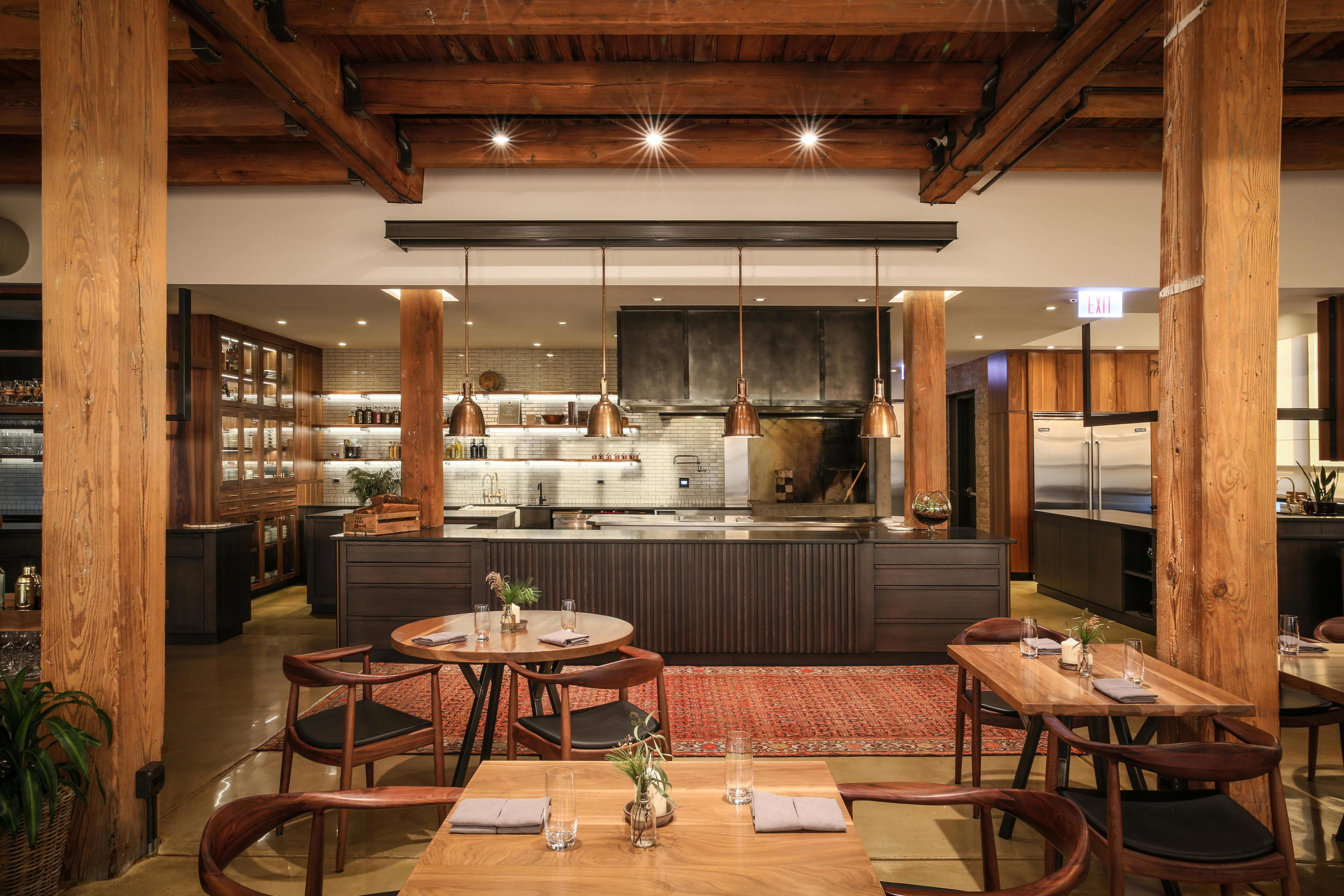
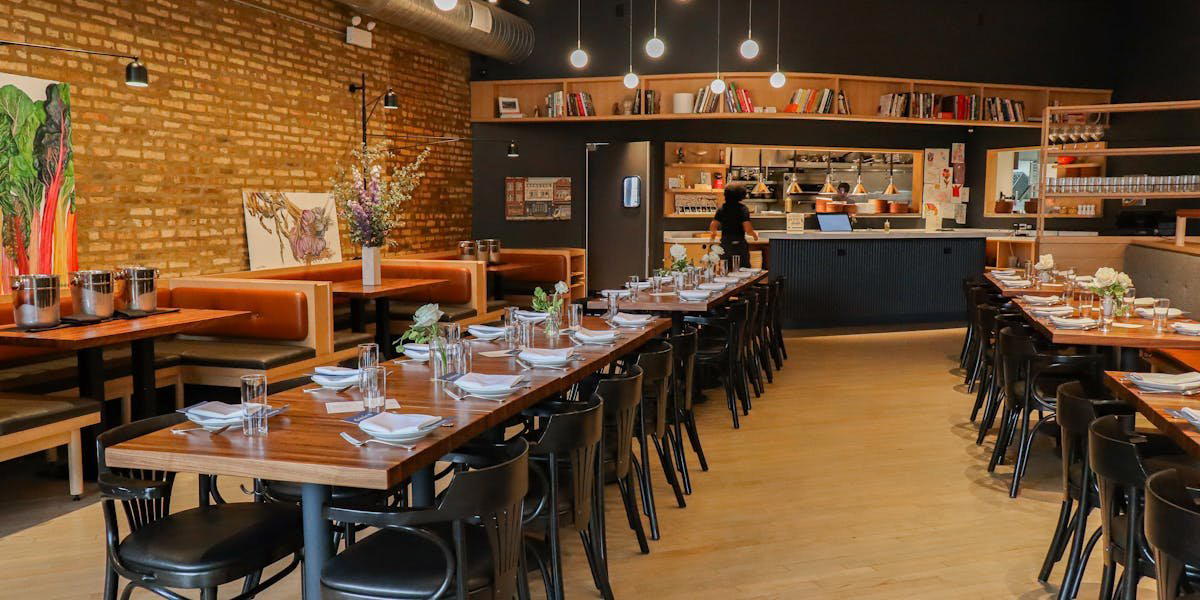
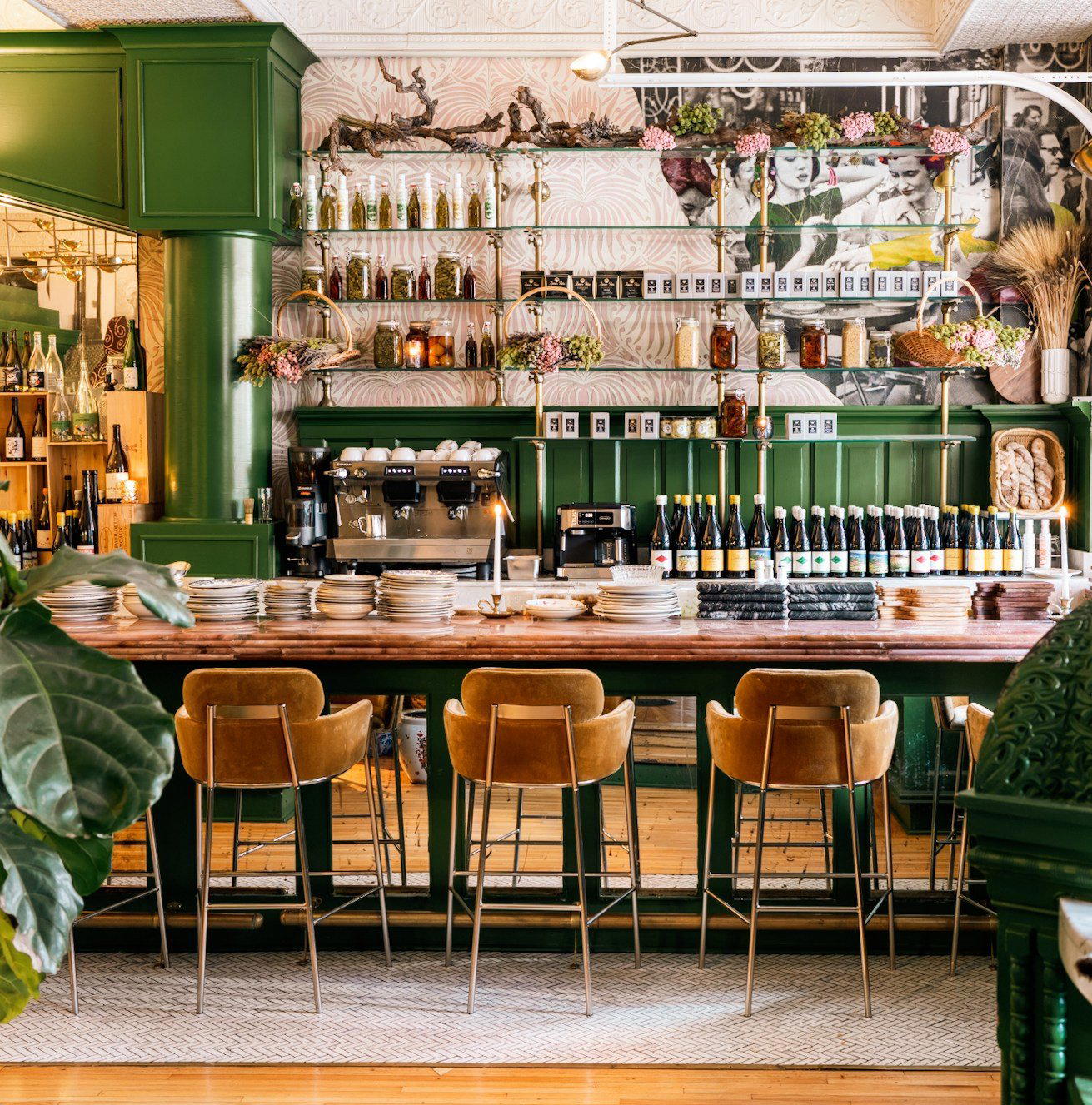
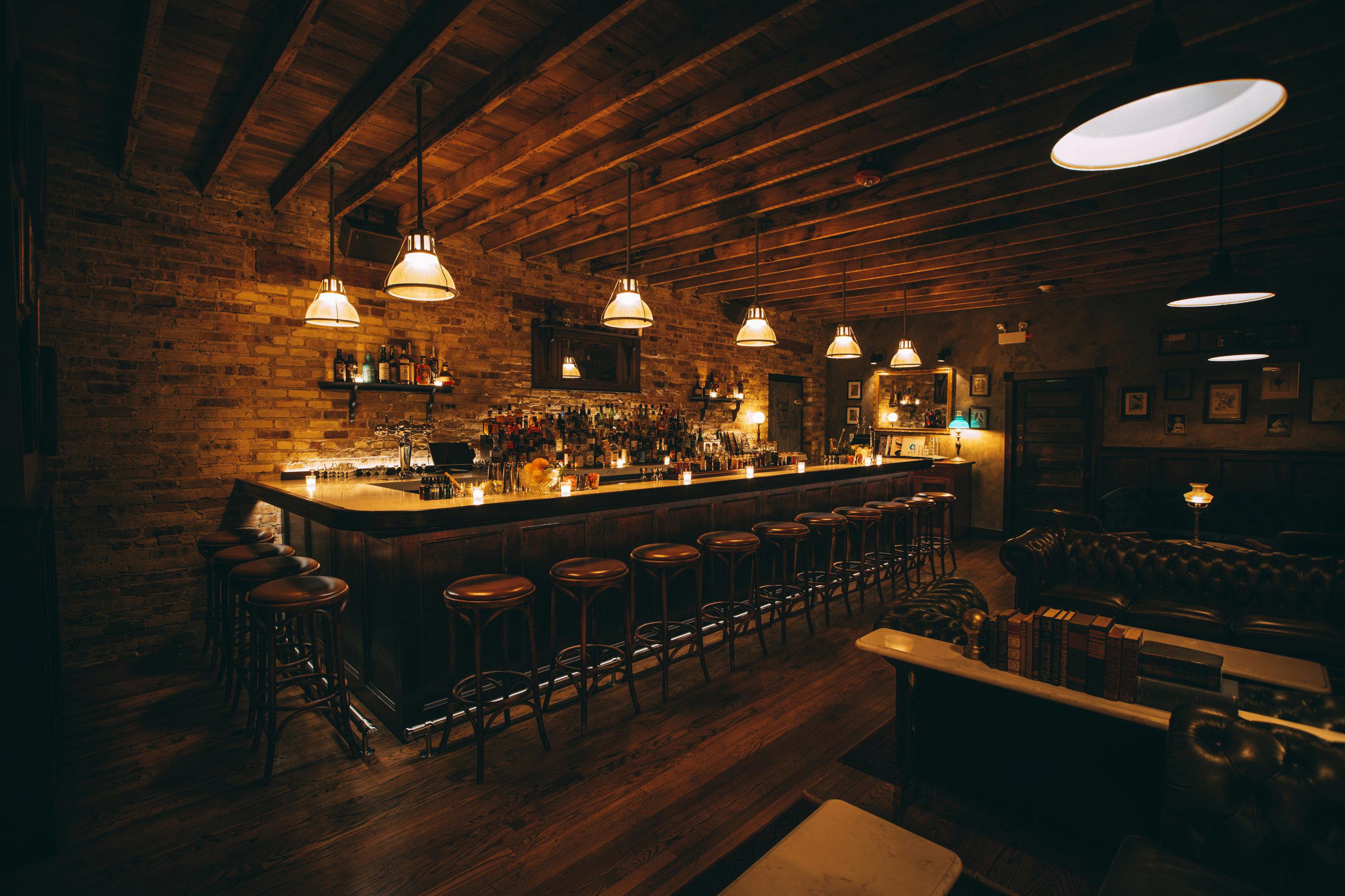
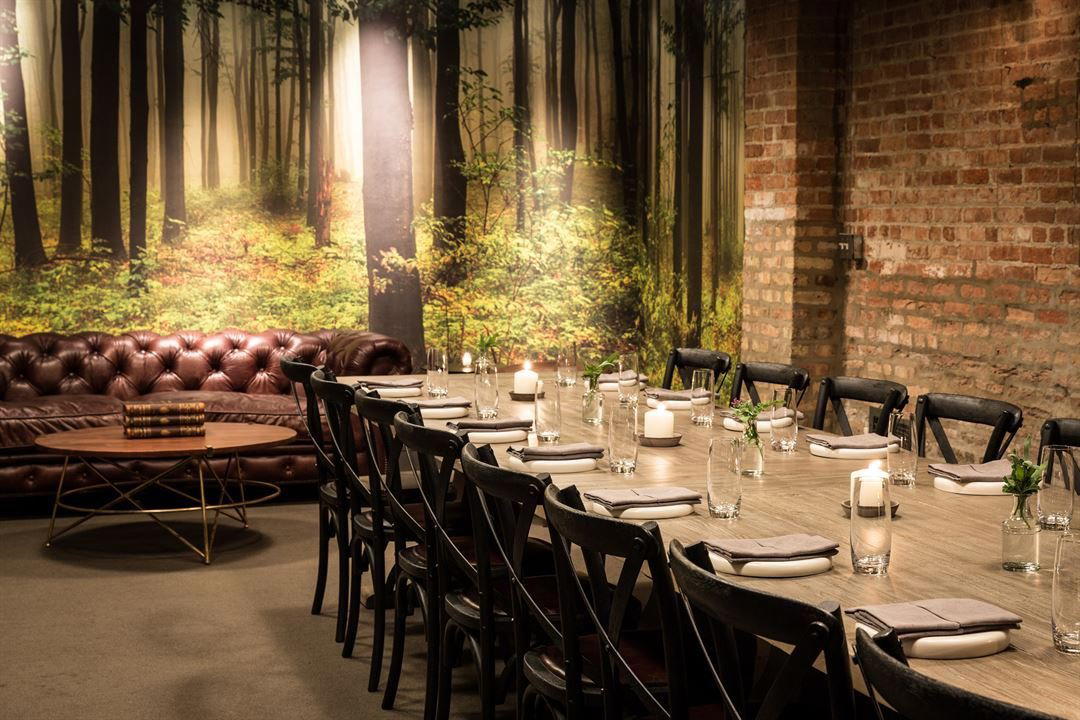
Welcoming community hub with moderate noise, suitable for families, sports fans, and romantic evenings.