Guinness Open Gate Brewery - Chicago
Guinness's Chicago outpost at 901 W Kinzie St brings the brand's experimental brewing program to the West Loop, pouring small-batch and limited-release beers unavailable at standard bars. The format sits closer to a working brewery taproom than a pub, with a daytime energy shaped by the grain and copper of its production surroundings and an evening shift that draws a more deliberate drinking crowd.
Pearl is the En Primeur Club membership app — saves, bookings, and concierge access live there. Same editors, same standards.
- Address
- 901 W Kinzie St, Chicago, IL 60607
- Phone
- +13125210900
- Website
- guinnessbrewerychicago.com
- Directions
- Get directions
 Saves & bookings on Pearl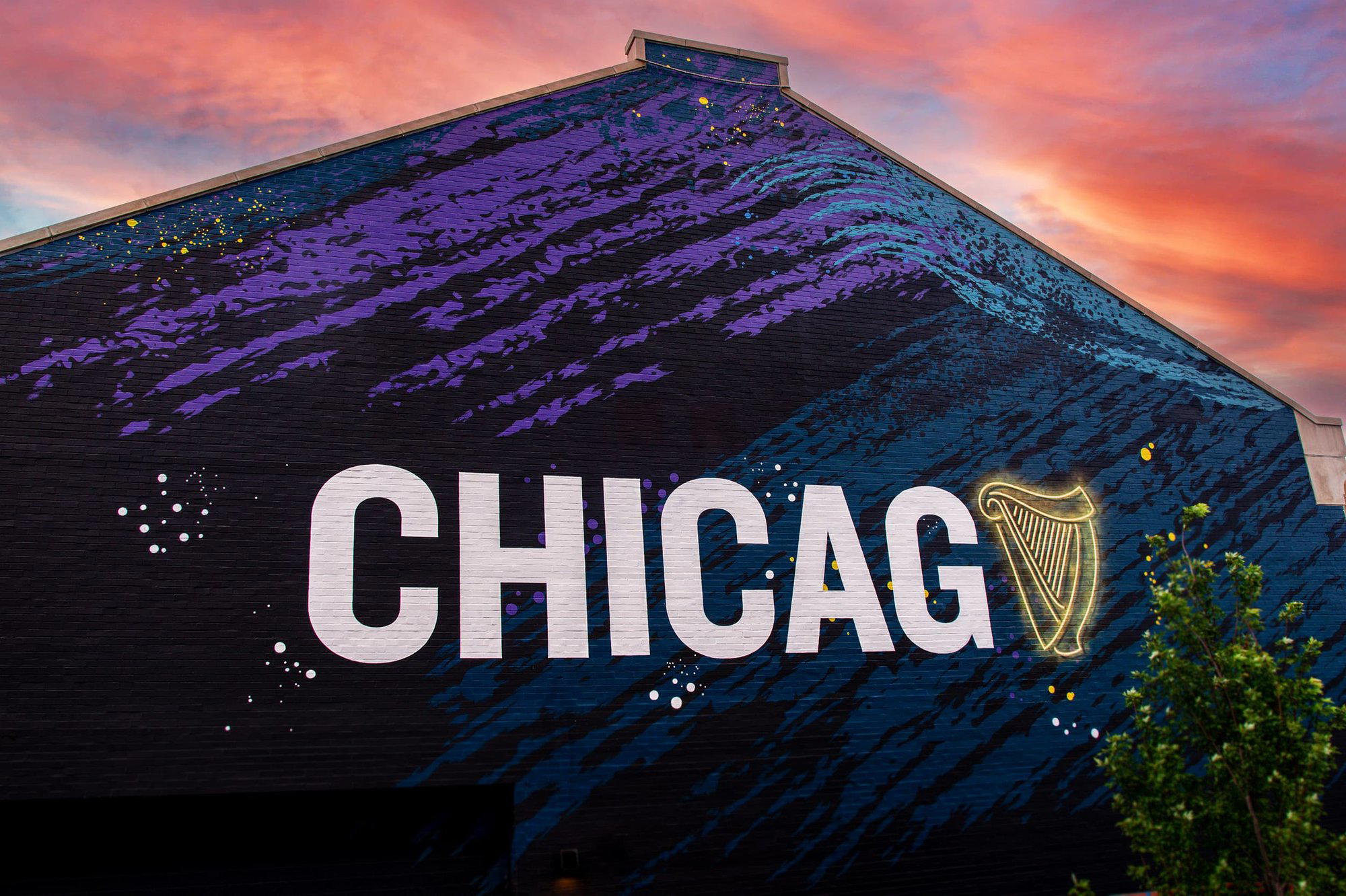
West Loop on Tap: What the Open Gate Format Actually Means
The Open Gate concept, Guinness's global platform for experimental and small-batch brewing, arrived in Chicago at 901 W Kinzie St as part of a wider push to position the brand beyond its stout identity. In the American market, brewery taprooms have split into two broad formats: high-volume tourist destinations anchored by heritage, and smaller production-forward spaces where the beer program itself is the editorial point. The Chicago Open Gate sits closer to the second category, with a working brewery sensibility that separates it from the branded pub experience most visitors associate with the name.
The West Loop address matters. The neighbourhood has spent the past decade consolidating its reputation as Chicago's most concentrated block of serious eating and drinking, with operators including Smyth and Next Restaurant drawing reservation-forward crowds a short walk away. The Open Gate lands in that context not as a fine-dining proposition but as a counterpoint, a space where the emphasis falls on what's in the glass rather than what's on the plate, and where the production environment itself shapes how the visit feels.
Daytime vs. Evening: The Divide That Defines the Experience
Distinction between how brewery taprooms function at lunch and at dinner is sharper than most visitors anticipate, and at a space like the Open Gate it structures the entire experience. Daytime visits carry an exploratory, relatively low-commitment quality. The production environment, grain, steel, the background hum of fermentation, reads as educational in the afternoon light. Visitors arriving between midday and late afternoon are typically working through a tasting arc: flagship stout against a small-batch variant, a nitro pour compared to a canned equivalent. The conversation at the bar tends to be between drinker and pour rather than between drinker and table companion.
Evening service shifts the register. The same space, as ambient light drops and the post-work crowd settles in, becomes more social and less instructive. The beer program remains the primary draw, but the rhythm changes from sampling to settling. In cities with a strong craft beer culture, and Chicago has one, running from Goose Island's origins through the current generation of neighbourhood taprooms, the evening taproom crowd expects more than a single-pint visit. The Open Gate, positioned within walking distance of operators like Kasama and steps from the broader West Loop dining corridor, benefits from functioning as either an aperitif stop or a destination in itself depending on the visitor's itinerary.
Daytime visits, particularly on weekdays, tend to offer the clearest access to the brewing staff and one uninterrupted engagement with the beer range. Weekend evenings compress both the crowd and the available attention, which is worth factoring into timing if the point is to understand the program rather than simply participate in it.
The Beer Program in Context
The Open Gate model exists specifically to serve beers that don't enter standard distribution, and it holds in Chicago. For a brand whose core product is among the more widely distributed stouts on the planet, the Open Gate functions as a deliberate inversion: small runs, experimental styles, and limited-release variants that reward the visitor who makes the specific trip to Kinzie Street rather than ordering a Guinness at the nearest bar.
Within Chicago's craft beer scene, that positioning carries weight. The city's drinking culture has long accommodated both the macro-brand flagship experience and the hyper-local microbrewery, but spaces that operate at the intersection, carrying a global brand's experimental output with production-floor credibility, occupy a smaller niche. The Open Gate's closest analogues nationally are the main Dublin facility and the Baltimore Open Gate, which opened in 2018 as Guinness's first American brewery in decades and established the format's operational DNA before Chicago followed.
For visitors accustomed to the reference points of American fine dining, Alinea, Oriole, or destination operators further afield like The French Laundry or Le Bernardin, the Open Gate represents a different category of intentional experience. The comparison isn't between tasting menus and pints; it's between experiences that reward specificity of interest. A visitor who arrives with genuine curiosity about how a nitro stout differs from a traditionally carbonated version of the same base beer will extract more from the visit than one who arrives simply because the name is familiar.
Placing It in Chicago's Broader Drinking Scene
Chicago's bar and brewery scene is broad enough that the Open Gate competes against meaningfully different alternatives depending on what the visitor prioritises. For those whose primary interest is experimental brewing, the city's neighbourhood taproom circuit, concentrated in areas like Logan Square and Pilsen, offers locally-rooted alternatives. For those whose interest is heritage and brand depth, the Open Gate provides something the neighbourhood taproom cannot: direct access to the production and experimental range of one of the world's most historically documented stout breweries.
The West Loop location also places the venue naturally in multi-stop itineraries. Chicago's dining density in this corridor, reaching from River North and Fulton Market adjacencies, means the Open Gate works as a pre-dinner stop, a post-dinner wind-down, or a standalone afternoon visit without requiring significant navigational commitment. That flexibility is part of what makes the format viable in a neighbourhood already saturated with strong dining options.
Visitors planning comparison trips across American drinking destinations will find the Open Gate sits in a different register from the wine-focused experiences at properties like Single Thread Farm or Blue Hill at Stone Barns, and from the cocktail-program seriousness of destinations in cities like San Francisco or Los Angeles. The Open Gate is beer-specific and production-adjacent.
Know Before You Go
- Address: 901 W Kinzie St, Chicago, IL 60607
- Neighbourhood: West Loop / Fulton Market District
- Format: Brewery taproom with experimental and limited-release Guinness beers not available in standard distribution
- Leading timing: Weekday afternoons for quieter access to the beer range and production environment; weekend evenings for a fuller social atmosphere
- Dress code: Casual, the production setting sets the tone
- Booking: Reservations are recommended.
- Getting there: The West Loop is well-served by CTA; confirm current transit options via the Chicago Transit Authority trip planner
Reputation First
Comparable venues nearby, for context on price, style, and recognition.
| Venue | Cuisine | Price | Notes |
|---|---|---|---|
| Guinness Open Gate Brewery - ChicagoThis venue — the venue you are viewing | Modern Irish-American Gastropub | $$ | Not listed |
| Chicago Chefs Cook | Midwest Seasonal Cuisine | Not listed | Chicago |
| Swift Tavern Wrigleyville | Modern American Tavern with Oysters and Steaks | $$ | Wrigleyville |
| 90th Meridian | Contemporary American Casual | $$ | Downtown Chicago Loop |
| Soule To Soule | Soul Food Tapas | $$ | West Town |
| Windy City Sweets | Gourmet Candy & Handmade Chocolates | $$ | Lake View East |
At a Glance
- Industrial
- Lively
- Modern
- Well Known
- Casual Hangout
- Brunch
- Group Dining
- Open Kitchen
- Beer Program
- Local Sourcing
Current opening hours
- Monday
- 11 AM–11 PM
- Tuesday
- 11 AM–11 PM
- Wednesday
- 11 AM–11 PM
- Thursday
- 11 AM–11 PM
- Friday
- 11 AM–12 AM
- Saturday
- 9 AM–12 AM
- Sunday
- 9 AM–11 PM
Hours can change for holidays and private events. Last verified .
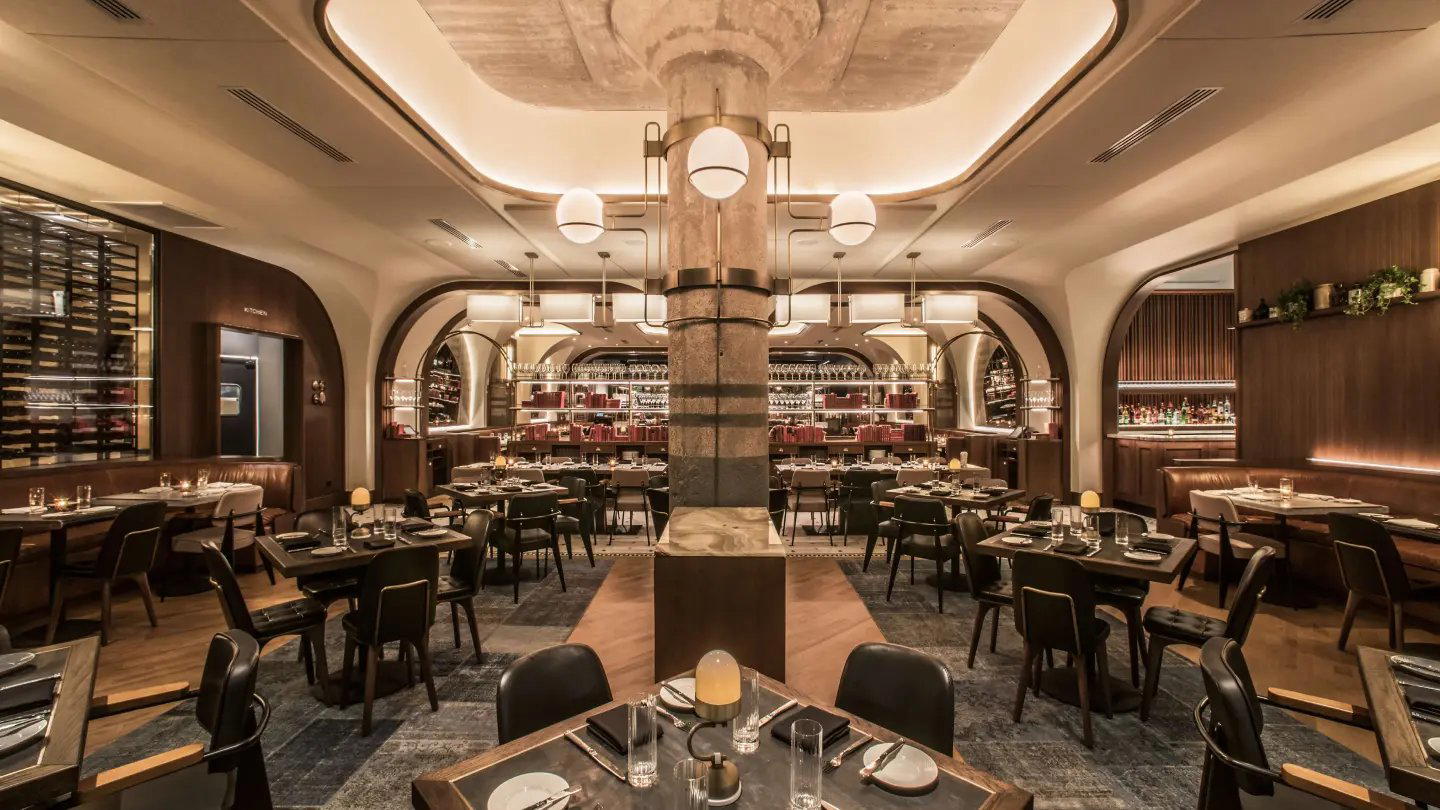
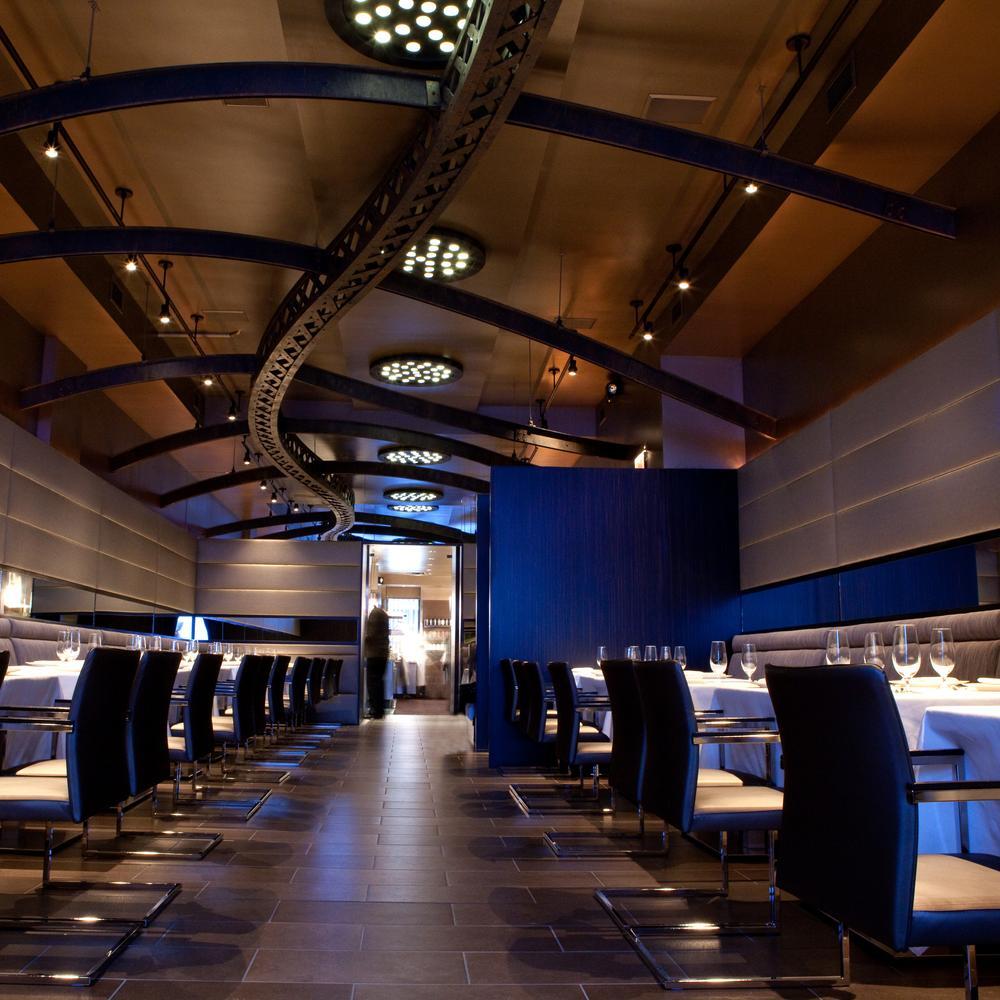
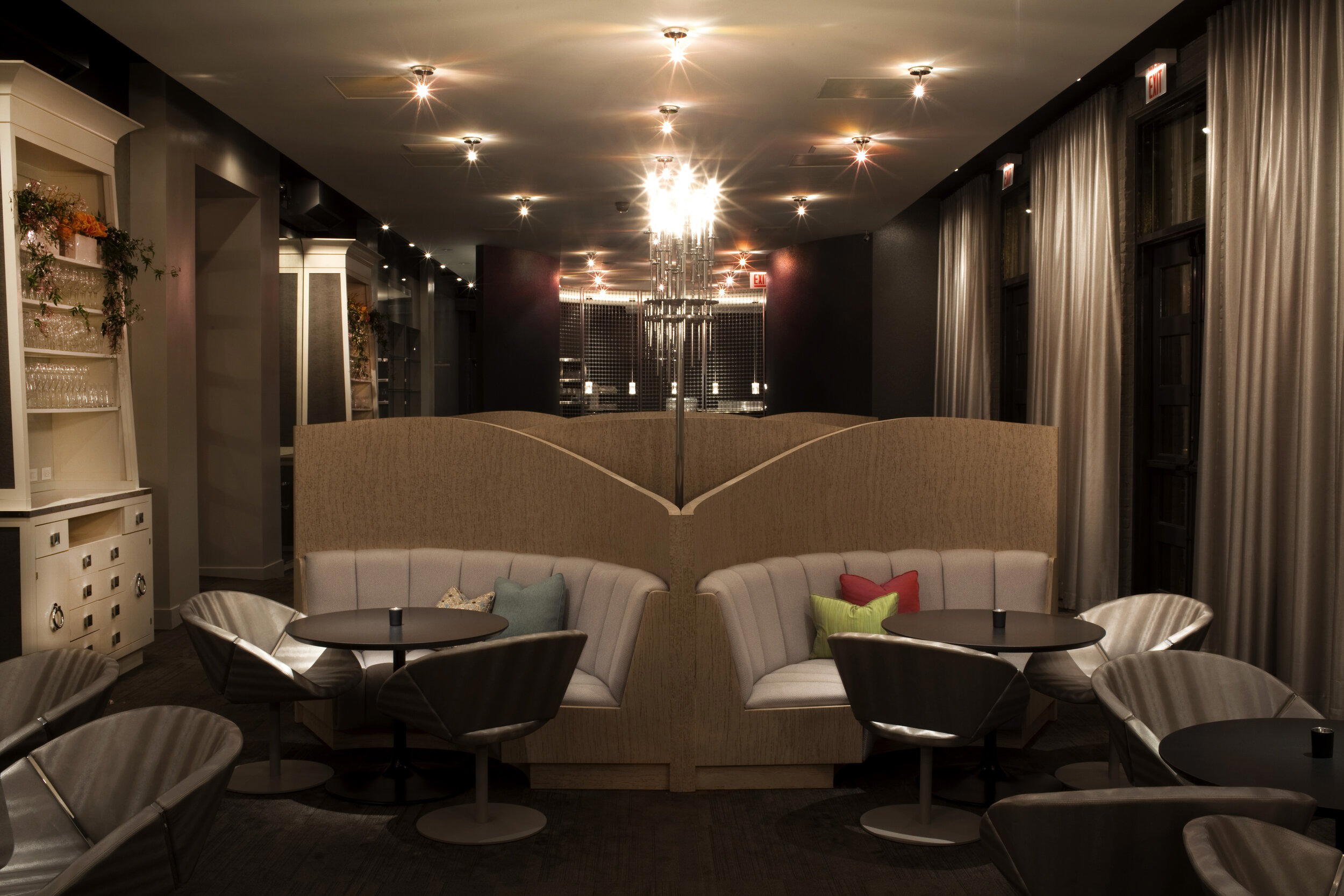
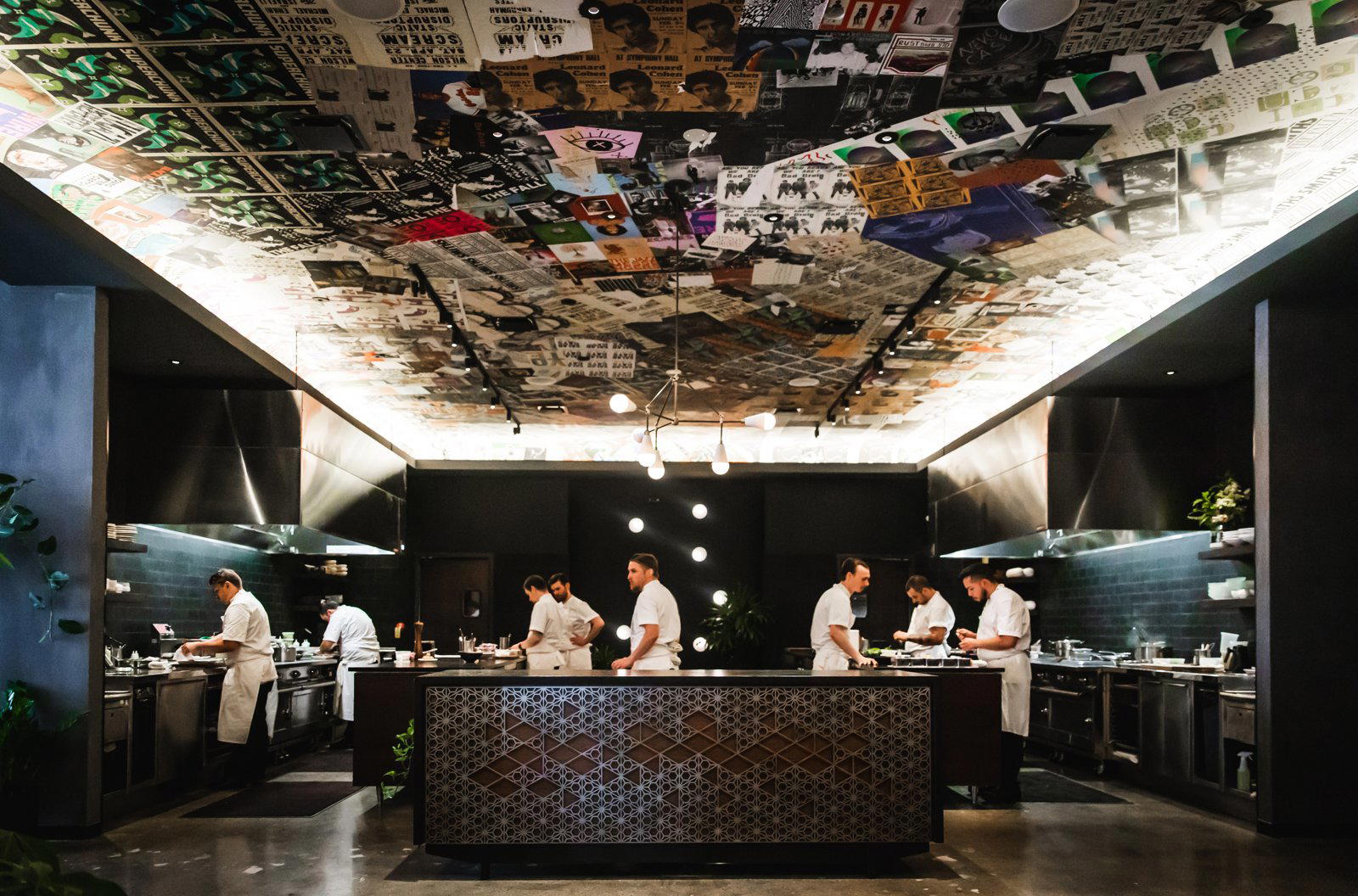
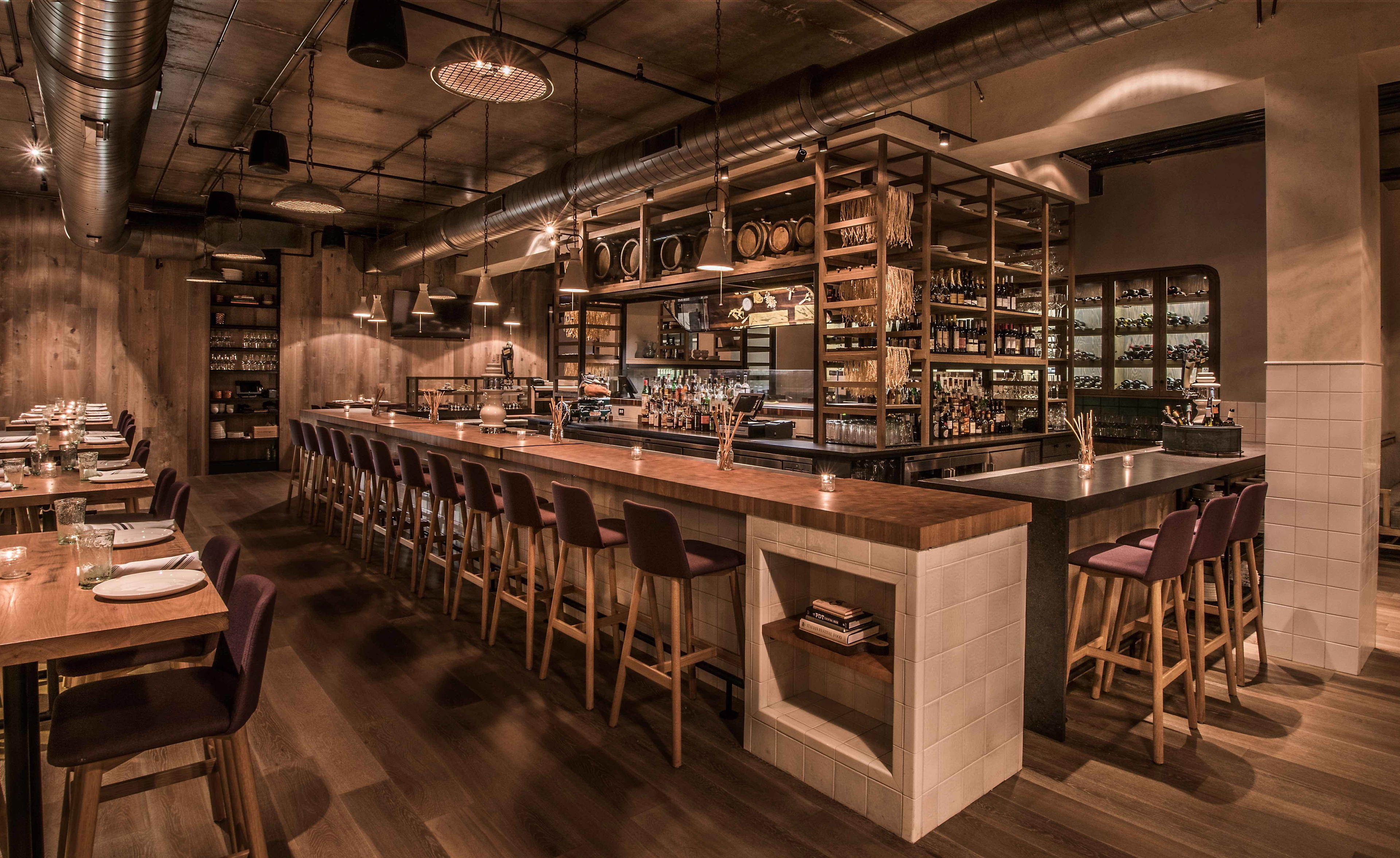
Sprawling industrial space in a former rail depot with exposed ceilings, diffuse lighting, busy dining room, and impressive brewing views.