Basho Japanese Brasserie
Basho Japanese Brasserie on Boylston Street occupies a well-traveled stretch of the Fenway corridor, where Boston's appetite for Japanese cuisine has grown considerably more sophisticated over the past decade. The brasserie format positions it between the austere counter-service end of the Japanese dining spectrum and the full-scale omakase tier represented locally by venues like 311 Omakase. For diners seeking a social, design-conscious Japanese meal without the formality of a reservation-only counter, Basho fills a specific gap in the city's lineup.
Pearl is the En Primeur Club membership app — saves, bookings, and concierge access live there. Same editors, same standards.
- Address
- 1338 Boylston St, Boston, MA 02215
- Phone
- +16172621338
- Website
- bashosushi.com
- Directions
- Get directions
 Saves & bookings on Pearl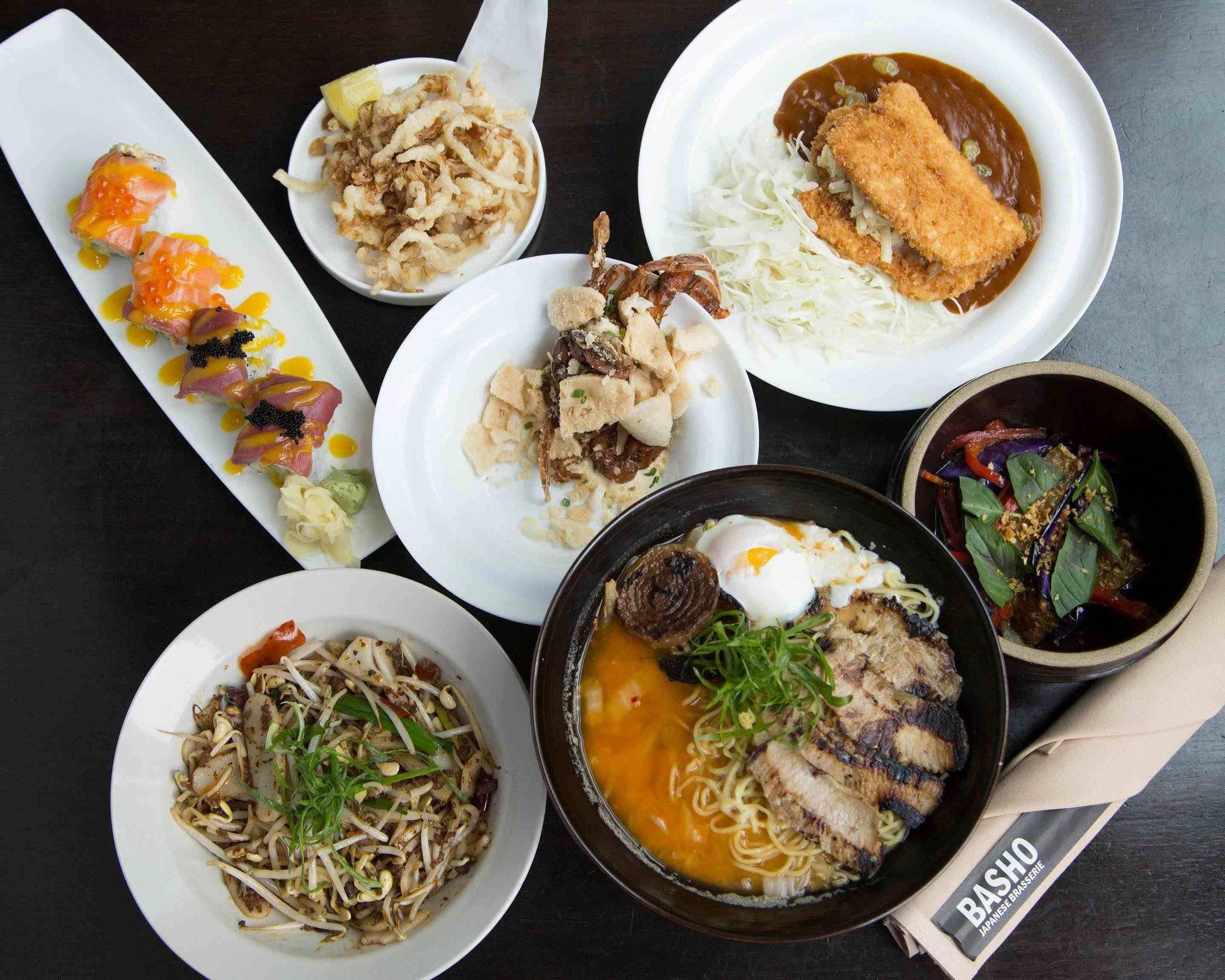
The Room Before the Food
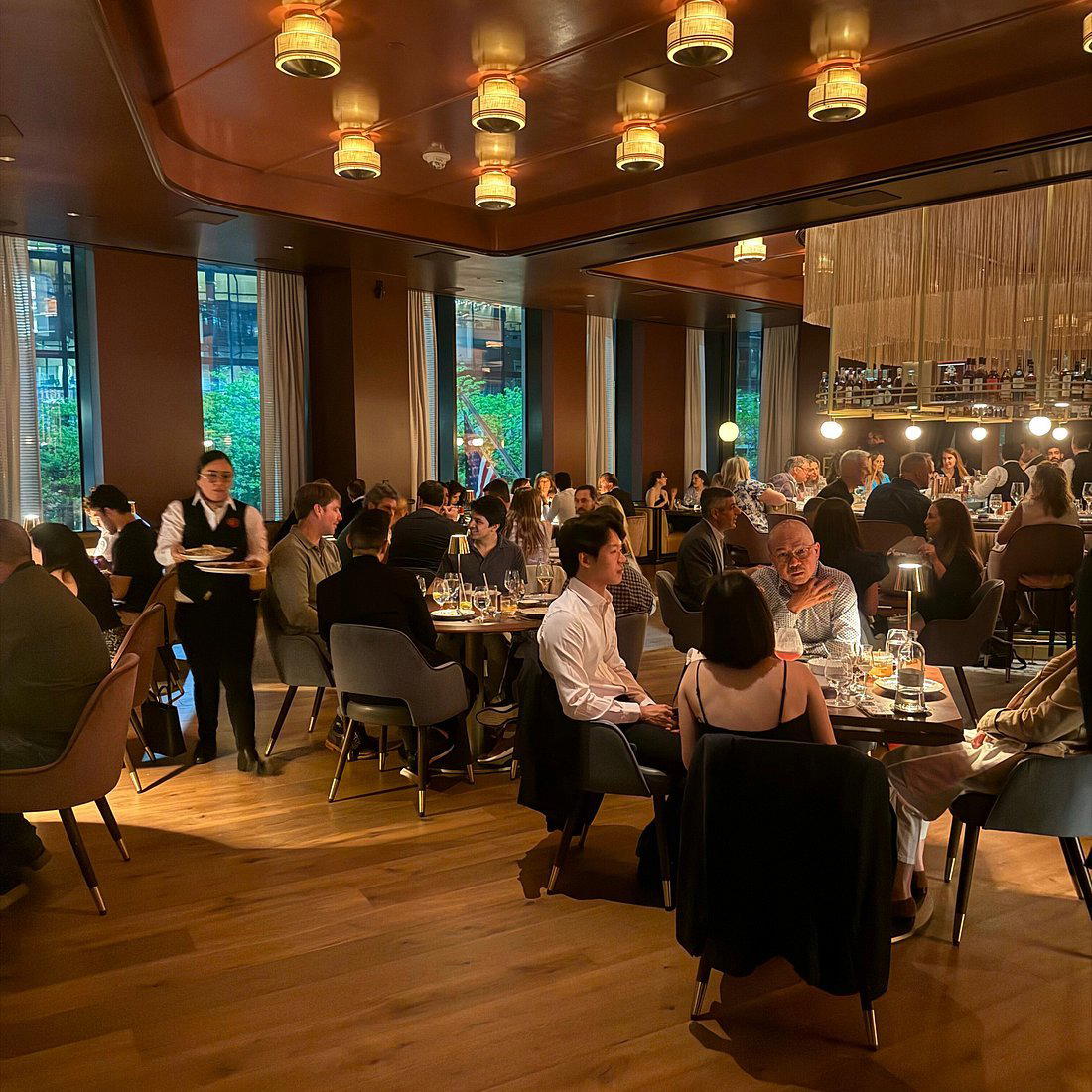
Basho Japanese Brasserie, at 1338 Boylston St, sits inside that format. The physical container of a Japanese brasserie in an American city carries its own set of expectations: clean sightlines, materials that reference Japanese design without wholesale replication, and a dining room that works for both a counter seat and a group table. These are the environmental conditions that shape a meal before a single dish arrives.
The brasserie category in Japanese dining is worth understanding on its own terms. It sits between the hyper-focused omakase counter, where the room is barely secondary to the chef's sequence, and the sprawling izakaya-style hall, where noise and volume are part of the offering. A brasserie proposes something more considered: a menu broad enough for individual preference, a room designed for the full arc of a dinner, and a price point that doesn't require the commitment of a tasting-menu ticket. In Boston, where Japanese dining has moved from a handful of sushi bars to a more layered scene, that middle register has become meaningfully competitive.
Boston's Japanese Dining Arc
Over the past fifteen years, Boston has developed a Japanese dining scene that rewards attention. The city's highest-concentration Japanese corridor shifted as neighborhoods gentrified and dining investment followed residential density. Fenway and the Back Bay corridor attracted formats that needed foot traffic and visibility; quieter neighborhoods accumulated the counter-focused, reservation-only rooms. 311 Omakase represents the austere, high-commitment end of the local Japanese spectrum, with a tight seat count and a format built entirely around chef sequence. Basho operates in a different tier: higher in ambition than fast-casual, more accessible in format than a pure omakase room.
Comparison venues in Boston's broader landscape help define Basho's position. O Ya, long a reference point for Japanese-inflected tasting menus in the city, pushed the category toward premium pricing and wine-list ambition. Basho's brasserie format implies a different calculus: broader accessibility within the same general cuisine category, a menu structure that allows ordering rather than submission, and a room designed to absorb a fuller range of occasions. That positioning is its own editorial argument about how Boston eats Japanese food in 2025.
For context on how peer cities approach this tier, that New York's Japanese brasserie segment operates with several well-capitalized rooms at a similar format scale. Atomix in New York City anchors the tasting-counter end; the middle tier is broader and more contested. Boston's version of this competition is smaller in number but not in seriousness. The Fenway location places Basho within a dining corridor that includes venues across multiple cuisines, from the seafood-forward rooms near the water to the steakhouse tier represented by Abe and Louie's a short distance away.
The Design Argument for a Brasserie
Japanese design principles, when applied to a large American dining room, create specific tension. Minimalism at scale requires discipline: materials that read clean rather than clinical, lighting that shapes zones without fragmenting the room, and furniture that signals care without tipping into hotel-lobby formality. The brasserie category demands all of this while also producing a room that feels alive during a full Saturday service, which is a harder problem than it appears.
The Boylston Street address brings its own spatial context. The Fenway corridor is not a quiet dining enclave; it carries foot traffic from the ballpark, the music venues, and the dense residential buildings that have filled in around them over the past decade. A restaurant that reads legibly from the street, holds its own acoustically during high-traffic evenings, and still signals something more considered than a sports-bar alternative is threading a specific needle. That needle is what the brasserie format is designed to thread.
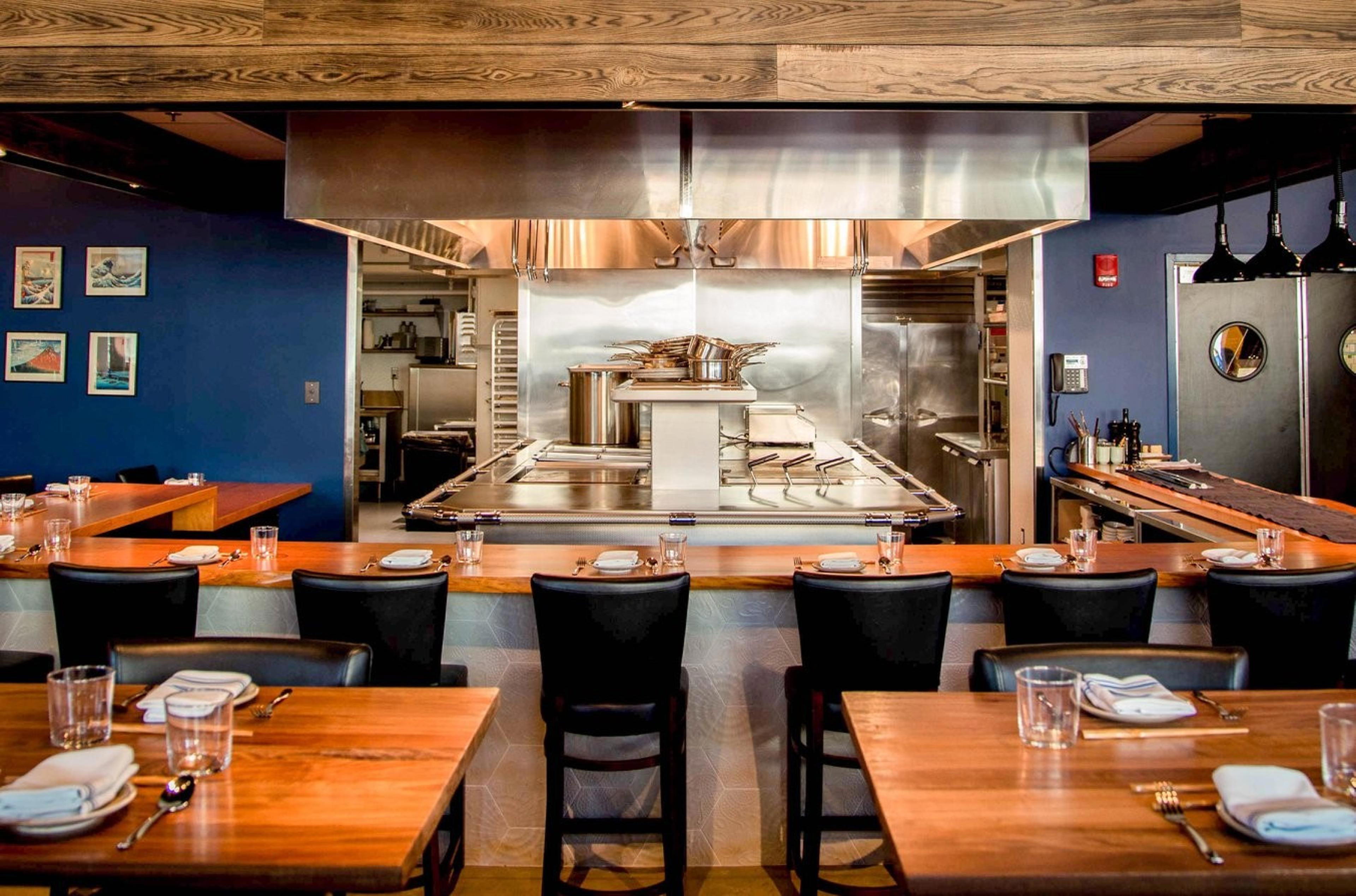
Interior seating arrangements in a brasserie-scale Japanese room typically involve a bar component, a main dining floor, and often some private or semi-private configuration for groups. The bar at a Japanese brasserie carries different significance than at an American gastropub: it's often where the sake and Japanese whisky program is displayed and where the counter experience comes closest to the izakaya register. How a room deploys those zones shapes the entire social grammar of the evening.
Where Basho Sits in Your Boston Planning
For anyone building a Boston dining itinerary, the category decisions matter as much as the individual venue choices. If the priority is the full-commitment omakase experience, 311 Omakase is the local reference. If the interest is in how Boston's waterfront restaurants handle occasion dining, 1928 Rowes Wharf and 75 on Liberty Wharf anchor that end of the map. For Portuguese-inflected chef's counter work, Agosto represents a distinct local argument about what a tasting-format room can do.
Basho positions itself as the Japanese brasserie option on a Boylston corridor that has room for exactly that format. The question for a visitor or local is whether the brasserie register fits the occasion in question. For a dinner that needs to work for a mixed group with varied dietary preferences, a room that doesn't require a shared-menu commitment has structural advantages. For a solo diner or a couple who want the full focused-counter experience, the omakase tier will deliver a different kind of evening.
Practically, Boylston Street is accessible from multiple T stops on the Green Line, and the Fenway area has sufficient parking infrastructure for those arriving by car, though evening events at nearby venues can tighten availability on weekend nights. Reservations via the restaurant's direct channels are advisable for weekend service; the Fenway corridor's event calendar creates demand spikes that a walk-in strategy will not reliably absorb.
For readers building a broader frame of reference across American Japanese dining at different price points and formats, our coverage of Le Bernardin in New York City, Providence in Los Angeles, and Smyth in Chicago tracks how serious dining rooms operate across the country.
Cuisine-First Comparison
Comparable venues nearby, for context on price, style, and recognition.
| Venue | Cuisine | Price | Notes |
|---|---|---|---|
| Basho Japanese BrasserieThis venue — the venue you are viewing | Modern Japanese Izakaya Brasserie | $$$ | Not listed |
| Irashai Sushi | Authentic Japanese Sushi | $$ | Chinatown |
| Battery Wharf Grille | Modern New England Seafood | $$$ | North End |
| Empire | Contemporary Pan-Asian | $$$ | South Boston Waterfront |
| SAVR | Spirited American Bistro | $$$ | South Boston Waterfront |
| Bey | Modern Lebanese | $$$ | South End |
Continue exploring
More in Boston
Restaurants in Boston
Browse all →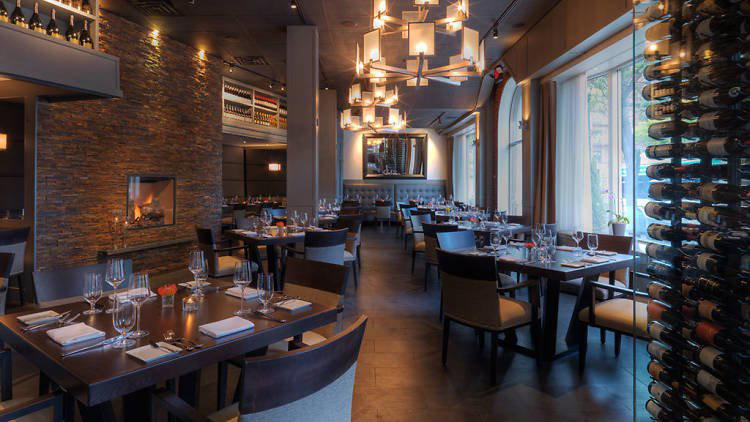
Bars in Boston
Browse all →
Hotels in Boston
Browse all →
Wineries in Boston
Browse all →
At a Glance
- Modern
- Trendy
- Sophisticated
- Date Night
- Group Dining
- Casual Hangout
- Open Kitchen
- Private Dining
- Terrace
- Sake Program
- Craft Cocktails
- Street Scene
Current opening hours
- Monday
- 11:30 AM–9 PM
- Tuesday
- 11:30 AM–9 PM
- Wednesday
- 11:30 AM–9 PM
- Thursday
- 11:30 AM–9 PM
- Friday
- 11:30 AM–10 PM
- Saturday
- 12–10 PM
- Sunday
- 12–9:30 PM
Hours can change for holidays and private events. Last verified .
Sleek, trendy modern atmosphere with floor-to-ceiling windows, cool bar/lounge vibe, and zen-inducing music.