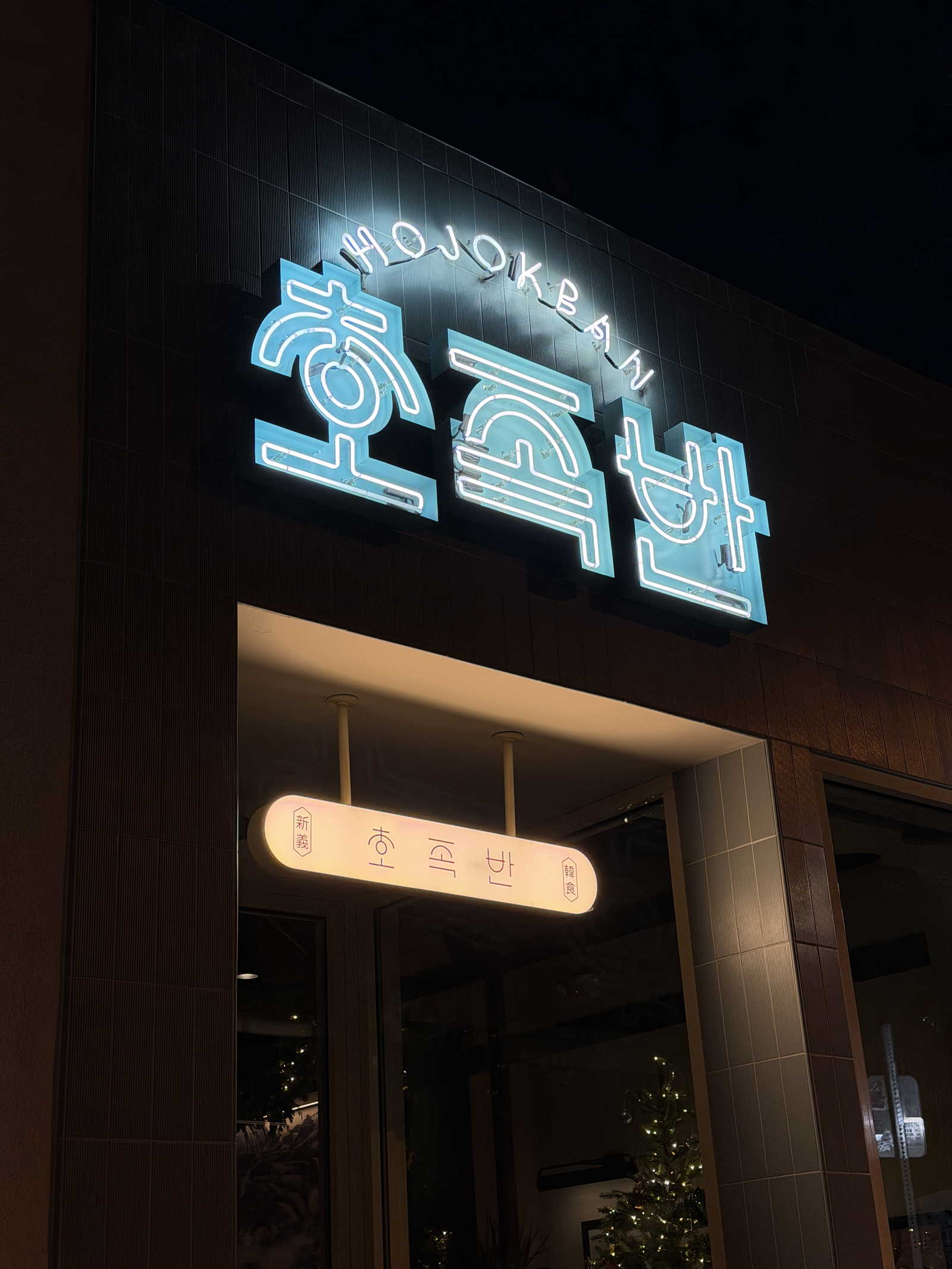
Hojokban
Our verdict
Hojokban brings the formal multi-course tradition of Korean hanjeongsik to the Arts District at 734 E 3rd St, operating within a Los Angeles Korean dining scene that has expanded well beyond Koreatown. The address places it among a cluster of destination restaurants where the format and sourcing matter as much as the food itself.

Pearl is the En Primeur Club membership app — saves, bookings, and concierge access live there. Same editors, same standards.
- Address
- 734 E 3rd St, Los Angeles, CA 90013
- Hours
- Mon–Thu 5–9 PMFri–Sat 5–10 PMSun 5–9 PM
- Website
- hojokban.com
- Directions
- Get directions
The menu
What to order
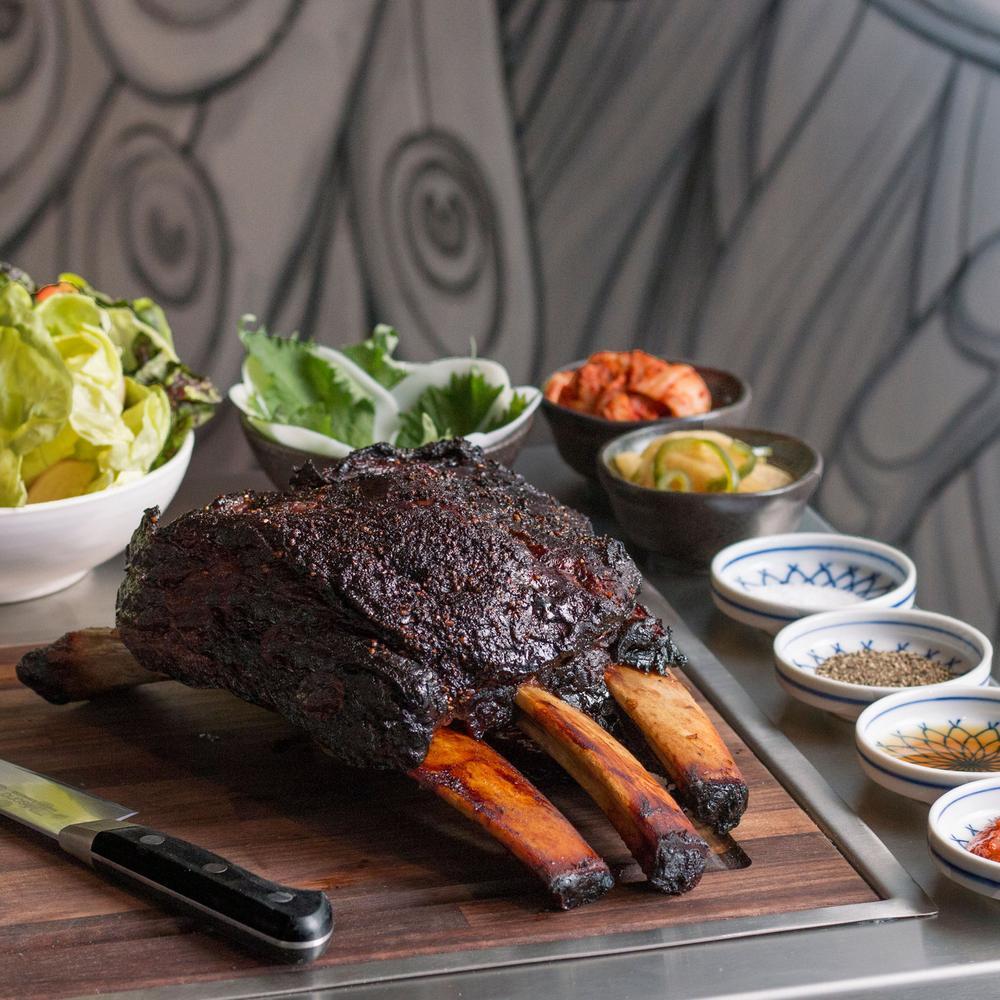
- Hojok Galbi
- Truffle Jjajangmyeon
- Salmon Ssambap
The Formal Korean Table in an Unlikely Postcode
Los Angeles has one of the most developed Korean restaurant ecosystems outside the Korean peninsula, and for years that ecosystem was almost entirely contained within Koreatown's dense corridor of barbecue halls, tofu houses, and late-night pojangmacha-style spots. The Arts District changed that calculus. As the neighbourhood filled with destination dining — the kind of room where format and sourcing carry the same weight as flavour — Korean operators began finding footholds east of downtown. Hojokban at 734 E 3rd St is among the most interesting of those placements, bringing a cuisine grounded in centuries of court tradition into a neighbourhood better known for progressive tasting menus and natural wine.
What Hanjeongsik Actually Means
To understand what Hojokban is doing, it helps to understand the tradition it draws on. Hanjeongsik, the Korean term for a formal full-course table, traces its architecture to Joseon Dynasty royal court dining, where meals arrived as an orchestrated sequence of banchan, rice, soup, and main dishes rather than a single centrepiece plate. The number of dishes served at court was codified by rank: twelve for royalty, nine for nobility, seven for common guests. That graduated precision survives in contemporary hanjeongsik restaurants, where the act of presenting dozens of small preparations simultaneously is less a performance of abundance than a structural statement about balance. Each dish on the table is calibrated against every other dish, fermented against fresh, mild against pungent, cold against warm.
Seoul's most recognised practitioners of this format, including Kwonsooksoo and Mingles, have pushed the tradition into tasting-menu territory, earning international recognition in the process. That Seoul context matters when reading LA's version of the format: the question is not simply whether the food is well-executed, but how a restaurant in California interprets a genre that carries considerable institutional weight in its country of origin.
The Arts District as Context
Positioning a formal Korean table in the Arts District rather than Koreatown is a deliberate editorial signal. Koreatown's dining culture runs on volume, accessibility, and late hours, virtues well suited to BCD Tofu House and the neighbourhood's barbecue density, less suited to the contemplative pacing that hanjeongsik requires. The Arts District, by contrast, has established expectations for considered multi-course formats. Nearby rooms like Kato and Camphor have primed the local audience for the kind of meal where progression and sequencing are the point, not a constraint. That priming is an advantage Hojokban inherits simply by sharing a postcode with them.
The address at E 3rd St also places Hojokban within walking distance of a broader set of destination-grade rooms, a concentration that rewards visitors who plan a multi-stop evening. For logistics and accommodation, our full Los Angeles hotels guide maps the closest options to the Arts District cluster. Those building a wider LA itinerary around formal dining should also consult our full Los Angeles restaurants guide for the current shape of the market.
Formal Korean dining in Los Angeles occupies a narrower tier than it does in Seoul, but the tier is more sophisticated than it was five years ago. At the mid-register end, restaurants like Danbi and Dha Rae Oak have established a grammar of refined Korean cooking that doesn't depend on barbecue as its anchor. Hojokban operates at the more structured end of that range, where the meal's architecture, the sequencing, the banchan selection, the relationship between fermented and fresh preparations, carries as much information as any single dish.
That places it in a different competitive conversation from the neighbourhood's progressive tasting rooms. Vespertine and Hayato, for instance, operate in the same broad price tier but ask a fundamentally different question of their kitchens. Hanjeongsik's complexity is additive and horizontal rather than vertical: the achievement is in managing many preparations simultaneously at a high level, not in a single technically demanding centrepiece course. That difference matters for how you read the experience, and for how you book it.
The Wider Table: Related Formats Worth Knowing
Readers who want to triangulate Hojokban against other formal formats should note that the LA market now supports several distinct models of considered Korean dining. Hangari Kalguksu and Jeong Yuk Jeom represent different registers of the city's Korean offer, the former organised around handmade noodles, the latter around premium beef, and both illuminate by contrast what the hanjeongsik format prioritises. None of these rooms are interchangeable; each one is an argument for a particular way of eating Korean food.
Nationally, the formal multi-course tradition finds its closest analogues not in Korean restaurants but in the broader tasting-menu circuit. Alinea in Chicago and The French Laundry in Napa operate in adjacent structural territory, meals where sequence and composition carry as much authority as individual dishes. The comparison is useful not to conflate the traditions but to establish that audiences comfortable with those formats have the patience and attention that hanjeongsik rewards. Single Thread Farm in Healdsburg, Lazy Bear in San Francisco, Le Bernardin in New York, and Emeril's in New Orleans each occupy their own distinct register, but all share the conviction that structure is itself a form of hospitality.
Planning a Visit
Hojokban is located at 734 E 3rd St in the Arts District, a neighbourhood most easily reached by car or rideshare from downtown Los Angeles. Street parking on E 3rd St is available but limited during evening service; arriving by rideshare is the more reliable option. The Arts District's dining concentration means post-dinner bar options are within walking distance, our full Los Angeles bars guide covers the current short list. Visitors interested in the city's broader dining and cultural programme should also reference our full Los Angeles experiences guide and our full Los Angeles wineries guide for a complete picture of what the region offers.
Frequently asked questions
How far ahead should I plan for Hojokban?
Formal Korean dining in Los Angeles outside of Koreatown draws a specific, returning audience, and seats at venues operating this format tend to move faster than the cuisine's general profile might suggest. Booking at least one to two weeks ahead is a reasonable baseline, though weekend demand at 734 E 3rd St may require more lead time. Checking availability early in the week gives the clearest picture.
What is Hojokban known for?
Hojokban is known for presenting hanjeongsik — the formal full-course Korean table — in Los Angeles's Arts District rather than in Koreatown, where the city's Korean dining has historically concentrated. That location choice is itself a statement: the format here is positioned as a considered dining event, not a neighbourhood staple. It occupies a narrow tier of formal Korean restaurants that has grown more sophisticated in LA over the past five years.
Cuisine-First Comparison
Comparable venues nearby, for context on price, style, and recognition.
| Venue | Cuisine | Price | Notes |
|---|---|---|---|
| HojokbanThis venue — the venue you are viewing | Modern Korean | $50–100 | Not listed |
| Terracotta | Korean-Asian Fusion with Japanese Influences | $50–100 | Wilshire Center |
| The Mulberry | Modern Korean-American Bistro | Not listed | Sawtelle |
| Road to Seoul Korean BBQ | All-You-Can-Eat Korean BBQ | $20–30 | Harvard Heights |
| Cho Dang Gol | Traditional Korean Tofu House | Not listed | Not listed |
| mdk noodles | Traditional Korean Noodle House | $10–20 | Wilshire Center |
Continue exploring
More in Los Angeles
Restaurants in Los Angeles
Browse all →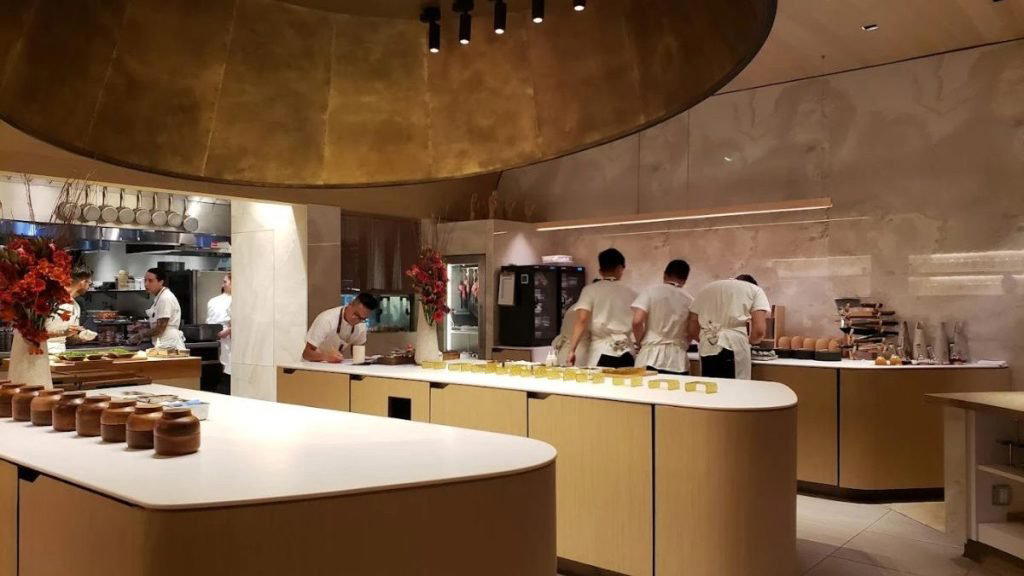
Bars in Los Angeles
Browse all →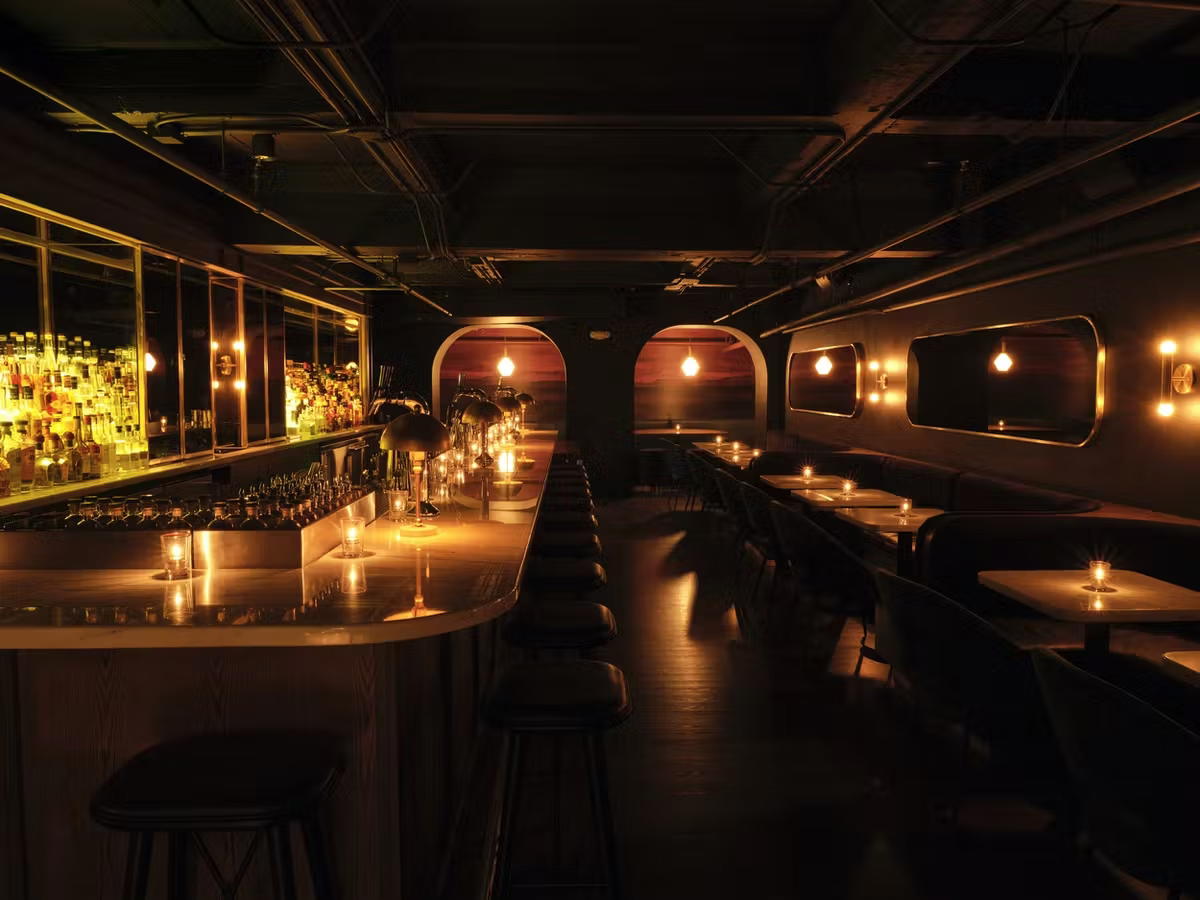

Hotels in Los Angeles
Browse all →
Wineries in Los Angeles
Browse all →
Details
- Trendy
- Modern
- Lively
- Sophisticated
- Date Night
- Group Dining
- Open Kitchen
- Sake Program
- Craft Cocktails
- A La Carte
- Small Plates
- Soju
- Makgeolli
- Vegetarian Friendly
Current opening hours
- Monday
- 5–9 PM
- Tuesday
- 5–9 PM
- Wednesday
- 5–9 PM
- Thursday
- 5–9 PM
- Friday
- 5–10 PM
- Saturday
- 5–10 PM
- Sunday
- 5–9 PM
Hours can change for holidays and private events. Last verified .
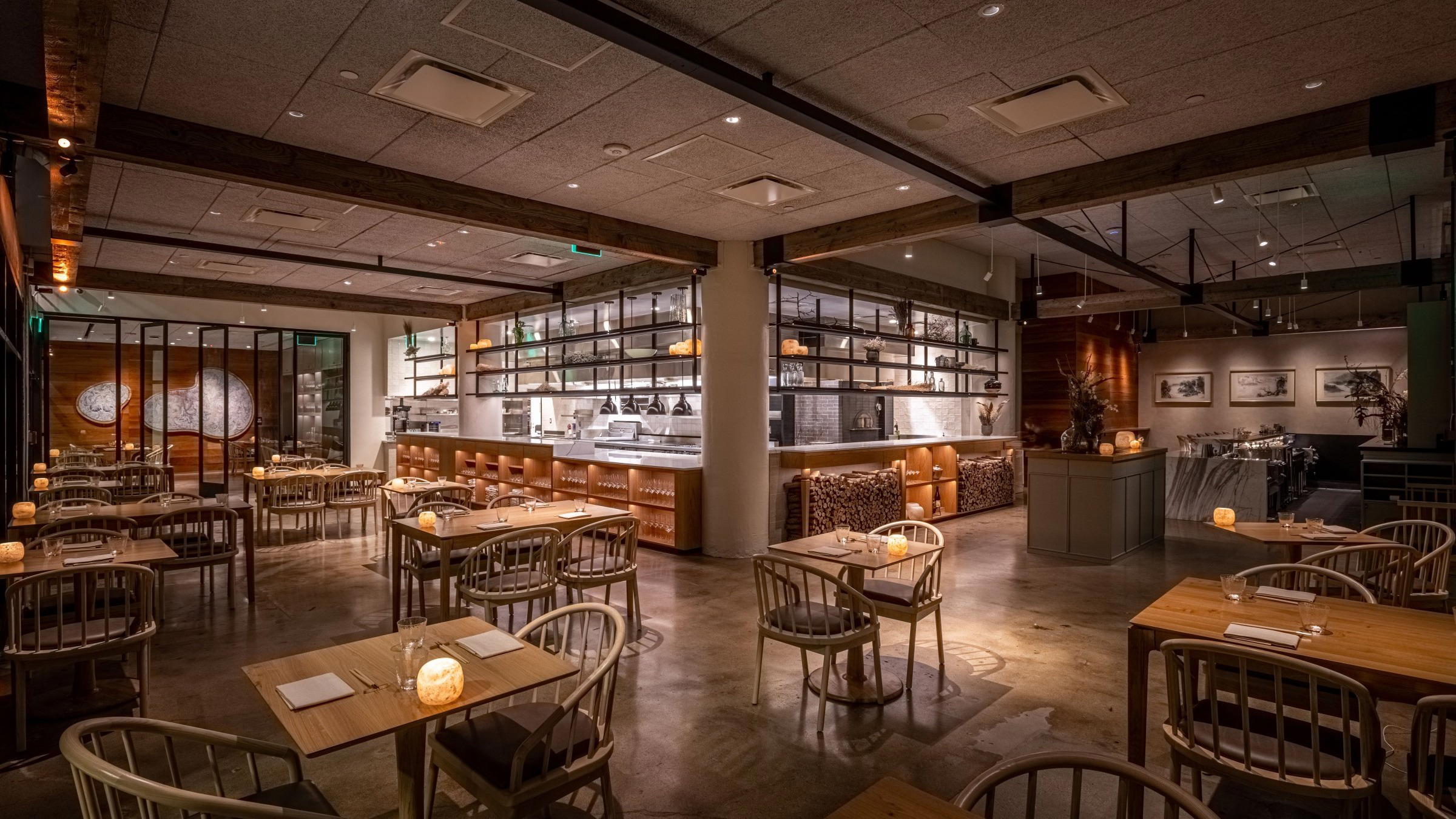
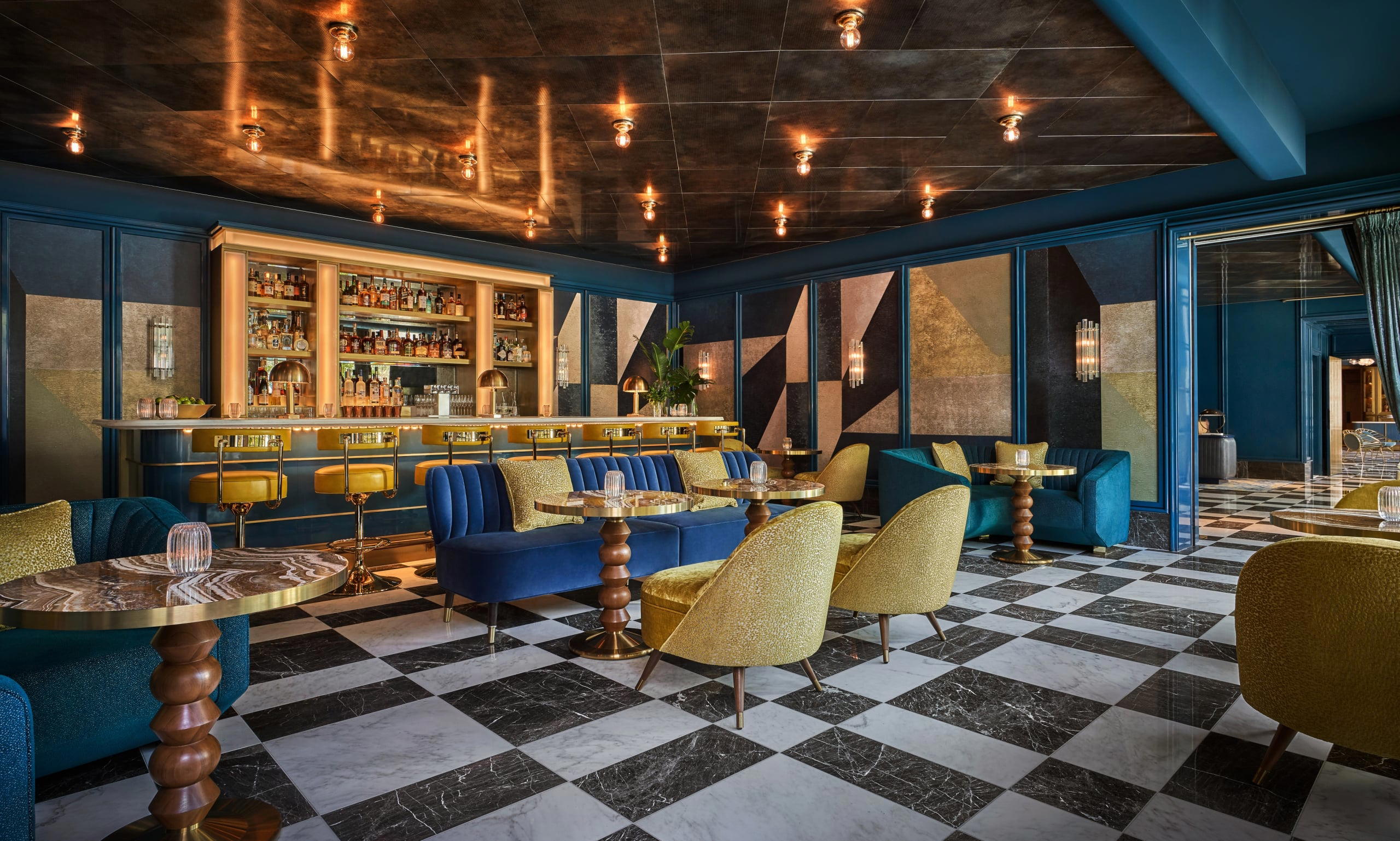
Dim lighting, long stone bar, polished and fun atmosphere ideal for getting dressed up or group nights out.