Skip to Main Content
Korean Asian Fusion With Japanese Influences
← Collection
Price≈$50
Dress CodeSmart Casual
ServiceUpscale Casual
NoiseLively
CapacityMedium

Located on Wilshire Boulevard in the Koreatown corridor, Terracotta occupies a stretch of Los Angeles where dining ambitions frequently outpace neighbourhood expectations. The address places it inside a dense, competitive dining belt that has quietly become one of the city's more interesting testing grounds for serious restaurant concepts. Reservations and current menu details are best confirmed directly with the venue.

Pearl is the En Primeur Club membership app — saves, bookings, and concierge access live there. Same editors, same standards.

Plan your visit on PearlPlan Your Visit
Address
3760 Wilshire Blvd, Los Angeles, CA 90010
Phone
+12139290001
Terracotta restaurant in Los Angeles, United States
About

Wilshire's Shifting Dining Belt and Where Terracotta Fits

The corridor running along Wilshire Boulevard through Koreatown and into Midtown Los Angeles has spent the better part of a decade repositioning itself. What was once understood primarily as a destination for Korean barbecue and late-night tofu stews has broadened considerably, as independent operators have moved into the area's older commercial buildings, drawn by rent structures that still allow for smaller, more considered restaurant formats. Terracotta, at 3760 Wilshire Blvd, is a restaurant serving Korean-Asian Fusion with Japanese Influences at a price tier of about $50 per person.

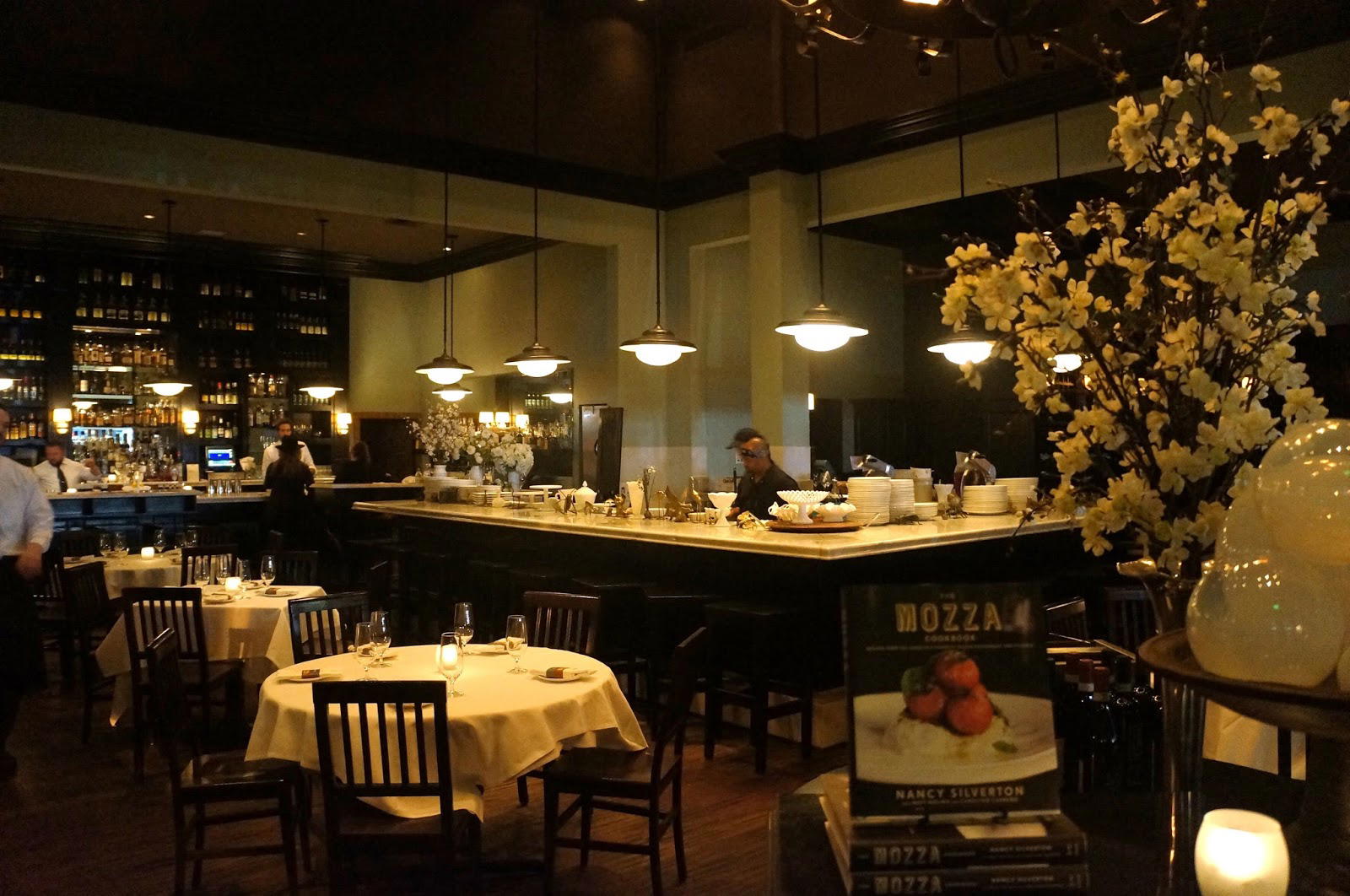
Los Angeles dining at the upper tier has fragmented in productive ways. The city no longer resolves into a single fine dining hierarchy. Instead, it operates through clusters: the westside seafood-driven counter at Providence, the precise Taiwanese progression at Kato, the architectural theatre of Somni, the Italian anchor of Osteria Mozza, the kaiseki discipline at Hayato. The Wilshire corridor, by contrast, is still defining its lane, which makes it a notable address to open something with intention.

The Physical Container: Reading a Restaurant Through Its Architecture

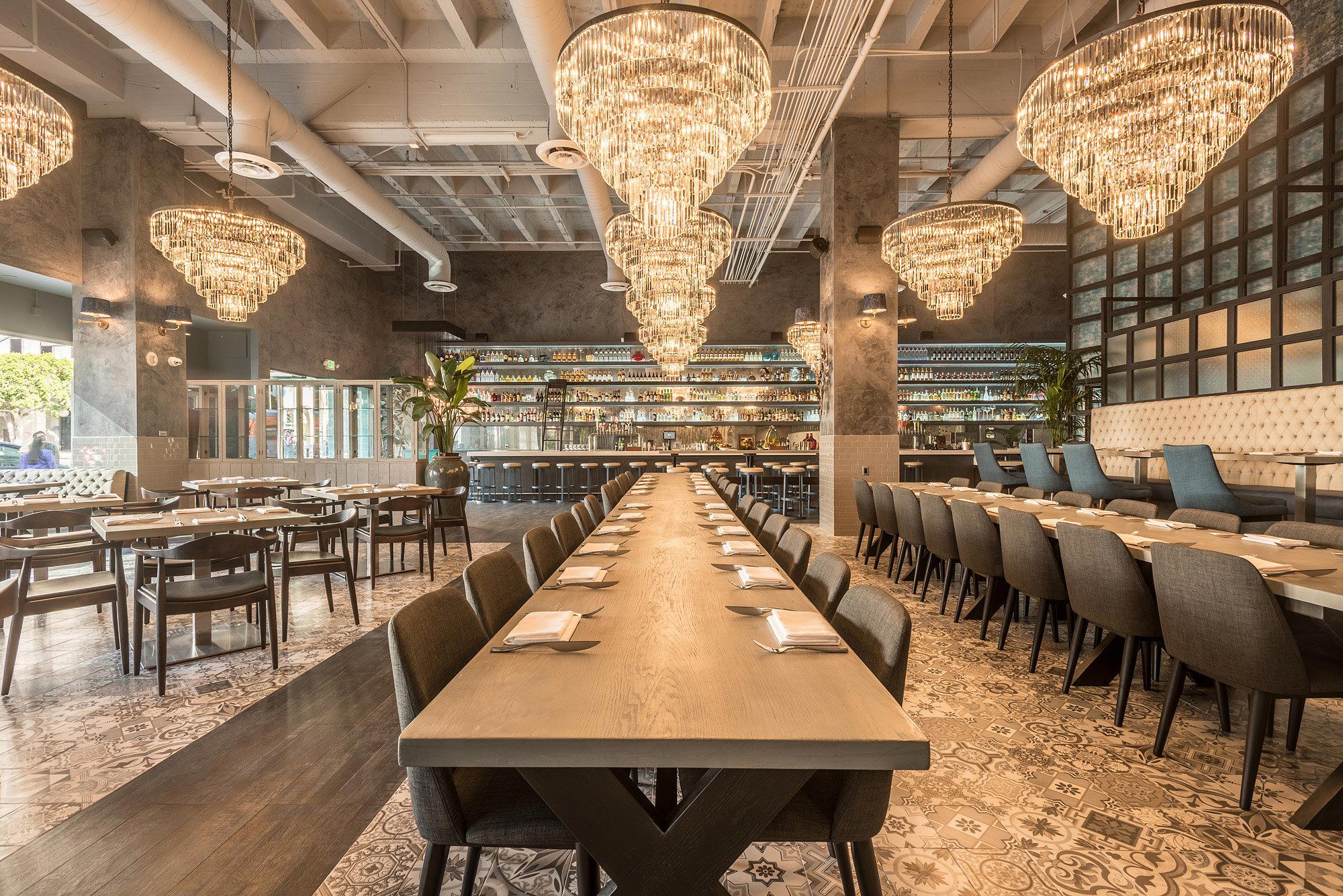
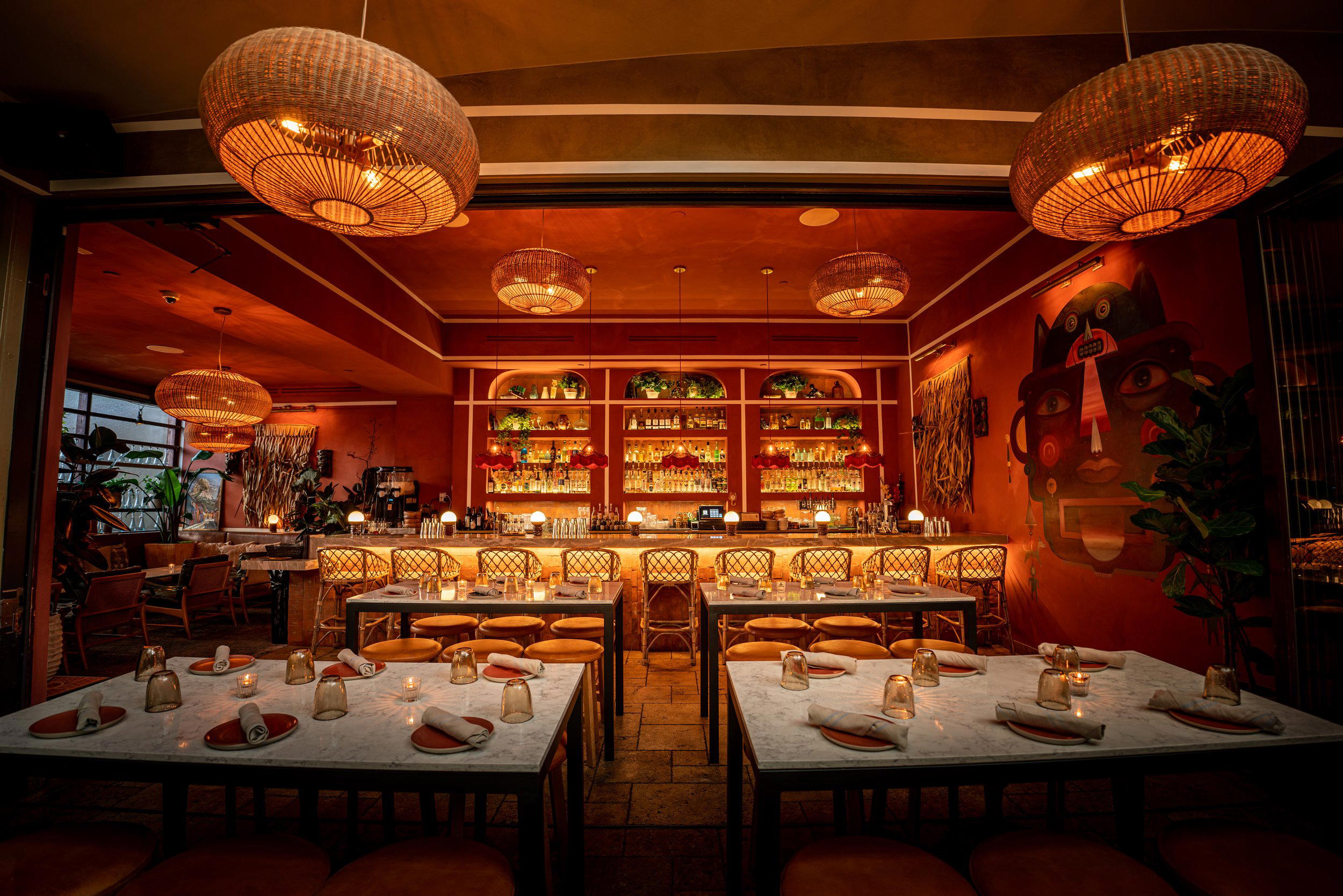
In cities where dining culture has matured past novelty, the interior of a restaurant functions as an argument. The materials, proportions, and seating logic tell you what kind of experience the operator is building toward before a single dish arrives. Terracotta's name gestures toward a specific material register: fired earth, warm oxide tones, the kind of tactile vocabulary that places a room in dialogue with Mediterranean and Latin American design traditions. The naming decision itself is a positioning signal worth reading carefully.

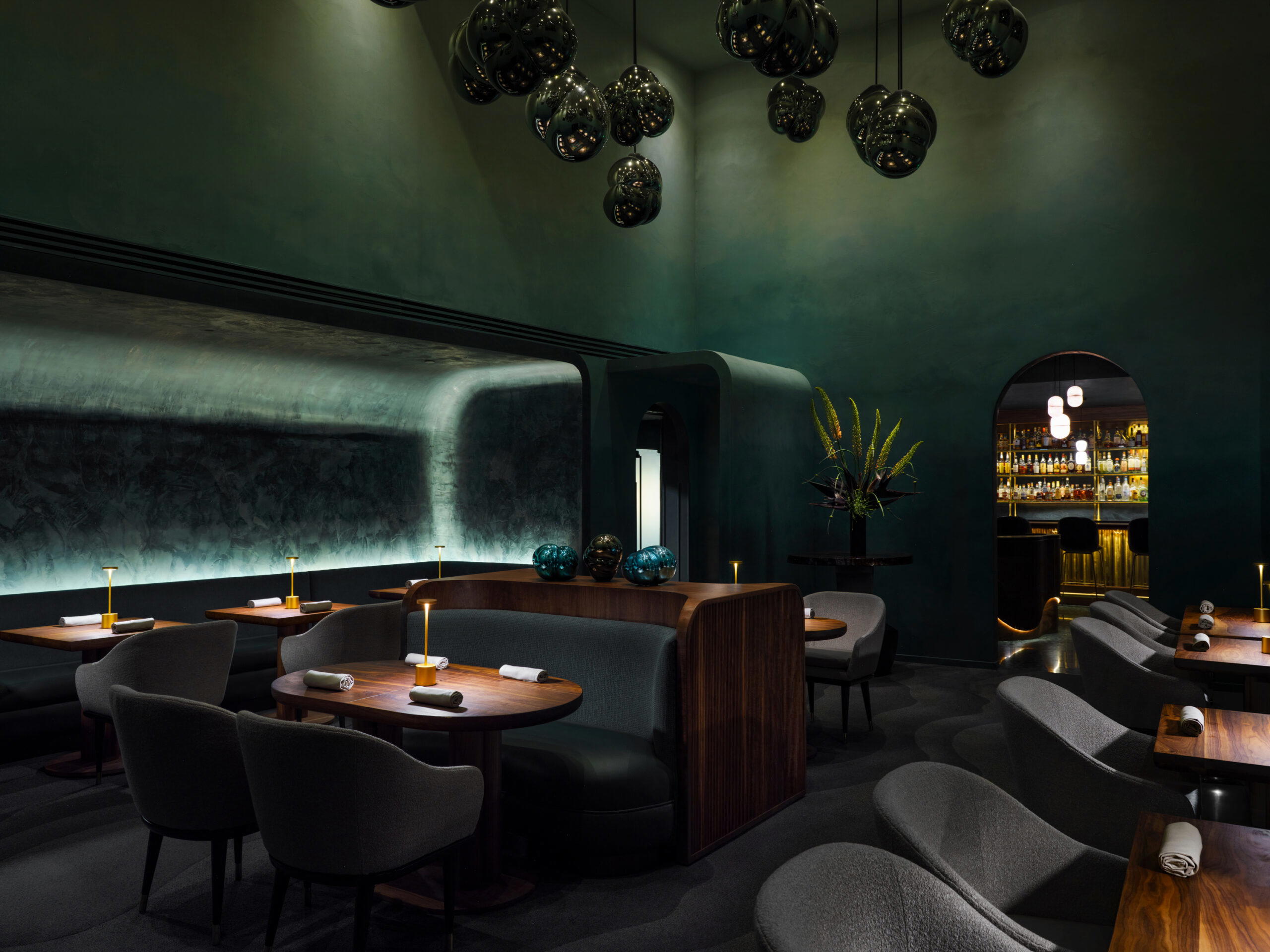
Across the broader Los Angeles fine dining tier, interior design has become an increasingly deliberate differentiator. Somni uses a sealed, cinematic chamber format. Hayato operates through the austere geometry of Japanese joinery. Camphor imports a Parisian brasserie register into downtown. Each spatial choice creates a distinct frame for the food and communicates something about the intended guest relationship. A name like Terracotta suggests warmth over severity, texture over minimalism, a room that invites settling in rather than sitting at attention.

That distinction matters in a city where dining often competes with outdoor living and casual informality. The upper-mid and fine dining tier in Los Angeles has had to work harder than comparable tiers in New York or Chicago to justify the commitment of a long, structured meal. Venues that resolve this tension through inviting, well-considered spaces tend to build stronger repeat visit patterns than those that lean solely on technical ambition. For context, Lazy Bear in San Francisco built its following partly on communal spatial warmth; Blue Hill at Stone Barns in Tarrytown uses the agrarian physical environment as the primary framing device. Space and food are rarely separable at this level.

The Koreatown Address as Context, Not Constraint

Sitting on Wilshire in the 90010 zip code puts Terracotta in proximity to a dense residential and commercial population that skews toward Korean-American, Filipino-American, and Latino communities, as well as the broader professional population that has moved into the area's apartment stock over the past decade. That demographic reality shapes what a restaurant can be in this location in productive ways. It creates a built-in audience that does not need to travel far and that tends to support neighbourhood anchors more consistently than destination-driven visitors who arrive once and move on.

The comparison set for this block of Wilshire is not Brentwood or Silver Lake. It is closer to the mid-tier ambition zone where restaurants like those on the broader Koreatown dining circuit operate, which means a concept with genuine fine dining aspirations at this address is working against lower baseline expectations. That can be an advantage: the bar for what counts as a serious dining experience in the neighbourhood is lower than in West Hollywood or downtown, which means a well-executed room and considered menu can generate outsized attention. It is the same dynamic that allowed Addison in San Diego to become a national reference point by bringing Michelin-level discipline to a city not previously associated with that tier.

Los Angeles in the National Fine Dining Frame

Nationally, the fine dining conversation has shifted away from the coasts-versus-interior binary that dominated a decade ago. Destinations like Alinea in Chicago, The Inn at Little Washington, Bacchanalia in Atlanta, and Emeril's in New Orleans have demonstrated that serious dining ambition is geographically distributed. Los Angeles has its own claim on that national tier, with venues like Providence holding long-running Michelin recognition and newer arrivals like Atomix in New York City resetting expectations for what Korean-influenced fine dining can mean at the highest register. The emergence of serious restaurants in corridors like Wilshire extends that conversation into new parts of the city.

For travelers building a broader California itinerary, the Los Angeles tier now connects logically to Single Thread Farm in Healdsburg, The French Laundry in Napa, and internationally to 8½ Otto e Mezzo Bombana in Hong Kong as part of a coherent premium dining circuit. Le Bernardin in New York City remains the standard reference for sustained excellence at the top of the American fine dining hierarchy, but Los Angeles has its own logic and its own pace. See our full Los Angeles restaurants guide for a mapped view of the city's current dining structure by neighbourhood and price tier.

Planning a Visit

Terracotta is located at 3760 Wilshire Blvd, Los Angeles, CA 90010, in the stretch of Wilshire that runs through the heart of Koreatown. Street parking along Wilshire is available but limited during evening hours; the surrounding blocks have metered and lot options within a short walk. The Metro D Line (Purple Line) stops at Wilshire/Normandie, placing the address within a short walk of transit for guests arriving from downtown or the westside. Current hours, reservation availability, and menu details should be confirmed directly. Advance planning is advisable for weekend visits.

Signature Dishes
  • Kimchi Nachos
  • Fried Cauliflower
  • BBQ Short Ribs
  • Hamachi
  • Hama Kama
  • Chilean Seabass
  • Matcha Mille Feuille
Frequently asked questions

City Peers

Comparable venues nearby, for context on price, style, and recognition.

At a Glance
Vibe
  • Lively
  • Modern
  • Trendy
  • Energetic
Best For
  • Date Night
  • Group Dining
  • Celebration
  • After Work
  • Late Night
Experience
  • Historic Building
  • Design Destination
  • Open Kitchen
  • Live Music
Drink Program
  • Craft Cocktails
  • Extensive Wine List
  • Beer Program
Dress CodeSmart Casual
Noise LevelLively
CapacityMedium
Service StyleUpscale Casual
Meal PacingStandard

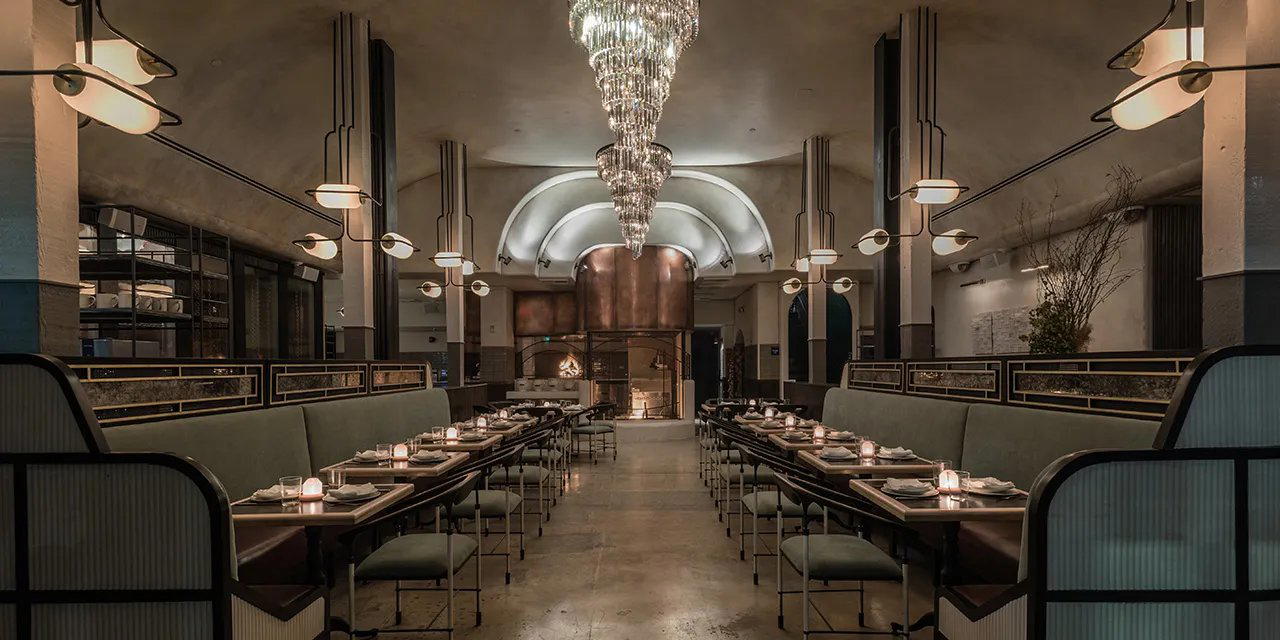
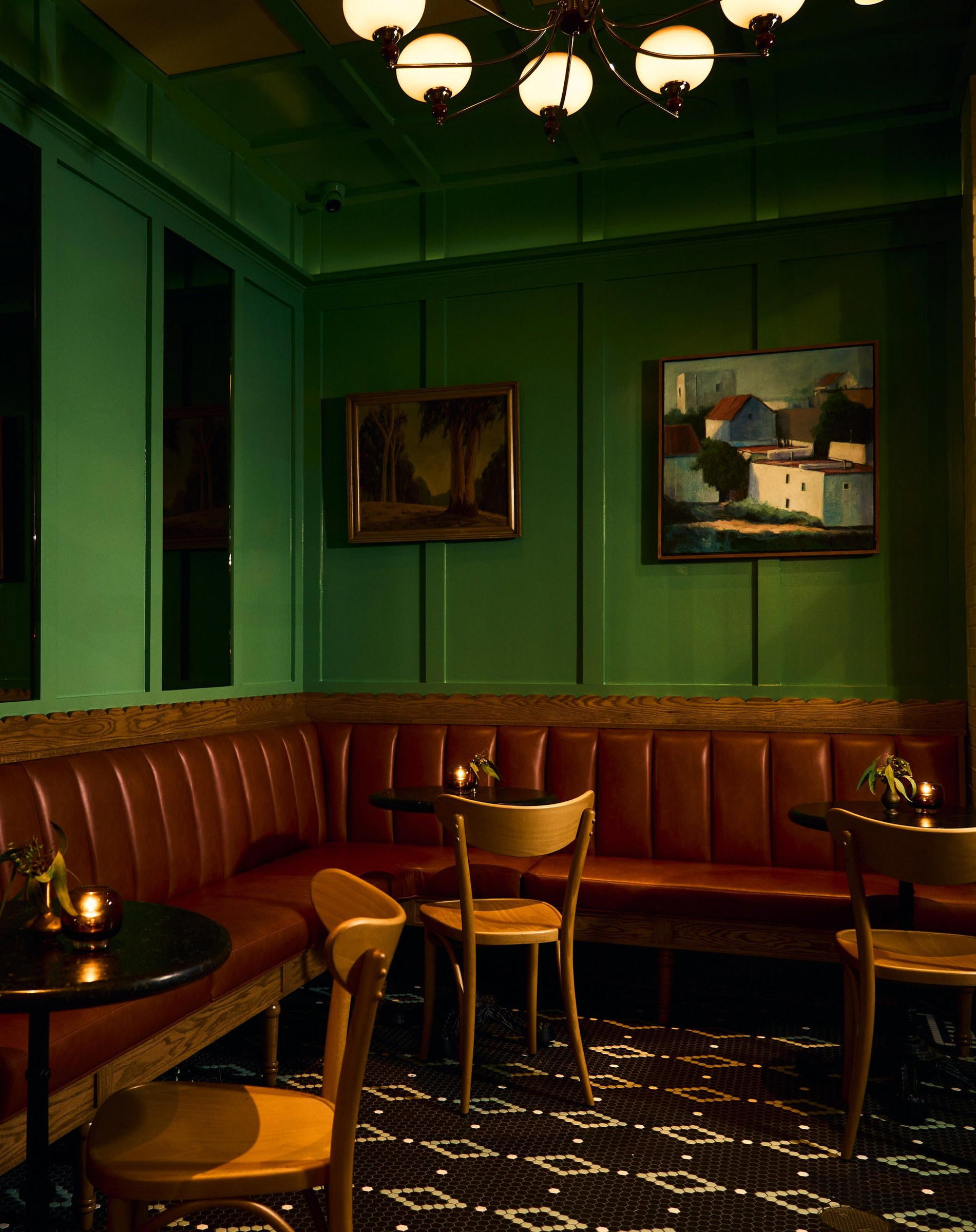
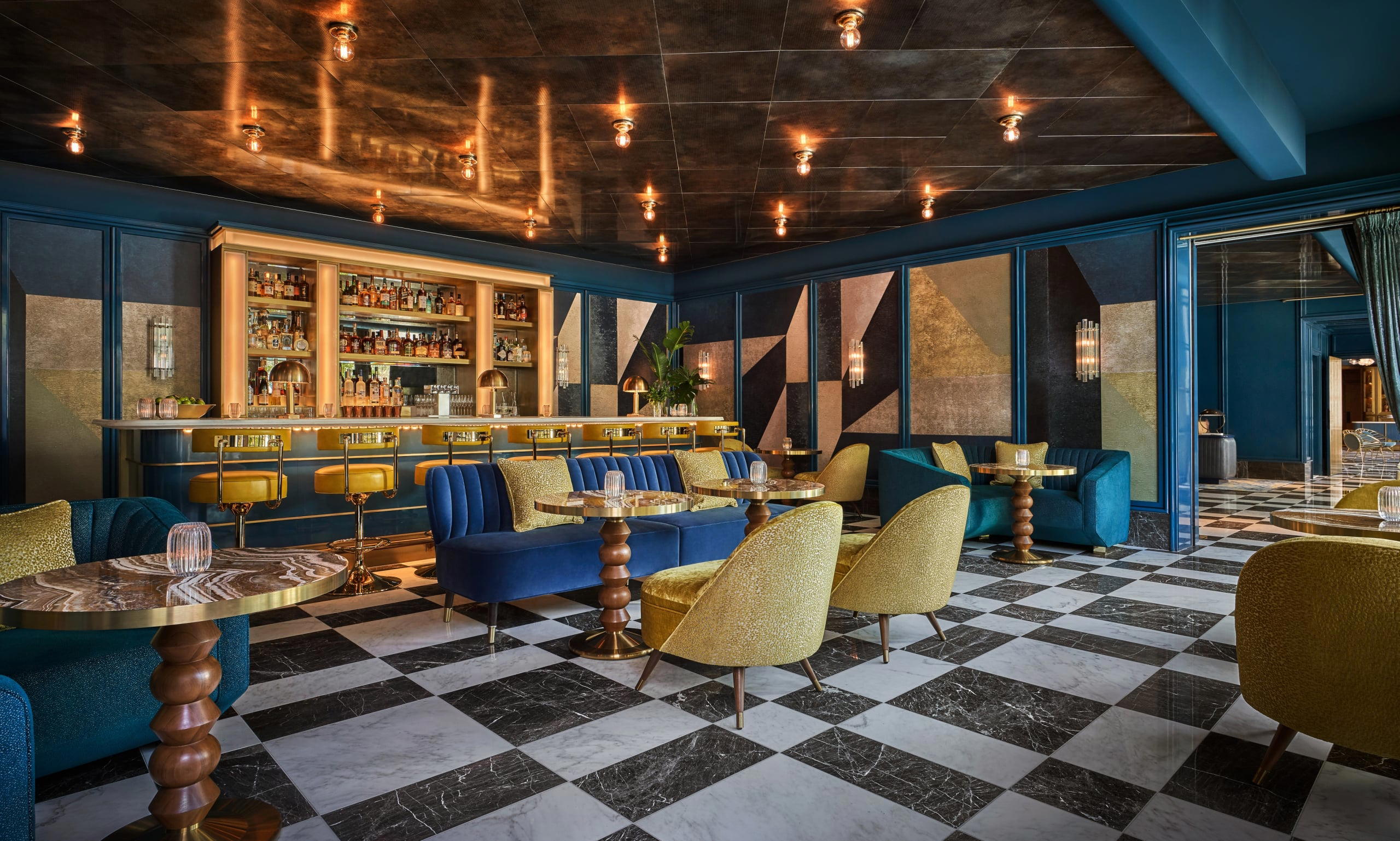
Glowing blue lights and Vegas lounge aesthetic with a lively nightclub atmosphere; art deco architecture featuring terracotta, marble, and tile elements reminiscent of Italian urban landscapes.

Signature Dishes
  • Kimchi Nachos
  • Fried Cauliflower
  • BBQ Short Ribs
  • Hamachi
  • Hama Kama
  • Chilean Seabass
  • Matcha Mille Feuille