Dha Rae Oak

A Michelin Bib Gourmand recipient in 2024 and 2025, Dha Rae Oak sits on South Western Avenue in the heart of Koreatown, delivering traditional Korean cooking at a price point, $$, that keeps it firmly inside the neighbourhood's everyday dining culture. Its, which is exactly what Bib Gourmand recognition is designed to reward.
Pearl is the En Primeur Club membership app — saves, bookings, and concierge access live there. Same editors, same standards.
- Address
- 1106 S Western Ave, Los Angeles, CA 90006
- Phone
- (323) 733-2474
- Directions
- Get directions
 Saves & bookings on Pearl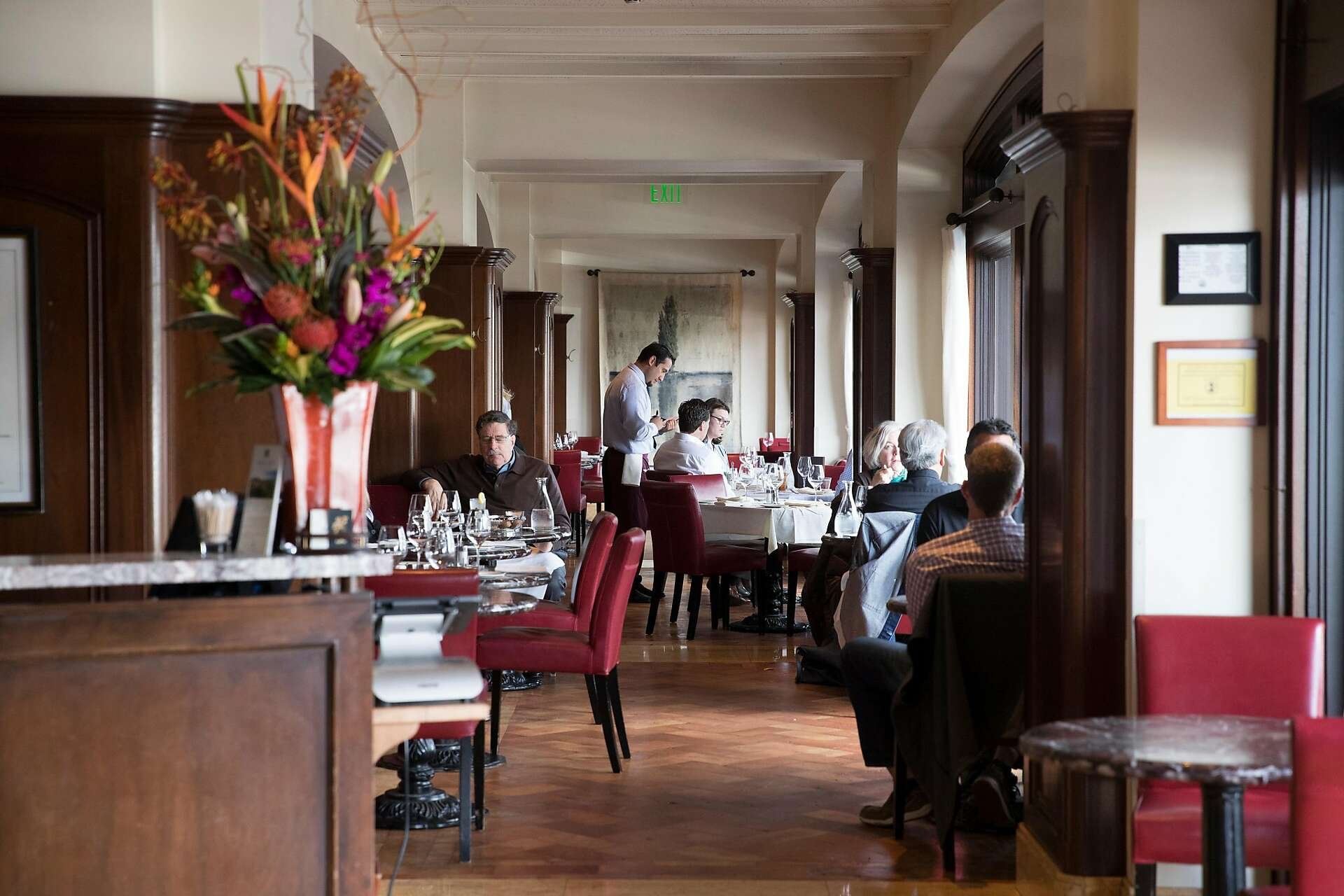
Koreatown's Everyday Standard, Recognised Twice Over
South Western Avenue runs through one of the densest Korean dining corridors outside Seoul, and the competition on any given block is serious. Restaurants here are not auditioning for a tourist audience; they are feeding a community with high expectations and a sharp sense of what a dish should taste like. Within that environment, sustained recognition carries real weight. Dha Rae Oak has held the Michelin Bib Gourmand in both 2024 and 2025, placing it among the Korean restaurants in Los Angeles that inspectors have returned to, assessed again, and found worth recommending at accessible prices.
The Bib Gourmand designation is Michelin's explicit signal for quality cooking at moderate cost. It is not a consolation prize below starred recognition, it is a separate category, awarded to places where the value-to-quality ratio is the point. For a $$ Korean restaurant in Koreatown, earning the designation once is notable. Holding it across two consecutive years suggests the kitchen is not coasting.
Korean Cooking in the Koreatown Context
Los Angeles Koreatown operates on a different register than Korean dining in most American cities. The neighbourhood's sheer density of restaurants, from late-night pojangmacha-style spots to multi-storey KBBQ operations, means that technique and ingredient sourcing are baseline expectations, not differentiators. Diners who eat here regularly have reference points: they know what well-fermented kimchi should taste like, how a proper dakgalbi should char, and at what temperature a stone bowl should arrive at the table.
That context matters when placing Dha Rae Oak against the broader LA dining scene. At the $$$$ end of that scene, venues like Hayato (two Michelin stars, Japanese precision) and Vespertine (two Michelin stars, progressive format) operate inside a framework where technique is foregrounded and the price reflects it. Camphor and Kato each carry a Michelin star at four-dollar-sign pricing. Dha Rae Oak works in a different register entirely: the cuisine is Korean, the price sits at $$, and the recognition it has received is calibrated to what it is rather than mapped onto a fine-dining template. The comparison set is not those starred rooms, it is the other Korean restaurants on this corridor that inspectors tasted and passed over.
Technique Meets Tradition on Western Avenue
The editorial angle here is not fusion, but inherited method applied with current precision. Korean cuisine has always had a technically demanding core: fermentation timelines that run months or years, broth work that requires long extraction, the careful calibration of banchan that frames a meal without dominating it. What has shifted in the past decade, both in Seoul and in diaspora communities like LA's Koreatown, is the degree to which practitioners cross-reference those traditions against broader culinary knowledge without abandoning them.
In Seoul, restaurants like Mingles and Kwonsooksoo have made that dialogue explicit, building tasting-menu formats around Korean ingredients interpreted through fine-dining structure. Koreatown Los Angeles operates at a different price point and with a different audience, but the underlying dynamic, traditional flavour profiles held against evolving culinary standards, runs through the neighbourhood's stronger kitchens. A Bib Gourmand at the $$ level suggests the kitchen at the restaurant is operating within that tradition with enough consistency to satisfy inspectors who have eaten widely across the category.
Where It Sits in the Neighbourhood's comparable set
Koreatown has several restaurants with enough critical traction to serve as reference points. BCD Tofu House represents the 24-hour institution format, deeply embedded, volume-driven, reliable. Hangari Kalguksu anchors the neighbourhood's noodle tradition with its knife-cut wheat noodles and clam broth. Myung Dong Kyoja (MDK Noodles) brings a Seoul-rooted noodle format to an LA setting. Danbi and Jeong Yuk Jeom each represent different points on the neighbourhood's pricing and format spectrum.
The restaurant's double Bib Gourmand places it in a small subset of these: restaurants where the inspector's question, is the cooking worth the price?, gets a clear yes. That is not a claim about superiority to unrecognised neighbours; the Michelin process samples and selects, it does not survey everything. What the award does confirm is that, within Michelin's frame of reference, the cooking at the restaurant cleared the bar twice.
A Note on Accessible Recognition
The Bib Gourmand's value proposition is worth stating plainly: it exists because Michelin recognises that quality cooking is not exclusive to expensive restaurants, and that a guide serving only fine dining misses a significant part of how cities actually eat. In cities like Paris, Tokyo, and New York, Bib Gourmand lists often include the restaurants that locals return to most frequently, not the ones reserved for occasions, but the ones that hold a neighbourhood together.
Internationally, restaurants operating at a comparable level, places where technique is sound, ingredients are handled with care, and the price remains accessible, tend to outlast trend-driven openings. The venues that hold Bib recognition across multiple years, as the restaurant has done, typically do so because they remain consistent. That discipline, in a neighbourhood as competitive as Koreatown, is its own form of achievement.
Lazy Bear in San Francisco, Le Bernardin in New York City, and The French Laundry in Napa at the starred tier, and Alinea in Chicago and Single Thread Farm in Healdsburg for those interested in how format and price interact at the higher end.
Price and Recognition
Comparable venues nearby, for context on price, style, and recognition.
| Venue | Cuisine | Price | Awards | Notes |
|---|---|---|---|---|
| Dha Rae OakThis venue — the venue you are viewing | Harvard Heights, Korean Duck BBQ | $$$ | Bib Gourmand | Not listed |
| Chosun Galbee | Harvard Heights, Upscale Korean BBQ | $$$ | Michelin Plate | Not listed |
| Parks BBQ | Koreatown, High-End Korean BBQ | $$$ | Michelin Plate | Not listed |
| Baroo | Not listed | $$$$ | Michelin Plate | Arts District, Modern Korean Tasting Menu |
| Quarters BBQ | Wilshire Center, Korean BBQ | $$ | Michelin Plate | Not listed |
| Jeong Yuk Jeom | Wilshire Center, Premium Korean BBQ | $$$ | Michelin Plate | Not listed |
Recognition history
Dated appearances from independent guides and award organizations, with the underlying list record or original source where available.
Michelin Bib Gourmand
Michelin
Michelin Bib Gourmand
Michelin
Michelin Bib Gourmand
Michelin
Continue exploring
More in Los Angeles
Restaurants in Los Angeles
Browse all →
Bars in Los Angeles
Browse all →


Hotels in Los Angeles
Browse all →

Wineries in Los Angeles
Browse all →
At a Glance
- Classic
- Group Dining
- Open Kitchen
Current opening hours
- Monday
- 11:30 AM–10 PM
- Tuesday
- 11:30 AM–10 PM
- Wednesday
- 11:30 AM–10 PM
- Thursday
- 11:30 AM–10 PM
- Friday
- 11:30 AM–10 PM
- Saturday
- 11:30 AM–10 PM
- Sunday
- 11:30 AM–10 PM
Hours can change for holidays and private events. Last verified .
Humble space with bright lights, simple decor, and lively grilling atmosphere.