Cho Dang Gol

Cho Dang Gol brings Korean tofu cooking into Los Angeles’ casual dining conversation, with 2026 Opinionated About Dining recognition in the Casual Recommended category. The draw is less about spectacle than about the Korean table’s drinking-food logic: tofu, heat, rice, banchan, soju, and makgeolli all working as a single social format.
Pearl is the En Primeur Club membership app — saves, bookings, and concierge access live there. Same editors, same standards.
- Address
- Los Angeles, California, United States
 Saves & bookings on Pearl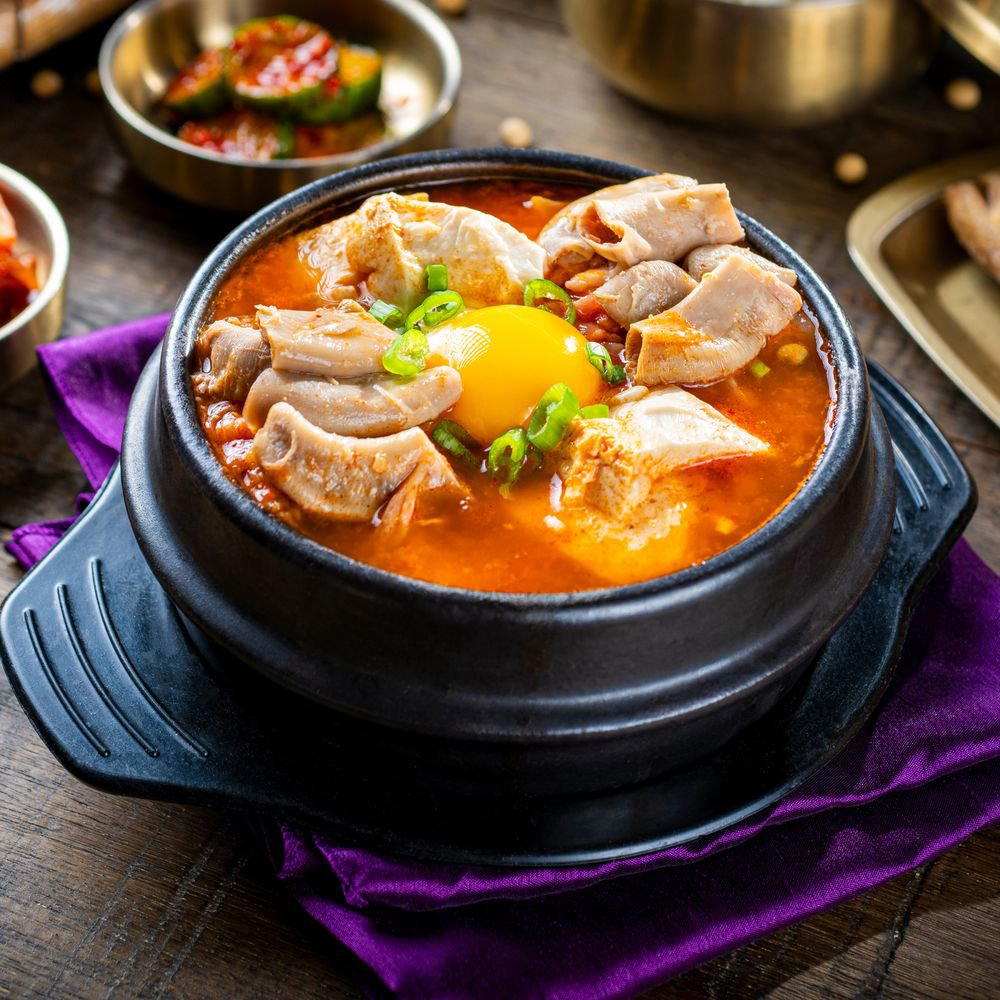
The first signal is steam, not ceremony: Korean tofu restaurants announce themselves through hot bowls, crowded tables, metal chopsticks, shared plates, and food built for drinking rather than staged tasting. In Los Angeles, where Korean cooking spans barbecue rooms, late-night pocha culture, and polished tasting menus, Cho Dang Gol belongs to a quieter, practical tradition. Korean tofu is not a side category here; it organizes a meal that can move from lunch to soju-led dinner without changing its grammar.
That matters in a city where Korean dining is often reduced to grill smoke and banchan volume. Tofu cooking asks for another read: texture, broth, heat, and contrast; soft curds against rice, fermented notes against clean bean flavor, spice against the cooling pull of makgeolli or the sharper line of soju. Cho Dang Gol’s 2026 placement on Opinionated About Dining’s Casual Recommended list is a useful external marker, but the more interesting point is categorical. Casual Korean restaurants are increasingly judged not only by generosity or comfort, but by how clearly they preserve a specific dining format.
Tofu cooking makes more sense when the drink is part of the table
Korea’s drinking-food relationship is often misunderstood in the United States as an add-on: order food, then alcohol. The better reading is structural. Soju works with salt, fat, spice, and heat; makgeolli brings grain, sourness, and softness that can sit beside fermented flavors without fighting them. A tofu-focused table lets both drinks behave differently than they would at a barbecue restaurant. Instead of smoke and char setting the pace, the meal turns on warmth, softness, chili, rice, pickles, and the steady reset of small side dishes.
This makes Cho Dang Gol more specific than “Korean comfort food.” Tofu restaurants belong to a larger Korean habit of building meals around a central texture and letting surrounding dishes create pressure. The drinking fit is practical: soju cuts through chile and salt; makgeolli is better when the table leans earthy, fermented, or grain-heavy. Los Angeles has many Korean restaurants built for volume and late hours, but a tofu house asks for pacing. The meal is not a parade of dishes; it is a table system.
For readers mapping the city, the contrast is useful. Los Angeles casual dining can swing from beach-facing seafood at 1 Pico (Californian Seafood) to burgers at 25 Degrees, Japanese precision at 715 (Japanese), skyline New American dining at 71above (New American), and fast-casual pizza at 800 Degrees Pizza (Pizzeria). The restaurant sits in another register: less about formats imported and remixed, more about a Korean table tradition that already balances food, drink, and pace.
Casual recognition now rewards format discipline, not just polish
Opinionated About Dining’s 2026 Casual Recommended nod is a trust signal because it places the restaurant in a category where form matters. Casual does not mean loose. In Korean dining, a casual room can still be exacting about sequence, table density, portion logic, and the relationship between central dish and supporting plates. The chef line is listed collectively rather than around a single named author, which fits the genre. This is not a personality-driven dining room; it belongs to a tradition where repetition, heat control, and consistency carry more weight than auteur narrative.
The broader Los Angeles context shows why that distinction matters. The city rewards spectacle easily: high-design rooms, tasting counters, reservation friction, and menus that read well before the first plate arrives. Korean tofu cooking resists that habit. Its value is calibration, not surprise. A bowl arrives hot, rice gives it weight, banchan changes the bite, and alcohol shifts the meal’s temperature socially as much as physically. The critical question is not whether the room feels grand, but whether the format holds from first spoon to last pour.
That is why tofu houses can feel more revealing than flashier Korean formats. Barbecue gives diners an obvious focal point. Tofu asks them to notice quieter transitions: heat building, fermented side dishes sharpening the bowl, a shared bottle changing the tempo. The restaurant’s recognition is strongest through that lens. It is not a claim that casual Korean dining needs luxury cues to be taken seriously; it is evidence that a narrow traditional category can enter a North American critical conversation when the format is coherent.
How to place it within a Los Angeles eating day
The restaurant works well for diners who want Korean food without turning the meal into an event around grilling, tasting-menu pacing, or cocktail theatrics. Approach it as a casual Korean tofu restaurant, not a hushed fine-dining address. The appeal is the table’s momentum: hot food, shared sides, direct flavors, and drinks that support rather than decorate the meal.
For a broader Los Angeles itinerary, it belongs on the restaurant side of the city rather than the hotel-bar circuit. Use Our full Los Angeles restaurants guide for dining context, then separate lodging, drinking, wine, and activities through Our full Los Angeles hotels guide, Our full Los Angeles bars guide, Our full Los Angeles wineries guide, and Our full Los Angeles experiences guide. That separation is useful because the meal’s logic is already complete; it does not need a lounge, tasting flight, or hotel dining room to frame it.
Drink-minded diners can read the address alongside nearby and wider-category references without forcing direct comparison. Jōdo Saké Bar in Los Angeles speaks to another side of rice-based drinking culture, while casual specialists elsewhere, from Onigiri Time in Pasadena to ¿Por Qué No? in Portland, show how focused formats travel across American cities. Wider Pacific and West Coast references such as 'Ai Love Nalo in Waimanalo Beach, 'āina in San Francisco, 'Ama 'Ama in Kapolei, 'Dashery in Baltimore, and -Grilled beef Sukiyaki- KAMAKURA TANUKIAN 鎌倉 たぬき庵 in Kamakura underline the same editorial point: a narrow format can say more about a food culture than a broader menu trying to cover every appetite.
Reputation & Price
Comparable venues nearby, for context on price, style, and recognition.
| Venue | Cuisine | Price | Notes |
|---|---|---|---|
| Cho Dang GolThis venue — the venue you are viewing | Traditional Korean Tofu House | $$ | Not listed |
| Hanbat Sul Lung Tang | Not listed | $$ | Wilshire Center, Traditional Korean Sul Lung Tang |
| KingChang-La | Wilshire Center, Authentic Korean BBQ | $$ | Not listed |
| Chung Ki Wa | Koreatown, Korean BBQ | $$ | Not listed |
| JAE BU DO | East Hollywood, Korean Seafood BBQ | $$ | Not listed |
| Kyochon Chicken | Wilshire Center, Korean Fried Chicken | $$ | Not listed |
Recognition history
Dated appearances from independent guides and award organizations, with the underlying list record or original source where available.
Opinionated About Dining Casual in North America Recommended
Opinionated About Dining
Continue exploring
More in Los Angeles
Restaurants in Los Angeles
Browse all →
Bars in Los Angeles
Browse all →
Hotels in Los Angeles
Browse all →
Wineries in Los Angeles
Browse all →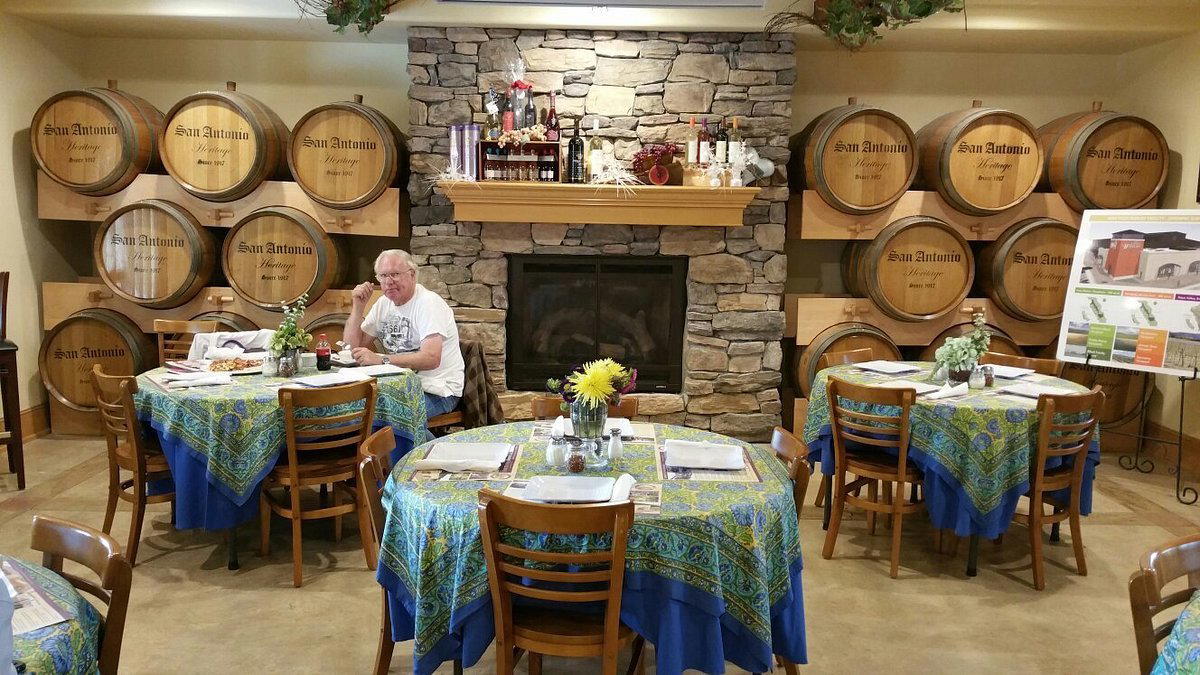
At a Glance
- Cozy
- Classic
- Lively
- Casual Hangout
- Group Dining
- After Work
- Solo
- Standalone
- Local Sourcing
A cozy, classic Korean Tofu House atmosphere with a home-style feel; often busy and lively with tightly packed tables, warm lighting, and an informal, walk-in-only vibe typical of Koreatown spots.