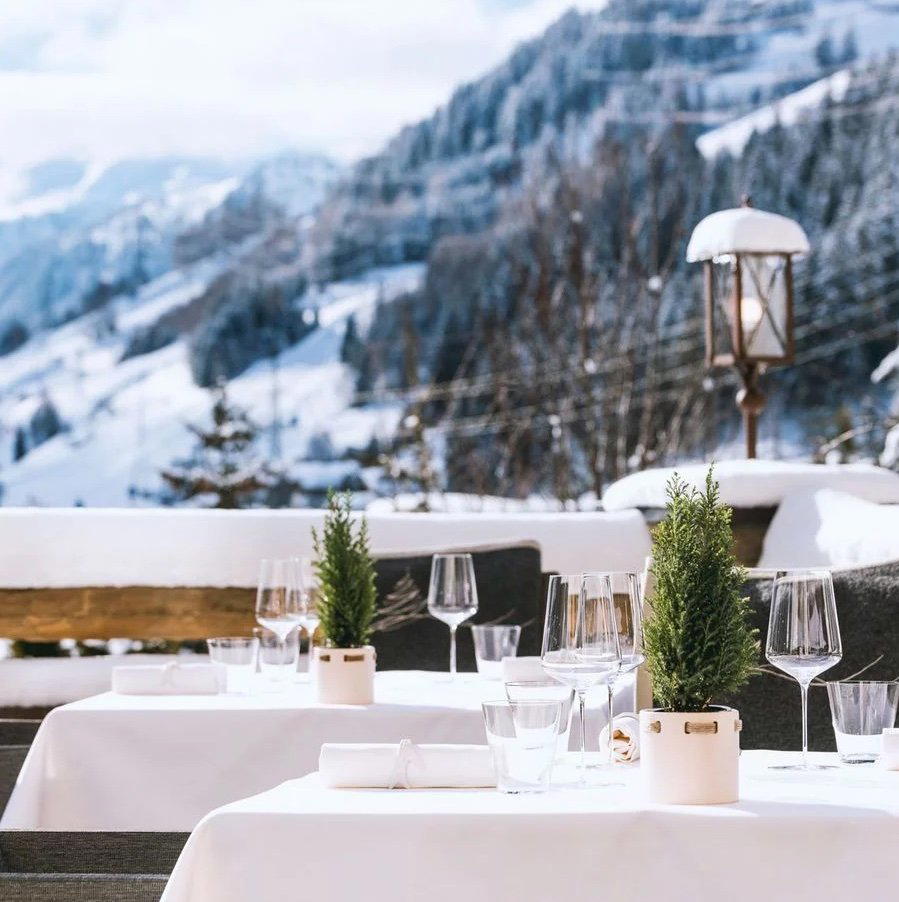
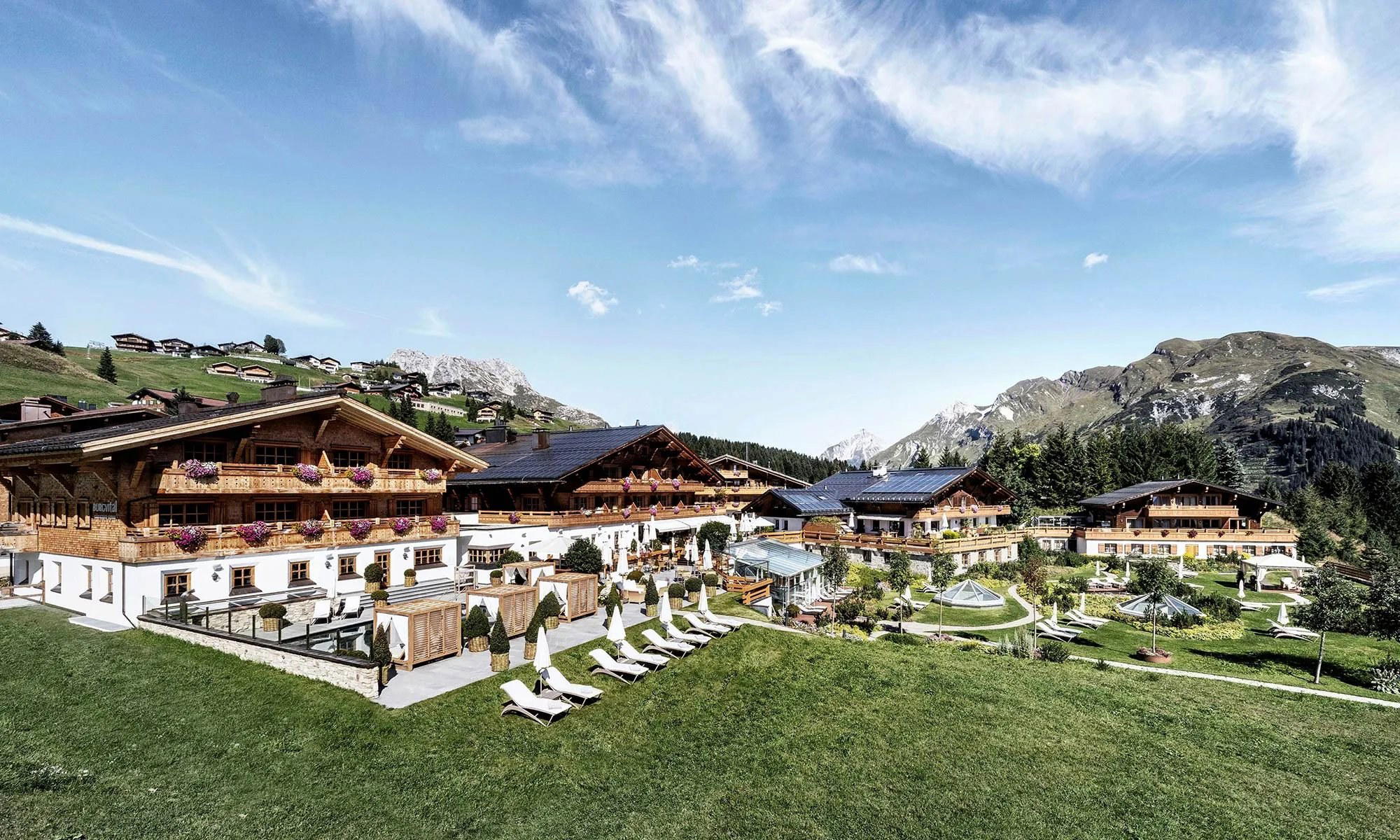
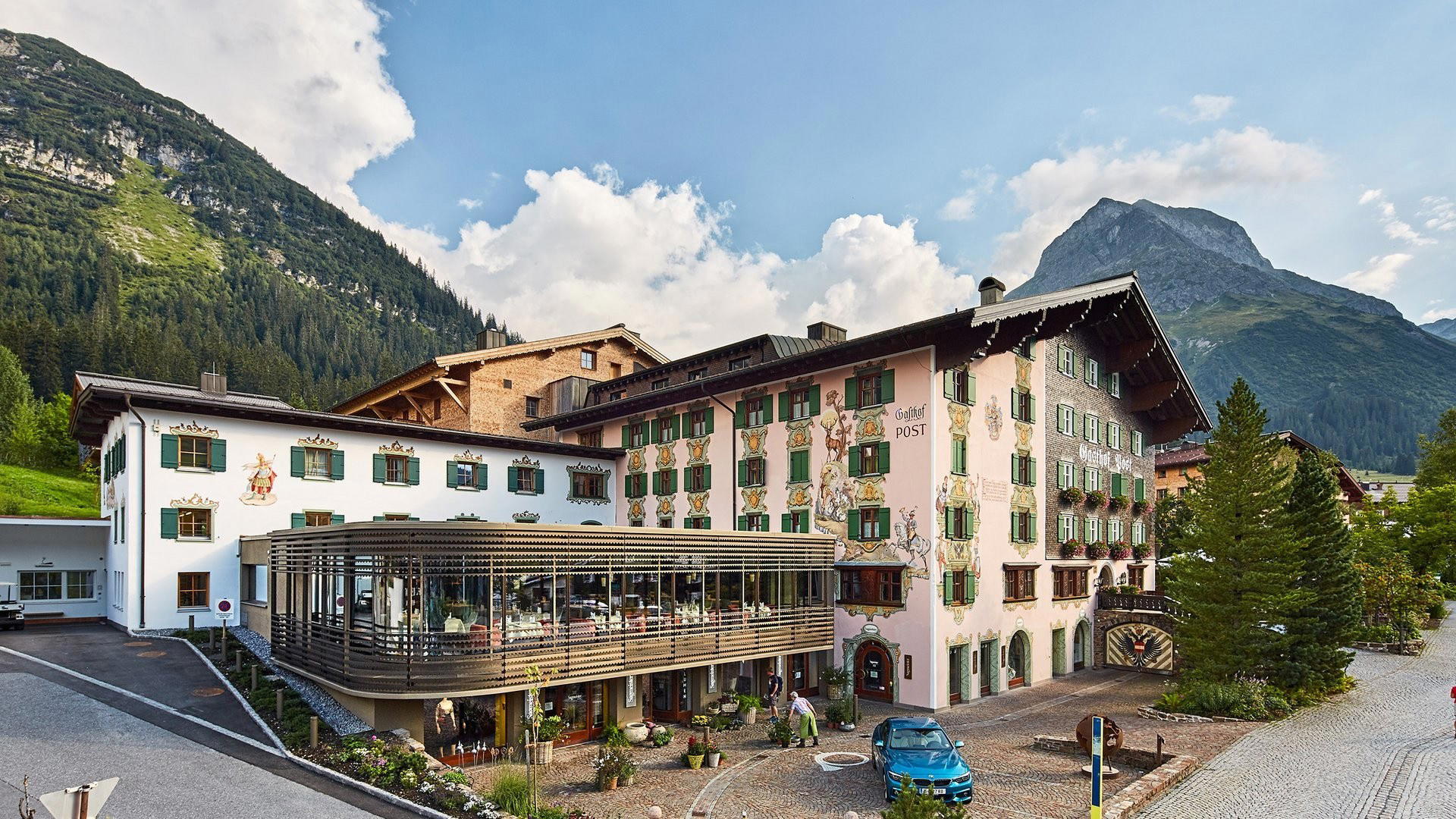
Ski- und Wanderhotel Jägeralpe serves regional Austrian mountain cuisine at a hotel restaurant with a terrace, panoramic mountain views, and a leisurely pace that suits breakfast or dinner.
Pearl is the En Primeur Club membership app — saves, bookings, and concierge access live there. Same editors, same standards.
- Address
- Hochkrumbach 5, 6767 Hochkrumbach, Austria
- Phone
- +434355834250
- Website
- jaegeralpe.at
- Directions
- Get directions
 Saves & bookings on Pearl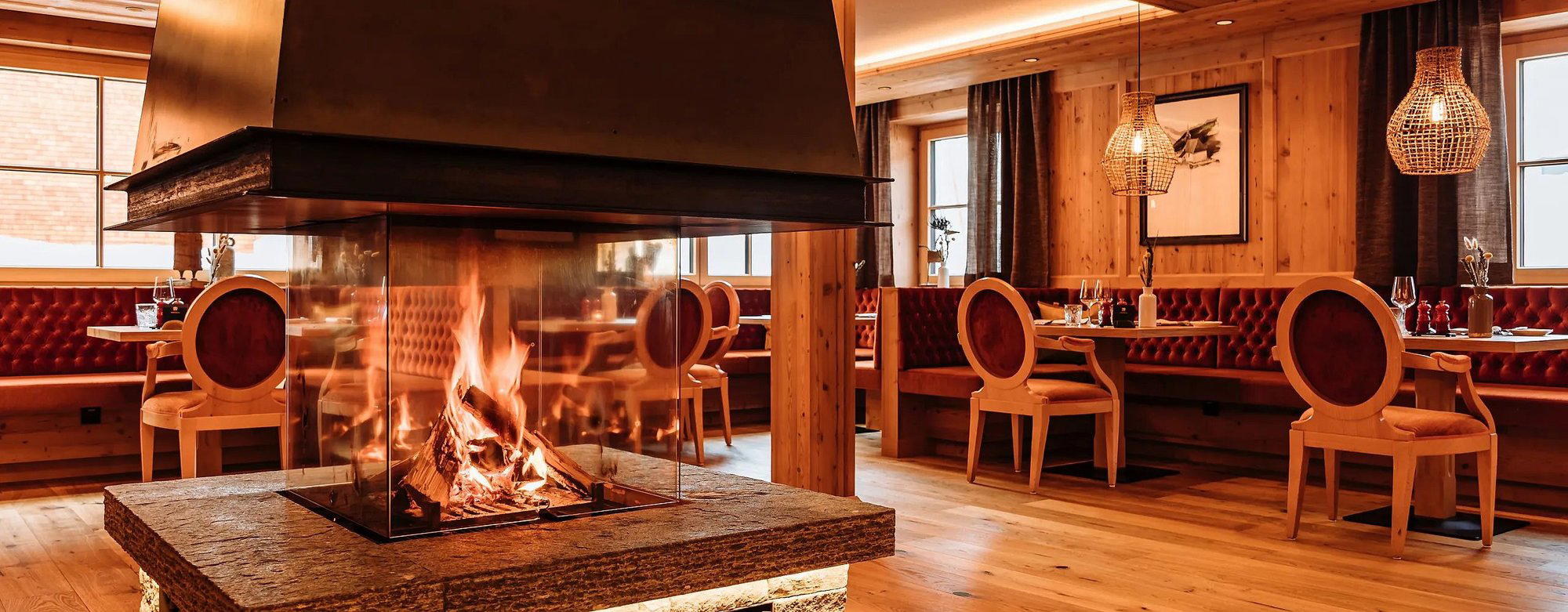
Where the Arlberg Winter Culture Begins
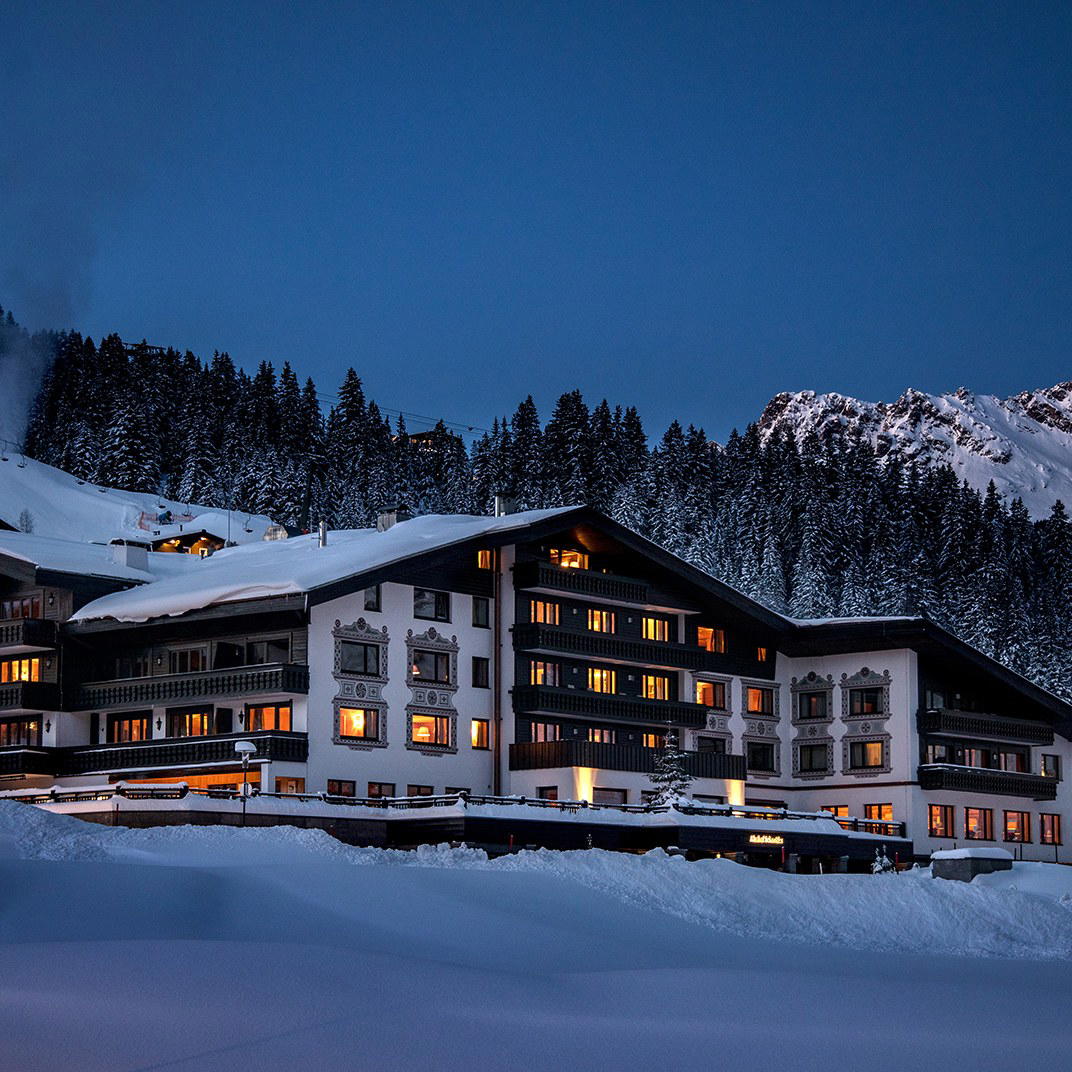
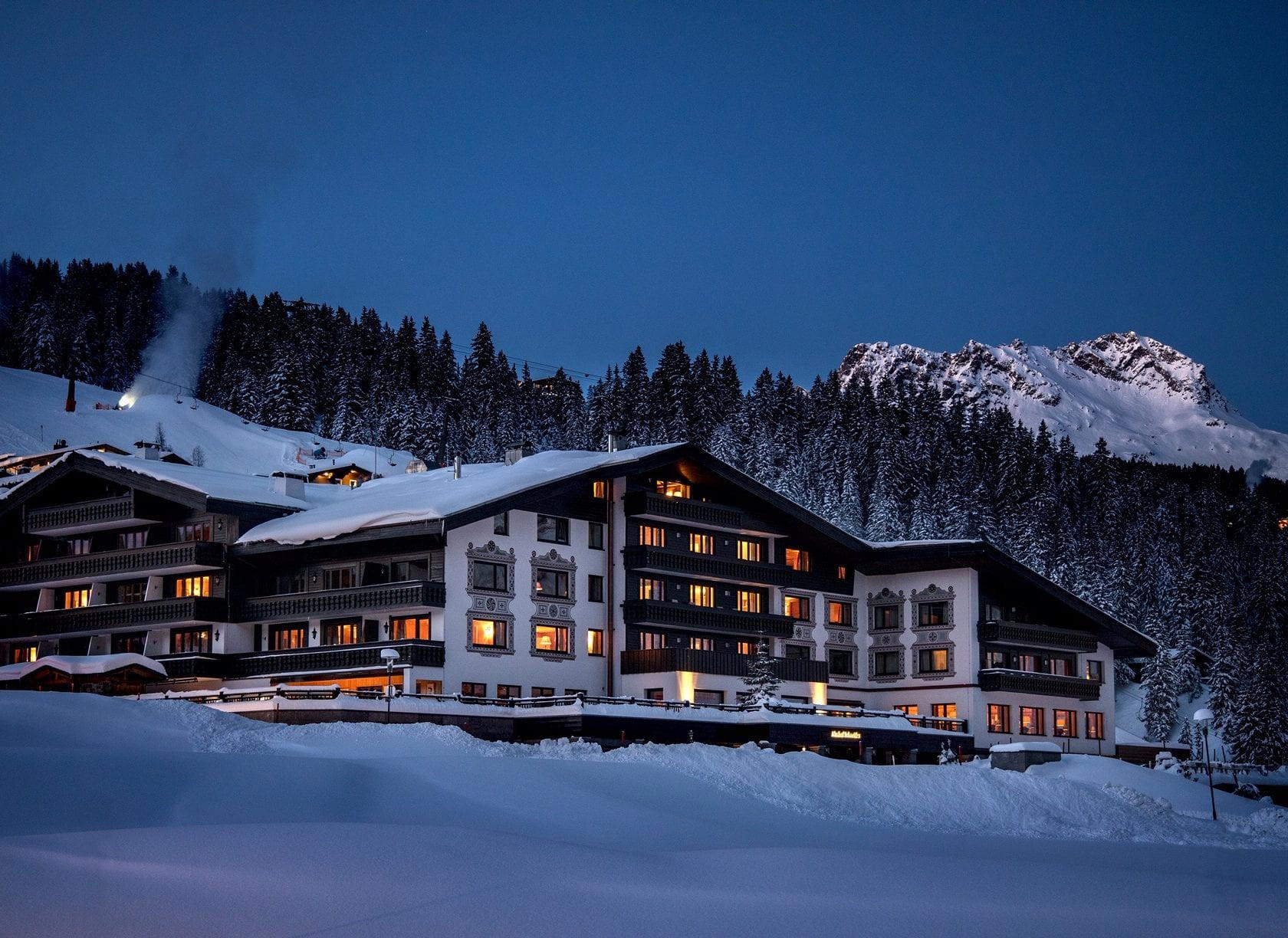
The road to Hochkrumbach climbs hard out of the Bregenzerwald, past treelines that thin and then disappear entirely, leaving only open snowfields and the kind of sky that makes alpine winters feel both vast and intimate. At this altitude, on the western approach to the Arlberg pass, the built environment is sparse by design: a handful of farmsteads, a chapel, and a small concentration of traditional Gasthöfe that have shaped the rhythm of mountain hospitality in the region for generations. Ski- und Wanderhotel Jägeralpe sits within that pattern, at Hochkrumbach 5, in a hamlet that belongs administratively to Warth, one of the snowiest inhabited places in Austria and a village whose skiing reputation has grown considerably since the Warth-Schröcken ski area merged its lifts with the Arlberg network.
The Alpine Gasthof Tradition and What It Means Here
The category of property that the Jägeralpe represents, the combined ski and walking hotel, is a form specific to the German-speaking Alps. It is neither a spa resort nor a lifestyle hotel in the international mold. The format evolved to serve a clientele that oriented its entire stay around outdoor activity: skiers in winter, hikers in the warmer months, with the hotel acting as base camp, drying room, and dining room in roughly equal measure. That functional seriousness distinguishes these properties from the larger, more theatrically designed mountain hotels that have proliferated across the Arlberg in recent decades. The kitchen in such an establishment draws on a different logic than you find at a destination restaurant: it answers to the practical demands of guests who have spent six hours on the mountain and require food that is restorative and culturally coherent with the landscape rather than internationally ambitious.
In the broader Austrian alpine dining context, this means Vorarlberg and Tyrolean regional cooking, a tradition built around dairy from high-altitude summer pastures, game from the surrounding forests, and bread-making and charcuterie practices that predate the ski industry by centuries. Properties at this register, in villages like Warth and the nearby Lech-Zürs area, occupy a different tier from Michelin-decorated kitchens such as Griggeler Stuba in Lech or Gourmetrestaurant Tannenhof in Sankt Anton am Arlberg, yet they fulfill a function those restaurants do not: genuine, unpretentious daily cooking rooted in local ingredients and the needs of an active guest.
Warth as a Dining Destination
Warth records some of the highest annual snowfall totals in the Alps, a fact that concentrates a specific type of visitor here: serious skiers who prioritize snow quality over resort scale. The village's connection to the Arlberg network, one of Austria's largest interconnected ski areas, has increased its profile considerably in recent years, drawing a broader audience while the village itself has remained small and relatively uncommercialized by the standards of neighboring Lech. That context shapes the hospitality offer. Dining in Warth sits largely within the hotel ecosystem rather than in standalone restaurant culture, which makes properties like the Jägeralpe, along with neighboring options such as Biberia, Restaurant Mühle, and Sporthotel Steffisalp, the primary point of contact between guests and the local food culture.
The Cultural Roots of Mountain Cooking in Vorarlberg
Vorarlberg sits geographically and culturally closer to Switzerland and Swabia than to Vienna, and its food culture reflects that position. The region developed its own dairy traditions, its own approaches to cured meats and alpine cheese, and a bread culture that differs meaningfully from the rye-heavy traditions of Tyrol to the east. Käsespätzle, the hand-rolled egg noodle dish finished with aged mountain cheese and crispy onion, functions as a regional marker: simple in composition, demanding in execution, and almost impossible to replicate well with industrial dairy. The same applies to the use of Vorarlberg butter and cream in everyday cooking, where quality of source material carries more weight than technique complexity. This is the tradition that a property at Hochkrumbach is positioned within, regardless of ambition level, and it is a tradition worth understanding for any visitor arriving with expectations calibrated to city dining.
For context on how this regional tradition connects to the broader range of Austrian serious dining, properties like Steirereck im Stadtpark in Vienna, Obauer in Werfen, and Landhaus Bacher in Mautern an der Donau represent the end-point of Austrian regional cooking taken to high-craft level. Elsewhere, properties like Kräuterreich by Vitus Winkler in Sankt Veit im Pongau, Döllerer in Golling an der Salzach, Ois in Neufelden, Schwarzer Adler in Hall in Tirol, Stüva in Ischgl, Restaurant 141 by Joachim Jaud in Mieming, and Ikarus in Salzburg demonstrate the range within Austrian alpine and rural dining, from produce-driven tasting menus to classical country-house cooking. Against that reference field, the Jägeralpe operates in a different register entirely: functional mountain hospitality with a regional foundation, not a destination kitchen. The comparison is not a criticism; these are simply different categories answering different demands.
Planning a Stay
Warth operates on two distinct seasonal calendars. The ski season runs from late November through April, with December and January representing peak booking periods for hotels across the village. The summer hiking season, which the Jägeralpe name explicitly references alongside skiing, draws a quieter but committed audience of trail walkers and cyclists who use the Vorarlberg mountains between June and September. A property that markets to both seasons is making a genuine commitment to the mountain calendar rather than operating as a mono-seasonal business, which typically translates to staff continuity and kitchen consistency across the year. Reservations during high winter weeks should be made well in advance, as room supply in Warth remains limited relative to the demand generated by Arlberg lift access. Reservations are recommended, especially in peak ski weeks.
Booking and Cost Snapshot
Comparable venues nearby, for context on price, style, and recognition.
| Venue | Cuisine | Price | Notes |
|---|---|---|---|
| Ski- und Wanderhotel JägeralpeThis venue — the venue you are viewing | Not listed | $$$ | Not listed |
| Sporthotel Steffisalp | Not listed | $$$ | Warth, Traditional Austrian with Regional Vorarlberg Classics |
| Biberia | Warth center, Modern Austrian Bistro | $$ | Not listed |
| Enzian Stube | Zürs, Traditional Austrian Alpine | $$$ | Not listed |
| Hubertus | Not listed | $$$ | Au, Traditional Austrian with Regional Game Focus |
| Das Naturhotel Chesa Valisa | Not listed | $$$ | Kleinwalsertal, Organic Austrian Regional |
Continue exploring
More in Warth
Restaurants in Warth
Browse all →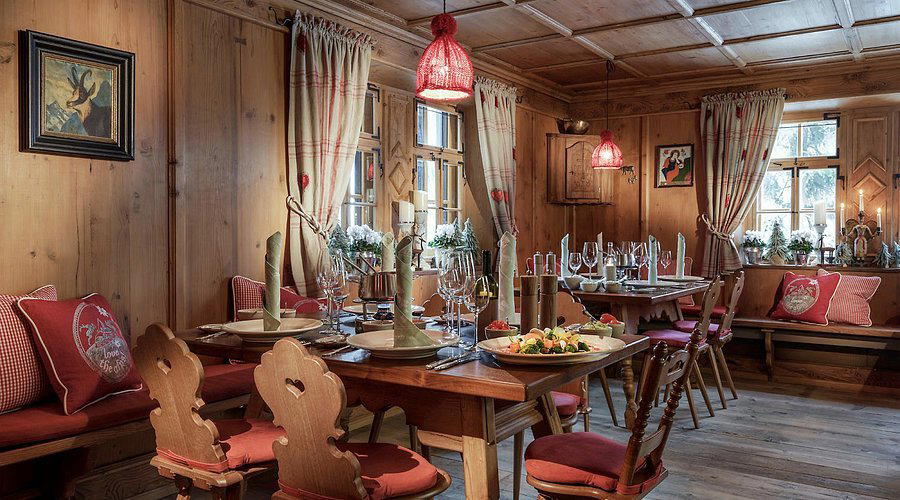
Bars in Warth
Browse all →



Hotels in Warth
Browse all →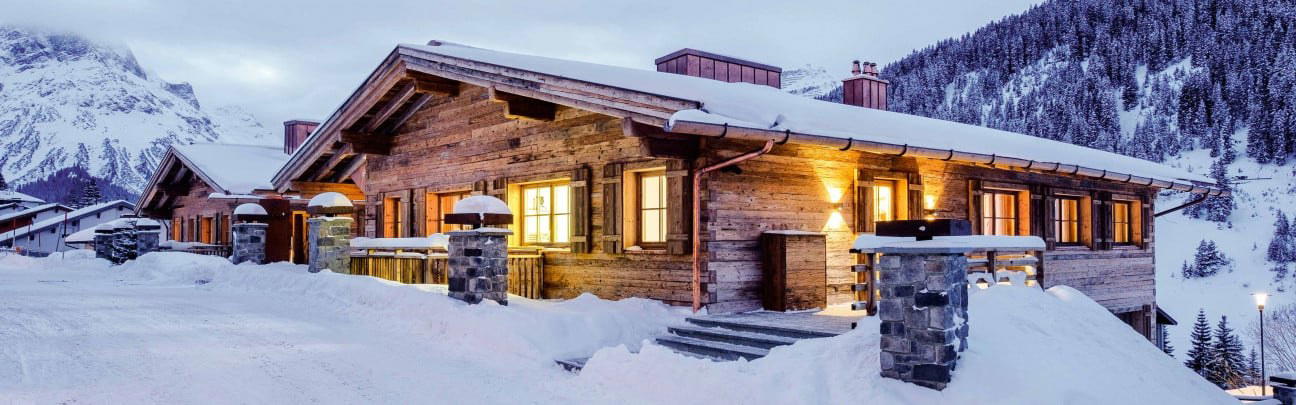

At a Glance
- Cozy
- Scenic
- Family
- Group Dining
- Casual Hangout
- Hotel Restaurant
- Craft Cocktails
- Local Sourcing
- Mountain
Warm, comfortable, and cosy alpine atmosphere with a relaxed mountain-lodge feel.