Rote Wand Stuben




Michelin Plate · Falstaff Restaurant - 94 Falstaff Points · World's Best Wine Lists Awards WBWL 2-Star
Our verdict
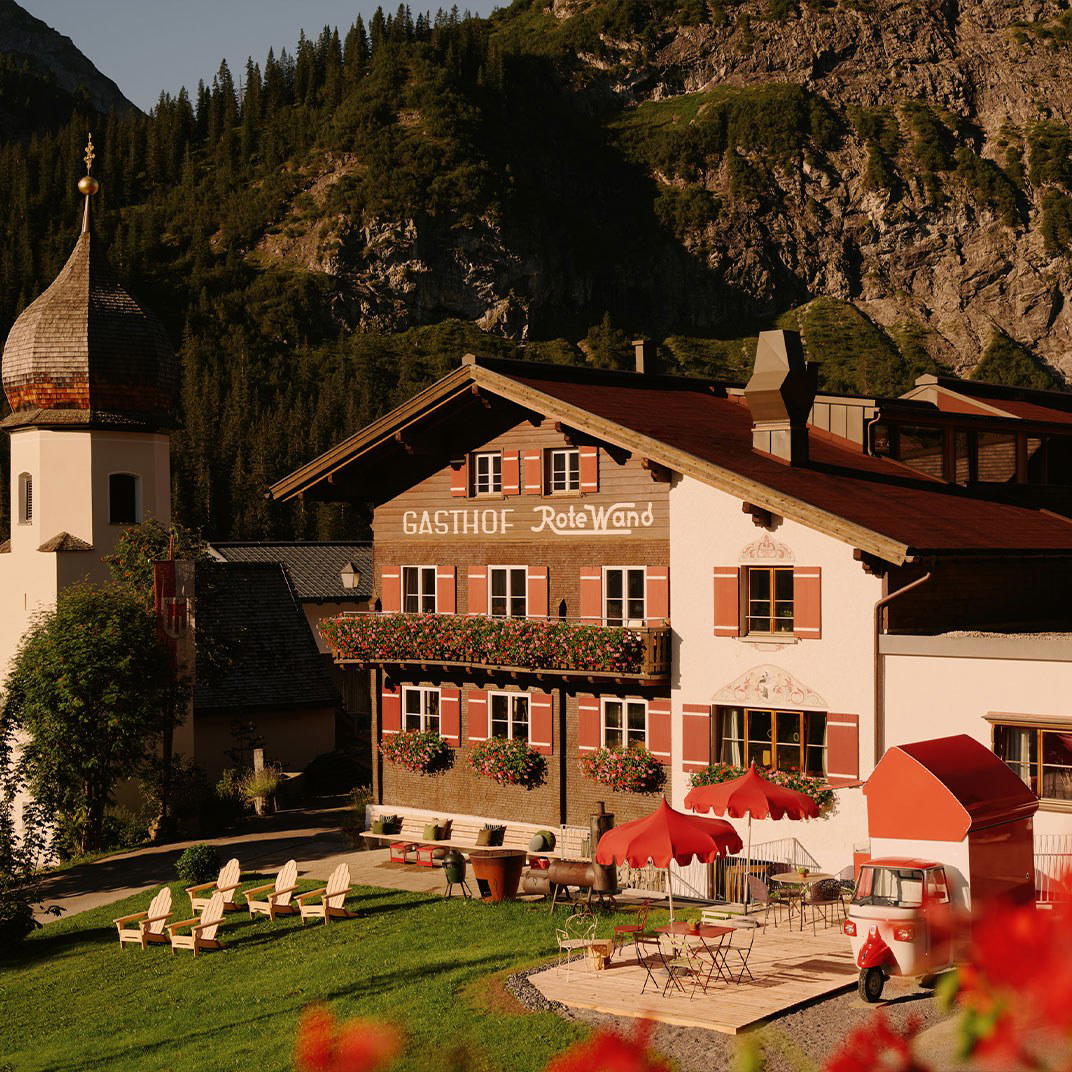
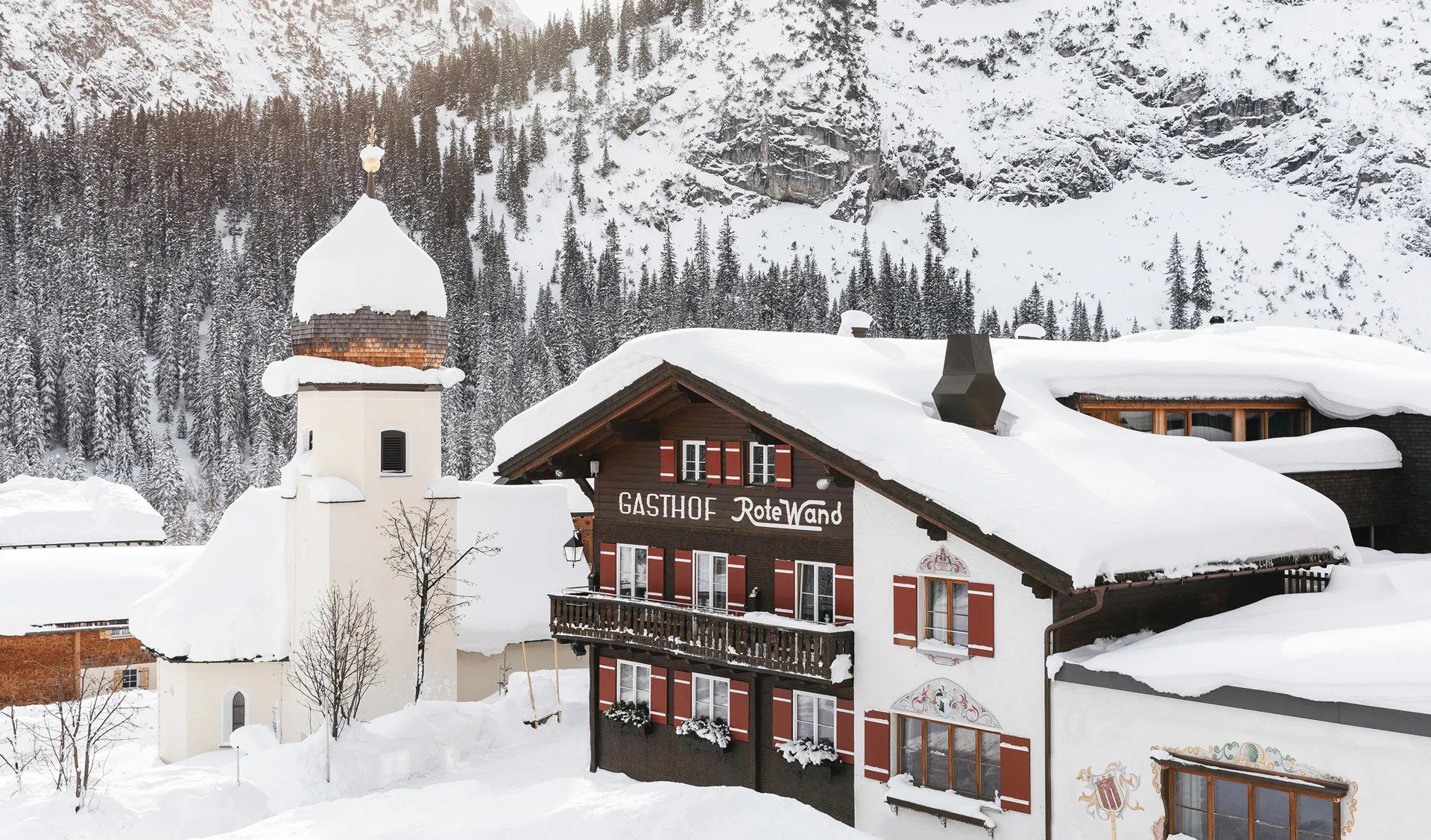
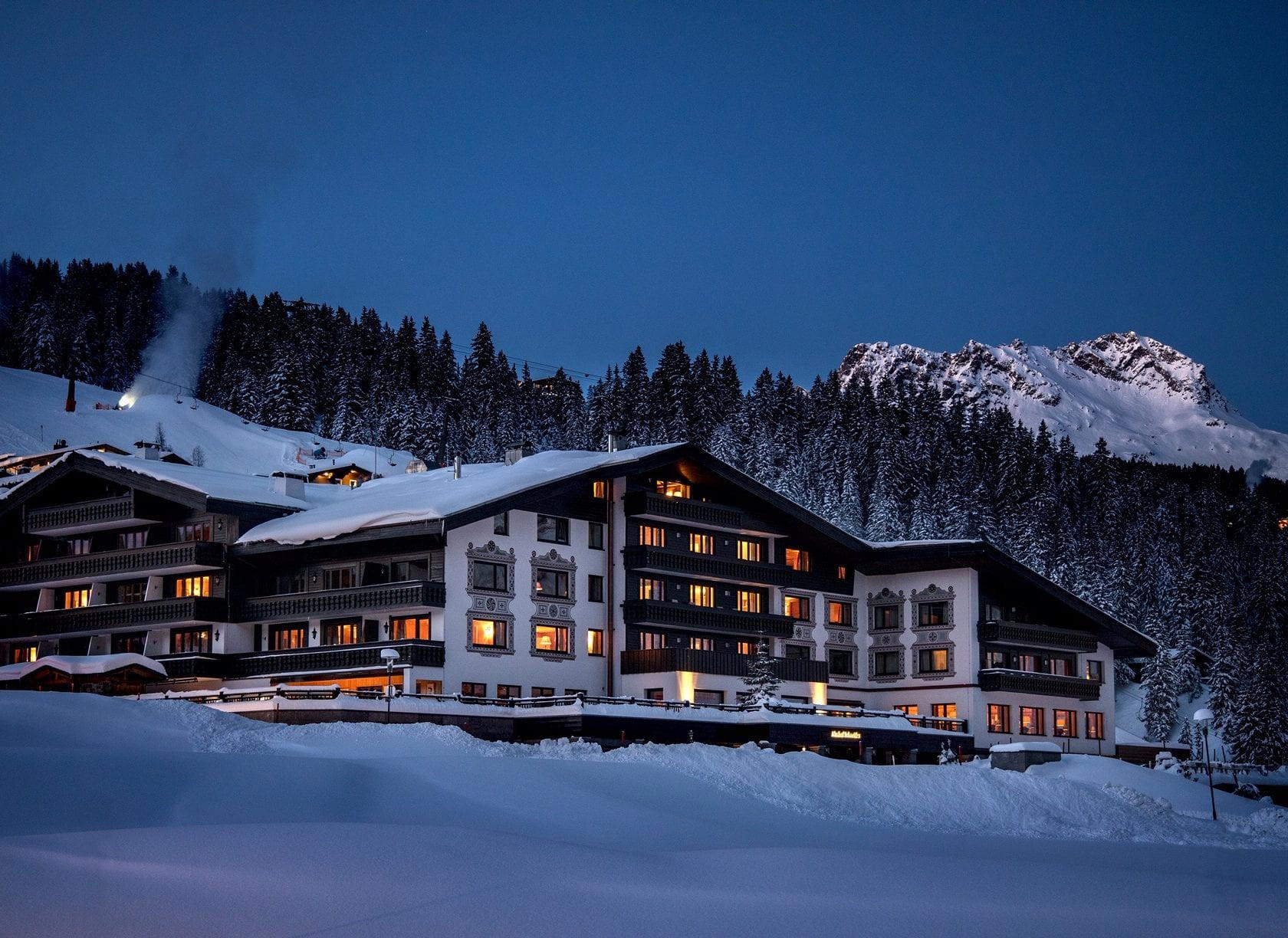
A Michelin Plate recipient in both 2024 and 2025, Rote Wand Stuben sits within the Rote Wand hotel complex in Lech's quieter Zug hamlet, serving traditional Austrian cuisine at the €€€ price point.

Pearl is the En Primeur Club membership app, where members save venues, book tables and use the concierge.
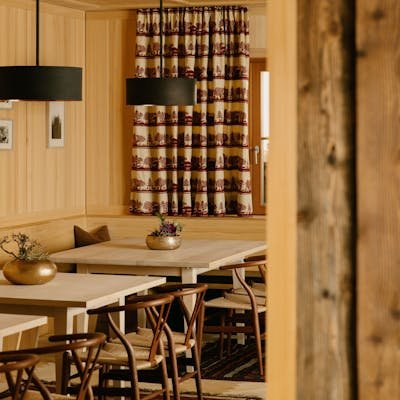
The menu
What to order
- Wiener schnitzel
- Fondue Chinoise
- Cheese fondue
Where the Vorarlberg Kitchen Meets Alpine Dining Culture
Lech am Arlberg occupies a particular position in European winter hospitality: a village small enough to walk across in fifteen minutes, yet dense with serious restaurants operating at price points that would sit comfortably in any major capital. The dining corridor running through Lech and its surrounding hamlets has absorbed enough outside influence over the decades that the question of what constitutes authentic regional cooking here is genuinely complicated. The answer, at least in the case of Rote Wand Stuben, leans firmly toward tradition. Sitting in the Zug hamlet just outside the main village, the Stuben occupies the more grounded end of the Rote Wand property's dining spectrum, counterbalancing the more technically adventurous Rote Wand Chef's Table housed in the same complex.
The Case for Traditional Austrian Cuisine in a Village Full of Ambition
Lech's dining scene has bifurcated sharply in the past decade. On one side, a cluster of destination restaurants pushing the boundaries of Alpine cooking: Griggeler Stuba with its Modern Cuisine at the €€€€ tier, Fux with its fusion approach at the same price point, and Jägerstube and Walserstube operating in the modern register. On the other, a smaller number of kitchens holding to the Vorarlberg and broader Alpine canon: slow-braised meats, dairy-rich preparations drawing on the valley's farming tradition, and a structural conservatism that resists the temptation to reframe everything through a contemporary lens.
Rote Wand Stuben belongs to the second group. The Michelin Plate recognition in both 2024 and 2025 signals a kitchen that meets a consistent quality threshold without operating in the star tier. In Michelin's framework, the Plate indicates food worth seeking out; it positions the Stuben clearly above casual resort dining without placing it in competition with the village's one- and two-star operations.
Traditional Cuisine in Its Alpine Context: What That Actually Means
The editorial angle on traditional cuisine in the Austrian Alps requires some care. The Vorarlberg kitchen draws on a distinct tradition shaped by geography, trade routes, and proximity to the Swiss and German borders, making it somewhat different in emphasis from the Viennese canon or the Styrian pantry that anchors places like Steirereck im Stadtpark in Vienna. Vorarlberg cooking leans on dairy products from the mountain pastures, freshwater fish from Alpine lakes and rivers, game from the surrounding forests, and preserved preparations built around the logic of altitude and season.
What distinguishes the better traditional Alpine kitchens from merely nostalgic ones is precisely the question the EA-GN-15 angle raises: how does a kitchen reconcile indigenous products with the technical expectations of a guest base that arrives from across Europe and beyond? The Austrian Alpine dining scene at its most interesting, as seen in properties like Döllerer in Golling an der Salzach and Obauer in Werfen, finds ways to honor the regional product logic while meeting contemporary standards of precision and presentation. Rote Wand Stuben operates in that tradition, holding to recognizable regional forms while functioning within a property that clearly understands the demands of an international clientele.
The comparison with traditional cuisine restaurants in other European contexts is instructive. Auberge Grand'Maison in Mûr-de-Bretagne and Auga in Gijón represent different national iterations of the same structural choice: committing to a regional product base and a recognizable culinary grammar rather than chasing technique-led novelty. The Michelin Plate in each case carries a similar message about where these kitchens sit in the quality hierarchy.
The Zug Setting and What It Signals
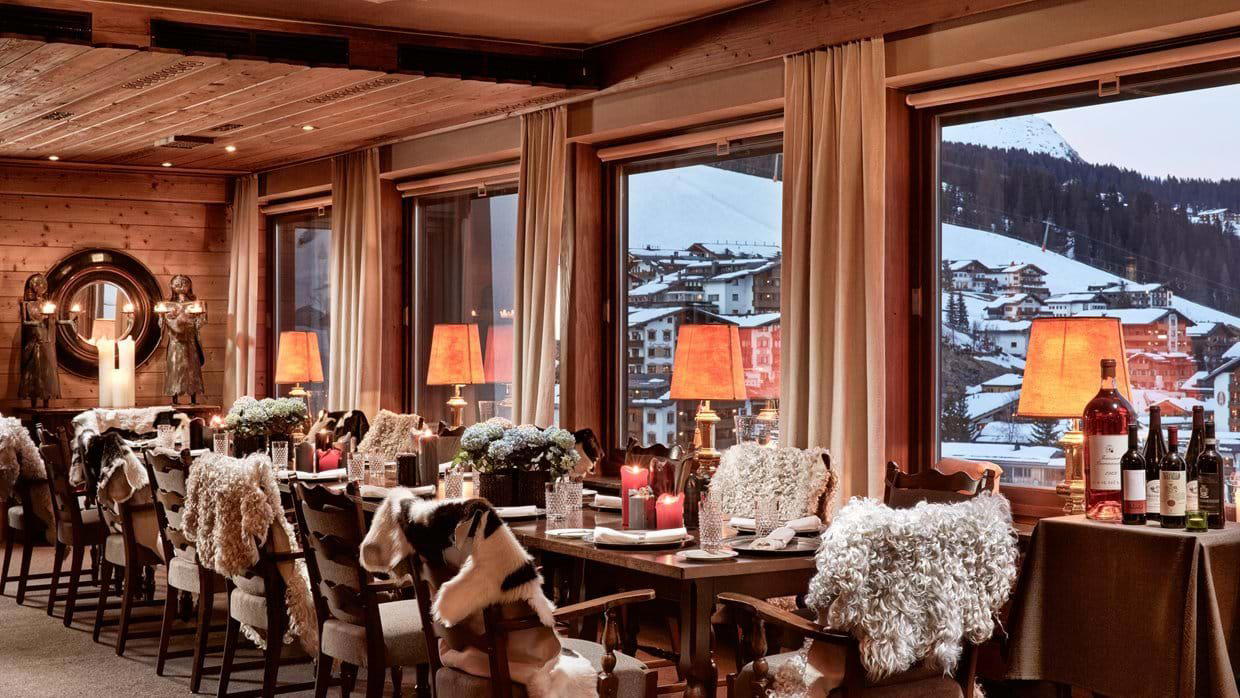
Location carries weight here. The Zug hamlet sits at a slight remove from Lech's main drag, which means the Stuben does not benefit from the foot traffic that passes the village's more visible restaurant fronts. Guests arrive with intention rather than impulse, which shapes the room's atmosphere in noticeable ways. The Rote Wand property as a whole has built a reputation as one of the valley's more considered hotel operations, and the Stuben reflects that positioning. Where Aurelio, also at the €€€ tier with a Contemporary approach, draws guests partly on the strength of its hotel's design identity, the Stuben's draw is more squarely culinary and atmospheric in the Stuben tradition: warm rooms, a menu rooted in the region, the expectation of a meal that feels like a genuine expression of where you are rather than a portable fine-dining format dropped into alpine scenery.
For a full read of the Lech dining field, the full Lech restaurants guide maps the competitive set in detail. Those planning around the broader resort stay will also find the Lech hotels guide, bars guide, and experiences guide useful for structuring the wider trip. The Lech wineries guide rounds out the picture for guests focused on the Austrian wine program, which in this part of Vorarlberg often features bottles from the Wachau and Styria that pair well with the regional meat and dairy preparations the Stuben favours.
For context on the broader Austrian Alpine dining circuit, the Arlberg corridor connects with Gourmetrestaurant Tannenhof in Sankt Anton am Arlberg, a few kilometres through the tunnel, while the wider Salzburg region offers Ikarus in Salzburg and Kräuterreich by Vitus Winkler in Sankt Veit im Pongau for those building a broader Austrian itinerary around the region's restaurant culture.
Planning a Visit
Rote Wand Stuben sits at the €€€ price point, placing it at the mid-range end of Lech's dining tier, below the €€€€ operations at Griggeler Stuba and Fux. The address is Zug 5, 6764 Lech, in the Zug hamlet rather than the village centre, so arriving by car or taxi from the main village is the practical approach, particularly in winter conditions. Lech operates primarily as a winter season resort, with a shorter summer season; guests should confirm opening periods before travelling, as seasonal closure patterns vary year to year.
Frequently asked questions
What part of town is Rote Wand Stuben in?
Rote Wand Stuben is located at Zug 5, 6764 Lech, Austria, Lech.
What kind of recognition has Rote Wand Stuben received?
Rote Wand Stuben has received recognition including: Michelin Plate (2025); Michelin Plate (2024).
What should I order at Rote Wand Stuben?
The kitchen works in the traditional Austrian register, drawing on the Vorarlberg region's dairy, game, and seasonal produce. That positioning, confirmed by back-to-back Michelin Plate recognition in 2024 and 2025, points toward classic Alpine preparations rather than experimental or fusion formats. Given the €€€ price point, expect substantive, composed dishes rather than casual snacks. Ordering around whatever the kitchen is featuring from local suppliers is the most reliable approach at a restaurant operating in this tradition.
What price level is Rote Wand Stuben?
Pricing at Rote Wand Stuben is listed as €€€.
Cost and Credentials
| Venue | Cuisine | Price | Awards | Notes |
|---|---|---|---|---|
| Rote Wand StubenThis venue (the venue you are viewing) | Traditional Austrian Fondue & Classics | Not listed | Michelin Plate · Falstaff Restaurant - 94 Falstaff Points | Not listed |
| Griggeler Stuba | Modern Alpine Cuisine with Japanese Influences | $300–500 | 2 Michelin Stars · La Liste Top Restaurants | Modern Cuisine |
| Post Lech | Contemporary Austrian Alpine Cuisine | Not listed | Michelin Plate · Star Wine List | Contemporary |
| Aurelio | Contemporary Austrian Fine Dining | Not listed | Michelin Plate · La Liste Top Restaurants | Contemporary |
| Fux | Euro-Asian Fusion | Not listed | Michelin Plate · Star Wine List | Fusion |
| Klösterle | Traditional Austrian Alpine Cuisine | $100–150 | Not listed | Progressive Austrian |
Recognition history
Dated appearances from independent guides and award organizations, with the underlying list record or original source where available.
Michelin Plate
Michelin
Falstaff Restaurant - 94 Falstaff Points
Falstaff
Opinionated About Dining Newly Added European Restaurants
Opinionated About Dining
World's Best Wine Lists Awards WBWL 2-Star
World's Best Wine Lists Awards
Full recognition history (6 entries)
Opinionated About Dining Casual in Europe Recommended
Opinionated About Dining
Michelin Plate
Michelin
Continue exploring
More in Lech am Arlberg
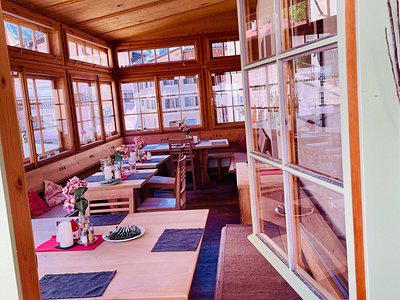
Restaurants in Lech am Arlberg
All restaurants in Lech am Arlberg →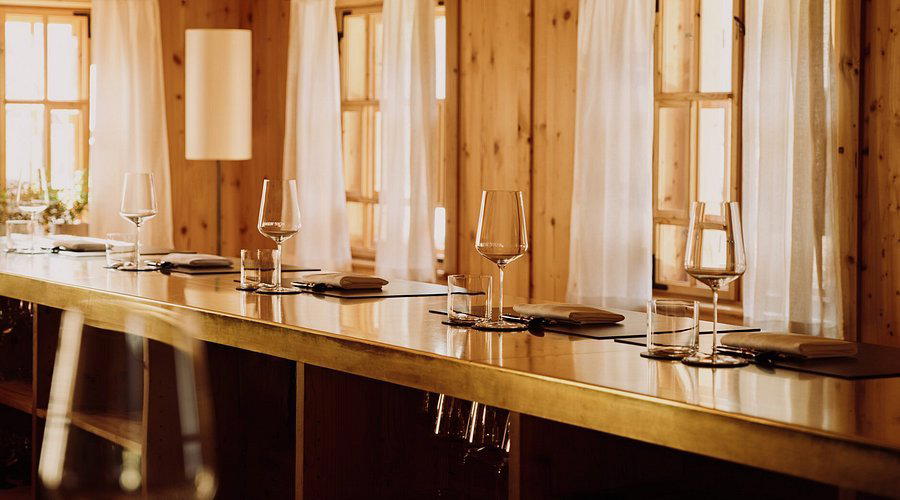
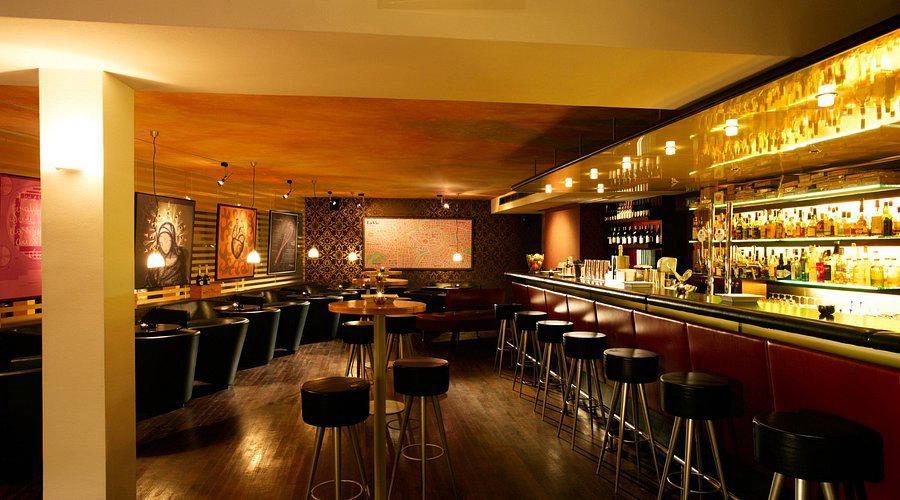
Bars in Lech am Arlberg
Browse all →

Details
- Cozy
- Rustic
- Romantic
- Classic
- Special Occasion
- Family
- Celebration
- Hotel Restaurant
- Historic Building
- Extensive Wine List
- Local Sourcing
- Mountain
- A La Carte
- Set Menu
- Vegetarian Friendly
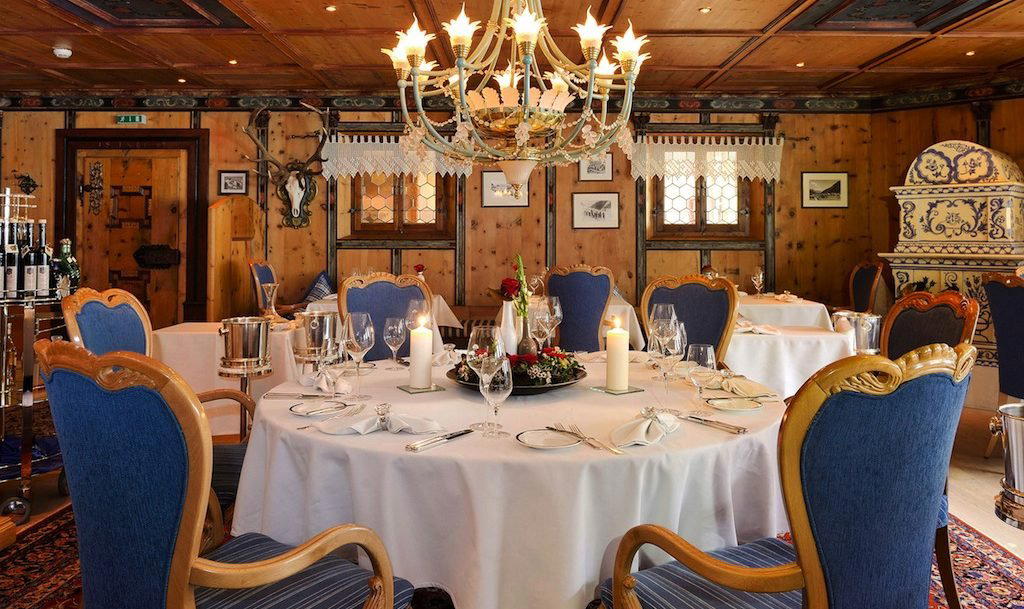
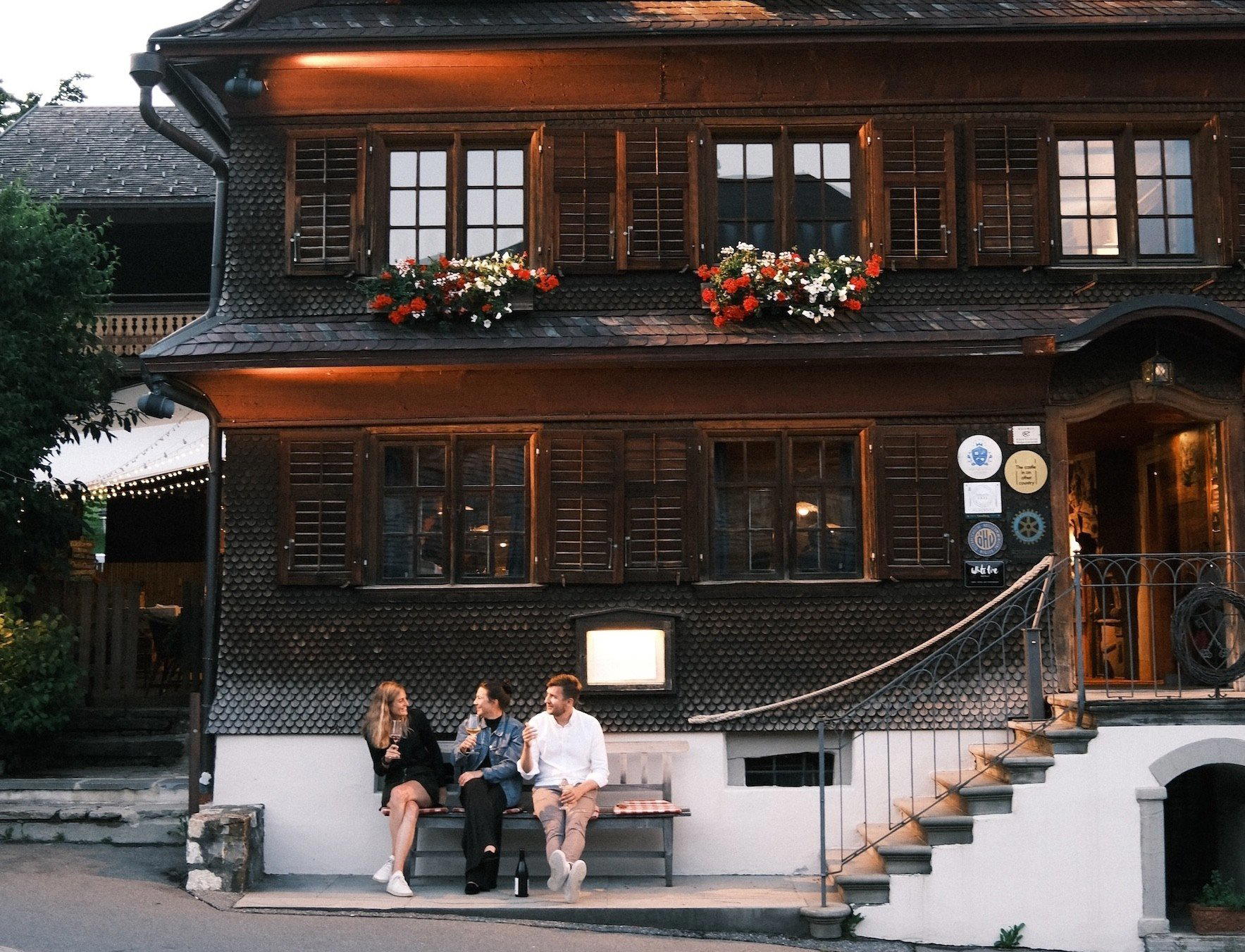
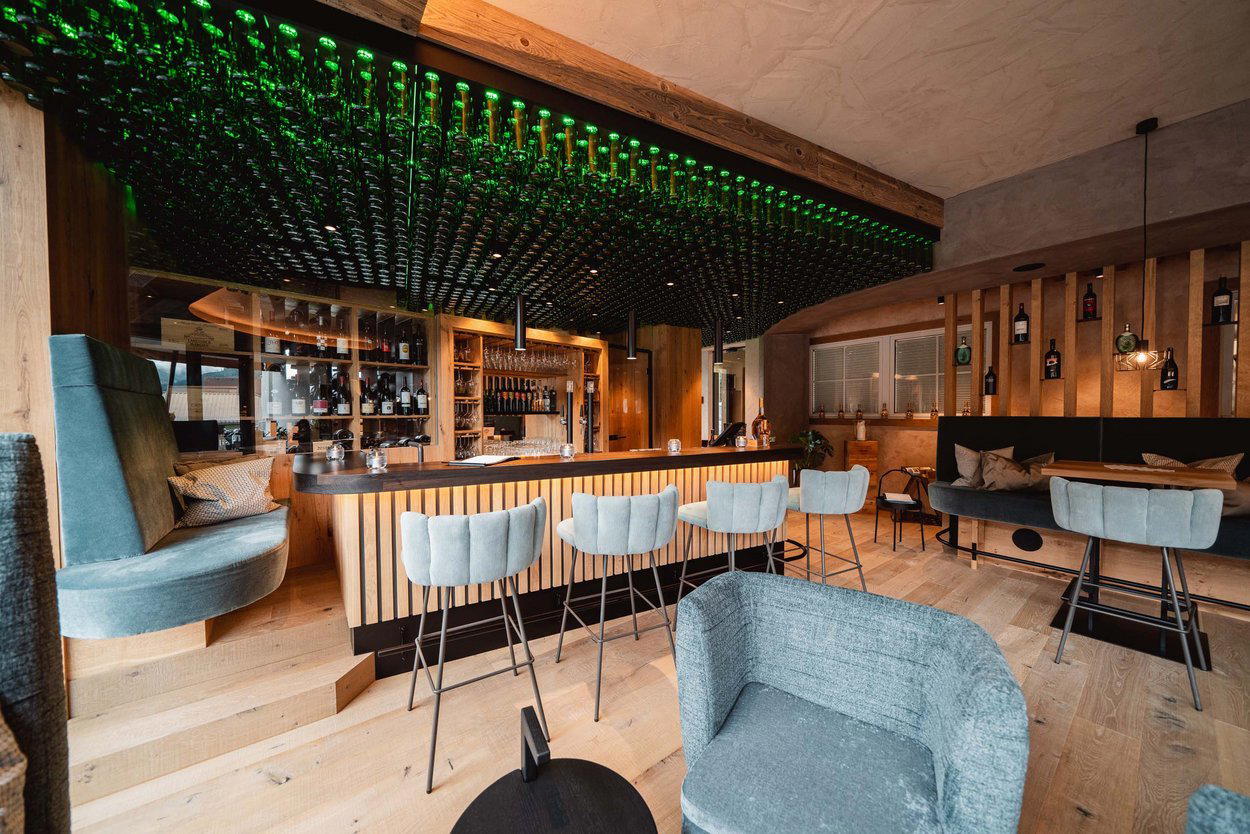
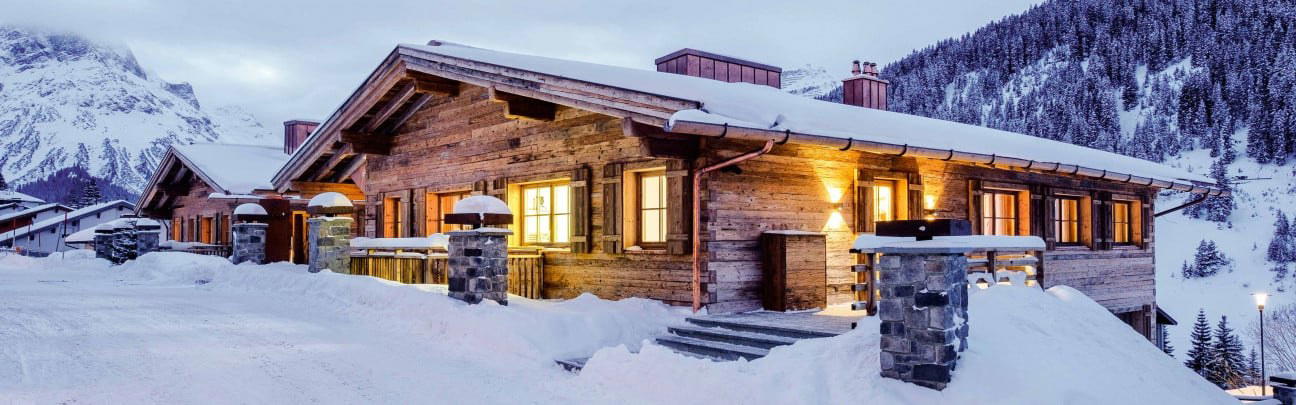
Charming and cozy with alpine warmth, featuring areas like the Stuben, fireplace, and library for an intimate, nostalgic atmosphere.