Hilberger's Beisl occupies a clear position in Kaprun's dining scene: a classic Austrian Beisl operating on Wilhelm-Fazokas-Straße 12, grounded in the regional cooking traditions of the Salzburg Alps. In a village where après-ski convenience often outpaces kitchen ambition, this address draws guests looking for something closer to the Gasthaus ideal, honest food, local character, and a room that earns its place in the valley.
Pearl is the En Primeur Club membership app — saves, bookings, and concierge access live there. Same editors, same standards.
- Address
- Wilhelm-Fazokas-Straße 12, 5710 Kaprun, Austria
- Phone
- +434365477246
- Website
- hilberger.at
- Directions
- Get directions
 Saves & bookings on Pearl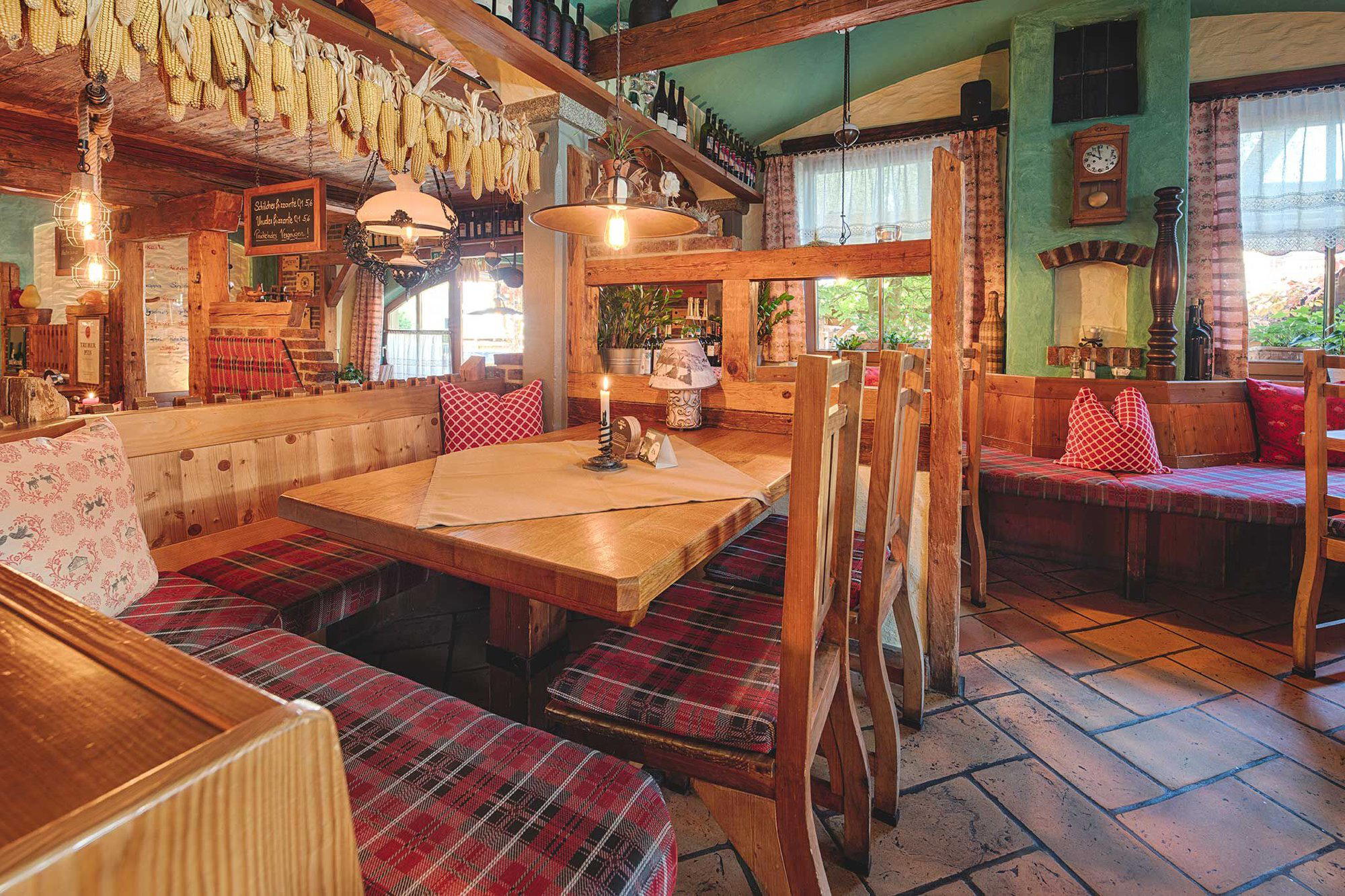
Where the Beisl Tradition Meets the Alpine Village
The Beisl is one of Austria's most enduring dining formats, and understanding it is essential before evaluating any individual address that carries the name. Somewhere between a French bistro and a British pub in social function, but entirely its own thing in culinary terms, the Beisl occupies the civic centre of Austrian eating: affordable by design, communal by instinct, and anchored in the kind of cooking that draws on regional larder rather than imported technique. In the Salzburg Alpine corridor, where Kaprun sits at the foot of the Kitzsteinhorn glacier, that tradition takes on particular character. The kitchen draws from a geography that produces mountain herbs, freshwater fish from glacier-fed streams, game from surrounding forests, and dairy with a fat content that makes Viennese chefs quietly envious.
Hilberger's Beisl, at Wilhelm-Fazokas-Straße 12, positions itself within that tradition in a village that increasingly competes for year-round tourism. Kaprun has evolved from a seasonal ski stop into a destination with summer hiking, the glacier ski area open into late spring, and a visitor base that now expects more from its restaurants than a schnitzel and a beer between lifts. The Beisl format, when executed with commitment, answers that expectation not by reaching toward fine dining but by going deeper into what the tradition actually means.
The Architecture of a Proper Beisl Kitchen
Austrian regional cooking is frequently misread by visitors expecting something heavy and undifferentiated. The Salzburger Land kitchen is in fact highly seasonal, reliant on produce cycles that shift the menu considerably between the first snow and the summer solstice. A Beisl that respects this calendar will look quite different in February, when root vegetables, cured meats, and slow-braised preparations dominate, than it does in July, when the alpine meadows produce herbs that appear nowhere else on the continent at that altitude. This is not a cuisine that globalises easily, which is part of what makes it worth seeking on its own ground.
The Tafelspitz, boiled beef served with horseradish and chive cream, is the canonical measure of a serious Austrian kitchen, demanding quality of the primary ingredient and precision of timing above all. Equally, the treatment of Wiener Schnitzel separates the kitchens that understand the dish from those that approximate it: the correct preparation uses veal, breadcrumbs that move freely in the pan rather than adhering to the meat, and fat at the right temperature. These are not complex dishes in the sense that a tasting menu is complex, but they require a kitchen that is honest about its sources and disciplined in its execution. In the Kaprun valley, a short drive from Salzburg's more decorated restaurant scene, which includes addresses like Ikarus in Salzburg and the two-Michelin-starred Obauer in Werfen, there is value in a room that serves the tradition straight rather than through an interpretive lens.
Kaprun's Dining Context in 2024
Kaprun is a small market relative to larger Austrian alpine resorts. Its restaurant scene is dominated by hotel dining rooms, après-ski operations, and a handful of independent addresses, and the competition between them is not primarily on culinary ambition but on reliability and atmosphere. The addresses that tend to build local loyalty are those with a clear identity: FinESSEN (Seasonal Cuisine) operates at the €€€ tier with a seasonal focus that places it in a different competitive bracket, while Dorfstadl and Weitblick each represent distinct approaches to the village dining room.
Within this scene, the Beisl format occupies a particular register. It is not competing with the ambitious seasonal cooking of the Salzburg region's decorated kitchens, places like Kräuterreich by Vitus Winkler in Sankt Veit im Pongau or Döllerer in Golling an der Salzach, both of which operate at Michelin level, nor is it trying to. The better regional comparison for a Beisl is the kind of honest Austrian kitchen that Steirereck im Stadtpark in Vienna situates itself against at the summit of the market: the Beisl tradition at its most grounded, before it reaches for awards. For travellers whose frame of reference is more international, the Austrian Beisl occupies a different emotional register than, say, Le Bernardin in New York City or Atomix in New York City, it is communal, unhurried, and rooted in place rather than in the ambitions of a single kitchen.
The Broader Alpine Fine Dining Picture
For travellers using Kaprun as a base who want to range further for a serious dinner, the Austrian and Tyrolean Alps have built a credible cluster of destination restaurants. Gourmetrestaurant Tannenhof in Sankt Anton am Arlberg, Griggeler Stuba in Lech, and Stüva in Ischgl define the high end of alpine resort dining in the western Austrian arc. Further afield, Landhaus Bacher in Mautern an der Donau, Schwarzer Adler in Hall in Tirol, Ois in Neufelden, and Restaurant 141 by Joachim Jaud in Mieming represent the depth of Austria's regional fine dining outside the major cities. Hilberger's Beisl operates well below that tier by design, and the distinction is worth being clear about when planning a trip: the Beisl offers a different kind of value.
Planning Your Visit
The Kitzsteinhorn glacier ski area operates year-round, which means the village holds visitors in both winter and summer, and restaurant demand follows that pattern: the busiest booking windows are December through March and July through August.
Price and Recognition
Comparable venues nearby, for context on price, style, and recognition.
| Venue | Cuisine | Price | Awards | Notes |
|---|---|---|---|---|
| Hilberger's BeislThis venue — the venue you are viewing | Kaprun, Modern Austrian Beisl | $$ | Not listed | Not listed |
| Weitblick | Kaprun, Regional Austrian Organic | $$ | Not listed | Not listed |
| Dorfstadl | Kaprun, Traditional Austrian | $$$ | Not listed | Not listed |
| FinESSEN | Not listed | $$$$ | Michelin Plate | Kaprun, Modern Regional Austrian Fine Dining |
| Berghaus Tirol | Hahnenkamm, Tyrolean Alpine Home Cooking | $$ | Not listed | Not listed |
| Bärstattalm | Gaisberg, Traditional Tyrolean | $$ | Not listed | Not listed |
Continue exploring
More in Kaprun
Restaurants in Kaprun
Browse all →
At a Glance
- Cozy
- Rustic
- Classic
- Intimate
- Casual Hangout
- Family
- Group Dining
- After Work
- Terrace
- Standalone
- Beer Program
- Farm To Table
- Local Sourcing
- Mountain
Current opening hours
- Monday
- 3–10 PM
- Tuesday
- Closed
- Wednesday
- 3–10 PM
- Thursday
- 3–10 PM
- Friday
- 3–10 PM
- Saturday
- 3–10 PM
- Sunday
- 12–9 PM
Hours can change for holidays and private events. Last verified .
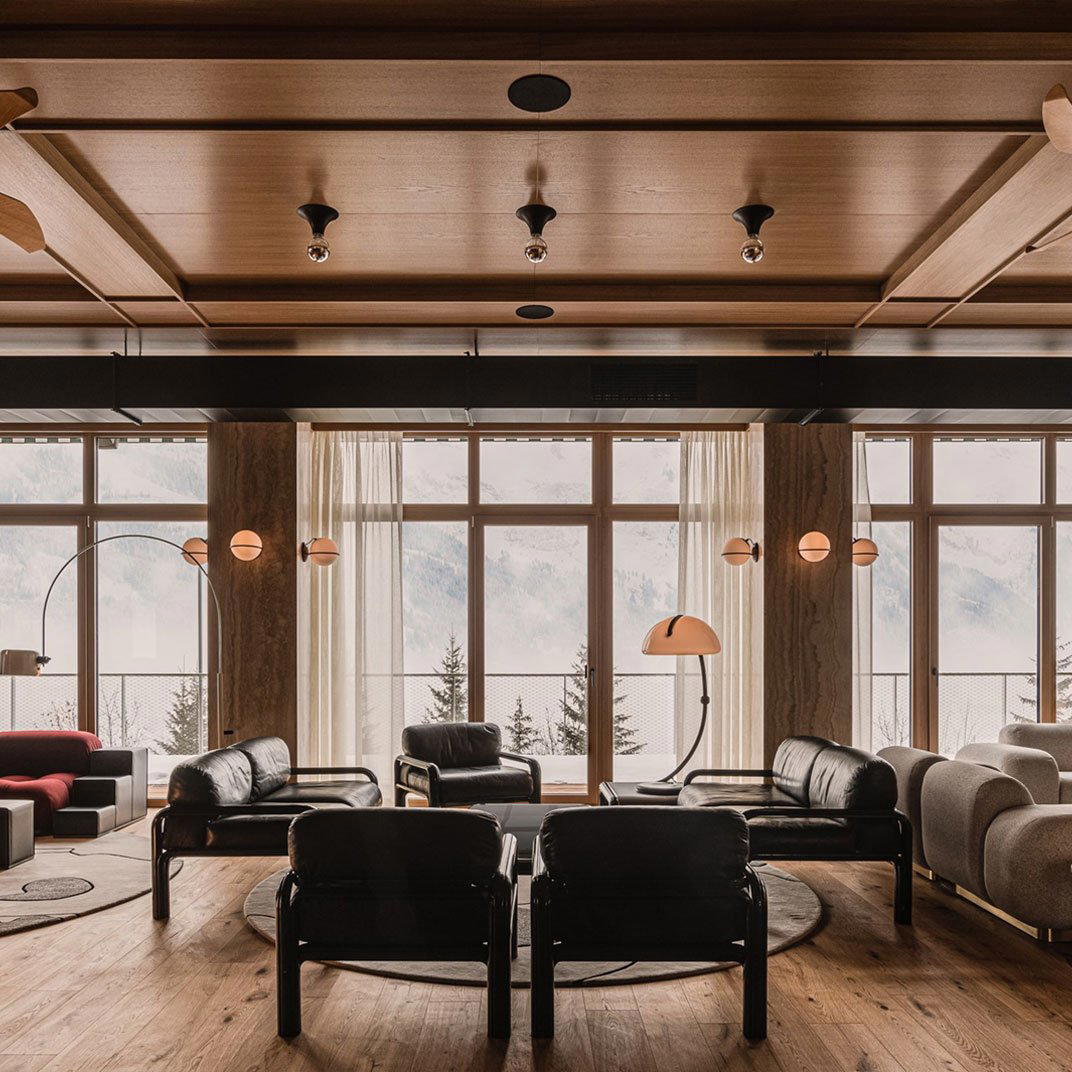
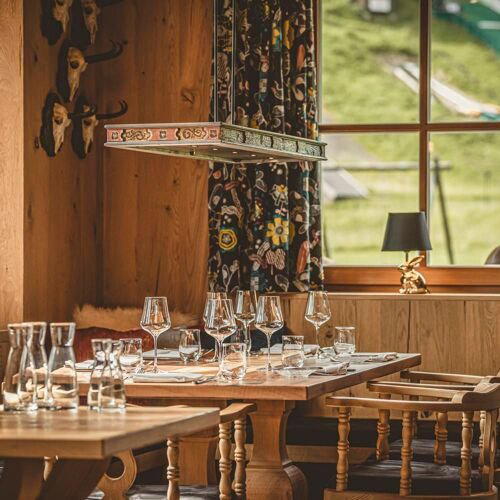
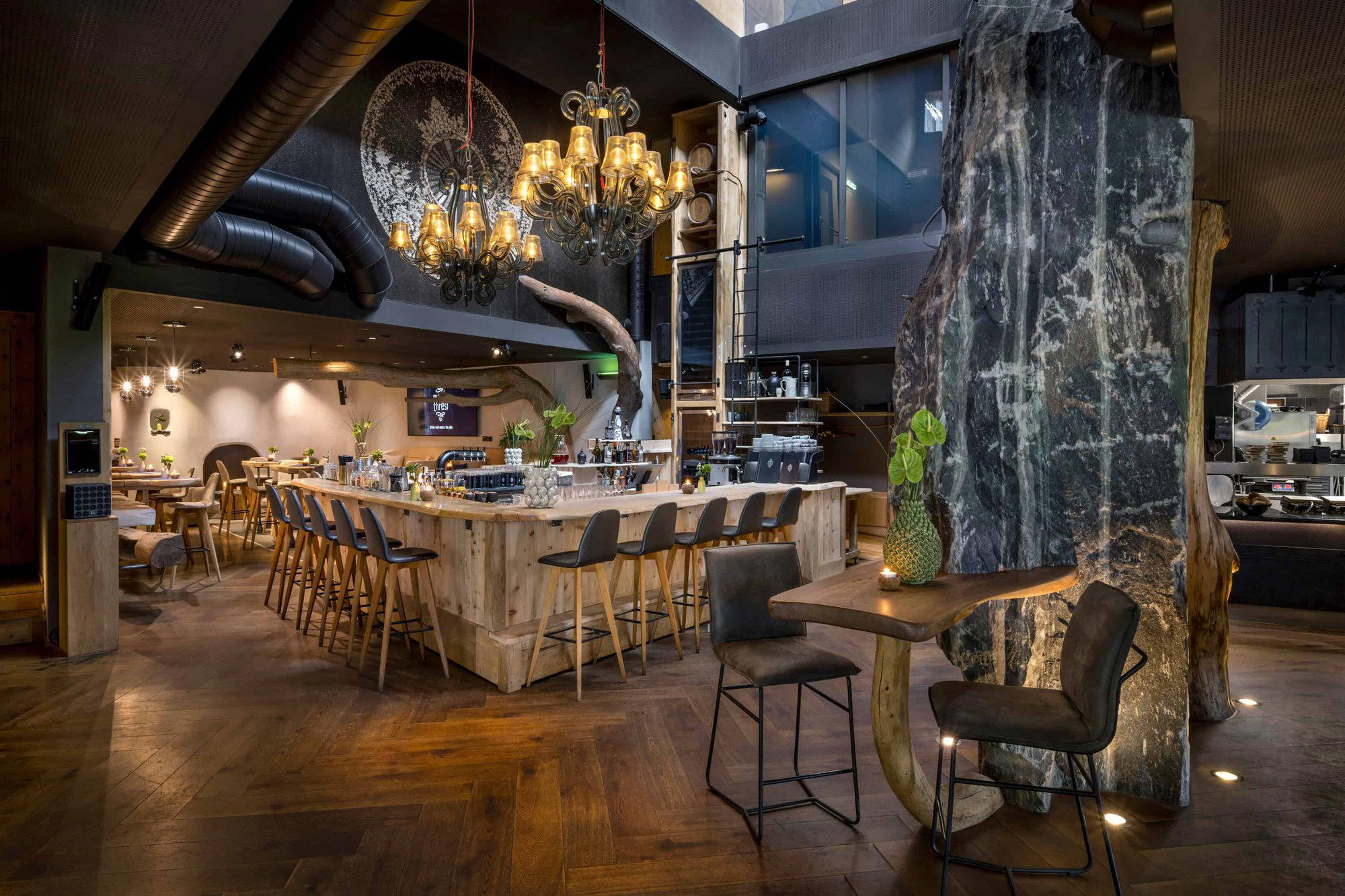
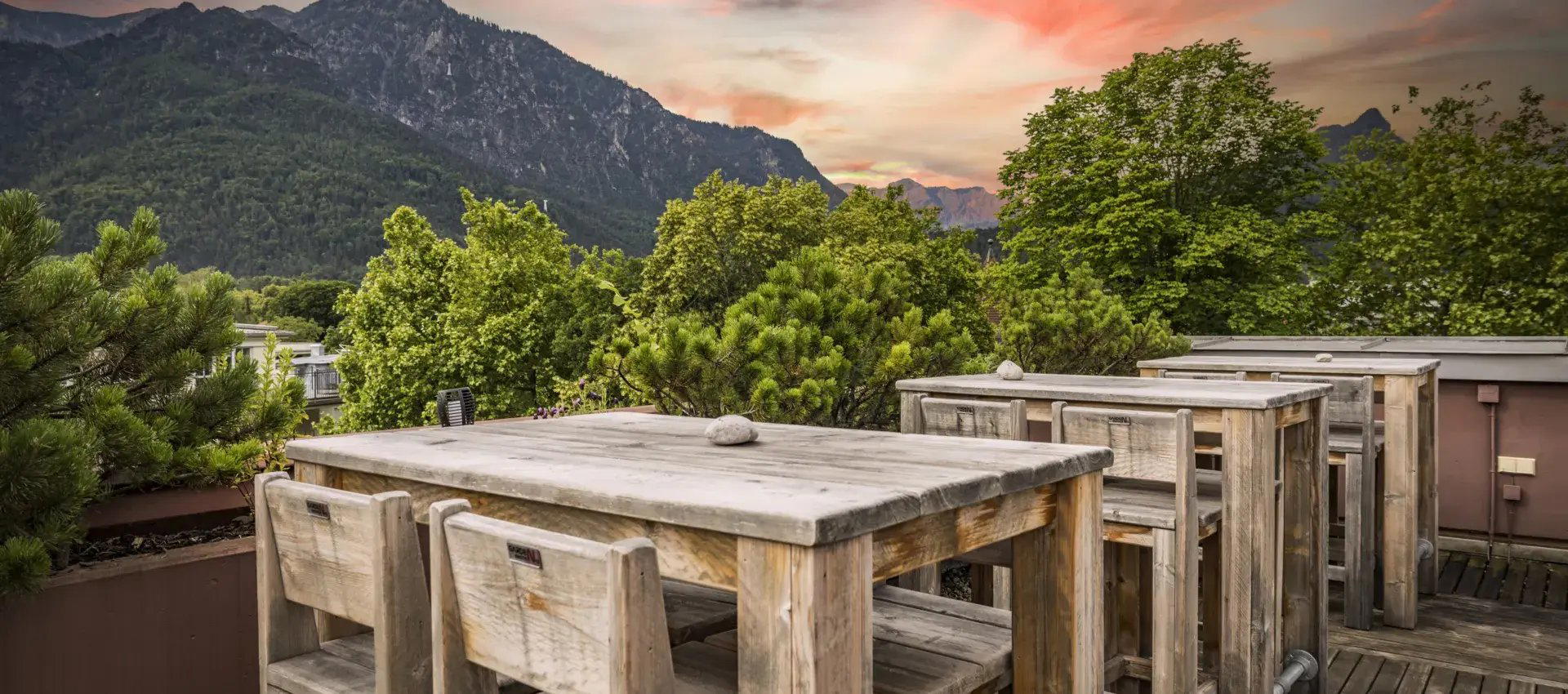
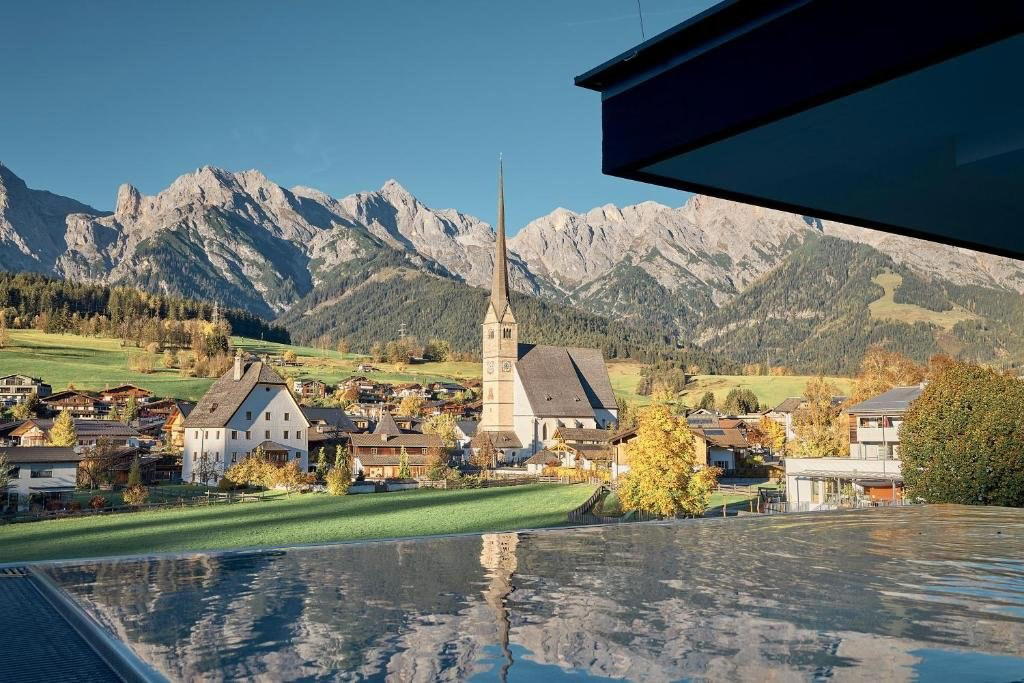
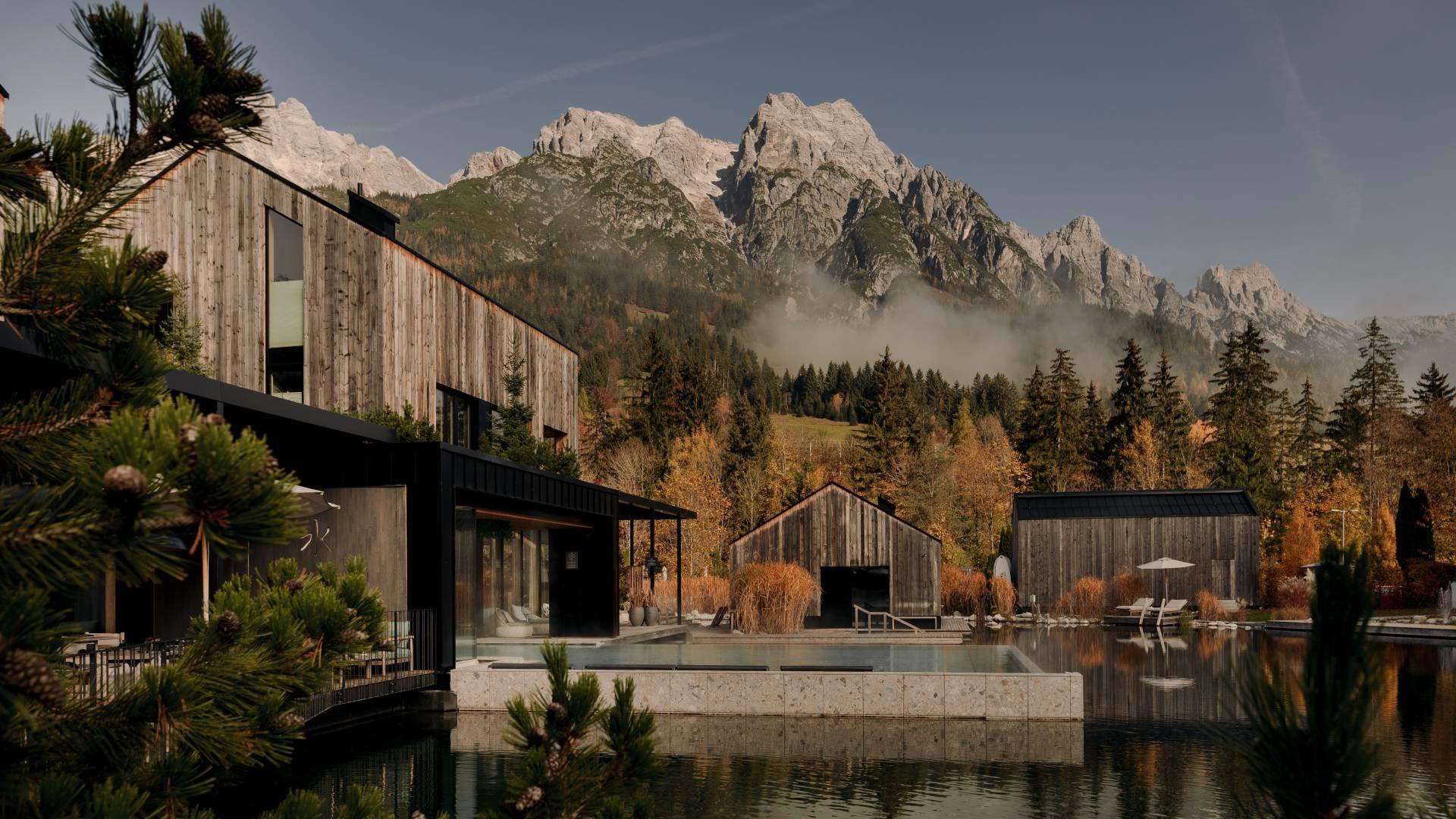
Warm and inviting with cozy interiors and a charming beer garden atmosphere, creating an intimate setting that feels authentically local and welcoming.