

At dahoam by Andreas Herbst, the kitchen at Hotel Riederalm translates Leogang's alpine terrain into a set menu built on fermentation, foraging, and hyper-local sourcing. Chef Herbst trained with Johanna Maier, Andreas Döllerer, and Mario Lohninger before returning home to push regional cuisine into new technical territory. A white bull leather map of local producers on the table says everything about where the food comes from.
Pearl is the En Primeur Club membership app — saves, bookings, and concierge access live there. Same editors, same standards.
- Address
- Rain 100, 5771 Leogang, Austria
- Phone
- +43 6583 7342
- Website
- restaurant-dahoam.com
- Directions
- Get directions
 Saves & bookings on Pearl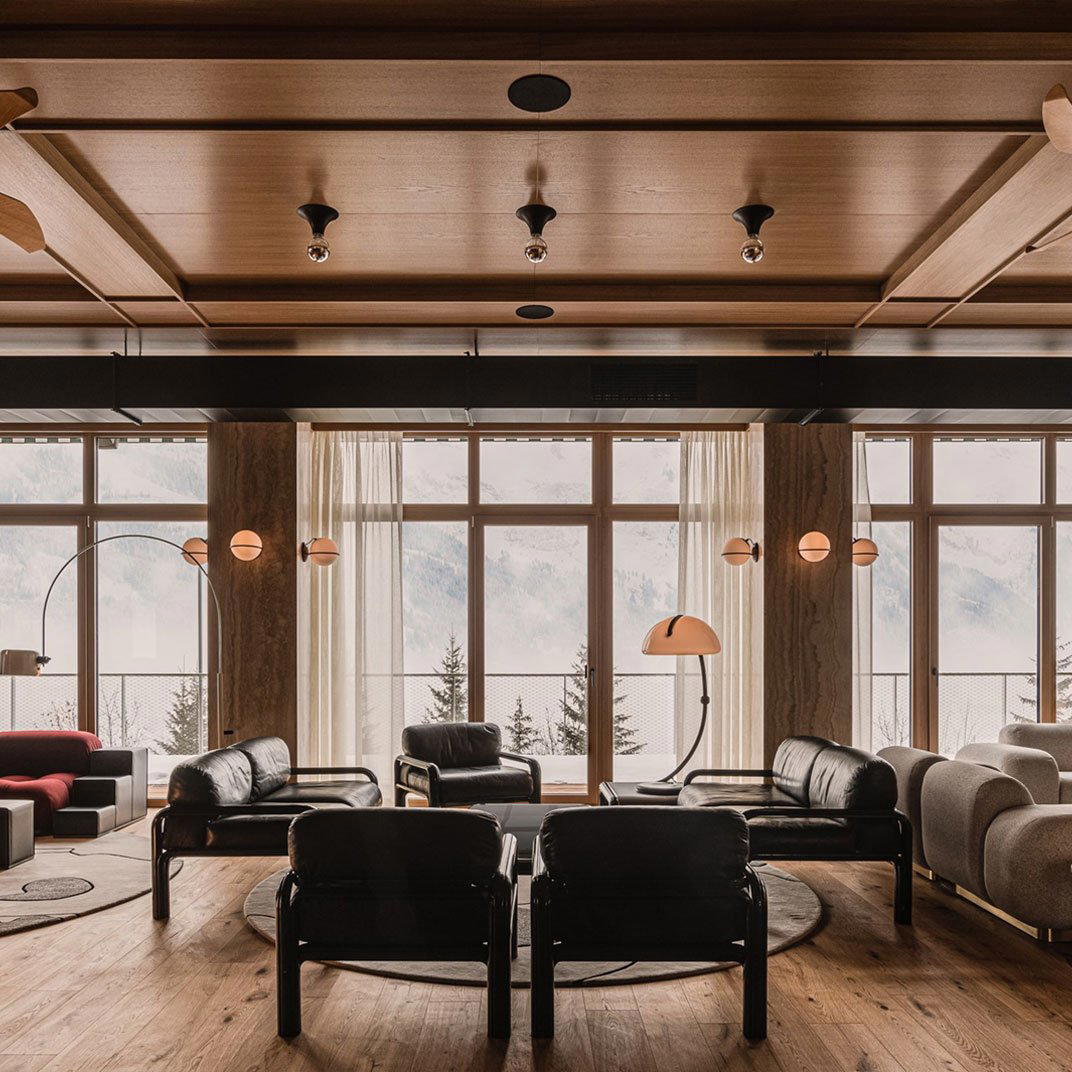
Where the Alps Come to the Table
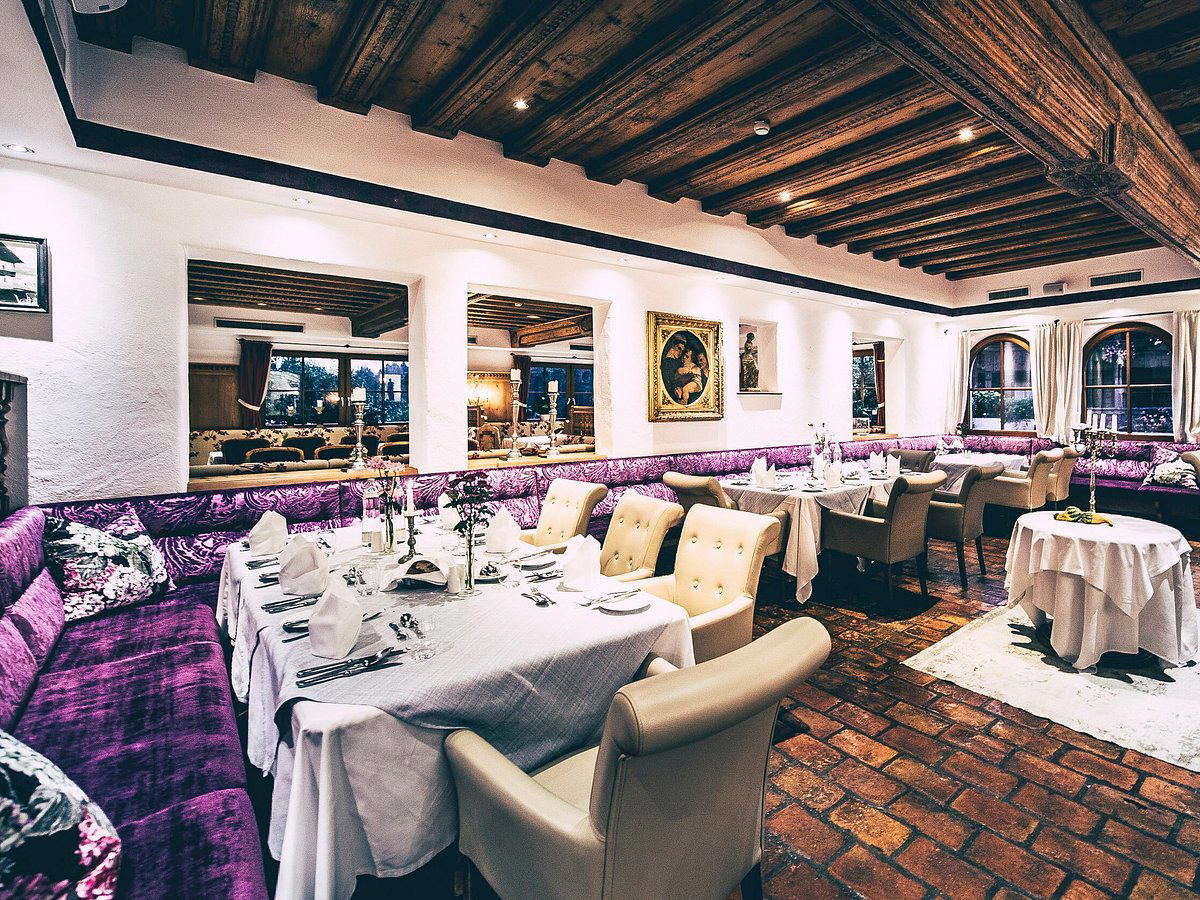
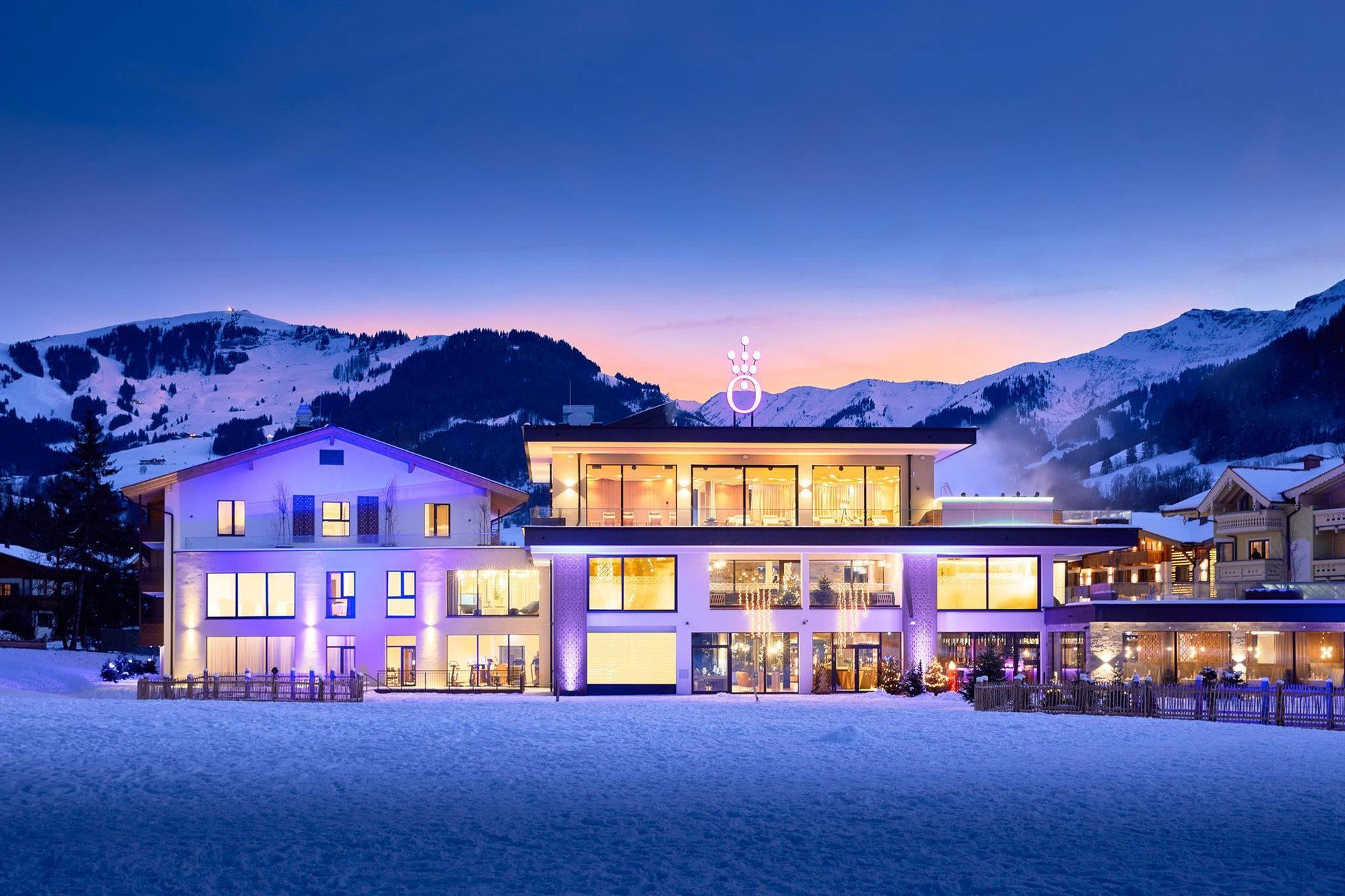
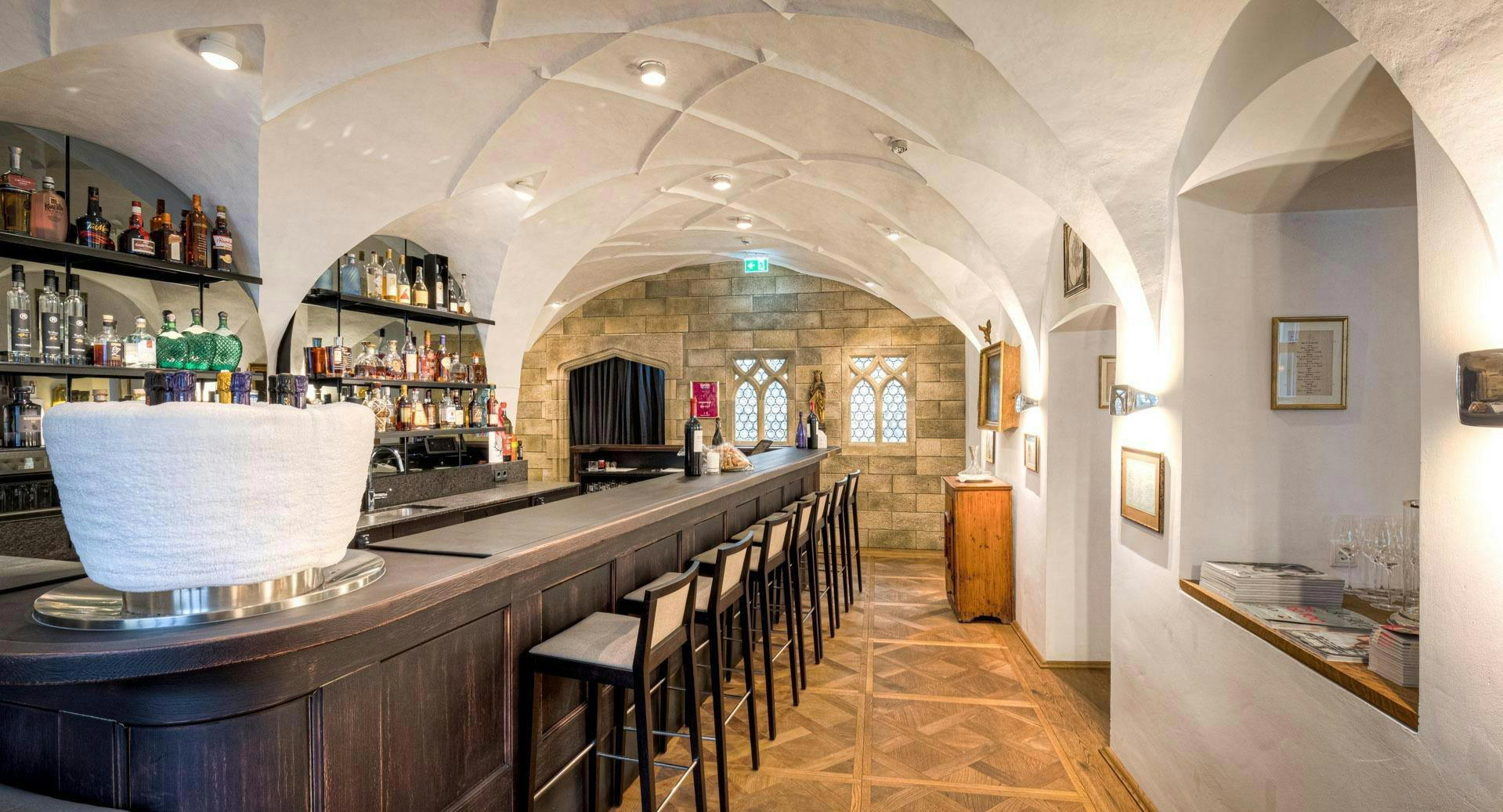
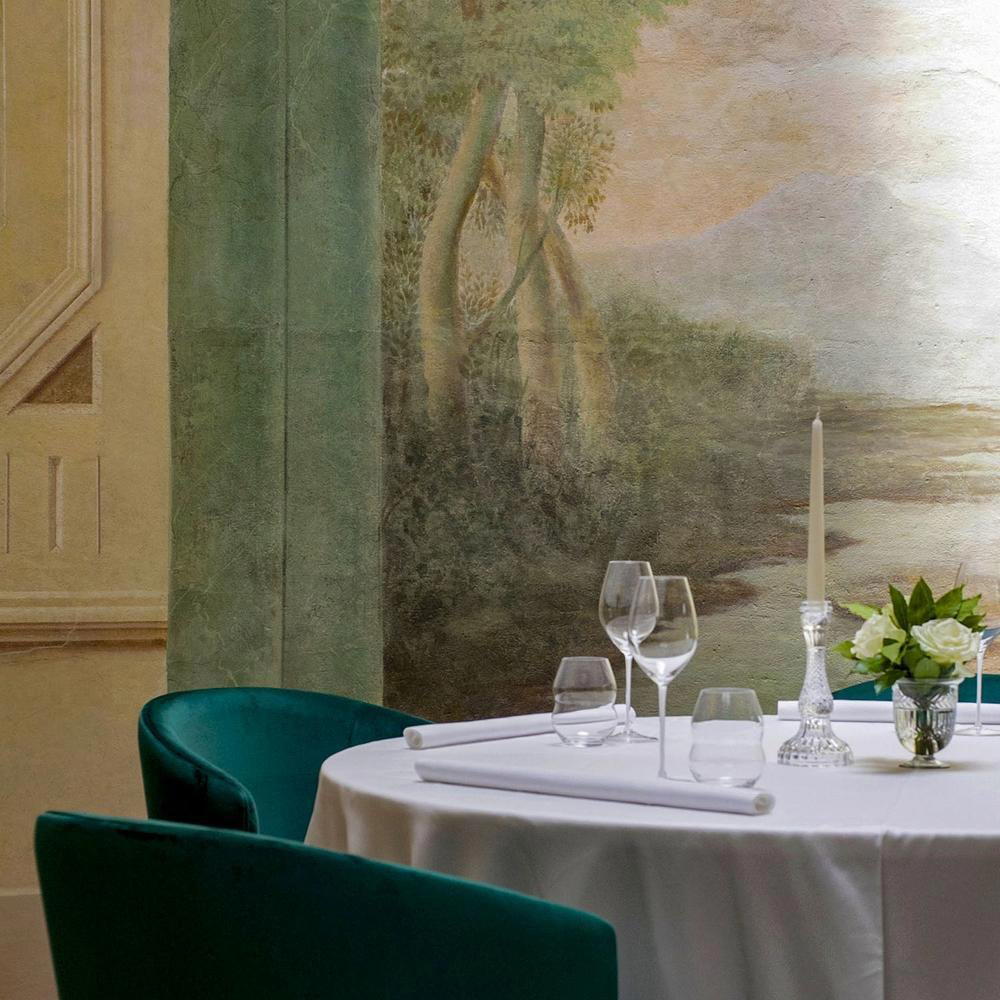
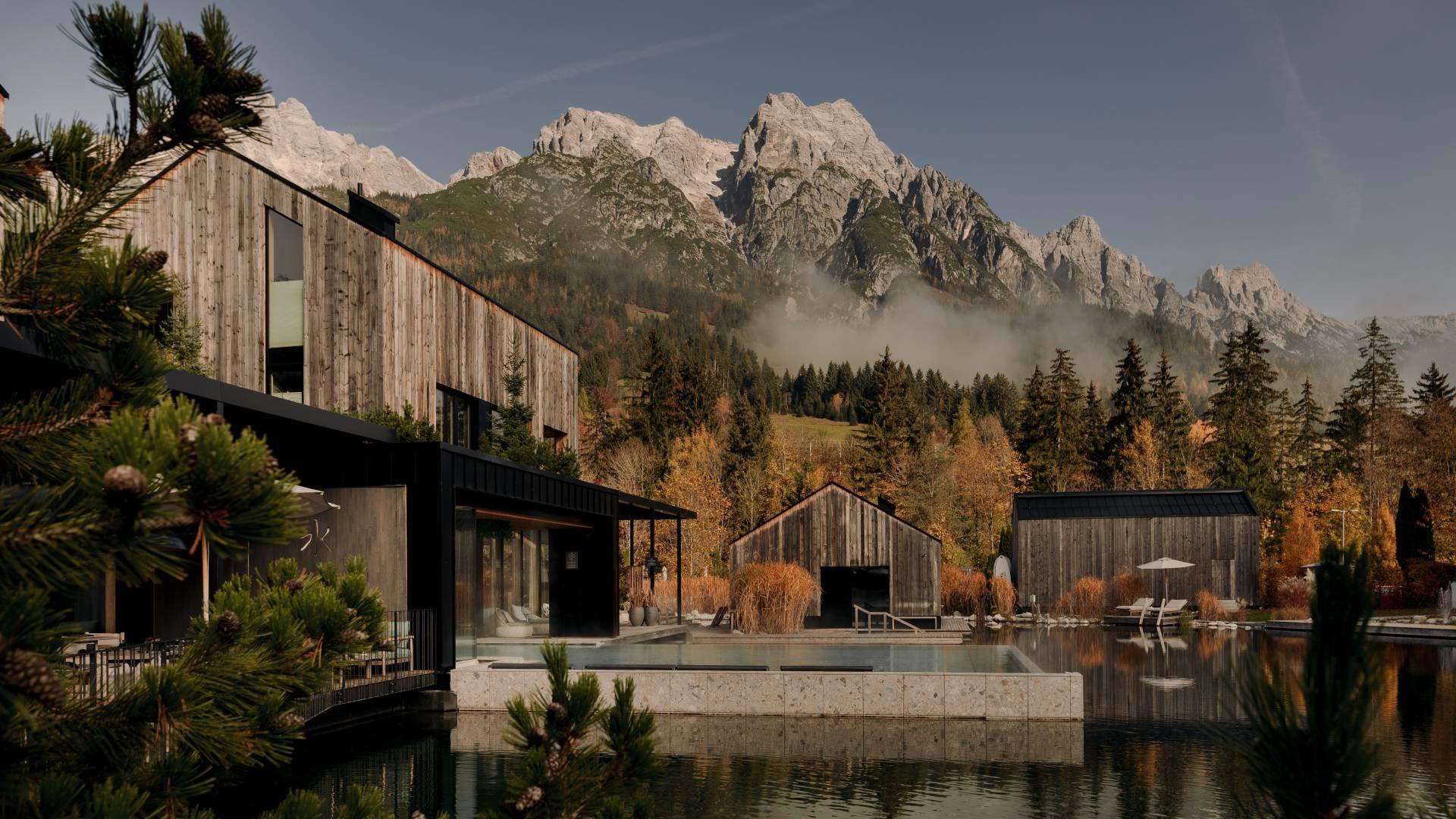
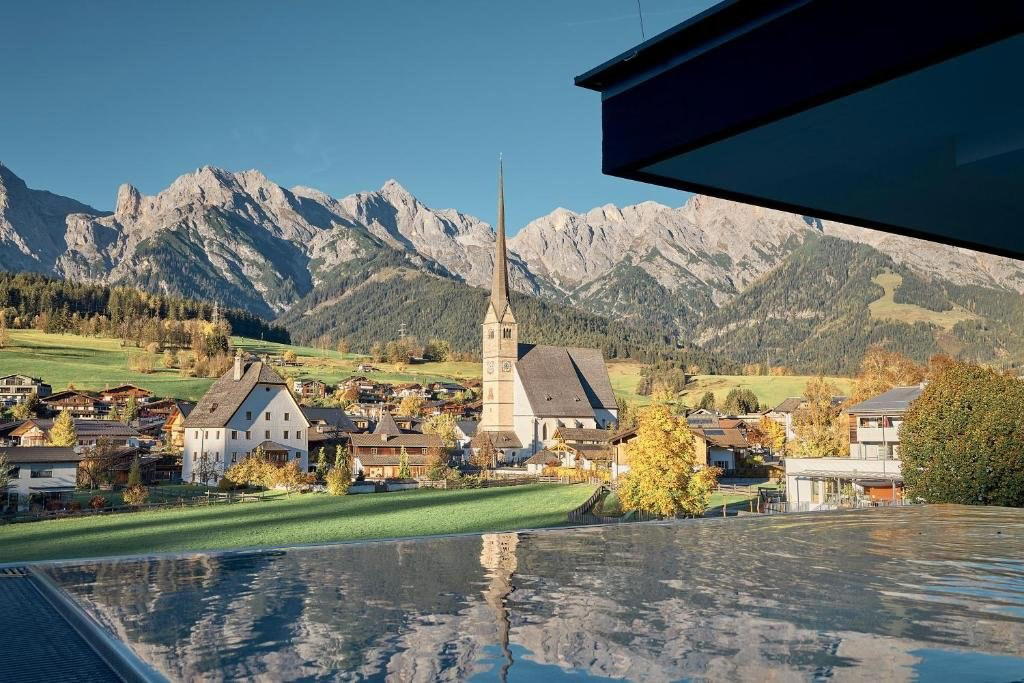
Arriving at Hotel Riederalm in Rain, the approach already signals what the kitchen is doing: the Salzburg Alps press close, the valley floor is productive farmland, and the village of Leogang maintains a working relationship with its landscape that most Alpine resort towns have traded away for convenience. The dining room at dahoam by Andreas Herbst carries that context inside, with a refined interior and window tables that frame the surrounding peaks as a direct argument for the menu's provenance logic. The name itself, dahoam, meaning "home" in the local dialect, is less a branding exercise than a culinary position statement.
Sourcing as the Structural Idea
Telling object in the dining room is not on the plate. It is a map made of white bull leather, printed with the names and locations of the producers who supply the kitchen. In a region where farm-to-table language has become decorative, this is a structural commitment. The kitchen's sourcing network is made visible and geographically specific, inviting the diner to understand a dish's origins before tasting it.
Austria's alpine interior has a foraging tradition that predates the current vogue for wild ingredients by several centuries, and dahoam draws on that depth. Fermentation and pickling extend the growing season's yield into the cold months, giving the menu a continuity that purely fresh-ingredient kitchens cannot sustain at altitude. The inclusion of white chocolate made from local grains is the kind of technically committed, category-crossing move that separates a kitchen engaging seriously with its terroir from one that merely sources locally by preference.
The Set Menu: A Document of the Valley
The menu is called "Journey through Leogang" and is offered in small, medium, and large formats. The format is consistent with how serious tasting menus in the Alpine arc now operate: a fixed progression with flexible length, rather than à la carte freedom or a single mandatory sequence.
Dishes such as artichoke with egg yolk and tarragon, and Leogang saddle of venison with fermented red cabbage and chestnuts, illustrate how the kitchen positions itself. These are not nostalgic reproductions of Salzburg regional cooking. The venison course, with its fermented red cabbage, applies a preservation technique to a classic pairing, adding acidity and complexity without erasing the dish's Alpine identity. The artichoke combination reads as more cosmopolitan, pointing to a kitchen that moves between local register and broader culinary conversation without losing its footing in either.
This calibration, traditional foundations treated with contemporary technique, is the defining challenge of high-end regional cooking across the Austrian Alps. Döllerer in Golling an der Salzach, one of the benchmarks for this style in the Salzburg region, has spent years codifying what "Alpine cuisine" means at serious price points. Steirereck im Stadtpark in Vienna approaches the same question from an urban context. Dahoam operates in a smaller, more rural register, without the audience scale of either, but the kitchen's technical vocabulary, fermentation, pickling, grain-based chocolate, puts it in dialogue with those larger conversations.
Credentials That Explain the Kitchen's Range
The training lineage behind this kitchen spans three of Austria's most discussed names in contemporary cooking. Johanna Maier's restaurant in Filzmoos has long been a reference point for precise, regionally anchored fine dining. Andreas Döllerer, whose Golling restaurant gives the Alpine cuisine movement much of its critical vocabulary, brings a different influence: more architectural, more technically expansive. Mario Lohninger adds a further dimension, his career spanning Frankfurt and Vienna with a focus on technical precision across registers. That combination of influences, regional depth, technical ambition, and cosmopolitan range, maps directly onto what the dahoam menu is attempting.
Leogang's Dining Scene in Context
Leogang is a ski and outdoor resort village that punches above its population size for dining quality. Within the village, the price and format tiers are relatively clear. At the €€ level, Kirchenwirt and Restaurant 1617 (Austrian) offer accessible regional cooking without the tasting menu structure. Mizūmi (Asian Contemporary) occupies a different register entirely, at the €€ tier with an Asian contemporary focus that serves resort guests looking for variety. Silva (Modern Cuisine) operates at the same €€€€ price point as dahoam with a modern cuisine approach, making the two the village's primary options for serious fine dining. Dahoam's distinction within that comparable set is its explicit commitment to local sourcing infrastructure and fermentation technique, which gives it a more specifically regional identity than a generic "modern cuisine" label would suggest.
Planning a Visit
Dahoam sits within Hotel Riederalm at Rain 100, Leogang, placing it in the quieter, residential end of the valley rather than the main resort hub. Reservations are essential, particularly during the winter ski season and summer hiking months. The price point is €€€€, and the tasting menu comes in small, medium, and large formats. Window tables carry the added value of the alpine view, and are worth requesting at booking.
What to Order at dahoam by Andreas Herbst
The menu is a set progression, "Journey through Leogang" in small, medium, or large format, so the ordering decision is primarily about scale. For a first visit, the medium format gives enough courses to encounter the kitchen's range across fermentation, foraging, and local sourcing without the full commitment of the large. The venison course with fermented red cabbage and chestnuts is one representative single dish of what the kitchen is doing: a classic Alpine ingredient treated with a preservation technique that adds technical depth without obscuring the produce. The artichoke, egg yolk and tarragon combination offers a contrasting register, more delicate, more continental in tone. The white chocolate made from local grains is a signature of the kitchen's grain-sourcing work and worth staying for regardless of format length.
Comparison Snapshot
Comparable venues nearby, for context on price, style, and recognition.
| Venue | Cuisine | Price | Awards | Notes |
|---|---|---|---|---|
| dahoam by Andreas HerbstThis venue — the venue you are viewing | Modern Alpine Fine Dining | $$$$ | Michelin 1 Star | Not listed |
| Kirchenwirt | Traditional Austrian Gourmet | $$$ | Michelin 1 Star | Leogang Dorf |
| Restaurant 1617 | Traditional Austrian Alpine Cuisine | $$ | Michelin Plate | Leogang |
| Silva | Modern Forest-Inspired French Fine Dining | $$$$ | Michelin Plate | Leogang |
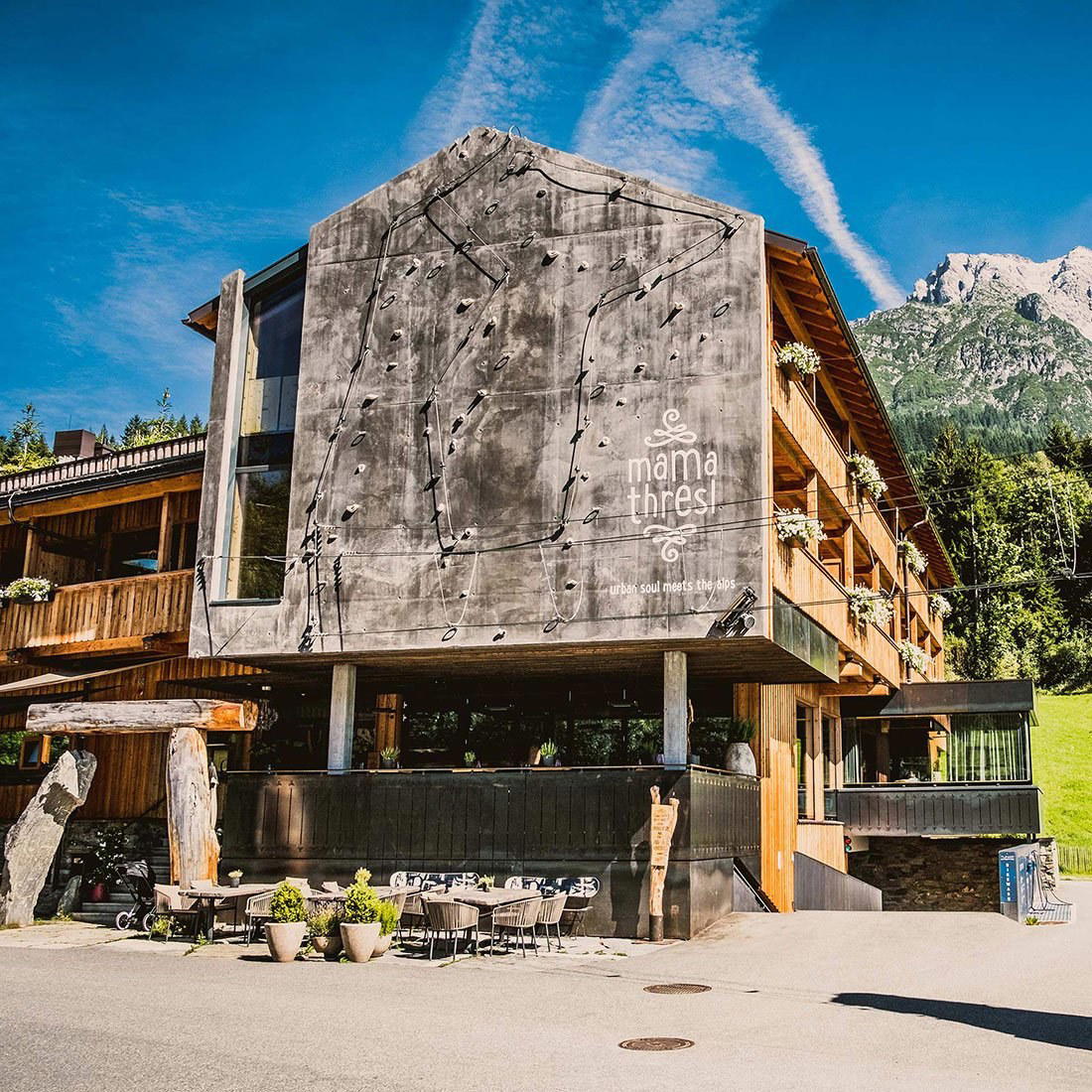
| mama thresl | Modern Austrian Grill | $$ | Not listed | Leogang |
| Mizūmi | Contemporary Japanese with Alpine Views | $$$ | Michelin Plate | Leogang |
Recognition history
Dated appearances from independent guides and award organizations, with the underlying list record or original source where available.
Falstaff Restaurant - 95 Falstaff Points
Falstaff
Michelin 1 Star
Michelin
Michelin 1 Star
Michelin
Michelin 1 Star
Michelin


At a Glance
- Intimate
- Elegant
- Minimalist
- Rustic
- Special Occasion
- Celebration
- Open Kitchen
- Panoramic View
- Hotel Restaurant
- Extensive Wine List
- Sommelier Led
- Local Sourcing
- Farm To Table
- Mountain
Current opening hours
- Monday
- 6:30–7 PM
- Tuesday
- 6:30–7 PM
- Wednesday
- Closed
- Thursday
- Closed
- Friday
- 6:30–7 PM
- Saturday
- 6:30–7 PM
- Sunday
- Closed
Hours can change for holidays and private events. Last verified .
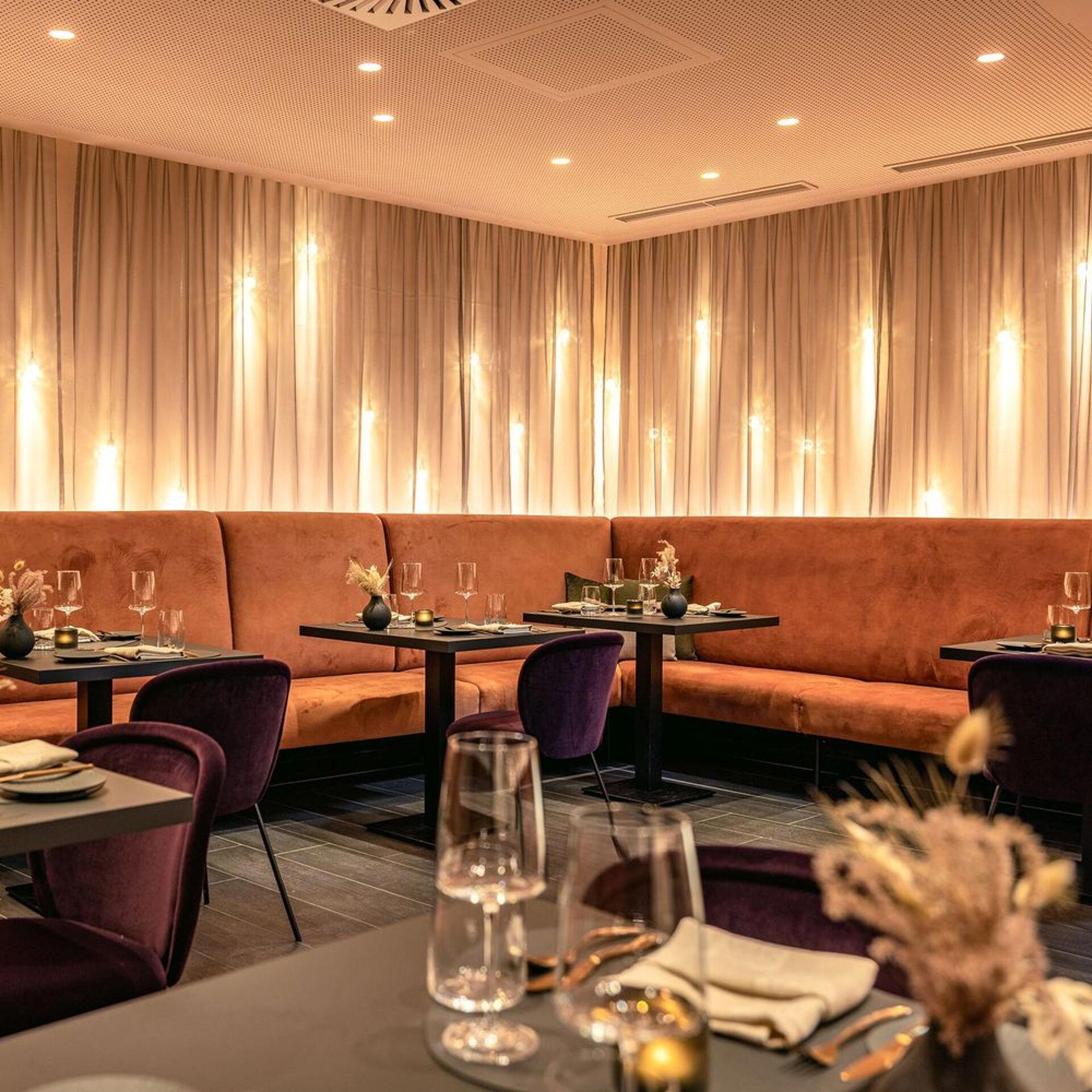
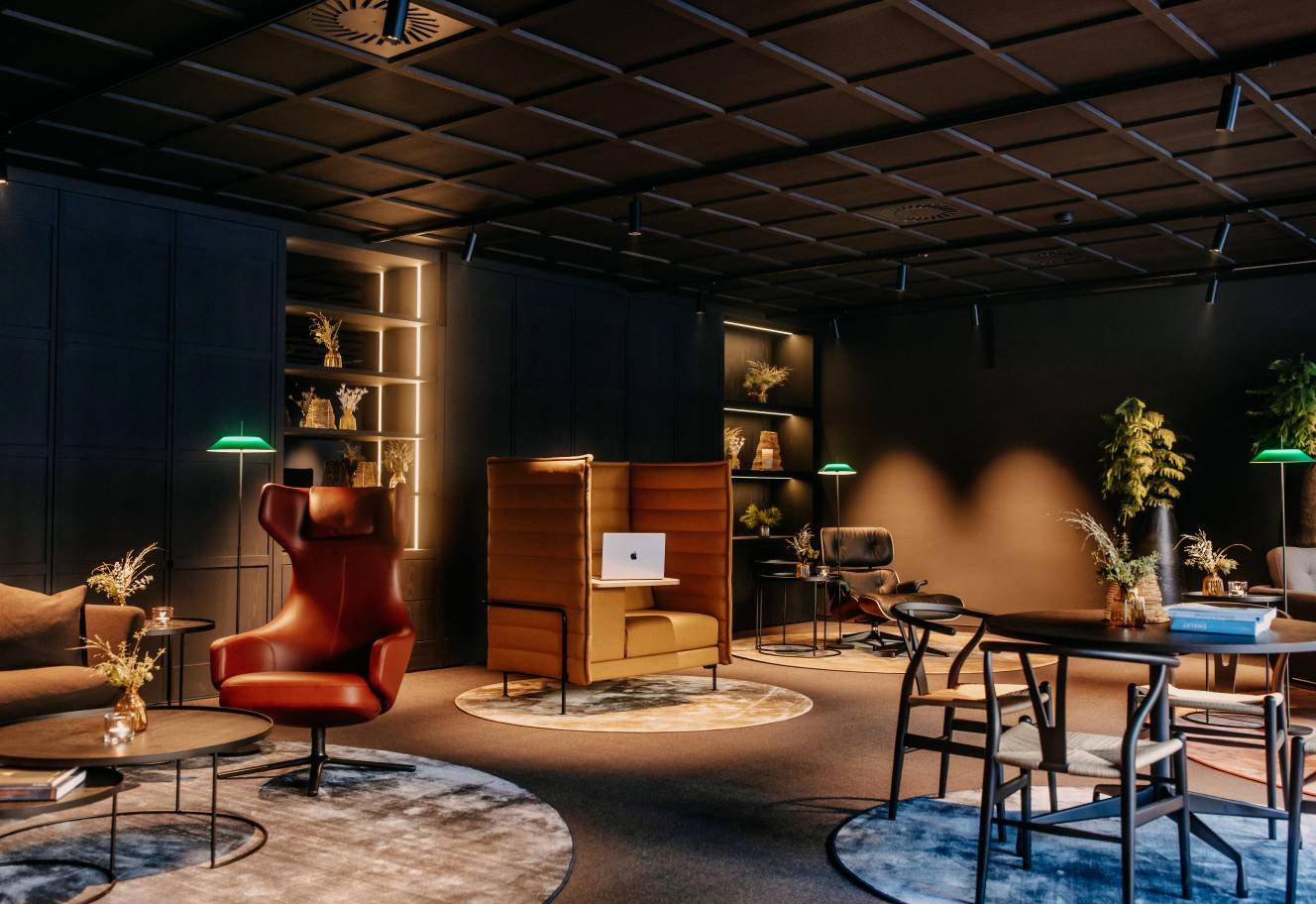
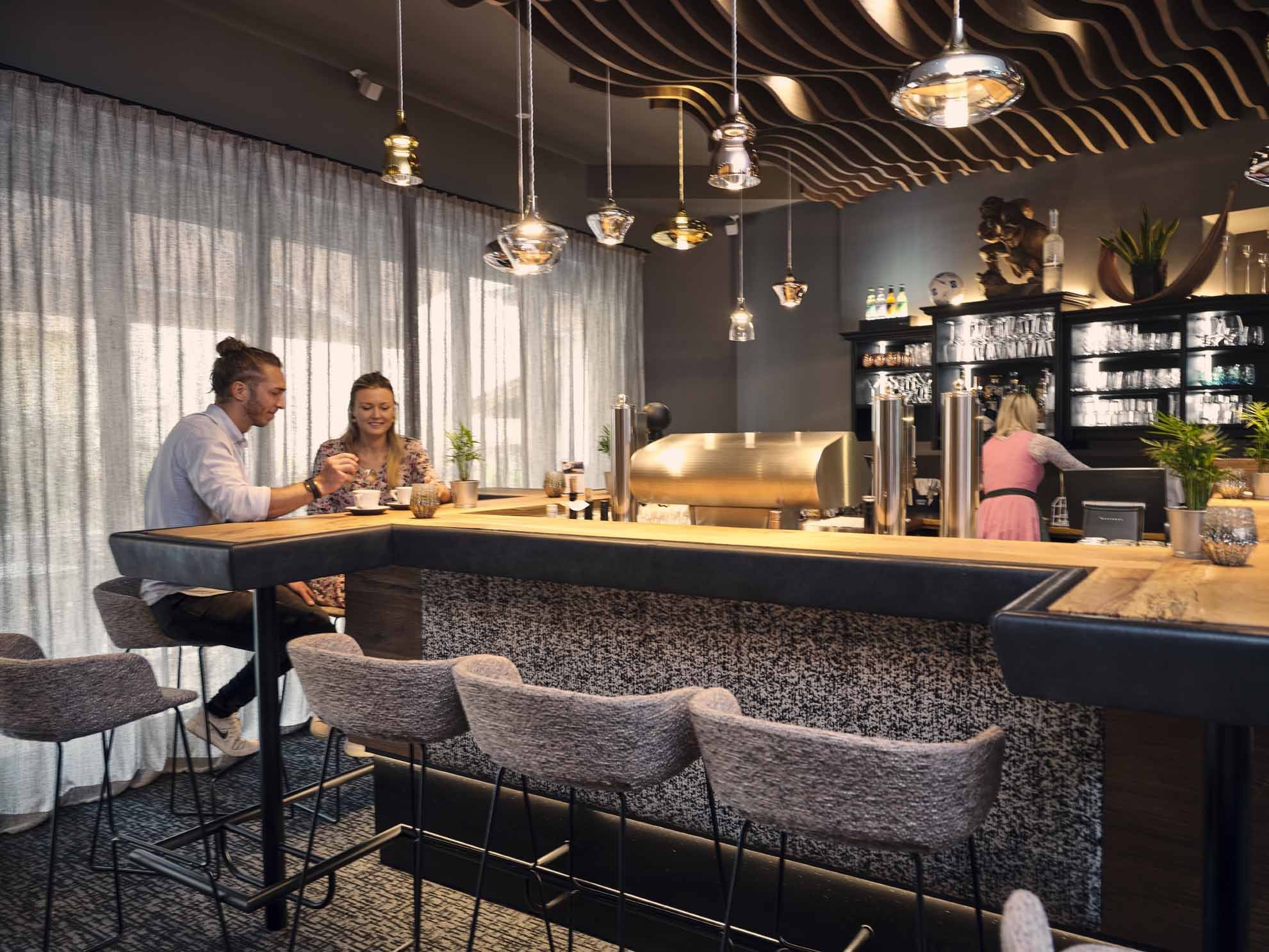
Chic minimalist dining room with discreet lighting directing attention to sweeping mountain views and a warm, polished service atmosphere.