
Michelin Plate
Our verdict
Located within the Tauern Spa complex in Kaprun, FinESSEN has held a Michelin Plate in both 2024 and 2025, placing it among a small cohort of recognised kitchens in the Salzburg mountain corridor. Under chef Christof Schernthaner, the kitchen operates on a seasonal cuisine model that reflects the alpine produce calendar rather than international fine-dining trends. For visitors to the Zell am See-Kaprun region, it represents the area's most credentialled dining address.

Pearl is the En Primeur Club membership app, where members save venues, book tables and use the concierge.
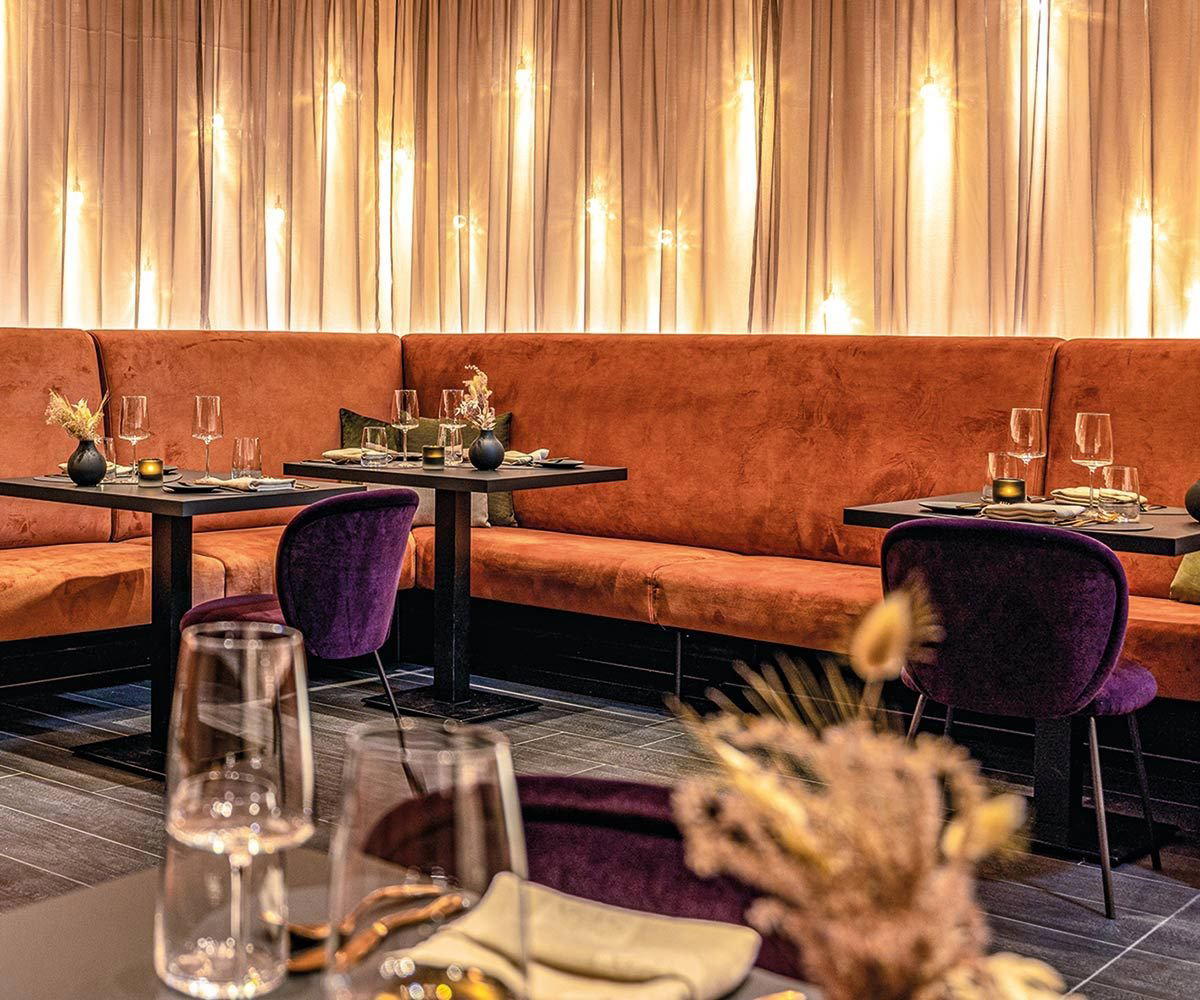
Alpine Dining, Spa Setting: How FinESSEN Fits the Kaprun Scene
Kaprun sits in the Salzburg state's mountain corridor, a region better known for its glacier skiing and the Kitzsteinhorn than for its restaurant culture. That makes the presence of a Michelin-recognised kitchen at the Tauern Spa complex on Tauern Spa Strasse 1 worth examining. Spa-hotel dining in alpine resorts tends to follow a predictable pattern: broad menus designed for mixed hotel guests, execution calibrated for volume, and ambition checked by operational scale. FinESSEN, which has held the Michelin Plate in both 2024 and 2025, operates differently within that format, anchoring its offer to the seasonal produce rhythms of the surrounding alpine landscape rather than the year-round resort menu model.
The Tauern Spa complex itself frames the experience before a dish arrives. Wellness architecture in Austria's mountain resorts has been designed, particularly since the early 2000s, to feel removed from the rough edges of the alpine exterior, and a restaurant housed within that environment inherits a particular register: calm, spacious, with the hushed quality that follows when a building is doing a great deal of thermal and acoustic work. Arriving at FinESSEN is less about street-level theatre and more about transitioning from the spa's broader sensory vocabulary into a room where food becomes the primary focus.
Seasonal Cuisine in the Salzburg Mountain Corridor
Seasonal cuisine as a kitchen philosophy carries real meaning in the alpine context. The mountain growing season is compressed, which concentrates availability and forces disciplined menu rotation. Chefs working in this mode, like Christof Schernthaner at FinESSEN, operate closer to the procurement end of the supply chain than their counterparts in urban restaurants, where substitute sourcing is direct. The short window for specific alpine herbs, cheeses, and vegetables creates a kind of natural menu structure: what's on the plate in January looks categorically different from what's on the plate in July.
This is the culinary tradition FinESSEN sits inside, and it's one with serious Austrian precedents. Döllerer in Golling an der Salzach, operating at a higher tier with two Michelin stars, has built its reputation on exactly this engagement with Salzburg-region produce and alpine foraging logic. Kräuterreich by Vitus Winkler in Sankt Veit im Pongau takes the herb-led, mountain-forage approach further still. FinESSEN at the Plate level sits below these in formal recognition, but the underlying philosophy, letting the alpine calendar dictate the kitchen's direction, places it in the same broader tradition.
Chef Christof Schernthaner and the Kitchen's Direction
Austrian alpine resort kitchens with serious ambitions tend to produce chefs who understand the constraints of the format: remote locations, seasonal guest surges, and an audience that ranges from serious diners to guests who booked a spa weekend and wandered into dinner. Navigating that audience spread while maintaining a standard that earns and retains Michelin recognition requires a particular kind of kitchen discipline. Schernthaner's consistent recognition across 2024 and 2025 suggests the kitchen has found that balance at FinESSEN.
The broader pattern in Austria's Michelin-recognised mountain restaurants is instructive. Gourmetrestaurant Tannenhof in Sankt Anton am Arlberg and Griggeler Stuba in Lech both demonstrate that alpine hotel restaurants can sustain serious culinary recognition across multiple seasons when a committed kitchen team is given the room to work. FinESSEN follows the same structural logic: the hotel context provides the infrastructure, the seasonal cuisine framework provides the editorial direction, and the chef's consistency provides the continuity that recognition bodies respond to.
Positioning Within Austria's Recognised Kitchen Tier
Austria's fine-dining scene is anchored at the leading by addresses like Steirereck im Stadtpark in Vienna, operating at the three-star level, and Ikarus in Salzburg, which holds two stars. The Michelin Plate sits below star level but above the general recognition line, signalling a kitchen that prepares food to a consistently good standard. In a region where most dining options are ski-town casual, that distinction matters materially to a certain type of traveller.
For the Zell am See-Kaprun area specifically, FinESSEN occupies a distinct position. The region draws high-volume alpine tourism, the Kitzsteinhorn glacier is one of Austria's most visited year-round ski areas, but its restaurant tier has historically lagged behind the culinary ambition found further west in Tirol or south toward Styria. The Michelin Plate recognition, held consecutively, makes FinESSEN the credentialled anchor for serious dining in this part of the Salzburg state.
Internationally, the seasonal alpine restaurant model has precedents worth noting. Fields by René Mathieu in Luxembourg operates on a comparable philosophy of produce-calendar discipline translated into a formal dining context. The underlying argument in both cases is that geographic constraint, rather than limiting ambition, can sharpen it.
Planning a Visit
FinESSEN operates at the €€€ price tier, placing it above the resort casual bracket but below the starred restaurants in Austria's highest-end mountain destinations. For the Kaprun-Zell am See area, it represents the premium dining address, and the Tauern Spa Strasse 1 location within the spa complex means it draws both hotel guests and local visitors. Given the resort's seasonal peaks around ski season and summer hiking, booking ahead is advisable, particularly for dinner. Contact details and current hours are best confirmed directly through the Tauern Spa, as FinESSEN's schedule aligns with the broader complex's operation.
For those building a broader alpine itinerary, our full Kaprun restaurants guide maps the area's dining range. The Kaprun hotels guide covers accommodation options if you're basing yourself in the region, while the Kaprun bars guide, wineries guide, and experiences guide extend the picture for those spending more than a day. For broader Austrian context, the mountain restaurant tradition is well represented by Obauer in Werfen, Landhaus Bacher in Mautern an der Donau, Schwarzer Adler in Hall in Tirol, Ois in Neufelden, and Restaurant 141 by Joachim Jaud in Mieming.
Frequently asked questions
Is FinESSEN expensive?
Pricing at FinESSEN is listed as €€€.
Where is FinESSEN located?
FinESSEN is located at Tauern Spa Str. 1, 5710 Kaprun, Austria, Kaprun.
Fast Comparison
| Venue | Cuisine | Price | Awards | Notes |
|---|---|---|---|---|
| FinESSENThis venue (the venue you are viewing) | Modern Regional Austrian Fine Dining | $100–150 | Michelin Plate | Not listed |
| Steirereck im Stadtpark | Modern Austrian Fine Dining | $200–300 | 3 Michelin Stars · World's 50 Best #33 | Creative |
| Döllerer | Modern Alpine Cuisine | $100–150 | 2 Michelin Stars · La Liste Top Restaurants | Contemporary Austrian, Innovative |
| Ikarus | Guest Chef Fine Dining | $200–300 | 2 Michelin Stars · La Liste Top Restaurants | Modern European, Creative |
| Mraz & Sohn | Contemporary Austrian Fusion | $150–200 | 2 Michelin Stars · La Liste Top Restaurants | Modern Austrian, Creative |
| Obauer | Modern Austrian Fine Dining | $50–100 | 2 Michelin Stars · La Liste Top Restaurants | Classic Cuisine |
Recognition history
Dated appearances from independent guides and award organizations, with the underlying list record or original source where available.
Michelin Plate
Michelin
Full recognition history (3 entries)
Michelin Plate
Michelin
Michelin Plate
Michelin
Continue exploring
More in Kaprun
Restaurants in Kaprun
All restaurants in Kaprun →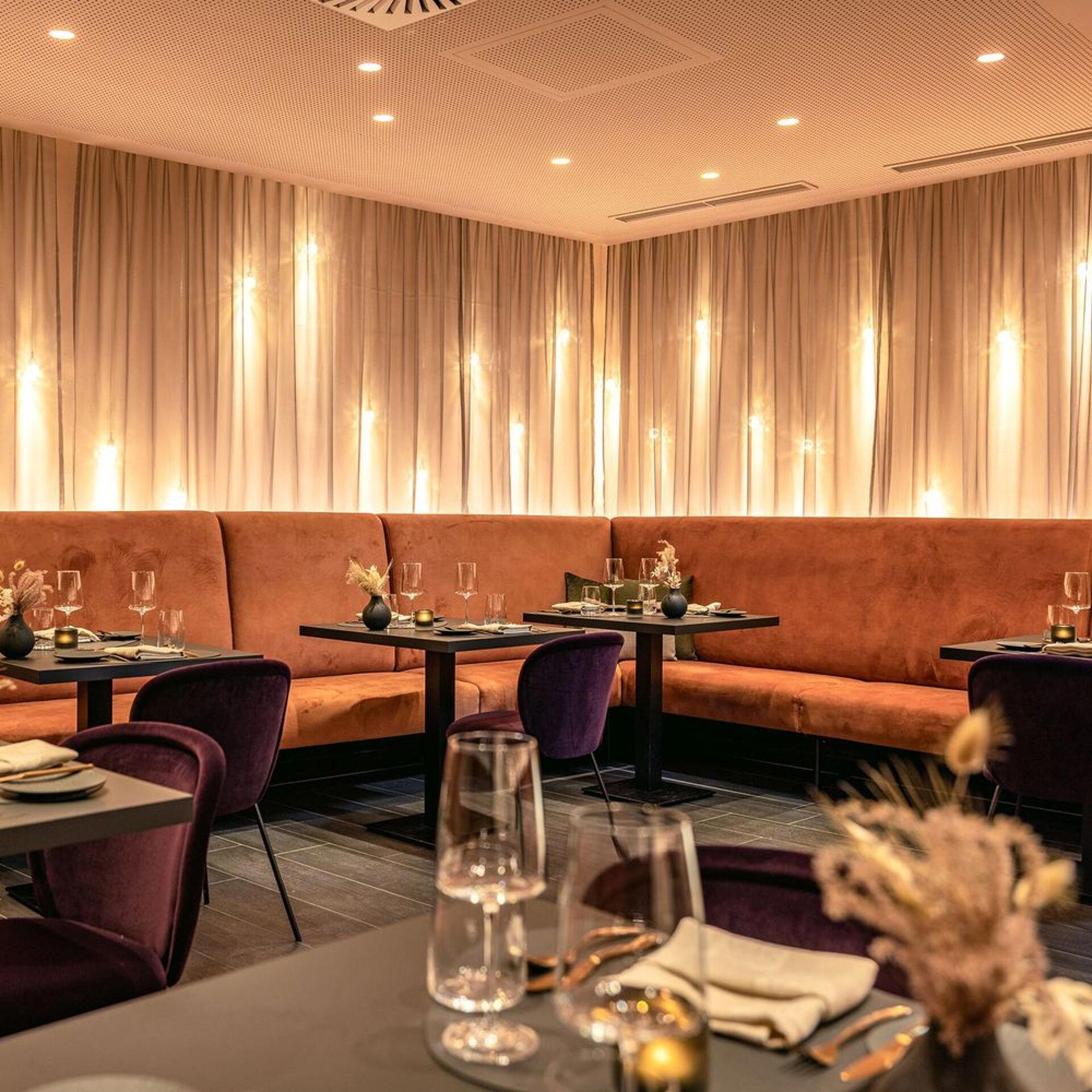
Bars in Kaprun
Browse all →
Hotels in Kaprun
All hotels in Kaprun →
Wineries in Kaprun
Browse all →
Details
- Elegant
- Sophisticated
- Intimate
- Modern
- Special Occasion
- Date Night
- Hotel Restaurant
- Extensive Wine List
- Local Sourcing
- Mountain
- Tasting Menu
Current opening hours
- Monday
- 6:30–11 PM
- Tuesday
- Closed
- Wednesday
- Closed
- Thursday
- 6:30–11 PM
- Friday
- 6:30–11 PM
- Saturday
- 6:30–11 PM
- Sunday
- 6:30–11 PM
Hours can change for holidays and private events. Hours as of .
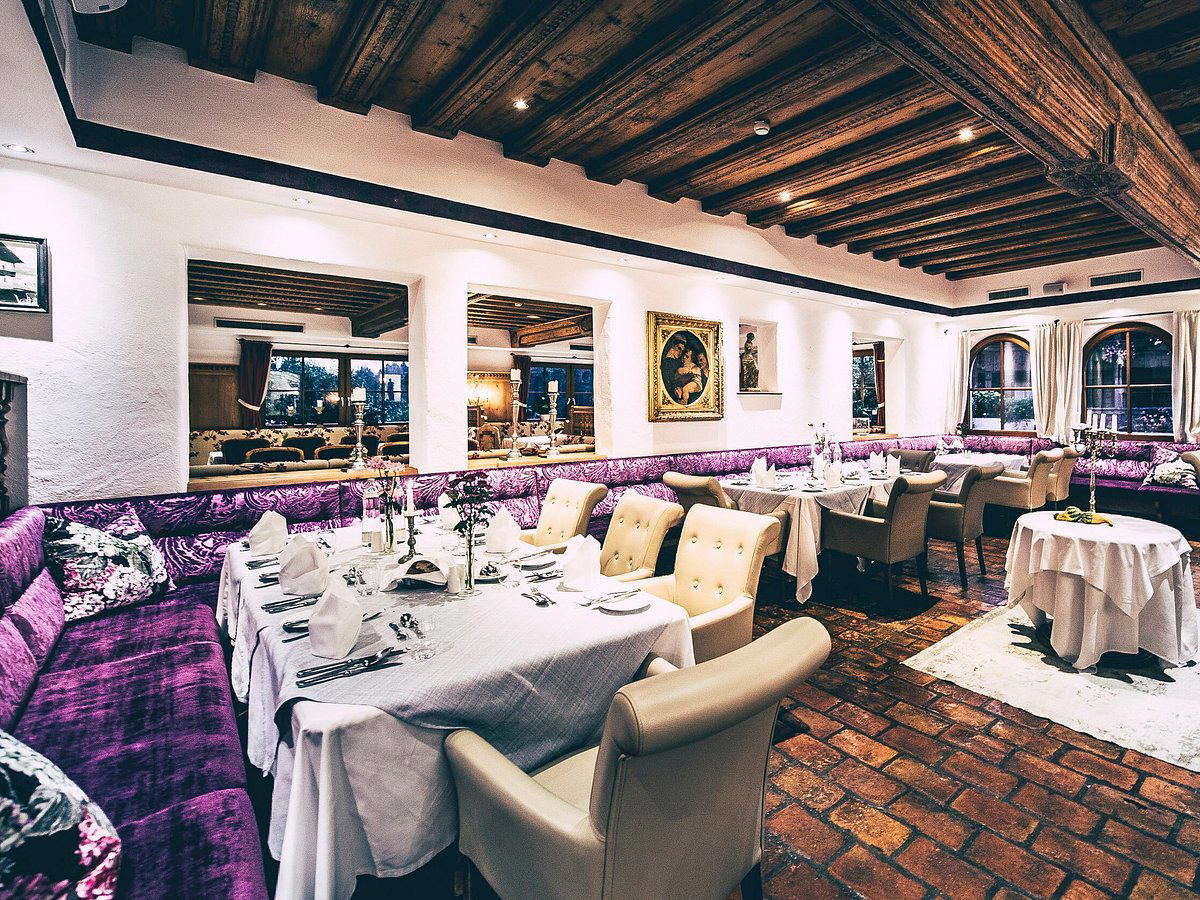
Chic contemporary-style with exclusive, almost private setting and cordial service.