
Michelin Plate
Our verdict
Hidalgo in Postal, South Tyrol, has built a consistent reputation around serious carnivore cooking: global beef sourcing, open-fire grilling, and a dedicated Wagyu room called Aomi that runs its own Japanese-style menu from antipasti through to main courses.

Pearl is the En Primeur Club membership app, where members save venues, book tables and use the concierge.
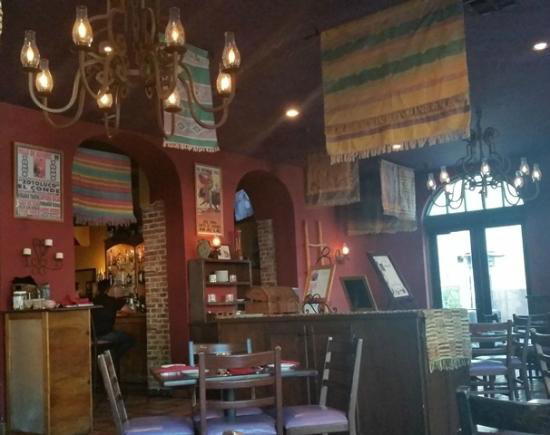
Fire, Cut, and a Room Within a Room
South Tyrol sits at an intersection of Italian and Alpine cooking traditions that rarely places grilled beef at its centre. The region's restaurant conversation is dominated by creative tasting menus at addresses like Atelier Moessmer Norbert Niederkofler in Brunico, where the focus is produce-led and hyperlocal. Hidalgo, on Via Roma in the small town of Postal, runs a different argument: that sourcing beef globally, understanding its cuts with precision, and cooking it over live fire is a discipline worthy of the same attention. The Michelin Guide has recognised it with a Plate in both 2024 and 2025, a signal that the kitchen executes its programme consistently rather than occasionally.
The Logic of Global Sourcing
The editorial case for grilling programmes built on international sourcing is direct: different cattle breeds and rearing environments produce fundamentally different eating qualities, and no single country owns every variation worth knowing. A restaurant that restricts its beef list to one origin is making a curatorial choice; one that ranges across multiple sources is making a comparative one. Hidalgo's approach belongs firmly in the comparative camp, drawing cuts from producers across several countries and presenting them as a range rather than a single house style. This positions it closer in philosophy to specialist grill houses operating in larger urban markets than to the typical trattoria or mountain inn you find across the Alto Adige.
For context, the global grill format has matured considerably over the past decade. Venues like Humo in London have demonstrated that fire-cooking can carry the same technical rigour as any other high-end cooking method. Hidalgo operates at a different scale and price point (€€ rather than the €€€€ tier occupied by Italy's major fine-dining addresses such as Osteria Francescana in Modena, Enoteca Pinchiorri in Florence, or Le Calandre in Rubano), but the underlying commitment to sourcing provenance and cut specificity reflects a similar discipline applied at a more accessible register. For broader context on how Italian restaurants at every tier approach their craft, see our full Postal restaurants guide.
Reading the Cut: Why It Matters Here
The vocabulary of beef cuts is where grill restaurants either earn credibility or lose it. A ribeye carries more intramuscular fat and a deeper, looser grain than a strip loin; it suits higher-heat cooking and delivers a richer, more unctuous result. A strip (or sirloin) has tighter muscle fibre and more structural bite, rewarding a cook who can manage internal temperature precisely. A filet offers the least connective tissue and the mildest flavour profile, which is why it appeals broadly but rarely produces the most complex eating experience. A tomahawk, with its long rib bone left intact, is partly theatre and partly practical: the bone retains heat during cooking and continues to influence the internal temperature as the meat rests.
Restaurants that understand these differences communicate them to guests rather than reducing the menu to a simple grid of weights and prices. Hidalgo's reputation for handling different cuts suggests the kitchen is engaged at this level of specificity.
Fish dishes also appear on the menu, which is worth noting for tables where not everyone is there for red meat. The kitchen does not position itself as exclusively a steakhouse in the Anglo-American sense; it operates more like a grill restaurant in the continental European tradition, where fire is the method and the protein selection is wider. Domestic comparison comes from addresses like A de Totó in Trasmonte, another Italian grill operation worth considering when mapping this category across the country.
Aomi: The Wagyu Room
The most architecturally and conceptually distinctive element of the Hidalgo offer is Aomi, a separate room that functions as a restaurant within the restaurant. Aomi runs a menu dedicated entirely to Japanese Wagyu beef, structured from antipasti through to main courses. This format is unusual outside major cities. Wagyu, and specifically the Japanese strain with its extreme marbling index, behaves differently from Western breeds under heat; fat melts at a lower temperature, portion sizes are typically smaller, and the richness means that the eating arc of a meal built around it needs to be calibrated carefully. A room dedicated to this single product, with its own menu logic, suggests the kitchen takes the distinction seriously rather than appending Wagyu as a premium supplement to the main card.
It creates a two-track experience: the main dining room for guests who want range and fire-forward cooking, and a more focused, single-product room for those who want depth over breadth. For diners who have eaten Wagyu at dedicated Japanese yakiniku restaurants or high-end tasting counters and want a European-market comparison, the Aomi room offers a direct reference point. Those planning a broader itinerary around the region may also want to consult our full Postal hotels guide, our full Postal bars guide, our full Postal wineries guide, and our full Postal experiences guide for complete trip planning.
Placing Hidalgo in the Italian Fine Dining Map
Italy's Michelin-recognised restaurant spectrum runs from three-star institutions like Dal Pescatore in Runate, Enrico Bartolini in Milan, and Piazza Duomo in Alba down through starred and Plate-recognised addresses serving regional or specialist cooking at more accessible prices. Hidalgo sits in the latter group, where the Michelin Plate designation indicates quality cooking without pretension to the full tasting-menu format. For a region where much of the high-end dining attention points toward creative alpine cuisine, a Plate-recognised grill specialist at the €€ price level serves a different audience and occasion entirely. It is the address you choose when the evening calls for serious meat cookery in a less formal register, not for the multi-course abstraction of the top tier. Other Italian addresses at the starred level worth knowing for reference include Casa Perbellini 12 Apostoli in Verona, Quattro Passi in Marina del Cantone, Uliassi in Senigallia, and Reale in Castel di Sangro.
Planning Your Visit
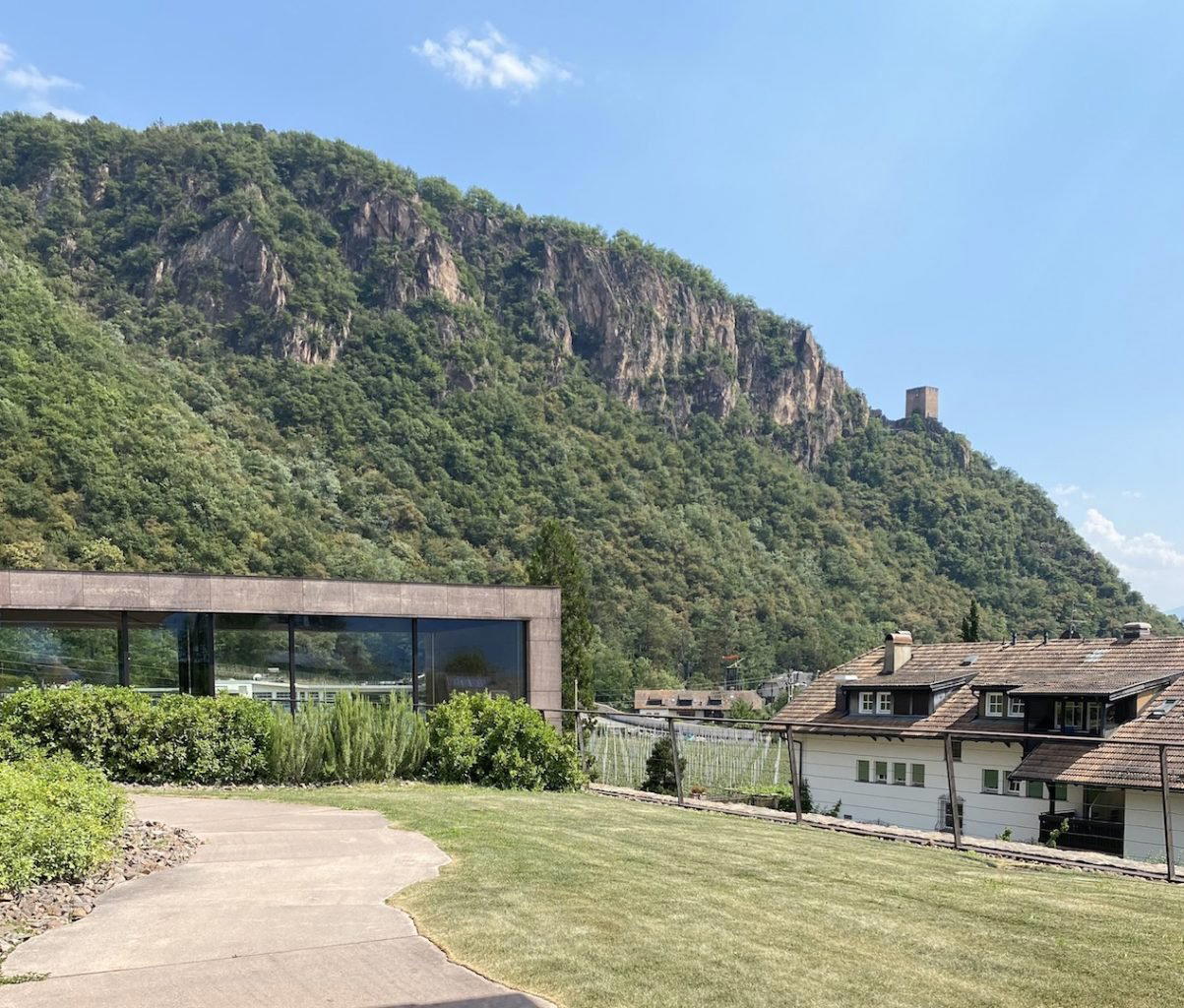
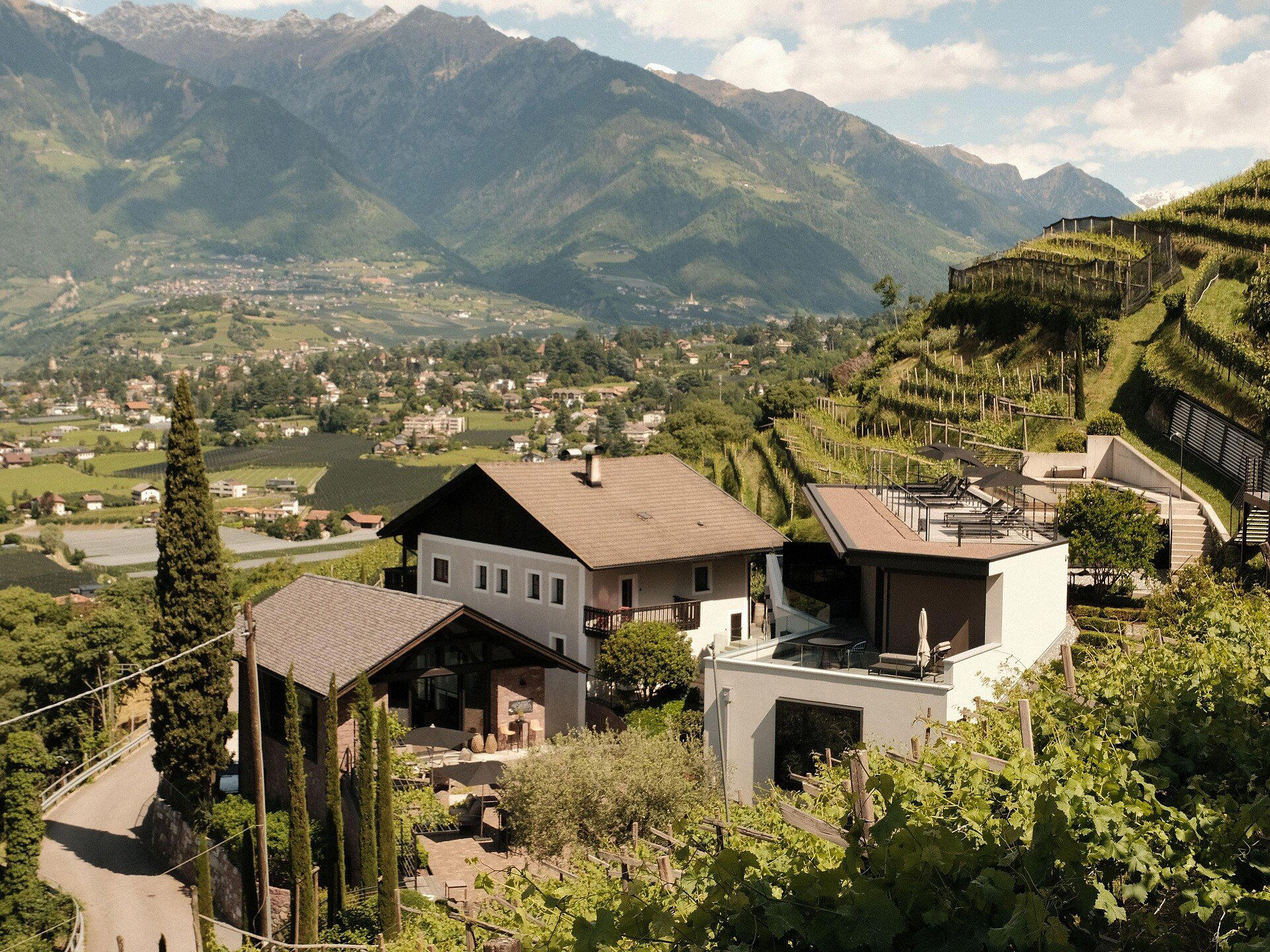
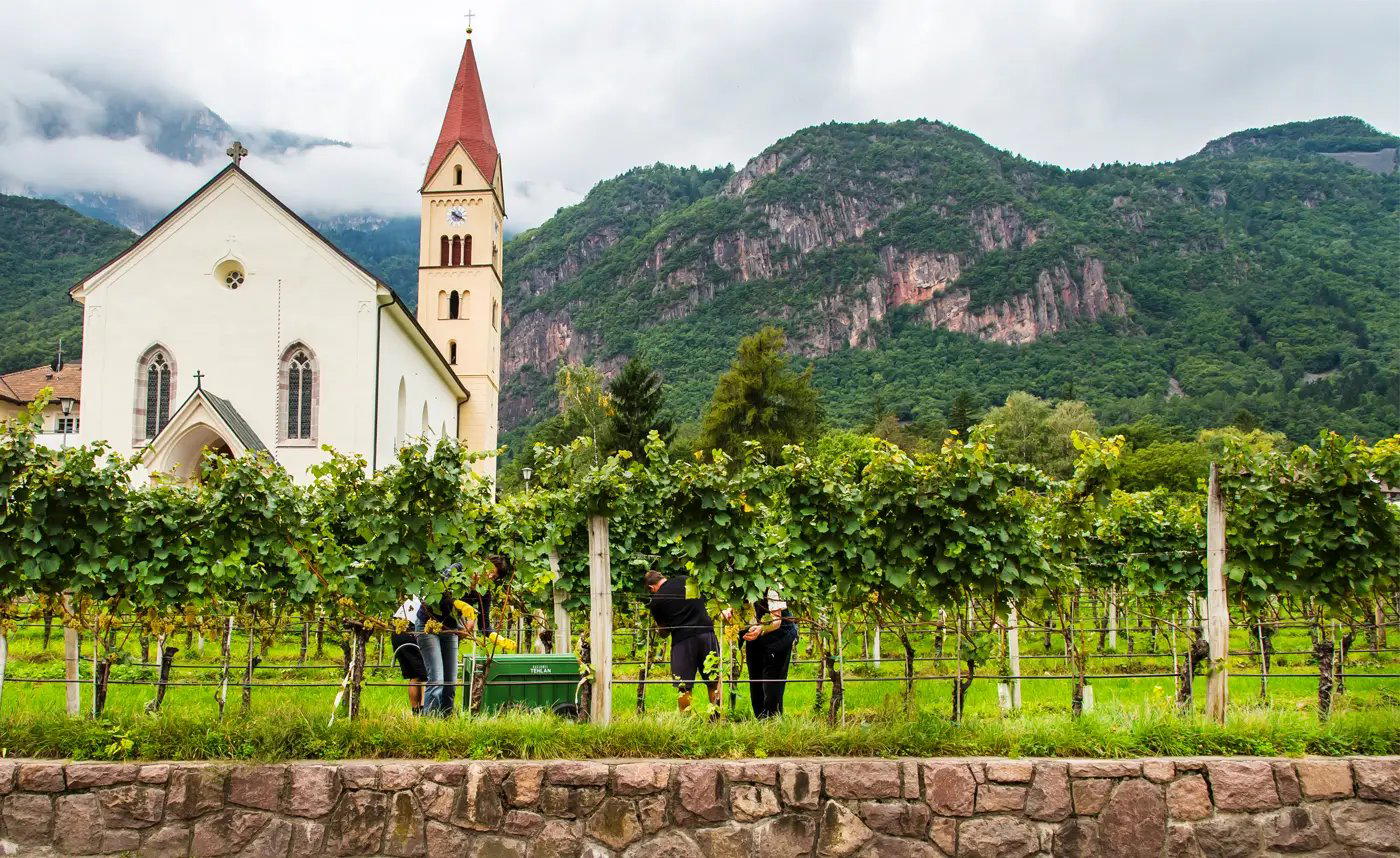
Hidalgo is located at Via Roma 7 in Postal (Postl/Burgstall), a small town in the Burgraviato area of South Tyrol, easily reached from Merano or the A22 motorway corridor. The €€ pricing means a full dinner for two, including wine, lands at a comfortable mid-range spend by regional standards.
Frequently asked questions
What's the pricing like at Hidalgo?
Pricing at Hidalgo is listed as €€.
What part of town is Hidalgo in?
Hidalgo is located at Via Roma, 7, 39014 Postal BZ, Italy, Postal.
Fast Comparison
| Venue | Cuisine | Price | Awards | Notes |
|---|---|---|---|---|
| HidalgoThis venue (the venue you are viewing) | Mediterranean Grill with Japanese Wagyu | Not listed | Michelin Plate | Not listed |
| Atelier Moessmer Norbert Niederkofler | Modern Alpine Fine Dining | $300–500 | 3 Michelin Stars · World's 50 Best #20 | Italian, Creative |
| Dal Pescatore | Classic Italian Fine Dining | $200–300 | 3 Michelin Stars · World's 50 Best #38 | Italian, Italian Contemporary |
| Enoteca Pinchiorri | Contemporary Italian Fine Dining | $200–300 | 3 Michelin Stars · World's 50 Best #32 | Italian - French, Italian Contemporary |
| Enrico Bartolini | Modern Italian Fine Dining | $300–500 | 3 Michelin Stars · World's 50 Best #85 | Creative |
| Osteria Francescana | Avant-Garde Italian Contemporary | $300–500 | 3 Michelin Stars · World's 50 Best #1 | Progressive Italian, Creative |
Recognition history
Dated appearances from independent guides and award organizations, with the underlying list record or original source where available.
Michelin Plate
Michelin
Full recognition history (3 entries)
Michelin Plate
Michelin
Michelin Plate
Michelin
Continue exploring
More in Postal
Restaurants in Postal
All restaurants in Postal →
Bars in Postal
Browse all →
Details
- Elegant
- Sophisticated
- Special Occasion
- Date Night
- Open Kitchen
- Extensive Wine List
- A La Carte
- Tasting Menu
- Vegetarian Friendly
- Vegan Options
- Gluten Free Options
Current opening hours
- Monday
- 12–2 PM, 6:30–9:30 PM
- Tuesday
- 12–2 PM, 6:30–9:30 PM
- Wednesday
- 12–2 PM, 6:30–9:30 PM
- Thursday
- 12–2 PM, 6:30–9:30 PM
- Friday
- 12–2 PM, 6:30–9:30 PM
- Saturday
- 12–2 PM, 6:30–9:30 PM
- Sunday
- 12–2 PM, 6:30–9:30 PM
Hours can change for holidays and private events. Hours as of .
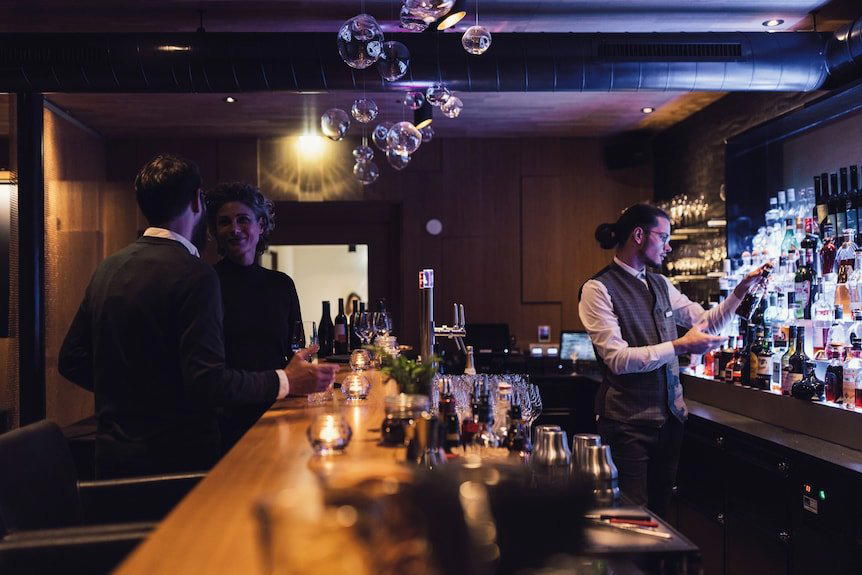
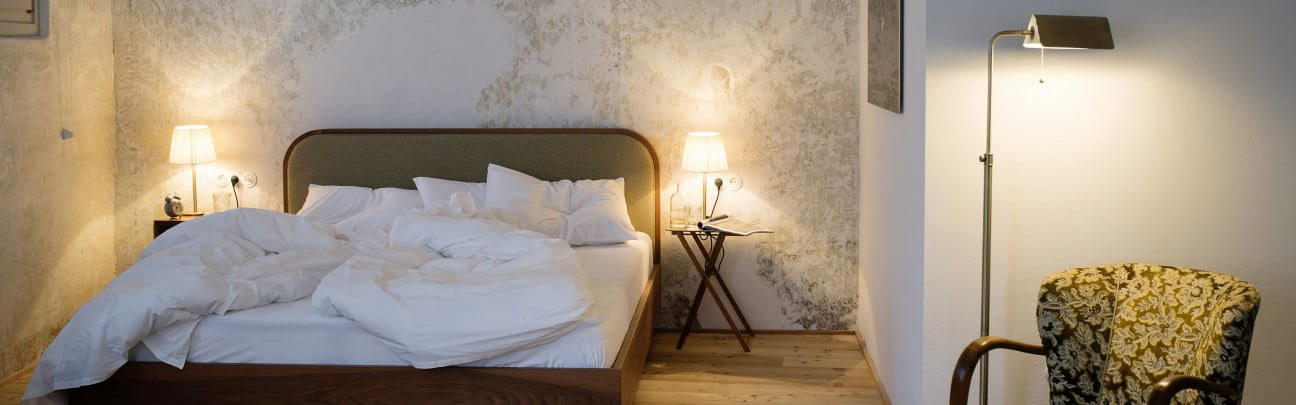
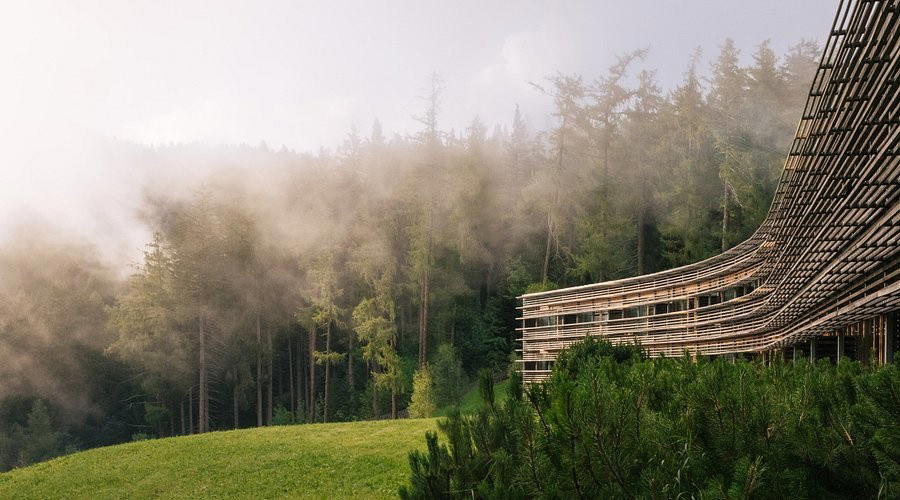
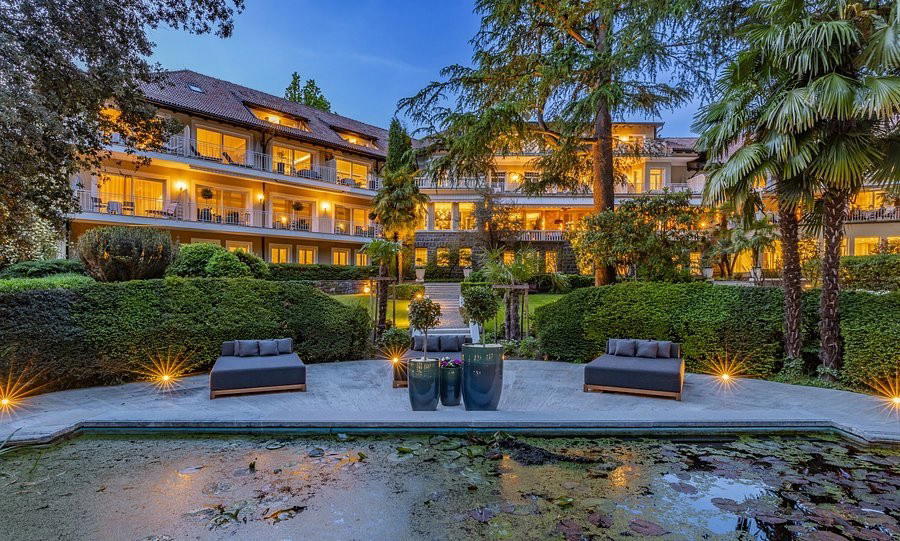
Stylish and inviting atmosphere blending Mediterranean-alpine elements with modern luxury.