Our verdict
Henny's occupies a Winterhude address at Hans-Henny-Jahnn-Weg 1 that places it within Hamburg's quieter, residential dining corridor rather than the harbour-front circuit. Details on cuisine format, chef, and price tier remain sparse, positioning it as one of the city's less-publicised tables. Readers seeking confirmed peer-set credentials should cross-reference Hamburg's more documented fine-dining options before booking.

Pearl is the En Primeur Club membership app, where members save venues, book tables and use the concierge.

The menu
What to order
- Kohlrollade
- Truffle Tagliatelle
- Sushi Boxes
Where Winterhude's Street Grid Meets the Dining Room
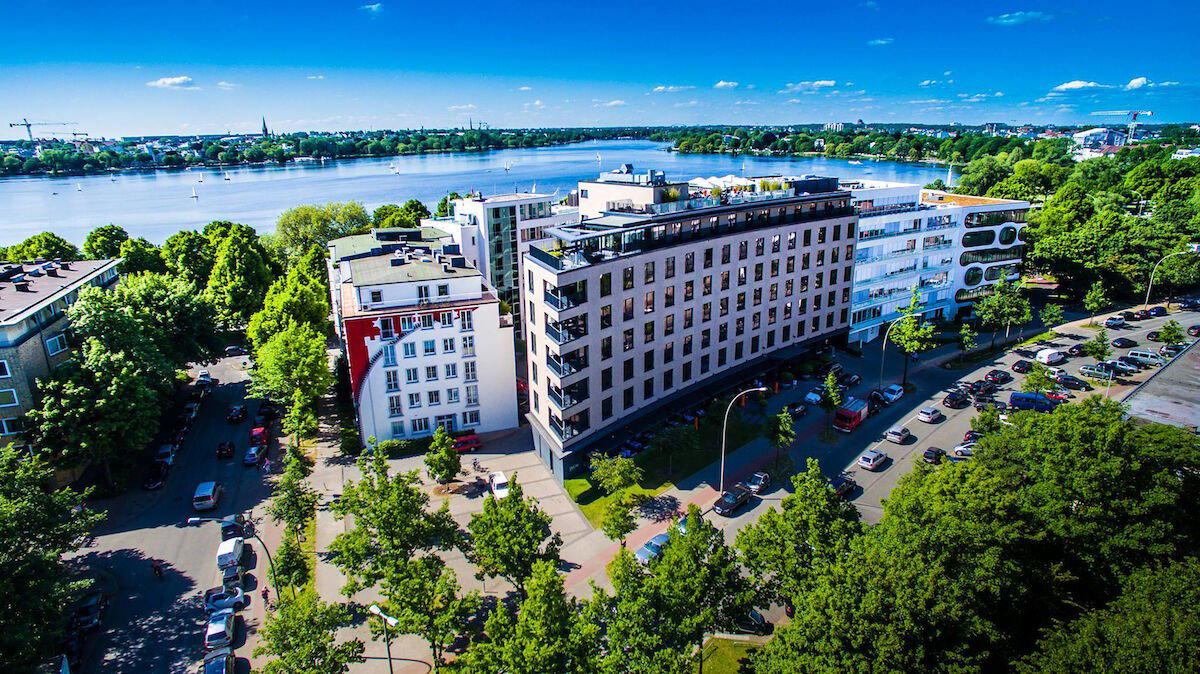
Hamburg's fine-dining map has two gravitational centres. One pulls toward the harbour: the waterfront addresses, the converted warehouse spaces, the restaurants that trade on panoramic water views as much as on what arrives at the table. The other sits quieter, in the residential quarters north of the Alster, where Winterhude and Uhlenhorst absorb a different kind of restaurant, one that earns its place through neighbourhood loyalty and word of mouth rather than through location marketing. Hans-Henny-Jahnn-Weg 1 belongs to that second orbit. The street name itself references the German playwright and organist Hans Henny Jahnn, a figure associated with Hamburg's intellectual and artistic life, and the address carries that context with it, a detail that says something about the district's character before you have even found the door.
The Physical Container and What It Signals
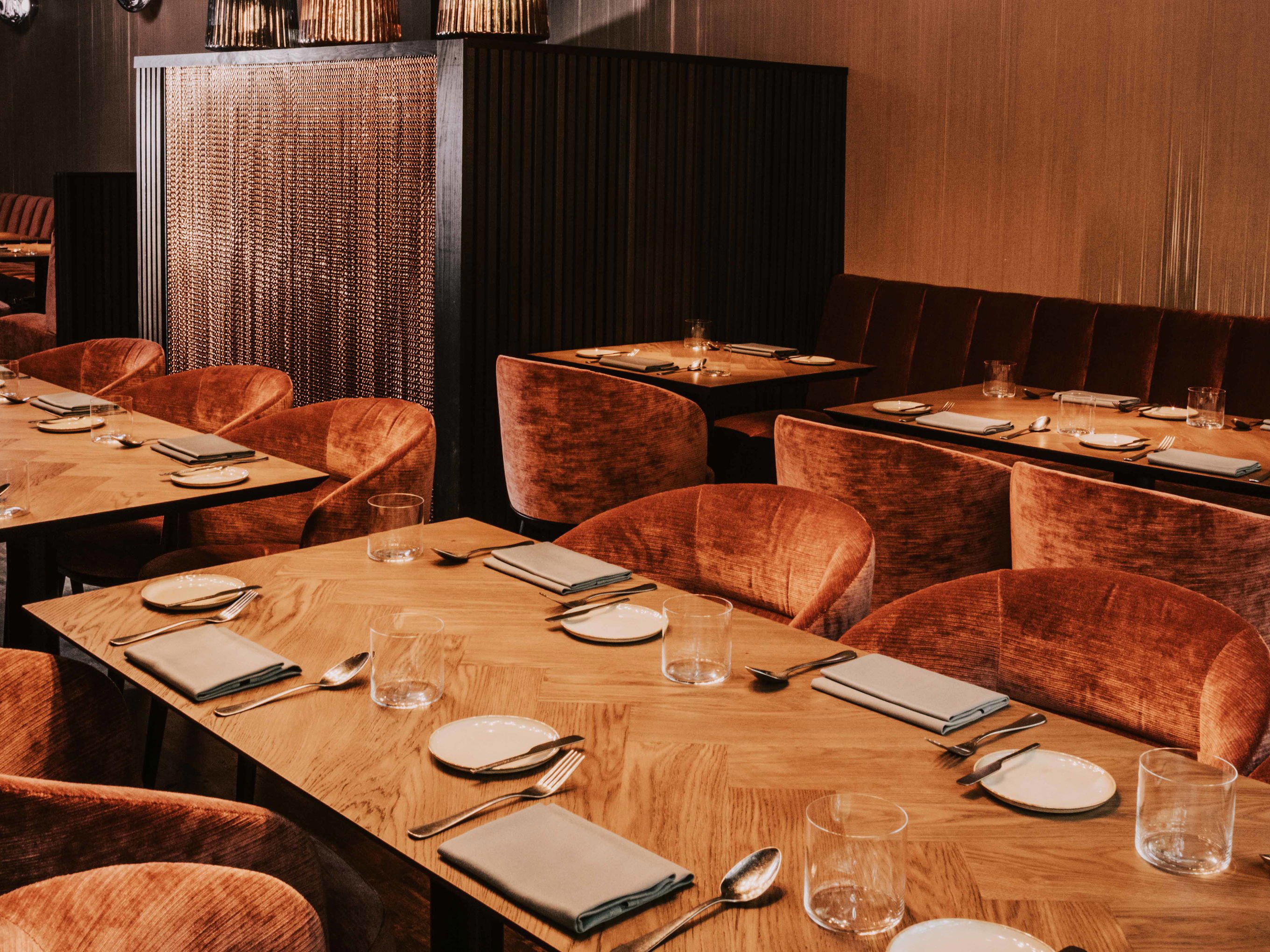
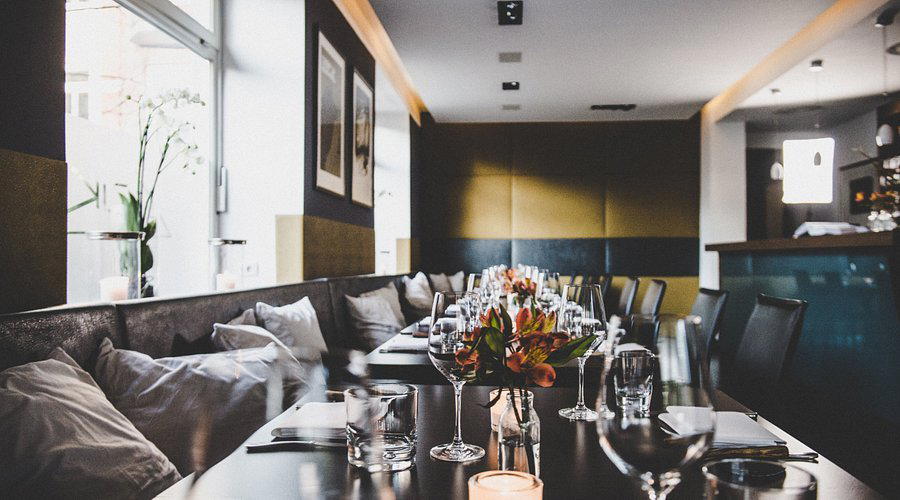
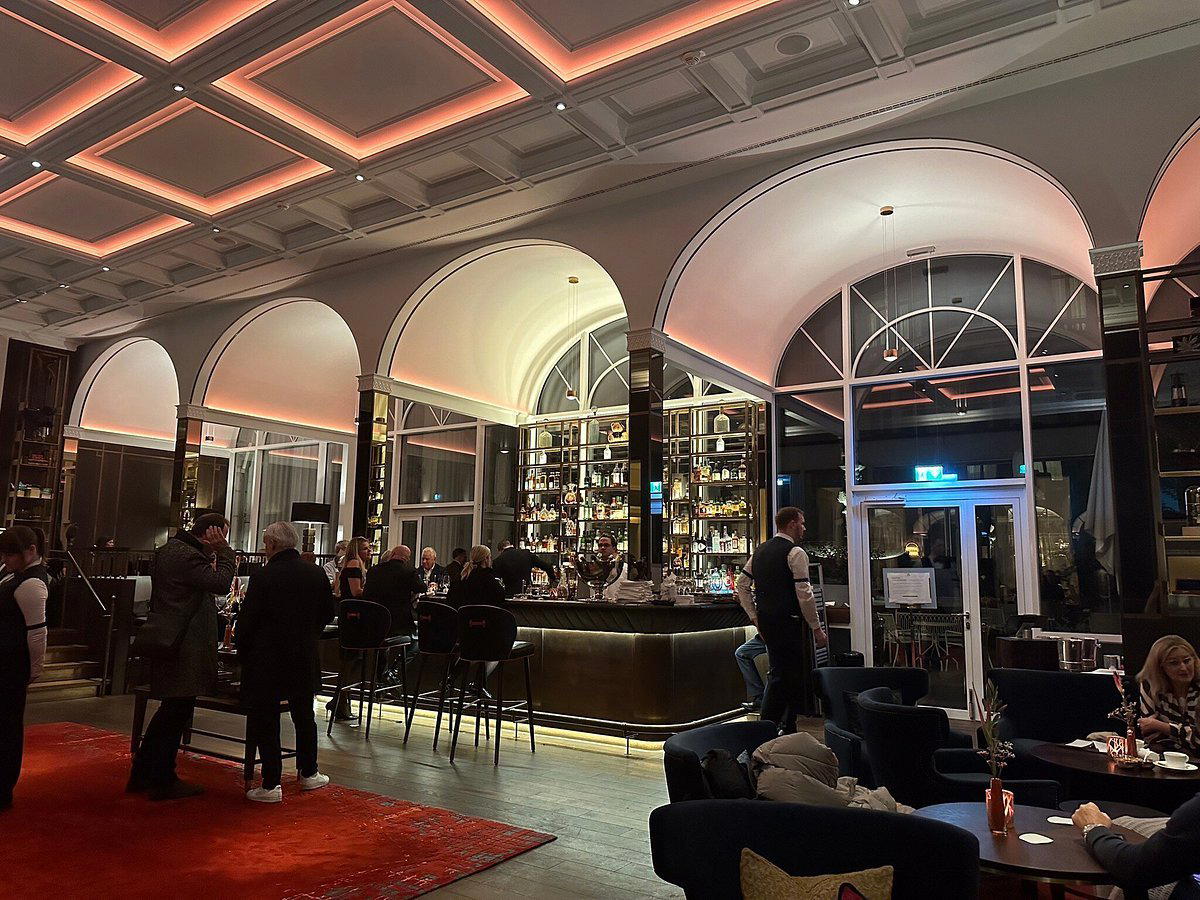
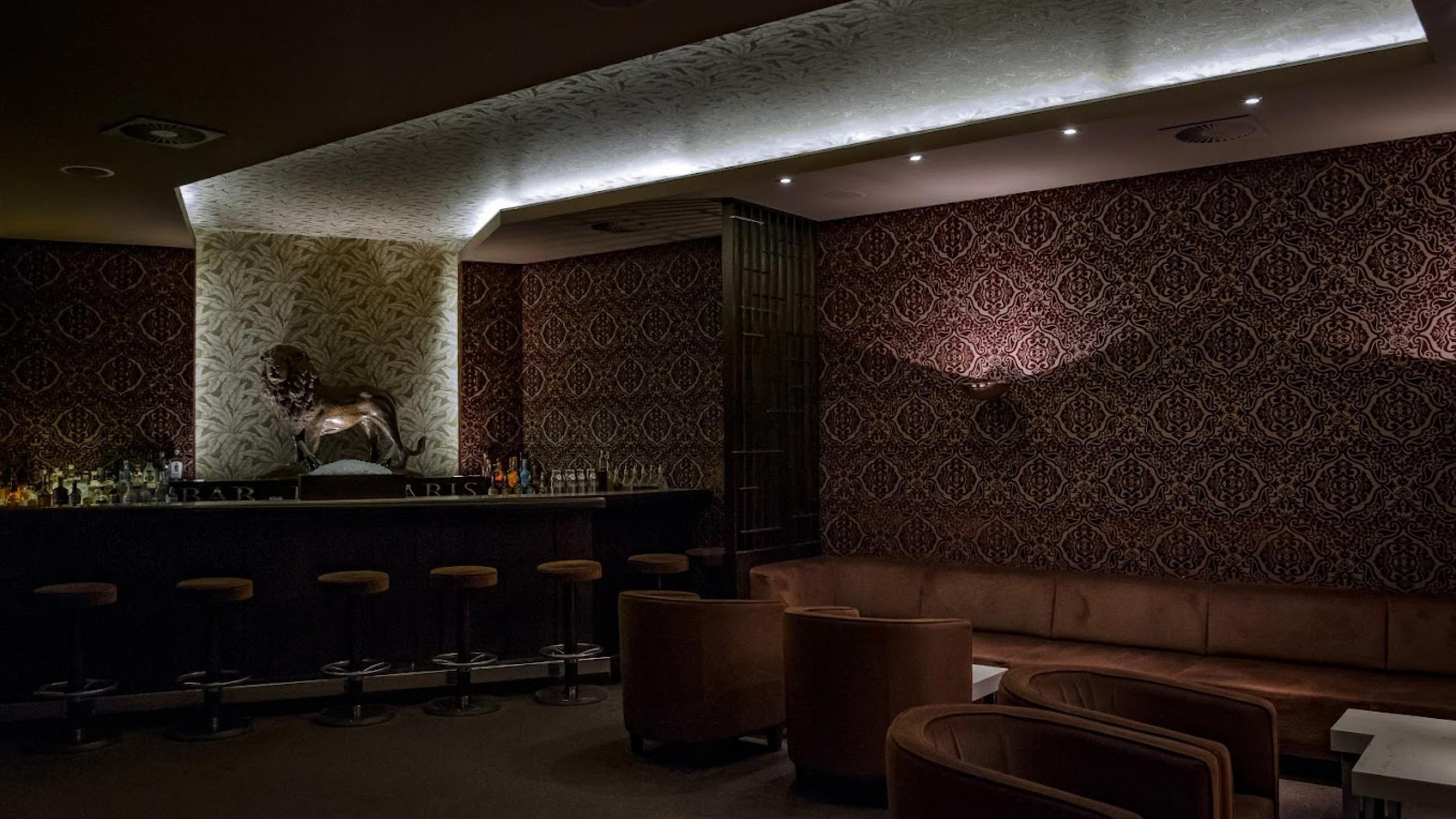
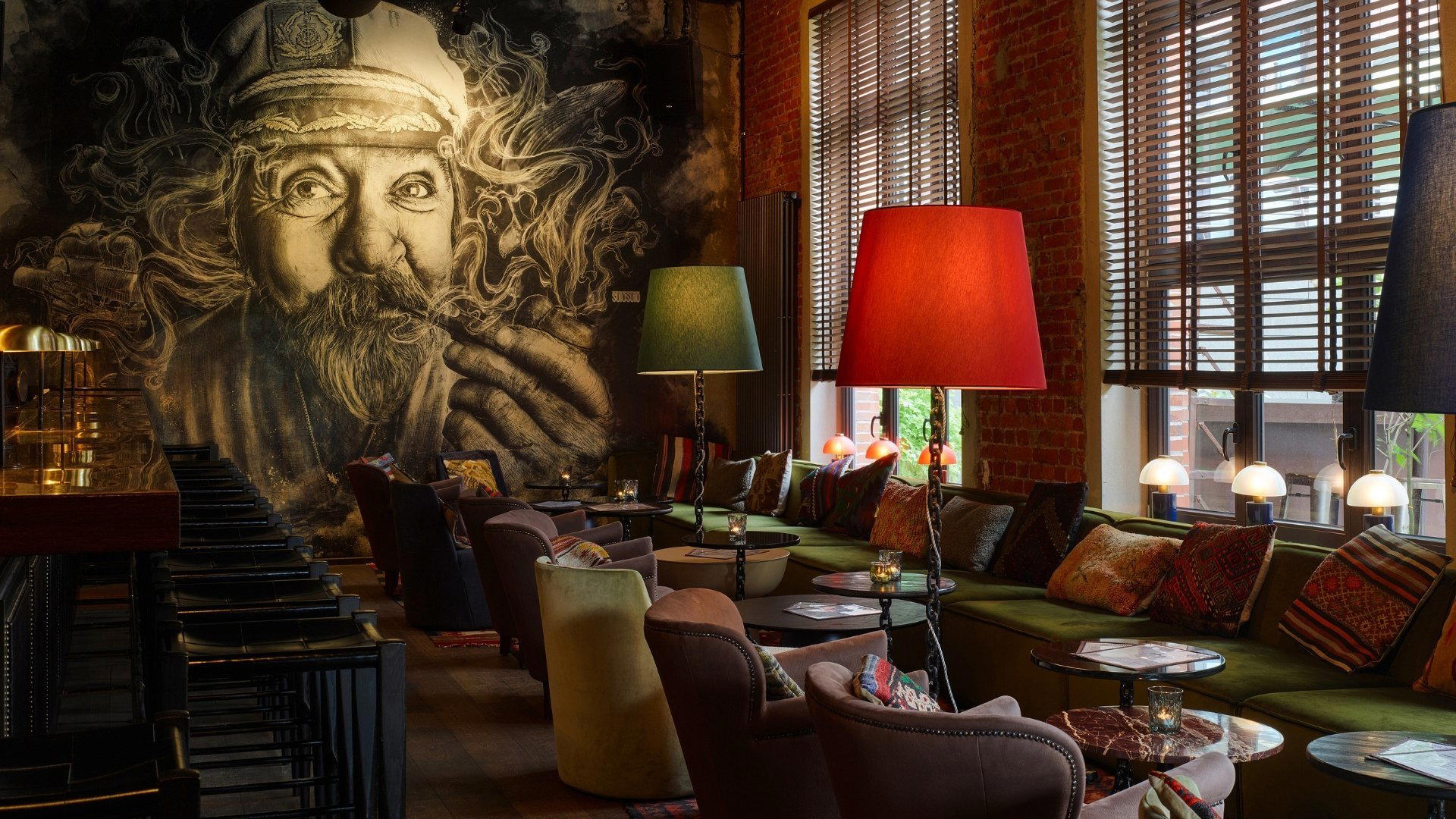
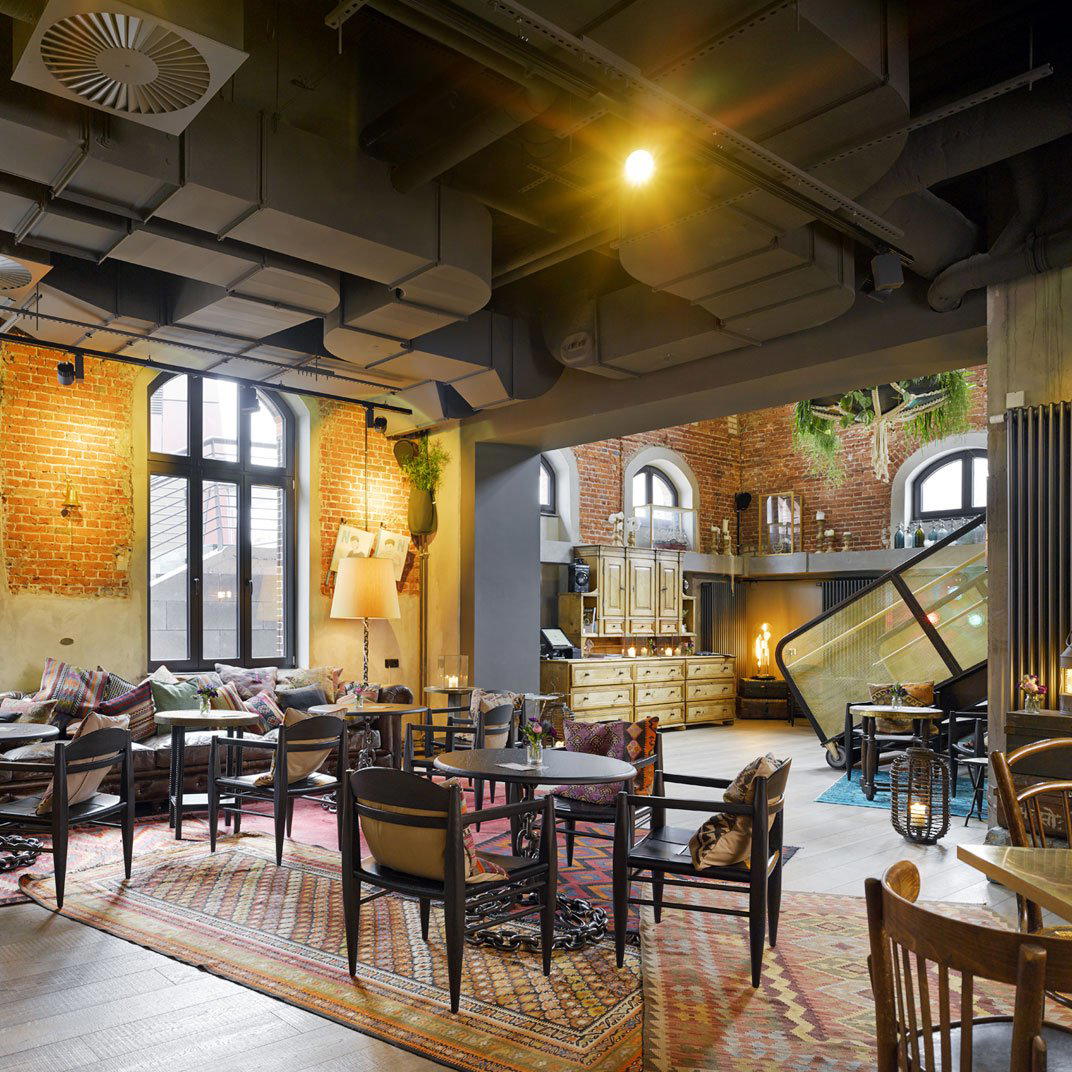
In Hamburg's upper-mid dining tier, the physical space does considerable argumentative work. At The Table Kevin Fehling, for instance, the architectural choice of a single long counter with a full kitchen sightline is inseparable from the format's editorial statement about transparency and chef-diner proximity. At bianc, the room's Mediterranean-influenced lightness reinforces the menu's geographic allegiances. Space and menu are rarely accidental at this level. The name Henny's, with its possessive informality, suggests a room that leans toward comfort and intimacy rather than ceremony, the kind of interior that keeps lighting warm and tables close enough to generate ambient noise without tipping into din. Whether that intuition holds requires a visit; the address, at least, supports the reading. Winterhude dining rooms of this type tend to run 30 to 60 covers, prioritise natural materials, and avoid the kind of statement architecture that would feel mismatched against a residential street.
Hamburg's broader design trend in neighbourhood restaurants has moved away from the exposed-concrete minimalism of the early 2010s toward warmer, more layered interiors: tiled floors, banquette seating, considered art placement. That shift reflects a wider European pattern, see the mid-size rooms at 100/200 Kitchen in Hamburg or, further afield, the considered intimacy of CODA Dessert Dining in Berlin, in which the room is meant to feel inhabited rather than designed.
Hamburg's Neighbourhood Restaurant Tier
Understanding where Henny's sits requires a brief account of how Hamburg's restaurant market stratifies. At the apex, Restaurant Haerlin and The Table Kevin Fehling operate with Michelin recognition and price points that put them in direct comparison with Germany's most formally credentialled tables, including Aqua in Wolfsburg, Vendôme in Bergisch Gladbach, and Victor's Fine Dining by Christian Bau in Perl. One tier below, restaurants like Lakeside and Landhaus Scherrer carry modern European or German-rooted formats at €€€€ price points, drawing a clientele that wants the occasion without the formality of a full tasting-menu commitment. Below that sits a denser layer of neighbourhood restaurants, creative, often German-inflected, priced at €€€, where places like Heimatjuwel build consistent local followings without pursuing award recognition as a primary goal.
Henny's, based on its address and naming register, appears to occupy that third tier or somewhere adjacent to it. For readers calibrating expectations: this is not a destination restaurant in the sense that Schwarzwaldstube in Baiersbronn or Waldhotel Sonnora in Dreis are destinations, places that justify cross-country travel as a primary purpose. It is, by the evidence available, a local restaurant in a residential quarter of a serious food city, and that category carries its own distinct value.
The Hamburg Neighbourhood Restaurant as a Category
Germany's food culture has never been as counter-obsessed as Japan's or as chef-celebrity-driven as France's at its peak. The neighbourhood Gasthaus and Bürgerrestaurant tradition runs deep, and Hamburg's version of that tradition is inflected by the city's merchant wealth and its port-city cosmopolitanism. The result, across Winterhude, Eppendorf, and Barmbek, is a cluster of restaurants that draw from broader European influences, Scandinavian technique, Mediterranean ingredient logic, French sauce discipline, without feeling derivative. This is the same cultural openness that produced Hamburg's appetite for internationally trained chefs and formats, and that makes the city's mid-tier scene more varied than its Michelin count alone would suggest.
Globally, the closest analogues to Hamburg's neighbourhood restaurant culture appear in cities where a wealthy residential population demands quality without spectacle: Copenhagen's Østerbro, Lyon's 6th arrondissement, Melbourne's inner suburbs. The Hamburg version is less Instagram-driven than London's equivalent tier, and more focused on repeat custom from a stable local clientele. That dynamic rewards consistency over novelty, which tends to produce kitchens with controlled, focused menus rather than seasonally reinvented tasting sequences. For comparison across Germany's broader fine-dining context, JAN in Munich, ES:SENZ in Grassau, and Schanz in Piesport each demonstrate how German kitchens at varying price points are building regional and international credibility. Bagatelle in Trier offers a further reference point for how French-influenced formats translate inside German contexts. At the international level, Le Bernardin in New York City and Atomix in New York City illustrate how the upper tier of the global restaurant market sets the ceiling against which regional ambition is often measured.
Planning a Visit: What to Know
Henny's is located at Hans-Henny-Jahnn-Weg 1, 22085 Hamburg, in the Winterhude district. The 22085 postcode sits north of the Außenalster, accessible by U-Bahn on the U3 line to Mundsburg or by bus along Hamburger Straße. Winterhude's dining strip is walkable from both stops, and the neighbourhood is leading approached in the evening when the residential streets are quieter and the restaurants are running at full service. For a confirmed and fully documented Hamburg dining shortlist, the EP Club Hamburg restaurants guide covers the city's documented options across price tiers and cuisine formats.
Frequently asked questions
Is Henny's suitable for children?
Henny's sits in a residential Winterhude address at Hans-Henny-Jahnn-Weg 1, a neighbourhood context that tends to support a mixed-age clientele. That said, the venue's format and menu specifics aren't publicly confirmed, so calling ahead before bringing young children is sensible practice. The surrounding 22085 postcode is a family-inhabited district, which often shapes how local restaurants configure their dining room.
How would you describe the vibe at Henny's?
Winterhude sets the register here: north of the Außenalster, away from the harbour-facing rooms that perform for tourists, the neighbourhood runs residential and relatively unhurried. Henny's at Hans-Henny-Jahnn-Weg 1 occupies that same axis, a local dining room rather than a destination showcase. Think considered rather than theatrical, with a crowd that likely lives within cycling distance.
How does Henny's compare to other dining options in Winterhude, Hamburg?
Winterhude sits in Hamburg's neighbourhood restaurant tier, distinct from the Michelin-level rooms like Restaurant Haerlin or The Table Kevin Fehling that draw destination diners citywide. Henny's address at Hans-Henny-Jahnn-Weg 1 places it within a residential grid where the competition is other local tables rather than trophy venues. For visitors staying north of the Außenalster, it represents a geographically logical choice over commuting to the harbour district for every dinner.
What's the must-try dish at Henny's?
The stronger move is to check directly with the restaurant when booking, Hamburg's neighbourhood tier frequently rotates menus seasonally, and what anchors the kitchen in winter often changes by spring.
Cuisine Context
Comparable venues nearby, for context on price, style, and recognition.
| Venue | Cuisine | Price | Notes |
|---|---|---|---|
| Henny'sThis venue (the venue you are viewing) | German, Sushi & Italian Fusion | $20–30 | Not listed |
| Alsterperle | German Lakeside Café | $10–20 | Uhlenhorst |
| Old Commercial Room | Traditional Hamburg Hanseatic Cuisine | $30–50 | Neustadt |
| Brüdigams | Modern German Bistro | $50–100 | Neu Lokstedt |
| Krug | German Gastropub | Not listed | St. Pauli |
| Gasthaus an der Alster | Traditional German Bistro | $20–30 | Hamburg-Altstadt |