Hazev
Hazev occupies a waterfront address at South Quay Square in Canary Wharf, bringing Turkish and Eastern Mediterranean cooking to one of London's most architecturally dramatic dining settings. The restaurant positions itself within a growing tier of London venues reframing regional Anatolian cuisine through a contemporary lens, making it a reference point for diners exploring this culinary tradition beyond its high-street defaults.
Pearl is the En Primeur Club membership app — saves, bookings, and concierge access live there. Same editors, same standards.
- Address
- Discovery Dock Apartments West, 2 S Quay Square, London E14 9RT, United Kingdom
- Phone
- +442075159468
- Website
- opentable.com
- Directions
- Get directions
 Saves & bookings on Pearl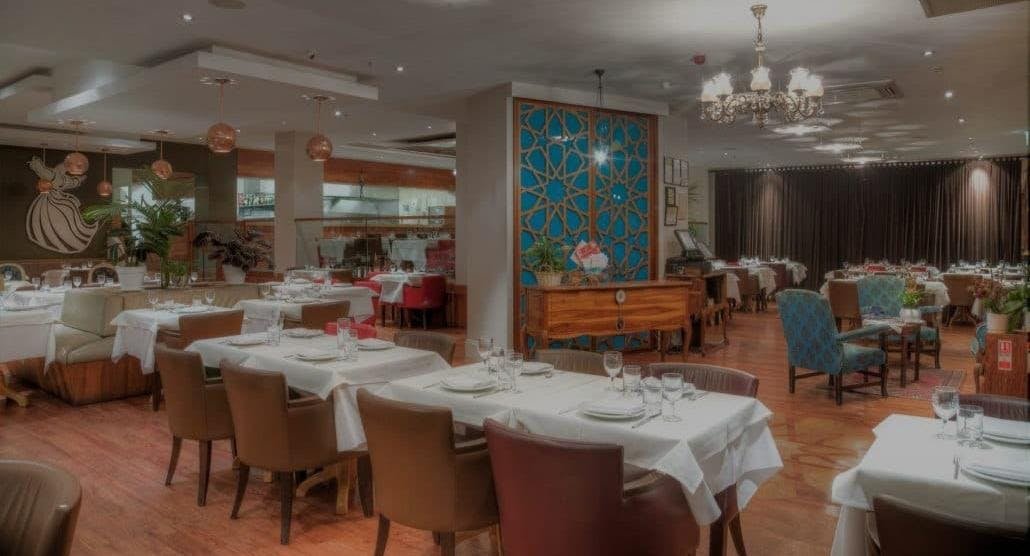
Where the Wharf Meets the Bosphorus
Canary Wharf has spent the better part of two decades building a dining scene that does more than feed bankers between meetings. The South Quay waterfront, where Discovery Dock frames a stretch of still water against the glass towers of E14, now holds a concentration of restaurants that trade on the drama of their setting as much as on what arrives at the table. Hazev is an Anatolian Turkish restaurant at Discovery Dock Apartments West, 2 S Quay Square, London E14 9RT, with a smart casual dress code and recommended reservations.
Turkish and Eastern Mediterranean restaurants in London have historically occupied two distinct tiers: the high-volume grill houses of Green Lanes and Dalston, and a smaller number of upmarket addresses in Mayfair and Knightsbridge that dress the same culinary tradition in more formal service and higher price points. Hazev represents a third positioning: a waterfront venue in a corporate district that draws on the full range of Anatolian cooking, from mezze and fire-cooked proteins to more restrained dishes rooted in the vegetable-heavy traditions of the Aegean and southeastern Turkey.
The Anatolian Table in a London Context
Understanding what Hazev is doing requires some context about Turkish cuisine's standing in the wider London restaurant conversation. For most of the past decade, the critical conversation around refined non-European cooking in London has centred on Japanese, Indian, and Korean restaurants. Turkish and broader Levantine traditions have received less sustained attention from the city's editorial and award infrastructure, despite the culinary depth those traditions carry. Venues like Opheem in Birmingham have shown how a cuisine historically underrepresented in formal dining can be reframed with precision and ambition. Hazev is attempting something analogous, though within a different register and culinary geography.
Anatolian cooking is genuinely vast in scope. It draws on centuries of Ottoman palace cuisine, the fire-cooking traditions of Adana and Gaziantep, the olive oil-forward vegetable dishes of the Aegean coast, and the dairy-rich preparations of central Anatolia. A restaurant working seriously within this tradition has more to draw on than most European cuisines offer, and the editorial challenge for any critic is assessing how much of that range a given venue actually deploys versus defaulting to the familiar shorthand of kebabs and hummus.
London's broader fine-dining tier, represented by addresses like CORE by Clare Smyth, The Ledbury, and Sketch, The Lecture Room and Library, operates largely within French and Modern European frameworks. The city's appetite for serious cooking from other traditions is real but the venues serving that appetite are fewer and less frequently covered. Hazev's position in Canary Wharf rather than Mayfair or Fitzrovia places it slightly outside the circuit that food critics habitually walk, which has consequences for its visibility even if the cooking merits attention.
Canary Wharf as a Dining District
The Wharf's dining character has evolved considerably. The early phase, dominated by chain restaurants serving financial workers on expense accounts, has given way to a more varied offer. Crossrail's opening at Elizabeth line's Canary Wharf station increased footfall from residential east London and from the west, bringing a broader demographic than the district historically attracted. South Quay Square specifically benefits from the mix of apartment residents in Discovery Dock and visitors drawn by the waterfront public space, which gives Hazev a more varied customer base than a purely corporate postcode would imply.
The comparison set for a waterfront venue in this district is not the West End's highest-awarded rooms. Hazev sits closer in spirit and positioning to the mid-to-upper casual tier that has expanded along the Wharf: venues where the setting does meaningful work, the cooking is taken seriously, and the occasion can be a business dinner or a Saturday evening in roughly equal measure. That flexibility is a deliberate positioning choice, and it reflects how the more ambitious restaurants in corporate-adjacent districts tend to operate across the United Kingdom, from Midsummer House in Cambridge to Hand and Flowers in Marlow, where location shapes audience without limiting culinary ambition.
The Cultural Weight of the Menu
What a serious Turkish restaurant offers that its European counterparts rarely match is the mezze structure as a genuinely communal dining format rather than a series of starters. The shared table is constitutive of how this food is meant to be eaten, and venues that understand this tend to design their menus and their service around group dynamics in ways that the tasting-menu format of somewhere like Restaurant Gordon Ramsay or Dinner by Heston Blumenthal does not. The social architecture of the meal is different, and that difference is worth preserving.
Beyond London, the broader United Kingdom fine-dining circuit has shown how regional specificity and culinary tradition can coexist with serious technique: L'Enclume in Cartmel, Moor Hall in Aughton, and Waterside Inn in Bray all draw on specific culinary traditions rather than generic fine-dining language. The case for Hazev is similar: the cooking tradition it draws on is specific, historically grounded, and capable of supporting a serious restaurant rather than a pastiche of one. Internationally, the parallel is closer to what venues like Atomix in New York City have achieved for Korean cuisine: using a deep culinary tradition as the foundation for something that reads as contemporary without severing its roots.
Planning a Visit
Hazev is located at Discovery Dock Apartments West, 2 South Quay Square, London E14 9RT, within walking distance of Canary Wharf's Elizabeth line and Jubilee line stations, which places it roughly 15 minutes from Liverpool Street and under 30 minutes from Bond Street. The waterfront setting works well for evening meals, though daytime service also draws local workers and residents. Comparable destination dining outside London, for those visiting from further afield, includes Le Manoir aux Quat'Saisons in Oxford, Gidleigh Park in Chagford, hide and fox in Saltwood, and Restaurant Andrew Fairlie in Auchterarder, all of which serve as anchors for multi-day trips. For international context on what premium urban dining looks like in similarly dense markets, Le Bernardin in New York City offers a useful comparison point on how a cuisine with deep cultural roots can sustain a serious fine-dining room over the long term.
Budget Reality Check
Comparable venues nearby, for context on price, style, and recognition.
| Venue | Cuisine | Price | Notes |
|---|---|---|---|
| HazevThis venue — the venue you are viewing | Canary Wharf, Anatolian Turkish | $$$ | Not listed |
| Saltie Girl London | Not listed | $$$ | Mayfair, Premium Tinned Fish & New England Seafood |
| Union Street Cafe | Newington, Modern Italian | $$$ | Not listed |
| Elsa | Fitzrovia, Alsace-Inspired French Bistro | $$$ | Not listed |
| Caffè Concerto Green Park | Mayfair, Italian Trattoria & Patisserie | $$$ | Not listed |
| Burger and Lobster | Mayfair, Burgers and Lobster | $$$ | Not listed |
Continue exploring
More in London
Restaurants in London
Browse all →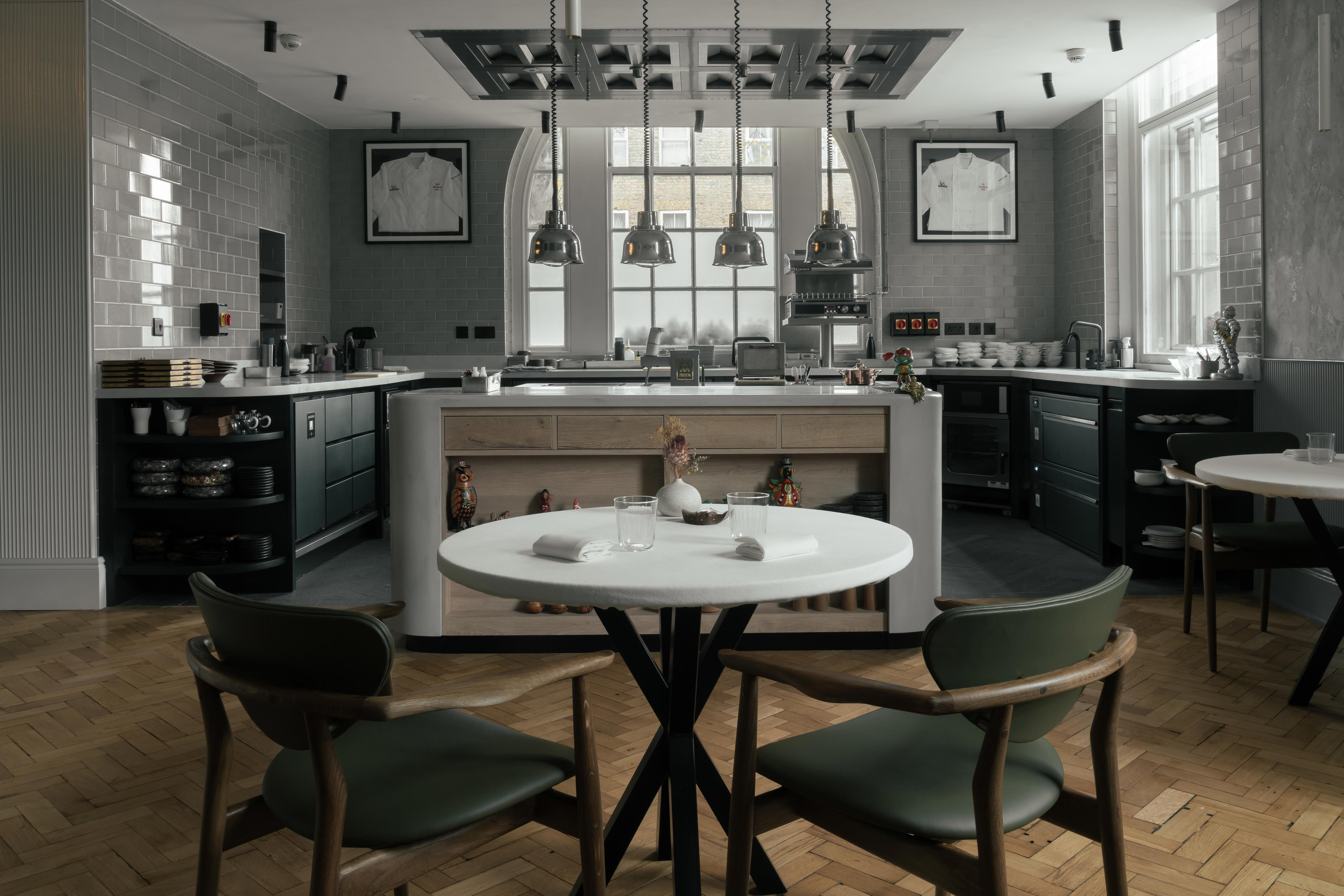
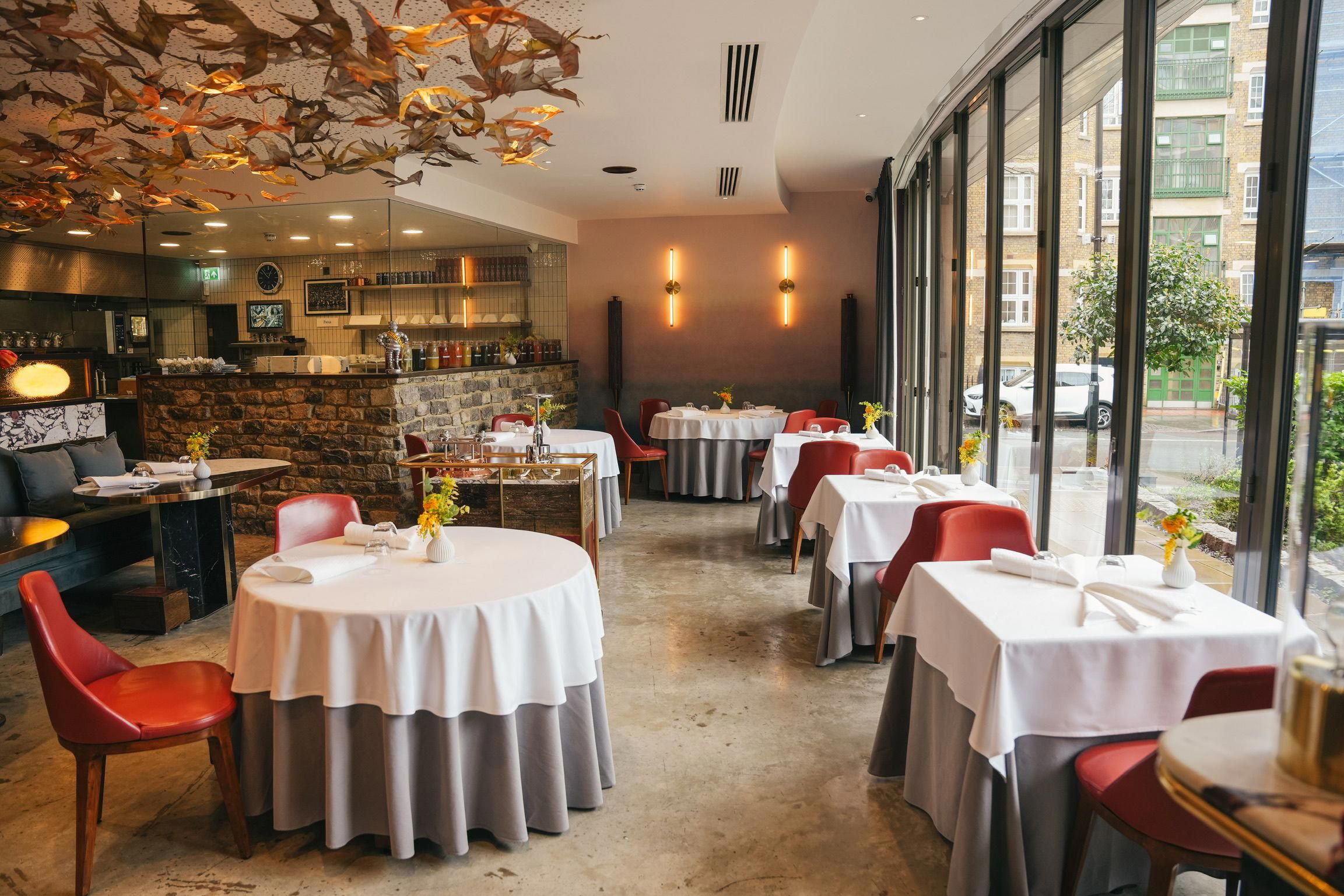
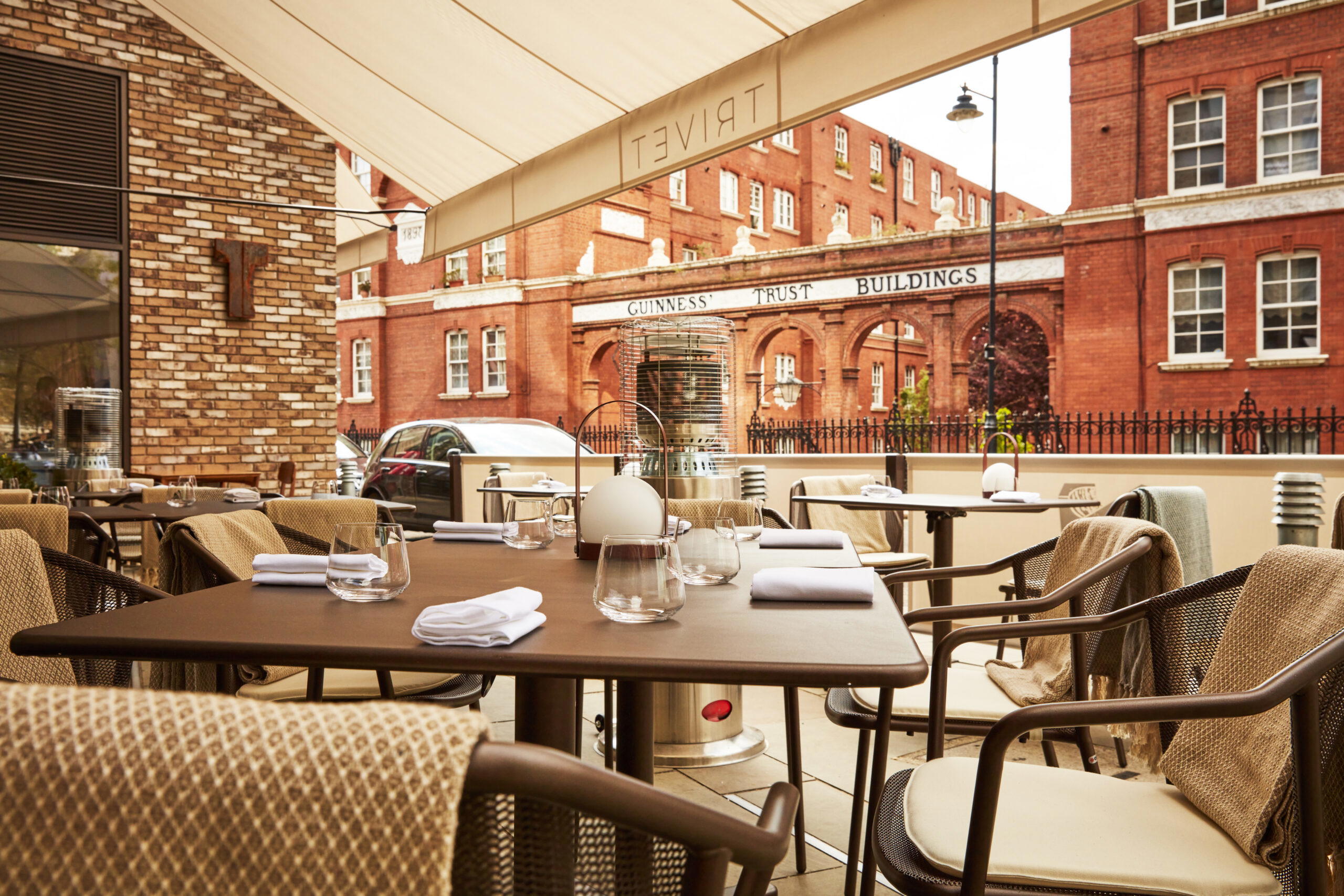
Bars in London
Browse all →
Hotels in London
Browse all →



At a Glance
- Elegant
- Modern
- Scenic
- Date Night
- Business Dinner
- Group Dining
- Waterfront
- Waterfront
Current opening hours
- Monday
- 12–11 PM
- Tuesday
- 12–11 PM
- Wednesday
- 12–11 PM
- Thursday
- 12–11 PM
- Friday
- 12–11 PM
- Saturday
- 9:30 AM–11 PM
- Sunday
- 9:30 AM–10:30 PM
Hours can change for holidays and private events. Last verified .
Spacious interior with lovely atmosphere, energetic noise level, and scenic river views.