Union Street Cafe
Our verdict
Union Street Cafe occupies a converted railway arch on Union Street in Southwark, SE1, placing it in a neighbourhood that has become one of London's more interesting dining corridors, close to Borough Market but with a grittier, less tourist-facing character. The kitchen works within a modern Italian framework, and the industrial setting reflects the area's shift from warehousing to serious dining.

Pearl is the En Primeur Club membership app, where members save venues, book tables and use the concierge.

Southwark's Dining Corridor and Where Union Street Fits
If you are making one deliberate dining choice in southeast London, the stretch around Union Street and Borough Market rewards more attention than most visitors give it. The neighbourhood sits in a productive tension: close enough to the tourist-heavy Borough Market to benefit from food-literate foot traffic, yet far enough along Union Street's railway arches to attract a local, professional crowd that is less interested in novelty and more interested in consistency. Union Street Cafe, at 120 Union St in SE1, occupies exactly that position.
The broader context matters here. London's mid-to-upper dining tier has split along fairly predictable lines over the past decade. At one end, the Michelin-decorated rooms in Notting Hill and Chelsea The Ledbury, CORE by Clare Smyth, Restaurant Gordon Ramsay, operate within a formal, destination-dining register that demands advance planning and significant spend. At the other end, the casual-Italian wave has produced dozens of neighbourhood trattorie that prioritise accessibility over ambition. Union Street Cafe occupies the space between these poles: a converted railway arch with industrial bones, a modern Italian framework in the kitchen, and a service style that reads as relaxed without being inattentive.
The Italian Framework in a British Context
Modern Italian dining in London carries specific cultural weight. The cuisine arrived in the UK through waves of immigration, primarily from southern Italy in the mid-twentieth century, and spent decades being misrepresented by red-checked tablecloths and carbonara made with cream. The serious rehabilitation of Italian cooking as a fine-dining reference in Britain came later, partly through the influence of the River Cafe in Hammersmith, partly through a generation of British chefs who staged in Italy and brought back a genuine respect for ingredient-first cooking.
What that tradition actually demands is discipline. Italian cuisine at its most honest is not about elaborate technique or extended preparation; it is about sourcing produce at the right moment and getting out of the way. The leading pasta in Emilia-Romagna is made with two or three ingredients. The finest bistecca in Tuscany requires a good fire and a well-rested animal. When that philosophy translates to a London kitchen, the test is whether the sourcing can sustain the promise, and whether the room itself carries the cultural register without mimicking it superficially.
Union Street's railway arch setting is, in this respect, more honest than a mock-Florentine interior. The industrial architecture signals that the kitchen is not trying to transplant Italy wholesale; it is working with Italian culinary logic inside a distinctly London context. That is a more defensible position, and one that several of the city's more serious Italian-leaning rooms have adopted.
Placing Union Street Against the London Scene
The relevant comparison is not Sketch's Lecture Room or Dinner by Heston Blumenthal, those operate in a different register of formality and price.
Within the broader UK dining conversation, the benchmark for serious cooking in country-house and regional settings, L'Enclume in Cartmel, Moor Hall in Aughton, Gidleigh Park in Chagford, involves deep sourcing from specific landscapes and long tasting formats. Union Street operates at a different pace and with a different intention: it is a restaurant for dinner on a Tuesday, not just a destination for a special occasion. That accessibility is a deliberate characteristic of the Italian dining tradition, which has always prized the quotidian meal over the ceremonial one.
The Italian instinct for the everyday also distinguishes Union Street from destination-only rooms elsewhere in the country, such as The Fat Duck in Bray, Hand and Flowers in Marlow, or Le Manoir aux Quat' Saisons in Great Milton, all of which ask you to travel to them and commit a full evening. And when set against international references for technically precise cooking, such as Le Bernardin in New York or Atomix in the same city, the Italian neighbourhood model is a different argument entirely: it prioritises pleasure over precision, warmth over distance.
The SE1 Neighbourhood and Getting There
Southwark SE1 has accumulated enough serious food and drink addresses to justify a dedicated evening of planning. Borough Market, a five-minute walk from Union Street, remains the most concentrated display of British and European produce in the capital. The railway arches along Union Street itself have attracted a cluster of bars and smaller restaurants that reflect the area's shift from working warehouses to creative and hospitality use. London Bridge station serves the area directly, and both the Jubilee and Northern lines stop there, making SE1 accessible from most of central London without much friction.
For a fuller picture of what the city offers, the EP Club London restaurants guide maps the broader scene by neighbourhood and register. The London hotels guide, London bars guide, London experiences guide, and London wineries guide round out the city's offering if you are planning a longer stay.
Quick reference: Union Street Cafe, 120 Union St, London SE1 0FR. Nearest station: London Bridge (Jubilee and Northern lines, plus National Rail).
Frequently asked questions
What should I eat at Union Street Cafe?
The kitchen works within a modern Italian framework, which means pasta and secondi built around seasonal produce are the most reliable anchors. Italian-leaning rooms of this type in London tend to perform most consistently on dishes where the quality of a single ingredient carries the plate, handmade pasta, simply cooked fish or meat, and desserts that lean on technique rather than sugar. Specific menu items are updated seasonally, so checking ahead is advisable.
Do they take walk-ins at Union Street Cafe?
Walk-in availability at SE1 restaurants of this type depends heavily on the day and time. Railway-arch venues in the Borough Market corridor tend to fill Thursday through Saturday from early evening, while Sunday lunch and early weeknight sittings often have more flexibility. Booking in advance through the restaurant's website or reservation system is the more reliable approach if you have a fixed date in mind.
What's the standout thing about Union Street Cafe?
The setting is the most immediately distinctive element: a converted railway arch on Union Street gives the room an industrial character that contrasts with the warmth of the Italian cooking framework. That combination, raw architectural space, ingredient-led menu, reflects a broader shift in London dining away from formal decor as a signal of quality. The SE1 location also places it within one of the city's more food-literate neighbourhoods, which sustains the level of sourcing the cuisine demands.
Is Union Street Cafe a good choice for a business dinner in south London?
SE1 has a relatively thin supply of rooms suited to relaxed professional dining compared with the City or Mayfair, which gives Union Street Cafe a practical advantage for anyone based south of the river or working near London Bridge. The converted arch setting offers enough visual interest to serve as a conversation piece without the formality that can make business meals feel performative. For a mid-range professional dinner in the Borough Market corridor, it sits in a small peer group.
Category Peers
Comparable venues nearby, for context on price, style, and recognition.
| Venue | Cuisine | Price | Awards | Notes |
|---|---|---|---|---|
| Union Street CafeThis venue (the venue you are viewing) | Modern Italian | $50–100 | Not listed | Not listed |
| Alto by San Carlo | Italian Rooftop Tapas | $50–100 | Not listed | Marylebone |
| Ziani | Venetian Trattoria | $50–100 | Not listed | Chelsea |
| Burro | Produce-led Italian trattoria with fresh pasta | $100–150 | Michelin Plate | Covent Garden |
| San Carlo Knightsbridge | Regional Italian | $50–100 | Not listed | Knightsbridge |
| Forza Wine at the National Theatre | Italian-ish Small Plates | $30–50 | The Good Food Guide GFG Good | South Bank |
Continue exploring
More in London
Restaurants in London
All restaurants in London →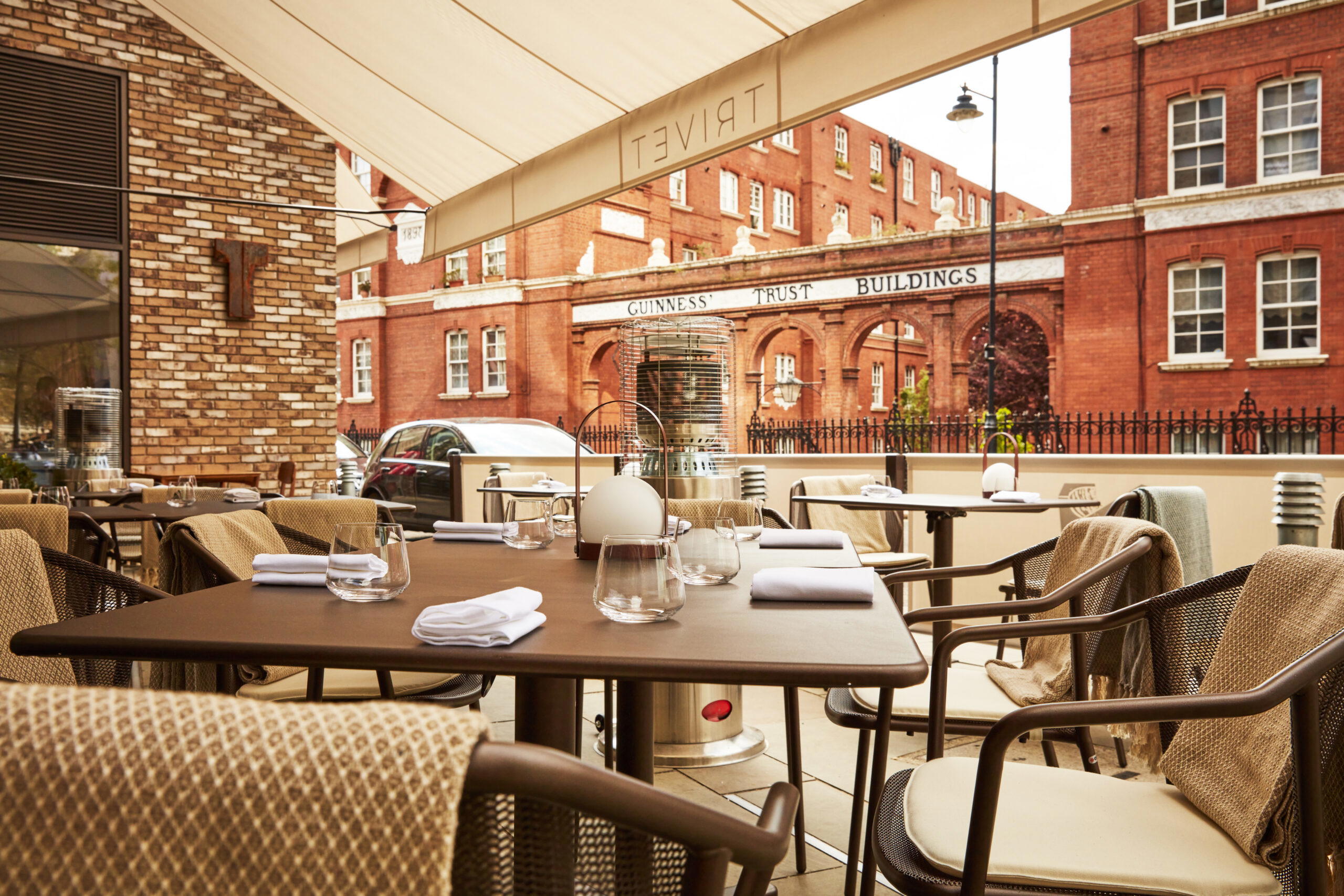
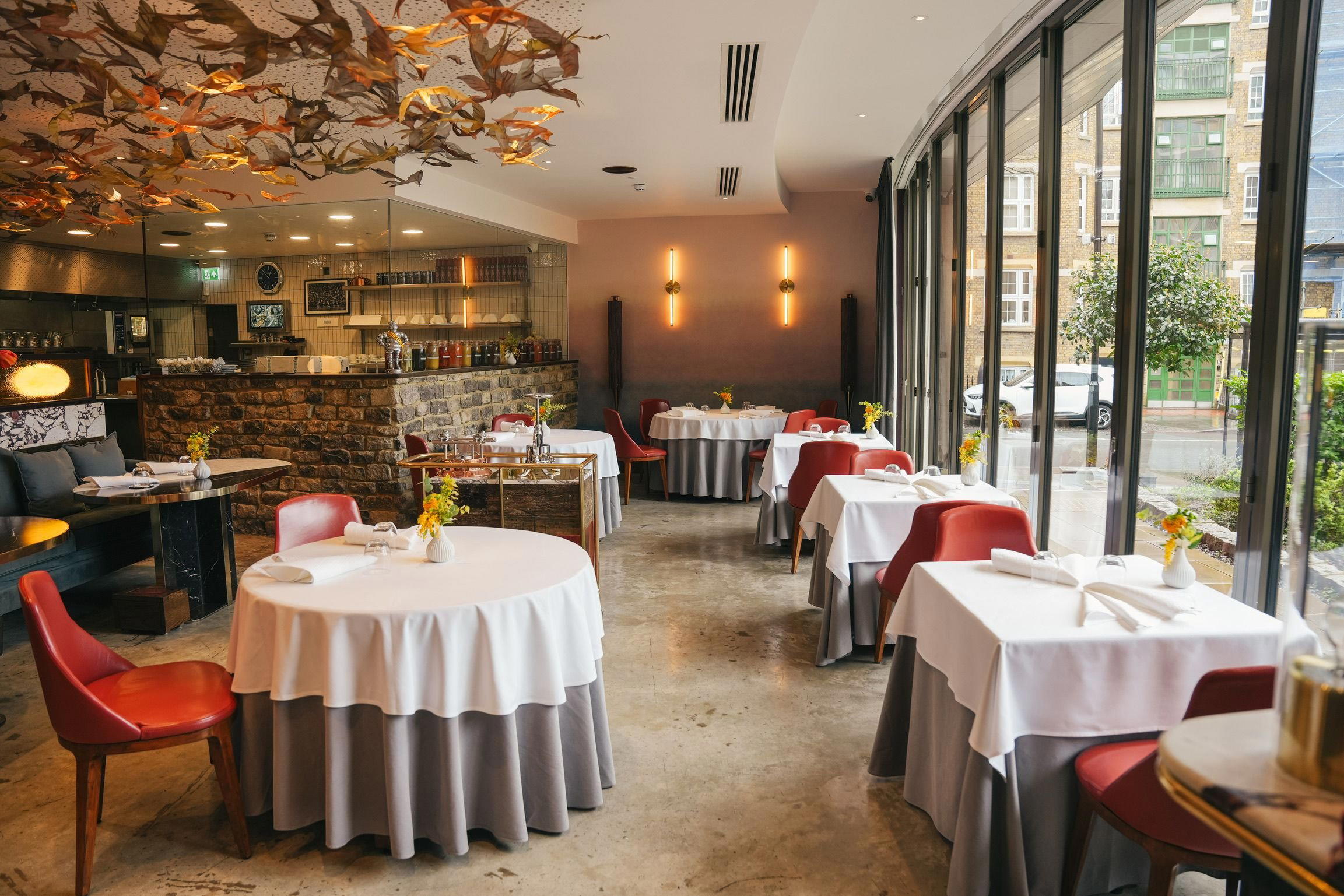
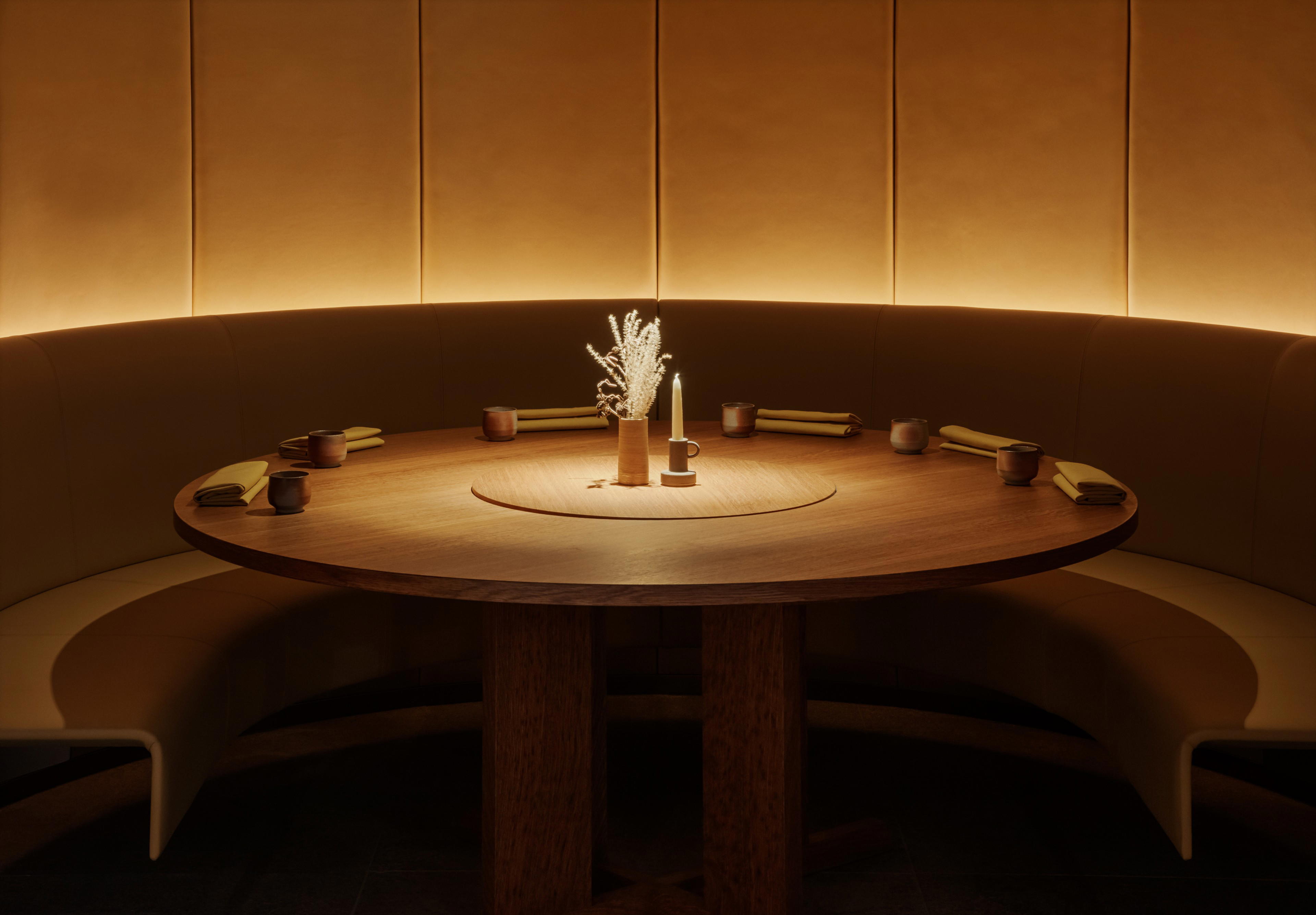
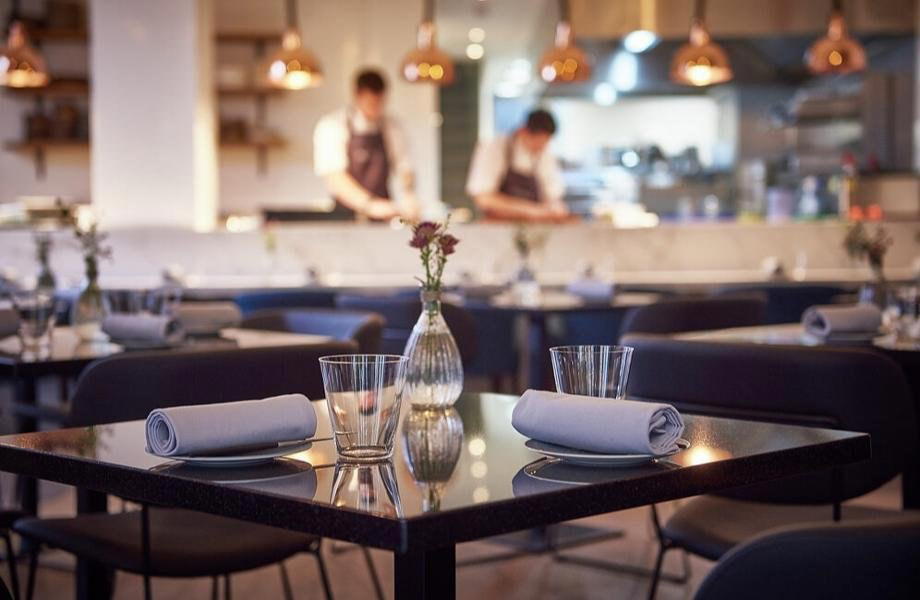
Bars in London
All bars in London →

Details
- Industrial
- Trendy
- Cozy
- Date Night
- Business Dinner
- Group Dining
- Special Occasion
- Open Kitchen
- Private Dining
- Craft Cocktails
- Extensive Wine List
- Local Sourcing
- A La Carte
- Small Plates
- Cocktails
- Wine
- Vegetarian Friendly
Current opening hours
- Monday
- 11:30 AM–3 PM, 5–9 PM
- Tuesday
- 11:30 AM–3 PM, 5–9 PM
- Wednesday
- 11:30 AM–3 PM, 5–9 PM
- Thursday
- 11:30 AM–3 PM, 5–9 PM
- Friday
- 11:30 AM–3 PM, 5–9 PM
- Saturday
- 12:30–9 PM
- Sunday
- 1–8 PM
Hours can change for holidays and private events. Hours as of .
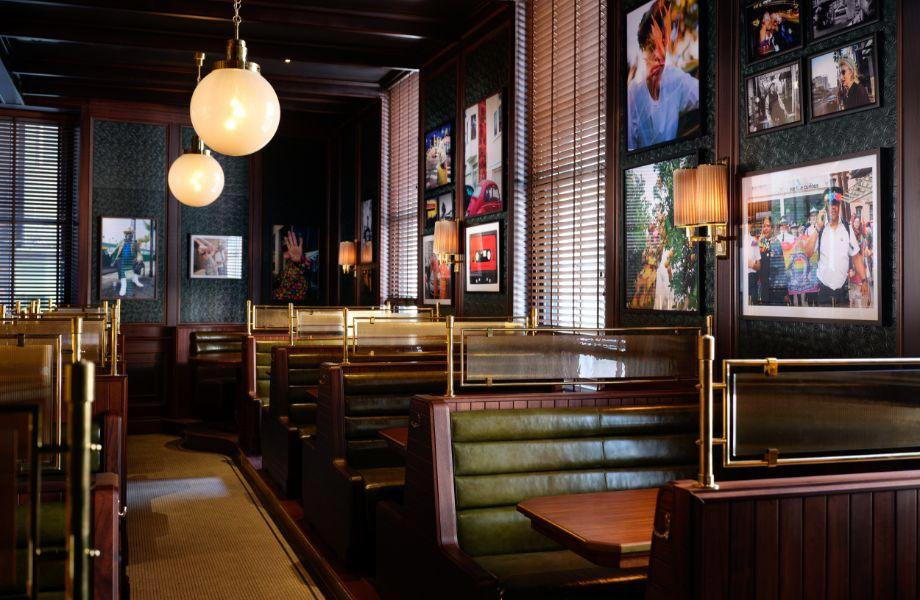
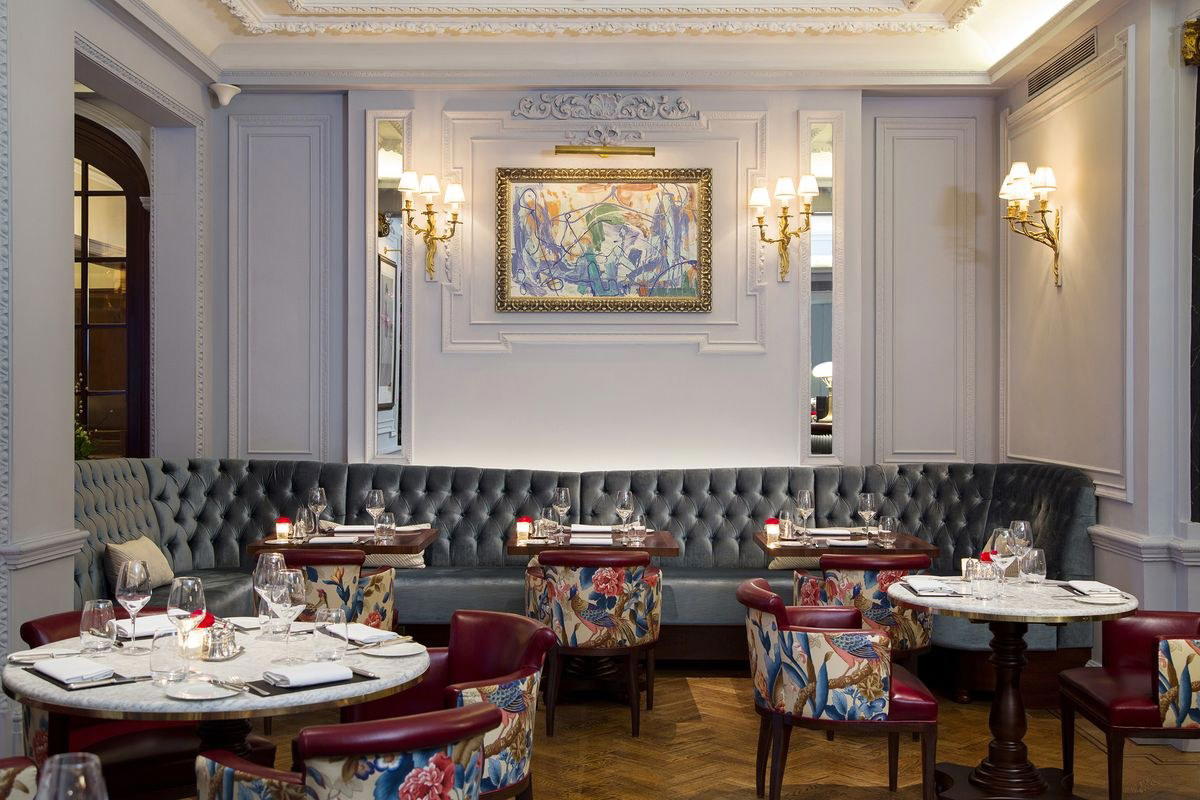
Industrial chic with exposed concrete pillars, ventilation shafts, leather and steel accents, vintage Italian seating, and candlelit warmth in the basement bar.