


Michelin Bib Gourmand · Tabelog Silver #33
Our verdict
Tokyo sushi at this level is defined less by spectacle than by control: counter size, pacing, rice work, and a reputation earned across repeat evaluation. Hashimoto sits in that serious tier, with Tabelog Silver recognition from 2021 through 2026 and selection for Tabelog Sushi TOKYO 100 in 2021, 2022, and 2025.

Pearl is the En Primeur Club membership app, where members save venues, book tables and use the concierge.
The menu
What to order
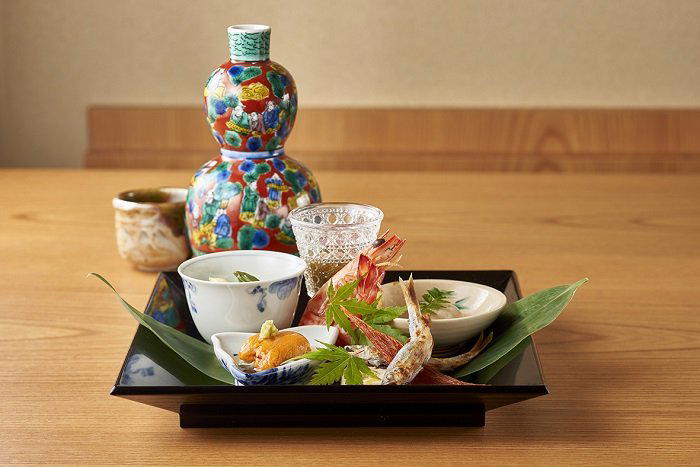
- Unagi Kabayaki
- Unajou (Eel Rice Bowl)
- Mabushi Don
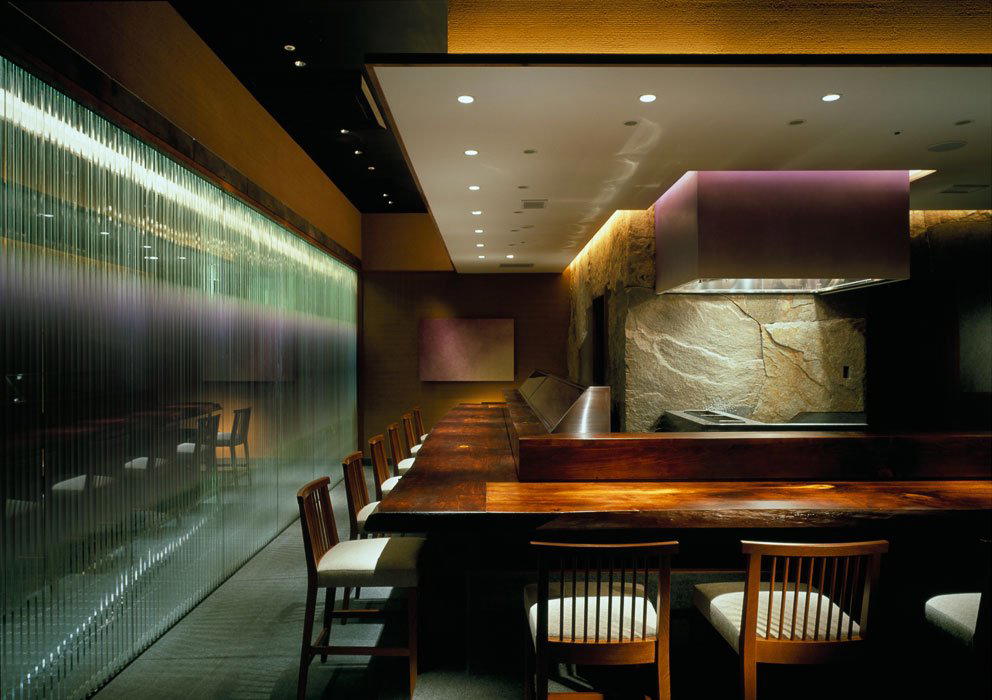
The experience is best approached without assuming theatre. Hashimoto belongs to Tokyo’s serious dining culture, where expectation is shaped by precision, pacing, and close scrutiny from local diners. In this market, reputation is not decoration; it is the operating system. A recognised restaurant must deliver consistently enough for diners to notice whether the rhythm holds.
Hashimoto belongs to the side of Tokyo dining where reputation is accumulated, not announced. Tabelog Silver recognition in 2026 places it in a heavily scrutinised bracket, with a listed score of 4.45 and Silver group rank of 33. For travellers, that signal is more useful than vague acclaim: it points to a locally scrutinised restaurant in a market with little patience for soft execution.
A focused restaurant in Tokyo's precision dining tier
Tokyo’s high-end dining scene is a study in concentration: formal reservation expectations, careful pacing, and thin margins for error. Hashimoto sits within that demanding context. The appeal favours focus over sprawl: fewer distractions, tighter sequencing, and an experience shaped by discipline rather than broad luxury choreography.
The category is best approached through craft rather than spectacle. This tier is not simply about surface polish. It depends on balance, timing, consistency, and a sequence that moves without exhausting the palate. A theatrical room is unnecessary; the point is to leave the work exposed. For diners expecting obvious luxury cues, serious dining in Tokyo can feel severe. The luxury is operational, not ornamental.
The stronger point is the restaurant’s place in a city that judges dining by repeat precision. In Tokyo, durable reputation is not earned through novelty alone. Tabelog recognition suggests a restaurant able to meet exacting expectations. The appeal is not surprise for its own sake, but a controlled reading of a demanding form.
Reputation here is measured in local recognition
Tabelog signal matters in Japan because it reflects a granular, often unforgiving local dining culture. A Silver award in 2026 puts Hashimoto into a serious recognition bracket, with Tabelog listing the restaurant at 4.45 and Silver group rank 33. That is a clearer marker than loose international buzz.
For international diners, this is useful because Tokyo dining can be hard to read from abroad. Guidebook visibility, concierge lists, and social-media attention do not always map cleanly onto local demand. Tabelog acts as a counterweight: a domestic audience distinguishing famous rooms, technically persuasive rooms, and restaurants with sustained customer trust. Hashimoto reads as a restaurant to consider through that local lens rather than through flash-driven appeal.
The restaurant also represents a specific Tokyo dining decision. It is not the default choice for a casual, open-ended evening or a large-group celebration. It is a serious booking for diners who want a formal cadence and are comfortable with structure taking precedence over improvisational ordering. The experience is social only in the narrow sense that everyone is gathered around the same purpose.
Tokyo dining has become more expensive and reservation-dependent, especially at restaurants with sustained recognition. Hashimoto’s listed lunch and dinner budget is JPY 30,000 to JPY 39,999, with review-based average spending at JPY 40,000 to JPY 49,999. These figures put the meal in the serious-special-occasion bracket, not the casual splurge category, and frame expectations before the first course arrives.
How to read Hashimoto before choosing it
The strongest reason to choose Hashimoto is the alignment of recognition and expectation. Tabelog Silver recognition points to a restaurant for diners who value precision over latitude. The booking is not designed to absorb indecision: dates, party size, dietary expectations, and timing should be settled before committing.
Practical planning should be handled carefully, as recognised Tokyo restaurants can leave little room for last-minute changes. Travellers should confirm current opening times, reservation rules, payment terms, and cancellation conditions directly before booking. The listed budget gives a useful starting point, but final spend can vary with the meal, drinks, and any current restaurant policies.
For a wider Tokyo dining plan, pair this meal with less formal stops rather than stacking multiple high-pressure bookings on consecutive nights. Travellers building a broader city stay can also cross-reference Tokyo hotels, Tokyo bars, Tokyo wineries, and Tokyo experiences.
Beyond Tokyo, the wider Japan and Japanese-dining map can help calibrate tone and formality across different cities and styles. Those comparisons are best treated generically rather than as peers: Hashimoto should be judged on its own Tokyo context and its Tabelog-recognised standing, not by looser casual or overseas reference points.
The verdict is clear without overstatement: Hashimoto is for diners who understand that Tokyo dining reputation is built through discipline, not noise. The awards record gives the booking its rationale; the focused reputation explains the experience. Go for controlled craft, not looseness, spectacle, or a long menu of choices.
Frequently asked questions
What are the operating hours at Hashimoto?
Confirm current operating hours directly with Hashimoto before booking.
What is Hashimoto known for?
Hashimoto is known for its 2026 Tabelog Silver recognition in Tokyo.
A Credentials Check
A quick comparison of related venues.
| Venue | Cuisine | Price | Awards | Notes |
|---|---|---|---|---|
| HashimotoThis venue (the venue you are viewing) | Traditional Edo-Style Charcoal-Grilled Eel (Unagi Kabayaki) | $30–50 | Michelin Bib Gourmand · Tabelog Silver #33 | Not listed |
| Harutaka | Edo-Style Omakase Sushi | $200–300 | 3 Michelin Stars · World's 50 Best #76 | Sushi |
| RyuGin | Modern Kaiseki | $500+ | 3 Michelin Stars · World's 50 Best #41 | Kaiseki, Japanese |
| L'Effervescence | Modern French with Japanese Influences | $200–300 | 3 Michelin Stars · World's 50 Best #69 | French |
| HOMMAGE | Modern French with Japanese Influences | $150–200 | 2 Michelin Stars · World's 50 Best #78 | Innovtive French, French |
| MAZ | Innovative Peruvian-Japanese Fusion | $150–200 | 2 Michelin Stars · World's 50 Best #28 | Innovative |
Recognition history
Dated appearances from independent guides and award organizations, with the underlying list record or original source where available.
Michelin Bib Gourmand
Michelin
Tabelog Silver #33
Tabelog
Opinionated About Dining Top Restaurants in North America Ranked #101
Opinionated About Dining
Full recognition history (9 entries)
Tabelog Silver
Tabelog
Tabelog 100 #84 · No. 84
Tabelog · Tabelog 100 - Sushi - TOKYO - 2025
Michelin Bib Gourmand
Michelin
Opinionated About Dining Top Restaurants in North America Ranked #120
Opinionated About Dining
Opinionated About Dining Top Restaurants in North America Ranked #105
Opinionated About Dining
Opinionated About Dining Top Restaurants in Japan Ranked #83
Opinionated About Dining
Continue exploring
More in Tokyo
Restaurants in Tokyo
All restaurants in Tokyo →







Details
- Intimate
- Classic
- Elegant
- Quiet
- Special Occasion
- Solo
- Date Night
- Historic Building
- Open Kitchen
- Chefs Counter
- Sake Program
- Local Sourcing
- Set Menu
- Counter Dining
- Sake
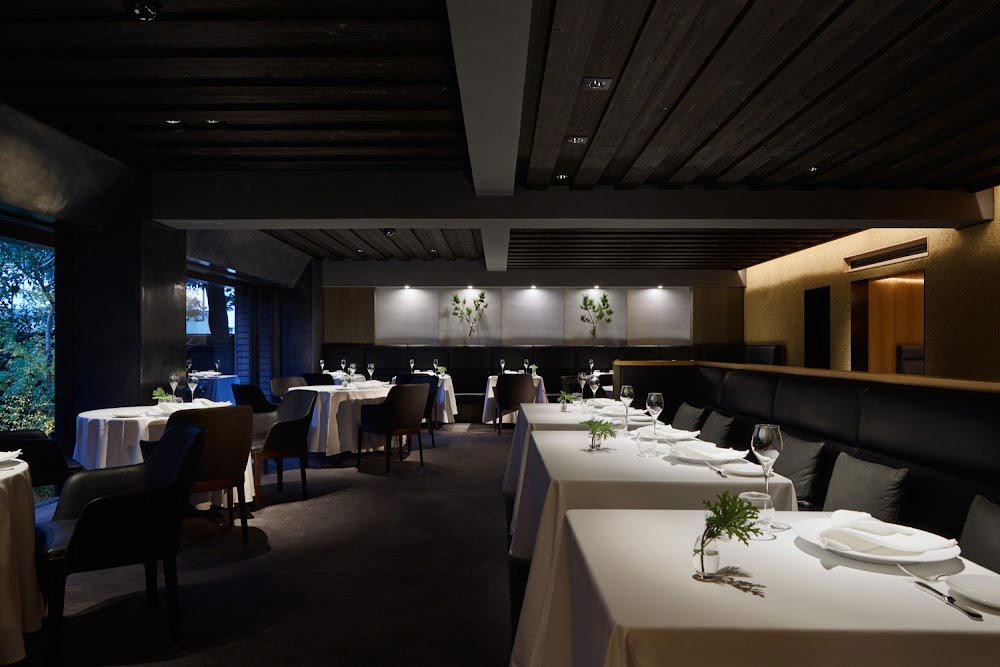
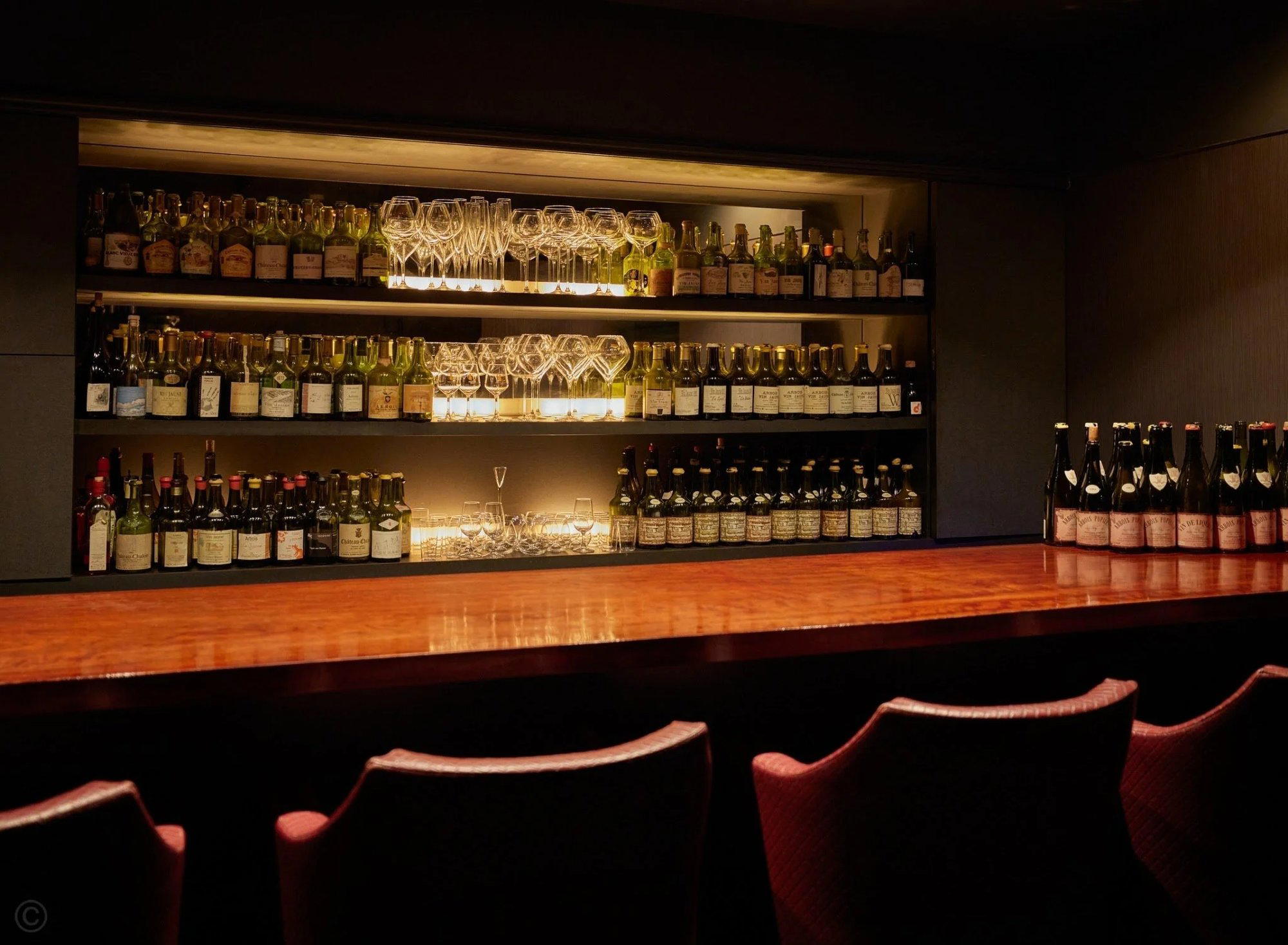
Intimate, quiet, and meditative atmosphere in a modest two-story residential building with simple, authentic décor that prioritizes cuisine over ostentation; warm and comforting interior with traditional seating options.