HanGawi


A shoes-off, vegetarian-only Korean restaurant on East 32nd Street, HanGawi operates at a different register than most of Koreatown's meat-heavy dining culture. Holding a Michelin Bib Gourmand and consistent Opinionated About Dining recognition, it earns its reputation through restraint and ingredient discipline rather than spectacle. The ssam bap and royal green tea from Mt. Jilee set the standard for what temple-style Korean cooking looks like in New York.
Pearl is the En Primeur Club membership app — saves, bookings, and concierge access live there. Same editors, same standards.
- Address
- 12 E 32nd St, New York, NY 10016
- Phone
- (212) 213-0077
- Website
- hangawirestaurant.com
- Directions
- Get directions
 Saves & bookings on Pearl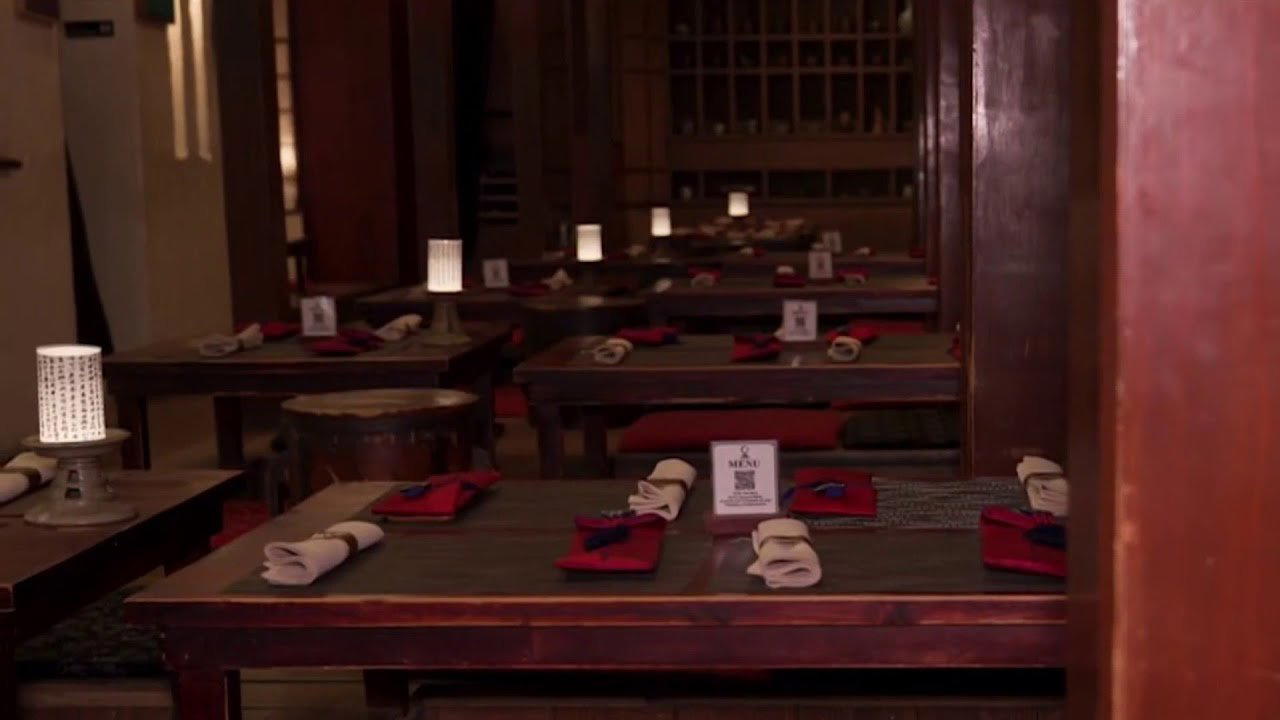
Where Koreatown's Noise Stops at the Door
East 32nd Street in Manhattan is one of the city's most concentrated blocks for Korean food, running on grilled meat, soju, and late-night energy. HanGawi is a Vegan Korean Fine Dining restaurant in New York City at 12 E 32nd St, New York, NY 10016. You remove your shoes at the entrance. The room runs on meditative music and the low murmur of conversation. Traditional low tables replace the usual booth-and-grill format that defines much of the surrounding corridor. The contrast is not accidental. The restaurant operates within a long tradition of Korean temple cuisine, a practice rooted in Buddhist principles that prizes clean ingredients, deliberate preparation, and an absence of pungent aromatics like garlic and onion in their raw forms. In New York, that tradition has almost no other standard-bearing venue at this price tier.
Temple Cuisine in a Meat-Heavy Neighbourhood
Korean restaurant culture in New York has historically organised itself around proteins: galbi, samgyeopsal, dakgalbi. The vegetable-forward counter-tradition exists in Korea at a monastic level and at a handful of high-end addresses in Seoul, but its presence in the American market remains thin. HanGawi has held this position consistently enough to earn a Michelin Bib Gourmand in 2024, alongside consecutive Opinionated About Dining Casual North America rankings, reaching #410 in 2025 after appearing at #476 in 2024 and as a recommended entry in 2023. That upward trajectory in the OAD rankings over three successive years suggests the kitchen is sharpening rather than coasting.
The comparison set here is not Atomix or any of New York's Korean fine-dining addresses. Atomix operates at the $$$$ tier with a tasting menu format that draws on modern Korean technique across proteins and produce alike. HanGawi operates at $$, vegetarian-only, and draws its authority from a different tradition entirely. The closer peer conversation, if there is one in New York, is with Eleven Madison Park, which shifted to a plant-based format in 2021, though at a price point and scale that places the two in separate tiers of the same broader question: what does serious, produce-led cooking look like without animal protein at the centre?
What the Kitchen Prioritises
Temple-style Korean cooking treats vegetables not as accompaniment but as primary subject. The discipline involved is considerable. Without the fat and char of grilled meat to anchor flavour, the kitchen has to work through fermentation, texture contrast, and seasoning precision. OAD's detailed write-up of HanGawi singles out the ssam bap as a reference point: a long platter carrying creamy avocado, crunchy bean sprouts, pickled daikon, carrot, cucumber, radish, and three rice options including a nutty multigrain variety, all wrapped in dark leafy lettuce and thin sesame leaves, finished with miso ssam sauce. The dish works through layered texture rather than a single dominant note, which is structurally how temple cuisine operates at its most considered.
On the drinks side, the restaurant holds a wine and beer list, but the more fitting pairing for the room's register is the royal green tea sourced from Mt. Jiri in Korea. Single-origin teas from named Korean mountain regions represent a category with its own provenance logic, analogous in some respects to the farm-relationship framing that drives ingredient sourcing at higher-end addresses like Single Thread Farm in Healdsburg or The French Laundry in Napa. At HanGawi, the sourcing signal is quieter but present: Mt. Jiri teas carry a regional identity that connects the room to a specific Korean landscape rather than a generic supply chain.
The Room Itself as Argument
The physical design of HanGawi does editorial work that menu descriptions alone cannot. Korean artifacts on the walls, the floor-level seating, the removal of shoes at the door: these are not decorative gestures toward ethnicity but a coherent argument about how the meal should be experienced. Sitting lower changes posture and pace. The absence of street footwear in the dining room creates a boundary between the Koreatown corridor outside and the register inside. Meditative ambient sound replaces the usual din of a busy New York restaurant block. The effect is that eating here asks something different of the guest than most New York dining does, and the room enforces that ask structurally rather than through signage or instruction.
This kind of environment-as-experience design is more common at the upper tier of New York dining, where rooms at Per Se or Le Bernardin use space and quiet to frame the food. HanGawi achieves a comparable shift in register at a fraction of the price, which partly explains why it holds Bib Gourmand recognition rather than star recognition. The Bib designation in Michelin's framework acknowledges quality-to-value alignment, and that alignment is part of what makes HanGawi's position on the 32nd Street corridor legible: it is operating at a higher conceptual register than its price tier would normally demand.
Where HanGawi Sits in New York's Broader Dining Picture
New York's plant-based dining conversation has largely been dominated by either fast-casual formats or the extreme upper tier. The middle register, where a serious kitchen applies real culinary tradition to a vegetable-only framework at an accessible price, remains surprisingly underoccupied. HanGawi holds that ground almost by default in the Korean category, and holds it with enough consistency to maintain OAD recognition across multiple years. For travellers working through the New York City restaurants guide, it represents a category entry that other lists in the city's dining scene do not replicate.
For context on how other American cities handle plant-forward cooking at a serious level, Alinea in Chicago and Providence in Los Angeles represent different points on the same broader question about produce discipline, as do international addresses like 8 1/2 Otto e Mezzo Bombana in Hong Kong and Alain Ducasse Louis XV in Monte Carlo for those tracking how luxury kitchens across different traditions treat vegetable and grain cookery. Closer to home, Lazy Bear in San Francisco, Emeril's in New Orleans, and Masa each point toward how American fine dining handles sourcing relationships and ingredient-first thinking at different price points.
Planning Your Visit
Fast Comparison
Comparable venues nearby, for context on price, style, and recognition.
| Venue | Cuisine | Price | Awards | Notes |
|---|---|---|---|---|
| HanGawiThis venue — the venue you are viewing | Vegan Korean Fine Dining | $$$$ | Bib Gourmand | Not listed |
| Cho Dang Gol | Authentic Korean Tofu House | $$ | Bib Gourmand | Midtown-Times Square |
| COQODAQ | Modern Korean Fried Chicken | $$$ | Bib Gourmand | Midtown South-Flatiron-Union Square |
| I Sodi | Tuscan Italian | $$$$ | Michelin Plate | West Village |
| Vestry | Modern Japanese Fine Dining | $$$$ | Michelin Plate | SoHo-Little Italy-Hudson Square |
| Peter Luger Steak House | Classic Dry-Aged Steakhouse | $$$$ | Michelin Plate | Williamsburg |
Recognition history
Dated appearances from independent guides and award organizations, with the underlying list record or original source where available.
Opinionated About Dining Casual in North America Recommended
Opinionated About Dining
Michelin Bib Gourmand
Michelin
Opinionated About Dining Casual in North America Ranked #410
Opinionated About Dining
Michelin Bib Gourmand
Michelin
Opinionated About Dining Casual in North America Ranked #476
Opinionated About Dining
Opinionated About Dining Casual in North America Recommended
Opinionated About Dining
Continue exploring
More in New York City
More from Chef Various
Browse all →
Restaurants in New York City
Browse all →
Bars in New York City
Browse all →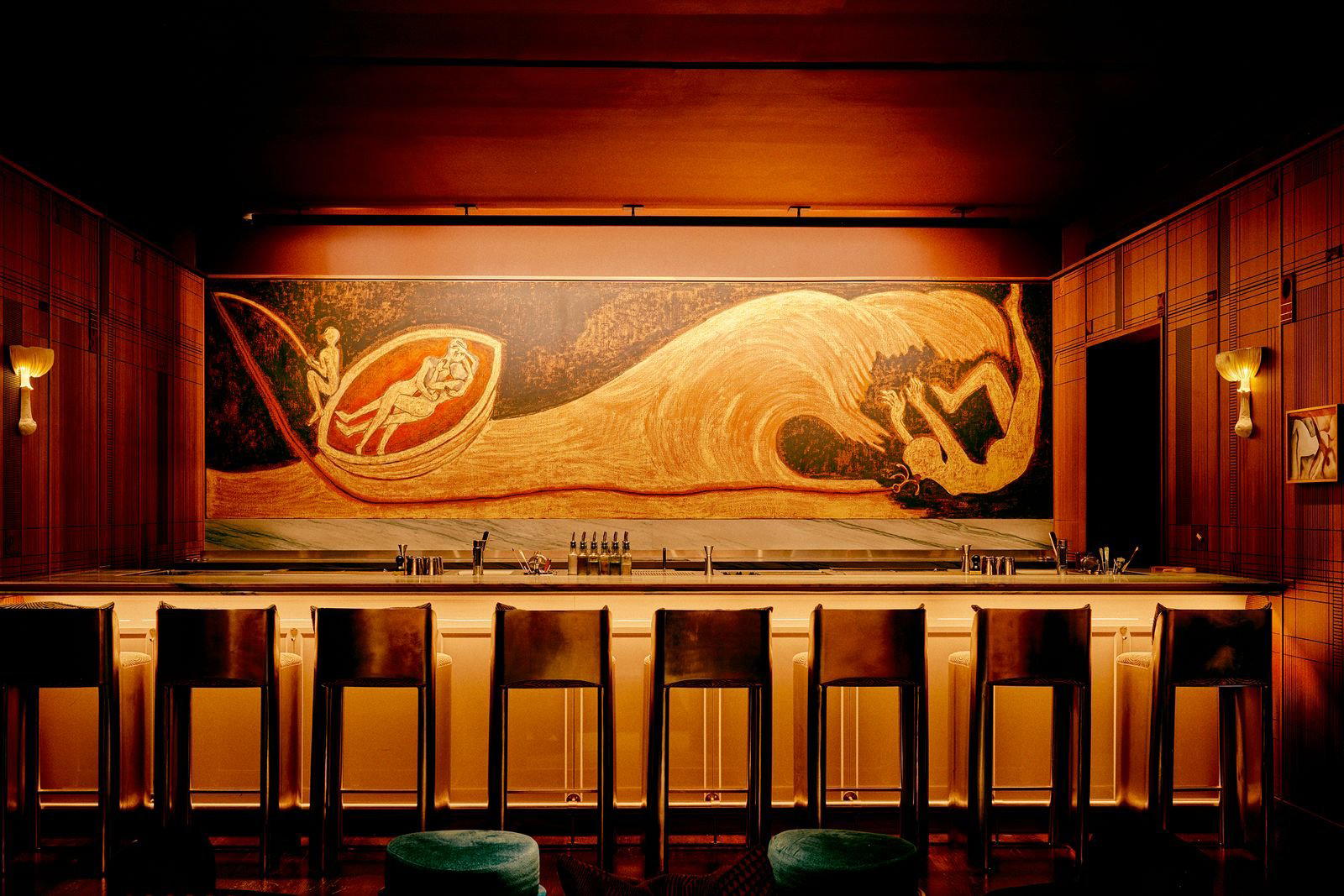
Hotels in New York City
Browse all →





At a Glance
- Intimate
- Elegant
- Cozy
- Sophisticated
- Date Night
- Special Occasion
- Open Kitchen
- Sake Program
- Organic
Current opening hours
- Monday
- 5–9:30 PM
- Tuesday
- 5–9:30 PM
- Wednesday
- 5–9:30 PM
- Thursday
- 5–9:30 PM
- Friday
- 5–9:30 PM
- Saturday
- 1–9:30 PM
- Sunday
- 1–9:30 PM
Hours can change for holidays and private events. Last verified .
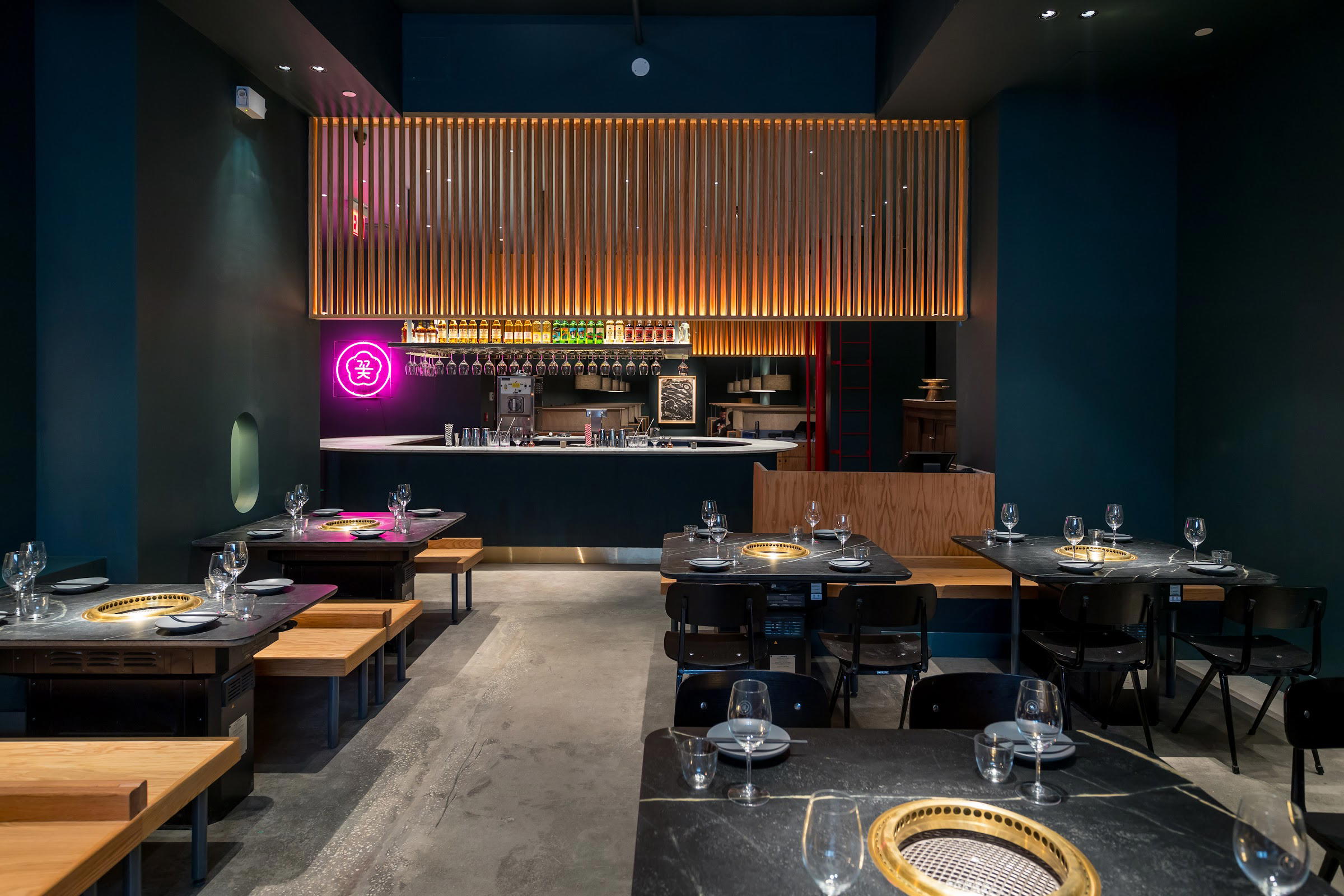
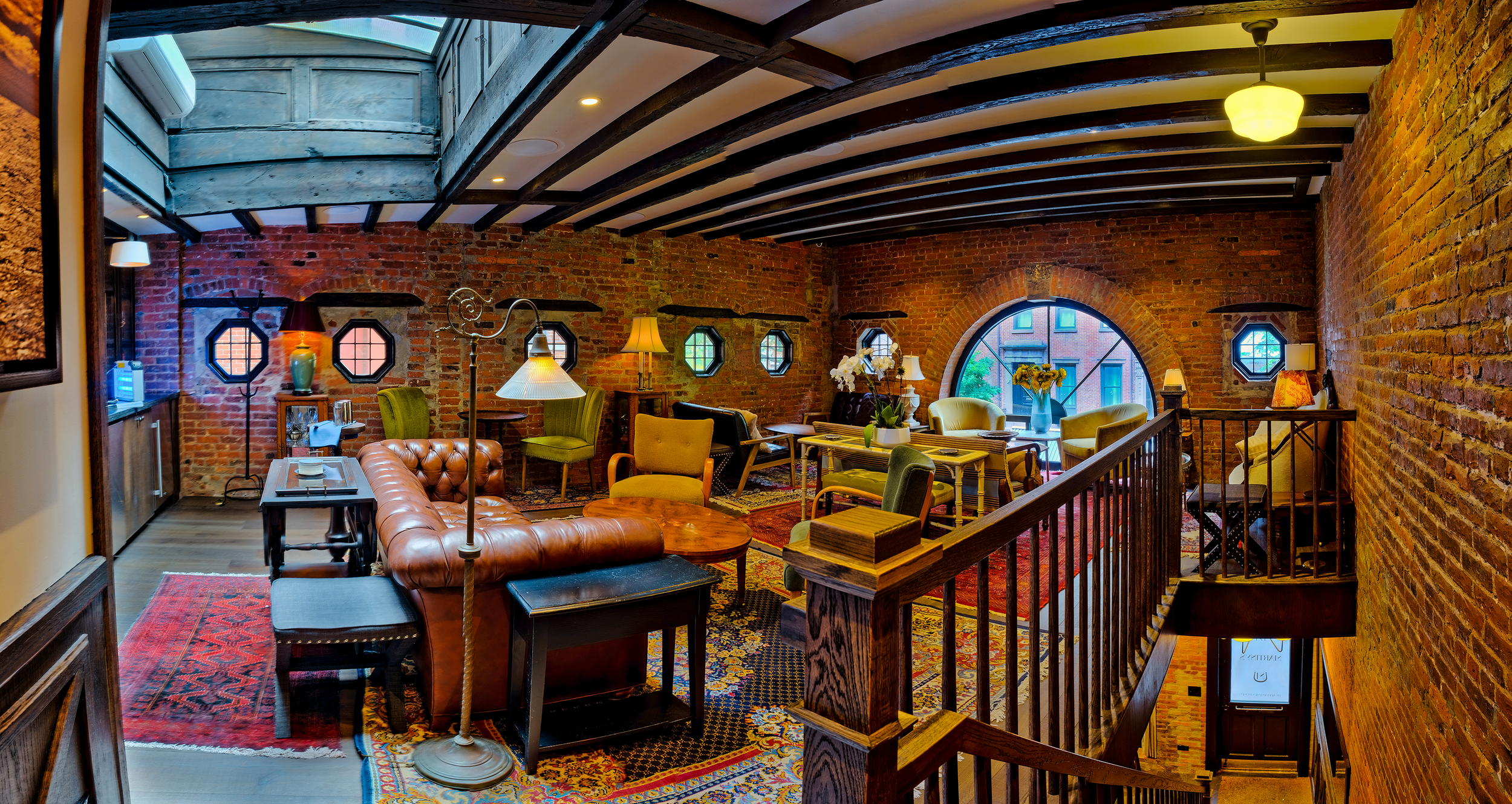
Dark wood paneling, recessed floor tables with cushions, mystical and beautiful decor evoking a spiritual Korean atmosphere with soft lighting.