Our verdict
HAN sits on Leopoldstraße 31 in Munich's Schwabing district, where the city's appetite for East Asian dining has grown steadily more sophisticated over the past decade. The address places it within reach of the university quarter's cosmopolitan crowd and the fine-dining corridor that stretches north from the city centre. Precise details on format and menu are best confirmed directly with the venue.

The menu
What to order
- Adana kebap
- Tomahawk
- Sultan’s ribs
Schwabing's East-West Axis
Leopoldstraße is one of Munich's most recognisable thoroughfares: wide, tree-lined, and historically associated with the city's student and intellectual life as it runs north through Schwabing toward the English Garden. The street has changed register over the years, with independent restaurants and concept-driven dining rooms gradually asserting themselves alongside the boulevard's older café culture. HAN, at number 31, occupies a position in that shift, an address that signals proximity to a cosmopolitan residential base rather than the tourist-heavy centre around Marienplatz or the prestige hotel corridor of Maximilianstraße.
Munich's fine-dining scene has consolidated around a recognisable cluster of Michelin-recognised rooms: Tantris, which has held its position as a benchmark for Modern French and French Contemporary cooking for decades; Atelier in the Bayerischer Hof, operating in Creative French territory; and Alois at Dallmayr, where creative tasting menus carry the weight of a storied grocery institution behind them. A more recent current runs toward East-West fusion: Tohru in der Schreiberei has made the most visible mark in that direction, pairing Modern German and Japanese sensibilities at the top of the market. HAN enters a Schwabing neighbourhood that is receptive to that kind of cultural crossover, even if it operates at a different tier or format from the Michelin-starred set.
The Atmosphere of the Address
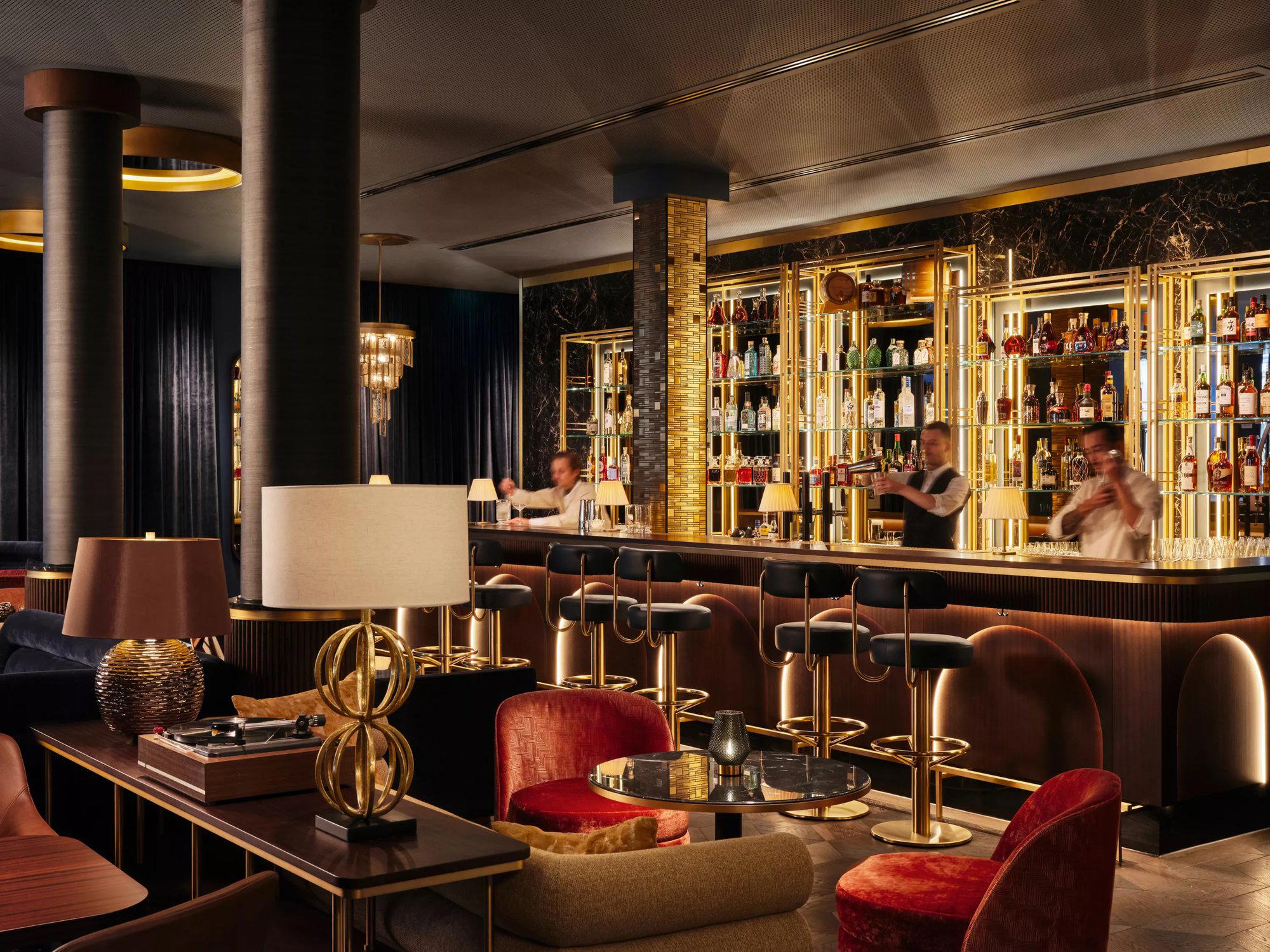
Arriving on Leopoldstraße, the experience is shaped before you enter by the boulevard's particular energy: wide pavements, the hum of tram lines, the mix of students, residents, and the occasional tour group heading toward the English Garden. It is a street that rewards specificity, you are not in the generic city centre, and the restaurants that work here tend to have a defined character rather than relying on tourist traffic to fill seats.
Within Munich's Korean and Korean-influenced dining conversation, the city has followed a trajectory visible in other major German cities: a move from casual tabletop grilling formats toward more considered, atmosphere-conscious rooms. Berlin's approach, exemplified by venues like CODA Dessert Dining in its willingness to push concept dining to its limits, signals how far German cities have extended their ambition in non-European cuisines. Munich has been somewhat slower to formalise that tier, which means the market position for a focused Korean or East Asian room on Leopoldstraße is less crowded than in the capital.
Sensory Register and Dining Format
The sensory character of Korean-influenced dining rooms in Germany's major cities tends to divide along a clear fault line. On one side are the tabletop grill formats, where charcoal smoke, the sound of sizzling meat, and communal service create an immersive, high-energy atmosphere. On the other are the quieter, more composed rooms that prioritise plated courses, careful pacing, and a lower ambient volume, formats that share more DNA with the contemporary tasting-menu circuit than with traditional Korean hospitality. Where HAN sits on that spectrum is something a visit will confirm more precisely than any description, but the Schwabing address and the Leopoldstraße context suggest a room aimed at a knowing, repeat-visit clientele rather than first-timers looking for novelty.
For comparative context on how Korean fine dining operates at its most ambitious internationally, Atomix in New York City provides a useful reference point: a two-Michelin-starred counter that has made the case for Korean cuisine at the very best of the tasting-menu market. Munich's version of that conversation is less formalised, which creates space for venues that can define their own terms rather than compete on an established hierarchy.
Munich's Broader Fine-Dining Geography
Understanding where HAN fits requires a sense of how Munich's restaurant geography distributes itself. The city's most decorated rooms tend to cluster in the centre and in Schwabing itself, Tantris has been on Franz-Joseph-Straße for decades, and the area's density of good restaurants reflects the neighbourhood's long association with creative and intellectual life. Beyond Munich, the broader German fine-dining circuit extends to venues like Aqua in Wolfsburg, Schwarzwaldstube in Baiersbronn, Vendôme in Bergisch Gladbach, and Victor's Fine Dining by Christian Bau in Perl, each anchoring a regional node of serious cooking. Within the city, JAN has established itself in the Creative register, and the presence of multiple €€€€ operators signals that Munich's appetite for high-commitment dining experiences is not confined to a single cuisine tradition.
That density also means that a Korean or East Asian room in Schwabing is not filling a vacuum so much as finding a specific lane within a competitive, experienced dining public. Munich's restaurant-goers have enough reference points, from ES:SENZ in Grassau to Restaurant Haerlin in Hamburg, to make informed comparisons, and venues that succeed here tend to do so on clarity of concept and consistency of execution rather than novelty alone.
Planning Your Visit
Leopoldstraße 31 is reachable by U-Bahn on the U3 and U6 lines, with Giselastraße as the nearest stop, a direct connection from the city centre that takes under ten minutes from Marienplatz. The Schwabing strip is leading visited in the evening when the boulevard's energy shifts from daytime pedestrian traffic to a more deliberate, restaurant-focused crowd. For a broader sense of how Munich's dining options distribute across neighbourhoods, cuisines, and price tiers, the EP Club Munich guide maps the full picture. Those extending a trip to explore the region's wider creative cooking scene might also consider Schanz in Piesport, Waldhotel Sonnora in Dreis, or Bagatelle in Trier as part of a longer Germany itinerary.
Frequently asked questions
What's the overall feel of HAN?
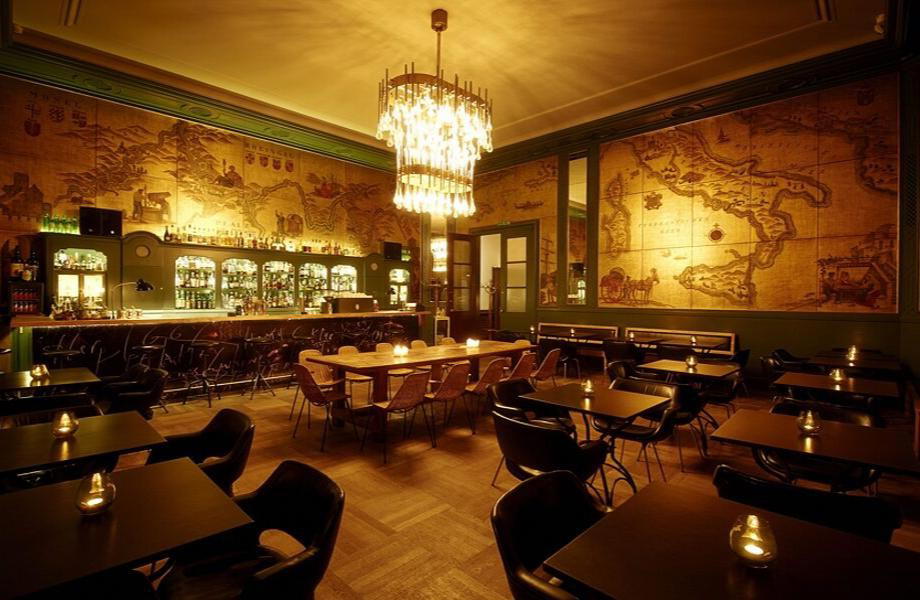
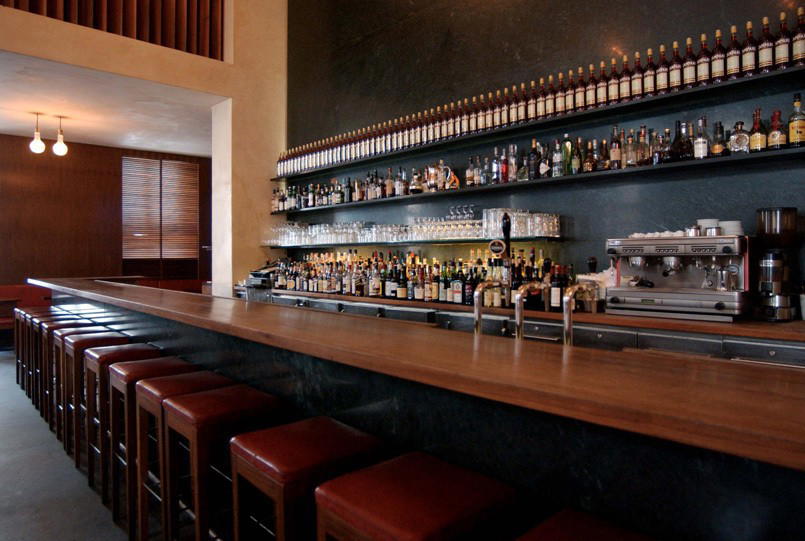
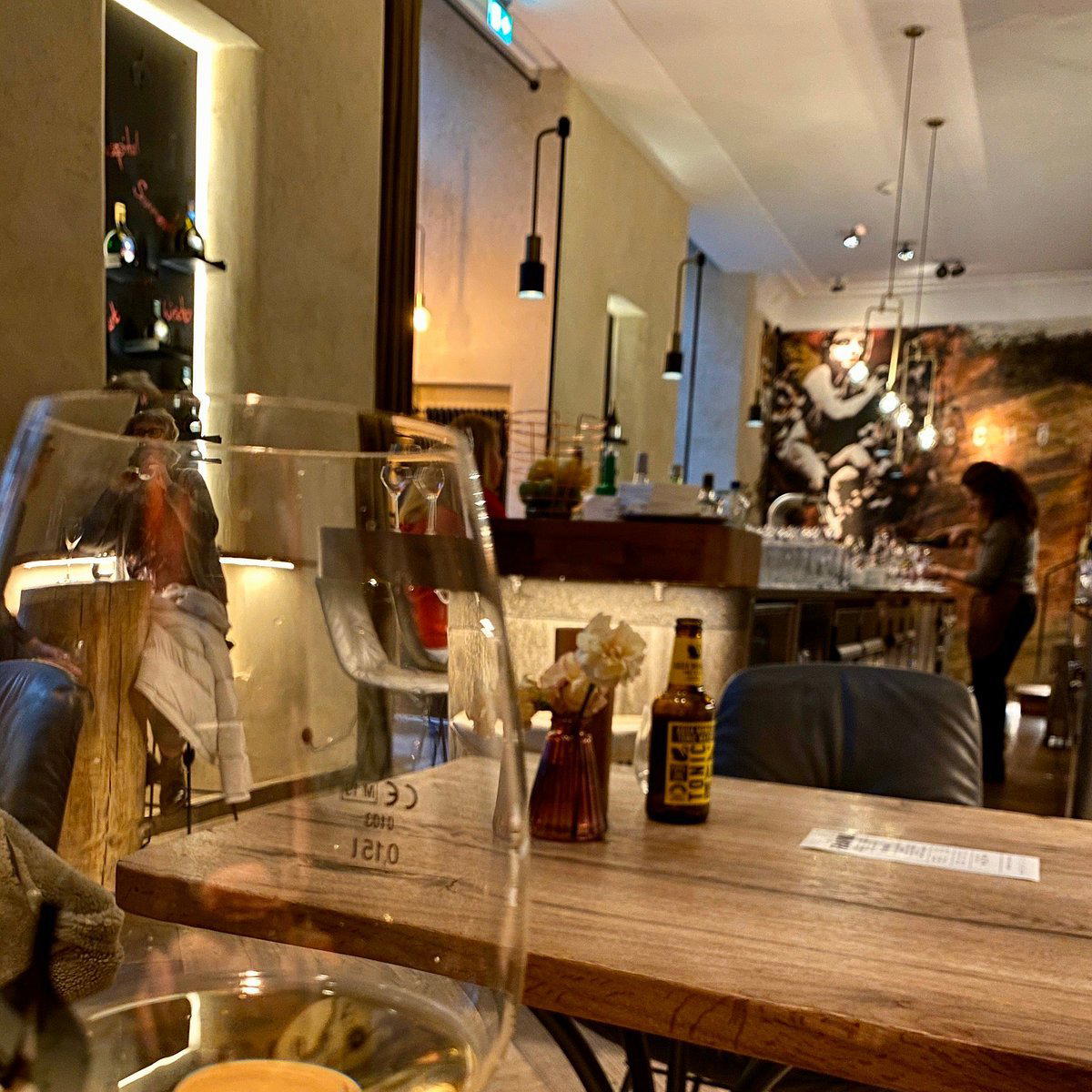
HAN occupies a position on Leopoldstraße 31 that puts it squarely in Schwabing, Munich's most historically student- and intellectual-facing boulevard. The address carries a particular boulevard energy, wide pavements, tram lines, a neighbourhood that reads as composed rather than frenetic. The room itself sits closer to the considered end of Munich's Korean dining spectrum, away from the casual tablet-menu format common elsewhere in the city.
Where is HAN in Munich?
HAN is located at Leopoldstraße 31, 80802 München, Germany, Munich.
How does HAN compare to other Korean restaurants in Munich, and what makes Leopoldstraße 31 a notable address for this cuisine?
Munich's Korean restaurant scene has historically concentrated around the city centre and the university quarter, making HAN's placement on Leopoldstraße 31 in Schwabing a deliberate departure from that cluster. Schwabing's boulevard character, wide, walkable, and associated with Munich's intellectual and arts communities, gives HAN a neighbourhood context distinct from the city's more tourist-facing dining corridors. The nearest U-Bahn access is Giselastraße on the U3 and U6 lines, making it straightforward to reach from the city centre without landing in the Altstadt's heavier foot traffic.
What should I order at HAN?
What the broader context of Korean-influenced dining in German cities suggests is a menu organised around contrast, fermented, grilled, and raw preparations alongside one another. Arriving with flexibility across the menu, rather than a fixed target, tends to serve diners well at addresses like this one.
Do I need a reservation for HAN?
Contacting the restaurant directly before visiting is the practical approach, particularly for groups or specific seating preferences.
What's the defining dish or idea at HAN?
HAN's defining proposition, based on its positioning within Munich's dining geography, is Korean-influenced cooking placed deliberately in Schwabing rather than in the city's more decorated southern and central clusters. That address choice signals a room oriented toward the neighbourhood rather than the tourist circuit. The animating idea appears to be Korean culinary structure applied with the attention to format that Munich's dining public tends to expect.
City Peers
| Venue | Cuisine | Price | Awards | Notes |
|---|---|---|---|---|
| HANThis venue (the venue you are viewing) | Modern Turkish Grill | Not listed | Not listed | Not listed |
| Tantris | Modern French Fine Dining | $300–500 | 2 Michelin Stars · World's 50 Best #73 | Modern French, French Contemporary |
| Tohru in der Schreiberei | Modern Japanese-European Fusion Fine Dining | $300–500 | Michelin Plate · La Liste Top Restaurants | Modern German - Japanese, Modern Cuisine |
| Alois - Dallmayr Fine Dining | Modern Bavarian Fine Dining with French and Nordic Influences | $300–500 | 2 Michelin Stars · La Liste Top Restaurants | Creative |
| Atelier | Modern German with Asian Influence | $200–300 | 2 Michelin Stars · La Liste Top Restaurants | Creative French |
| Acquarello | Modern Italian Fine Dining | $100–150 | 1 Michelin Star | Italian - Mediterranean, Italian |

Continue exploring
More in Munich
Restaurants in Munich
All restaurants in Munich →
Bars in Munich
All bars in Munich →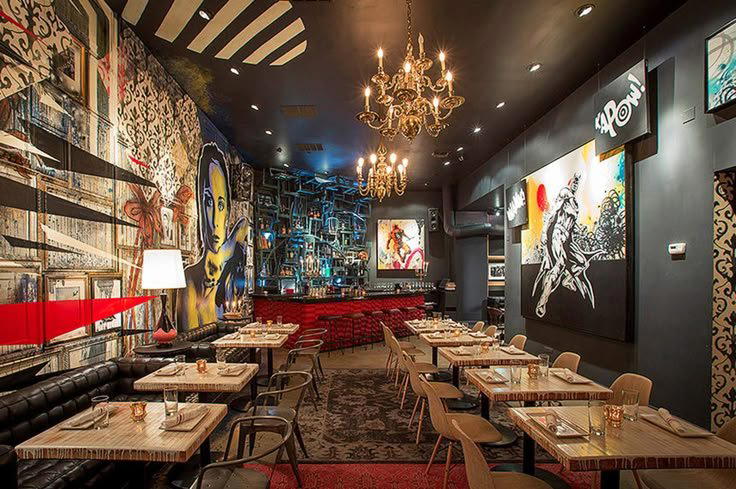
Details
- Trendy
- Modern
- Lively
- Date Night
- Group Dining
- Casual Hangout
- Open Kitchen
- Craft Cocktails
- A La Carte
Nice ambience with moderate noise levels, transitioning from daytime brunch to evening bar atmosphere with cocktails and beats.