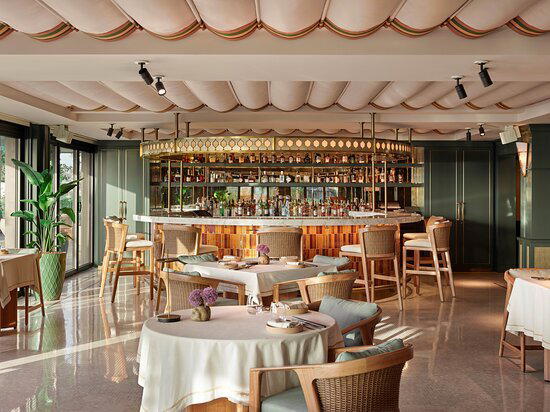
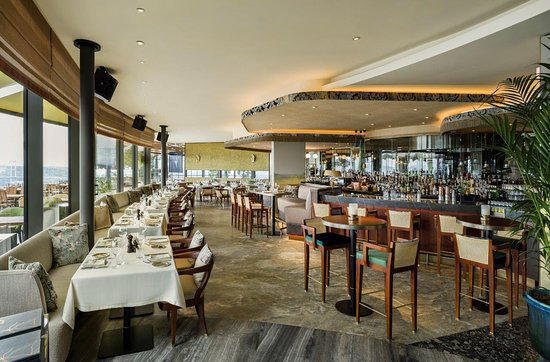
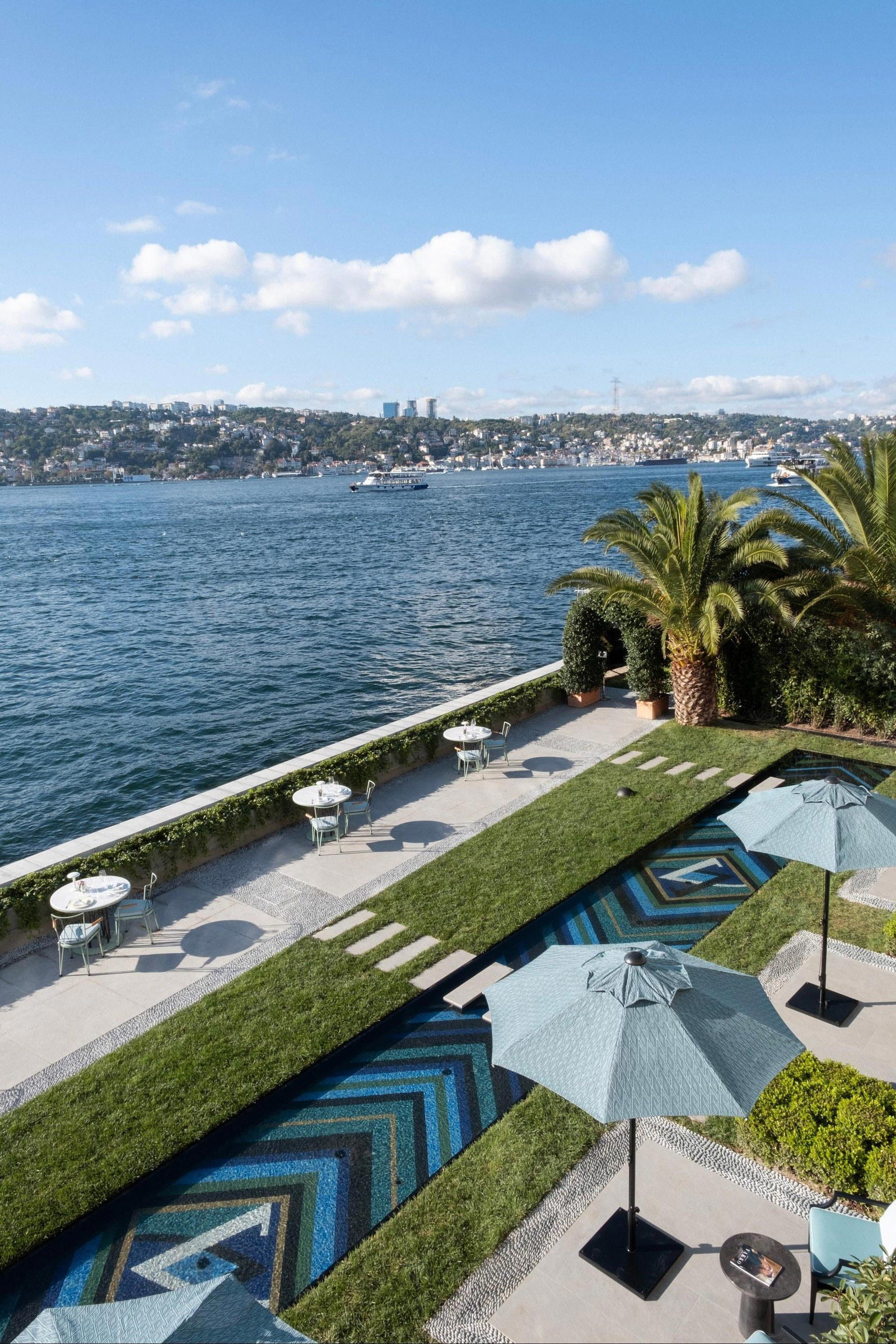
HAMSİ DIVING CENTER sits on Şair Arşi Cd. in Kadıköy, with casual service, a conversational noise level, and waterfront views.
Pearl is the En Primeur Club membership app — saves, bookings, and concierge access live there. Same editors, same standards.
- Address
- No: Merdivenköy, Şair Arşi Cd. No:50, 34732 Kadıköy/İstanbul, Türkiye
- Phone
- +90 216 368 70 03
- Website
- hamsidiving.com
- Directions
- Get directions
 Saves & bookings on Pearl
Kadıköy's Coastal Eating Tradition and Where HAMSİ DIVING CENTER Fits
HAMSİ DIVING CENTER is a restaurant in Kadıköy, Istanbul, at No: Merdivenköy, Şair Arşi Cd. No:50, 34732 Kadıköy/İstanbul, Türkiye. Istanbul's Asian shore has always maintained a different relationship with fish than the Bosphorus-facing European districts. Kadıköy, in particular, hosts a concentration of neighborhood seafood spots where the clientele is predominantly local, the menu follows the season's catch, and the measure of quality is longevity rather than critical recognition. HAMSİ DIVING CENTER, addressed on Şair Arşi Caddesi in the Merdivenköy quarter of Kadıköy, operates inside that tradition. The name itself is a declaration: hamsi, the anchovy, is the emblematic fish of the Black Sea coast, and any venue that puts it front and center is positioning itself within a specific culinary register, one defined by simplicity, freshness, and an audience that already knows exactly what it wants.
This is not the category of Istanbul dining represented by Turk Fatih Tutak, Mikla, or Neolokal, the ₺₺₺₺ modern Turkish tier that draws international food travelers and critical attention. The restaurant's neighborhood placement in Merdivenköy suggests a different kind of authority: the kind accumulated through years of serving the same streets rather than through tasting menus and press coverage.
What the Name Tells You
In Turkish coastal eating culture, a venue named after hamsi is making a specific promise. The anchovy occupies a near-mythological status in the food culture of the Black Sea region, pan-fried, grilled, cured, or folded into rice pilaf (hamsili pilav), it appears in dozens of preparations that vary by region and season. Venues built around hamsi tend to calibrate their kitchen rhythm to that seasonal pulse, and regulars who return year after year know that the autumn months represent stronger examples from what the house can deliver.
The "diving" element of the name adds a layer of nautical identity that aligns with Istanbul's fish-house aesthetic, a signal that the connection to the water is more than decorative. Whether the reference is literal, historical, or simply atmospheric, it reinforces a positioning that other neighborhood seafood spots along the Asian shore share: places like Poyraz Sahil Balık Restaurant in Beykoz, which operates on similar principles of waterside proximity and local familiarity.
The Regulars' View: What Keeps People Returning
In Kadıköy's denser residential quarters, the venues that sustain a loyal clientele across years tend to share certain characteristics. The menu does not need to be explained. The staff recognize faces. The pricing is accessible enough for genuinely frequent visits, not just occasional celebration. And the kitchen's consistency on a small number of dishes matters more than range or innovation. A spot named after a single fish and operating in Merdivenköy rather than on the Kadıköy waterfront promenade is likely to have been built on exactly those terms.
This pattern is common across Istanbul's neighborhood fish houses and is part of what distinguishes them from the more scripted experience at destination restaurants. Compare this to the format discipline at Arkestra or the design-conscious setting of Casa Lavanda, different registers entirely, aimed at different kinds of visits.
In Izmir, Narımor occupies a similar role within its local dining culture. In Bodrum, Maçakızı represents the resort-adjacent version of the same seafood tradition, though at a considerably different price point and with a different guest profile. The restaurant's Kadıköy address places it closer in spirit to the former: a place that earns its standing through the neighborhood rather than through destination appeal.
Planning a Visit
Merdivenköy sits inland from the Kadıköy waterfront, accessible by metro (Göztepe station on the M4 line places you within walking distance) or by the frequent minibus services that connect Kadıköy's transport hub to surrounding residential streets. The address on Şair Arşi Caddesi is a residential-commercial strip rather than a tourist thoroughfare, which means the surrounding context is local rather than visitor-oriented. Arriving without a reservation at peak lunch or early-dinner hours on a weekday may require patience; neighborhood fish spots in this tier tend to fill quickly with workers and local families who treat them as regular fixtures rather than special occasions.
Nahita Cappadocia and Aravan Evi in Ürgüp illustrate how Turkey's regional dining tradition extends well beyond Istanbul's seafood houses, while Mezegi in Fethiye and Ahãma in Göcek show how the Aegean coast handles the same fish-focused format in a different register. For reference points outside Turkey, the seafood precision of Le Bernardin in New York City and the community-dining ethos of Lazy Bear in San Francisco offer contrasting international benchmarks for how fish and shared-table formats can be interpreted at different scales. Closer to home, Kokorecci Asim Usta in Bornova and Agora Pansiyon in Milas represent the Aegean mainland's own version of the ingredient-led, neighborhood-anchored format, and Divia by Maksut Aşkar in Marmaris shows what happens when a chef with serious credentials turns toward the coastal-casual idiom.
Budget and Context
Comparable venues nearby, for context on price, style, and recognition.
| Venue | Cuisine | Price | Notes |
|---|---|---|---|
| HAMSİ DIVING CENTERThis venue — the venue you are viewing | Merdivenkoy, seafood | Not listed | Not listed |
| Balıkçı Süleyman | Büyükada, Traditional Turkish Seafood | $$ | Not listed |
| Karakoy Gulluoglu | Karakoy, Traditional Turkish Baklava | $$ | Not listed |
| Lades 2 Menemen | Beyoğlu, Traditional Turkish Menemen | $$ | Not listed |
| Albura Kathisma | Not listed | $$ | Sultan Ahmet, Traditional Turkish Kebab House |
| Balıkçı Abdullah | Pasabahce, Traditional Turkish Seafood | $$$ | Not listed |
At a Glance
- Waterfront
- Waterfront
Current opening hours
- Monday
- 10 AM–7:30 PM
- Tuesday
- 10 AM–7:30 PM
- Wednesday
- 10 AM–7:30 PM
- Thursday
- 10 AM–7:30 PM
- Friday
- 10 AM–7:30 PM
- Saturday
- 11 AM–8 PM
- Sunday
- Closed
Hours can change for holidays and private events. Last verified .
Active and adventurous atmosphere focused on diving training and water sports.