On the Princes' Islands, where the Marmara Sea sets the pace and motor traffic is banned, Balıkçı Süleyman occupies a particular niche in Istanbul's seafood tradition: a waterside fish restaurant reached by ferry, operating in a setting where the sourcing chain is shorter than almost anywhere else the city can offer. The address puts it in Adalar, İstanbul's archipelago district, where the daily catch and the kitchen are separated by geography, not logistics.
Pearl is the En Primeur Club membership app — saves, bookings, and concierge access live there. Same editors, same standards.
- Address
- Mahallesi, Maden, Şht. Recep Koç Cd. 30/A, 34970 Adalar/İstanbul, Türkiye
- Phone
- +902163824631
- Website
- balikcisuleyman.com
- Directions
- Get directions
 Saves & bookings on Pearl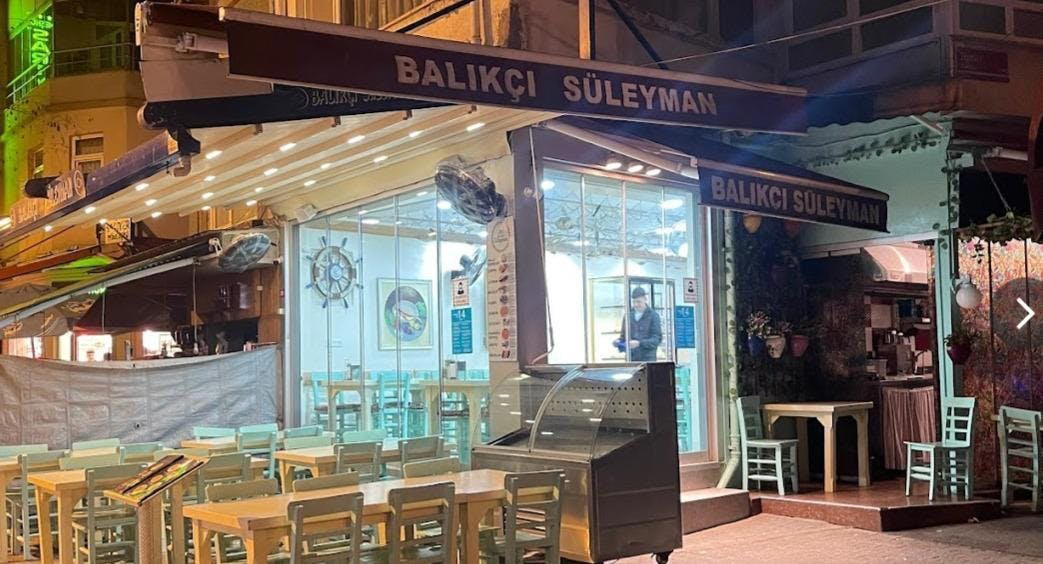
An Island Table, a Shorter Supply Chain
The ferry from Kabataş to the Princes' Islands takes roughly an hour, and the crossing does something useful before you arrive anywhere: it separates Istanbul's seafood restaurants by the effort required to reach them. Most of the city's fish tables sit along the Bosphorus or in Karaköy, within a short taxi ride of the urban core. Balıkçı Süleyman sits in Adalar, the island district where motor vehicles are banned and the pace of arrival is set by the ferry schedule. That geography matters more than it might appear, because it describes the sourcing reality as much as the dining experience.
The Princes' Islands sit in the northern Marmara Sea, a body of water that has historically supported fishing communities distinct from the Bosphorus corridor. Restaurants operating here have a structural advantage in sourcing proximity: the catch moving through island fish markets travels a shorter distance from boat to kitchen than the fish that arrives by truck at waterfront restaurants in Beşiktaş or Arnavutköy. That shorter chain is not a guarantee of quality, but it is a meaningful variable in how seafood is handled between sea and plate. For comparison, similar dynamics operate at Poyraz Sahil Balık Restaurant in Beykoz, another Istanbul seafood address defined by its waterside position rather than its urban centrality.
The Sustainability Argument Built Into the Address
Istanbul's high-end dining conversation in recent years has focused heavily on sourcing transparency. Restaurants like Neolokal and Turk Fatih Tutak have built their identities around named producers and documented supply chains, operating at the ₺₺₺₺ tier where that transparency can be priced in. The conversation at a neighbourhood fish restaurant on the Princes' Islands runs on different terms, but the underlying logic is similar: proximity reduces the number of hands the product passes through, and fewer hands means less time, less ice, and less handling loss.
Turkish seafood culture has long distinguished between mevsim balığı, seasonal fish, and out-of-season product that arrives from cold storage or distant waters. The Marmara's seasonal calendar is reasonably well defined: lüfer (bluefish) peaks in autumn, hamsi (Black Sea anchovy) arrives through winter, and palamut (Atlantic bonito) bridges the seasons in between. A restaurant operating close to active fishing grounds has a more direct relationship with that calendar than one buying through Istanbul's wholesale fish market at Kumkapı. Whether that relationship translates into consistent seasonal discipline at the table is a question only regular visits can answer, but the structural conditions for it exist here in a way they do not at restaurants further from the water.
That seasonal approach also carries an implicit sustainability argument. Serving mevsim balığı by default, rather than as a curated marketing position, is how smaller fish restaurants in fishing communities have operated for generations. The Princes' Islands' restaurants have not historically framed this in the language of sustainability certification, but the practice predates the terminology. It is worth comparing this to what Mezegi in Fethiye and Maçakızı in Bodrum do in the Aegean, where coastal fish restaurants operate within their own regional seasonal logic, drawing from waters with different species profiles and fishing traditions.
Setting the Scene: What the Island Format Means in Practice
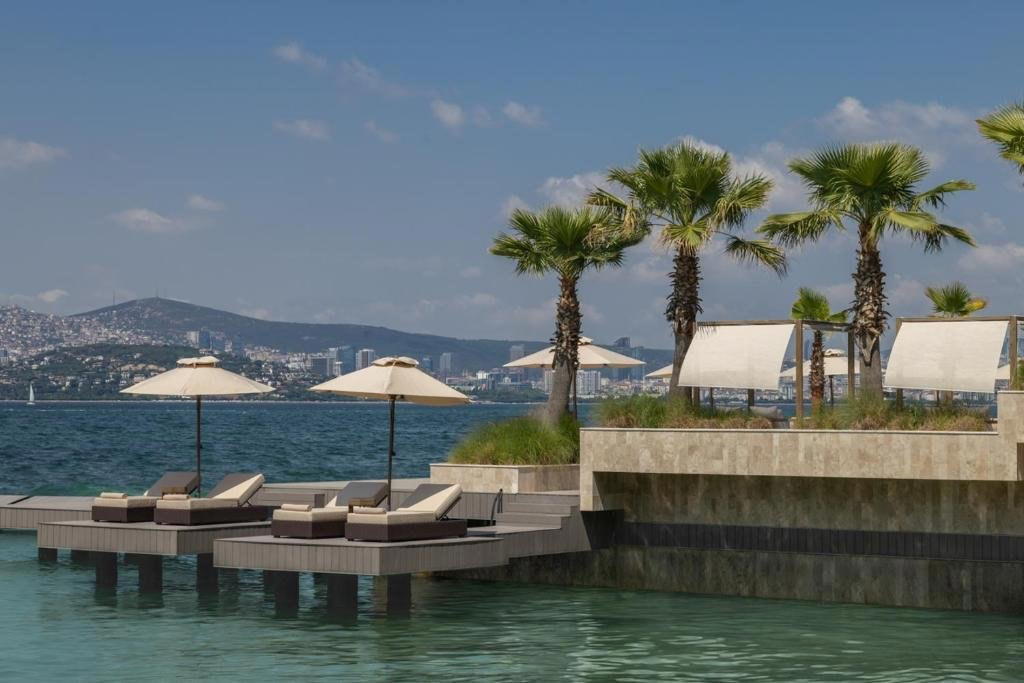
Dining on the Princes' Islands operates on a different clock than dining in central Istanbul. The ferry schedule structures the evening: you plan your arrival, you eat, and you plan your return. That constraint removes the casual spontaneity of a Bosphorus waterfront table where you can extend the evening indefinitely and find a taxi home at any hour. At an island address, the last ferry creates a natural endpoint, which in turn affects how the meal paces itself and how restaurants in the archipelago tend to operate.
The sensory context changes before you sit down. That environmental separation from the city is part of what defines island dining as a category within Istanbul's food geography, distinct from the rooftop format that venues like Mikla have used to create distance from street level, or the warehouse-conversion atmosphere that Arkestra employs in its fusion context.
For those coming from further afield, the Princes' Islands compare interestingly with other ferry-access dining experiences along Turkey's coasts. Nahita Cappadocia in Nevsehir and Aravan Evi in Ürgüp operate in radically different settings, but they share the characteristic of requiring deliberate travel as part of the proposition. Internationally, the logic has parallels in what Lazy Bear in San Francisco achieves by making the meal an event requiring forward planning, even without physical distance involved.
Placing Balıkçı Süleyman in Istanbul's Seafood Tier
Istanbul's premium seafood restaurants largely cluster in two formats: the formal Bosphorus-view meyhane, which has absorbed fine-dining pricing without always absorbing fine-dining rigour, and the specialist fish counter operating on an omakase-adjacent model where the day's catch drives the menu. Balıkçı Süleyman, given its address, sits outside both of those formats. Its island location places it closer to the neighbourhood balıkçı tradition, restaurants that predate the premium positioning of the Bosphorus strip and operate on relationships with local fishermen rather than wholesale market access.
That positioning carries its own form of authority. The neighbourhood fish restaurant tradition in Turkey is older and more deeply rooted than the fine-dining seafood format that has grown around it. Restaurants like Casa Lavanda have explored adjacent territory from the traditional cuisine angle, while operators such as Narımor in Izmir and Agora Pansiyon in Milas work the same tradition in Aegean cities where fish-forward menus have always been the default rather than the differentiator. For a broader sense of where Istanbul's restaurant scene is heading, our full Istanbul restaurants guide maps the current terrain across price tiers and neighbourhoods.
At the global level, the conversation about proximity-sourced seafood has been shaped by restaurants like Le Bernardin in New York City and Divia by Maksut Aşkar in Marmaris, which operate with documented sourcing programmes and the kitchen infrastructure to execute at high precision. Balıkçı Süleyman is not in that conversation by format or likely by price. But its island geography produces a sourcing logic that the city-centre seafood restaurant, however well-funded, cannot replicate simply by writing a cheque.
Planning Your Visit
Reaching Balıkçı Süleyman requires a ferry from Kabataş or Bostancı to the Adalar archipelago; the crossing alone is a significant time commitment, and visitors should check IDO or Şehir Hatları schedules before planning an evening booking. The restaurant's address places it on Adalar's Maden area, reachable on foot from the ferry pier. Given the island's character and pace, this is a lunch or early dinner proposition for those not staying overnight on the islands. Kokorecci Asim Usta in Bornova and Ahãma in Göcek represent other Turkish addresses where logistics are as much part of the experience as the food itself.
How Balıkçı Süleyman Istanbul compares with similar nearby venues.
| Venue | Cuisine | Price |
|---|---|---|
| Calipso Fish | Seafood | ₺₺₺ |
| Nazende Cadde | Turkish | ₺₺ |

At a Glance
- Cozy
- Classic
- Family
- Casual Hangout
- Open Kitchen
- Sustainable Seafood
Current opening hours
- Monday
- 10 AM–11 PM
- Tuesday
- 10 AM–11 PM
- Wednesday
- 10 AM–11 PM
- Thursday
- 10 AM–11 PM
- Friday
- 10 AM–11 PM
- Saturday
- 10 AM–11 PM
- Sunday
- 10 AM–11 PM
Hours can change for holidays and private events. Last verified .
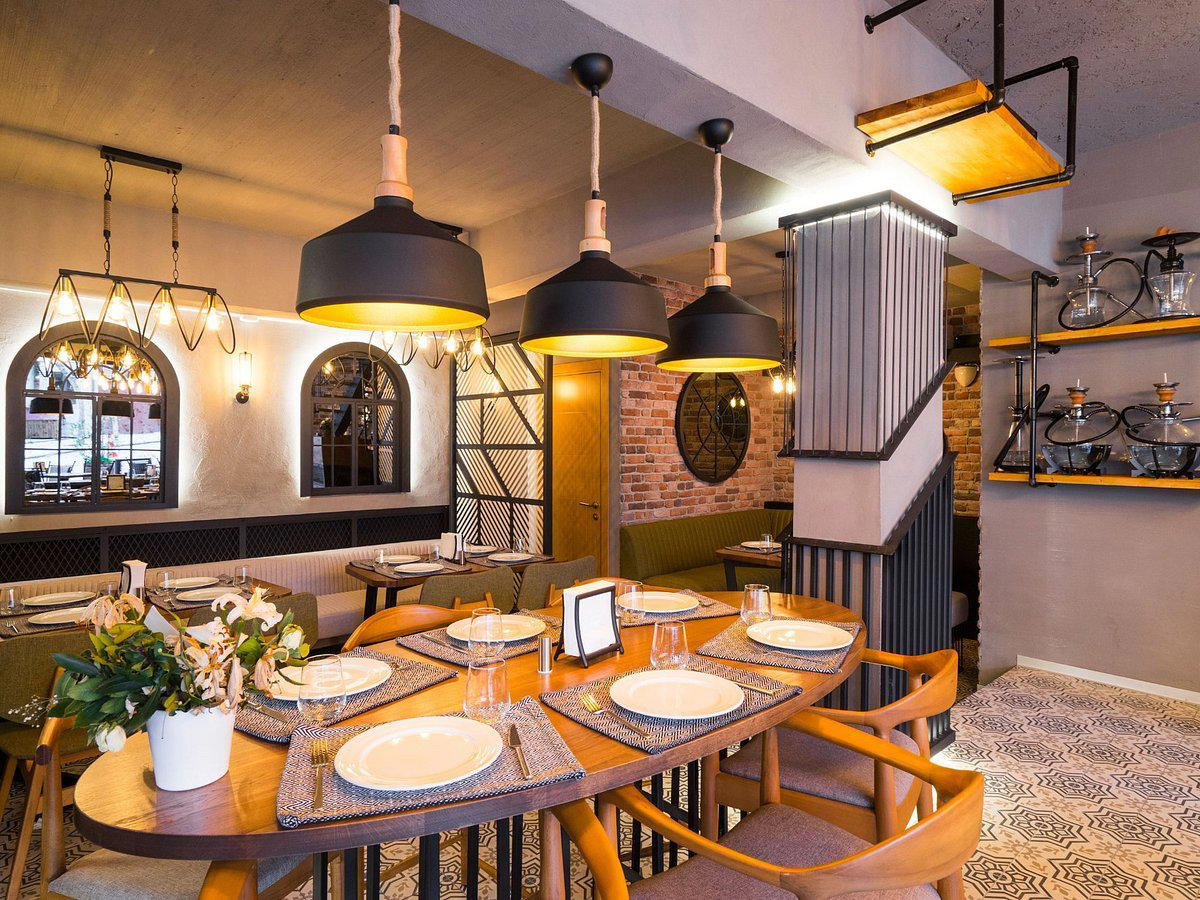
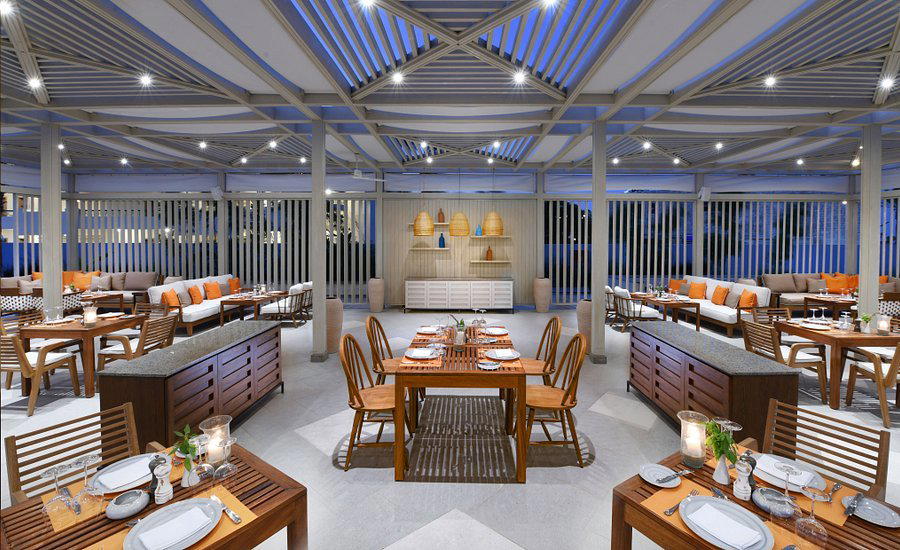
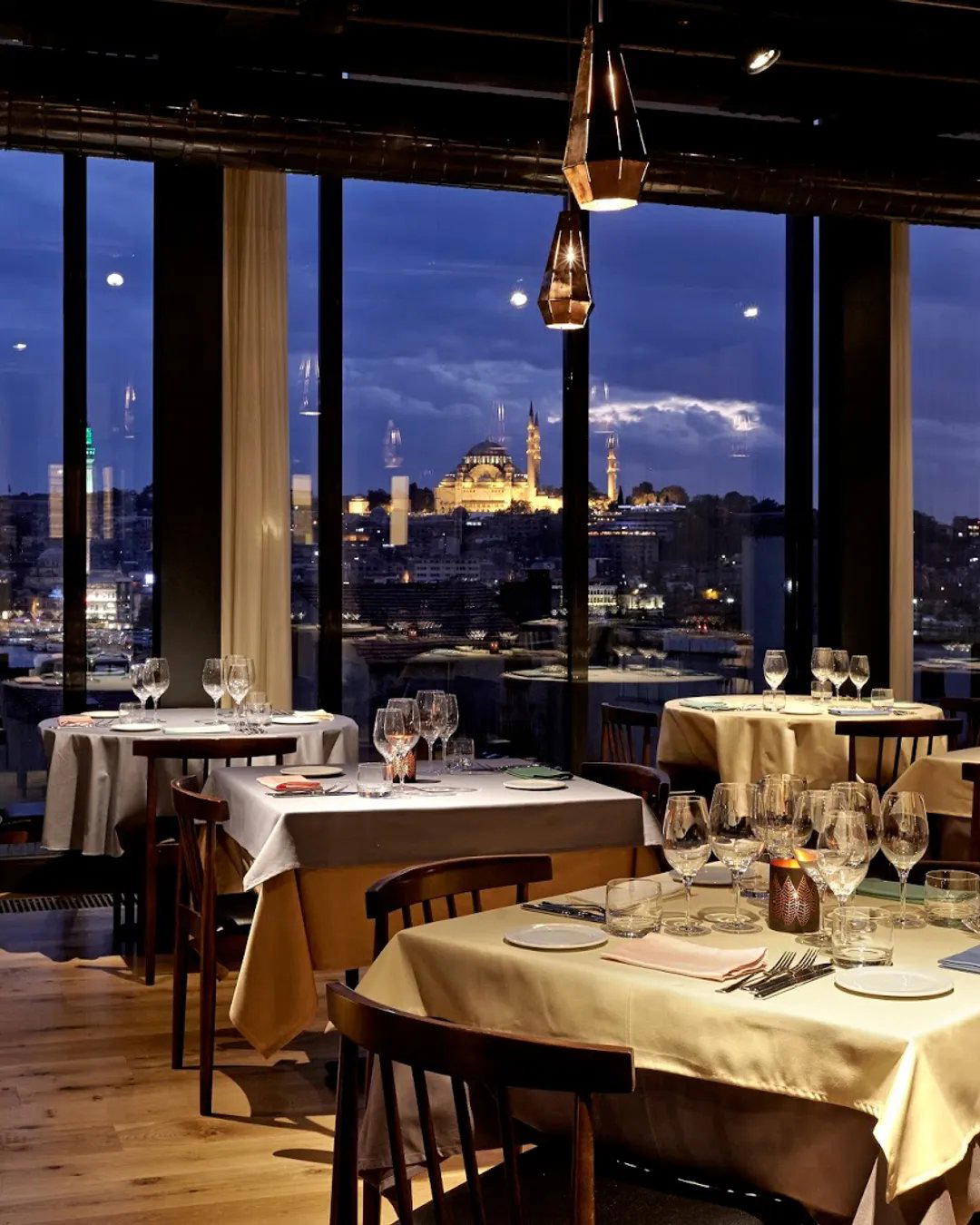
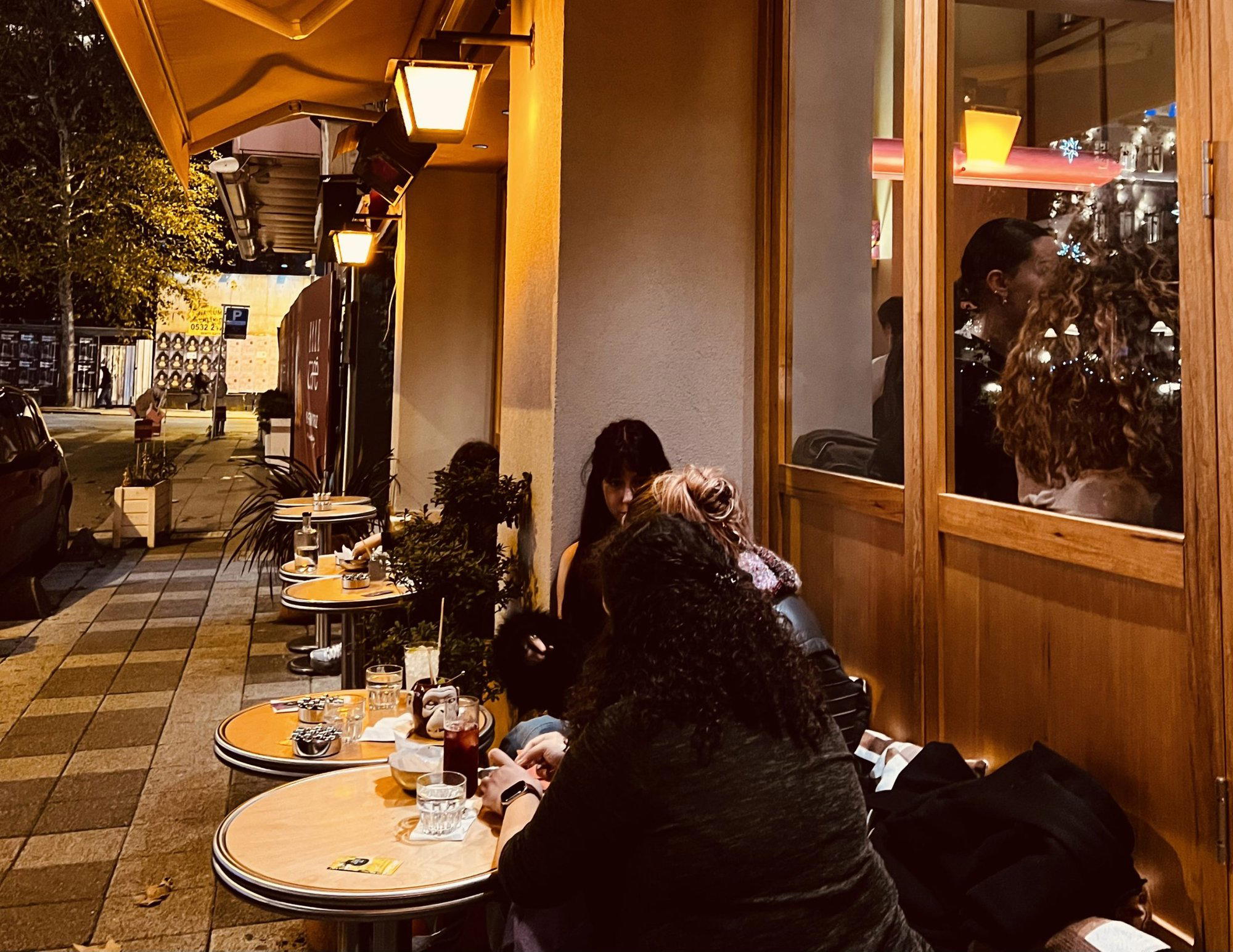
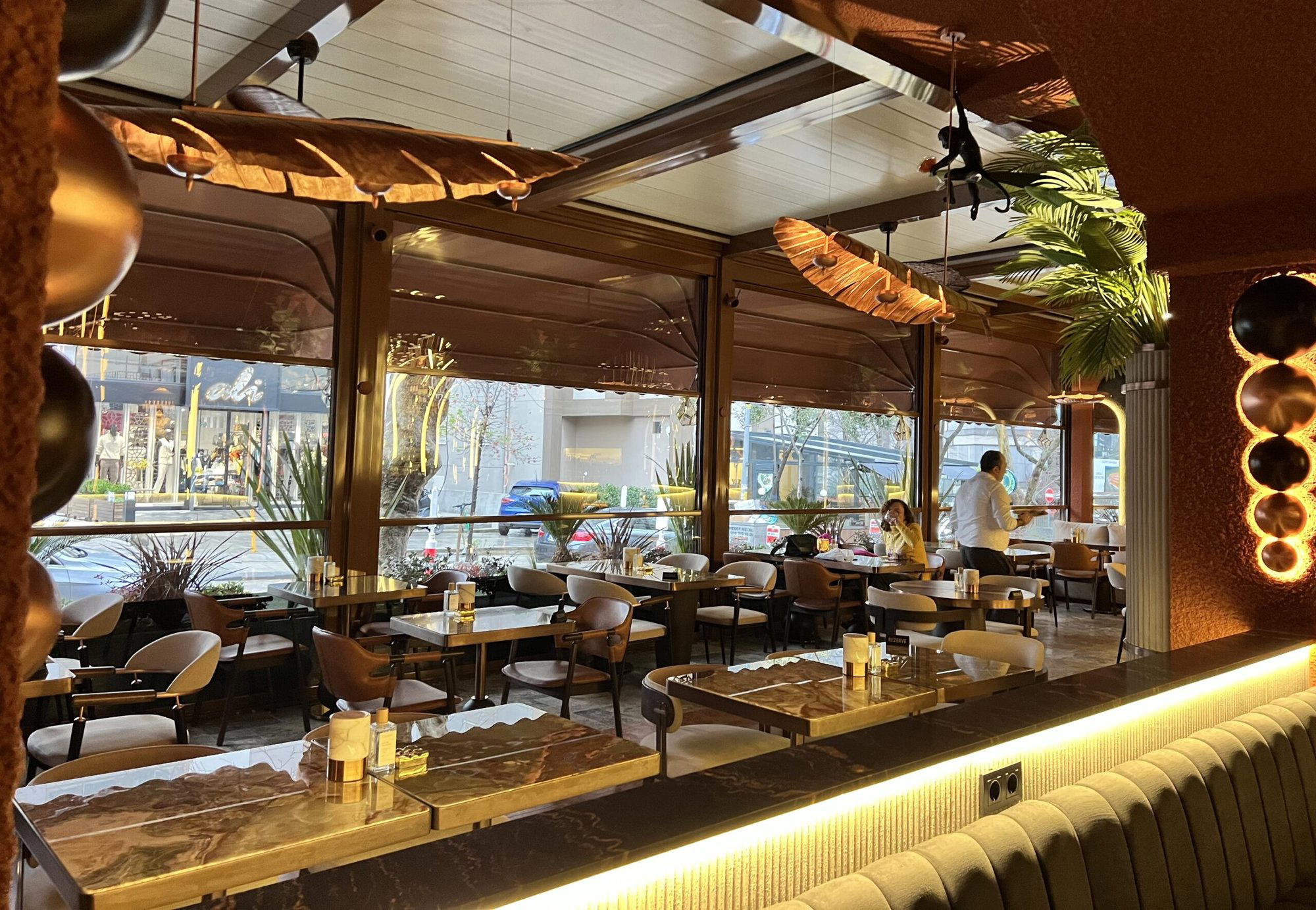
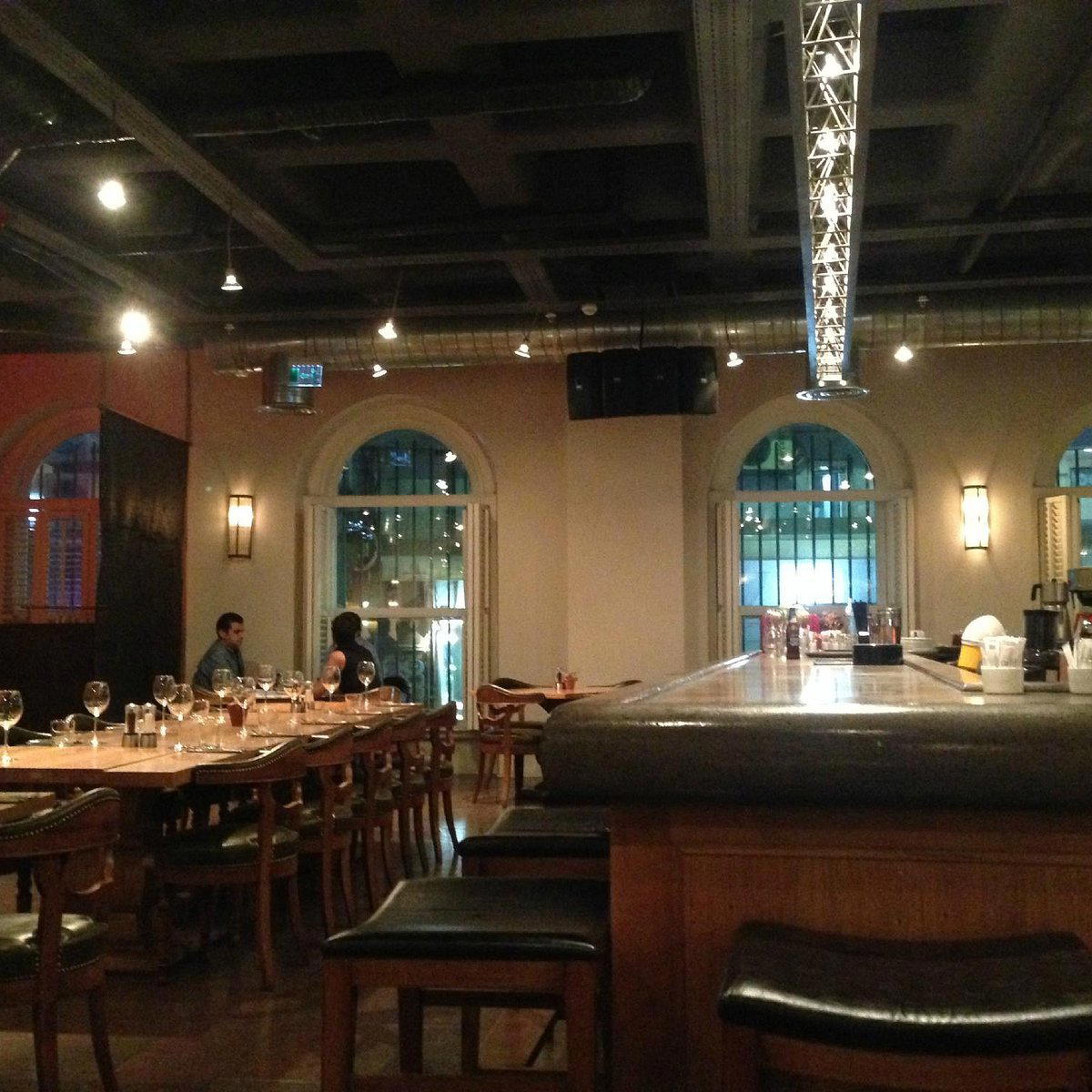
Casual and welcoming atmosphere with friendly service and fresh seafood focus, ideal for relaxed island dining.
Know Before You Go
- Getting there
- Mahallesi, Maden, Şht. Recep Koç Cd. 30/A, 34970 Adalar/İstanbul, Türkiye