
Tabelog 100 #87
Our verdict
Hachimitsu Man Honpo puts Tsu’s wagashi culture into a compact, everyday register: Japanese traditional sweets, gelato, and ice cream rather than a long formal meal. Its inclusion in Tabelog’s 2023 Japanese traditional sweets and sweets-cafe 100 selection for West Japan gives it a credible place in Mie’s casual sweets circuit, especially for travelers reading Tsu beyond eel, beef, and yōshoku.

Pearl is the En Primeur Club membership app — saves, bookings, and concierge access live there. Same editors, same standards.
- Address
- 8-5 Daimon, Tsu, Mie 514-0027, Japan
- Phone
- +81 59-228-3012
- Hours
- Mon–Tue 9:45 AM–5 PMWed ClosedThu–Sun 9:45 AM–5 PM
- Website
- tsukanko.jp
- Directions
- Get directions
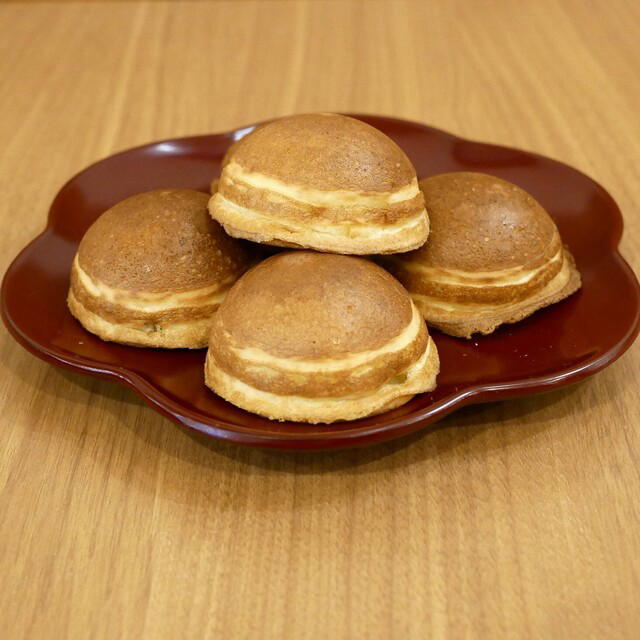
In Tsu, the city’s everyday food culture carries a different rhythm from Japan’s polished department-store confectionery floors. The sweets counter here belongs to that local register: quick, accessible, and tied to the everyday habit of buying wagashi as a small gift, a tea companion, or a pause between errands. Hachimitsu Man Honpo sits in that context rather than the luxury dessert-course world, which is exactly why it matters. Tsu’s dining identity often gets read through fuller meals, from sukiyaki and beef to eel and long-running yōshoku, but its sweets culture reveals another side of the city: modest portions, local repeat custom, and a price tier that keeps the ritual democratic.
A wagashi stop in a city better known for eel and beef
The name gives the shop a clear identity, and the category places it within Japanese traditional sweets, with gelato and ice cream also part of the offering. That mix matters. Across regional Japan, wagashi shops often serve two audiences at once: older customers who understand seasonal sweets through tea culture, and younger or traveling customers who read frozen desserts more easily. The serious shops do not abandon tradition; they widen the doorway.
In Tsu, that doorway is useful. A traveler planning around Unafuji for eel, Sukiyaki Gyushabu Matsuju for beef, Yakiniku Hakkou for grilled meat, or Toyo Ken Honten for yōshoku is already seeing the city through sit-down meals. A wagashi stop changes the scale of the day. It asks less time, less ceremony, and less appetite, while still saying something concrete about local food habits.
The ingredient angle is not about theatrical sourcing claims. It is about how a sweets shop can build character through familiar Japanese dessert forms rather than grand restaurant language. Wagashi often depends on bean paste, rice flour, sugar work, and seasonality; frozen desserts add a more immediately casual register. When a shop earns recognition in Tabelog’s 2023 Hyakumeiten selection, the signal is not luxury. It is craft at a daily-use scale.
The Tabelog 100 signal, read correctly
Tabelog’s 100 selections are useful because they highlight depth in categories that international guides often flatten. For Japanese traditional sweets and related dessert formats, the list captures regional shops whose reputations may not translate through English-language travel planning. Hachimitsu Man Honpo’s 2023 selection puts it inside that conversation, alongside the kind of places where consistency, local attachment, and category focus matter more than chef theatre.
That recognition should be read differently from a Michelin-style tasting-menu accolade. It does not imply a formal room, a multi-course structure, or a destination restaurant format. It points to a shop whose value sits in a narrower lane: Japanese sweets, casual dessert, and the local habit of buying something small but made with intention. For Tsu, a city whose better-known dining references often involve higher meal budgets, that lower-cost sweets tier is not secondary. It is part of how residents actually eat.
The contrast is sharp when viewed against Tsu’s savory addresses. Sukiyaki Gyushabu Matsuju and Yakiniku Hakkou occupy a meat-led spending bracket; Unafuji works in the eel tradition; Toyo Ken Honten represents a more established restaurant meal. Hachimitsu Man Honpo belongs to the counterpoint: brief, sweet, and category-led. That makes it a useful stop not because it competes with those meals, but because it completes a more accurate reading of the city.
How to place it in a Tsu itinerary
The smartest use is as a short sweets stop within a broader Tsu day, not as the anchor meal. Pair it with a restaurant booking elsewhere in the city, or use it as a pause between sightseeing and dinner. The format suits casual travel days, family movement, and low-commitment sampling. It also works for visitors who want a regional food memory without adding another full restaurant reservation.
For broader planning, our full Tsu restaurants guide gives the savory frame, while our full Tsu hotels guide, our full Tsu bars guide, our full Tsu wineries guide, and our full Tsu experiences guide help set the rest of the trip around the city rather than a single stop. Travelers extending the same Japan food lens beyond Mie can compare casual specialist formats with other unnamed dining rooms and sweets counters in Japan. Outside Japan, similar Japanese-inspired formats show how the context changes when everyday foods are translated for different cities and audiences.
The editorial case is simple: Hachimitsu Man Honpo is not trying to be a grand dining event. It is a small-format sweets address with a recognized place in Tabelog’s 2023 Hyakumeiten selection. For travelers who care about everyday food culture, that is enough reason to pay attention. The sweets format gives the shop its identity; Tsu gives it its scale.
Frequently asked questions
Is Hachimitsu Man Honpo child-friendly?
Its format works for children: Hachimitsu Man Honpo in Tsu serves Japanese traditional sweets, gelato, and ice cream at a low price range of up to JPY 999. It is an easy sweets stop rather than a long sit-down meal.
Is Hachimitsu Man Honpo formal or casual?
It reads as casual, not formal. The Tsu shop is focused on Japanese traditional sweets, gelato, and ice cream, plus a budget-friendly price range and a Tabelog Hyakumeiten selection for 2023.
What price level is Hachimitsu Man Honpo?
Pricing at Hachimitsu Man Honpo is listed as - JPY 999 - JPY 999 View spending breakdown.
When can I go to Hachimitsu Man Honpo?
Check the latest opening schedule before visiting Hachimitsu Man Honpo, as current hours are not provided here.
Side-by-Side Snapshot
Comparable venues by cuisine and price in the same metro.
| Venue | Cuisine | Price | Awards | Notes |
|---|---|---|---|---|
| Hachimitsu Man HonpoThis venue — the venue you are viewing | Japanese traditional sweets (honey manju) | $1–10 | Tabelog 100 #87 | Not listed |
| Sukiyaki Gyushabu Matsuju | Matsusaka Beef Sukiyaki & Shabu-Shabu | $30–50 | Tabelog 100 #7 | Tsu Station area |
| Unafuji | Japanese Eel (Unagi) | Not listed | Tabelog 100 #96 | Tsu |
| Yakiniku Hakkou | Traditional Japanese Yakiniku & Tripe | $50–100 | Tabelog 100 #76 | Hisai |
| Toyo Ken Honten | Historic Japanese Western-style (yoshoku) restaurant with French influence | $20–30 | Tabelog 100 #29 | Marunouchi |
| Miyazato Soba (宮里そば) | Okinawan Soba | Not listed | Not listed | Miyazato |
Recognition history
Dated appearances from independent guides and award organizations, with the underlying list record or original source where available.
Tabelog 100 #87 · No. 87
Tabelog · Tabelog 100 - Japanese traditional sweets / Japanese sweets cafe - WEST - 2023



Details
- Well Known
- Solo
- Family
- Casual Hangout
- After Work
- Standalone
- Local Sourcing
Current opening hours
- Monday
- 9:45 AM–5 PM
- Tuesday
- 9:45 AM–5 PM
- Wednesday
- Closed
- Thursday
- 9:45 AM–5 PM
- Friday
- 9:45 AM–5 PM
- Saturday
- 9:45 AM–5 PM
- Sunday
- 9:45 AM–5 PM
Hours can change for holidays and private events. Last verified .
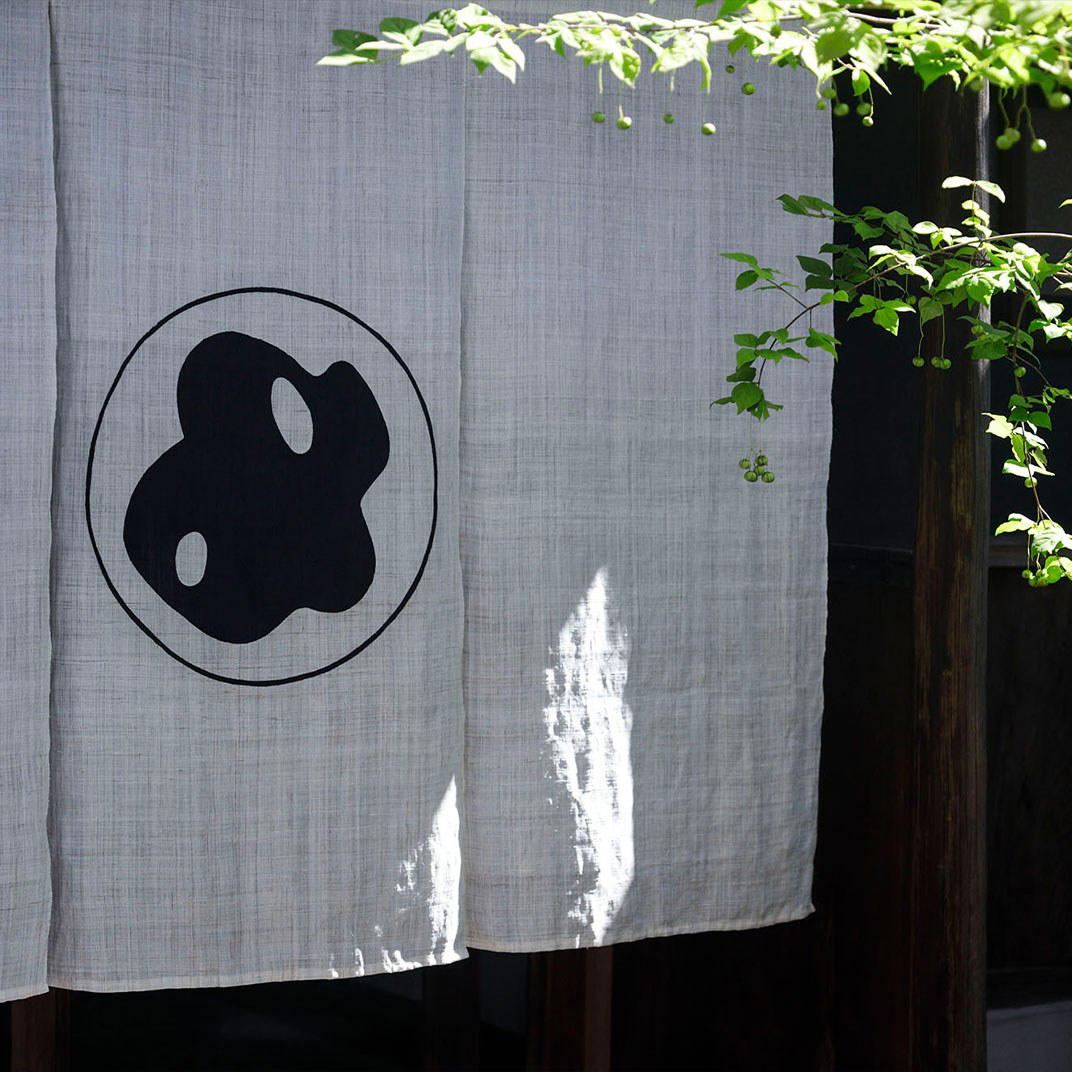
A compact, no‑frills traditional sweets shop focused on takeaway, with a simple, functional atmosphere where people line up briefly to buy freshly baked honey manju rather than sit and linger.