
Tabelog 100 #76
Our verdict
Yakiniku Hakkou puts Tsu’s beef culture into a compact, smoke-friendly room where sourcing matters more than ceremony. Its Tabelog 100 Yakiniku WEST 2025 selection, repeat Hyakumeiten history, 16-seat format, and JPY 6,000–7,999 dinner bracket place it in the serious local-grill tier rather than the casual chain category.

Pearl is the En Primeur Club membership app, where members save venues, book tables and use the concierge.
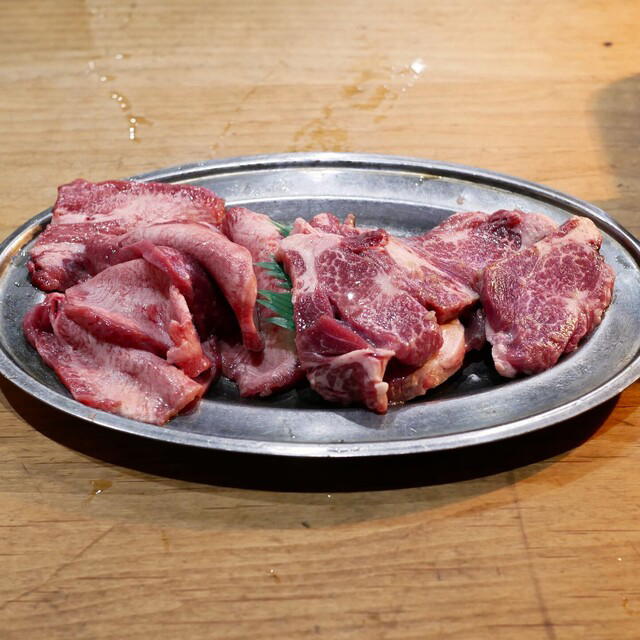
Smoke and heat are part of the grammar of yakiniku, not a flaw to be engineered away. In Tsu, where beef culture sits close to Matsusaka country and dinner often means a grill shared across the table, the room matters because it sets the pace: shared decisions, meat cooked piece by piece rather than handed over as a finished plate. Yakiniku Hakkou belongs to that direct side of the category, with tripe and Japanese barbecue as its stated terrain and a format that keeps the experience closer to a local grill meal than a dining room built for tourism.
That distinction is useful in Mie. The prefecture’s restaurant identity is not only about luxury beef; it also runs through a wider mix of local meals, sweets, and everyday dining rooms that feed residents before they impress visitors. For a wider read on the city, Our full Tsu restaurants guide maps that spread, from a stop at Hachimitsu Man Honpo to a meal at Toyo Ken Honten, other local dining, and beef hot pot at Sukiyaki Gyushabu Matsuju. Yakiniku sits between those poles: less formal than sukiyaki, more ingredient-sensitive than a quick grill dinner, and heavily dependent on cut selection, offal handling, and heat control.
Beef country without the banquet manners
Mie’s proximity to Matsusaka gives beef restaurants a powerful reference point, but not every serious beef meal in the region needs to look like a polished formal room. Yakiniku is the democratic counterargument: diners cook, the table shares responsibility, and value is measured by how confidently a kitchen handles both prime cuts and less glamorous parts. The presence of tripe in the category listing is not a side note. In yakiniku, offal separates specialist shops from places trading only on marbled beef, because freshness, trimming, and seasoning have less room for disguise.
The useful comparison in Tsu is price and format rather than menu overlap. Sukiyaki Gyushabu Matsuju sits in the same broader local beef conversation, but sukiyaki and shabu-shabu place beef into a more managed ritual. Toyo Ken Honten and Hachimitsu Man Honpo serve different roles in a Tsu itinerary rather than a grill-led evening meal. Outside the city, Matsuzaka Kaizu Honten and Gyugin Honten help frame the region’s better-known beef culture, which makes a Tsu yakiniku meal feel serious without needing to become a formal destination-beef banquet.
Recognition adds another filter. Yakiniku Hakkou is listed in the 2025 Tabelog Hyakumeiten context, with a Tabelog score of 3.73 and a dinner budget shown at JPY 6,000–7,999. In a category crowded with local loyalists and regionally specific beef preferences, that kind of listing matters as a practical signal. It points to a restaurant that has registered beyond casual neighborhood use while still remaining grounded in a direct, grill-at-the-table format.
A yakiniku format built for decisions at the table
The format favors parties that can order decisively and share the grill without turning dinner into a long production. This is not the anonymous scale of a generic chain, and it is not the hushed performance of chef-led tasting menus. The appeal sits in the middle: a focused meal, a grill-led format, and enough recognition to justify planning around it if Tsu is already on the itinerary.
The JPY 6,000–7,999 dinner bracket gives the clearest expectation. It places the restaurant above casual weeknight yakiniku, below the feel of a formal luxury beef splurge, and close to Tsu’s other serious beef dining. That bracket also makes the ingredient question central. At this level, diners are paying for cut quality, variety, and handling rather than for elaborate service choreography. The grill exposes weakness quickly; thin slicing, fat distribution, and offal preparation determine whether a meal feels precise or merely expensive.
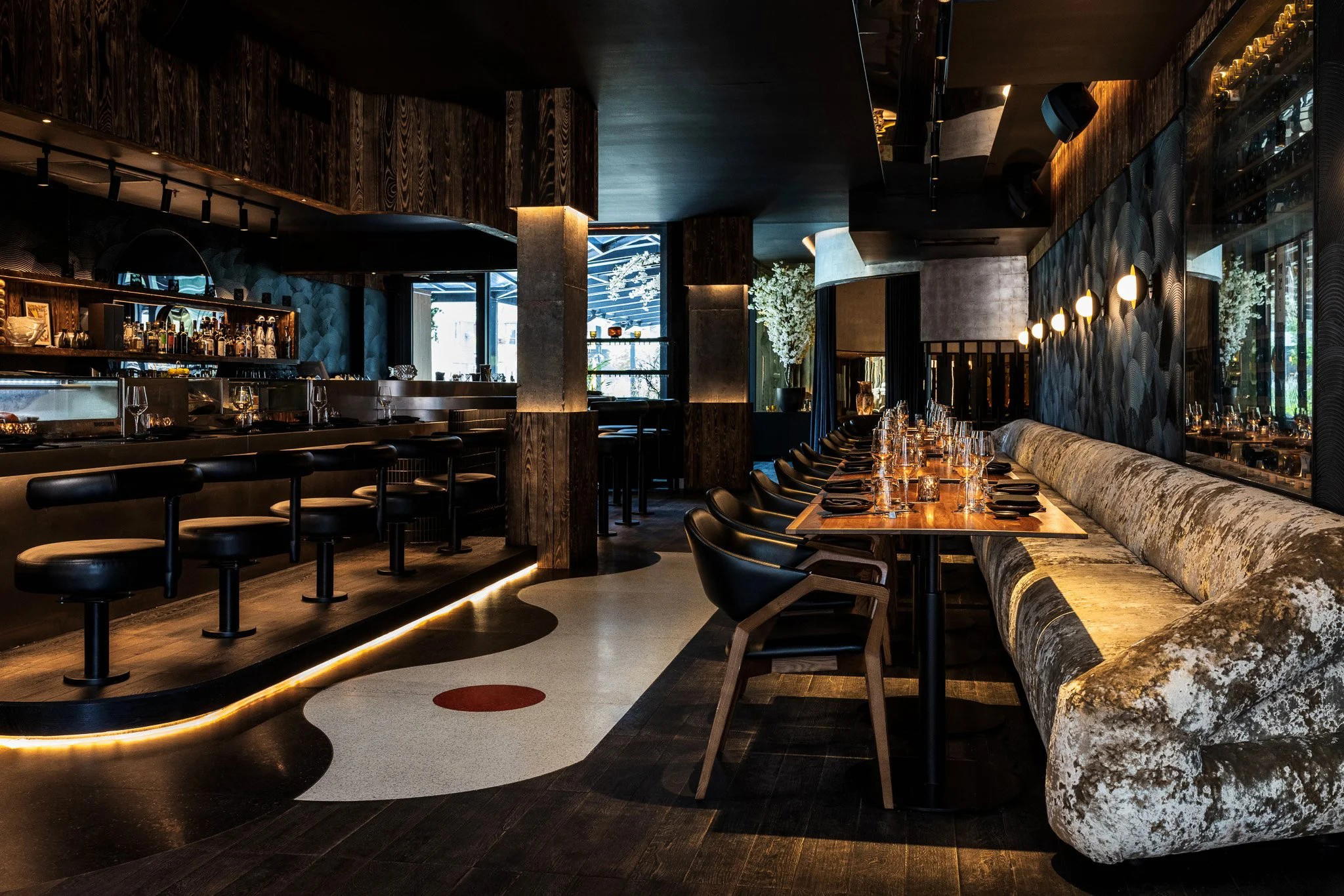
Atmosphere-wise, the grill-table format points to a traditional yakiniku environment rather than a fragrance-controlled luxury room. That matters for travelers choosing between dinner styles in Tsu. If the evening calls for conversation, shared plates, and beef cooked in small rounds, the room makes sense. If the occasion demands quiet formality, one of the city’s other sit-down addresses may suit the mood more cleanly.
How to place it in a Tsu food itinerary
Tsu rewards travelers who treat it as a working regional city rather than a single-dish stop. A smart itinerary might put everyday dining, sweets, and beef into separate meals instead of forcing one restaurant to represent the whole prefecture. Yakiniku Hakkou is the beef-grill slot in that sequence: more hands-on than sukiyaki, more dinner-focused than a quick snack stop, and more locally grounded than a generic meat restaurant found in larger Japanese cities.
For broader planning, the city guides around dining, stays, and evening drinking are more useful than chasing isolated names. See Our full Tsu hotels guide, Our full Tsu bars guide, Our full Tsu wineries guide, and Our full Tsu experiences guide if the meal is part of a longer Mie route. Readers comparing Japanese beef formats beyond Tsu can think in broader categories instead: grilled beef, sukiyaki, offal-focused barbecue, and casual counter-style dining all lead to different kinds of meals. Other Japan dining references are best used generically here, as context for how regional expectations change from city to city rather than as direct comparisons to this Tsu yakiniku address.
The editorial case is narrow and convincing: this is a Tsu yakiniku address with 2025 Tabelog Hyakumeiten recognition, a dinner price listed at JPY 6,000–7,999, and a format that puts sourcing and grill discipline in front of the diner. It is not the grandest way to eat beef in Mie, and that is the point. The meal belongs to the regional everyday-special category, where a focused room and a hot grill can say more about local appetite than a formal beef banquet.
Frequently asked questions
Does Yakiniku Hakkou work for a family meal?
It can, as long as the group is comfortable with yakiniku and shared grilling. The restaurant is listed for tripe and yakiniku, and dinner is shown at JPY 6,000 to JPY 7,999.
What should I expect atmosphere-wise at Yakiniku Hakkou?
Expect a focused, functional yakiniku meal rather than a formal dining setup. The appeal is built around shared grilling, tripe and Japanese barbecue, with 2025 Tabelog Hyakumeiten recognition.
Is Yakiniku Hakkou more mid-range or high-end?
Pricing at Yakiniku Hakkou is listed as JPY 6,000 - JPY 7,999 View spending breakdown.
What time does Yakiniku Hakkou open and close?
Specific opening hours are not provided here; check directly with Yakiniku Hakkou before visiting.
Comparable Spots, Quickly
Comparable venues by cuisine and price in the same metro.
| Venue | Cuisine | Price | Awards | Notes |
|---|---|---|---|---|
| Yakiniku HakkouThis venue (the venue you are viewing) | Traditional Japanese Yakiniku & Tripe | $50–100 | Tabelog 100 #76 | Not listed |
| Unafuji | Japanese Eel (Unagi) | Not listed | Tabelog 100 #96 | Tsu |
| Hachimitsu Man Honpo | Japanese traditional sweets (honey manju) | $1–10 | Tabelog 100 #87 | Not listed |
| Toyo Ken Honten | Historic Japanese Western-style (yoshoku) restaurant with French influence | $20–30 | Tabelog 100 #29 | Marunouchi |
| Sukiyaki Gyushabu Matsuju | Matsusaka Beef Sukiyaki & Shabu-Shabu | $30–50 | Tabelog 100 #7 | Tsu Station area |
| 北のうまいもん碧水 | 北海道ローカルフード | Not listed | Not listed | 支笏湖温泉 |
Recognition history
Dated appearances from independent guides and award organizations, with the underlying list record or original source where available.
Tabelog 100 #76 · No. 76
Tabelog · Tabelog 100 - Yakiniku - WEST - 2025
Continue exploring
More in Tsu
Restaurants in Tsu
All restaurants in Tsu →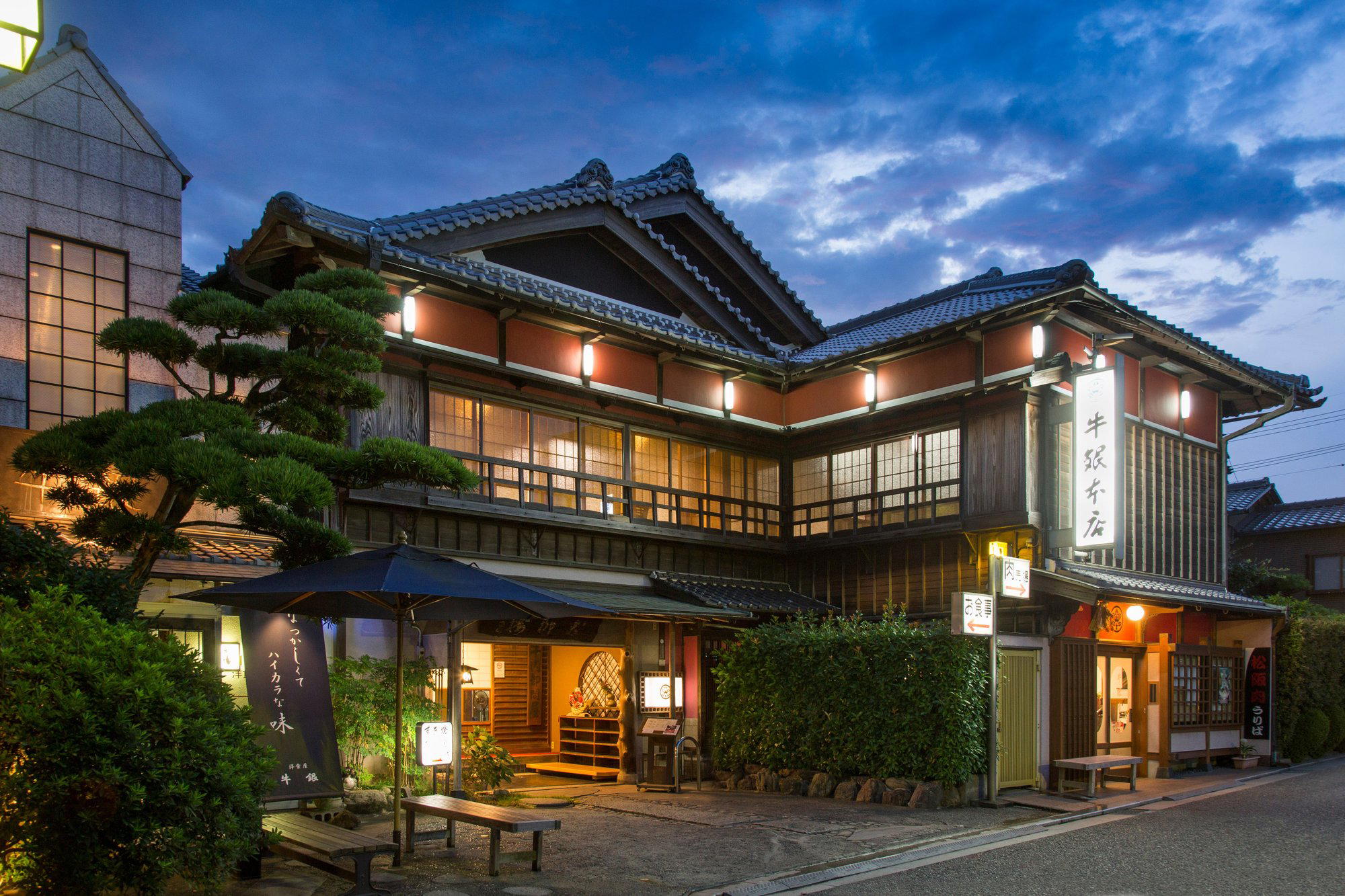
Details
- Lively
- Cozy
- Intimate
- Group Dining
- Casual Hangout
- After Work
- Solo
- Standalone
- A La Carte
- Family Style
Current opening hours
- Monday
- 5–10 PM
- Tuesday
- 5–10 PM
- Wednesday
- 5–10 PM
- Thursday
- 5–10 PM
- Friday
- 5–10 PM
- Saturday
- 5–10 PM
- Sunday
- 5–10 PM
Hours can change for holidays and private events. Hours as of .
A small, smoke-filled local yakiniku spot with only 16 seats, simple tables and raised tatami rooms, creating a cozy, lively atmosphere geared toward friends sharing grilled meat in the evening.