
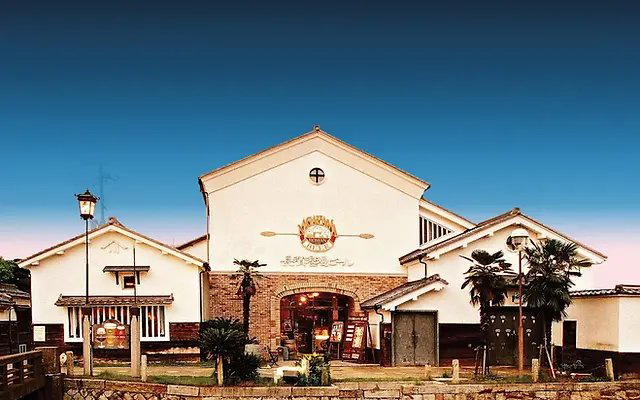
Sukiyaki Gyushabu Matsuju places Tsu’s beef culture in a polished hot-pot format, with sukiyaki and shabu shabu as the central argument rather than side options. Its Tabelog 100 - Hot Pot - 2024 selection gives it national context, while the Asahiya meat-shop connection explains why ingredient sourcing matters here.
Pearl is the En Primeur Club membership app — saves, bookings, and concierge access live there. Same editors, same standards.
- Address
- 381 Hadokorocho, Tsu, Mie 514-0009, Japan
- Phone
- +81 59-229-0298
- Website
- xn--ogt56tz0a.com
- Directions
- Get directions
 Saves & bookings on Pearl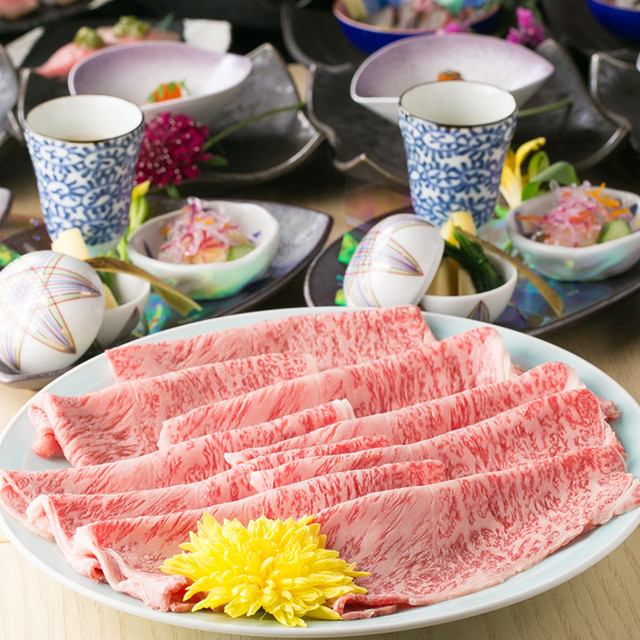
Approaching the table here, the signal is not theatrical plating or chef-counter choreography. It is Japanese beef dining architecture: private rooms, banquet-friendly seating, a hotel-restaurant setting, and hot pots that put sourcing, slicing, broth, and timing ahead of visual drama. In Tsu, that matters. Mie Prefecture’s food identity is often flattened into one luxury beef headline, but better local meals are more specific: where the meat comes from, how it is cut, and whether the room understands group dining as well as individual appetite.
Sukiyaki Gyushabu Matsuju has a clear advantage: direct operation by Asahiya, a meat shop with deep local recognition. For sukiyaki and shabu shabu, procurement is the cuisine. Unlike kaiseki, where technique can spread attention across courses, these formats expose the beef. Sweet soy seasoning, dipping sauces, vegetables, and heat control matter, but the meal succeeds or fails on the quality and handling of the slices in front of the guest.
Beef sourcing is the point of the hot-pot format
Japanese hot-pot dining can look simple: a shared pot, thinly sliced meat, vegetables, rice, and condiments. Serious versions are less casual. Sukiyaki needs richness, controlled sweetness, and enough fat to carry soy and sugar without turning heavy. Shabu shabu needs delicacy, with beef that can pass briefly through heat and hold texture. Each rewards different cuts and pacing, so a meat-specialist operator changes the conversation.
The Tabelog 100 - Hot Pot - 2024 selection places the restaurant in a national hot-pot category, not merely a Tsu dining list. That matters because sukiyaki and shabu shabu rarely travel internationally with the critical shorthand of sushi or ramen. In Japan, they are serious occasion dining, especially when beef quality, private rooms, and sake or shochu service converge. The drinks list covers sake, shochu, and wine, reflecting a broader Japanese pattern: premium beef rooms increasingly treat hot pot as a full dinner format, not a quick simmered dish.
Within Tsu, the comparison set is revealing. Yakiniku Hakkou works the grilled-beef lane, where smoke, char, and individual cuts shape the meal. Unafuji represents eel, another Japanese protein tradition, with a tighter price frame and different rhythm. Toyo Ken Honten sits closer to the city’s Western-inflected dining history, while Hachimitsu Man Honpo belongs to the low-cost snack-and-sweets side of the local map. Together, these addresses show Tsu’s dining identity is not one genre. Beef hot pot is one high-comfort, high-ceremony expression within a broader regional table.
A large room built for families, business meals, and long dinners
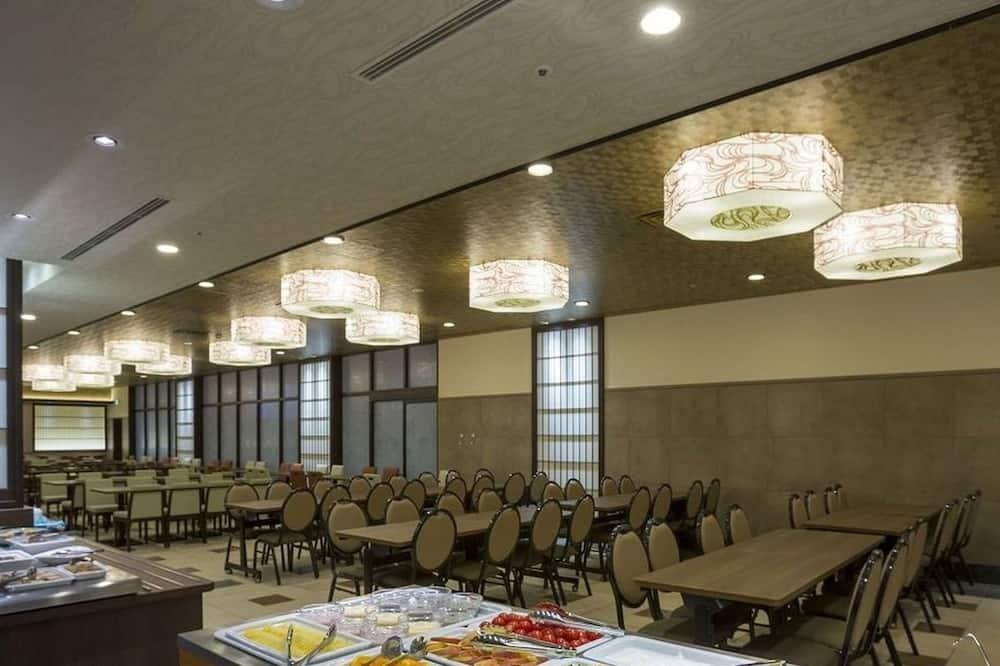
The room format is part of the story. With 138 seats, tables, box seating, smaller rooms, private rooms, and banquet halls, this is not the tiny counter model that dominates premium Japanese restaurant coverage. It belongs to another tradition: the restaurant as a managed setting for family gatherings, workplace dinners, celebrations, and multi-generational meals. Private rooms range from small groups to larger parties, and private use is available for sizable gatherings. The experience is less about scarcity than controlled hospitality at scale.
That scale changes the meal. A small chef-led room asks the guest to submit to a sequence. A hot-pot restaurant gives the table more agency: pace, conversation, shared ordering, and the social choreography of cooking become dinner. Children are welcome, children’s menus are available, and allergies can be discussed, placing the restaurant apart from adult-only tasting-menu rooms. For travellers with family in tow, that can matter more than another high-concept plate.
The setting also explains the business-dining appeal. Tsu is a prefectural capital, not a resort dining strip, and its better restaurants serve practical local functions alongside destination interest. A meal here can absorb a client dinner, family occasion, or traveller’s single focused beef meal without ryotei formality. Non-smoking seating, a smoking area separate from the main dining environment, and wheelchair access add broader usability.
For a wider read on the city, Our full Tsu restaurants guide gives the strongest immediate context. The surrounding travel frame is useful too: Our full Tsu hotels guide helps with where to stay, while Our full Tsu bars guide, Our full Tsu wineries guide, and Our full Tsu experiences guide sketch the rest of the trip around dinner rather than treating the meal as an isolated stop.
Where it fits in Japan's broader sukiyaki conversation
Sukiyaki is often misunderstood outside Japan as sweet beef stew. In deliberate restaurant form, it studies balance: fat content, seasoning intensity, egg or dipping components, vegetable moisture, and timing. Shabu shabu sits at the opposite edge, cleaner and lighter. Giving both equal billing makes a practical promise: diners at the same table can choose richness or restraint without leaving the beef-specialist lane.
That is why the Asahiya connection carries more weight than a chef biography. For ingredient-led formats, the supply chain is the credential. The craft lives in procurement, portioning, consistency, and service pacing. Awards recognition confirms category relevance, but the meal’s logic comes from the meat-shop foundation. The better order here is not to chase novelty; it is to treat the restaurant as a focused expression of Japanese beef dining in a city where local eating is often more rewarding than headline hunting.
Travellers comparing sukiyaki styles elsewhere in Japan can place this meal against -Grilled beef Sukiyaki- KAMAKURA TANUKIAN 鎌倉 たぬき庵 in Kamakura, which frames the dish through a different regional setting and format. The contrast is useful: Tsu’s version reads less as a tourist set piece and more as a local, group-capable beef restaurant with national hot-pot recognition.
EP Club’s broader Japan and international restaurant index gives further reference points, though not direct peers: 鮪と炭火焼き うお炭 秋葉原店 in Tokyo for seafood and charcoal cooking.cafe in Osaka for a different urban register.know in Kumamoto, (Shoku) Vietnam in Kawasaki, [Curry Senmon Ten] Maruyama Kyoju. in Sapporo, and [ki:] in Kyoto. Outside Japan, Jōdo Saké Bar in Los Angeles and Onigiri Time in Pasadena show how Japanese dining categories shift when translated abroad. Against those references, Sukiyaki Gyushabu Matsuju is most persuasive on its own terms: beef provenance, hot-pot discipline, and a room designed for shared meals in Tsu.
A Quick Peer Check
Comparable venues by cuisine and price in the same metro.
| Venue | Cuisine | Price | Notes |
|---|---|---|---|
| Sukiyaki Gyushabu MatsujuThis venue — the venue you are viewing | Matsusaka Beef Sukiyaki & Shabu-Shabu | $$ | Not listed |
| Hachimitsu Man Honpo | Japanese traditional sweets (honey manju) | $ | .null |
| Yakiniku Hakkou | Traditional Japanese Yakiniku & Tripe | $$ | Hisai |
| Toyo Ken Honten | Historic Japanese Western-style (yoshoku) restaurant with French influence | $$ | Marunouchi |
| Unafuji | Japanese Eel (Unagi) | $$ | Tsu |
| らぁめん家 69'N' ROLL ONE 赤坂本店 | Chicken Clear Soy Ramen | $$ | Akasaka |
Recognition history
Dated appearances from independent guides and award organizations, with the underlying list record or original source where available.
Tabelog 100 #7 · No. 7
Tabelog · Tabelog 100 - Hot Pot - 2024
Continue exploring
More in Tsu
Restaurants in Tsu
Browse all →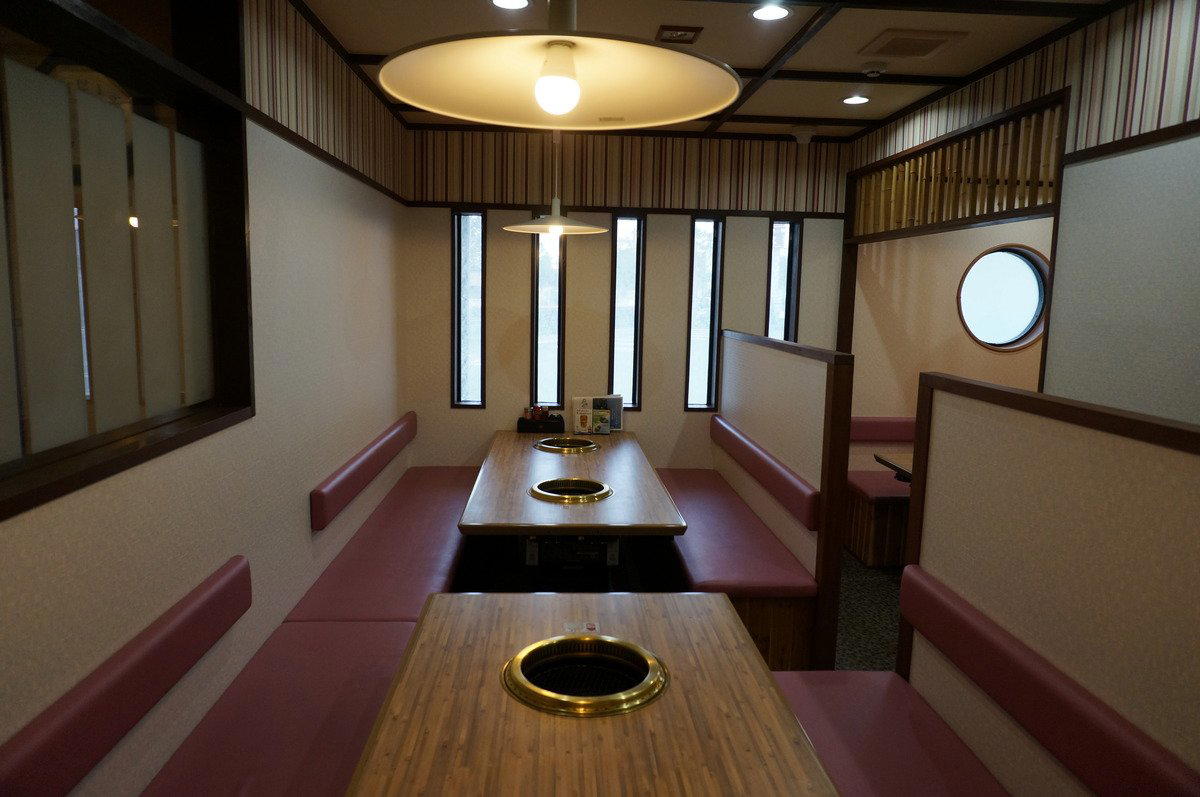
At a Glance
- Classic
- Cozy
- Group Dining
- Family
- Celebration
- Special Occasion
- Standalone
- Sake Program
- Local Sourcing
Current opening hours
- Monday
- 11 AM–2 PM, 5–9 PM
- Tuesday
- 11 AM–2 PM, 5–9 PM
- Wednesday
- 11 AM–2 PM, 5–9 PM
- Thursday
- 11 AM–2 PM, 5–9 PM
- Friday
- 11 AM–2 PM, 5–9 PM
- Saturday
- 11 AM–2 PM, 5–9 PM
- Sunday
- 11 AM–2 PM, 5–9 PM
Hours can change for holidays and private events. Last verified .
A semi-private, traditional Japanese hotpot setting focused on a calm dining experience near Tsu Station.