
Tsu’s yoshoku tradition is not a Tokyo imitation game; it is a local reading of Western technique shaped by family dining, banquet rooms, curry, fish, and regional appetites. Toyo Ken Honten belongs in that conversation through its Tabelog 100 Yoshoku WEST 2025 selection, long operating history, and format that works as both everyday lunch and formal group meal.
Pearl is the En Primeur Club membership app — saves, bookings, and concierge access live there. Same editors, same standards.
- Address
- 29-17 Marunouchi, Tsu, Mie 514-0033, Japan
- Phone
- +81 59-225-2882
- Website
- touyouken.co.jp
 Saves & bookings on Pearl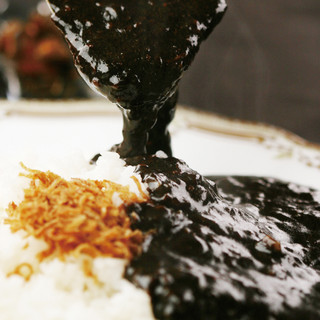
The approach is residential rather than theatrical: Marunouchi streets, a house-restaurant setting, and a dining room built for conversation rather than spectacle. In Tsu, yoshoku carries a different weight from the quick urban lunch-counter version found in bigger cities. It is Western-influenced cooking absorbed into Japanese habits: curry beside French technique, fish treated as a serious house concern, and a room flexible enough for families, friends, and private gatherings.
Toyo Ken Honten sits in the older register of that tradition. The restaurant opened in 1928, and its current recognition, selection for Tabelog 100 Yoshoku WEST 2025 with a 3.77 Tabelog score, places it among the Kansai and western Japan addresses that keep yoshoku from becoming nostalgia alone. That matters in Mie, where dining often tilts toward beef, eel, seafood, and regional sweets rather than the chef-counter formats that dominate international travel itineraries.
Yoshoku in Tsu means fish, curry, French technique, and a room built for groups
Yoshoku is often misunderstood outside Japan as a novelty category, but in cities like Tsu it functions as civic comfort food with formal bones. The category’s Western references are not decorative; they are filtered through Japanese rice culture, sauce culture, and a preference for set-meal clarity. The presence of French and curry categories here signals that range: not a narrow bistro, not a curry shop, not a banquet hall pretending to be a restaurant, but a hybrid that makes sense in a prefectural capital.
The ingredient cue worth reading is the emphasis on fish. Mie Prefecture’s coastline and Ise Bay context make seafood part of the local grammar, even when the cooking language is yoshoku rather than sushi or kappo. That is the editorial reason to pay attention: the restaurant is not simply preserving Western-style Japanese cooking as a museum piece; it is placing that cooking inside a region where fish, rice, beef, and celebratory dining all compete for the table.
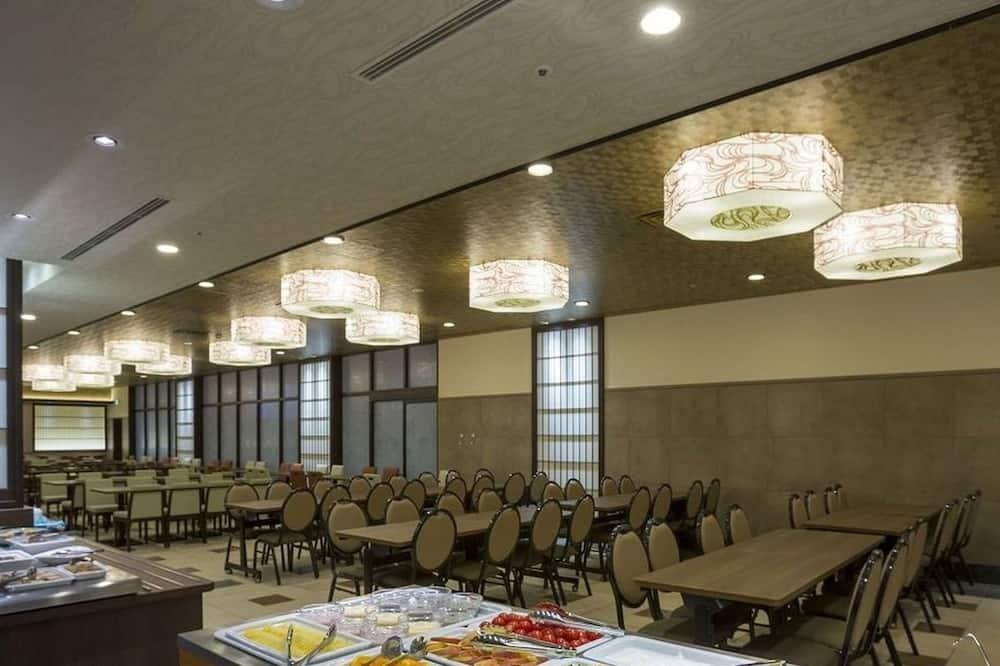
That position also explains the room. With 135 seats across two floors and private rooms scaled from small parties to a 55-seat room, the format belongs to a Japanese dining culture where restaurants handle family meals, workplace gatherings, and formal occasions without changing identity. A 10% service charge applies for private-room use, which puts those rooms in a different category from casual walk-in dining. Children are welcome, and that detail is not minor: yoshoku’s strength in Japan has always been its ability to serve multiple generations without requiring a tasting-menu contract.
Within Tsu, the comparison set is revealing. Hachimitsu Man Honpo speaks to the low-price local-snack end of the city’s food map, while Unafuji sits in the eel lane. Meat-focused meals pull diners toward Sukiyaki Gyushabu Matsuju and Yakiniku Hakkou. Against those options, Toyo Ken Honten reads as the city’s yoshoku argument: broader, more formal when needed, and less tied to a single ingredient than the category specialists around it.
The serious play is regional context, not novelty
Travelers often treat yoshoku as a detour from “real” Japanese food. That is a mistake. The tradition is one of Japan’s clearest examples of culinary adaptation: foreign technique absorbed, renamed, domesticated, and then judged by Japanese expectations of balance, rice compatibility, and service rhythm. In a city such as Tsu, that adaptation is easier to see because the restaurant scene is not arranged for international attention first.
The drink list follows the same mixed grammar, with sake, shochu, wine, and cocktails available. That range says more about the category than any single bottle would. Yoshoku has always lived between registers: weekday lunch, family dinner, private celebration, and business meal. A dining room that can serve curry and French-influenced dishes while also accommodating sake and wine belongs to that middle ground, where Japanese hospitality absorbs outside forms without surrendering local habits.
For broader planning, the useful move is to treat this as one anchor in a compact Tsu food itinerary rather than the entire point of the trip. The city rewards category-hopping: yoshoku here, eel elsewhere, beef on another meal, and sweets or casual stops between rail movements. Start with our full Tsu restaurants guide, then map the wider stay through our full Tsu hotels guide, our full Tsu bars guide, our full Tsu wineries guide, and our full Tsu experiences guide.
For readers building a Japan-wide food file, the contrast is useful. Beef traditions stretch from Tsu to -Grilled beef Sukiyaki- KAMAKURA TANUKIAN 鎌倉 たぬき庵 in Kamakura, while casual and specialist formats take different shapes at. 鮪と炭火焼き うお炭 秋葉原店 in Tokyo.cafe in Osaka.know in Kumamoto, (Shoku) Vietnam in Kawasaki, [Curry Senmon Ten] Maruyama Kyoju. in Sapporo, and [ki:] in Kyoto. Outside Japan, Japanese drinking and rice formats shift again at Jōdo Saké Bar in Los Angeles and Onigiri Time in Pasadena.
Who this suits
This is the right choice for diners who want Tsu through an established local dining form rather than a destination-counter performance. The appeal is strongest for travelers interested in yoshoku as a living Japanese category, families needing a serious room that does not exclude children, and groups for whom private dining matters. The Tabelog 100 Yoshoku WEST 2025 selection gives the visit a credential, but the better reason is contextual: it shows how Western-style Japanese cooking survives outside trend-led capitals, shaped by regional ingredients, group dining, and local expectations of comfort.
Fast Comparison
Comparable venues by cuisine and price in the same metro.
| Venue | Cuisine | Price | Notes |
|---|---|---|---|
| Toyo Ken HontenThis venue — the venue you are viewing | Historic Japanese Western-style (yoshoku) restaurant with French influence | $$ | Not listed |
| Hachimitsu Man Honpo | Japanese traditional sweets (honey manju) | $ | .null |
| Unafuji | Japanese Eel (Unagi) | $$ | Tsu |
| Yakiniku Hakkou | Traditional Japanese Yakiniku & Tripe | $$ | Hisai |
| Sukiyaki Gyushabu Matsuju | Matsusaka Beef Sukiyaki & Shabu-Shabu | $$ | Tsu Station area |
| L’etude | French restaurant in Iga | $$ | Iga |
Recognition history
Dated appearances from independent guides and award organizations, with the underlying list record or original source where available.
Tabelog 100 #29 · No. 29
Tabelog · Tabelog 100 - Yoshoku - WEST - 2025
Continue exploring
More in Tsu
Restaurants in Tsu
Browse all →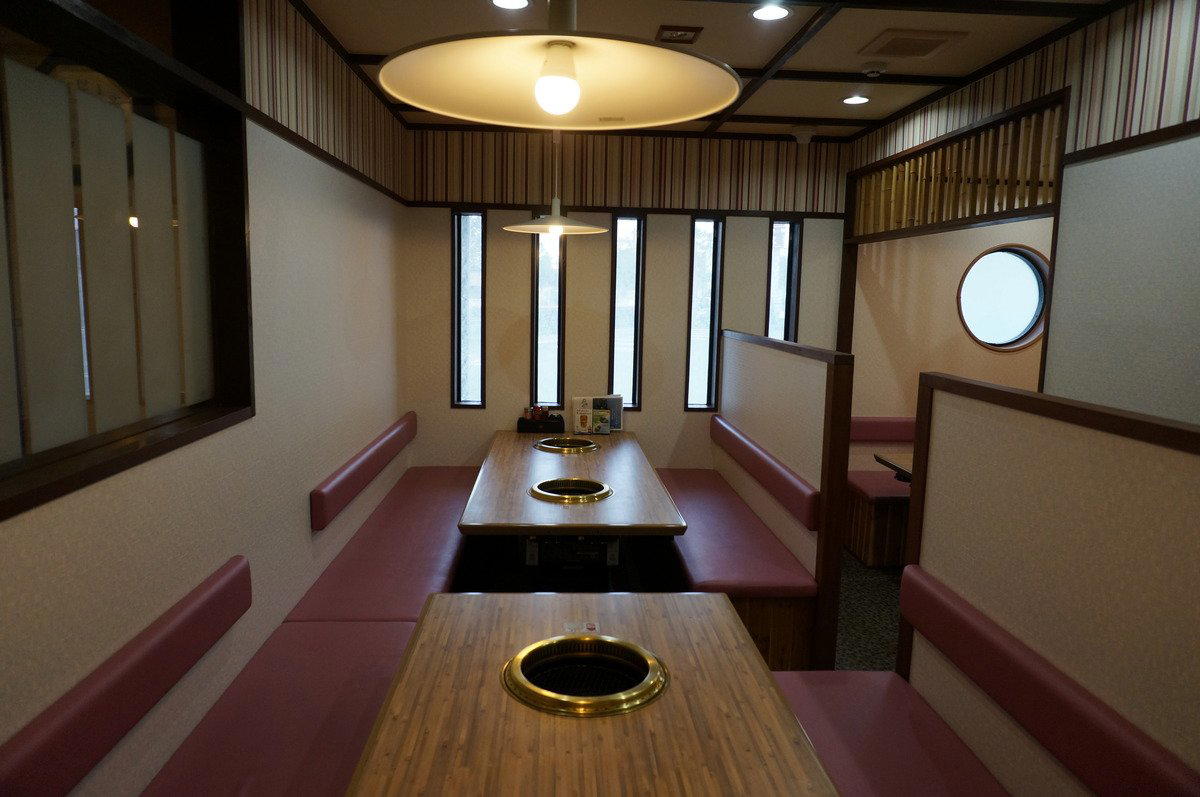
At a Glance
- Classic
- Well Known
- Elegant
- Family
- Group Dining
- Business Dinner
- Celebration
- Special Occasion
- Solo
- Historic Building
- Standalone
- Private Dining
Current opening hours
- Monday
- Closed
- Tuesday
- 11 AM–2:30 PM, 5–9:30 PM
- Wednesday
- 11 AM–2:30 PM, 5–9:30 PM
- Thursday
- 11 AM–2:30 PM, 5–9:30 PM
- Friday
- 11 AM–2:30 PM, 5–9:30 PM
- Saturday
- 11 AM–2:30 PM, 5–9:30 PM
- Sunday
- 11 AM–2:30 PM, 5–9:30 PM
Hours can change for holidays and private events. Last verified .
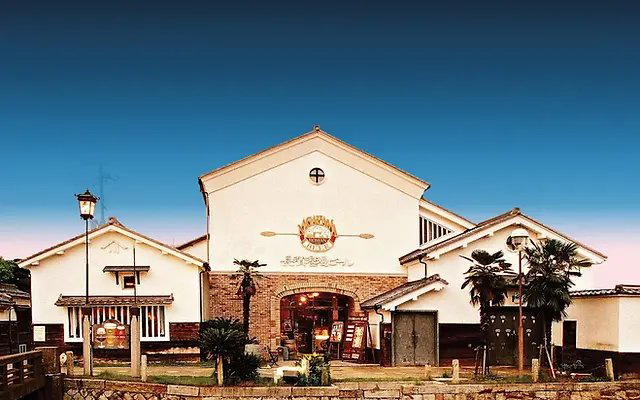
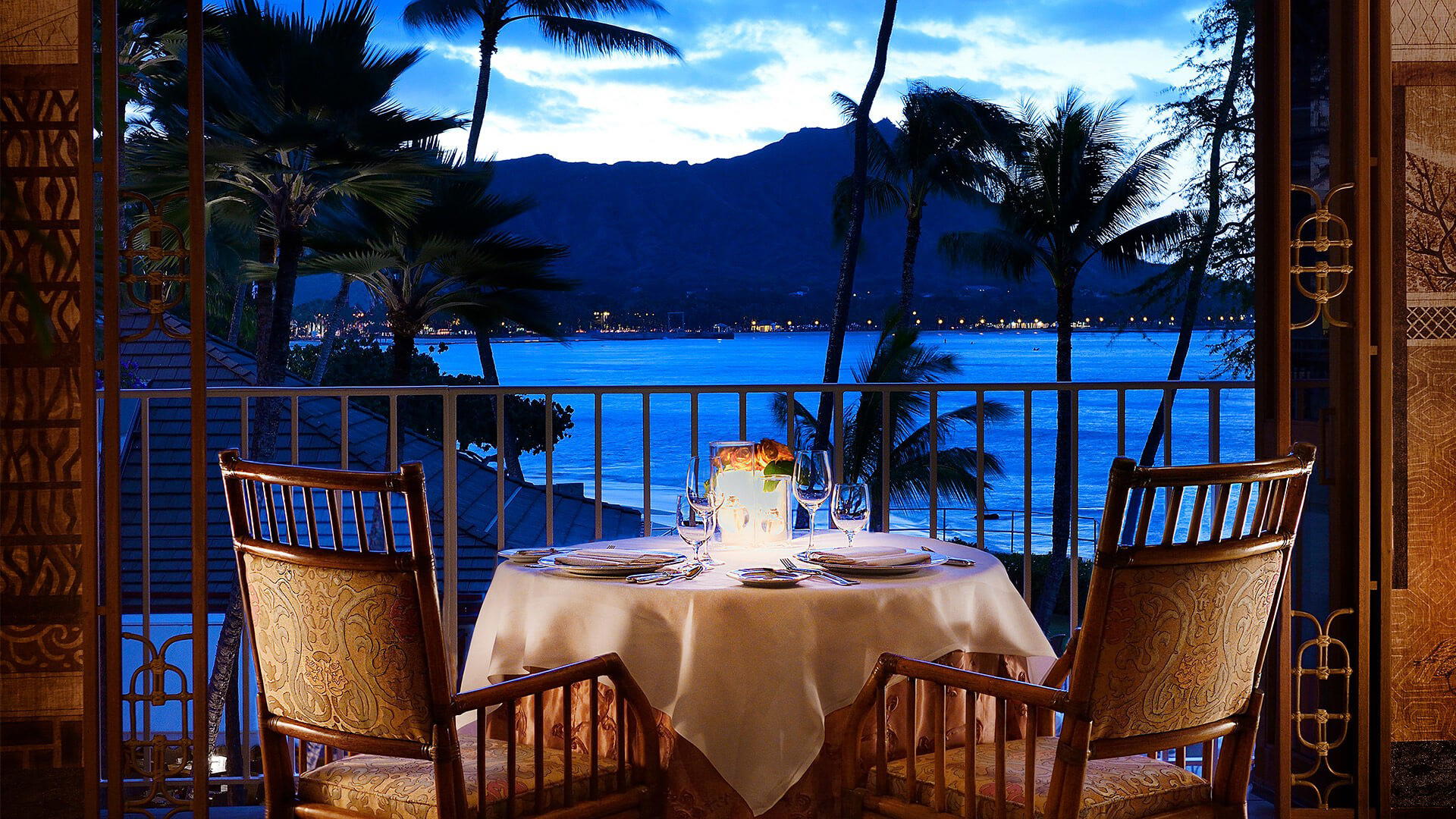
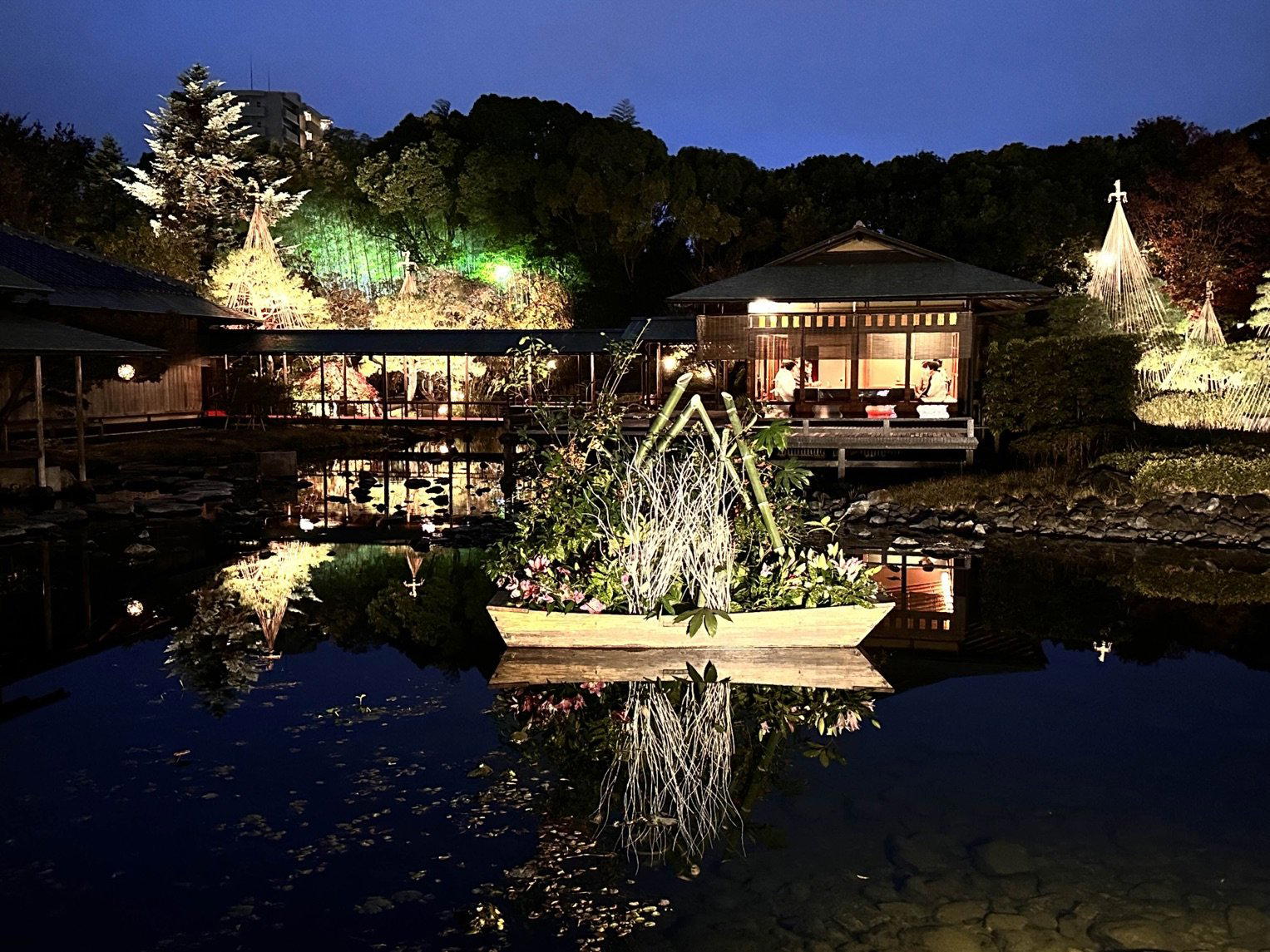
Classic Western-style dining rooms in a historic building, with elegant decor and paintings that give a refined yet comfortable atmosphere rather than a trendy or modern feel.