
Tabelog 100 #40
Our verdict
Imabari’s chicken cooking has a practical, local rhythm: grill work, group seating, and a price tier that keeps the evening close to everyday dining rather than ceremony. Hachihachi fits that frame with yakitori and chicken dishes recognized in the Tabelog 100 Chicken cuisine list for 2025, a useful signal in a category where heat control matters as much as sourcing.

Pearl is the En Primeur Club membership app — saves, bookings, and concierge access live there. Same editors, same standards.
- Address
- 2 Chome-3-8 Gohoncho, Imabari, Ehime 794-0823, Japan
- Phone
- +81 898-32-8281
- Hours
- Mon ClosedTue–Sun 5–10 PM
- Website
- tabelog.com
- Directions
- Get directions
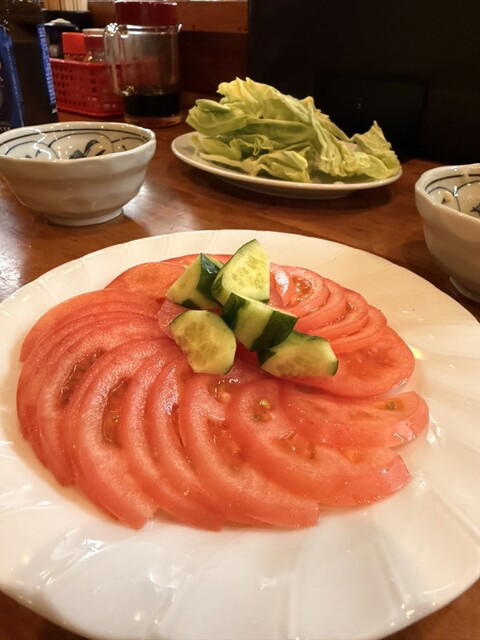
The menu
What to order
- Imabari kawa-yaki (crispy grilled chicken skin)
- Imabari-style yakitori skewers
- Chicken dishes with spicy sauce
Approach a serious chicken restaurant in a regional Japanese city and the clues are plain: a focused kitchen, steady movement between the grill and the dining room, and a place built for regulars as much as destination diners. In Imabari, that matters. The city is better known to many travelers for broader Ehime travel than restaurant-hunting, but local dining rewards places where product and repetition do the work. Chicken cooking fits that register: small cuts, direct heat, quick judgment, and enough ease for groups treating the meal as an evening, not a performance.
Hachihachi sits in that grounded tradition. Its recognition on the Tabelog 100 Chicken cuisine list for 2025 puts it in a national conversation about chicken dishes and yakitori, yet the format reads closer to regional utility than luxury tasting-menu theater. The useful Imabari comparison is not Tokyo counter dining, but local rooms such as Akakichi, Nijikichi, and Shinoda, where the question is not spectacle but how convincingly a kitchen handles a focused category.
Chicken cooking in Imabari is about execution, not ceremony
Yakitori is often flattened in travel writing into a generic skewer category, but better rooms are ingredient businesses first. Bird quality, cut selection, seasoning, and grill timing show quickly because there is little to hide behind. In a regional city, that directness suits the dining mood: meals are social, prices stay within local reach, and the hierarchy between counter craft and group dining is less rigid than in major-city luxury formats.
The 2025 Tabelog 100 Chicken cuisine selection is the strongest public trust signal here. It does not make the restaurant a trophy address, which is the point. It marks a category specialist in a field where national lists tend to favor consistency, popularity among experienced diners, and execution across repeat visits. For travelers, the award is useful because chicken cuisine can be hard to judge from outside; signage and menu breadth do not always reveal whether a kitchen is built around careful cooking or casual drinking food.
The restaurant’s listed category also explains the intended meal. Chicken dishes and yakitori point to a format designed around focused eating rather than a broad, everything-for-everyone menu. That separates it from tiny urban counters, where scarcity is part of the pricing, and broad izakaya formats, where chicken may be only one lane among many. Read it as a regional specialist for locals, visitors, and multi-person dinners without turning the experience into a fixed-course ritual.
Where it fits in a compact Imabari dining plan
Imabari rewards travelers who build meals by category rather than chase one headline table. Chicken one night, other local dining another, and a quieter casual meal around it give a sharper picture of the city than a luxury-only itinerary. Hachihachi works because it occupies a middle register: recognized enough to justify a detour inside the city, informal enough to pair with a broader Ehime route.
That middle register is why it compares better with local peers than destination yakitori counters in Tokyo or Osaka. In metropolitan dining, small counters often price scarcity, chef proximity, and reservation pressure. In Imabari, the value is different: a category kitchen can be serious without asking diners to surrender the evening to a choreographed menu. For visitors using Our full Imabari restaurants guide, this address helps anchor the food map around craft rather than hotel convenience.
The practical trade-off is planning. Regional restaurants can be easier when diners confirm current details before arriving, especially for groups or visitors with timing constraints. Hachihachi’s public price band places dinner at JPY 3,000 - JPY 3,999, a useful marker for travelers comparing it with other Imabari dining. Keep the plan city-based rather than over-optimized: Imabari meals often work more smoothly when transport and timing are settled before dinner, not after it.
How to read the room before choosing seats
The natural choice is to think first about the kind of evening you want. Some diners will prioritize grill rhythm and pacing; others will want a more conversational meal with friends or family. Chicken restaurants often function outside the capital as neighborhood dining rooms where the cooking stays precise enough to carry the night, rather than hushed temples of technique. Neither mode is inherently superior; choose by whether the priority is watching the kitchen or settling in with others.
Families should read the setting carefully and confirm current arrangements directly. The price tier is approachable by Japan dining standards, but a chicken-and-yakitori restaurant may still suit some groups better than others depending on pace, seating, and smoke sensitivity. Advance judgment is useful for travelers dining with younger guests or anyone who needs a quieter setup. The key is to treat Hachihachi as a focused local dinner rather than a fully managed luxury experience.
For broader planning, use the city as a cluster rather than a single stop. Hotels shape how late dinners feel in Imabari, so pair restaurant choices with Our full Imabari hotels guide. Drinking options can be checked through Our full Imabari bars guide, while regional food routes may connect with Our full Imabari wineries guide and Our full Imabari experiences guide. Travelers extending the Japan food map beyond Ehime can contrast the category focus here with other dining in Kamakura, Tokyo, Osaka, Kumamoto, Kawasaki, Sapporo, Kyoto, Kashihara, Los Angeles, and Pasadena.
The editorial case is clear: choose this address for a chicken-focused dinner reflecting Imabari’s practical dining culture, not polished luxury signals. The award gives confidence, the price band gives orientation, and the format keeps attention on the bird, the grill, and the table rather than ceremony.
Frequently asked questions
Is Hachihachi good for families?
It can work for some groups, since Hachihachi is a chicken dishes and yakitori restaurant in Imabari. Families should confirm current seating and conditions directly before going.
What kind of setting is Hachihachi?
Hachihachi is a chicken dishes and yakitori restaurant in Imabari. It has been selected for Tabelog 100 – Chicken cuisine – 2025.
What does dinner at Hachihachi typically cost?
Pricing at Hachihachi is listed as JPY 3,000 - JPY 3,999 View spending breakdown.
What days is Hachihachi closed?
Current opening days and hours should be confirmed directly with Hachihachi before visiting.
Comparison Snapshot
Comparable venues by cuisine and price in the same metro.
| Venue | Cuisine | Price | Awards | Notes |
|---|---|---|---|---|
| HachihachiThis venue — the venue you are viewing | Imabari yakitori & chicken dishes | $20–30 | Tabelog 100 #40 | Not listed |
| Akakichi | Michelin-Starred Seto Inland Sea Sushi | $150–200 | Tabelog Bronze #11 | Hakatacho Kitaura |
| Shinoda | Regional Japanese Fine Dining | $300–500 | Tabelog Bronze #403 | Matsumoto-cho |
| Nijikichi | Setouchi Seafood Counter Dining | $500+ | Tabelog Silver #88 | Hakata Island |
| カドヤ食堂 本店 | Japanese Ramen | $10–20 | Tabelog 100 #24 | Nishi-Ku / Nishi-Nagahori |
| Kawakami-an | Authentic Shinshu Soba & Duck Specialties | $20–30 | Not listed | Karuizawa Ginza |
Recognition history
Dated appearances from independent guides and award organizations, with the underlying list record or original source where available.
Tabelog 100 #40 · No. 40
Tabelog · Tabelog 100 - Chicken cuisine - 2025
Details
- Lively
- Cozy
- Rustic
- Energetic
- Group Dining
- Casual Hangout
- After Work
- Solo
- Family
- Celebration
- Standalone
- Open Kitchen
- Beer Program
- Sake Program
- Local Sourcing
- A La Carte
- Small Plates
- Counter Dining
- Family Style
- Beer
- Sake
Current opening hours
- Monday
- Closed
- Tuesday
- 5–10 PM
- Wednesday
- 5–10 PM
- Thursday
- 5–10 PM
- Friday
- 5–10 PM
- Saturday
- 5–10 PM
- Sunday
- 5–10 PM
Hours can change for holidays and private events. Last verified .
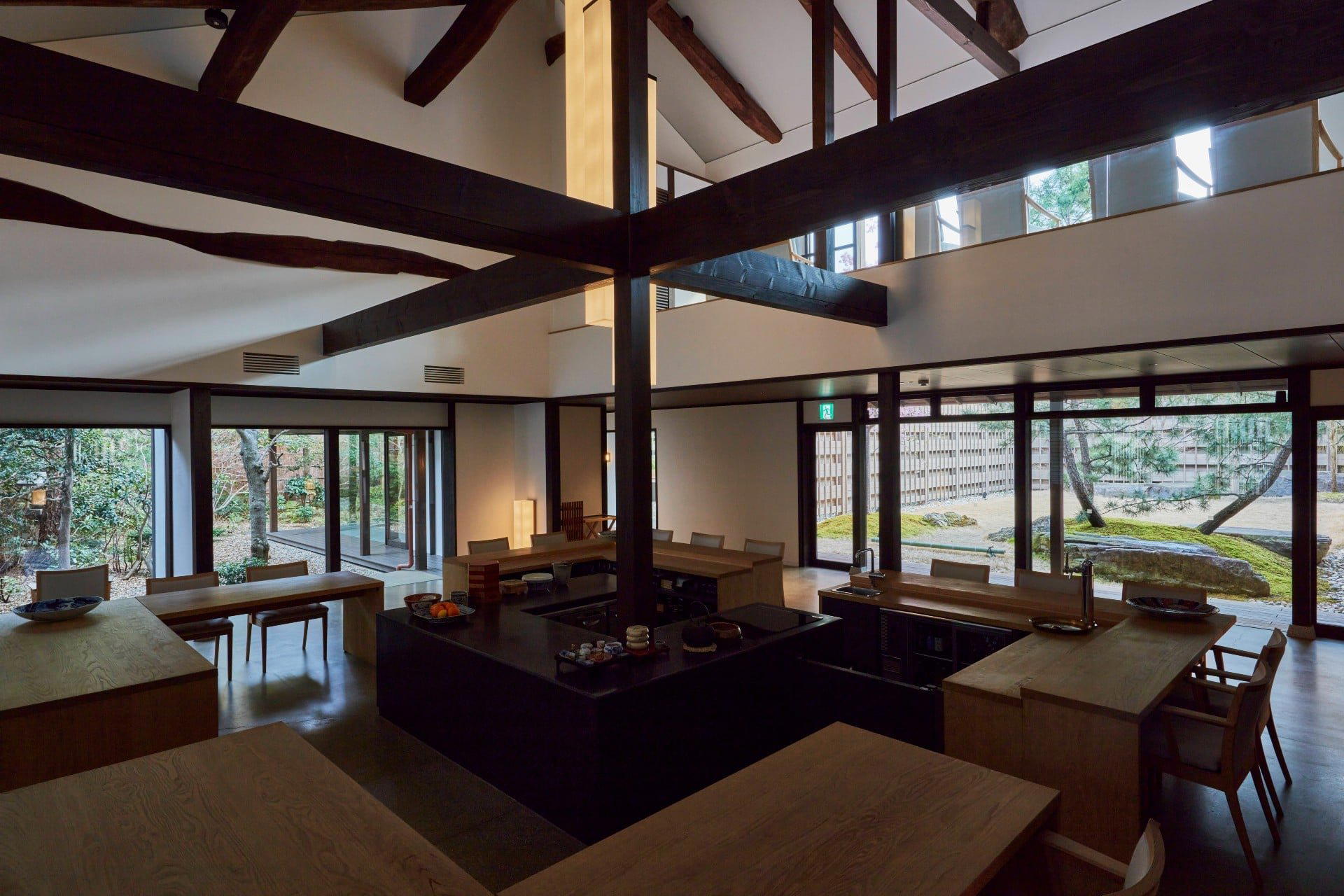
Large, homey neighborhood yakitori spot with counter seats and tatami rooms, a casual and energetic atmosphere, and a relaxed local feel suited to friends gathering over drinks and grilled chicken.