Tabelog 100 #24
Our verdict
A compact Shinmachi ramen address with 14 seats, counter-and-table seating, and a serious awards trail: Tabelog Ramen Osaka 100 selection in 2025 and OAD Casual in Japan ranked status in 2026. The format suits a low-key milestone lunch rather than a drawn-out celebration, with ramen, tsukemen, abura-soba, and maze-soba in the spotlight.

Pearl is the En Primeur Club membership app — saves, bookings, and concierge access live there. Same editors, same standards.
- Address
- 4 Chome-16-13 Shinmachi, Nishi Ward, Osaka, 550-0013, Japan
- Phone
- +81 6-6535-3633
- Hours
- Mon 10 AM–3 PMTue–Wed ClosedThu–Sun 10 AM–3 PM
- Website
- x.com
- Directions
- Get directions
Osaka is not only a city of loud eating districts, which matters here. The approach is urban and functional rather than ceremonial: a compact specialist setting, a direct service rhythm, and a ramen-counter sensibility that makes celebration feel private rather than performative. In a city where special-occasion dining often defaults to beef, sushi, or hotel restaurants, Kadoya Shokudo Souhonten proposes another marker meal: focused, brief, and built around a bowl.
That is not eccentric in Osaka. The city has long treated casual food with the seriousness other places reserve for tasting menus, from standing counters to late-night snacks and precise specialist kitchens. Ramen fits that temperament: technical scrutiny without stiffness, and a way to mark a birthday, reunion, or first meal back without turning lunch into theater. For a broader read on how this address fits the city, use Our full Osaka restaurants guide, then cross-check the surrounding travel plan with Our full Osaka hotels guide, Our full Osaka bars guide, Our full Osaka wineries guide, and Our full Osaka experiences guide.
Ramen as a small-format occasion meal
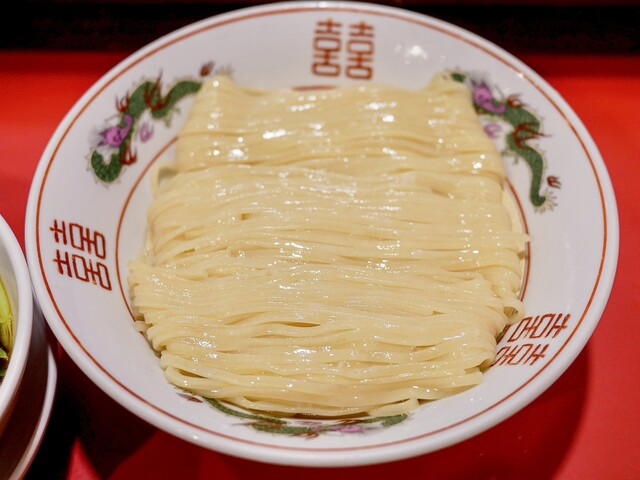
Osaka’s premium casual dining culture does not need linen, a sommelier, or a long menu to signal intent. It often does so through specialization. Kadoya Shokudo Souhonten sits in that lane, with ramen, tsukemen, abura-soba, and maze-soba as the core vocabulary, not items in a broader diner-style spread. The meal carries occasion weight because the format is narrow: diners choose within a defined noodle tradition, not between moods.
The recognition supports that reading. The restaurant appears in Tabelog’s Ramen Osaka 100 selection for 2025, with a listed score of 3.77 and budget guidance of JPY 1,000–1,999 for both lunch and dinner. These are useful signals in a crowded ramen field where price alone says little. In Osaka’s casual scene, a bowl can be inexpensive yet still belong to a competitive set judged on consistency, broth discipline, noodle texture, and throughput.
Compared with other casual options, the distinction is format rather than luxury. Mendokoro Amakawa, Sapporo Soup Curry JACK Shinmachi ten, RODDA group, Aoki, and 新町あだち all point to the range of everyday and specialist dining around the city, but Kadoya Shokudo Souhonten speaks most clearly through its noodle categories. One meal need not replace another. Osaka rewards diners who treat casual categories as serious choices, especially for a modest lunch celebration rather than a late evening.
A compact room changes the social contract
Scale shapes the experience more than décor language. A specialist ramen setting creates a room where milestone dining becomes compact and focused. This is not for a sprawling toast or lingering multi-course arc. It suits a precise meal with a small group: a parent and adult child, two friends marking a return to Osaka, or a family meal where the occasion is the specialist address rather than the length of the sitting.
That scale also explains why expectations should stay flexible. In many Japanese ramen shops, timing and flow matter as much as the order itself. For visitors used to concierge-led dining, the mindset may need to shift. The meal is planned through appetite, pacing, and willingness to follow the room rather than through a long confirmed ritual. The reward is access to Japanese dining that often resists translation into premium-travel habits. It asks less money than fine dining and more attention than a convenience meal.
Small groups are part of the equation. The restaurant’s narrow focus gives the room more purpose than a general casual diner, but it is still a specialist noodle shop rather than a venue built for extended hosting. The smarter occasion use is a tight lunch or dinner with clear expectations: arrive prepared, order decisively, and let the room’s pace set the meal. In Osaka, that discipline often reads as respect rather than hurry.
How to place it in an Osaka itinerary
Kadoya Shokudo Souhonten works well as the anchor of an Osaka daytime plan, not a last-minute add-on between fixed appointments. Its appeal for diners is the chance to look beyond the most obvious version of the city and treat a specialist bowl as the main event. The surrounding dining picture can be understood generically: other noodle counters, curry specialists, casual snack shops, bakeries, coffee stops, and more formal rooms all point to a city where casual precision is not secondary.
The broader Japan context helps. Osaka’s ramen culture need not mimic other cities’ reservation-counter intensity, restraint, or cold-weather richness to earn attention. It sits inside a national pattern of regional specialization, where different casual categories can be read through the same specialist logic. The category changes; the expectation of focus does not.
For travelers linking Osaka to a wider Japan or trans-Pacific food itinerary, this address clarifies what Japanese casual dining loses when exported. Japanese references abroad can be persuasive, and domestic dining across Japan is varied, but Kadoya Shokudo Souhonten belongs to the side where occasion is not announced by ceremony. It is signaled by choosing a specialist, accepting the pace, and letting a compact meal carry the day.
Frequently asked questions
What does dinner at Kadoya Shokudo Souhonten typically cost?
Pricing at Kadoya Shokudo Souhonten is listed as JPY 1,000 - JPY 1,999 JPY 1,000 - JPY 1,999.
What time does Kadoya Shokudo Souhonten open and close?
Specific opening hours are not provided here; check directly with Kadoya Shokudo Souhonten before planning your visit.
What part of town is Kadoya Shokudo Souhonten in?
Osaka.
What's Kadoya Shokudo Souhonten best at?
Its strongest case is noodles: the listed categories are ramen, tsukemen, abura-soba, and maze-soba. The shop appears in Tabelog’s 2025 Osaka Ramen 100 and charges JPY 1,000–1,999.
Is Kadoya Shokudo Souhonten allergy-friendly?
The menu categories are narrow: ramen, tsukemen, abura-soba, and maze-soba. Diners with allergies should ask questions before ordering in Osaka, since a small specialist shop is easier to discuss directly than a large dining room.
Is Kadoya Shokudo Souhonten good for families?
The narrow noodle focus can work for a low-friction meal if everyone is comfortable with ramen, tsukemen, abura-soba, or maze-soba. For family planning, confirm current practical details directly with the venue before visiting Osaka.
Standing Among Peers
Comparable venues by cuisine and price in the same metro.
| Venue | Cuisine | Price | Awards | Notes |
|---|---|---|---|---|
| Kadoya Shokudo SouhontenThis venue — the venue you are viewing | Japanese Ramen | $10–20 | Tabelog 100 #24 | Not listed |
| 寿司常 | Traditional Osaka Sushi | $30–50 | Michelin Bib Gourmand | Tsukamoto |
| Saru Shokudo Honmachi honten | Japanese Western (Yoshoku) | $10–20 | Tabelog 100 #8 | Chūō |
| Ampere Coffee & Kitchen | Japanese-International All-Day Cafe | $10–20 | Not listed | Chūō |
| Stand Tsumamigui | Standing Japanese izakaya & curry bar | $20–30 | Tabelog 100 #23 | Naniwa |
| Soba Kiri Kamonohashi | Traditional Japanese Soba | $30–50 | Tabelog 100 #24 | Higashisumiyoshi |
Recognition history
Dated appearances from independent guides and award organizations, with the underlying list record or original source where available.
Opinionated About Dining Casual in Japan Ranked #14
Opinionated About Dining
Tabelog 100 #24 · No. 24
Tabelog · Tabelog 100 - Ramen - OSAKA - 2025