
Hachi occupies a Sukiya-style structure in Osaka's Kita Ward, presenting a meal that moves through wanmono broth, seasonal sashimi, bincho-grilled ingredients, and handmade soba before closing with omogashi and matcha. The service format is drawn from the discipline of the tea ceremony. Among Osaka's concentrated field of kaiseki and Japanese fine dining, it represents one of the more considered fusions of architectural philosophy and culinary sequence.
Pearl is the En Primeur Club membership app — saves, bookings, and concierge access live there. Same editors, same standards.
- Address
- Japan, 〒530-0031 Osaka, Kita Ward, Kaneicho, 13−9 1F TEN ROCK
- Phone
- +81 6-6809-1558
- Website
- tabelog.com
- Directions
- Get directions
 Saves & bookings on Pearl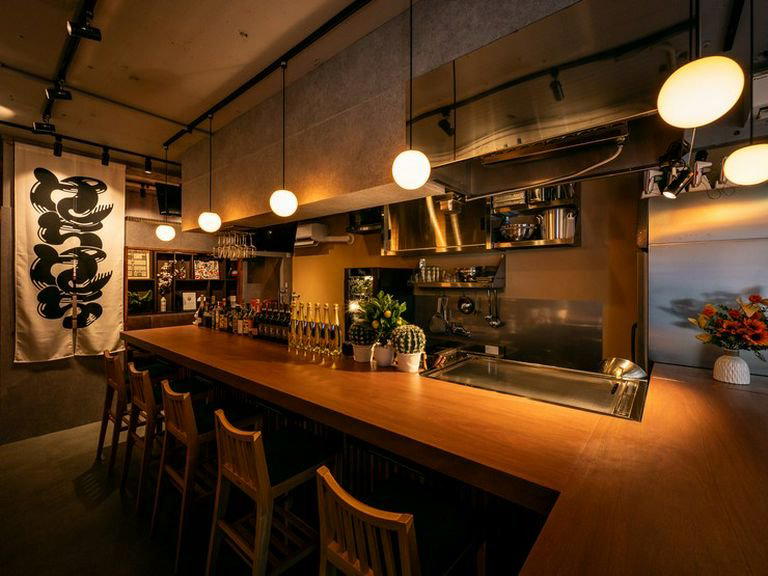
Kita Ward and the Architecture of Restraint
Hachi is a restaurant in Osaka's Kita Ward, serving Binchōtan-Grilled Wagyu Omakase at about $150 per person. Sukiya architecture, the aesthetic derived from the design principles of the traditional Japanese tea house, prizes impermanence, asymmetry, and the careful use of natural materials. To build a modern kaiseki venue in that idiom is a deliberate choice, one that signals how the meal inside will be framed before you have even looked at the menu.
This part of Osaka sits at the northern edge of the city's fine dining concentration. Restaurants such as Taian and Kashiwaya Osaka Senriyama, both holding three Michelin stars and operating at the ¥¥¥ tier, define the upper register of Japanese kaiseki here. Further along the spectrum, HAJIME and Fujiya 1935 pull kaiseki structure toward French and innovative frameworks at the ¥¥¥¥ tier. Hachi's address in Kita Ward places it physically adjacent to that conversation, though its chosen idiom, the Sukiya building and the tea ceremony service cadence, stakes out a more internally consistent position: no crossover, no fusion, just the logic of the tea house extended across an entire meal.
A Sequence Built on the Tea Ceremony
The meal at Hachi follows a progression that mirrors the ritual logic of the tea ceremony rather than the conventional kaiseki arc. It opens with wanmono, the clear soup course that in formal Japanese dining is considered among the more technically demanding components of the sequence. Here the broth draws on kombu for sweetness and shaved bonito for sharpness, the two foundational dashi elements held in calibrated tension rather than blended into a single undifferentiated flavour. Wanmono broth of this type is a useful gauge of a kitchen's technical foundation: there is nowhere to hide.
Sashimi follows, and the emphasis placed on knife technique is significant. In a meal framed by tea ceremony aesthetics, where visual presentation is inseparable from taste, the cut matters as much as the ingredient. Seasonal ingredients grilled over bincho charcoal form the centre of the savory progression. Bincho, the white charcoal used across Japan's premium grill kitchens, burns at high heat with minimal smoke and without imparting its own flavour, allowing the ingredient to carry the composition without interference. The seasonal emphasis here is not decorative: using bincho-grilled produce at its correct seasonal moment is where the Sukiya principle of impermanence becomes edible.
Handmade soba appears in the sequence as a further expression of seasonality. Soba's flavour and texture shift with the buckwheat harvest, which means its placement within the meal communicates temporal awareness. Fine dining soba of this kind sits in a narrow peer group in the Osaka region: it requires a separate production discipline that most kaiseki kitchens do not absorb into their format.
The Close: Omogashi and Matcha
The meal ends with omogashi and matcha. Omogashi is the main confection served in the Japanese tea ceremony, typically a wagashi sweet calibrated to complement the bitterness of matcha, and its presence here as the formal close of a meal confirms the structural logic that runs through everything that preceded it. The matcha is prepared by the chef, not served as a supplementary gesture. In the tea ceremony context, the preparation of matcha is itself a performance requiring training and composure. Its appearance at the end of a multi-course dinner is a deliberate compression of two art forms into a single sequence.
What Hachi draws on is a specifically Osaka-based relationship between the tea house tradition and the dining room, one with deep regional roots in the aesthetics of the Azuchi-Momoyama period, when the tea ceremony as formalized by Sen no Rikyu was in closest dialogue with the architecture and food culture of the Kinki region.
Service as Discipline
Service at Hachi follows the spirit of the tea ceremony. Tea ceremony service (temae) is a codified practice that governs movement, timing, sequencing, and the spatial relationship between host and guest. Transposing that logic to a dining room means the pacing of the meal and the comportment of the staff follow a formal framework rather than the improvised attentiveness more common in Western fine dining or the performance-led theatrics that have migrated into parts of the Japanese premium dining circuit.
Each represents a different regional inflection of Japanese fine dining seriousness.
How Hachi Sits in the Osaka comparable set
Osaka's fine dining at the upper tier is divided between kaiseki houses, innovative venues, and a smaller category of rooms that treat tea culture as the organizing principle of the entire dining experience. La Cime, working the French-Japanese boundary at two Michelin stars, represents the innovation corridor. Taian and Kashiwaya hold the formal kaiseki register. Hachi operates in that third, smaller category, where the Sukiya architecture, the tea ceremony service logic, and the omogashi-matcha close all function as a coherent system rather than atmospheric dressing. It competes on coherence.
Know Before You Go
- Address: 13-9 Kaneicho, Kita Ward, Osaka 530-0031, 1F TEN ROCK
- Getting there: Kita Ward is served by multiple Osaka Metro lines; the Tanimachi and Midosuji lines both have stations within the ward
- Reservations: Specific booking method not confirmed; approach via direct contact or a hotel concierge for Japanese-language assistance
- Format: Multi-course meal closing with omogashi and matcha; service follows tea ceremony protocols
- Dress: Not formally specified; the Sukiya-style setting and tea ceremony service register suggest conservative, understated attire
- Explore further: Osaka wineries and the Osaka experiences guide for a fuller picture of the city
The Minimal Set
Comparable venues nearby, for context on price, style, and recognition.
| Venue | Cuisine | Price | Notes |
|---|---|---|---|
| HachiThis venue — the venue you are viewing | Kita, Binchōtan-Grilled Wagyu Omakase | $$$ | Not listed |
| Sushi Shigenaga | Kita, Edomae Sushi Omakase | $$$ | Not listed |
| Sumibi Iwata | Not listed | $$$ | Miyakojima, Yakitori (Kuro Satsuma Chicken) |
| Naniwaryori Satou | Not listed | $$$ | Kita, Naniwa Ryori (Osaka-style Japanese Cuisine) |
| Kasane | Kita, Oden & Japanese Cuisine | $$$ | Not listed |
| Sushi Kyomachibori Sato | Nishi, Edomae Omakase Sushi | $$$ | Not listed |
Recognition history
Dated appearances from independent guides and award organizations, with the underlying list record or original source where available.
Michelin Plate
Michelin
Continue exploring
More in Osaka
Restaurants in Osaka
Browse all →




Bars in Osaka
Browse all →




Hotels in Osaka
Browse all →




Wineries in Osaka
Browse all →
At a Glance
- Elegant
- Intimate
- Sophisticated
- Minimalist
- Date Night
- Special Occasion
- Chefs Counter
- Open Kitchen
- Sake Program
- Local Sourcing
Current opening hours
- Monday
- 11:30 AM–3 PM, 5–10 PM
- Tuesday
- 11:30 AM–3 PM, 5–10 PM
- Wednesday
- 11:30 AM–3 PM, 5–10 PM
- Thursday
- 11:30 AM–3 PM, 5–10 PM
- Friday
- 11:30 AM–3 PM, 5–10 PM
- Saturday
- 11:30 AM–3 PM, 5–10 PM
- Sunday
- 11:30 AM–3 PM, 5–10 PM
Hours can change for holidays and private events. Last verified .
Serene Kyoto-inspired hideaway with soft lighting, natural materials, and meditative sukiya architecture.