Michelin Plate · Tabelog 100 #31
Our verdict
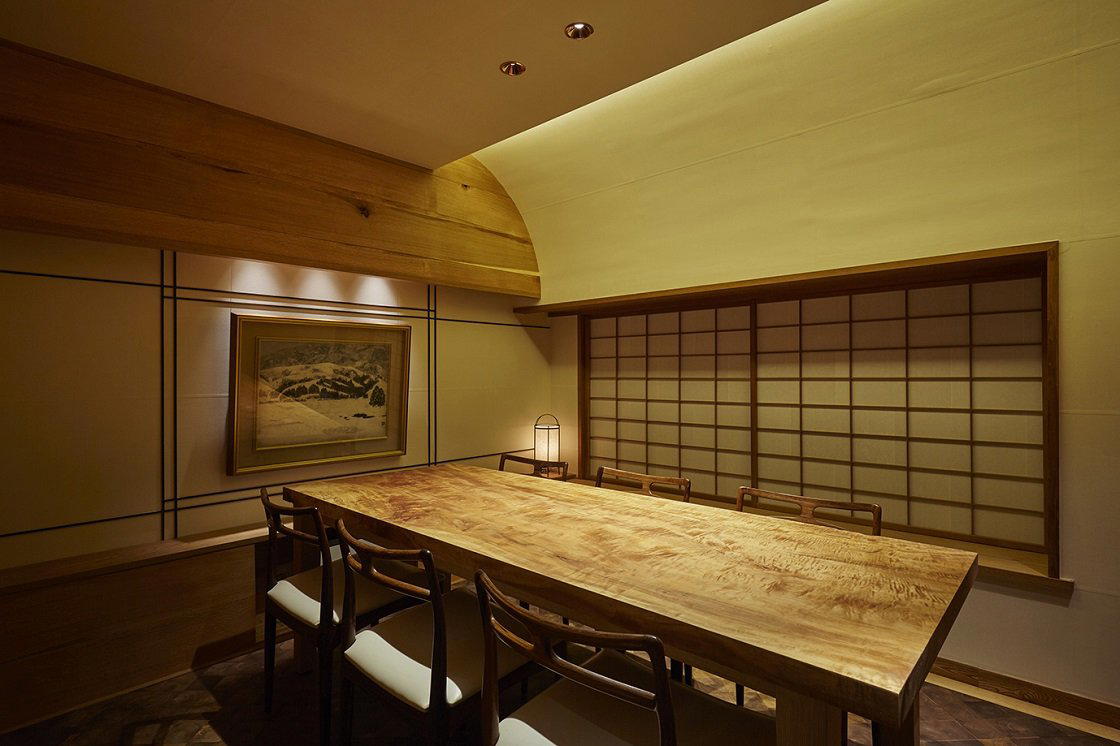
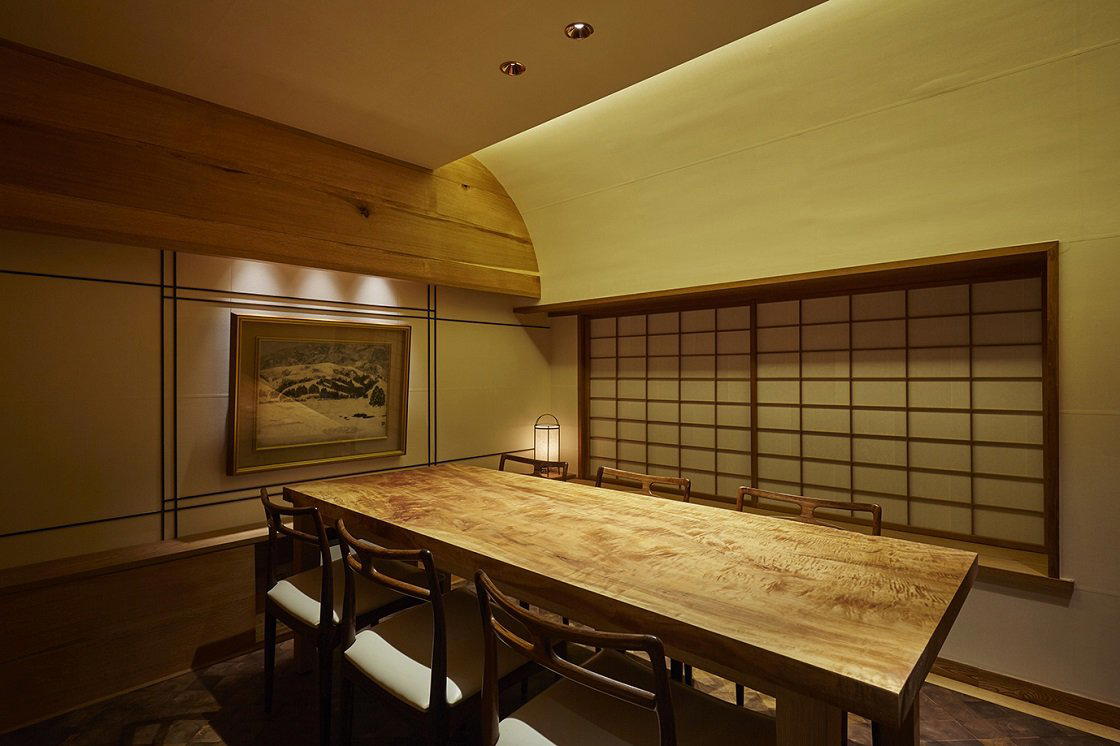
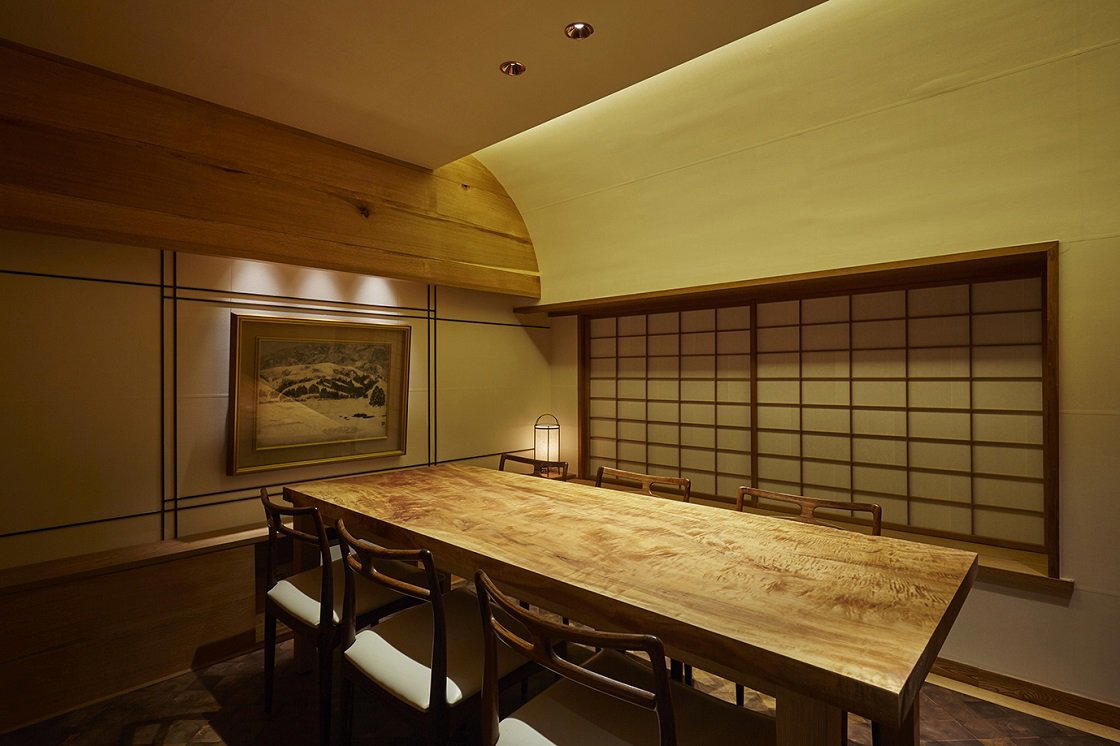
Sumibi Iwata in Osaka's Miyakojima Ward runs a charcoal-grilled yakitori prix fixe built around Kagoshima-raised chickens shipped directly to the kitchen and grilled over binchōtan. The menu moves from lightly seared thigh through salted skewers to yuba tofu palate cleanser and soy-sauce ramen, with oyakodon as a recommended close. The ash-grey interior signals the restaurant's identity before the first skewer arrives.

Pearl is the En Primeur Club membership app, where members save venues, book tables and use the concierge.
The menu
What to order
- Kuro-O skewers
- Yuba palate cleanser
- Chicken ramen
- Oyakodon
Charcoal, Chicken, and the Logic of a Single-Track Menu
Osaka's yakitori scene occupies a different register from the city's kaiseki tradition. Where restaurants like Taian or Kashiwaya Osaka Senriyama build their menus around seasonal ingredients sourced across multiple categories, the serious yakitori counter imposes a tighter constraint: one protein, one heat source, one sequence. Sumibi Iwata, in Miyakojima Ward, operates within that constraint and builds its entire prix fixe around it. The name itself announces the logic sumibi means charcoal flame, and the ash-grey interior makes the same statement in visual terms before anything reaches the table.
This kind of discipline places Sumibi Iwata in a different competitive conversation from the ¥¥¥¥ French and innovative tables at HAJIME, La Cime, or Fujiya 1935. Those rooms pursue complexity through technique and ingredient range. A yakitori prix fixe like this one pursues a different kind of depth: clarity through reduction. The chicken is the entire argument, and the kitchen has chosen to let the quality of the raw material settle it.
The Sourcing Premise
Serious yakitori in Japan has long tied its credibility to provenance, and the chickens arriving at Sumibi Iwata from Kagoshima represent one of the better-regarded regional breeding traditions in the country. Kagoshima chickens, particularly the satsuma jidori strain, carry more developed muscle structure than industrial birds, which translates into fat distribution and flavour that holds up to the intensity of binchōtan heat. The restaurant ships them directly rather than through a distributor, which is a supply chain decision that affects freshness windows and, by extension, what the kitchen can do with each part of the bird.
Binchōtan, the dense white oak charcoal produced primarily in Wakayama Prefecture, burns at high and consistent temperatures with minimal smoke. It is the heat source most associated with serious yakitori and with high-end Japanese grilling more broadly. The combination of a high-quality regional chicken and binchōtan is not unusual at the top end of the category, but it represents the minimum condition for a menu that asks the ingredient to do the heavy lifting.
How the Menu Sequences
The prix fixe at Sumibi Iwata runs a defined arc. It opens with lightly seared chicken thigh as an appetiser, a cut that, because of its fat content and connective tissue, reads differently at the start of a meal than it would mid-sequence. The core yakitori course follows, and the kitchen's choice to salt almost all skewers rather than glaze them with tare is an editorial decision: salt amplifies rather than redirects, so the chicken's own flavour becomes the tasting note. Tare-glazed yakitori can be exceptional, but it introduces sweetness and soy depth that can mask differences between birds. The salt-forward approach here reads as a statement about the sourcing.
The yuba tofu course functions as a structural pause. Yuba, the skin that forms when soy milk is heated, here thickened with starch into a softer, more substantial preparation, is described as the house's renowned palate cleanser. In the context of a meal built on fat and smoke, a clean, lightly set soy preparation serves a real textural and flavour-reset function, not just a formal one. It also signals that the kitchen is thinking about the whole arc of the meal rather than treating each course as independent.
Meal closes with soy-sauce ramen, which absorbs the chicken flavour that has built through the prior courses. Ramen as a meal-ender is less common than as a standalone, but it functions here as a kind of summary, the stock carries the memory of what came before. Oyakodon, the rice dish of chicken and egg cooked together, is warmly recommended as an addition: it extends the meal's central argument into a different register, cooking method, and texture without departing from the single-protein logic.
Lunch Versus Dinner at a Restaurant Like This
At a focused prix fixe counter where the menu is fixed and the protein is singular, the lunch and dinner divide is less about menu differences and more about pace and context. Evening service at a yakitori specialist tends to carry a longer settle-in: diners arrive without elsewhere to be, drinks accumulate, the order of skewers becomes a conversation. Lunch at a counter with a set sequence runs tighter, it suits the format in some ways, because the fixed menu removes decision-making overhead and the meal has a clear end point. The prix fixe format is particularly well-suited to a lunchtime crowd that wants a complete and considered meal without the open-ended timing of an evening counter. For visitors exploring Osaka's mid-register yakitori alongside its more celebrated kaiseki tables, a daytime visit here occupies a distinct category from, say, a long evening at a tare-led counter in Namba or Shinsaibashi.
Across Japan more broadly, this kind of focused charcoal-grill counter has equivalents in other cities. Harutaka in Tokyo and Gion Sasaki in Kyoto both represent the concentrated-format approach in their respective categories. The pattern holds: a single-track menu with a fixed sequence and a clearly communicated identity tends to attract a repeat clientele that comes for the consistency rather than the novelty.
Miyakojima Ward and the Venue's Position in Osaka
Miyakojima is not where Osaka's most-visited restaurant district is located. The ward sits north of the city centre, across the Okawa River from Tenjinbashi, and its dining scene is denser with neighbourhood fixtures than with destination-draw rooms. That positioning is not incidental for a yakitori specialist: the format often performs better in residential and commercial districts where regulars can anchor the weekly cover count than in tourist-heavy corridors where one-time visitors dominate. Osaka's full dining range, from this kind of focused counter through to the city's multi-starred French and kaiseki tables, is covered in our full Osaka restaurants guide.
For visitors building a wider Kansai itinerary, akordu in Nara represents a different style of focused tasting menu in the region, while Goh in Fukuoka offers a point of comparison for how a single-chef creative counter operates further south on Kyushu. For those extending to other cities, 1000 in Yokohama and 6 in Okinawa complete the picture of how fixed-format dining manifests across Japan's regions. Internationally, the single-protein tasting counter format has parallels at Le Bernardin in New York City, a room that built its identity around one ingredient category, though the price tier and cultural context differ substantially. For a more contemporary comparison, Atomix in New York City represents how the fixed-sequence format operates at the highest level of Korean fine dining.
Frequently asked questions
Is Sumibi Iwata okay with children?
That kind of fixed sequencing tends to suit adults and older children who can follow a multi-course arc. Younger children accustomed to varied menus may find the single-track format restrictive. Contacting the restaurant directly before visiting with young guests is advisable.
What is the atmosphere like at Sumibi Iwata?
The interior is ash-grey, a deliberate reference to the restaurant's name: sumibi means 'charcoal flame.' The space occupies the west side of the ground floor of the Nikken Kyobashi Building in Miyakojima Ward, a low-key residential and commercial area north of central Osaka. The overall register is focused and quiet, shaped by the logic of a single-track tasting menu rather than the energy of a casual izakaya.
Does Sumibi Iwata have a Michelin star or similar recognition?
Sumibi Iwata has received recognition including: Locally raised chickens from Kagoshima are shipped directly to the restaurant and grilled over Bincho charcoal. The appetiser for the prix fixe menu is lightly seared chicken thigh. Yakitori is almost always salted, so as to bring the high ….
What do regulars order at Sumibi Iwata?
The prix fixe is the framework, but the addition of oyakodon is openly recommended by the kitchen, a chicken-and-egg rice bowl that extends the meal and makes direct use of the same Kagoshima birds running through the rest of the menu. The house ramen, finished with chicken broth from the same sourcing line, closes the set menu and is considered a defining course. Most yakitori is served salted rather than sauced, which keeps the focus on the quality of the Kagoshima meat itself.
What part of town is Sumibi Iwata in?
Sumibi Iwata is located at Japan, 〒534-0022 Osaka, Miyakojima Ward, Miyakojimanakadori, 3 Chome−5−8 日建京橋ビル 1階西側, Osaka.
Is Sumibi Iwata reservation-only?
Arriving without a booking at a Bincho charcoal yakitori counter of this type carries real risk of turning away, particularly on weekends. Reserving in advance through available local channels is strongly recommended.
A Tight Comparison
Comparable venues nearby, for context on price, style, and recognition.
| Venue | Cuisine | Price | Awards | Notes |
|---|---|---|---|---|
| Sumibi IwataThis venue (the venue you are viewing) | Yakitori (Kuro Satsuma Chicken) | $50–100 | Michelin Plate · Tabelog 100 #31 | Not listed |
| Shuko Osaka Manpukudou | Traditional Japanese Shuko Omakase | $50–100 | Michelin Plate | Higashinari, Traditional Japanese Shuko Omakase |
| Jizakeya Iwatsuki | Sake-Paired Japanese Izakaya | $50–100 | Michelin Plate | Kita, Sake-Paired Japanese Izakaya |
| Kushikatsu Daibon | Modern Kushikatsu | $100–150 | Michelin Plate · Tabelog Bronze #51 | Kita, Modern Kushikatsu |
| Chikuyoutei | Traditional Japanese Unagi and Kaiseki | $30–50 | Not listed | Kita, Traditional Japanese Unagi and Kaiseki |
| Ukitacho Ima | Seasonal Japanese Fine Dining | $300–500 | 1 Michelin Star | Kita, Seasonal Japanese Fine Dining |
Recognition history
Dated appearances from independent guides and award organizations, with the underlying list record or original source where available.
Michelin Plate
Michelin
Tabelog 100 #31 · No. 31
Tabelog · Tabelog 100 - Yakitori - WEST - 2025