


Michelin Selected · La Liste Top Hotels
At the southwestern tip of Bandra West, Taj Lands End occupies a position that few Mumbai hotels can match: 486 rooms angled toward the Arabian Sea, with Bandra Fort as its nearest neighbour and La Liste's 2026 Top Hotels list (93.5 points) as its most recent formal credential. Three restaurants, three bars, and service that guests consistently place among India's five-star tier make it a reference point for the city's upper-bracket waterfront hotels.

Pearl is the En Primeur Club membership app — saves, bookings, and concierge access live there. Same editors, same standards.
- Address
- BJ Road, opp. ICICI Bank, Mount Mary, Bandra West, Mumbai, Maharashtra 400050
- Phone
- +91 22 6668 1234
- Website
- tajhotels.com
- Directions
- Get directions
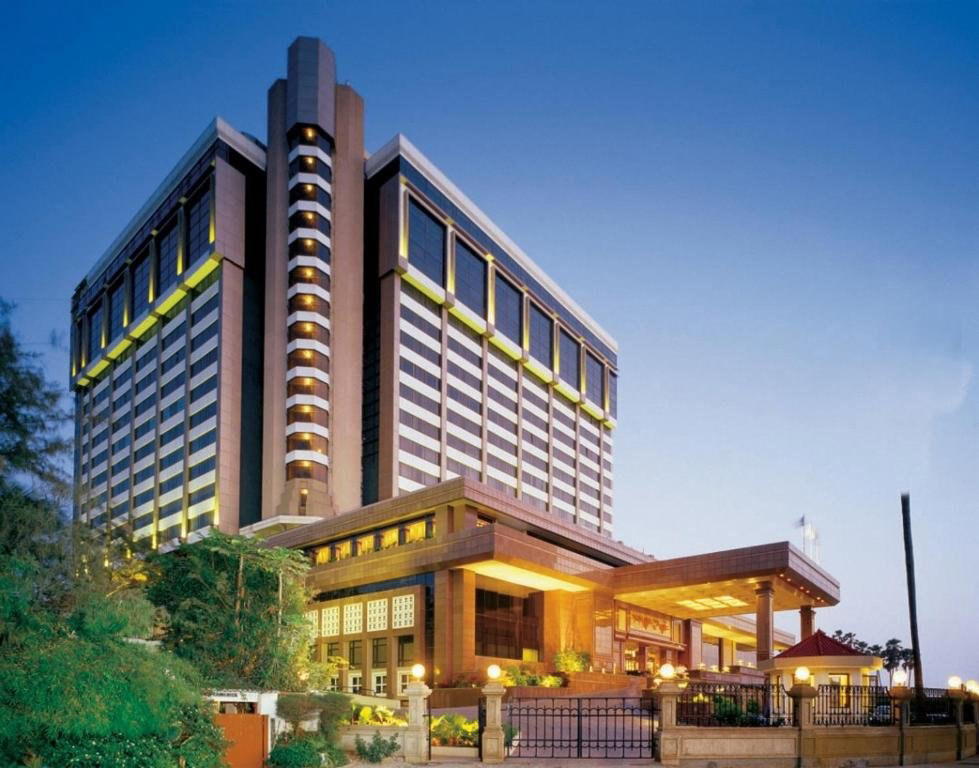
Where Bandra Meets the Sea
Mumbai's hotel geography splits cleanly between the heritage corridor of Colaba and Marine Drive to the south, and the newer, younger energy of Bandra to the north. Taj Lands End occupies a position at the far edge of the latter: BJ Road at the southwestern tip of Bandra West, directly opposite Bandra Fort, with the Arabian Sea filling the frame from most angles. It is a location that does what very few hotel sites in this city can manage — it removes you from the noise of the suburb while keeping you close enough to use it. The fort itself dates to the Portuguese colonial period, and the waterfront promenade below the property connects to the broader Bandra coastline that locals use at dusk. Arriving from the Bandra-Kurla Complex or from the domestic terminals at Chhatrapati Shivaji Maharaj International Airport, the drive takes around twenty to thirty minutes outside of peak traffic hours, though Mumbai's rush patterns make morning and evening windows considerably longer.
The Waterfront Position and What It Means Practically
In a city where sea views command a significant premium, the hotel's 486 guest rooms represent an unusual scale of water-facing inventory. Many of Mumbai's upper-bracket properties — InterContinental Marine Drive-Mumbai, for instance, trade on a similar proposition, but the Marine Drive arc faces a different geometry: urban promenade rather than headland. Taj Lands End's position at a promontory means the sight lines open laterally across the sea rather than along a shoreline strip. That difference is subtle on paper and meaningful in the room. The Taj Mahal Palace, Mumbai, the group's flagship property in Colaba, carries stronger historical weight and a more ceremonial address, but it does not have this particular exposure to open water. These are different products within the same brand family, and the choice between them depends largely on whether a guest prioritises Colaba's walkability and heritage density or Bandra's contemporary energy and the sea.
Three Restaurants, Three Bars, and Mumbai's Sourcing Context
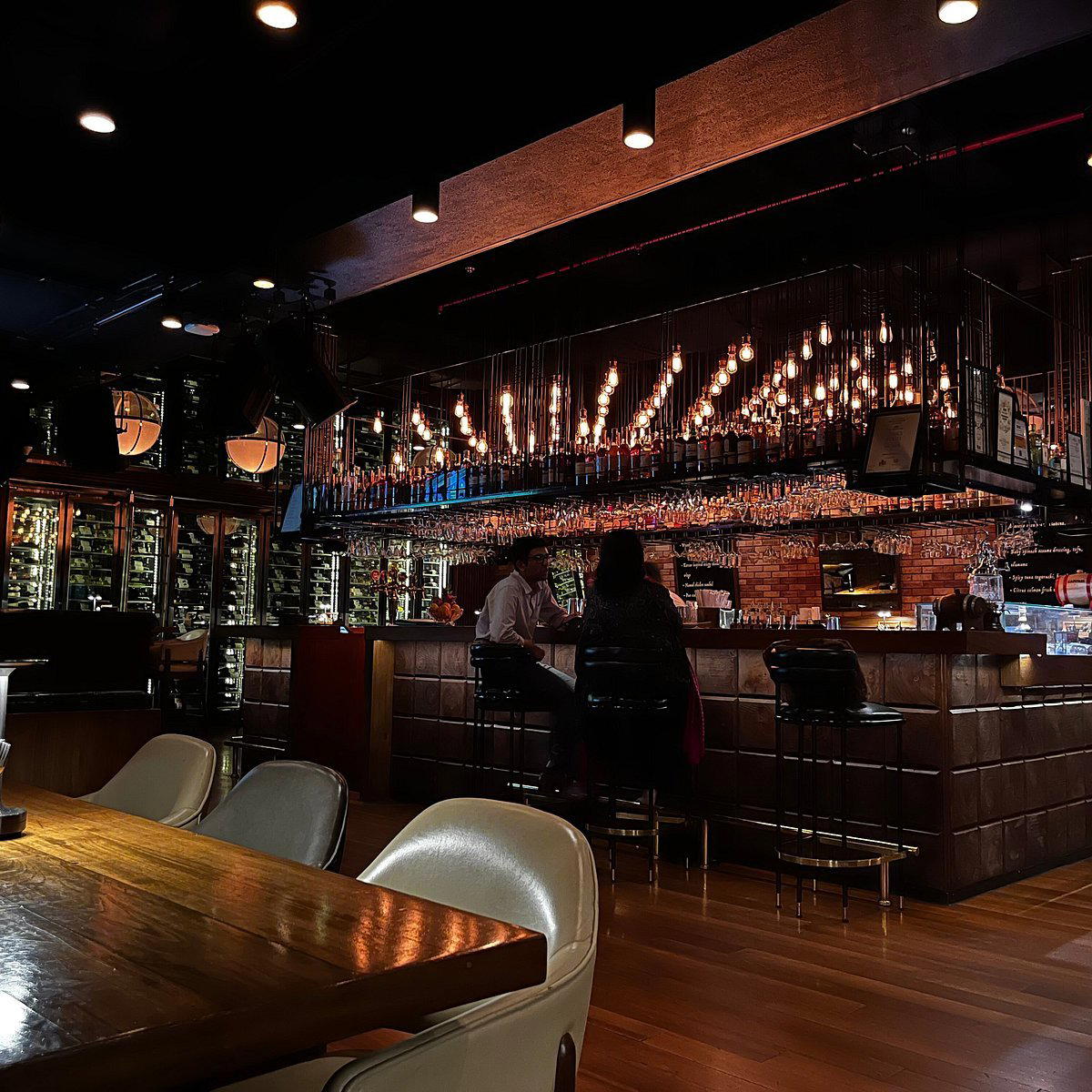
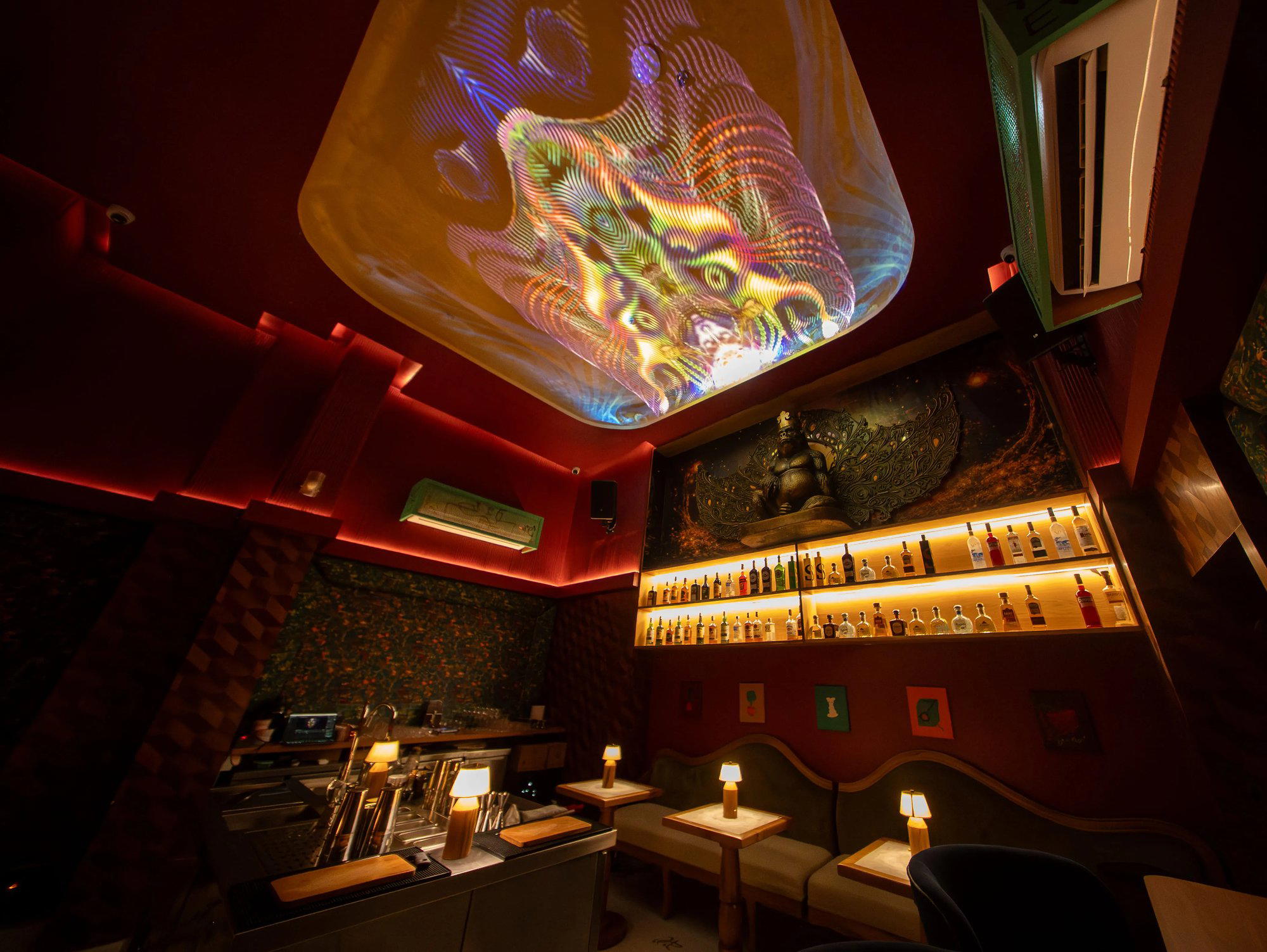
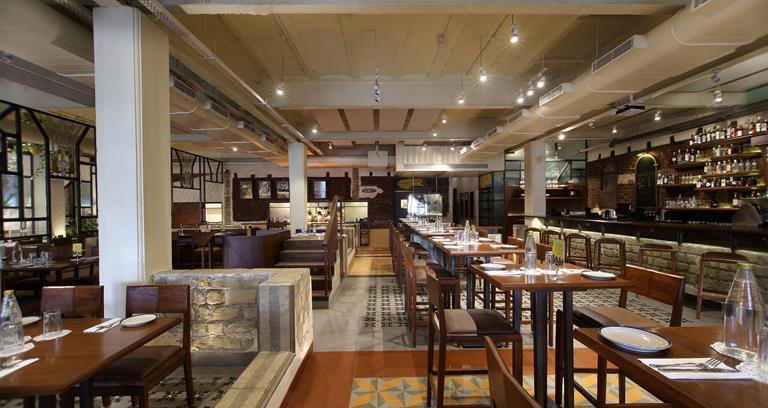
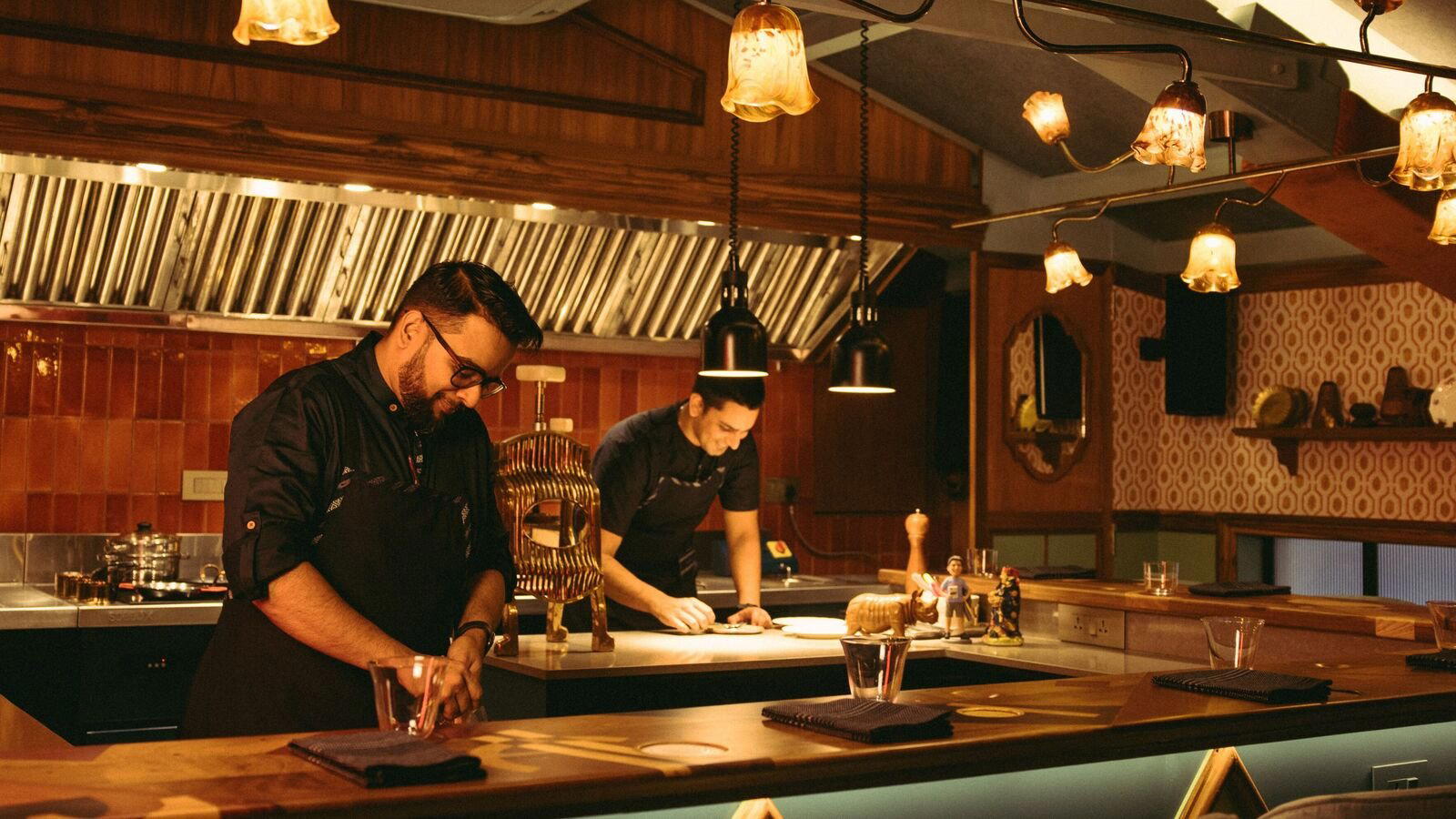
The editorial angle that matters most for Mumbai's hotel dining scene is not who is cooking, it is where the produce comes from and how that affects what reaches the table. Mumbai sits at the convergence of several distinct food-supply geographies: the Konkan coast to the south delivers fresh seafood to the city's markets daily, the Western Ghats provide a corridor for highland vegetables and spices, and the city's own dense wholesale markets at Crawford and Dadar process an enormous volume of both. Hotels operating at the upper tier of the market, and Taj Lands End's La Liste score of 93.5 points in 2026 places it firmly within that tier, have access to the same supplier networks that feed the city's most serious restaurant kitchens. The practical implication for a guest is that seafood served within this property is working from one of the strongest fresh-catch supply chains on the subcontinent. Pomfret, surmai (kingfish), and prawns from the Arabian Sea reach Mumbai's wholesale networks within hours of landing. Whether a hotel kitchen uses that proximity well is a question of kitchen discipline rather than geography, but the raw material advantage is structural. The three restaurants and three bars give the property enough operational depth to run distinct kitchen programs rather than a single all-day format stretched across formats. For comparison, ITC Grand Central and ITC Maratha both operate multi-outlet formats in Mumbai, reflecting the standard expectation at this price tier that a hotel will support several distinct dining moods under one roof.
Service as the Differentiating Variable
In La Liste's methodology, the scoring weight given to service is substantial, and Taj Lands End's 93.5-point result in the 2026 ranking reflects a property where service delivery is a genuine part of the offering rather than a baseline assumption. Guest accounts consistently describe the service as among the strongest in India's five-star tier, a framing that positions it against properties like Sofitel Mumbai BKC and others in the upper-midrange bracket, not just within Bandra. At 486 rooms, maintaining that consistency requires a staffing model and training depth that smaller properties find easier to achieve. The fact that it is noted by guests at this scale is the more significant data point. For those travelling to Mumbai as part of a wider India itinerary, perhaps including The Leela Palace New Delhi or The Oberoi Amarvilas in Agra, the service standard at Taj Lands End is consistent with what those properties have established as the baseline expectation for premium Indian hospitality.
Where Taj Lands End Sits in Mumbai's Competitive Set
Mumbai's five-star hotel market is relatively concentrated at the leading. The Taj group, Oberoi, ITC, and the international chains occupy the upper bracket, and within that group, location is the primary differentiator because most properties operate at a broadly comparable service and facilities level. Taj Lands End's competitive advantage is its headland position and the scale of water-facing rooms. Its competitive limitation, relative to the Taj Mahal Palace, is the absence of a heritage story and a Colaba address. For guests whose visit is centred on Bandra, the Bandra-Kurla Complex, or the western suburbs generally, the location calculus shifts entirely in Taj Lands End's favour. For guests whose priority is the Gateway of India, the Colaba art district, or the heritage walking routes of South Mumbai, the travel time from Bandra is a real cost. For broader India trip planning, the EP Club's coverage of properties including Amanbagh in Ajabgarh, Suján Jawai in Pali, and The Leela Palace Jaipur provides useful context for how Mumbai fits into a broader subcontinent itinerary. See also our full Mumbai restaurants and hotels guide for neighbourhood-level comparisons across the city.
Planning a Stay
Booking through the Taj group's own channels typically provides access to the broadest room category selection and loyalty programme benefits. The property's size, 486 rooms, means availability is less constrained than at smaller design-led properties like Le Sutra in Bandra, but for peak season travel between November and February (when Mumbai's climate is at its most manageable and business travel volumes are high), advance booking of six to eight weeks is a reasonable baseline. The monsoon months from June through September bring dramatic sea conditions that make the waterfront position more atmospheric and considerably wetter; rates during this period tend to be lower, and the hotel's indoor facilities become proportionally more relevant. Guests connecting through the international terminal may find Aurika Mumbai International Airport a useful pre-arrival or post-departure option before the transfer to Bandra.
Cuisine-First Comparison
Comparable venues nearby, for context on price, style, and recognition.
| Venue | Cuisine | Price | Awards | Notes |
|---|---|---|---|---|
| Taj Lands End, MumbaiThis venue — the venue you are viewing | Luxury urban resort with sea views | $100–200 | Michelin Selected · La Liste Top Hotels | Not listed |
| The Leela Mumbai | Luxurious urban oasis with landscaped tropical gardens and palatial Indian elegance. | $100–200 | Forbes Recommended · Preferred Hotels L.V.X. Collection | Marol |
| Grand Hyatt Mumbai | Contemporary urban resort with Mughal garden influences | $100–200 | Michelin Selected | Kolekalyan |
| Roswyn, A Morgans Originals Hotel | Lifestyle, all‑suite design hotel positioned as a modern cultural address near Mumbai Airport. | $300–500 | Not listed | Chhatrapati Shivaji Maharaj International Airport T2 |
| InterContinental Marine Drive-Mumbai | Oceanfront luxury boutique | Not listed | Forbes Recommended | Churchgate |
| Aurika Mumbai International Airport | Modern luxury airport hotel blending heritage-inspired design with contemporary comfort | Not listed | Preferred Hotels Member | Sahar |
Recognition history
Dated appearances from independent guides and award organizations, with the underlying list record or original source where available.
Michelin Selected
Michelin
La Liste Top Hotels
La Liste
Travel + Leisure 100 Favorite Hotels in the World #55
Travel + Leisure
Details
- Elegant
- Sophisticated
- Ornate
- Romantic Getaway
- Business Trip
- Honeymoon
- Panoramic View
- Rooftop Pool
- Butler Service
- Pool
- Spa
- Fitness Center
- Room Service
- Concierge
- Business Center
- Valet Parking
- Wi Fi
- Sauna
- Waterfront
- Skyline
- Wheelchair Accessible
- Elevator
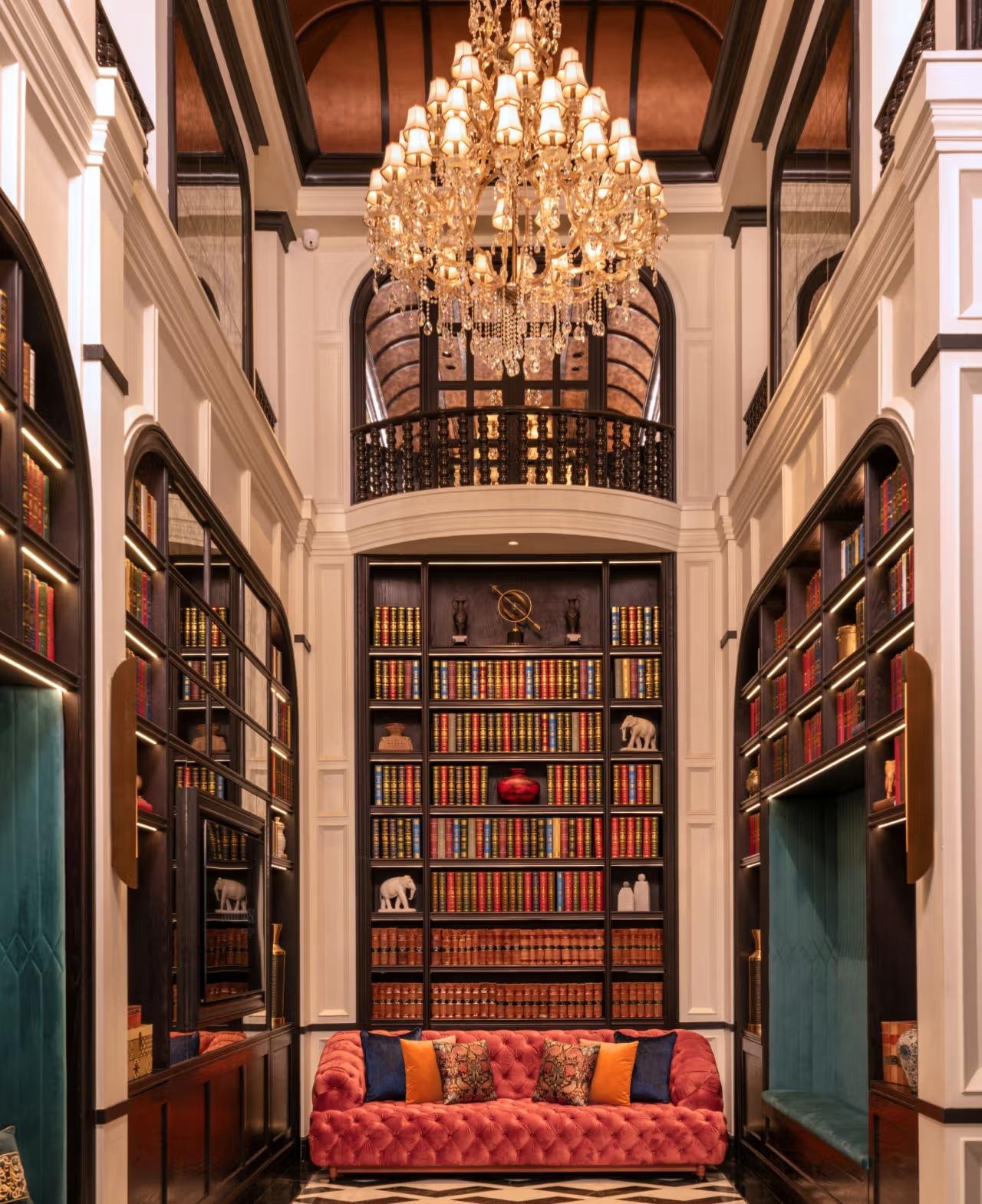
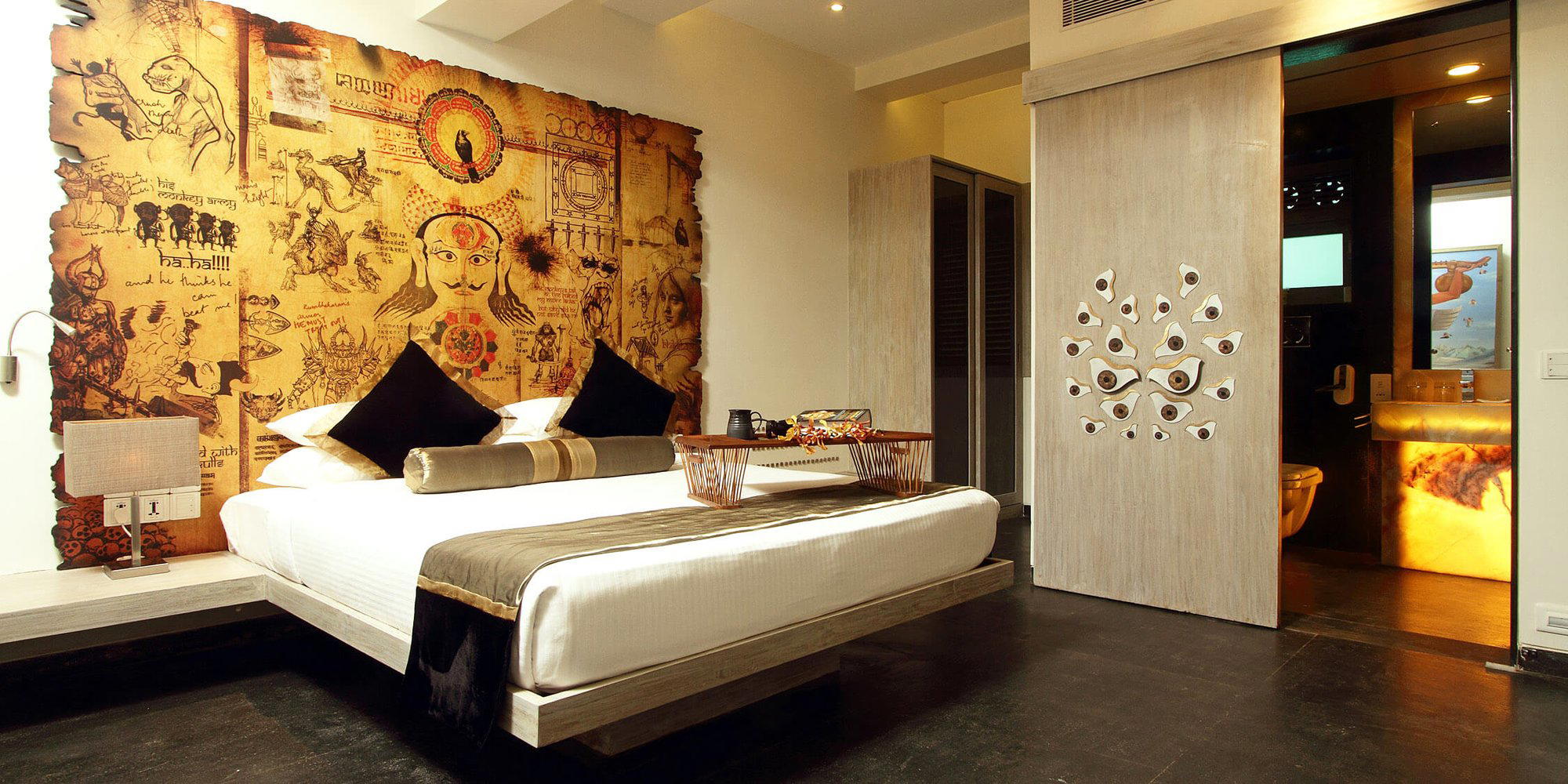
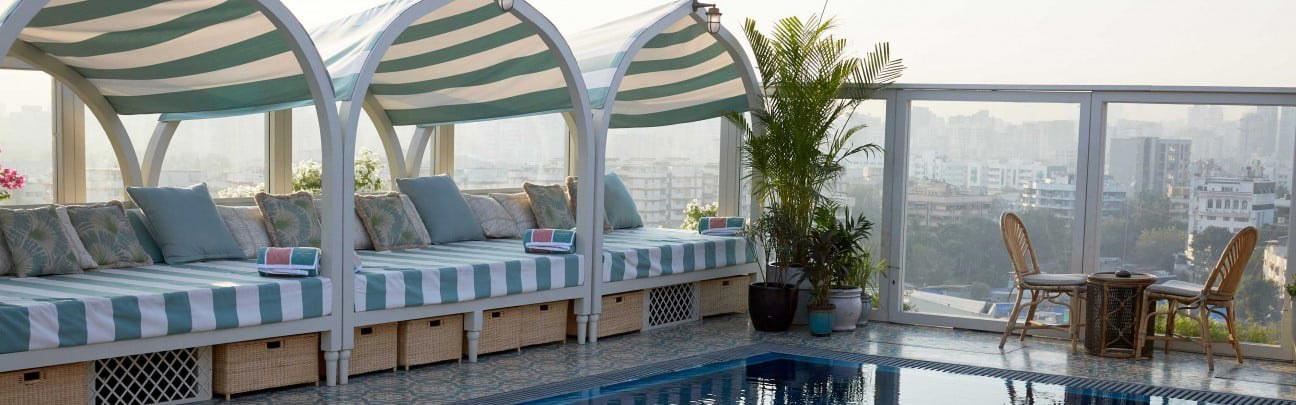
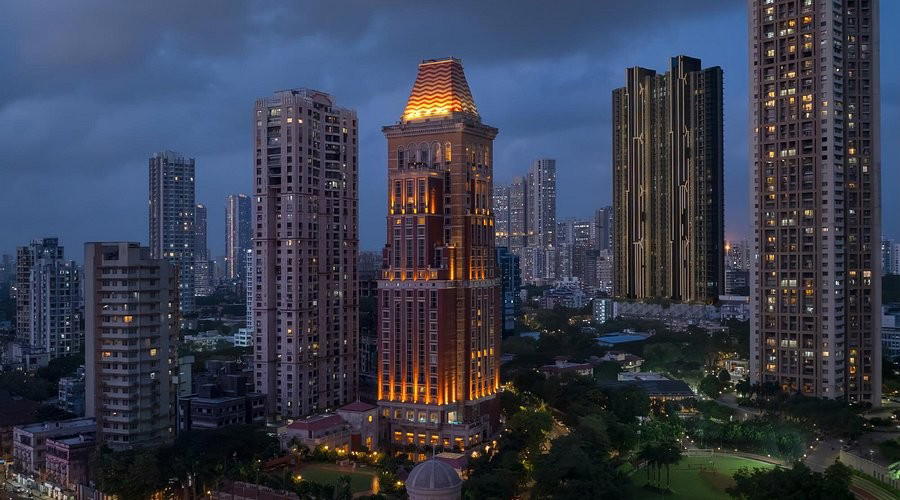
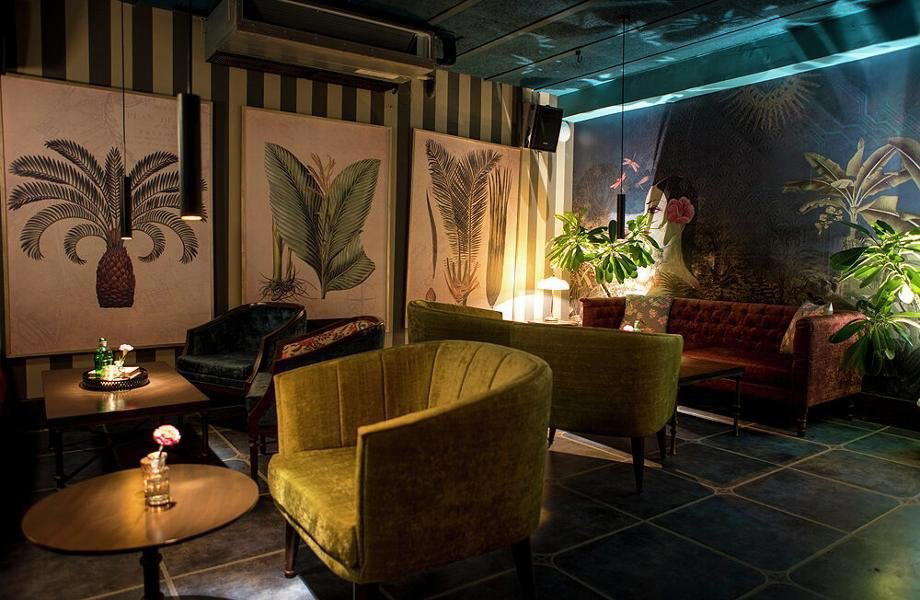
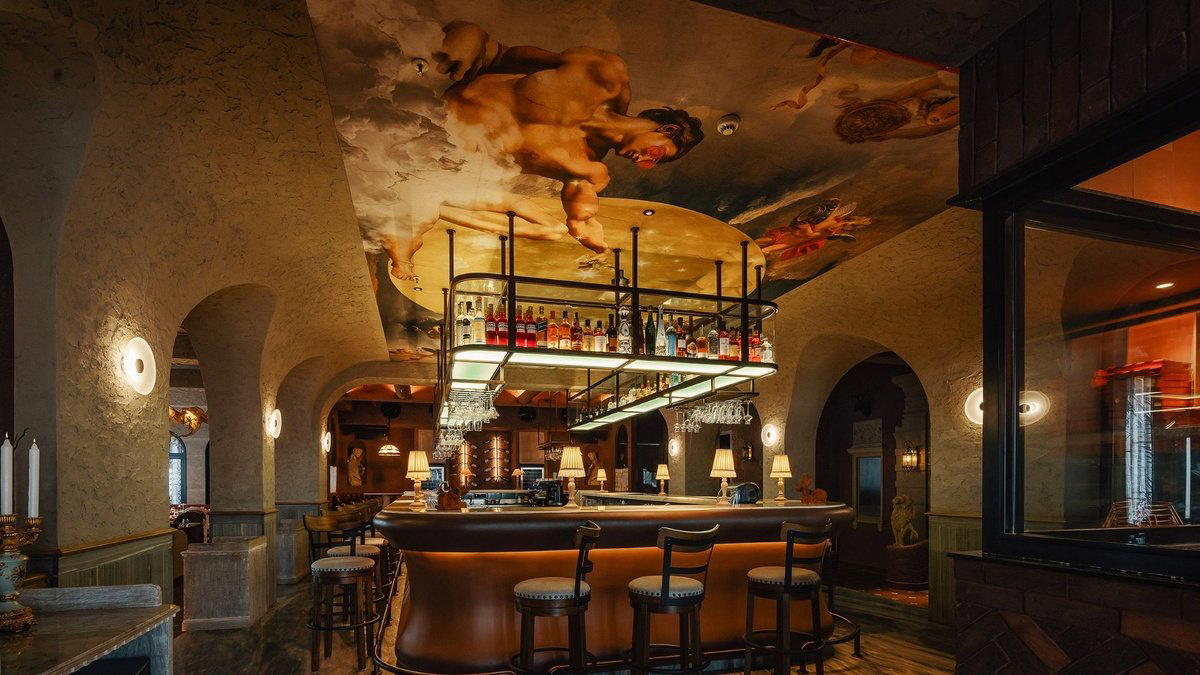
Elegant and luxurious with chic interiors, plush furnishings, and calming sea views.