Gyotaku - King St.
Our verdict
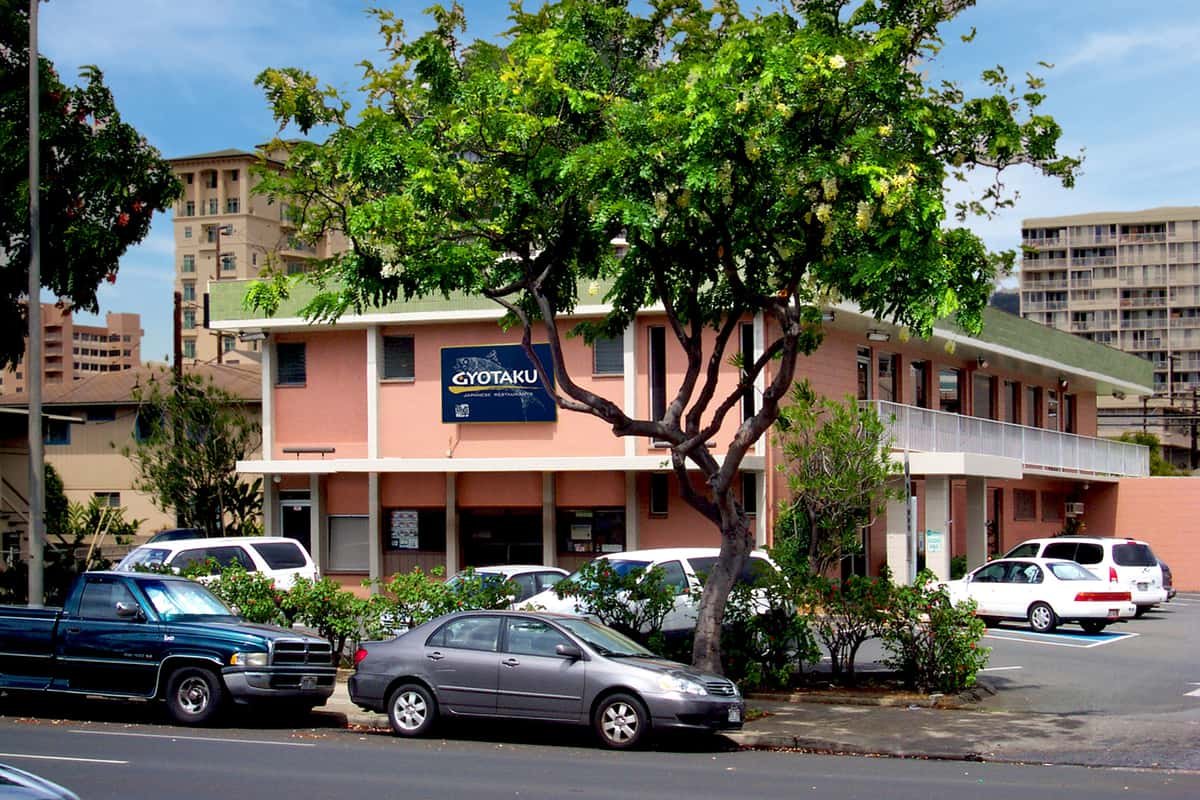
Gyotaku on South King Street sits in the mid-tier of Honolulu's Japanese restaurant scene, occupying a neighbourhood slot that regulars treat as a reliable anchor for island-style Japanese cooking. The menu reads as a survey of local Japanese-American culinary habits, where plate lunches share space with izakaya-adjacent dishes in a format that reflects decades of cross-cultural cooking in Hawaii.

Pearl is the En Primeur Club membership app — saves, bookings, and concierge access live there. Same editors, same standards.
- Address
- 1824 S King St, Honolulu, HI 96826
- Phone
- (808) 949-4584
- Hours
- Daily 11 AM–8 PM
- Website
- gyotakuhawaii.com
- Directions
- Get directions
- Booking
- Book on OpenTable
The menu
What to order
- Assorted Poke Don
- Misoyaki Butterfish
- Caterpillar Roll
Where South King Street Eats Japanese
South King Street runs through one of Honolulu's most functional dining corridors, a stretch where residents, not tourists, set the pace. The area around the 1800 block draws a working-neighbourhood crowd that expects competence, value, and familiarity in roughly that order. In that context, Gyotaku occupies a well-worn slot: a Japanese restaurant built around the kind of menu that defines how Hawaii actually eats Japanese food, which is to say, something considerably different from what a Tokyo resident would recognize.
Hawaii's Japanese culinary tradition has always been a hybrid form. The first large-scale Japanese immigration to the islands arrived in the 1880s for plantation labour, and over several generations those communities developed a cooking style that absorbed local ingredients, Portuguese influences, Korean flavours, and American plate-lunch conventions. What emerged is a category unto itself: dishes that look Japanese in name and technique but carry the imprint of a century of island life. Gyotaku's menu sits squarely within that tradition rather than positioning itself as an import or an approximation of contemporary Japanese dining.
Reading the Menu as a Document
The menu architecture at a restaurant like this tells you more about the intended diner than any single dish can. At Gyotaku on King Street, the menu functions as a survey of Hawaii's Japanese-American cooking canon rather than a tasting progression or a chef-driven statement. That structure is deliberate and informative: it says that the kitchen is serving a community rather than performing for a critic.
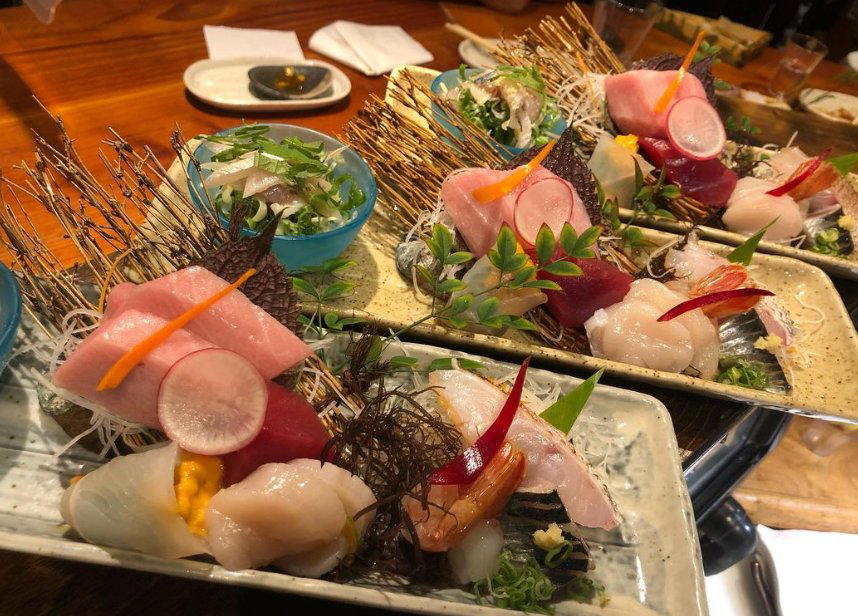
In practice, this means the menu spans a range that a strictly Japan-focused kitchen would never attempt under one roof. Sashimi and sushi coexist with katsu plates, noodle soups, and local-style combinations that exist nowhere else in the world precisely because they emerged from Hawaii's particular social and agricultural history. The plate lunch format, which pairs an entree with two scoops of rice and macaroni salad, runs through Japanese restaurants across the islands as naturally as it does through Hawaiian and Korean establishments. At Gyotaku, that format appears alongside more traditional izakaya-adjacent dishes, and the juxtaposition is the point: this is how the island synthesized its influences.
Compare that structural approach to what Japanese restaurants in Honolulu's higher price tiers are doing. Ginza Bairin, for instance, leans into a more Japan-faithful tonkatsu format. Fujiyama Texas takes a theatrical, fusion-forward approach to Japanese cooking that targets a different audience entirely. Gyotaku on King Street neither chases technique-driven prestige nor leans into novelty. Its menu reads as a community standard, which in a city with deep Japanese-American roots carries its own kind of authority.
The Honolulu Japanese Restaurant Tier
Honolulu's restaurant scene has become increasingly stratified over the past decade. At the upper end, farm-to-table New American concepts like Fête and destination seafood dining at venues like 53 By The Sea compete for visitor spend and special-occasion bookings. refined local-ingredient tasting formats, the kind you find at 3660 On the Rise, occupy another prestige tier. Then there is the cultural experience end of the spectrum, represented by events like the Ahaaina Luau, which performs Hawaiian food culture for a tourist-facing audience.
Gyotaku King Street exists in none of those tiers. It belongs to a different and arguably more resilient category: the neighbourhood Japanese restaurant that functions as a weekly or twice-weekly habit for local families. This is not a criticism. In a city where dining press attention skews heavily toward the hospitality-district venues and Waikiki-adjacent hotels, the mid-tier neighbourhood Japanese restaurant is the format most Honolulu residents actually use. Gyotaku has multiple locations across Oahu, which signals that the format has found an audience rather than a moment.
For context on how this positioning compares nationally, consider that the James Beard-recognised, Michelin-tracked tier of American seafood and Japanese dining includes places like Le Bernardin in New York City, Providence in Los Angeles, and Atomix in New York City. At the tasting-menu prestige end of American dining more broadly, Alinea in Chicago, The French Laundry in Napa, and Single Thread Farm in Healdsburg define an entirely different set of expectations. Gyotaku does not compete with or aspire toward any of those benchmarks, which is what makes it legible: it knows its audience and its lane.
That said, Hawaii-style Japanese cooking as a category deserves more serious attention than it typically receives in national food media. The cross-cultural synthesis it represents is as historically layered as the Franco-Vietnamese cooking of Ho Chi Minh City or the Peruvian-Japanese Nikkei tradition. When the broader food world discusses the latter with reverence at restaurants like Otto e Mezzo Bombana in Hong Kong or the kind of ingredient-driven restraint documented at Blue Hill at Stone Barns, Hawaii's own hybrid tradition tends to get treated as comfort food rather than a cuisine with a defined lineage. Gyotaku serves that lineage whether or not anyone frames it in those terms.
What Draws the Repeat Visitor
The repeat customer at a restaurant like this is not chasing novelty. They know what they are ordering before they arrive. The draw is consistency and the particular comfort of a menu that reflects their own food memory, which for Hawaii's Japanese-American community means dishes their parents or grandparents ate in similar restaurants in the same city. That kind of loyalty is not manufactured by a marketing programme. It accrues over time through the repetition of getting things right in the same way, in the same place.
For a visitor approaching Honolulu's dining scene through EP Club's full Honolulu restaurants guide, Gyotaku King Street is worth understanding as a cultural data point as much as a meal destination. It shows how Japanese cooking embedded itself in Hawaii's daily life rather than remaining a specialty import. For travellers whose itinerary is weighted toward places like 855-ALOHA or the higher-concept end of the local scene, an afternoon meal at a South King Street Japanese institution fills in a different register of the city's food story. Other national reference points for how regional traditions build this kind of depth include Emeril's in New Orleans, Lazy Bear in San Francisco, Addison in San Diego, and The Inn at Little Washington, each of which anchors its identity in a specific regional tradition in a way that outlasts trends.
Know Before You Go
- Address: 1824 S King St, Honolulu, HI 96826
- Neighbourhood: McCully-Moiliili corridor, South King Street dining strip
- Format: Neighbourhood Japanese restaurant; multi-location Oahu operator
- Price tier: Mid-range by Honolulu standards; consistent with neighbourhood positioning
- Leading for: Hawaii-style Japanese cooking; plate lunch formats; local repeat-diner clientele
Frequently asked questions
Where is Gyotaku - King St. in Honolulu?
Gyotaku - King St. is located at 1824 S King St, Honolulu, HI 96826, Honolulu.
Is Gyotaku on King Street a good option for families looking for Japanese food in Honolulu?
South King Street is one of Honolulu's more functionally residential dining strips, and Gyotaku's positioning there points to a restaurant built around everyday practicality rather than special-occasion formality. The format suits households that treat Japanese dining as a regular habit rather than an event. For families specifically, the King Street address at 1824 S King St places it within easy reach of the surrounding neighborhoods rather than the tourist-heavy zones of Waikiki or Ala Moana.
What's the signature dish at Gyotaku - King St.?
Gyotaku on South King Street is known for the kind of Japanese plates that bring residents back week after week rather than a single theatrical centerpiece dish. The menu leans toward familiar Japanese-Hawaiian combinations, the sort of food Honolulu locals grew up eating rather than tasting-menu novelty. Without a current published menu on file, the safest approach is to check directly with the restaurant at 1824 S King St for current daily offerings.
Do they take walk-ins at Gyotaku - King St.?
Gyotaku on S King Street sits on a residential dining corridor where the customer base is largely repeat and local, which tends to support a walk-in friendly model. That said, no confirmed reservation policy is documented for this location. Arriving early, particularly at peak dinner hours on weekends, is the practical approach until you can confirm directly with the restaurant.
A Pricing-First Comparison
Comparable venues nearby, for context on price, style, and recognition.
| Venue | Cuisine | Price | Notes |
|---|---|---|---|
| Gyotaku - King St.This venue — the venue you are viewing | Japanese Sushi and Tempura | $20–30 | Not listed |
| Kaimuki Shokudo | Japanese Soba & Izakaya | $20–30 | Kaimuki, Japanese Soba & Izakaya |
| J−Shop | Japanese Izakaya | $20–30 | Makiki Ako, Japanese Izakaya |
| Izakaya Nonbei | Traditional Japanese Izakaya | $30–50 | Kaimuki, Traditional Japanese Izakaya |
| Yanagi Sushi | Traditional Japanese Sushi | $30–50 | Capitol District, Traditional Japanese Sushi |
| Kaneko Hannosuke | Tempura | Not listed | Waikiki, Tempura |
Details
- Classic
- Family
- Casual Hangout
- Group Dining
- Private Dining
- Sake Program
- A La Carte
- Small Plates
- Sake Program
- Vegetarian Friendly
- Vegan Options
- Gluten Free Options
Current opening hours
- Monday
- 11 AM–8 PM
- Tuesday
- 11 AM–8 PM
- Wednesday
- 11 AM–8 PM
- Thursday
- 11 AM–8 PM
- Friday
- 11 AM–8 PM
- Saturday
- 11 AM–8 PM
- Sunday
- 11 AM–8 PM
Hours can change for holidays and private events. Last verified .
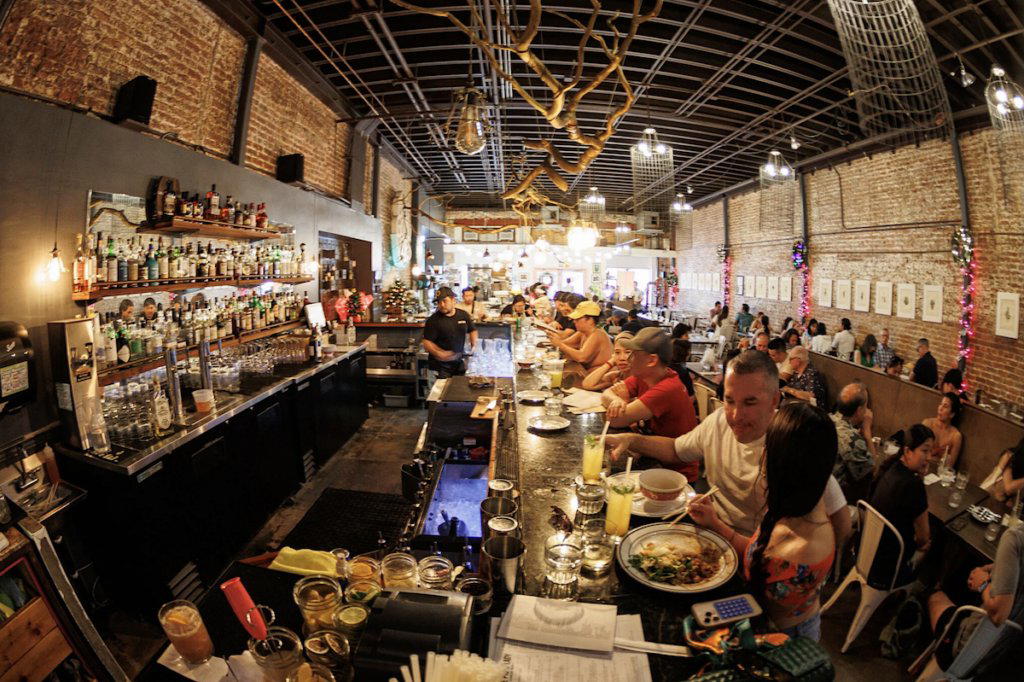
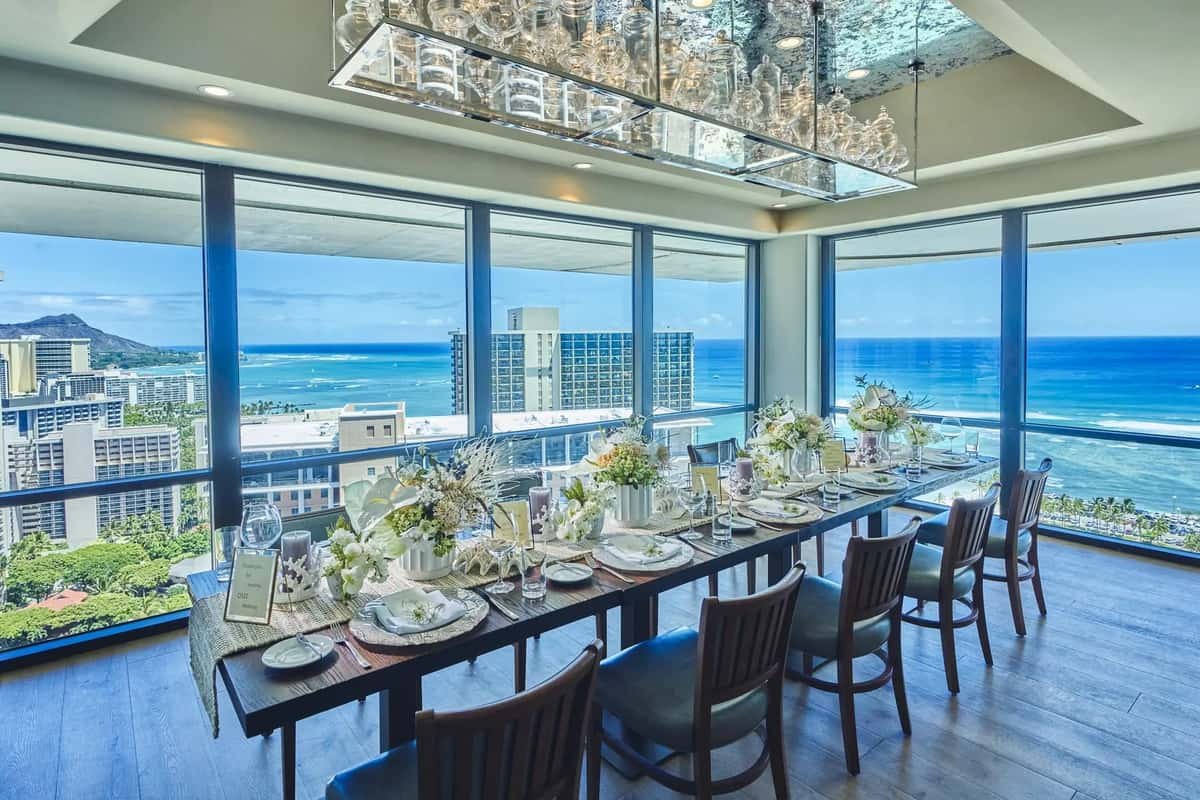
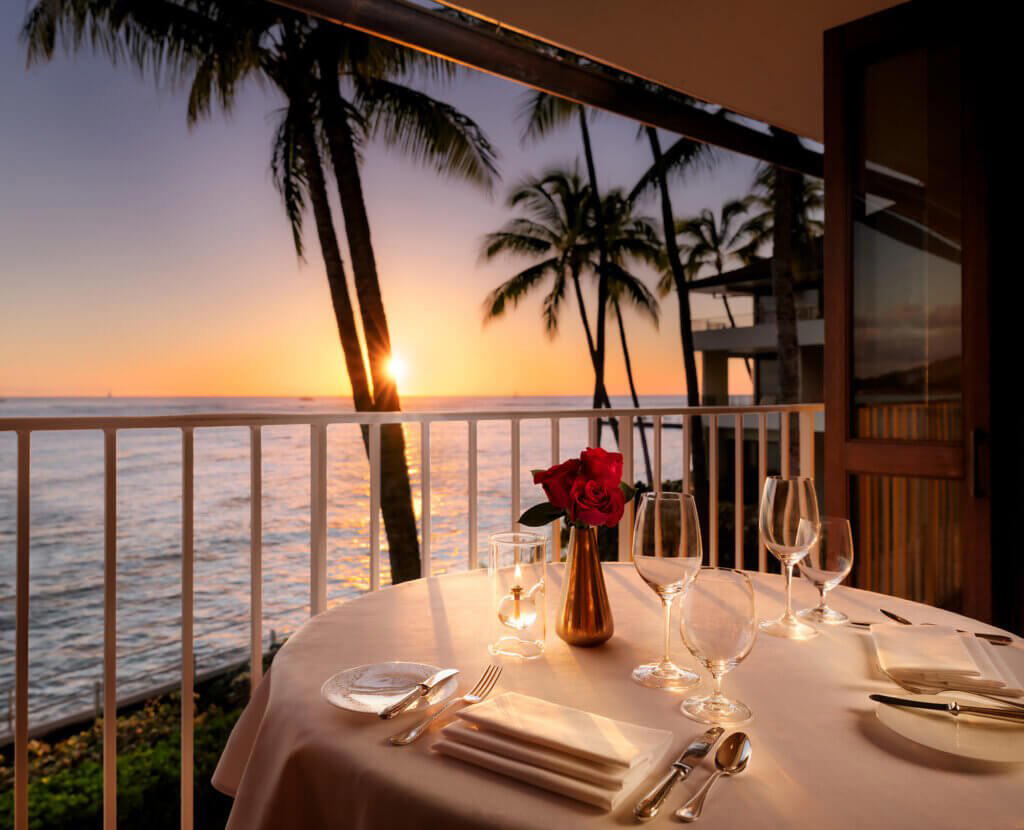
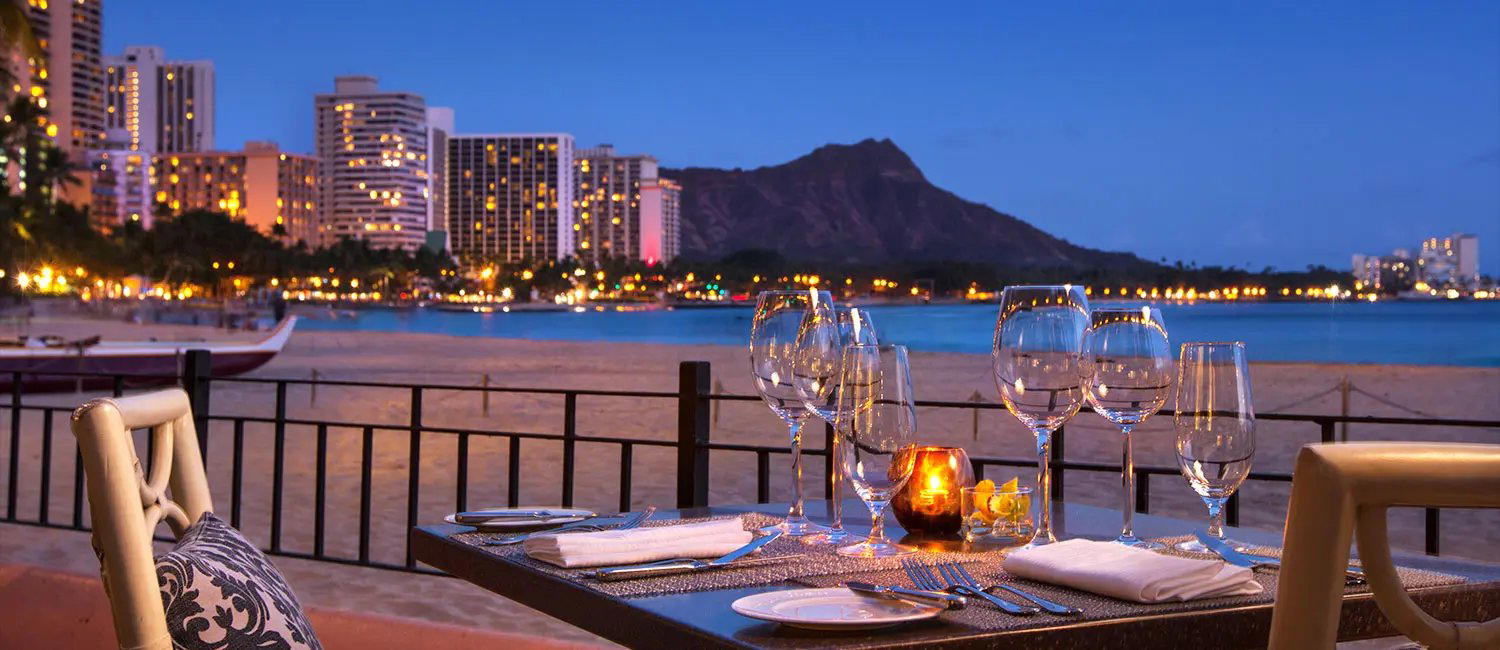
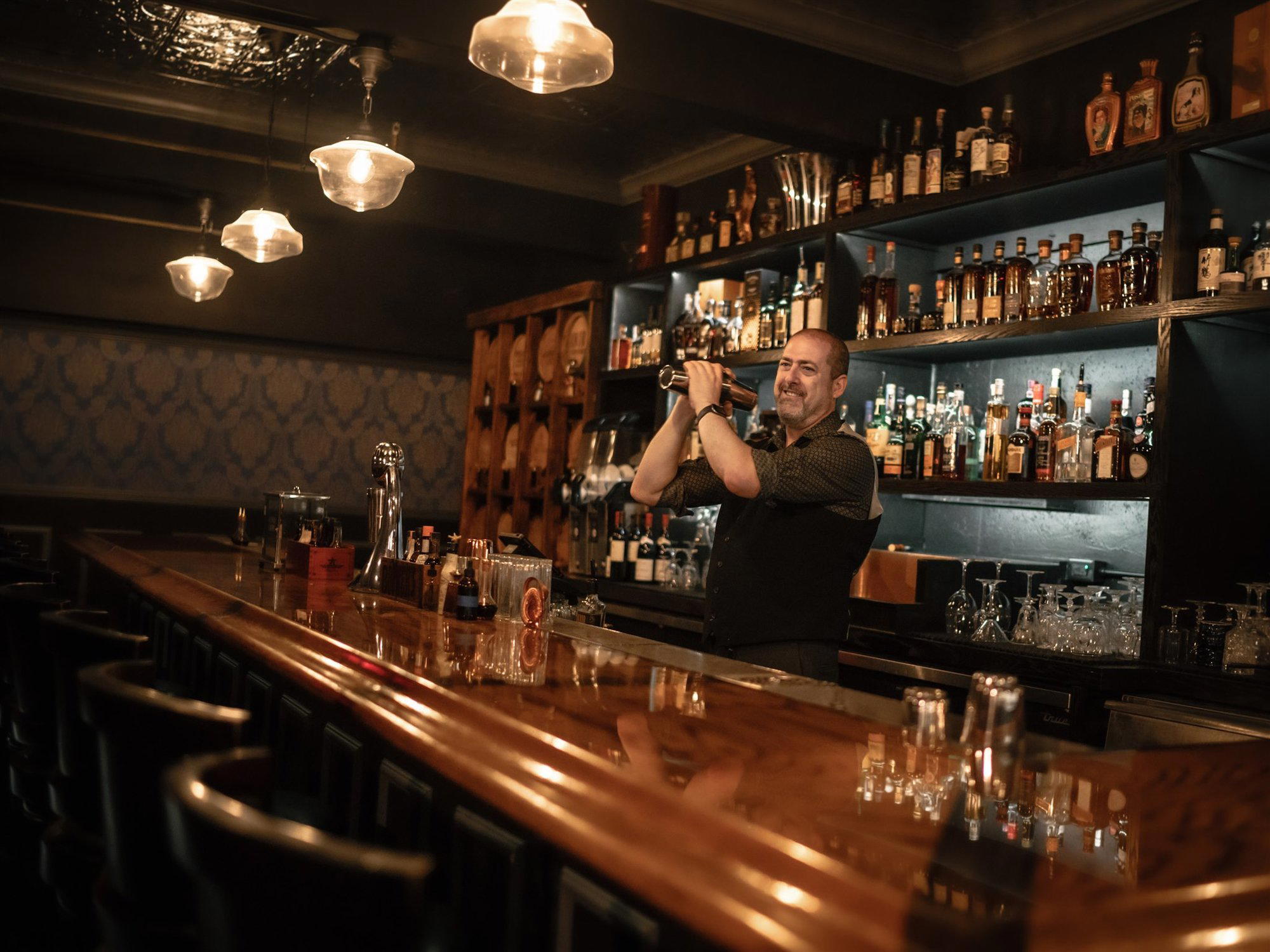
Welcoming family-friendly atmosphere with tasteful decor, bright salads, and efficient service in a two-story space.